
Reviewed · FOOD TOURS
Osaka Delights: Traditional Japanese Food Tour
Come hungry, leave with Osaka in your head. This three-hour evening walk ties Kuromon Market, classic Osaka dishes, and Dotonbori’s neon streets into one easy introduction to the city’s food culture. I like the wide range of tastings, from takoyaki and dango to okonomiyaki and kushikatsu, and I like that a bilingual guide adds local context instead of simply handing you food. The main concern is language balance in a mixed English and Spanish group, since one past participant felt the guide spoke mostly Spanish.
I also like the efficient timing: you start at 5:30 pm, eat your way through Namba, and finish beneath the Glico sign at Ebisu Bridge. Guides named Paula, Ángeles, Heli, Eli, and Helimar have received especially warm praise for their friendliness and explanations. Still, the group can reach 30 people, and the food portions or final dessert may feel modest if you arrive expecting a full restaurant dinner.
In This Review
- Key points before you book
- Why this Osaka food walk works
- Kuromon Market and the first takoyaki bite
- Three-color dango at Mitoya
- Okonomiyaki and kushikatsu near Hozenji
- The warm egg tart finale
- Dotonbori after dark
- What the guide adds
- Is $84 a fair price?
- Who should book this experience?
- Practical tips for a better evening
- Should you book Osaka Delights?
- FAQ
- Where does the Osaka food tour start?
- What time does the tour begin?
- How long does the experience last?
- Where does the tour end?
- Which foods are included?
- Is a guide included?
- Are drinks included?
- How many people can join the tour?
- Can people with mobility issues participate?
- Can I cancel for a full refund?
Key points before you book
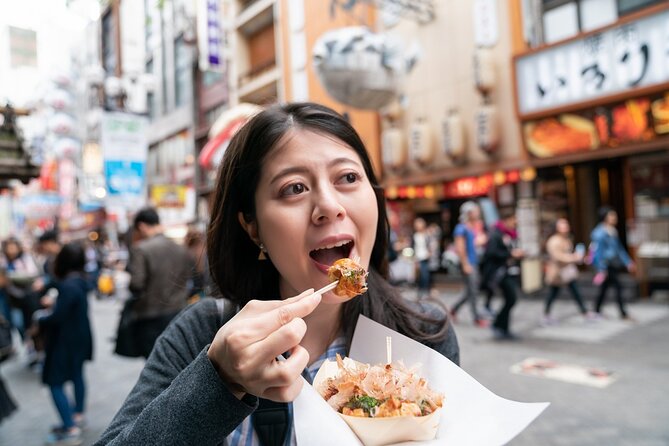
- Takoyaki at Kuromon Market: Begin with Osaka’s famous octopus-filled snack in the city’s long-running food market.
- Four classic food stops: Taste takoyaki, three-color dango, okonomiyaki, kushikatsu, and a warm egg tart.
- A strong guide can make the difference: Paula and Ángeles receive repeated praise for food explanations, local suggestions, and personal attention.
- A 5:30 pm start suits Osaka nightlife: The route moves from market stalls to Dotonbori as the signs begin to glow.
- $84 buys more than food: The price covers tastings, a bilingual guide, and a guided walk through Namba and Dotonbori, but not extra drinks or meals.
- Plan for walking and stairs-free access is not promised: The operator says the tour cannot accommodate people with mobility issues.
Why this Osaka food walk works
Osaka is often called Japan’s kitchen, and this tour gives you a quick, practical taste of why. Rather than sending you to one formal restaurant, it moves through market stalls, a neighborhood eatery, a bakery, and the streets around Dotonbori.
That variety matters. You are not tasting dishes in isolation. You are seeing where Osaka’s food life happens, from Kuromon Market’s produce and seafood stalls to the restaurant-lined lanes near Hozenji and the canal-side crowds at Dotonbori.
I see this as a useful first-night activity. You get a neighborhood orientation, a handful of familiar Japanese dishes, and a guide who can explain what you are eating. Later in your trip, you can return to the foods you liked best and order them with more confidence.
The evening format is another plus. At 5:30 pm, Osaka is shifting into its after-dark mood. The route begins with market food and ends at the glowing Glico sign, so the experience changes pace as the city lights come on.
More Food Tours in Osaka
- Osaka: Shinsekai Food Tour with 13-15 Dishes at 5 Eateries
★ 4.8 · 2,204 reviews - Osaka Food Tour: 13 Dishes at 5 Local Eateries
★ 5.0 · 2,149 reviews - Hungry Osaka Street Food Tour:15 Tastings & 3 Drinks with a Local
★ 5.0 · 1,727 reviews
Kuromon Market and the first takoyaki bite
The meeting point is Hotel Royal Classic Osaka at 4-chōme-3-3 Namba. From there, the group walks about 10 minutes to Kuromon Market. The market is known as Osaka’s Kitchen, and that nickname tells you what to expect: a food-focused arcade of stalls and small shops rather than a quiet historical site.
The market stop gives the guide room to explain Osaka’s eating habits and point out local ingredients. The exact amount of free time appears limited, so this is not a serious shopping expedition. Think of it as an introduction to the market before the first tasting.
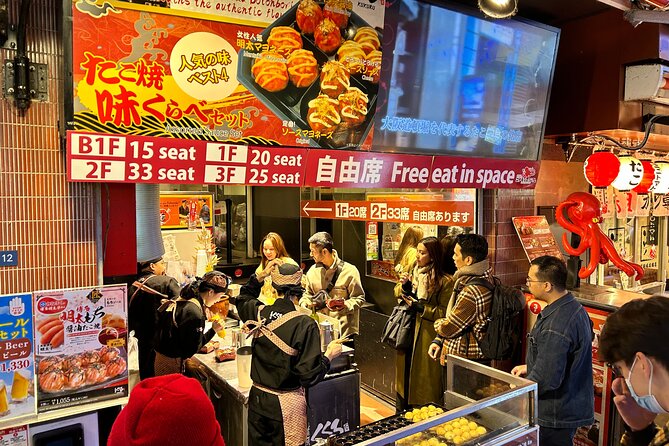
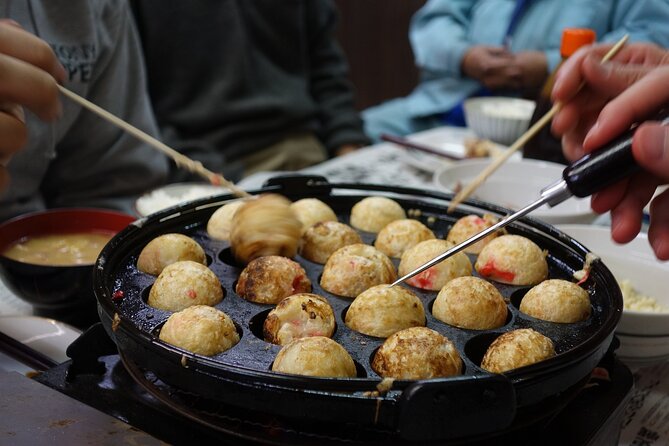
At Wanaka, you try takoyaki, the hot, round snack that is closely tied to Osaka. The outside is browned and crisp, while the inside contains soft batter and octopus. Sauces, mayonnaise, and bonito flakes add salt, sweetness, and a little theatrical movement as the flakes warm.
Takoyaki is usually served hot, so take care with the first bite. I would not rush this stop. The texture is part of the fun, and the guide can help explain how the dish differs from a simple fried dumpling.
The scheduled tasting lasts about 10 minutes. That is enough to sample the dish, hear a short explanation, and keep moving, but not enough to linger over several varieties.
Three-color dango at Mitoya
The next food stop is Mitoya, a shop specializing in dango. These are sweet rice dumplings served on a skewer, with three colors that carry traditional cultural meaning.
Dango has a different character from takoyaki. It is chewy, lightly sweet, and neat to eat while walking. After the hot, savory takoyaki, the change to a simple rice-based sweet gives the tour a useful contrast.
This stop is scheduled for about 30 minutes, longer than the takoyaki tasting. That extra time may include explanation and a slower look at the shop. It is one of the better moments to ask your guide about Japanese sweets, food customs, or the meaning behind the three colors.
If you prefer intensely sweet desserts, dango may seem restrained. That is not a flaw, but it is worth knowing. The appeal is its texture and tradition, not a heavy filling or a large serving.
Okonomiyaki and kushikatsu near Hozenji
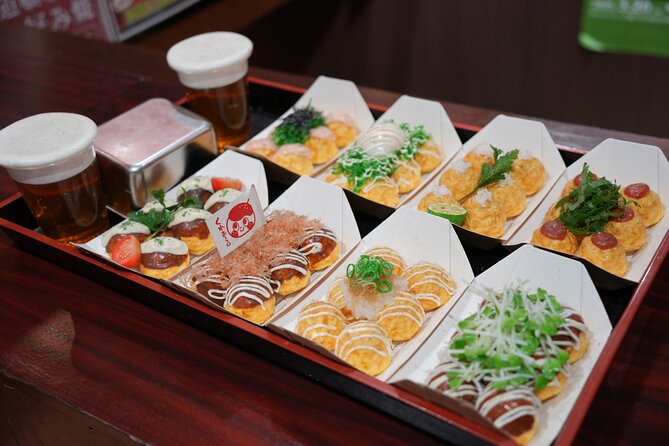
The main savory stop is Kushikatsu Yokozuna Hozenji. Here, you taste two of Osaka’s best-known comfort foods: okonomiyaki and kushikatsu.
Okonomiyaki is a savory pancake made with ingredients such as flour, eggs, cabbage, and other additions. It is filling, soft, and usually finished with sauce and toppings. The name is often explained as meaning grilled as you like it, which fits the dish’s flexible nature.
Kushikatsu is food on skewers, coated and fried until crisp. The contrast with okonomiyaki is immediate: one is soft and substantial, the other crunchy and snack-like. Together, they give you a solid introduction to Osaka’s fondness for bold sauces, fried textures, and casual shared eating.
The restaurant stop lasts about 50 minutes, making it the most substantial part of the food portion. You should have time to eat at a less hurried pace and listen to the guide’s explanation of the dishes.
Portions deserve a note. One person felt the serving amounted to only a single skewer and hoped for a better dessert, while another described the tour as enough to leave them very full. That difference suggests the quantity can feel generous to some and light to others. If you have a large appetite, bring a little spending money for something extra.
The restaurant setting may also matter to you. One negative account described the restaurant as dirty, while the larger pattern of comments praised the food and the local venues. I would treat this as a point to keep in mind, not proof that every group will have the same experience.
More Food Tours in Namba:
- Tokyo: Shinjuku Food Tour (13 Dishes at 4 Local Eateries)
★ 5.0 · 6,603 reviews - Tokyo: Shinjuku Food Tour (15 Dishes and 4 Eateries)
★ 4.9 · 2,033 reviews - Best of Shinjuku: Izakaya Food Tour (4 Stops, 14+ Tastings)
★ 5.0 · 1,863 reviews - Kyoto Night Foodie Tour in Gion (9+ dishes + 6 Sake tastings)
★ 5.0 · 1,762 reviews
The warm egg tart finale
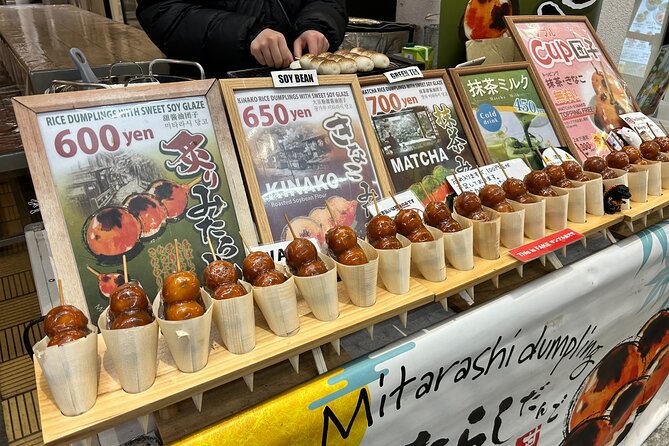
After the savory food, the tour stops at Egg Tart for a freshly baked pastry. The tart has a crisp, flaky shell and smooth custard filling.
This is a small but smart addition to the route. It gives you a final taste without asking you to sit down for another full course. The pastry also keeps the food progression moving from savory to sweet before the evening walk through Dotonbori.
Do not expect a large dessert spread. The advertised tasting is one warm egg tart, and a past participant compared it unfavorably with a cheesecake seen in earlier promotional material. If the closing dessert is important to you, keep expectations modest.
Dotonbori after dark
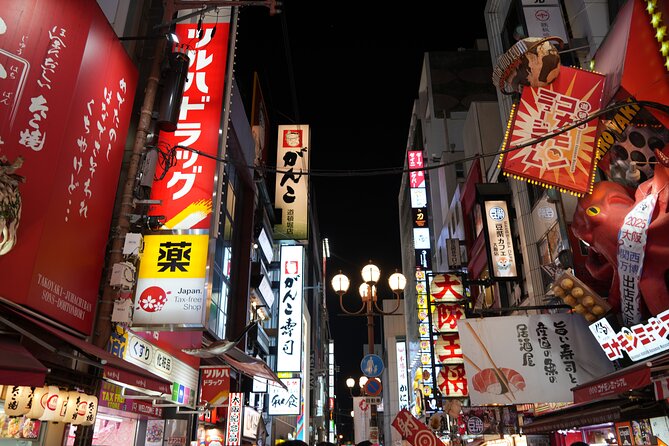
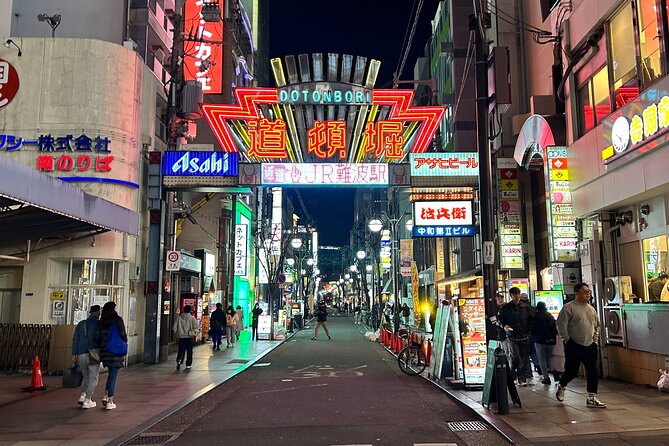
The walk then heads toward Dotonbori, Osaka’s best-known entertainment and food district. Bright signs, crowded sidewalks, restaurants, and the canal create a sharp change from the market’s daytime food-stall feel.
This part is not about another tasting. It is about seeing Osaka’s city life at the right hour. You may find the area noisy and busy, but that energy is part of the place. The guide can add background about Osaka and its dishes while helping you make sense of the streets.
The scheduled Dotonbori visit lasts about 30 minutes, followed by roughly 20 minutes at Ebisu Bridge. That gives you time for photos and a short look around, though it is not a long independent exploration period.
At Ebisu Bridge, you pose beneath the famous Glico running man sign. The sign is one of Osaka’s most recognizable images, and the bridge offers the obvious photo stop along the canal.
The tour finishes back at Hotel Royal Classic Osaka. That return point is convenient if you are staying nearby or using Namba as your base, though you should confirm your onward route if you plan to continue elsewhere.
What the guide adds
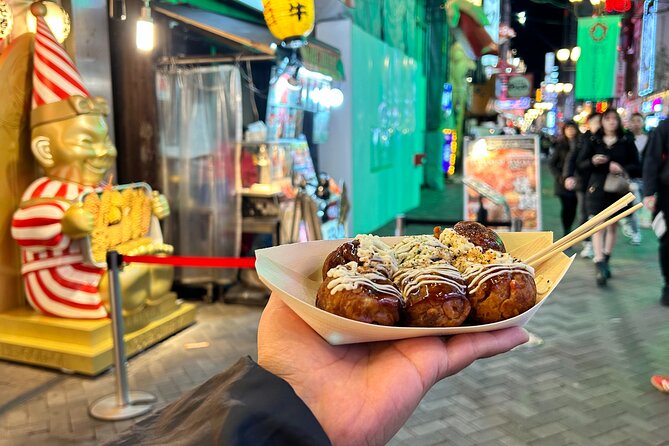
Food tours rise or fall on the guide, and this experience has several strong names attached to it. Paula receives repeated praise for her friendliness, food knowledge, advance reservations, and careful explanations. Her ability to secure places at popular local spots was especially useful to one Spanish-speaking group.
Ángeles is also praised for clear English, Osaka food and history explanations, and a warm manner. Heli receives credit for making the group comfortable and explaining where dishes came from or how certain places and foods fit into local culture. Eli and Helimar are also described as friendly and helpful.
The language setup is bilingual Spanish and English. That is a real benefit if you want a Spanish-led experience, but it can create an uneven experience in a mixed group. One English-speaking participant felt left out when the guide spoke mainly Spanish. Before joining, I would confirm the language arrangement and tell the guide clearly which language you need.
The group may contain up to 30 people. That is not a small private walk, so the guide’s ability to keep everyone together and include both languages will matter. Several positive comments describe smaller, comfortable groups, but the stated maximum is much larger.
Is $84 a fair price?
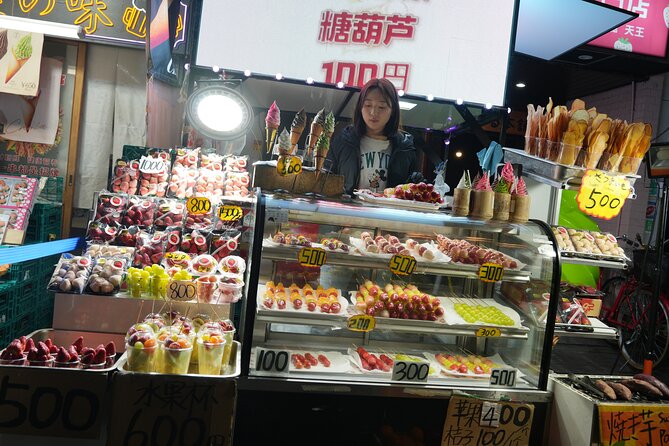
At $84 per person, this is not the cheapest way to eat in Osaka. You can buy individual street foods for much less. The value comes from combining several tastings with a guide, neighborhood orientation, cultural explanation, and a planned route through some of the city’s most popular food areas.
The included items are the listed tastings: takoyaki, dango, okonomiyaki, kushikatsu, and an egg tart. Extra meals and drinks are not included, and personal spending remains your responsibility. Admission fees are also not included, although the scheduled stops themselves do not list entrance charges.
I think the price makes the most sense for a first visit, a short stay, or anyone who feels unsure about ordering unfamiliar dishes. It is less compelling for an experienced Osaka eater who already knows Kuromon Market and Dotonbori and prefers choosing every dish independently.
The booking pattern suggests people reserve well ahead, with an average lead time of 42 days. That is useful information if your Osaka dates are fixed. Free cancellation is available until 24 hours before the start time, which gives you some flexibility.
Who should book this experience?
I would recommend it to first-time visitors who want a guided introduction without spending an entire day on food. The three-hour length is manageable, and the route covers both eating and sightseeing.
It also suits couples, families with older children, and solo visitors who prefer having a local person explain the menu. If you want Spanish, this may be particularly appealing, provided the language arrangement is confirmed.
You should be comfortable walking for several hours and eating multiple small servings. The operator says the activity cannot accommodate people with mobility issues, so it is not the right choice if you need a fully accessible route.
People seeking a quiet, intimate meal should look elsewhere. This is a public walking tour through busy neighborhoods, with a possible group size of 30. People seeking a polished fine-dining experience should also choose a restaurant reservation instead.
Practical tips for a better evening
Arrive hungry, but not empty-stomached. You will eat several items, yet portions can vary, and the route is built around tastings rather than one large dinner.
Wear comfortable shoes. The walk begins with 10 minutes from the hotel to Kuromon Market and continues through Namba and Dotonbori. The experience is built on moving between food stops, not sitting in one place.
Keep cash or another payment method available for extra drinks, added food, or personal purchases. Those costs are not part of the tour.
Ask questions early, especially if you want explanations in English or Spanish. The strongest guide experiences appear to come from guides who explain the dishes, history, and local customs rather than simply directing the group from one counter to the next.
If you have food allergies or dietary restrictions, confirm what can be served before booking. The supplied details do not promise substitutions or a special menu, and several featured foods contain common ingredients such as octopus, eggs, wheat, cabbage, and fried coatings.
Should you book Osaka Delights?
Yes, if you want a lively first taste of Osaka and value a guide who can connect food with place. The mix of Kuromon Market, classic dishes, Dotonbori, and the Glico sign gives you a lot in three hours, and the 4.7 rating with 94 percent recommendation points to a generally strong experience.
I would book with two cautions. First, confirm whether your group will be guided mainly in English or Spanish. Second, treat the food as a series of tastings, not a guaranteed full dinner with large portions and a grand dessert.
For a newcomer to Osaka, the convenience and range are worth the $84. For a confident eater who wants maximum freedom, spend the money directly at the market and restaurants instead.
FAQ
Where does the Osaka food tour start?
It starts at Hotel Royal Classic Osaka, located at 4-chōme-3-3 Namba, Chuo Ward, Osaka, 542-0076, Japan.
What time does the tour begin?
The tour starts at 5:30 pm.
How long does the experience last?
It lasts approximately three hours.
Where does the tour end?
The activity ends back at the meeting point, Hotel Royal Classic Osaka.
Which foods are included?
The tastings include takoyaki, three-color dango, okonomiyaki, kushikatsu, and a warm egg tart.
Is a guide included?
Yes. A bilingual guide in Spanish and English is included.
Are drinks included?
No. Additional drinks and meals not listed in the experience are not included.
How many people can join the tour?
The maximum group size is 30 people.
Can people with mobility issues participate?
The operator states that the tour cannot accommodate travelers with mobility issues.
Can I cancel for a full refund?
Yes. You can cancel at least 24 hours before the experience start time for a full refund. Cancellations or changes made less than 24 hours before the start time are not accepted for a refund.
Just added in Namba
- Discover Real Osaka: A Cultural Walk with Food & Drink★ 5.0 · 13 reviews
- Private Airport transfer Kansai Intl. Airport(KIX) to OSAKA CITY★ 4.5 · 12 reviews
- Osaka: Namba Local Food Walking Tour (Taste 15 Dishes)★ 5.0 · 20 reviews
- From Osaka/Kyoto: Kyoto & Nara Day Trip with Optional Lunch★ 4.5 · 79 reviews
- From Osaka or Kyoto: Kyoto and Nara 1-Day Bus Tour★ 3.5 · 141 reviews
- Osaka Private Tour with a Local Guide (Must See Places in 1 Day)★ 5.0 · 57 reviews
- Airport Transfer from Osaka city to Kansai airport★ 4.5 · 73 reviews
- Badminton in Osaka & Kyoto with Locals!★ 5.0 · 15 reviews
Food Tours, compared.
Shinjuku Food Tour (13 Dishes at 4 Local Eateries)
Read our review →
Shinsekai Food Tour with 13-15 Dishes at 5 Eateries
Read our review →
Osaka Food Tour: 13 Dishes at 5 Local Eateries
Read our review →
Shinjuku Food Tour (15 Dishes and 4 Eateries)
Read our review →
Best of Shinjuku: Izakaya Food Tour (4 Stops, 14+ Tastings)
Read our review →
Kyoto Night Foodie Tour in Gion (9+ dishes + 6 Sake tastings)
Read our review →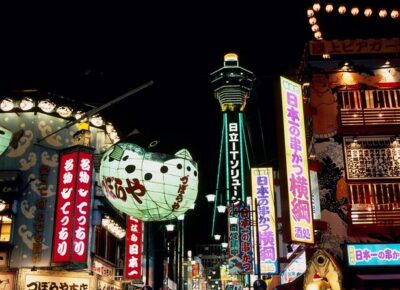
Hungry Osaka Street Food Tour:15 Tastings & 3 Drinks with a Local
Read our review →
Tokyo Night Foodie Tour in Shinjuku – Seasonal Sushi, Wagyu Beef
Read our review →Browse the lists this tour appears in