
Reviewed · COOKING CLASSES
Ramen and Gyoza Cooking Class in Osaka Dotonbori
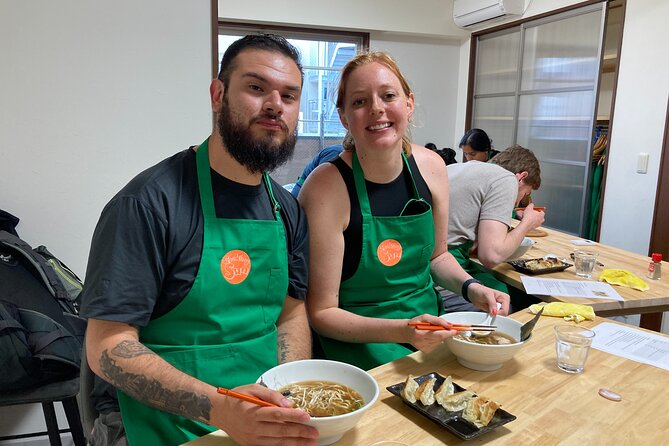
Make your own noodles in Osaka. This three-hour class turns two Japanese comfort foods into a hands-on lesson, with you kneading ramen dough, preparing broth, mixing gyoza filling, and folding dumplings in a small kitchen near Dotonbori. I like the small group size of up to eight and the fact that you eat the food you make. I also like the practical recipes and tips for changing flavors at home. The main catch is dietary: gluten-free cooking is not available, and the 1:30 pm start means you may want a light lunch first.
This is not a quick demonstration where you watch a chef do all the work. You chop, stir, knead, shape, and cook. Instructors such as Miki, Jun, Kassa, and Marina have been praised for clear English, patience, and careful explanations of ingredients such as fish flakes, soy sauce, and miso. Finding the apartment building can take some attention, so use the full street address rather than searching only for Cooking Sun.
In This Review
- Key details before you book
- A Dotonbori cooking class with a local feel
- What happens when the class begins
- Kneading ramen noodles from scratch
- Building a fish and chicken ramen broth
- Preparing and folding the gyoza
- The meal at the end is part of the value
- The instructors make the difference
- The apartment kitchen and group size
- Who will enjoy this most
- Timing, booking, and cancellation
- Should you book the Osaka ramen and gyoza class?
- FAQ
- Where does the ramen and gyoza class take place?
- What time does the class start?
- How long does the activity last?
- Where does the class end?
- How many people can join the class?
- Is the class taught in English?
- Are ingredients and cooking equipment included?
- Do I receive recipes to take home?
- Can I request a vegetarian or pescatarian option?
- Is a gluten-free option available?
- What does the class cost?
- Can I cancel for a refund?
Key details before you book
- Noodles are made by hand: You knead the ramen dough yourself rather than simply boiling packaged noodles.
- The broth is prepared from scratch: The class covers a fish and chicken ramen base, with explanations of how the ingredients affect flavor.
- Gyoza filling is customizable: You prepare the filling, then fold the dumplings using wrappers supplied in class.
- The meal is included: You sit down to eat your ramen and gyoza after cooking, with recipes to take home.
- The class stays intimate: The maximum is eight people, though some bookings may form a private family group.
- Dietary requests need advance notice: Vegetarian, pescatarian, and no-fish options are possible if noted when booking. Gluten-free is not available.
A Dotonbori cooking class with a local feel
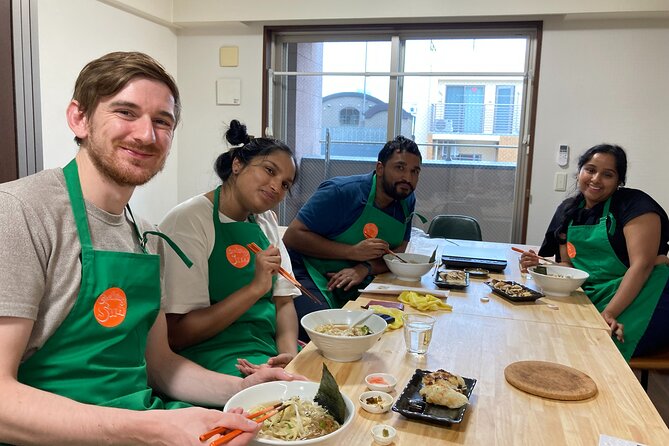
Osaka is famous for eating well, but restaurant meals only show you the finished product. This class lets you see how two everyday Japanese dishes come together, and it gives you enough practical information to try them again after returning home.
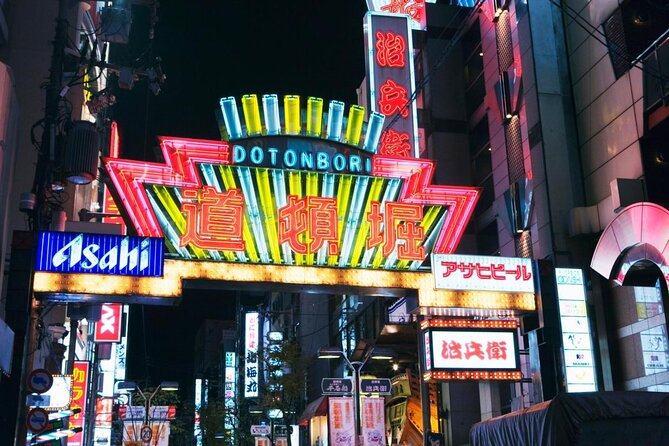
The location is useful. Cooking SunJapan is in Shimanouchi, near Dotonbori, the central food district where you can spend the evening looking for takoyaki, okonomiyaki, and other Osaka favorites. The class itself takes place in an apartment kitchen rather than a large commercial school. That setting gives the lesson a more home-cooking character, though it also makes the meeting point less obvious.
The listed address is 2-chome 9-14, room 807, in Osaka’s Chuo Ward. You go up to the eighth floor. A particularly useful tip is to enter the actual address into your map app, not simply Cooking Sun or Sun Cooking. Searching by the business name has led some people to the wrong place.
The activity begins at 1:30 pm and lasts about three hours. Cooking may finish around 3:30 pm, followed by the meal, so I would not arrive hungry enough to be distracted. A small lunch beforehand is sensible, especially if you plan to walk around Dotonbori afterward.
More Cooking Classes in Osaka
- Sushi Making Osaka Roll and Authentic Japanese Sushi Class
★ 5.0 · 1,220 reviews - Matcha Making Class in Osaka with Authentic Japanese Sweets Set
★ 5.0 · 509 reviews - Osaka Sushi Making Experience
★ 5.0 · 400 reviews
What happens when the class begins
The instructors start by introducing the ingredients and explaining the basic logic behind the dishes. This matters because ramen is not just noodles plus soup. The type of stock, miso, soy sauce, fish flakes, and toppings all change the result.
The class has been praised for explaining why each step is done in a particular order. That is helpful for home cooks because you learn a method, not just a recipe. You might also get suggestions for ingredient substitutes that are easier to find outside Japan.
English instruction is included, and the class is designed for active participation. The instructors demonstrate, then guide you through the same task. You do not need to arrive as an experienced cook. Families have brought children and teenagers, including young cooks who normally do not spend much time in the kitchen.
The small maximum group of eight is important here. Making noodles and folding dumplings can become confusing when too many people crowd around one work surface. With fewer people, the instructors can correct technique, answer questions, and help if your first gyoza looks more like a folded envelope than a restaurant dumpling.
Kneading ramen noodles from scratch
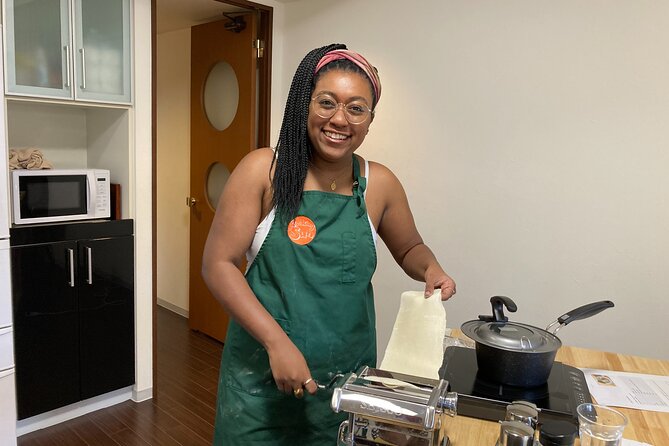
The noodle portion is the most distinctive part of the experience. You mix and knead the dough by hand, working through a process that shows why fresh ramen noodles have a particular springy texture.
This is also where the class becomes more than a photo opportunity. Kneading takes effort, and making ramen from scratch is more involved than many people expect. That effort is part of the fun, but it means the class is not passive or rushed.
The finished noodles are cooked for the meal. You get to see the connection between the dough you worked and the bowl placed in front of you later. For me, that is the strongest reason to choose this class over a basic Japanese food demonstration.
The class is not suitable for anyone who requires gluten-free food. Ramen noodles are made from wheat, and the experience does not offer a gluten-free version. If you have another dietary concern, note it when booking rather than waiting until you arrive.
Building a fish and chicken ramen broth
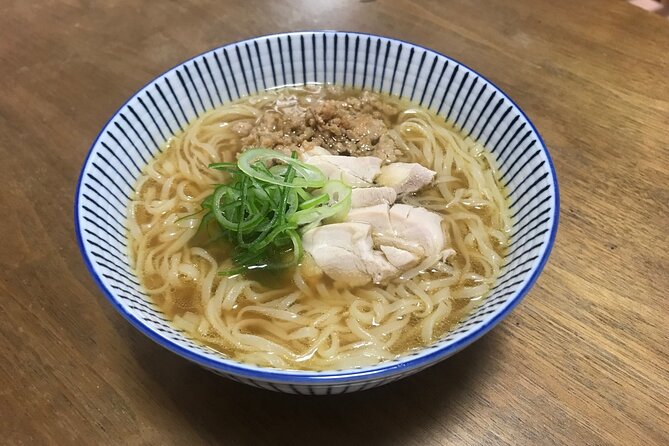
The broth uses a fish and chicken base, and the instructors explain the ingredients as you work. That is useful if fish flavor makes you uncertain. One class participant who normally dislikes fish found the finished broth enjoyable, which suggests the flavor can be balanced rather than overpowering.
You also learn about Japanese pantry staples. The instructors have explained differences between types of fish flakes, soy sauces, and miso, along with how each can affect the final bowl. These details are easy to miss when you simply order ramen at a restaurant, yet they are the pieces you need if you want to recreate the dish at home.
Toppings can be adjusted to your taste. The class is intended to help you customize the ramen, not treat one fixed recipe as the only correct version. That makes the experience useful for home cooks with different preferences, though you should listen carefully to which changes affect the broth and which are simply finishing touches.
The finished ramen is served as part of the meal at the end. Since you have handled the ingredients from the start, the bowl feels like the reward for several small tasks rather than a dish that appeared without explanation.
More Cooking Classes in Japan:
- Sushi Making Tokyo Roll and Authentic Japanese Sushi Class
★ 5.0 · 3,971 reviews - Tokyo: Roll and Authentic Sushi Making Class in Asakusa
★ 4.9 · 1,957 reviews - Ramen Cooking Class at Ramen Factory in Kyoto
★ 5.0 · 1,937 reviews - Tokyo Shinjuku Chopsticks Making Class
★ 5.0 · 1,763 reviews
Preparing and folding the gyoza
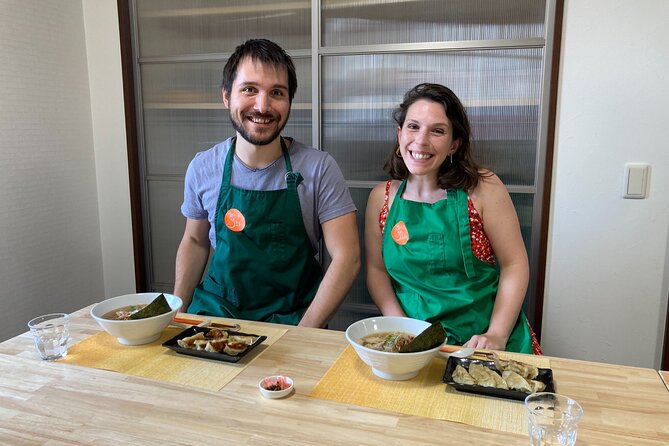
For the gyoza, you chop the ingredients and mix the filling. The class uses chicken filling, with the option to request vegetarian, pescatarian, or no-fish arrangements in advance. Premade wrappers are supplied, so the focus is on the filling, seasoning, and folding rather than making every component from flour.
Folding is a good group activity because each person can develop a slightly different style. The instructors guide you through the process and help when the filling is too generous or the wrapper refuses to close. The goal is not perfect restaurant symmetry. It is learning a repeatable technique that you can use in your own kitchen.
The finished dumplings are cooked and eaten with the ramen. Several participants have found that their gyoza turned out much like restaurant versions, which speaks to the step-by-step teaching. You also leave with a better sense of how much filling to use and how careful sealing affects cooking.
If you are booking for a child or teenager, gyoza folding can be especially appealing. It is tactile, easy to understand, and gives younger cooks a clear job while the adults handle other parts of the meal.
The meal at the end is part of the value
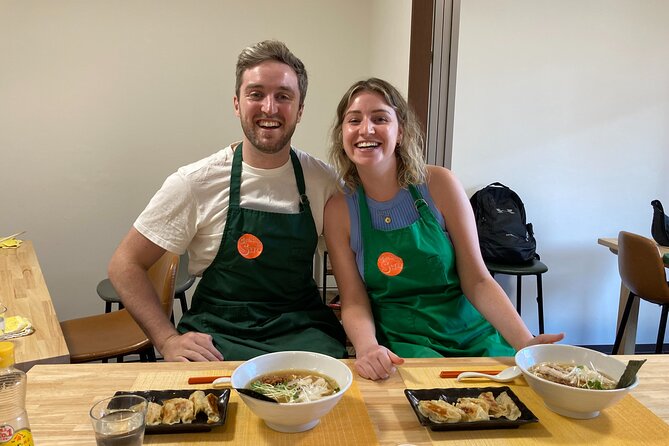
The class includes the ingredients, utensils, instruction, taxes, and the food you prepare. You are not paying for a lesson and then buying lunch elsewhere. At the end, you eat the ramen and gyoza as an early meal.
At $71.35 per person, the price is not the cheapest way to eat ramen in Osaka. A restaurant bowl costs far less. The value comes from the instruction, the hands-on work, the small group, and the recipes you can use later.
I think the price makes sense if you want a food activity rather than only a meal. It is also a reasonable choice for families because both adults and children take part. A group of eight can make the experience feel social without turning it into a crowded workshop.
The included recipe sheets are worth noting. They give you a way to remember the proportions and steps once you are home, although you may need to find comparable ingredients in your own country. The instructors have reportedly discussed substitutions, which makes the recipes more useful than a simple list of Japanese product names.
The instructors make the difference
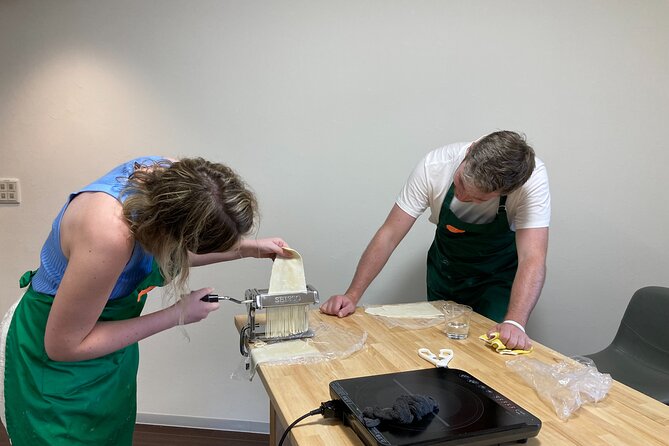
The teaching style is one of the strongest parts of this class. Miki and Jun have been singled out for friendly, patient instruction and strong English. Kassa and Marina have also been praised for making the process easy to follow.
The best descriptions of the class focus on organization. The instructors keep the many steps moving, explain ingredients clearly, and help when mistakes happen. That matters in a three-hour lesson because ramen and gyoza involve several tasks happening close together.
You can expect a warm, encouraging atmosphere rather than a formal culinary exam. Even people who already cook well have found the class worthwhile, while beginners have been able to keep up. The instructors also explain Japanese food customs, giving the lesson a little cultural context alongside the recipes.
Dietary care has been handled well in at least some bookings, including an allergy concern involving a child. That is encouraging, but I would still write your needs in the booking notes and confirm them directly. The stated options are vegetarian, pescatarian, and no-fish. Gluten-free cooking is not offered.
The apartment kitchen and group size
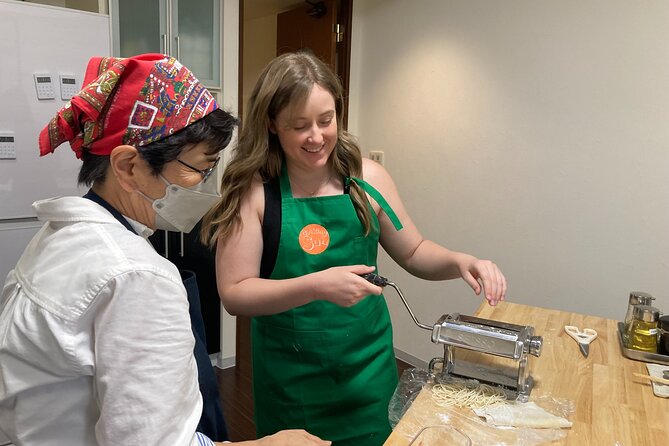
The kitchen is described as clean, modern, and well organized. Because the class is held in an apartment, you get a more personal setting than you would in a large cooking studio.
That format has both strengths and limits. The intimate room helps the instructors work with each person, and some families have ended up as the only group in the class. On the other hand, an apartment building can be harder to identify from the street than a business with a large sign.
Plan to arrive with the full address ready. The meeting point is near public transportation, but the supplied information does not identify a specific station or give a walking time. If your map sends you somewhere odd, check the street address and ask locally for help rather than relying only on the class name.
The activity ends back at the meeting point. That makes planning simple: you can return to Dotonbori afterward for more food, shopping, or an evening walk.
Who will enjoy this most
I would choose this class if you want to do something active with your meal. It suits couples, families, food-focused visitors, and anyone who wants a practical souvenir from Osaka rather than another object in a suitcase.
It is a particularly good fit for:
- Families with children or teenagers who enjoy hands-on tasks
- Beginners who want close guidance
- Home cooks curious about Japanese ingredients
- Visitors who want an English-speaking activity
- People who enjoy eating lunch or an early dinner after working for it
- Anyone interested in learning recipes they can repeat at home
It may not suit you if you want a short lesson, a purely professional culinary course, or a gluten-free ramen experience. It also requires more effort than ordering a bowl at a shop. The noodle kneading and food preparation are the point, but they are not a shortcut.
Timing, booking, and cancellation
The start time is 1:30 pm, and the full experience takes about three hours. Confirmation is provided at booking, and mobile tickets are accepted.
You can cancel for a full refund up to 24 hours before the local start time. Cancellations or changes made within 24 hours are not refunded or accepted. Since dietary requests should be supplied when booking, take care of both items at the same time.
The class has received a five-star rating from 73 reviews, with 100 percent recommending it. I would treat that as a strong sign of consistent satisfaction, while still paying attention to the practical limits: the unclear building entrance, the need for advance dietary notes, and the lack of gluten-free cooking.
Should you book the Osaka ramen and gyoza class?
Yes, if you want an approachable food lesson with a meal at the end. The combination of hand-kneaded noodles, made-from-scratch broth, gyoza filling, and a small group gives you plenty to do during three hours. The recipe sheets also help the experience continue after Osaka.
I would book it for a family afternoon or a couple looking for something beyond restaurant hopping. Use the full address in your map, eat a light lunch first, and note any vegetarian, pescatarian, no-fish, or allergy needs in advance.
Skip it if gluten-free food is essential or if you prefer simply tasting Osaka specialties without cooking. For everyone else, $71.35 buys more than ramen and dumplings. It buys the know-how to make them again.
FAQ
Where does the ramen and gyoza class take place?
It takes place at Cooking SunJapan at 2-chome 9-14, Chuo Ward, Shimanouchi, Osaka 542-0082, in room 807 on the eighth floor.
What time does the class start?
The class starts at 1:30 pm.
How long does the activity last?
The experience lasts approximately three hours.
Where does the class end?
The activity ends back at the meeting point.
How many people can join the class?
The maximum group size is eight people.
Is the class taught in English?
Yes. An English-speaking instructor is included.
Are ingredients and cooking equipment included?
Yes. All ingredients and utensils are included in the class price.
Do I receive recipes to take home?
Yes. Recipes are provided for you to take home.
Can I request a vegetarian or pescatarian option?
Yes. You should leave a note when booking if you need a vegetarian, pescatarian, or no-fish option.
Is a gluten-free option available?
No. A gluten-free option is not available, and the activity is not recommended for people with gluten intolerance.
What does the class cost?
The listed price is $71.35 per person.
Can I cancel for a refund?
Yes. You can receive a full refund if you cancel at least 24 hours before the experience start time. Cancellations within 24 hours are not refunded.
Just added in Japan
- A One-of-a-Kind Sushi Experience in a Special Place of Japan★ 5.0 · 15 reviews
- Tokyo Cute Bento Cooking Class – Make a Kawaii Character Lunchbox★ 5.0 · 126 reviews
- Japanese Home Cooking Class & Walk in Todoroki Temple Tokyo★ 5.0 · 88 reviews
- Japan Tokyo Tower Observatory Deck E-Ticket★ 4.0 · 34 reviews
- Catch a Baseball Game in Tokyo with a Local – Tickets Included★ 5.0 · 24 reviews
- JDM Experience with Fast&Furious RX-7 (English speaking Driver)★ 5.0 · 57 reviews
- Tokyo Private Day Tour by Car with English speaking Driver Guide★ 4.0 · 29 reviews
- Japan Classic 10 Day – One Life Adventures★ 5.0 · 129 reviews
Cooking Classes, compared.
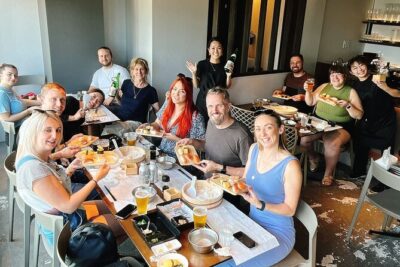
Sushi Making Tokyo Roll and Authentic Japanese Sushi Class
Read our review →
Roll and Authentic Sushi Making Class in Asakusa
Read our review →
Ramen Cooking Class at Ramen Factory in Kyoto
Read our review →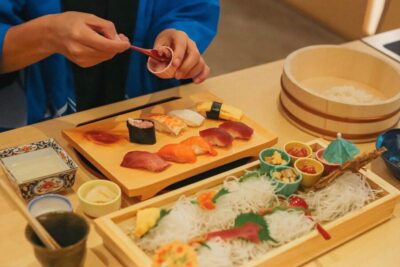
Sushi Making Class in a Happi Coat near a Famous Spot
Read our review →
Sushi Making Osaka Roll and Authentic Japanese Sushi Class
Read our review →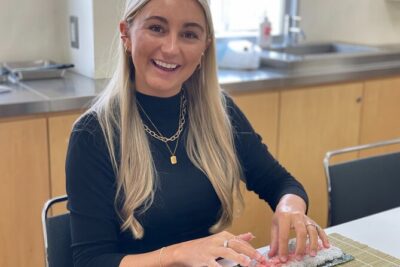
Tokyo Sushi Making Class in Tsukiji with Professional Chef
Read our review →
Ramen & Gyoza Cooking Class in Tokyo with Local Supermarket Visit
Read our review →Browse the lists this tour appears in