
Reviewed · COOKING CLASSES
Osaka: Gluten-Free Ramen and Gyoza Cooking Class
Ramen starts with flour-free magic. In a quiet Osaka home, chef Yuki teaches you to make rice-flour noodles, two ramen broths, and gyoza from scratch, then sit down to eat what you made. I like the small four-person group, which gives you real time at the counter rather than a quick demonstration from across a room. I also like that the class is designed for gluten-free cooking, not simply adapted at the last minute.
The main consideration is the price: at $103 per person, this is not a cheap meal. You are paying for three hours of instruction, a full meal, recipes, and personal attention. If you only want to eat ramen, Osaka offers less expensive choices. If you want to learn how to make it at home and need careful gluten-free guidance, the cost makes more sense.
In This Review
- Key Points at a Glance
- A Quiet Osaka Home Instead of a Cooking School
- Getting Started With Gluten-Free Japanese Cooking
- Making Rice-Flour Ramen Noodles
- Two Bowls, Two Different Ideas of Ramen
- Rolling and Folding Gluten-Free Gyoza
- Sitting Down to Eat What You Made
- Optional Sake With Three Small Pours
- Why the Four-Person Limit Matters
- What the $103 Price Really Buys
- Who Will Enjoy This Class Most
- Should You Book It?
- FAQ
- Where is the gluten-free ramen and gyoza class held?
- How long does the cooking class last?
- How much does the experience cost?
- How many people can join the class?
- Is the class suitable for beginners?
- What will I cook?
- Is the meal included?
- Is sake included?
- What language is the class taught in?
- What should I bring?
- Can I cancel the booking?
Key Points at a Glance
- Rice-flour ramen from scratch: Learn how to make chewy gluten-free noodles without relying on wheat.
- Two ramen styles: Prepare both savory soy sauce ramen and a less common tomato ramen.
- Handmade gyoza wrappers: Mix and shape rice-flour dough, then fill and fold the dumplings yourself.
- Four people maximum: The tiny group size allows Yuki to help with technique, timing, and questions.
- Dinner is included: You eat the ramen and gyoza you prepared during the class.
- Optional sake pairing: Add three 45-milliliter pours, including chilled Junmai, chilled Junmai Ginjo, and warm Junmai.
A Quiet Osaka Home Instead of a Cooking School
The class takes place at 4-19 Nukata-cho, a short five-minute walk from Nukata Station. This is a residential setting, not a polished restaurant or large culinary studio. You will look for a welcoming sign at the entrance of a clean, Japanese-style building in a quiet neighborhood.
That setting is part of the appeal. Cooking in Yuki’s home gives the lesson a personal feel, and the small room keeps the focus on the food and conversation. It also means you should arrive ready for a home-based activity rather than expecting a staged tourist attraction.
Detailed directions are provided after booking. Transportation to the venue is not included, so you will need to make your own way there. The short walk from Nukata Station makes the final approach simple, but allow enough time to find the residential entrance without rushing.
Yuki leads the class in English and Japanese. Her teaching receives especially strong praise for patience, clear explanations, and the ability to work with different skill levels. You do not need prior cooking experience. That matters here because ramen noodles and dumpling wrappers can look simple until the dough starts behaving badly.
More Cooking Classes in Osaka
- Sushi Making Osaka Roll and Authentic Japanese Sushi Class
★ 5.0 · 1,220 reviews - Matcha Making Class in Osaka with Authentic Japanese Sweets Set
★ 5.0 · 509 reviews - Osaka Sushi Making Experience
★ 5.0 · 400 reviews
Getting Started With Gluten-Free Japanese Cooking
Yuki begins with a welcome and an explanation of the ingredients and tools. She also gives background on Japanese cooking methods and explains how she developed recipes for dishes that traditionally depend on wheat.
This opening is useful if you need to cook gluten-free in Japan beyond this one meal. Ramen noodles, gyoza wrappers, and many familiar Japanese dishes commonly use wheat, so learning what replaces it is more valuable than simply being handed a safe plate of food.
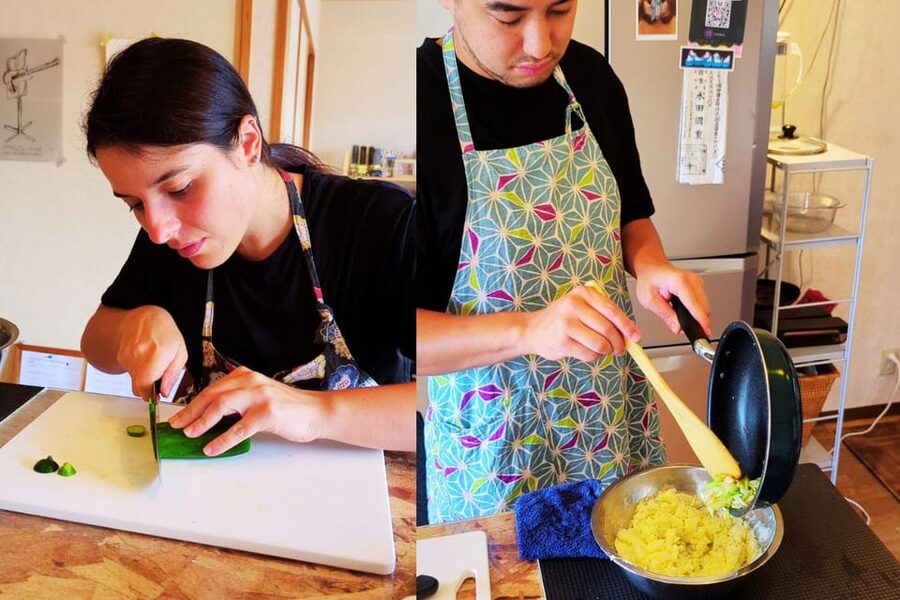
The class focuses on practical skills. You are not just watching Yuki prepare a dish while you wait for lunch. You take part in the preparation, and the recipes and tips give you a chance to repeat the work at home.
That said, gluten-free cooking still requires attention. If you have a serious medical allergy or celiac disease, explain your needs clearly before beginning and confirm the arrangements directly. The experience is built around gluten-free recipes, but the supplied information does not promise a separate allergy-certified kitchen or cover every possible cross-contact concern.
Making Rice-Flour Ramen Noodles
The first major task is making the ramen noodles with rice flour. Yuki works through the process step by step, showing you how to get the dough to the right consistency and how to create a pleasantly chewy texture without wheat.
This is the most distinctive part of the class. Gluten-free noodles can easily turn soft, brittle, or gummy, so the lesson gives you something more useful than a recipe alone: a feel for the dough. Pay close attention to Yuki’s timing and handling advice. Those small details are often what determine whether your home batch works.
You will make enough noodles for the meal, but the real value is taking away a method you can try again. Several people who took the class were eager to recreate the dishes at home, and that is a good test of a cooking class. The meal should be enjoyable, but the technique should travel with you.
The noodle session is also likely to suit beginners. Yuki’s teaching style is described as patient and supportive, and the four-person limit means you are not lost in a crowd when you need help.
Two Bowls, Two Different Ideas of Ramen
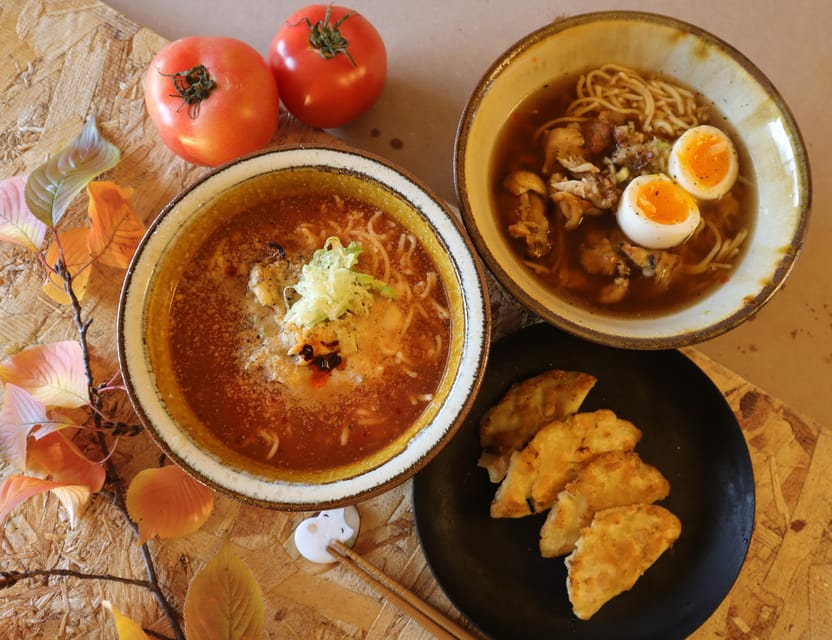
The class then turns the noodles into two ramen dishes: soy sauce ramen and tomato ramen. Making both gives you a useful contrast rather than one familiar bowl repeated twice.
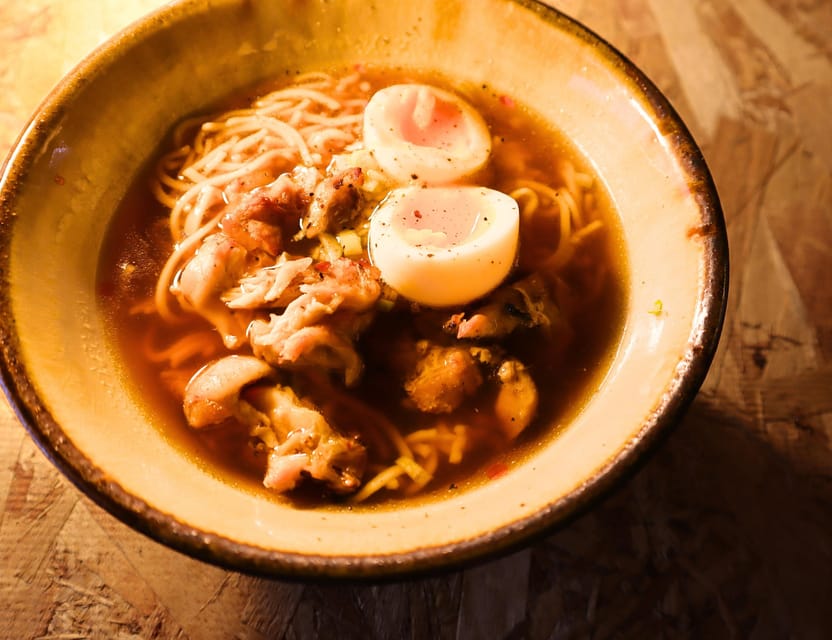
The soy sauce ramen offers the classic savory direction. You learn how to prepare a soy-based broth and pair it with the handmade noodles. It is the bowl that most clearly connects the class to the familiar image of Japanese ramen.
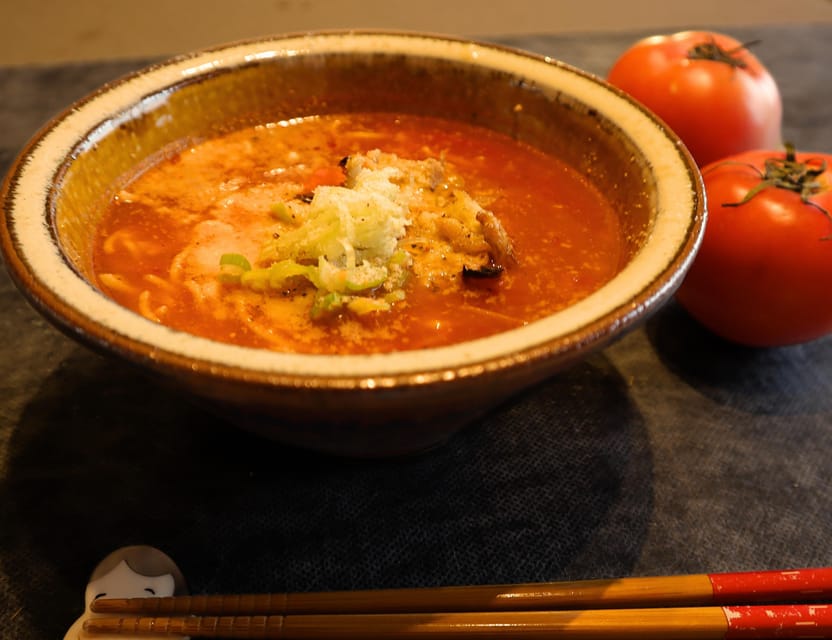
The tomato ramen provides the surprise. It has a fresher, tangier character and is described as a less common style in Japan. That makes it a good example of how Japanese cooking can change while keeping its basic sense of balance and technique.
For you, the practical benefit is variety. One recipe gives you a traditional flavor profile, while the other shows how to use a different base when you want something lighter or more acidic. Since both are gluten-free, you can compare the textures and flavors without worrying that the modern option is simply a compromise.
The exact toppings and detailed broth ingredients are not specified, so do not book this expecting a particular list of garnishes. The main focus is on the noodles, broth preparation, and the pleasure of making two distinct bowls.
More Cooking Classes in Japan:
- Sushi Making Tokyo Roll and Authentic Japanese Sushi Class
★ 5.0 · 3,971 reviews - Tokyo: Roll and Authentic Sushi Making Class in Asakusa
★ 4.9 · 1,957 reviews - Ramen Cooking Class at Ramen Factory in Kyoto
★ 5.0 · 1,937 reviews - Tokyo Shinjuku Chopsticks Making Class
★ 5.0 · 1,763 reviews
Rolling and Folding Gluten-Free Gyoza
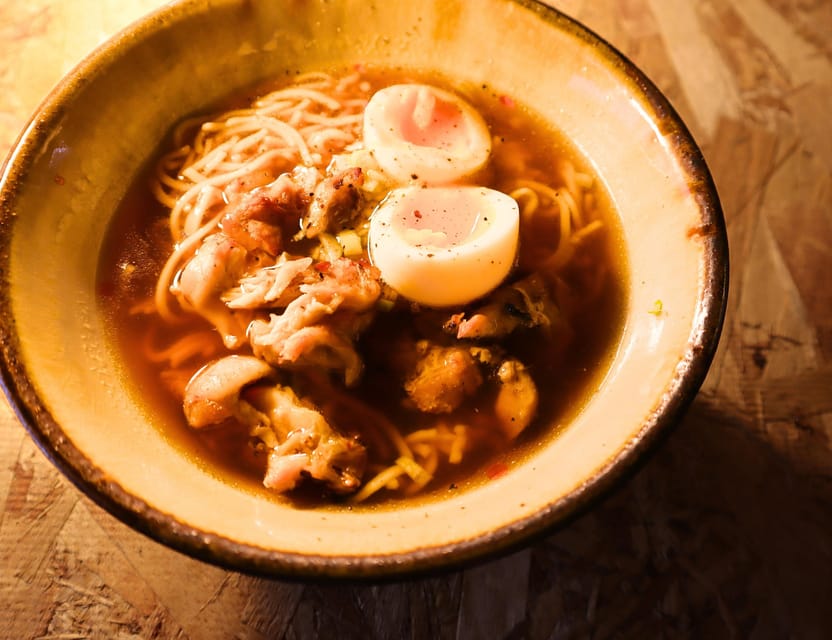
After ramen, you move to gyoza. You make the wrappers from rice flour, prepare a savory filling, and shape the dumplings by hand.
This is where the class becomes pleasantly tactile. Gyoza folding looks easy when someone else does it, but your first dumpling may have a personality of its own. Yuki teaches the folding technique and helps you work toward a neat seal.
The point is not to produce factory-perfect dumplings. It is to understand how much filling to use, how to close the wrapper, and how to keep the dumpling intact during cooking. These are useful skills for recreating the meal at home, especially since gluten-free wrappers can require more care than standard wheat wrappers.
The final cooking step is pan-frying. Yuki shows you how to get the desired contrast: a crisp, golden base with a tender top and filling. Timing matters, and this is another place where direct instruction helps more than reading a recipe.
If you enjoy hands-on food activities, the gyoza section may be the most fun part of the class. If you dislike repetitive preparation or have limited hand mobility, ask yourself how comfortable you are with making several dumplings. The activity is intended for ordinary cooking ability, but it is still a practical kitchen session, not a passive tasting.
Sitting Down to Eat What You Made
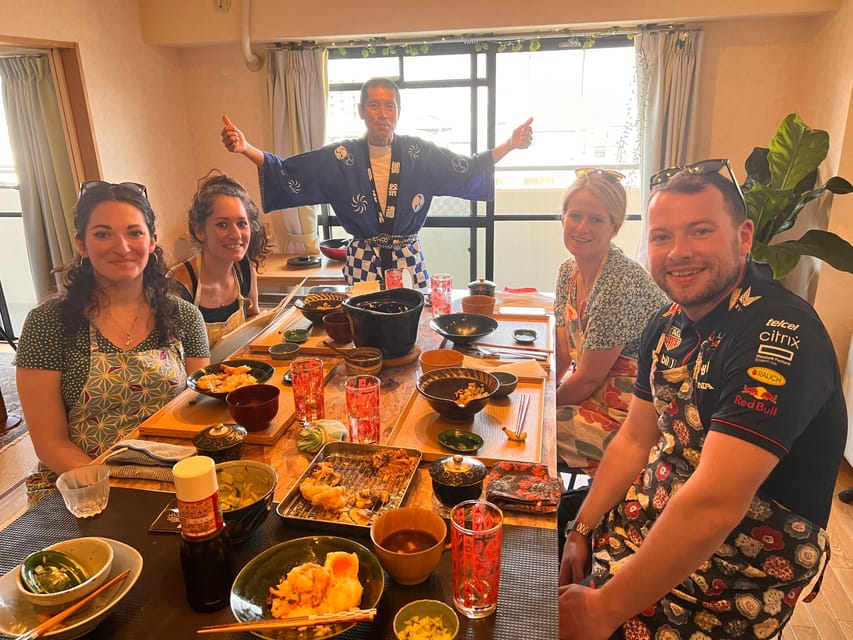
Once the cooking is finished, you gather in the dining area and eat the ramen and gyoza. This turns the class into a complete meal rather than a string of samples.
There is a nice reward built into the order of the experience. You have handled the dough, shaped the dumplings, and watched the food cook, so the final bowl has more meaning than a restaurant dish delivered to the table. You also get a chance to compare the two ramen styles and see how the noodles perform in each broth.
The food receives consistent praise for its taste. The strongest comments focus on the delicious ramen and gyoza, the satisfaction of making everything from scratch, and the fact that the meal feels both social and instructive.
Come hungry, but not so hungry that you cannot concentrate. Three hours is enough time for a full cooking session, and the class asks you to stay involved. Comfortable clothes are the only stated requirement, but wear something suitable for kitchen work.
Optional Sake With Three Small Pours
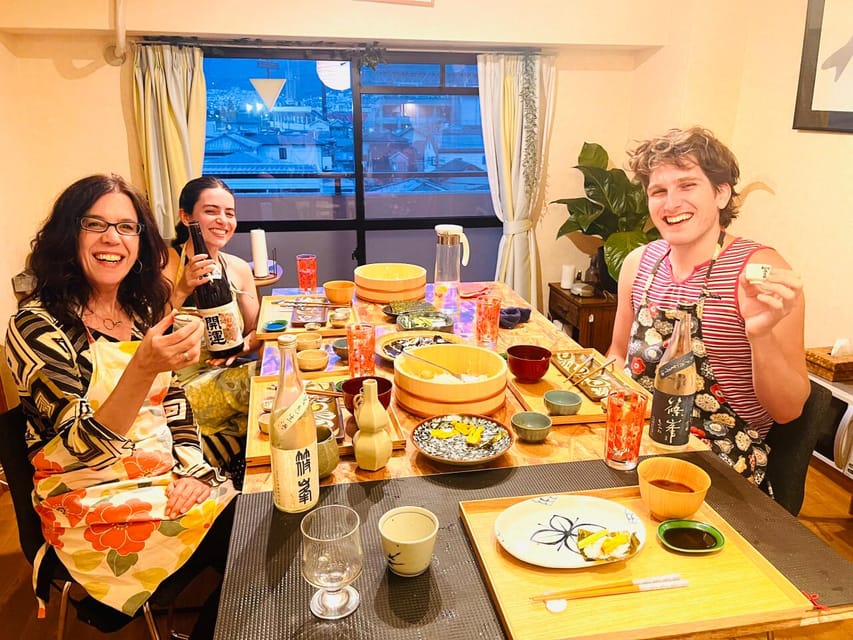
You can add a sake pairing to the meal. It includes three 45-milliliter servings: chilled Junmai, chilled Junmai Ginjo, and warm Junmai.
The portions are modest, which is appropriate for a cooking class. They let you compare different serving temperatures and styles without turning the experience into a drinking event. Yuki explains how the sake works with the dishes as you eat.
This option will appeal most if you are curious about Japanese dining customs and want guidance rather than simply ordering a bottle. It is not essential to the cooking lesson, so you can skip it if you do not drink alcohol or prefer to focus entirely on the food.
The supplied details do not state the added cost of the sake pairing. Check that amount before booking if your budget is tight.
Why the Four-Person Limit Matters
The class is limited to four participants, and that is a major part of its value. With only a few people, Yuki can watch your dough, correct your folding, answer questions, and adjust her explanations to different cooking levels.
A larger class might offer more energy, but it would likely give you less direct help. Here, the small size supports the central promise: you are making the food, not merely observing it.
The setting is also social without being overwhelming. People who enjoyed the class valued the blend of conversation, instruction, and a shared meal. Couples can take it together, and solo participants have a built-in way to meet a few people around a common task.
The tradeoff is that a home class has a more limited setting than a commercial cooking school. If you want a broad tour of Osaka food culture, a market visit, or a restaurant crawl, this is not that. It is a focused lesson in three gluten-free dishes.
What the $103 Price Really Buys
At $103 per person, the class costs more than a bowl of ramen and a plate of gyoza at a neighborhood restaurant. Comparing it only with the price of lunch misses the point.
Your fee covers three hours, a personal English-speaking instructor, hands-on preparation, ingredients, the full meal, and recipes and tips for later. The small group also means you are paying for access to Yuki’s attention. For someone who needs or prefers gluten-free food, that personal guidance can be especially valuable in Japan.
The price is easier to justify if you plan to cook the dishes again. You leave with methods for rice-flour noodles and wrappers, plus two ramen ideas and a gyoza filling and folding technique. It is less good value if you are mainly searching for the cheapest way to eat a meal or if you already cook gluten-free ramen with confidence.
At the time of booking, you can reserve and pay later, which helps if your Osaka schedule is still changing. You can also cancel up to 24 hours in advance for a full refund. Starting times vary, so check availability before arranging the rest of your day.
Who Will Enjoy This Class Most
I would recommend this experience to:
- People who need gluten-free Japanese food and want more than a restaurant meal
- Beginner cooks who prefer patient, hands-on guidance
- Experienced home cooks looking for rice-flour techniques
- Couples and solo visitors who enjoy small-group activities
- Anyone who wants a meal connected to the work behind it
- Sake-curious diners who like learning how drinks pair with food
It may be less suitable for someone seeking a fast activity, a large social event, or a broad overview of Osaka cuisine. It also may not fit people over 95, who are specifically excluded from the activity.
The class is conducted in English, with Japanese also used by the instructor. Wear comfortable cooking clothes, arrive ready to participate, and keep your schedule reasonably open around the three-hour session.
Should You Book It?
Book it if gluten-free dining is important to you, or if you want a practical food experience with a real chance of cooking the dishes again at home. Yuki’s patience, clear teaching, and personal style are the heart of the class, while the two ramen broths and handmade gyoza give the session enough variety to fill three hours.
Skip it if your main goal is simply to find an inexpensive meal in Osaka. At $103, the value comes from the instruction, the rare gluten-free focus, the tiny group, and the recipes you take away. For the right cook, that is a fair exchange. For everyone else, a ramen shop will be cheaper and quicker.
FAQ
Where is the gluten-free ramen and gyoza class held?
It is held at 4-19 Nukata-cho in Osaka, in a Japanese-style home. The venue is about a five-minute walk from Nukata Station and has a welcoming sign at the entrance.
How long does the cooking class last?
The class lasts three hours. Starting times vary, so check availability when choosing your date.
How much does the experience cost?
The listed price is $103 per person.
How many people can join the class?
The class is limited to four participants, making it a small-group experience with personal instruction.
Is the class suitable for beginners?
Yes. No previous cooking experience is required, and Yuki teaches the techniques step by step.
What will I cook?
You will make gluten-free ramen noodles from rice flour, soy sauce ramen, tomato ramen, gyoza wrappers, gyoza filling, and pan-fried gyoza.
Is the meal included?
Yes. You eat a full meal made from your own ramen and gyoza preparations.
Is sake included?
Sake is an optional pairing rather than a standard inclusion. It consists of three 45-milliliter servings: two chilled sakes, Junmai and Junmai Ginjo, plus one warm Junmai.
What language is the class taught in?
The instructor teaches in English and Japanese. The listed activity language is English.
What should I bring?
Wear comfortable clothes suitable for cooking. Transportation to the venue is not included.
Can I cancel the booking?
You can cancel up to 24 hours in advance for a full refund. You can also reserve now and pay later, keeping your plans flexible.
Just added in Japan
- A One-of-a-Kind Sushi Experience in a Special Place of Japan★ 5.0 · 15 reviews
- Tokyo Cute Bento Cooking Class – Make a Kawaii Character Lunchbox★ 5.0 · 126 reviews
- Japanese Home Cooking Class & Walk in Todoroki Temple Tokyo★ 5.0 · 88 reviews
- Japan Tokyo Tower Observatory Deck E-Ticket★ 4.0 · 34 reviews
- Catch a Baseball Game in Tokyo with a Local – Tickets Included★ 5.0 · 24 reviews
- JDM Experience with Fast&Furious RX-7 (English speaking Driver)★ 5.0 · 57 reviews
- Tokyo Private Day Tour by Car with English speaking Driver Guide★ 4.0 · 29 reviews
- Japan Classic 10 Day – One Life Adventures★ 5.0 · 129 reviews
Cooking Classes, compared.
Sushi Making Tokyo Roll and Authentic Japanese Sushi Class
Read our review →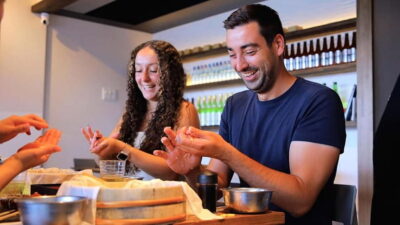
Roll and Authentic Sushi Making Class in Asakusa
Read our review →
Ramen Cooking Class at Ramen Factory in Kyoto
Read our review →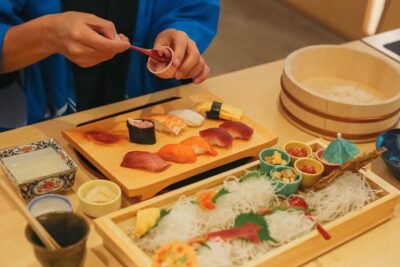
Sushi Making Class in a Happi Coat near a Famous Spot
Read our review →
Sushi Making Osaka Roll and Authentic Japanese Sushi Class
Read our review →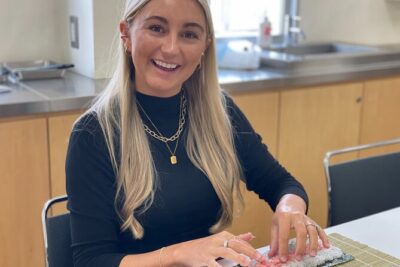
Tokyo Sushi Making Class in Tsukiji with Professional Chef
Read our review →
Ramen & Gyoza Cooking Class in Tokyo with Local Supermarket Visit
Read our review →Browse the lists this tour appears in