
Reviewed · COOKING CLASSES
Three Types of Ramen Cooking Class in Osaka
Three bowls begin with one lump of dough. This Osaka class is a practical way to learn Japanese cooking, with handmade noodles, three soup styles, toppings, dessert, and green tea all included. I especially like the chance to compare salt, soy sauce, and miso ramen in one sitting, and the small-group format, usually limited to eight people, gives the instructor room to help. One thing to note: the total noodle amount is listed as 100 grams, so this is a tasting-style cooking meal rather than three full restaurant bowls.
The class costs $79.28 per person and lasts about two and a half hours. That is fair value if you want more than a quick food demonstration, since ingredients, equipment, a printed recipe, and seasonal fruit are included. The main consideration is that you must find your own way to Kitahorie, and the exact group size may reach 12 according to the additional tour information, so confirm the current arrangement when booking.
In This Review
- Key points at a glance
- Why this Osaka ramen class is worth your time
- Arriving at Banix Kitahorie
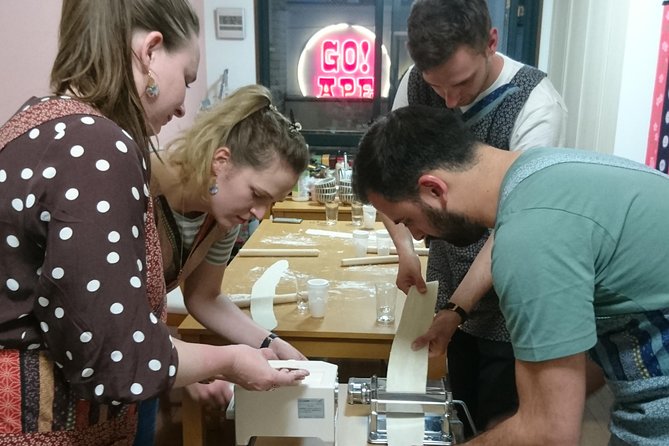
- The first task: turning dough into ramen noodles
- Salt ramen: pork, bean sprouts, and seaweed
- Soy sauce ramen: cabbage, greens, and corn
- Miso ramen: spicy chicken, egg, and green onion
- Eating the ramen you prepared
- The instructors and teaching style
- Vegetarian and family considerations
- What the $79.28 price really buys
- Timing, booking, and practical details
- Who should book this ramen experience?
- Should you book the Osaka ramen class?
- FAQ
- Where does the ramen cooking class take place?
- How long does the cooking class last?
- What types of ramen will I make?
- Will I make the noodles from scratch?
- What toppings are included?
- Is food included in the price?
- Is an apron or cooking equipment provided?
- Can vegetarians take the class?
- Is hotel pickup included?
- What is the cancellation policy?
Key points at a glance
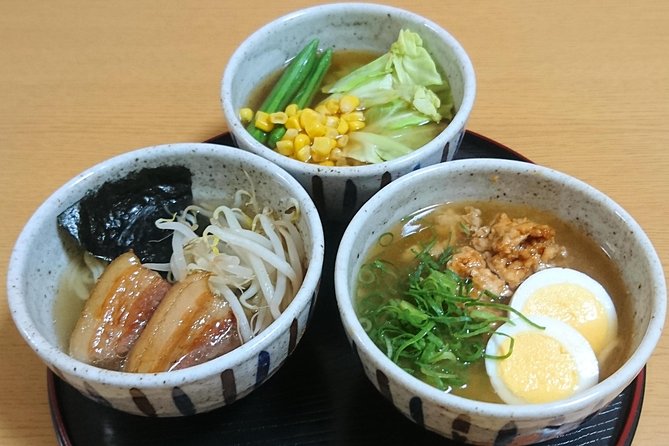
- Three ramen styles in one class: Prepare salt ramen with pork and bean sprouts, soy sauce ramen with cabbage and corn, and miso ramen with spicy chicken and egg.
- Noodles made from scratch: The class starts with handmade noodles, giving you a useful skill to repeat at home.
- A friendly, hands-on format: Instructors such as Fumi, Keiyo, and Fumiyo are praised for clear English, patience, and practical cooking tips.
- Good for families and beginners: Children as young as 10 have been able to follow the class, and people who rarely cook have succeeded.
- Vegetarian requests can be accommodated: Advance requests have led to vegetarian ramen, including broth without animal products.
- Everything ends at the cooking studio: You meet and finish at Banix Kitahorie, with no hotel transportation included.
Why this Osaka ramen class is worth your time
Osaka is famous for eating well, but a cooking class gives you a different view of Japanese food. Instead of simply ordering a bowl, you see how the noodles, broth, seasonings, meat, vegetables, and garnishes come together.
I like the structure here because it avoids the usual one-recipe cooking lesson. You prepare three different ramen bases, then see how small changes in seasoning and toppings create very different results. Salt ramen is lighter and cleaner, soy sauce ramen brings a deeper savory taste, and miso ramen adds a stronger, more forceful flavor.
The class is also useful beyond your Osaka visit. A printed recipe goes home with you, and the cooking steps are simple enough for beginners to repeat. Several people have left ready to buy ingredients and try the recipes with family. That makes the $79.28 price easier to justify than a meal alone.
The format is hands-on. You do not simply watch an instructor prepare a perfect bowl while you stand behind a counter. You make the noodles, work on the toppings, prepare the soup flavors, and assemble the finished dishes. The instructors are there to keep things moving and explain the steps.
The class has a strong record: it is rated 4.9 from 119 reviews, with 100 percent recommended. That does not mean every cooking class suits every person, but the praise is unusually consistent in a few areas: friendly teaching, clear English, tasty food, and a well-organized pace.
More Cooking Classes in Osaka
- Sushi Making Osaka Roll and Authentic Japanese Sushi Class
★ 5.0 · 1,220 reviews - Matcha Making Class in Osaka with Authentic Japanese Sweets Set
★ 5.0 · 509 reviews - Osaka Sushi Making Experience
★ 5.0 · 400 reviews
Arriving at Banix Kitahorie
The meeting point is Banix北堀江Japan at 3-chōme 6-2, System Gallery, in Kitahorie, Osaka, postal code 550-0014. The activity begins and ends at this same location.
The area is near public transportation, but hotel pickup and drop-off are not included. I would allow extra time to find the entrance. One useful detail from the class instructions is that an instructor may be outside in a red apron, which can help you identify the meeting point.
The address is written in a mixed Japanese and English format, so save it in your phone before leaving. This is not the kind of appointment where you want to arrive at the last minute and then search several neighboring buildings with flour already waiting for you.
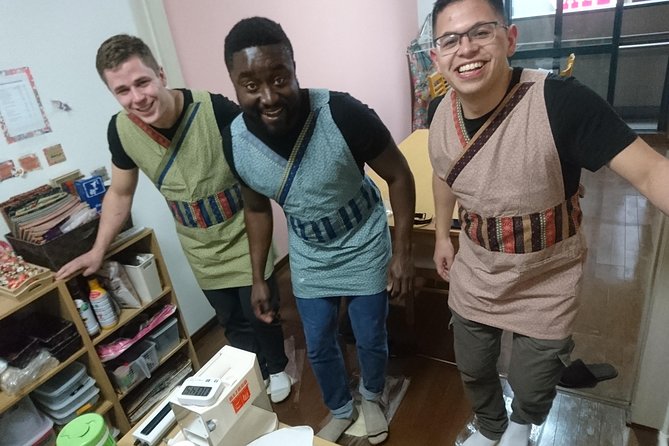
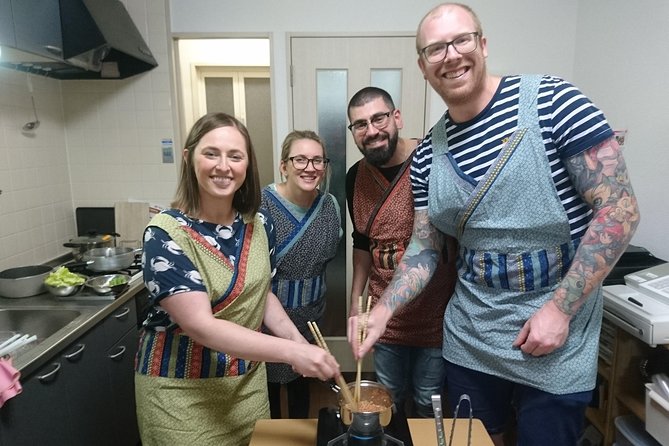
Once inside, expect an apron before the cooking begins. The space has been described as air-conditioned, which matters on a hot Osaka day. The setting is designed for a small class rather than a large restaurant-style demonstration.
The first task: turning dough into ramen noodles
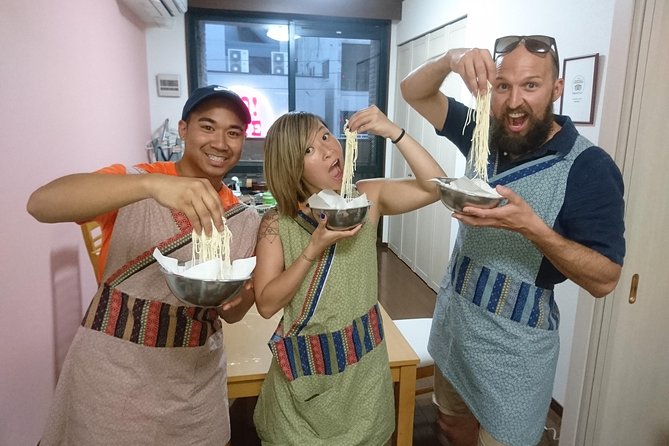
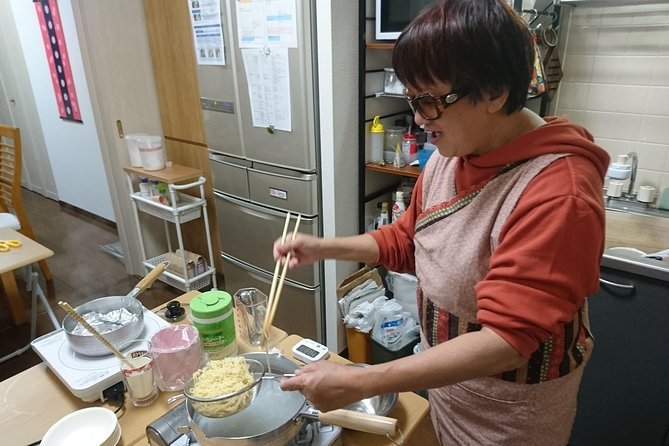
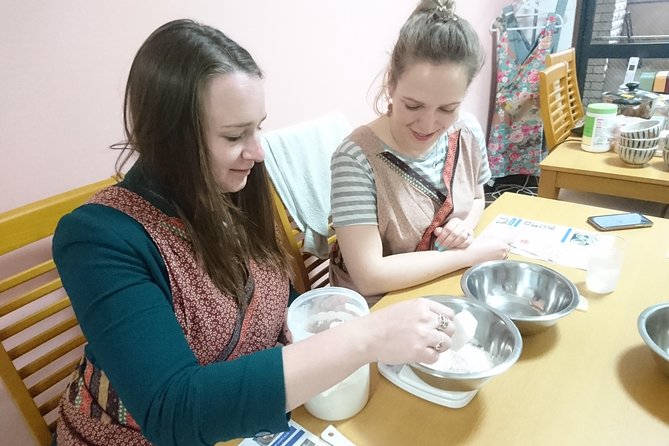
The class begins with the noodles, and that is the part I find most appealing. Ramen noodles are easy to take for granted when they arrive in a steaming bowl, but making them from scratch shows how much texture depends on the dough and preparation.
You work through the noodle-making process with the instructor’s guidance. The lesson is intended for ordinary visitors, not trained cooks. People with very little kitchen experience have been able to follow the instructions, and children around age 10 have stayed involved through the session.
The listed total amount of noodles is 100 grams. Keep that figure in mind when planning your day. You will prepare three ramen varieties, but the noodle portion is not three separate 100-gram servings. The class is about learning and tasting several styles, not eating three giant bowls.
The instructors also share small kitchen tips along the way. These details are part of the value. You are not just copying a recipe for one afternoon. You are learning how ingredients and preparation affect the final bowl.
Salt ramen: pork, bean sprouts, and seaweed
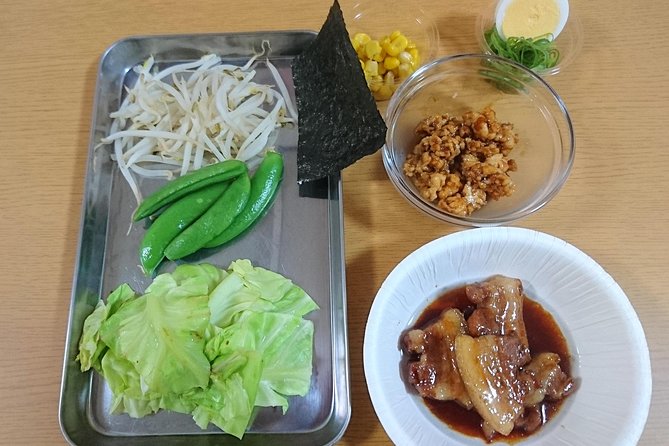
The first version is salt ramen, topped with juicy sweet pork, bean sprouts, and seaweed. Salt ramen tends to let the broth and noodles speak clearly, so it is a sensible style to make early in the class.
The toppings also give you useful contrast. Pork brings richness, bean sprouts add freshness and crunch, and seaweed adds a distinctly Japanese note. You learn how the toppings are prepared and how they change the character of the soup.
This bowl is a good reminder that ramen does not always need a heavy or fiery flavor. If you usually order the richest ramen on a menu, the salt version may feel more restrained. That is part of the lesson: the seasoning is not there to overpower everything else.
A completely different kind of day out:
- Osaka Go Karting Tour with Funny Costume
★ 5.0 · 2,658 reviews - Osaka Castle: Museum and Tower Entry Ticket
★ 4.5 · 2,380 reviews - Osaka: Shinsekai Food Tour with 13-15 Dishes at 5 Eateries
★ 4.8 · 2,204 reviews - Osaka Food Tour: 13 Dishes at 5 Local Eateries
★ 5.0 · 2,149 reviews
Soy sauce ramen: cabbage, greens, and corn
Next comes soy sauce ramen, served with steamed cabbage, green vegetables, and sweet corn. This bowl has a different balance from the salt ramen, with soy sauce bringing a darker savory edge.
The toppings are gentler and slightly sweet. Cabbage and corn make this version approachable for younger cooks and children, while the green vegetables keep it from feeling too heavy.
Preparing three soups in a single class makes the differences easy to understand. You can compare them while the techniques are still fresh in your mind. At home, you will also have a better sense of how to choose a base according to the ingredients in your refrigerator.
Miso ramen: spicy chicken, egg, and green onion
The third bowl is miso ramen with spicy chicken, boiled egg, and green onion. Miso gives the soup a bolder flavor, while the chicken and chili bring extra heat.
Pay attention to the chili oil if it is offered at the end. One useful warning from the class experience is that it is easy to add too much. A small amount may add warmth and flavor, but an enthusiastic pour can stay on your lips long after the class has finished.
The boiled egg and green onion complete the bowl in familiar ramen fashion. This part of the class feels especially rewarding because the finished dish looks like something from a ramen shop, yet you have handled each major part yourself.
Eating the ramen you prepared
At the end, you arrange the dishes, set out the chopsticks, and say Itadakimasu before eating. The meal is not an afterthought. It is the payoff for the work you have just done.
The included ingredients cover lunch or dinner, and dessert, seasonal fruit, and green tea are also provided. Personal expenses and extra drinks are not included, but you should not need to buy the basic meal separately.
The amount of food can be substantial for some people, especially after tasting several bowls and toppings. One person noted being too full to finish everything. I would schedule this as your main meal rather than booking it immediately before another large dinner.
The final tasting also gives you a chance to compare your results. The three ramen styles are not simply three bowls with different toppings. The seasonings and soup bases create noticeably different flavors, making the class feel like a small ramen workshop rather than a single recipe repeated three times.
The instructors and teaching style
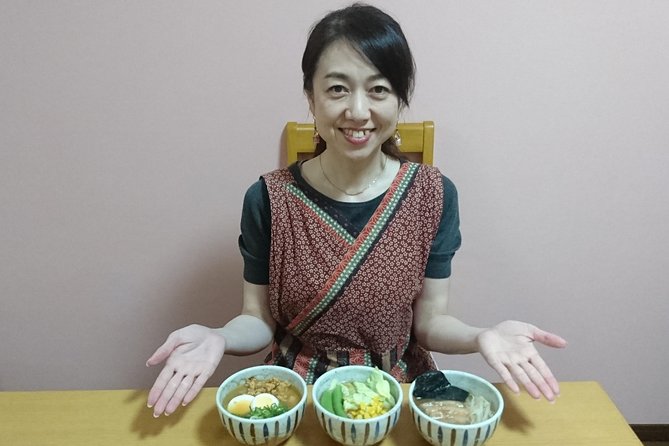
The teaching is one of the strongest reasons to book. Fumi is praised for being patient, entertaining, and easy to learn from. Keiyo is also described as a helpful instructor, while Fumiyo is credited with giving clear guidance and useful ramen tips.
Names and staffing can change, so do not assume one particular instructor will always lead your session. The consistent point is the teaching approach: clear directions, friendly help, and enough explanation to let you work rather than simply watch.
English instruction is available. The class has worked well for visitors who wanted to ask questions about ingredients and Japanese home cooking techniques. The pace is described as comfortable, and the facilities are organized and air-conditioned.
The small format adds to the experience. It is advertised as limited to eight people, although the additional information gives a maximum of 12 travelers. That difference is worth checking before you pay if personal attention is your main reason for booking. A smaller group should make it easier to ask for help with noodles, broth, or dietary needs.
Vegetarian and family considerations
This class suits families particularly well. A 10-year-old has been able to follow the instructions and stay engaged, and children have received help with the cooking. The work is active enough to hold attention, with a clear reward at the end.
It also suits couples, solo visitors, and small groups. If only two people book, the session may feel close to a private lesson. That can be a real benefit if you want more time with the instructor or have questions about cooking at home.
Vegetarian visitors should contact the provider before booking. Vegetarian ramen has been prepared on request, including broth made without animal products. That is an important detail, since avoiding meat toppings alone does not guarantee that the soup base is vegetarian.
The supplied information does not promise arrangements for every allergy or dietary restriction. If you have a serious allergy, ask before confirming and explain exactly what you cannot eat.
What the $79.28 price really buys
At $79.28 per person, this is more expensive than ordering a bowl of ramen. But the comparison is not quite fair. You are paying for about two and a half hours of instruction, ingredients, kitchen equipment, three soup styles, dessert, green tea, and a recipe to take home.
I see the strongest value in the noodle lesson. A restaurant meal gives you the finished product, while this class shows you how the main element is made. The recipe also gives the experience a longer life after your trip.
The price is less compelling if you want only a quick meal or if you already cook ramen often. It is also worth remembering that the total noodle amount is 100 grams, so do not book expecting the same quantity as three full restaurant servings.
For a family, the cost adds up quickly. For a couple who enjoys cooking, it can be a pleasant shared activity and a meal in one. For solo visitors, the small group and friendly instruction may make the price worthwhile, especially if you want an indoor activity in Osaka.
Timing, booking, and practical details
The class lasts approximately two hours and 30 minutes. Since it includes noodle making, three soup preparations, toppings, eating, dessert, and tea, keep the rest of your schedule flexible.
Confirmation arrives within 48 hours of booking, subject to availability. The experience offers free cancellation if you cancel at least 24 hours before the start time. Cancellations or changes made less than 24 hours before the start are not accepted for a refund.
You receive a mobile ticket, so keep the booking accessible on your phone. Bring yourself, a little patience, and an appetite. Utensils, equipment, ingredients, and an apron are supplied.
The class finishes back at the same meeting point. That makes it easy to continue exploring Osaka afterward, but you will need to arrange your own transportation to your hotel or next stop.
Who should book this ramen experience?
I would recommend it most strongly to:
- First-time visitors who want a hands-on Japanese food experience
- Ramen fans curious about noodles, broth, and toppings
- Families with children who can follow simple cooking instructions
- Couples looking for a shared activity beyond sightseeing
- Beginner cooks who want a recipe they can repeat at home
- Vegetarian diners who contact the provider in advance
You may want to skip it if you dislike group cooking, want a full-sized restaurant meal, or prefer a short demonstration with no participation. It is also not the right pick if you need guaranteed private instruction, since the group size may vary.
Should you book the Osaka ramen class?
Yes, if you want to learn a real kitchen skill while eating the results. The handmade noodles, three different broths, practical tips, and printed recipe make this more useful than a simple food tasting.
Book it with realistic expectations. You are preparing a tasting-sized amount of noodles, not three enormous bowls, and you must find your own way to Kitahorie. Confirm the group size and any dietary needs before booking.
For most visitors who enjoy food, this is a strong-value Osaka activity. You leave with a full stomach, a better understanding of ramen, and a recipe that may bring a little Osaka back to your own kitchen.
FAQ
Where does the ramen cooking class take place?
The class meets at Banix北堀江Japan, 3-chōme 6-2, System Gallery, Kitahorie, Osaka, postal code 550-0014.
How long does the cooking class last?
The experience lasts approximately two hours and 30 minutes.
What types of ramen will I make?
You will prepare salt ramen, soy sauce ramen, and miso ramen.
Will I make the noodles from scratch?
Yes. Handmade noodle preparation begins at the start of the class.
What toppings are included?
Salt ramen includes sweet pork, bean sprouts, and seaweed. Soy sauce ramen includes steamed cabbage, green vegetables, and sweet corn. Miso ramen includes spicy chicken, boiled egg, and green onion.
Is food included in the price?
Yes. Ingredients for the meal, kitchen equipment, dessert, seasonal fruit, and green tea are included.
Is an apron or cooking equipment provided?
Kitchen utensils and equipment are provided, and you wear an apron during the class.
Can vegetarians take the class?
Vegetarian arrangements have been provided, including broth without animal products. Contact the provider in advance to request this option.
Is hotel pickup included?
No. Hotel pickup and drop-off are not included. You travel to and from the Kitahorie meeting point yourself.
What is the cancellation policy?
You can receive a full refund by cancelling at least 24 hours before the experience start time. Cancellations or changes made less than 24 hours before the start are not accepted for a refund.
Just added in Osaka
- 1.5〜2 Hours Traditional Kintsugi Work Shop in Namba Osaka★ 5.0 · 75 reviews
- The Dark Side of Osaka Walking Tour★ 5.0 · 49 reviews
- Samurai Show, Tea Ceremony, Japanese Traditional Activities★ 5.0 · 56 reviews
- Traditional Japanese Music show & Experience Tour in Osaka★ 5.0 · 25 reviews
- Traditional Home cooking Experience in Osaka, Japan★ 5.0 · 14 reviews
- Sushi and Japnese foods cooking class in Osaka★ 5.0 · 51 reviews
- Osaka Street Food Festival :Takoyaki&Okonomiyaki for Families★ 5.0 · 13 reviews
- Sumo Tournament Experience in Osaka★ 5.0 · 12 reviews
Cooking Classes, compared.
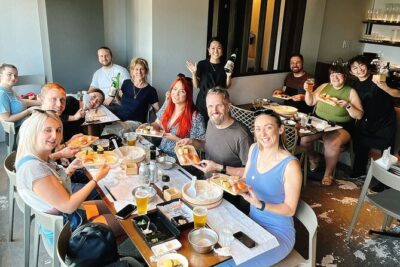
Sushi Making Tokyo Roll and Authentic Japanese Sushi Class
Read our review →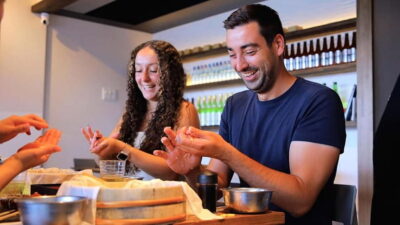
Roll and Authentic Sushi Making Class in Asakusa
Read our review →
Ramen Cooking Class at Ramen Factory in Kyoto
Read our review →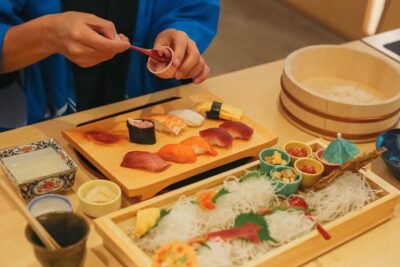
Sushi Making Class in a Happi Coat near a Famous Spot
Read our review →
Sushi Making Osaka Roll and Authentic Japanese Sushi Class
Read our review →
Tokyo Sushi Making Class in Tsukiji with Professional Chef
Read our review →
Ramen & Gyoza Cooking Class in Tokyo with Local Supermarket Visit
Read our review →Browse the lists this tour appears in