
Reviewed · COOKING CLASSES
Osaka Dotonbori: Sushi Making Experience
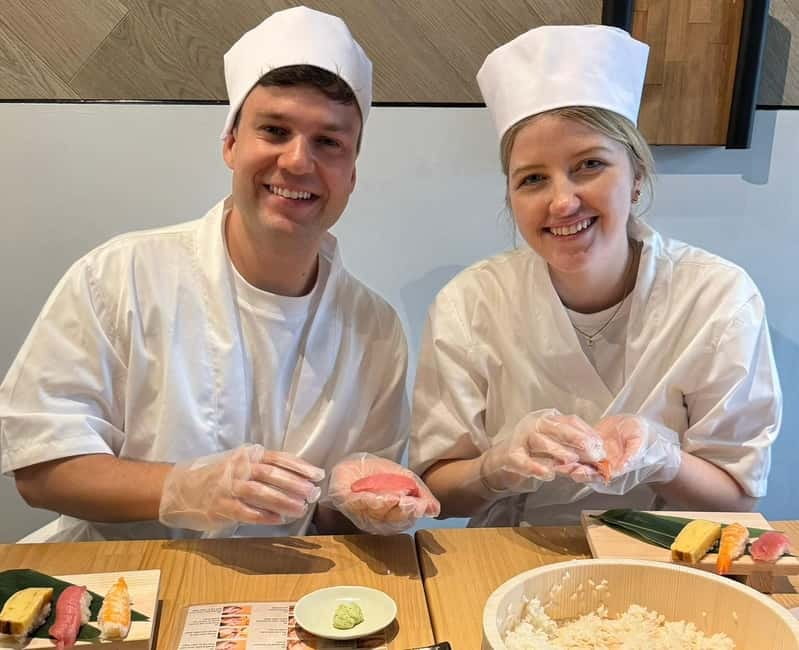
Sushi tastes better when you shape it yourself. This popular 90-minute Dotonbori class gives you a friendly introduction to sushi, with 12 pieces to make and eat, a little Japanese sake, and clear English instruction. I especially like the hands-on format and the cheerful teaching style of instructors such as Mako, Mika, Saki, Yumiko, and Kosei. The class also offers vegan and halal sushi, which makes it more useful for mixed groups.
The main caution is navigation. A couple of people found the location difficult to find, and one recent assessment noted that the seafood was good but not especially fresh. That appears to be the exception, but if pristine fish is your main reason for booking, keep your expectations sensible.
In This Review
- Key Things To Know Before You Book
- Why This Works Well in Dotonbori
- The 90-Minute Lesson, From Rice to Finished Sushi
- The Instructors Make the Biggest Difference
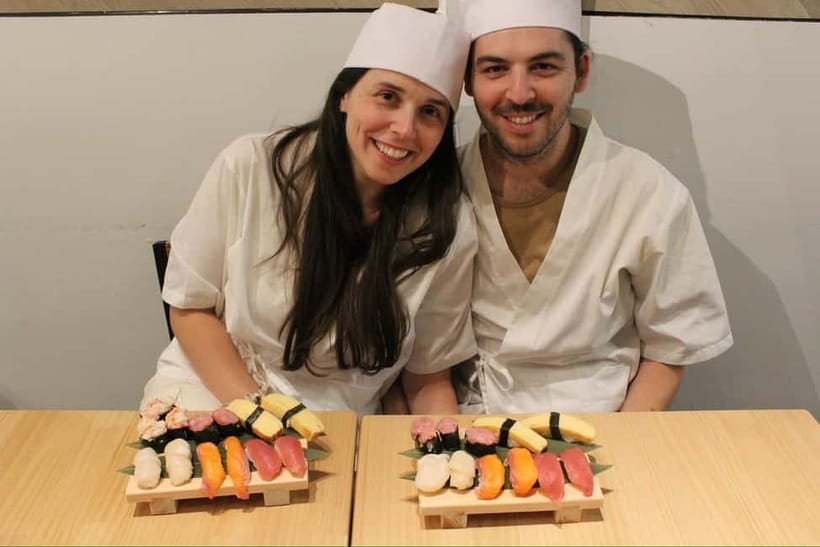
- What You Actually Eat
- Sake, Costumes, Photos, and the Certificate
- Is $45 Good Value?
- Who Should Book This Class?
- Timing, Cancellation, and Access
- What Could Be Better
- The Bottom Line: A Fun First Step Into Sushi
- FAQ
- How long does the Osaka Dotonbori sushi class last?
- How many sushi pieces do I make?
- Is Japanese sake included?
- Is the class taught in English?
- Are vegan and halal sushi options available?
- Can I cancel the booking for a full refund?
- Is the experience wheelchair accessible?
Key Things To Know Before You Book
- You make 12 pieces of sushi: The lesson takes you from seasoned rice to finished sushi, then you eat what you created.
- English instruction is friendly and beginner-safe: The teachers demonstrate each stage and explain the process in simple terms.
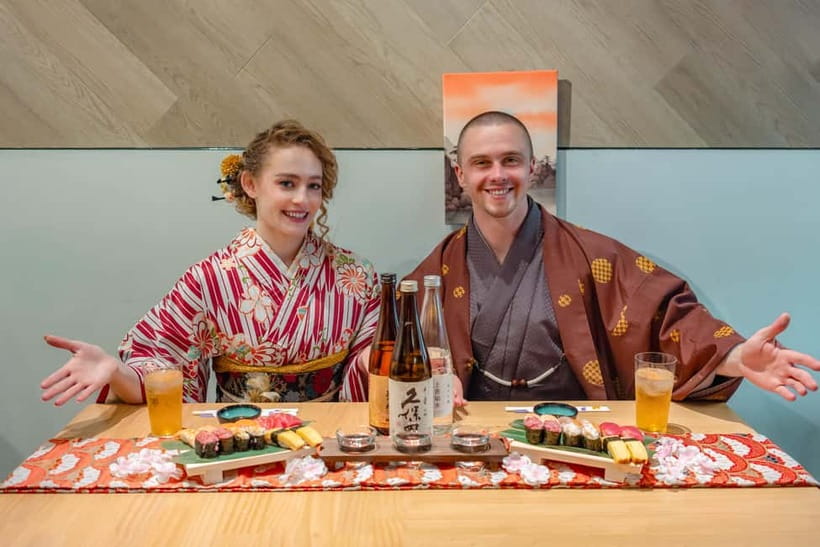
- Sake and sushi cosplay are part of the fun: You can sample Japanese sake, take photos in sushi-themed costumes, and receive a sushi master certificate.
- The class teaches more than hand technique: You learn about sushi, its ingredients, Japanese food customs, Osaka, and even some Japanese language.
- Dietary choices are available: Vegan and halal sushi can be arranged, and one person with a gluten allergy received gluten-free soy sauce.
- The price is $45 per person: With ingredients, sake, the lesson, costume use, certificate, and a special gift included, it offers a lot for a short activity.
Why This Works Well in Dotonbori
Dotonbori is one of Osaka’s best-known entertainment districts, filled with bright signs, restaurants, shopping streets, and food stalls. It can also be a tiring place to simply wander, especially after several hours of sightseeing. A scheduled sushi class gives you a calmer indoor activity without taking you far from the action.
The location is listed in Osaka on Honshu, in the Dotonbori area. Its central setting makes it easy to pair with a meal, evening walk, or visit to nearby attractions, but you should allow extra time to find the entrance. The class has received a 4.9 rating from 122 assessments, and the strongest pattern is clear: people like the staff, the relaxed atmosphere, and the fact that beginners can make something edible quickly.
I would not book this as a formal sushi apprenticeship. You are learning the basics in a social setting, not training behind a traditional sushi counter. That is exactly why it works for most vacation schedules.
More Cooking Classes in Osaka
- Sushi Making Osaka Roll and Authentic Japanese Sushi Class
★ 5.0 · 1,220 reviews - Matcha Making Class in Osaka with Authentic Japanese Sweets Set
★ 5.0 · 509 reviews - Osaka Sushi Making Experience
★ 5.0 · 400 reviews
The 90-Minute Lesson, From Rice to Finished Sushi
The session begins with an introduction to sushi, the ingredients, and the basic method. The instructors explain the process before you start, so you are not expected to copy a fast demonstration while guessing what to do next.
The first practical step is making shari, or sushi rice. You pour sushi vinegar over the rice and prepare it for shaping. This sounds simple, but the rice is the base of every piece, and the class helps you understand that sushi is not just raw fish placed on top of rice.
Next comes shaping the rice. You form a small rice ball and work it into the proper shape. This is where the lesson becomes tactile and fun. The goal is not perfect restaurant presentation. It is learning how to handle the rice without crushing it or making it too loose.
You then combine the neta, or sushi topping, with the rice. Wasabi is placed on the topping, and the topping is brought together with the rice. The instructors guide you through the order of each move, which matters because sushi can quickly become a sticky handful if you rush.
The final stage is shaping the sushi with your fingers. You use your hands to give each piece its finished form. Several instructors are praised for watching carefully, correcting technique, and keeping the pace comfortable. One assessment did suggest that the class could pay closer attention to each individual’s hand movements, so the amount of personal correction may depend on the group size and teacher.
By the end, you have made 12 pieces. That is enough food to feel like a proper snack or light meal, while still leaving room for dinner in Dotonbori.
The Instructors Make the Biggest Difference
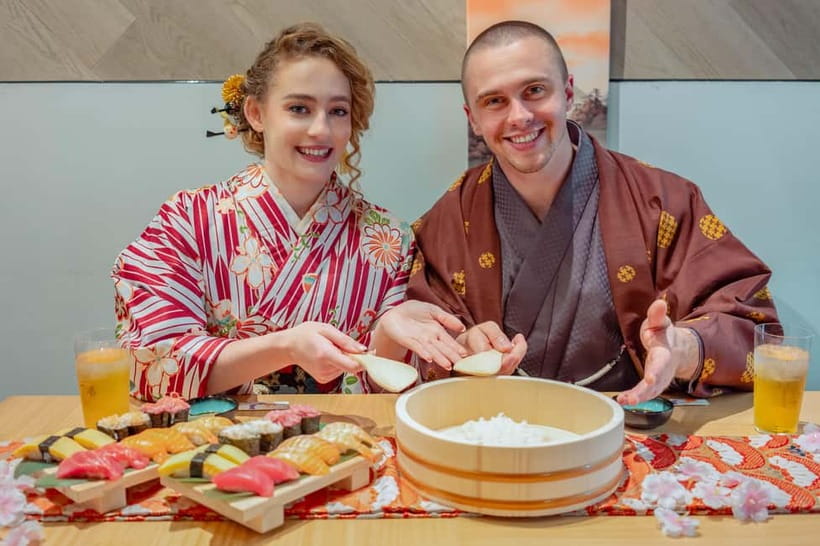
The food is important, but the teachers appear to be the main reason this experience earns such strong marks. Mako is repeatedly described as warm, funny, and good at explaining both sushi and Osaka. Mika, Saki, Yumiko, Kosei, Yui, Anri, Toshiki, Makoto, and other instructors are also praised for clear English and patient help.
The tone seems informal rather than stiff. The teachers make conversation, answer questions, and keep the room cheerful. That matters if you are nervous about using your hands or worried that your sushi will look like a small rice accident.
I particularly like that the class is not limited to instructions about food. You may hear facts about Japanese culture, Osaka, chopsticks, and the meaning of sushi terms. One person found the cultural background a little brief and wanted more facts about the history and names of sushi. So expect a light cultural lesson, not a long lecture.
English is the listed teaching language. The strong feedback about understandable explanations makes this a practical choice for international visitors who want to learn without needing Japanese.
What You Actually Eat
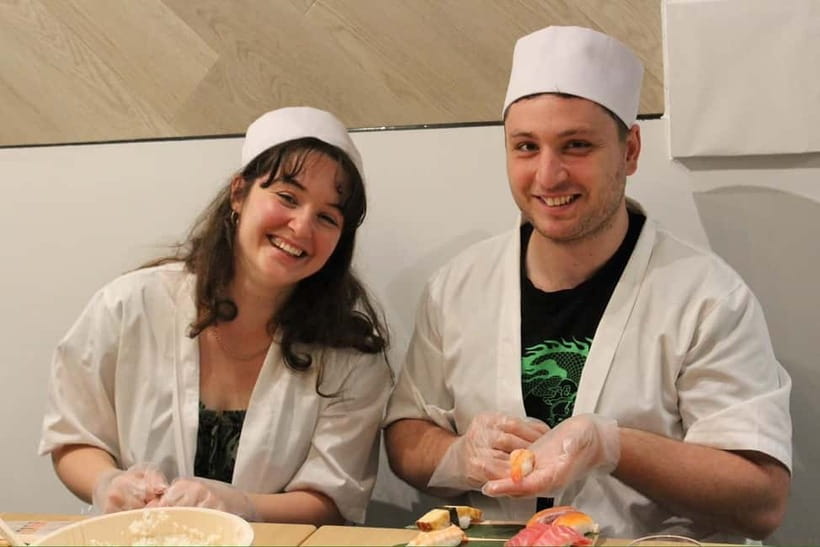
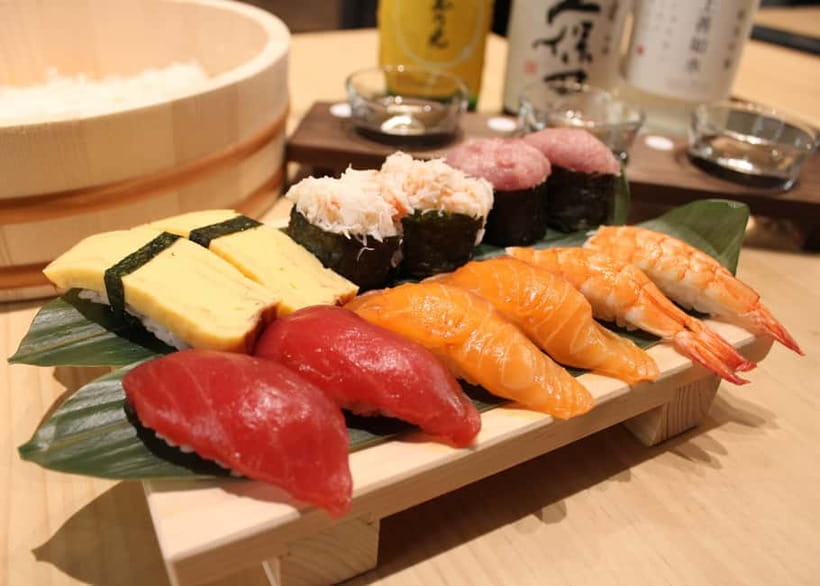
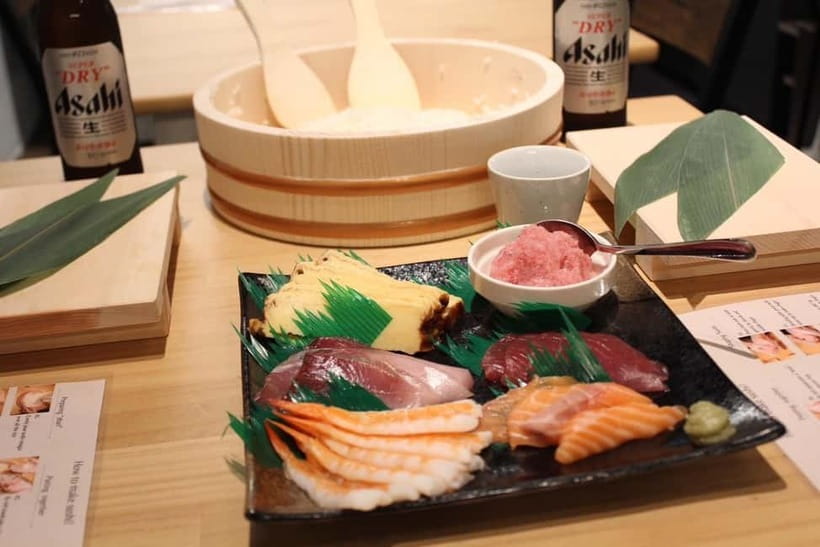
The activity includes all ingredients for 12 sushi pieces. The specific topping list is not provided, so you should not book expecting a guaranteed set of fish or a particular menu. Ingredients are described by one person as high quality and purchased from markets daily, while another found the seafood acceptable but not extremely fresh.
That mixed detail is worth taking seriously. The overall food response is highly positive, with repeated praise for the taste and quality. Still, sushi quality can vary with the day’s ingredients, and this is a teaching class rather than a high-end omakase meal.
A useful detail is that the finished pieces are yours to eat. You are not watching a chef prepare a tiny sample and then leaving hungry. The 12 pieces give the lesson a clear payoff, and several people describe the final food as delicious.
One especially liked item was Japanese omelette sushi. If you do not usually eat fish, this class can still work for you. A participant who said fish was not a favorite still enjoyed the sushi greatly. Ask about your dietary needs in advance, particularly for vegan, halal, or allergy-related arrangements.
More Cooking Classes in Japan:
- Sushi Making Tokyo Roll and Authentic Japanese Sushi Class
★ 5.0 · 3,971 reviews - Tokyo: Roll and Authentic Sushi Making Class in Asakusa
★ 4.9 · 1,957 reviews - Ramen Cooking Class at Ramen Factory in Kyoto
★ 5.0 · 1,937 reviews - Tokyo Shinjuku Chopsticks Making Class
★ 5.0 · 1,763 reviews
Sake, Costumes, Photos, and the Certificate
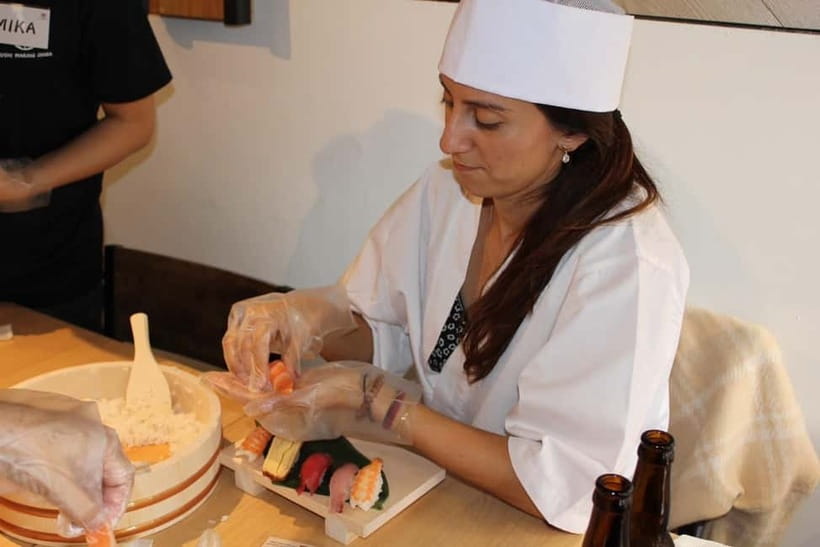
The class includes Japanese sake, which adds a small tasting element to the lesson. It is not presented as a full sake seminar, but you can enjoy sake alongside the sushi and learn a little about the drink. One person specifically appreciated the combination of making sushi and tasting sake.
Sake is alcohol, so consider that when booking for children, anyone who does not drink, or anyone with dietary or health restrictions. The supplied details do not specify an alternative drink, so ask the provider if that matters to you.
The sushi cosplay is the most playful extra. You can put on sushi-themed costume pieces and take photos during the session. This will appeal to families, couples, and friends who want more than a quiet cooking lesson. It may feel silly, but in the best possible way. Osaka is not short on polished food experiences, so a costume photo gives this one a bit of personality.
You also receive a certificate identifying you as a sushi master. It is clearly a souvenir rather than a professional qualification, but it is a nice keepsake, especially for children and teenagers. A special gift is also advertised, though the exact item is not specified.
Is $45 Good Value?
At $45 per person, this is not the cheapest way to eat sushi in Osaka. You can buy sushi more cheaply at many casual restaurants. But that is not the right comparison.
The price includes the instruction, all ingredients for 12 pieces, sake, sushi cosplay, a certificate, and a special gift. You are paying for an activity as well as food. The 90-minute length is also convenient: long enough to learn a real process, short enough to fit into a busy Osaka day.
I see the strongest value for three types of people. First, beginners who want a clear introduction without committing to a long cooking course. Second, families or groups looking for a shared activity rather than another restaurant meal. Third, sushi fans who want to understand the basic work behind the food they usually order.
The value is weaker if you only want the freshest possible seafood or a serious chef-led culinary study. For that, a specialist restaurant experience may suit you better, though it would not give you the same hands-on element.
Who Should Book This Class?
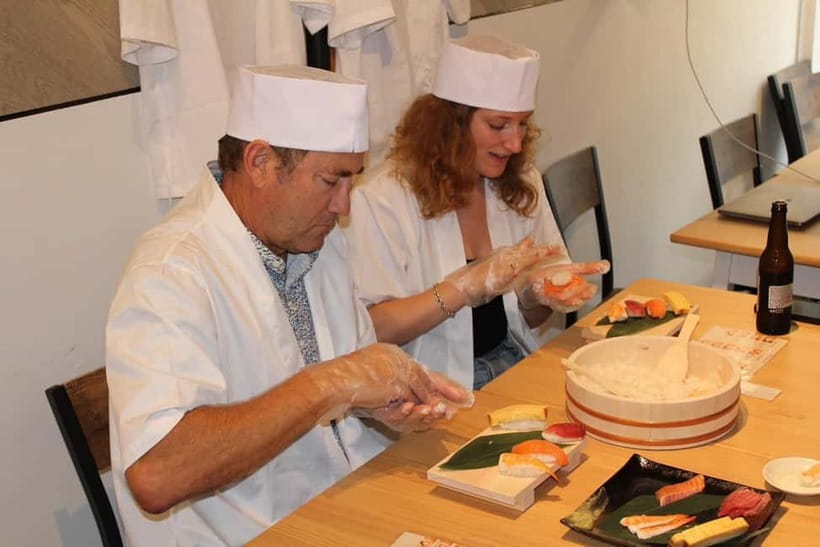
This is a good fit for first-time sushi makers. The steps are broken down into small tasks, and the instructors are used to helping people who have never shaped sushi before. You do not need advanced cooking skills.
Families can also make good use of the class. One family of three, including a 15-year-old, found it enjoyable for everyone. The cosplay and certificate give younger participants something memorable to take away, while adults get food and cultural context.
Couples and friends should consider it if you want a light, social activity. The teachers make an effort to talk with participants, and the small-group setting can lead to easy conversation with the people around you. At times, the class may have very few bookings and feel almost like a private lesson.
It also works for people with dietary needs, since vegan and halal sushi are available. Gluten-free soy sauce was provided for someone with a gluten allergy. Still, I would contact the provider before arrival and explain your needs clearly. The available information confirms accommodations, but not the full ingredient controls for every allergy.
You may want to skip it if you dislike touching food, do not eat sushi in any form, or want a quiet and formal setting. The experience includes costumes, photos, conversation, and sake, so it has a playful social character.
Timing, Cancellation, and Access
The activity lasts 90 minutes, with several possible starting times depending on availability. That makes it easy to schedule before dinner, after sightseeing, or during the afternoon.
You can cancel up to 24 hours before the start time for a full refund. You can also reserve now and pay later, which helps if your Osaka plans are still moving around. The experience is listed as wheelchair accessible, and the teaching language is English.
The activity also offers skip-the-ticket-line entry. Even so, do not cut your arrival time too close. The location has been difficult for some people to find, and Dotonbori’s crowded streets can slow you down. Check the map details carefully before setting out and allow a few extra minutes.
What Could Be Better
The praise is remarkably consistent, but a balanced review needs to note the weak spots.
The first is the map location. At least two people found the venue hard to navigate, and one specifically asked for the Google Maps position to be fixed. If your phone map sends you to the wrong building or a nearby point, you could lose part of the class. Save the meeting details and contact the provider if the entrance is not obvious.
The second is the level of cultural detail. The class covers sushi basics, Japanese culture, and some facts about Osaka, but it is not a deep historical talk. If you already know sushi well, you may want more detail about regional styles, fish, or the origins of different forms.
The third is seafood freshness. Nearly all the food feedback is positive, but one person found the seafood less fresh than expected. I would treat this as a reminder that the class is best judged as a hands-on activity with a meal, not as a premium seafood tasting.
Finally, personal correction may vary. One person wanted the teachers to pay more attention to individual technique. If you want detailed coaching on every piece, ask questions and request help as you work.
The Bottom Line: A Fun First Step Into Sushi
I would recommend the Osaka Dotonbori Sushi Making Experience to most first-time visitors who want an easy, social food activity. The teachers are the heart of it, the 12 pieces make the price feel fair, and the sake, costume photos, certificate, and gift add more than you get from a standard meal.
Book it if you like learning by doing, want an activity suitable for a teenager or mixed-age group, or need vegan or halal choices. Give yourself extra time to find the venue, and do not expect a luxury sushi counter or a long cultural lecture.
For $45, this is a cheerful way to spend 90 minutes in central Osaka. You make the food, eat the food, and leave with a better idea of why sushi is more than fish and rice.
FAQ
How long does the Osaka Dotonbori sushi class last?
The experience lasts 90 minutes.
How many sushi pieces do I make?
You make 12 pieces of sushi using the included ingredients.
Is Japanese sake included?
Yes. Japanese sake is included as part of the experience.
Is the class taught in English?
Yes. English is the listed teaching language.
Are vegan and halal sushi options available?
Yes. Vegan and halal sushi are available.
Can I cancel the booking for a full refund?
Yes. You can cancel up to 24 hours in advance for a full refund.
Is the experience wheelchair accessible?
Yes. The activity is listed as wheelchair accessible.
Just added in Japan
- Manga Lesson with a Professional Japanese Manga Artist in Nakano★ 5.0 · 77 reviews
- Making a bento box with cute character look in Japan★ 5.0 · 15 reviews
- Tokyo/Ikebukuro Manga drawing workshop by pro-Manga artists★ 5.0 · 65 reviews
- Luxury Tokyo Sake, Cocktail, Whisky and Pairing Tour★ 5.0 · 18 reviews
- Tokyo Ueno Food & Nature & Localtown Tour: 10Dishes+ Drinks★ 5.0 · 34 reviews
- Make Your Own Bonsai with a Professional Bonsai Artist in Tokyo★ 4.5 · 18 reviews
- Official Sumo Tournament Ticket with Guided Experience★ 4.5 · 19 reviews
- Make Traditional Nerikiri Sweets & Matcha experience in Shibuya★ 5.0 · 130 reviews
Cooking Classes, compared.
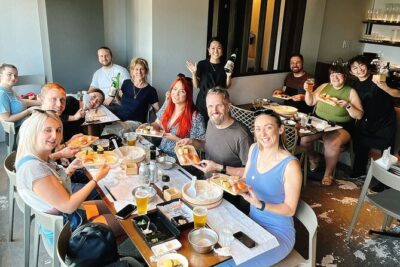
Sushi Making Tokyo Roll and Authentic Japanese Sushi Class
Read our review →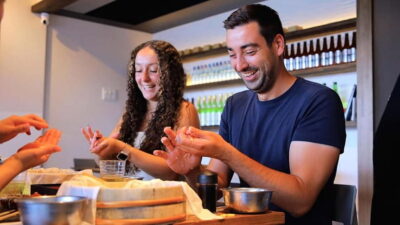
Roll and Authentic Sushi Making Class in Asakusa
Read our review →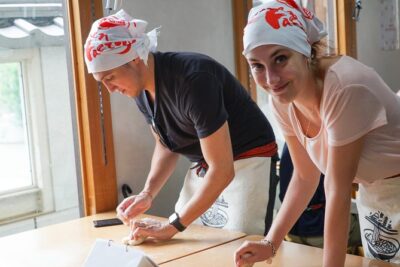
Ramen Cooking Class at Ramen Factory in Kyoto
Read our review →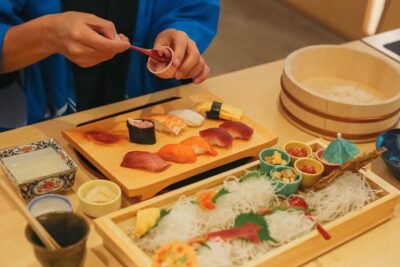
Sushi Making Class in a Happi Coat near a Famous Spot
Read our review →
Sushi Making Osaka Roll and Authentic Japanese Sushi Class
Read our review →
Tokyo Sushi Making Class in Tsukiji with Professional Chef
Read our review →
Ramen & Gyoza Cooking Class in Tokyo with Local Supermarket Visit
Read our review →Browse the lists this tour appears in