
Reviewed · TEA CEREMONIES
Osaka; Japanese Tea ceremony experience, Macha and Sencha
Slow down for one hour. This Osaka tea ceremony gives you a clear, hands-on introduction to Japanese tea culture in a traditional tatami room. I like the mix of watching a tea master prepare matcha and then making tea yourself. I also like that the session includes both matcha and sencha, since you get to compare a formal tea tradition with a type of tea commonly enjoyed in Japan today. The main consideration is that this is a short, structured cultural lesson rather than a long ceremonial performance.
You meet at the Midosuji Line’s underground Exit 3, then head to the ground floor for the activity. Tea master Yuko has received especially warm praise for her friendly manner, gentle teaching style, and strong English. If you want photographs in traditional clothing, you can add a yukata rental, but it is not included in the base price.
In This Review
- Key points before you book
- Entering the tatami room in central Osaka
- Watching matcha prepared by a tea master
- Making matcha yourself, one step at a time
- Traditional sweets with the matcha
- Moving from formal matcha to everyday sencha
- What the tea ceremony teaches beyond tea
- Adding a yukata for photos
- Is $25 a fair price in Osaka?
- Who will enjoy this Osaka experience most?
- The practical limits of a one-hour lesson
- English instruction and the teaching style
- Cancellation and planning details
- Should you book the Osaka tea ceremony?
- FAQ
- How long does the tea ceremony experience last?
- How much does the experience cost?
- Which teas are included?
- Is the instruction available in English?
- Where is the meeting point?
- Is the experience suitable for people with food allergies or wheelchair users?
Key points before you book
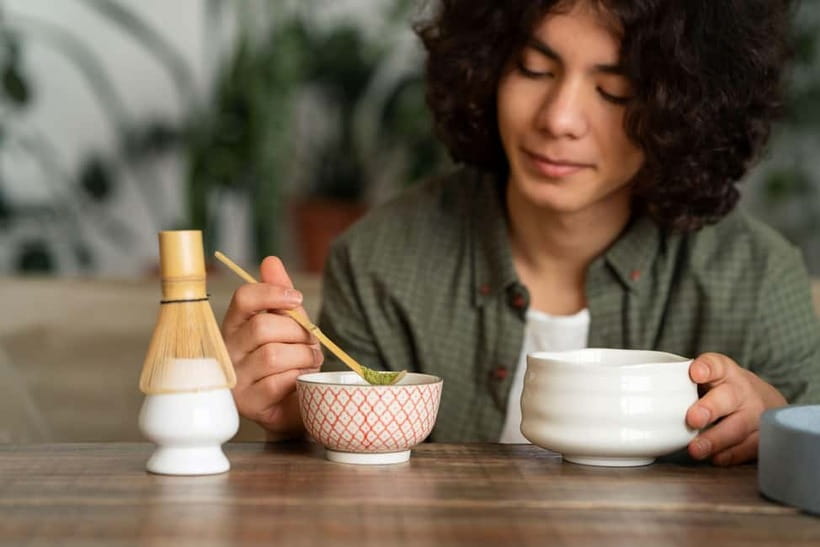
- Two Japanese teas in one hour: You prepare and taste matcha, then learn about sencha and enjoy it with modern Japanese confectionery.
- A hands-on ceremony: You do not only watch. The tea master explains the etiquette, then guides you through making tea yourself.
- Traditional tatami setting: The room gives the lesson a more formal Japanese feel than a standard café tasting.
- English instruction: The experience is offered in English and Japanese, with Yuko praised for explaining the subject clearly in English.
- Optional yukata photographs: You can rent a yukata separately and wear it during the ceremony for photos.
- Good value at $25: For a one-hour cultural activity with two teas, sweets, instruction, and participation, the price is reasonable.
Entering the tatami room in central Osaka
The experience begins at the underground Midosuji Line, Exit 3, on the ground floor. This meeting point matters because Osaka’s subway exits can put you on a different street from the one you expected. Give yourself enough time to find Exit 3 rather than rushing out at the first available staircase.
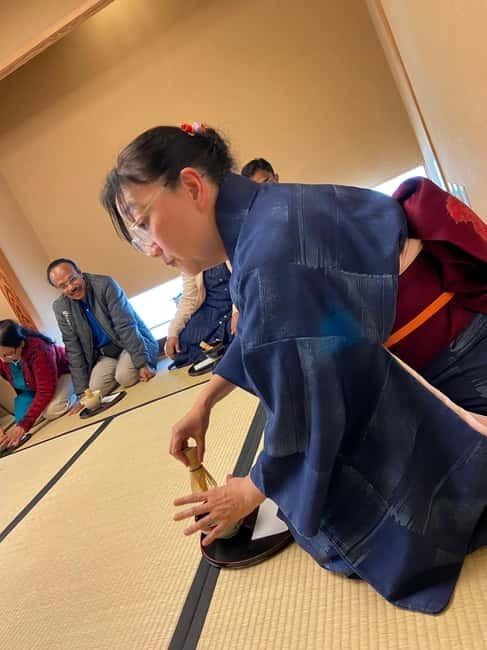
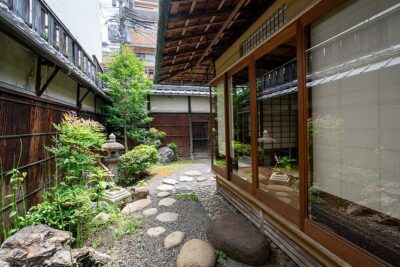
Once inside the traditional tatami room, the atmosphere changes. You leave behind the quick pace of Osaka transport and take part in a ceremony built around careful movements, quiet attention, and respect. The room itself is an important part of the lesson. Sitting on tatami and watching tea prepared in a formal setting helps you understand that the ceremony is not simply a method for making a drink.
The activity lasts one hour. That is long enough to learn the main ideas and try the process without taking up half your day. It also means the session keeps moving. You should not expect a lengthy philosophical lecture or an extensive meal. This is a compact introduction designed for visitors who want a meaningful cultural stop between sightseeing plans.
More Tea Ceremonies in Osaka
- Osaka: Tea Ceremony Experience
★ 4.9 · 1,426 reviews - Tea Ceremony Experience in Osaka Doutonbori
★ 5.0 · 754 reviews - Matcha Making Class in Osaka with Authentic Japanese Sweets Set
★ 5.0 · 509 reviews
Watching matcha prepared by a tea master
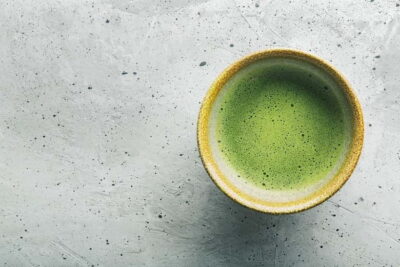
The first tea is matcha, the bright green powdered tea most people associate with the Japanese tea ceremony. You begin by watching the tea master prepare it. Pay attention to the order of the movements, the handling of the utensils, and the calm pace. The point is not speed. Each action has a place.
The tea master also explains the history and spiritual role of the ceremony. This context gives the movements a purpose. Without an explanation, a visitor might see only a series of formal gestures. With one, you can better understand why the ceremony values concentration, hospitality, and respect between host and guest.
The language support is a real advantage here. The instruction is available in English and Japanese, and Yuko has been praised for speaking English very well and explaining the tradition with kindness. That makes a difference when the subject includes etiquette and ideas that may not translate neatly through demonstration alone.
I especially like the way this portion combines observation with explanation. You can first see the ceremony as a whole, then hear why it matters. The result is more useful than a photo opportunity alone, and it gives you a framework for understanding the practical part that follows.
Making matcha yourself, one step at a time
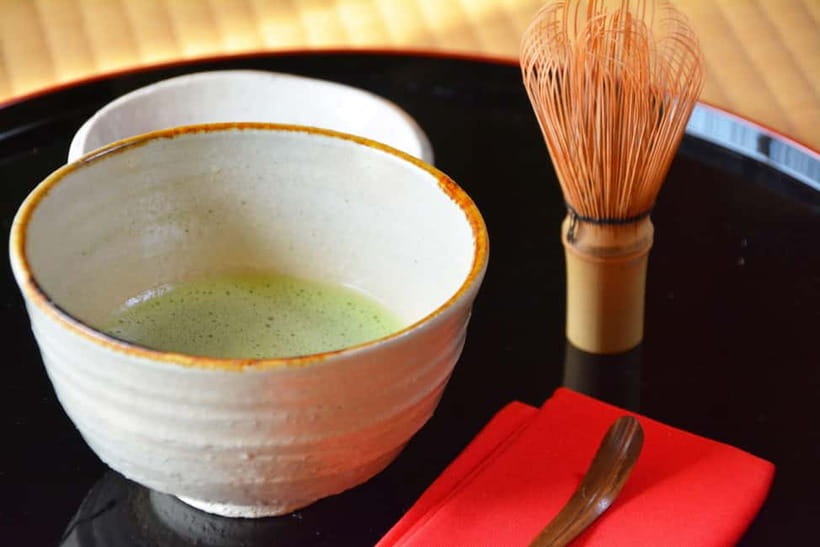
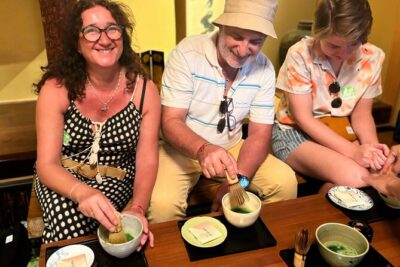
After watching the tea master, you get to prepare tea yourself. This is where the hour becomes more than a performance. You learn how to make matcha according to the etiquette of the ceremony, with the instructor guiding you through the process.
Do not worry about performing perfectly. The value is in learning the sequence and trying the movements with care. You will likely notice that even a simple cup of tea involves attention to the tools, the order of preparation, and the way the tea is received.
This hands-on section suits curious beginners. You do not need prior knowledge of tea ceremony customs, and the presence of an instructor means you are not left guessing what to do next. The experience is built for participation, not for experts who already know every rule.
There is also a useful lesson here about the difference between drinking tea casually and treating tea as a social ritual. The ceremony places weight on the act of serving and receiving, not only on flavor. If you have seen matcha presented in a modern café, this setting lets you see a more formal side of the same ingredient.
Traditional sweets with the matcha
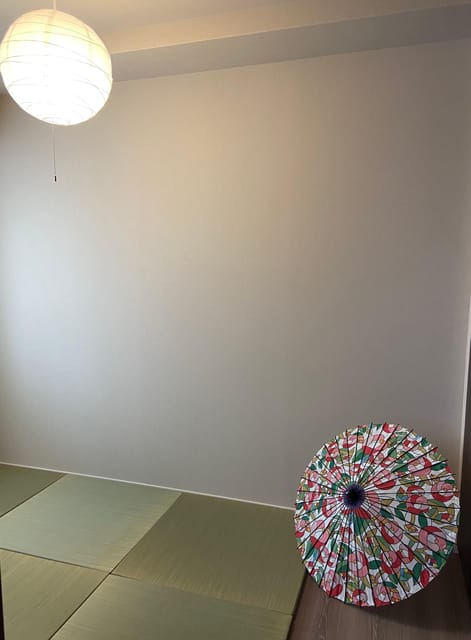
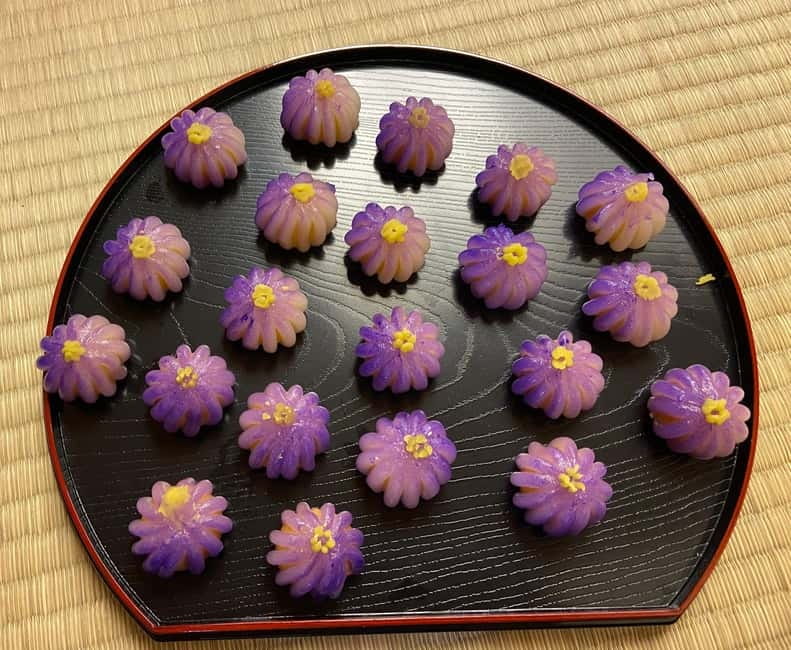
The matcha portion includes traditional Japanese sweets. They are part of the experience, not a full meal, so you should eat beforehand if you need something substantial. The sweets add a small taste of Japanese food culture and help balance the strong, earthy flavor of matcha.
Food allergies require care. The provided information specifically advises people with allergies not to eat the Japanese sweets and confectionery. If that applies to you, you should treat the sweets as optional rather than assuming the ingredients can be changed.
The sweets also help explain the rhythm of the ceremony. Tea is not presented in isolation. The food, the tea, and the manners around serving them work together. That connection is one reason this activity feels more like a cultural lesson than a basic beverage tasting.
More Tea Ceremonies in Japan:
- Kyoto: Tea Ceremony in a Traditional Tea House in Kiyomizu
★ 4.9 · 3,519 reviews - Kyoto: Tea Ceremony Ju-An at Jotokuji Temple
★ 4.9 · 3,207 reviews - Kyoto: 45-Minute Tea Ceremony Lesson Experience
★ 4.3 · 2,378 reviews - World Heritage Kyoto & Nara Uji Authentic Matcha Experience
★ 5.0 · 1,573 reviews
Moving from formal matcha to everyday sencha
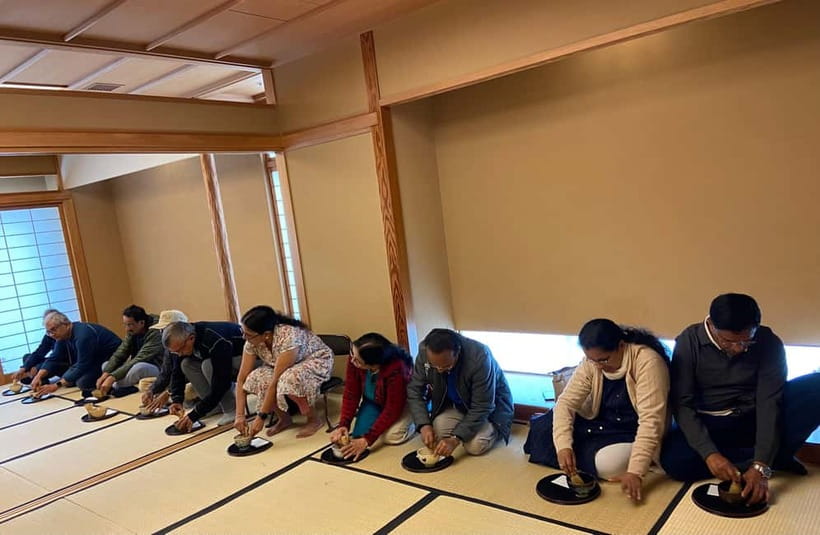
The second half turns to sencha, a green tea commonly drunk in Japan today. This change is useful because it gives you a wider view of Japanese tea culture. Matcha is strongly associated with formal ceremony, while sencha is part of ordinary tea drinking.
You taste sencha with current Japanese confectionery while the instructor explains its history and other aspects of the tea. The comparison between the two teas is likely to be one of the most helpful parts of the session. You are not left with the impression that all Japanese green tea is prepared and served in the same way.
The shift also gives the experience a relaxed counterpoint. Matcha introduces formal etiquette and ritual. Sencha shows a more everyday tradition. Together, they make the lesson feel balanced, especially for someone visiting Japan for the first time.
The sweets served with sencha are described as current Japanese confectionery, separate from the traditional sweets paired with matcha. That distinction adds another small but worthwhile detail. You get to see how the food pairing changes with the tea and how tea culture includes both formal customs and present-day habits.
What the tea ceremony teaches beyond tea
The tea ceremony’s deeper value is not simply learning to whisk or pour. It gives you a short lesson in how Japanese hospitality can be expressed through preparation, timing, and attention to another person.
You will hear about the history and spiritual role of the ceremony, then put some of those ideas into practice. That structure works well because the explanation is tied to an action. You are not sitting through an abstract talk and hoping to remember it later.
The experience also offers a quiet break from Osaka’s busy streets. It is not silent meditation, and the instructor keeps the session social and approachable. Still, the tatami room and careful pace create a different mood from shopping districts, train stations, and crowded sightseeing areas.
I would recommend it to anyone who wants cultural context without committing to a full-day class. The one-hour length makes it easy to fit into a larger Osaka itinerary. You can learn something specific, participate directly, and then continue with your day.
Adding a yukata for photos
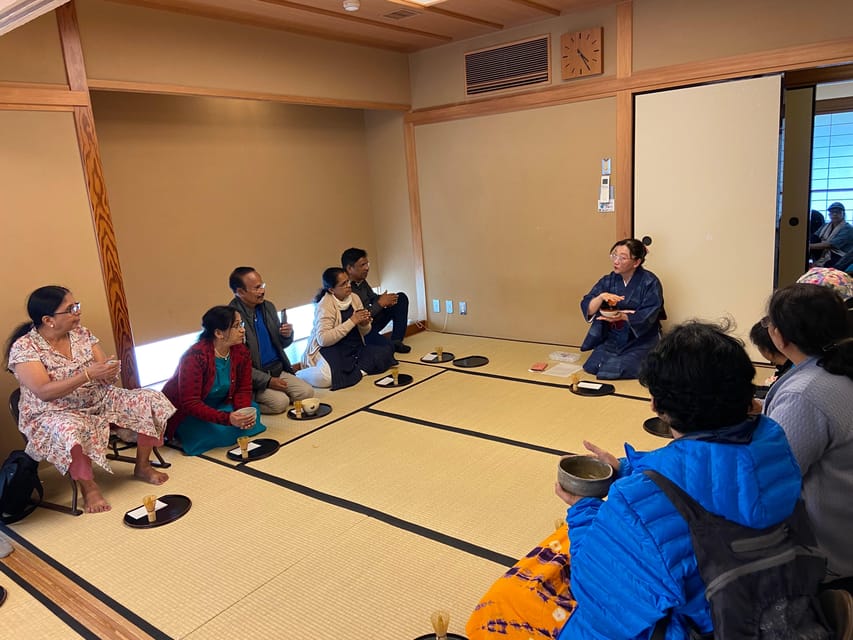
A yukata can be rented separately if you want to wear traditional clothing during the ceremony. The rental is an additional option, so the advertised $25 price does not include it.
This add-on makes sense if photographs are important to you or if you want the visual side of the ceremony to feel more complete. Wearing a yukata can also make the occasion feel more special for a first visit to Japan. You should allow for the fact that changing into traditional clothing adds another layer to a one-hour activity, although no extra timing details are provided.
If you are mainly interested in tea preparation and etiquette, you can skip the yukata and keep the cost lower. The core activity already includes instruction, matcha, sencha, and sweets. The clothing option is best viewed as a personal extra, not a necessary part of the lesson.
After the tea experience, you have the opportunity to have your photograph taken. That gives you a simple souvenir of the visit, especially if you choose the yukata option.
Is $25 a fair price in Osaka?
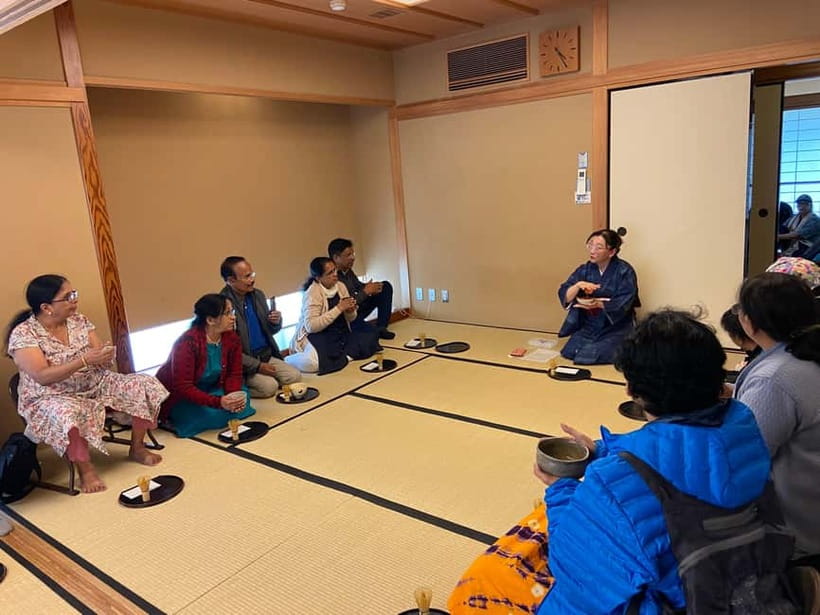
At $25 per person, this is a solid value for a one-hour cultural activity. You receive instruction from tea ceremony teachers, two different teas, two types of Japanese sweets, and time to prepare tea yourself. Many short Osaka activities offer either a demonstration or a tasting. This one combines both with a clear cultural explanation.
The price is especially reasonable if you are already interested in Japanese food, customs, or craft traditions. The matcha and sencha comparison gives you more substance than a single-cup tasting, while the hands-on lesson means you take away a practical memory rather than only a few photographs.
The value depends less on quantity and more on your expectations. You are not paying for a meal, a long workshop, or a private multi-hour ceremony. You are paying for a focused introduction in a traditional room. If you understand that, the cost feels fair.
The optional yukata rental changes the total price, so check the relevant option before booking. Those who want the cheapest version can enjoy the tea lesson without adding clothing.
Who will enjoy this Osaka experience most?
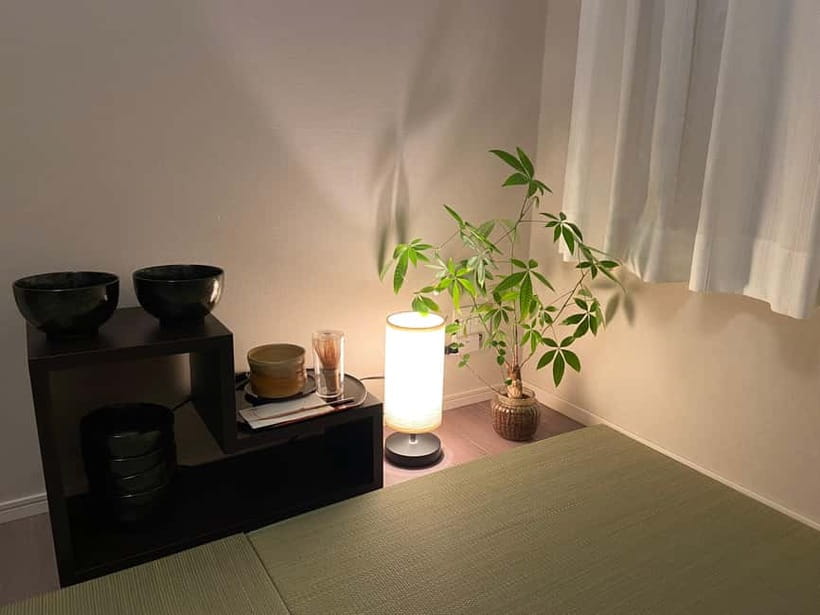
This activity is a good fit for first-time visitors who want an easy introduction to Japanese culture. You do not need any previous knowledge, and the instructor leads you through the etiquette.
It also suits:
- Couples or friends looking for a calm cultural activity
- Solo visitors who want a guided experience in English
- Anyone interested in Japanese tea, sweets, or hospitality
- People who want photographs in a yukata
- Visitors with only one free hour in central Osaka
Families may need to consider the rules about noise and behavior. The setting calls for quiet attention, and making noise is not allowed. Bachelor and bachelorette party groups are not suitable, either.
People using wheelchairs should note the stated restrictions. The experience is not suitable for wheelchair users, and non-folding wheelchairs, electric wheelchairs, and scooters are not allowed. Pets, smoking, alcohol, drugs, weapons, sharp objects, chewing gum, and making fire are also prohibited.
The practical limits of a one-hour lesson
The short format is both a strength and a limit. You can fit it into a busy Osaka schedule, but you will only receive an introduction to a broad subject. The instructor covers the history, spiritual role, etiquette, matcha, sencha, and sweets within a single hour.
That is enough to give you a clear first impression. It is not enough to cover every school of tea ceremony, every utensil, or every regional style. If you already study tea ceremony, you may want a longer and more specialized class. If you are new to the subject, the compact format should feel approachable.
The activity also has clear behavior rules. Chewing gum, intoxication, alcohol and drugs, smoking, and loud behavior are not allowed. These restrictions fit the setting. Come ready to listen, follow instructions, and treat the room with respect.
Food allergies deserve special attention. The sweets and confectionery should not be eaten by people with food allergies. The safest approach is to ask about your situation before booking and not assume substitutions are available, since no alternatives are specified.
English instruction and the teaching style
The experience is offered in English and Japanese. That makes it practical for international visitors who want more than a silent demonstration.
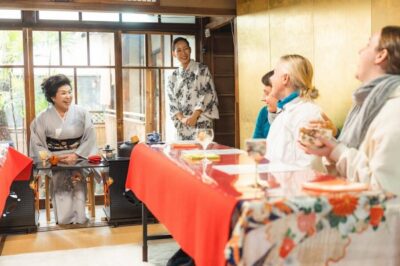
Yuko has been praised for being friendly, gentle, and clear. One particularly useful detail is that she explains both the customs and the long history of the ceremony rather than rushing through the motions. Her teaching style appears to be a major part of the experience’s appeal.
That personal guidance matters because etiquette can feel intimidating at first. A good instructor helps you understand the reason behind each step and keeps small mistakes from becoming embarrassing. You can focus on learning rather than worrying about getting every movement right.
The strong rating of 4.9 from 29 reviews supports the idea that the teaching is consistently well received. The comments include praise in Italian, German, and French, with recurring themes of friendly encounters, an authentic ceremony, and a useful introduction to Japanese tea culture. The repeated approval of the instructor’s warmth and English ability is more meaningful than a bare numerical score.
Cancellation and planning details
You can cancel up to 24 hours before the activity for a full refund. You can also reserve now and pay later, which helps if your Osaka schedule is still changing.
The duration is one hour, but the exact starting times depend on availability. Check the available time slots before planning nearby activities. Since the meeting point is at Midosuji Line Exit 3, allow time to reach the correct subway exit and arrive ready for a prompt start.
You should also decide before booking if you want the yukata option. It is rented separately and cannot be assumed to be included in the standard price.
Should you book the Osaka tea ceremony?
You should book this experience if you want a friendly, affordable introduction to Japanese tea ceremony with real participation. The combination of matcha, sencha, sweets, tatami, and English instruction gives you a fuller picture than a quick matcha tasting.
I would choose it for a first Osaka visit, especially if you have one spare hour and want a quieter cultural stop. The best reasons to go are Yuko’s approachable teaching style, the chance to make tea yourself, and the contrast between formal matcha and everyday sencha.
Skip it if you need a full meal, have a food allergy and cannot safely eat the sweets, use a wheelchair or scooter, or want an advanced ceremony lasting several hours. For everyone else, the $25 price buys a focused lesson with enough hands-on time to make the tradition memorable, without swallowing your whole day.
FAQ
How long does the tea ceremony experience last?
The experience lasts one hour. Starting times depend on availability.
How much does the experience cost?
The listed price is $25 per person. A yukata rental is available as a separate additional option.
Which teas are included?
The experience includes matcha green tea and sencha green tea. Matcha is paired with traditional Japanese sweets, while sencha is served with current Japanese confectionery.
Is the instruction available in English?
Yes. The tea ceremony instructors speak English and Japanese. Yuko has been specifically praised for speaking English very well.
Where is the meeting point?
Meet at the underground Midosuji Line, Exit 3, on the ground floor.
Is the experience suitable for people with food allergies or wheelchair users?
The experience is not suitable for people with food allergies or wheelchair users. Non-folding wheelchairs, electric wheelchairs, and scooters are not allowed, and people with food allergies are advised not to eat the Japanese sweets or confectionery.
Just added in Japan
- A One-of-a-Kind Sushi Experience in a Special Place of Japan★ 5.0 · 15 reviews
- Tokyo Cute Bento Cooking Class – Make a Kawaii Character Lunchbox★ 5.0 · 126 reviews
- Japanese Home Cooking Class & Walk in Todoroki Temple Tokyo★ 5.0 · 88 reviews
- Japan Tokyo Tower Observatory Deck E-Ticket★ 4.0 · 34 reviews
- Catch a Baseball Game in Tokyo with a Local – Tickets Included★ 5.0 · 24 reviews
- JDM Experience with Fast&Furious RX-7 (English speaking Driver)★ 5.0 · 57 reviews
- Tokyo Private Day Tour by Car with English speaking Driver Guide★ 4.0 · 29 reviews
- Japan Classic 10 Day – One Life Adventures★ 5.0 · 129 reviews
Tea Ceremonies, compared.
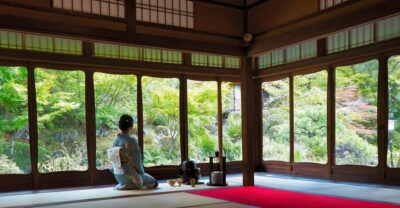
Tea Ceremony in a Traditional Tea House in Kiyomizu
Read our review →
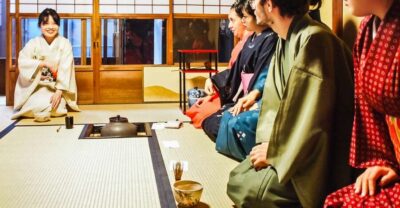
World Heritage Kyoto & Nara Uji Authentic Matcha Experience
Read our review →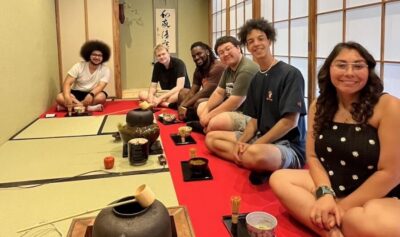
Browse the lists this tour appears in