
Reviewed · COOKING CLASSES
Osaka Okonomiyaki Cooking Class “Learn here and make it at home”
Osaka’s best lessons end on your plate. This three-hour class puts you at the hotplate making okonomiyaki and takoyaki, not just watching someone else cook. I like the small maximum of eight people and the easy location, only five minutes from Shinsaibashi and Honmachi stations. I also like that the meal includes sake, beer, and soft drinks, so the class ends as a proper shared meal rather than a quick sample.
The main drawback is the price: $70 per person is more than you would pay for a casual Osaka lunch. Still, the ingredients, equipment, instruction, aprons, gloves, drinks, and written recipes add real value. You should also contact the provider after booking if you need vegetarian or allergy-friendly food, since those options are not automatic.
In This Review
- Key points at a glance
- Why this Osaka cooking class is worth your evening
- Finding the kitchen near Shinsaibashi and Honmachi
- The first 30 minutes: orientation and preparation
- Making okonomiyaki, Osaka’s savory pancake
- Turning takoyaki without losing your filling
- A full hour to eat, drink, and compare your results
- What you can take home from the lesson
- The instructors and the feel of a small group
- Who should book, and who should think twice
- Practical details before you reserve
- Should you book the $70 Osaka cooking class?
- FAQ
- How long does the Osaka okonomiyaki cooking class last?
- Where does the cooking class take place?
- What dishes will I make?
- Are drinks included?
- Is an English-speaking instructor available?
- How many people can join the class?
- Do I need to bring cooking equipment or ingredients?
- Can the class accommodate vegetarian diets or food allergies?
- What is the cancellation policy?
Key points at a glance
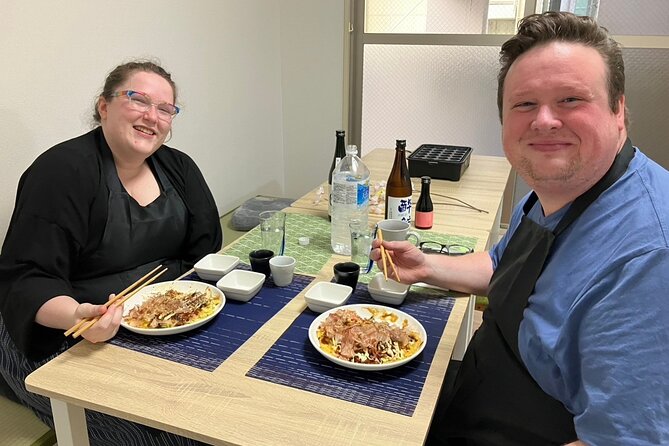
- You make two Osaka favorites from scratch: Prepare okonomiyaki, the cabbage-based savory pancake, and takoyaki, the octopus-filled dough ball.
- The class stays small: A maximum of eight people gives you a better chance to work directly with the instructors.
- The kitchen is central but quiet: It is about a five-minute walk from both Shinsaibashi and Honmachi stations.
- The evening has a useful rhythm: Allow 30 minutes for orientation, 90 minutes for cooking, and one hour for eating and drinks.
- English, Japanese, and Spanish support is available: Japanese and Spanish instruction can be requested, while English instruction is included.
- You leave with more than a full stomach: Written recipes and a look at ingredient packaging can help you shop for the dishes at home.
Why this Osaka cooking class is worth your evening
Osaka is famous for food that feels generous, social, and pleasantly informal. Okonomiyaki and takoyaki fit that character perfectly. Both dishes are cooked on a hot surface, both reward practice, and both are much more interesting when you understand what goes into them.
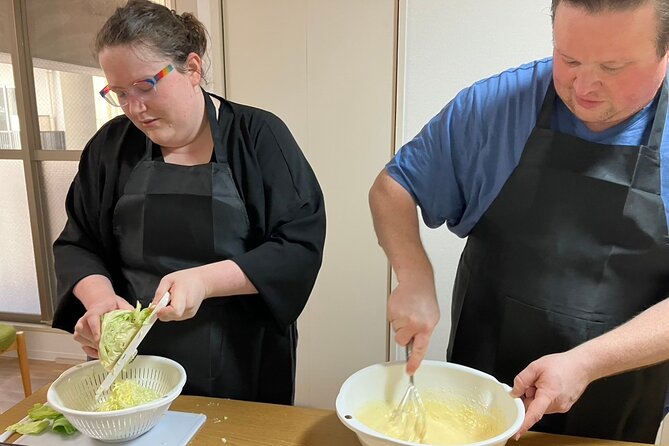
I like this class because it treats cooking as the main event. You are not simply handed a plate of finished food. You learn the basic process, handle the ingredients, cook your own dishes, and then sit down with drinks to enjoy the result.
The class costs $70, so it makes the most sense when you value the lesson as much as the meal. If you only want to eat okonomiyaki and takoyaki, Osaka offers cheaper ways to do that. If you want to learn how these dishes are made and try them again at home, the price is easier to justify.
The small group limit matters here. With no more than eight people, the class should feel more personal than a large demonstration. You can ask questions, get help with the cooking steps, and spend more time at the hotplate instead of waiting for a turn.
More Cooking Classes in Osaka
- Sushi Making Osaka Roll and Authentic Japanese Sushi Class
★ 5.0 · 1,220 reviews - Matcha Making Class in Osaka with Authentic Japanese Sweets Set
★ 5.0 · 509 reviews - Osaka Sushi Making Experience
★ 5.0 · 400 reviews
Finding the kitchen near Shinsaibashi and Honmachi
The meeting point is at 南船場コレット, 4-chōme-3-1 Bakurōmachi, Chuo Ward, Osaka. The kitchen is about a five-minute walk from both Shinsaibashi and Honmachi stations on the Osaka Metro.
That location works well if you are already exploring central Osaka. You do not need a separate taxi ride or a long trip out to the suburbs. The address is in a quiet neighborhood despite being close to two major areas, which should make the cooking session feel calmer than the streets around the shopping arcades.
The activity begins and ends at the same meeting point. Private transportation is not included, so you are responsible for reaching the kitchen. Plan a little extra time to find the exact entrance, especially if you are carrying luggage or arriving from another part of Osaka.
The class is offered with a mobile ticket. Keep your booking details available on your phone, and check the meeting information carefully before setting out.
The first 30 minutes: orientation and preparation
The opening half hour is used to explain the class and prepare for cooking. This part may sound basic, but it is useful for a hands-on food experience. You can get familiar with the tools, ingredients, work area, and cooking sequence before the hotplates become busy.
Aprons and disposable plastic gloves are provided, along with the kitchen tools and ingredients. You only need to bring yourself. That is helpful if you are fitting the class into a sightseeing day and do not want to pack special clothing or cooking equipment.
The instructors speak English, Japanese, and Spanish. English instruction is included, and Japanese or Spanish support can be requested. Clear instruction matters with both dishes because timing and handling make a difference, especially when you are turning takoyaki or managing a hot cooking surface.
The orientation also gives you a chance to raise food concerns. Vegetarian and food allergy requests should be sent after booking. Do not wait until you arrive, since the provider needs notice to discuss possible arrangements.
Making okonomiyaki, Osaka’s savory pancake
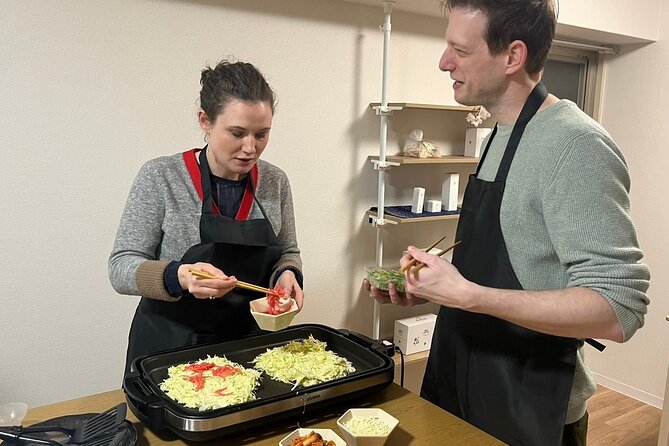
Okonomiyaki is often described as a Japanese savory pancake, but that short explanation misses its appeal. The base includes batter and cabbage, with fillings such as pork and seafood. It is then finished with sauce, bonito flakes, and other toppings.
The name is commonly understood as something close to what you like, cooked, which suits the dish. It is flexible, filling, and built around a few simple ingredients rather than a strict formula. In this class, you learn how those parts come together instead of treating the finished pancake as a mystery.
The cabbage gives the pancake body and texture. The fillings add more flavor, while the sauce and toppings supply the sweet, salty, savory finish that makes okonomiyaki so easy to like. Bonito flakes can move from the heat of the pancake, a small detail that often makes the finished dish feel especially fresh and lively.
I would pay attention to the texture during this part of the class. A good savory pancake should hold together without becoming heavy. The lesson is valuable because you can use the same basic idea at home, then adjust the fillings to suit your own kitchen and preferences.
The exact filling choices can vary, and the description lists pork and seafood as examples. If you have dietary restrictions, contact WashokuYanen before the class rather than assuming a substitution will be available.
A completely different kind of day out:
- Osaka Go Karting Tour with Funny Costume
★ 5.0 · 2,658 reviews - Osaka Castle: Museum and Tower Entry Ticket
★ 4.5 · 2,380 reviews - Osaka: Shinsekai Food Tour with 13-15 Dishes at 5 Eateries
★ 4.8 · 2,204 reviews - Osaka Food Tour: 13 Dishes at 5 Local Eateries
★ 5.0 · 2,149 reviews
Turning takoyaki without losing your filling
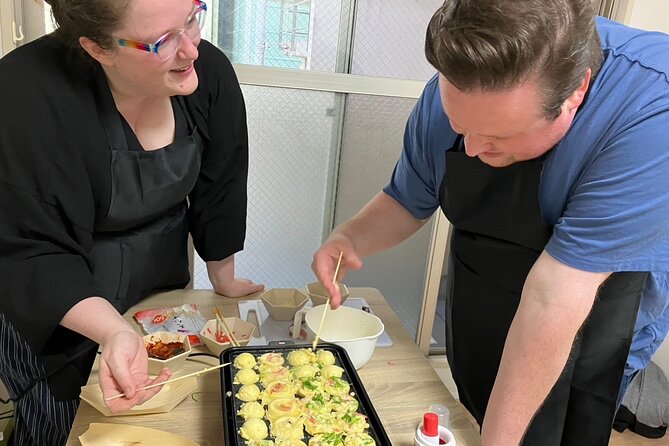
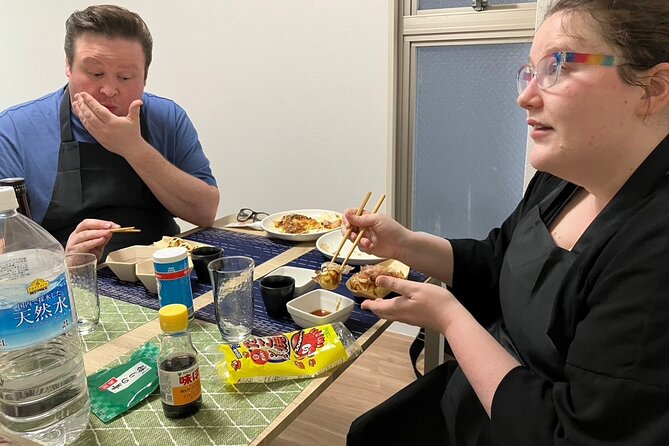
Takoyaki is the more technical of the two dishes. These are savory dough balls filled with octopus, fried in a special pan, and finished with sauce, bonito flakes, and seaweed powder.
The cooking method is part of the fun. You need to manage the soft batter as it cooks, shaping it into a round form rather than leaving it flat. That takes more care than making a standard pancake, which is one reason hands-on guidance is useful.
The class gives you 90 minutes for cooking both dishes. That is enough time for the instructor to explain the process and for you to practice instead of rushing through a demonstration. You may find takoyaki requires more attention than expected, particularly if you are making it for the first time.
The octopus filling gives the balls their signature character. If you are not comfortable with seafood, ask about options before booking. The listed dishes are built around octopus, pork, and seafood, and alternative ingredients are not guaranteed without advance contact.
One good reason to learn takoyaki in Osaka is that the dish is closely tied to the city’s everyday food culture. It is casual, sociable, and made for sharing. The class lets you experience that style of cooking through your own hands, not just through a restaurant menu.
A full hour to eat, drink, and compare your results
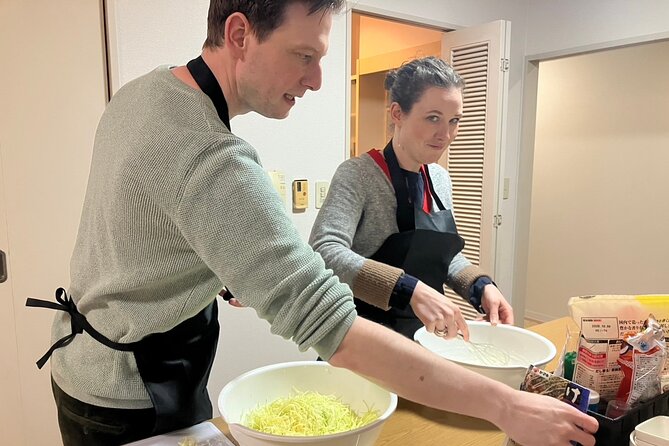
After the cooking session, you have one hour to sit down and enjoy the okonomiyaki and takoyaki you made. This longer tasting period is one of the class’s strongest features. You are not forced to swallow a few bites and leave before you can appreciate the food.
Drinks include Japanese sake, beer, and soft drinks. Alcohol is served only to people aged 20 and above. Anyone under 20 receives non-alcoholic drinks instead, so the experience can work for families and mixed-age groups.
The shared meal also gives the class a social side. You can compare the two dishes, talk about the cooking process, and ask follow-up questions while eating. One useful detail from the experience is the friendly, interactive atmosphere, including a case where younger children took part successfully.
I would expect the meal to be satisfying, but you should remember that the value is not only in the food. You are paying for ingredients, instruction, use of the kitchen, drinks, and the chance to repeat the recipes later. If you judge the $70 only by the amount of food on the table, it may seem expensive. If you include the lesson and the social evening, it becomes a more reasonable purchase.
What you can take home from the lesson
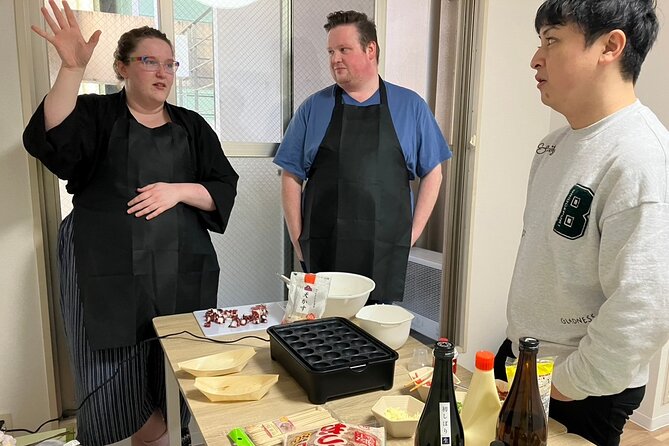
The best cooking classes give you a way to continue the experience after the holiday. This one provides written recipes, which is a practical benefit. You can use them to recreate okonomiyaki and takoyaki rather than relying on memory after a long day of sightseeing.
You also get to see the packaging for the ingredients. That small detail can be surprisingly helpful. Japanese supermarkets can be difficult to navigate when you do not read the labels, and seeing the actual products gives you a better chance of recognizing them later.
You will still need access to suitable cooking equipment at home. Takoyaki usually requires a special pan, and the class does not provide equipment for your kitchen. The experience gives you the instructions and ingredient knowledge, but not a kit to take away.
That is why I see this as a useful introduction rather than a guaranteed home-cooking solution. The recipes can guide you, but repeating the dishes may require some shopping and a little practice.
The instructors and the feel of a small group
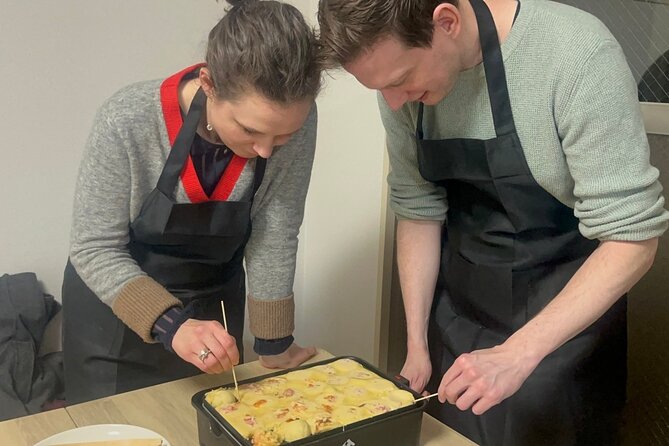
The instructors guide you step by step and are fluent in English, Japanese, and Spanish. That language range is useful for groups with mixed language needs, though Japanese and Spanish instruction should be requested after booking.
A maximum of eight people is a sensible size for this type of activity. Cooking at a shared hotplate requires enough room for everyone to work safely and enough instructor time for individual help. A much larger group could turn the class into a demonstration, but this setup is more likely to keep you involved.
The feedback about the class highlights a relaxed, intimate, and interactive atmosphere. On one occasion, only two people had booked, which made the session especially personal. You should not assume every date will be that quiet, but the eight-person limit keeps the upper end manageable.
The friendly conversation is part of the appeal. If you want a silent lesson with strict culinary technique, this may feel casual. If you enjoy learning while chatting and eating, the tone should suit you well.
Who should book, and who should think twice
I would recommend this class to several kinds of visitors:
- First-time visitors to Osaka: You get a direct introduction to two dishes strongly associated with the city.
- Families with older children: Younger children have taken part successfully, and the activity is more engaging than a standard meal.
- Couples and friends: The cooking and shared tasting create an easy evening activity.
- People who enjoy practical souvenirs: The written recipes and ingredient packaging can help you continue at home.
- Anyone staying near central Osaka: The location is convenient from Shinsaibashi and Honmachi.
You may want to skip it if you are looking for the cheapest possible dinner, dislike seafood, or have a strict allergy that has not been discussed in advance. You should also consider the three-hour length. It is a full evening commitment, not a quick stop between attractions.
The experience is also less suitable if you want private transportation. You must make your own way to the central meeting point, though the nearby Metro stations keep that task simple.
Practical details before you reserve
The class costs $70 per person and lasts about three hours. The maximum group size is eight, and it is booked an average of 19 days ahead, so reserving early is sensible if your Osaka schedule is fixed.
Confirmation is normally received at booking. If you reserve within two days of the class, confirmation may take up to 48 hours and depends on availability. Check that confirmation before making tightly timed plans around the activity.
Free cancellation is available if you cancel at least 24 hours before the start time. Changes or cancellations made inside that window are not accepted and are not refunded. The cut-off uses Osaka local time.
The activity requires good weather. If poor weather causes a cancellation, you are offered another date or a full refund. That policy is worth noting even though the class takes place indoors, because it can affect your evening plans.
Should you book the $70 Osaka cooking class?
Book it if you want to learn two Osaka comfort foods, enjoy a small-group activity, and value a meal that you helped create. The central location, multilingual instruction, included drinks, and written recipes make this more than a basic cooking demonstration.
I would be especially happy to recommend it to families, couples, and food-minded visitors who want an evening with some conversation and hands-on work. The strongest points are the friendly instruction, the relaxed pace, and the chance to see how the ingredients can be found at home.
Skip it if your main goal is simply to eat cheaply, or if you need vegetarian or allergy arrangements that have not been confirmed. For everyone else, the $70 price is fair when you count the food, drinks, equipment, guidance, and lasting skill. You leave with a full meal and a better idea of how to bring a little Osaka cooking into your own kitchen.
FAQ
How long does the Osaka okonomiyaki cooking class last?
The class lasts approximately three hours. It includes 30 minutes of orientation and preparation, 1 hour and 30 minutes of cooking, and 1 hour of tasting with drinks.
Where does the cooking class take place?
The kitchen is at 南船場コレット, 4-chōme-3-1 Bakurōmachi, Chuo Ward, Osaka, 541-0059, Japan. It is about a five-minute walk from Shinsaibashi and Honmachi stations on the Osaka Metro.
What dishes will I make?
You will make okonomiyaki, a savory pancake with batter, cabbage, and fillings such as pork and seafood. You will also make takoyaki, savory dough balls filled with octopus.
Are drinks included?
Yes. The tasting session includes Japanese sake, beer, and soft drinks. Alcohol is served only to people aged 20 and above. Minors receive non-alcoholic drinks.
Is an English-speaking instructor available?
Yes. An English-speaking instructor is included. Japanese and Spanish instruction can also be requested.
How many people can join the class?
The activity has a maximum of eight participants.
Do I need to bring cooking equipment or ingredients?
No. Ingredients, kitchen tools, aprons, and disposable plastic gloves are provided. You only need to bring yourself.
Can the class accommodate vegetarian diets or food allergies?
You should contact the provider after booking to discuss vegetarian or allergy options. These requests should be made in advance.
What is the cancellation policy?
You can cancel for a full refund up to 24 hours before the experience start time. Cancellations or changes made less than 24 hours before the start time are not refunded or accepted. If poor weather causes the class to be canceled, you will be offered another date or a full refund.
Just added in Osaka
- Hiroshima and Miyajima Private Day Tour from Kyoto/Osaka★ 5.0 · 17 reviews
- Osaka Highlights: 4Hrs Guided Walking Tour with a Native Expert★ 5.0 · 12 reviews
- 【Family Friendly】Traditional Mochi Pounding Experience★ 5.0 · 26 reviews
- Osaka Private Food Tours by Local Foodies: 100% Personalized★ 5.0 · 17 reviews
- Osaka Castle Tour – With Optional City Highlights (3 hours)★ 4.5 · 14 reviews
- Honor – Experience Samurai & traditional Culture to the fullest★ 5.0 · 32 reviews
- Deep Dive: Osaka Food Markets from Local to Luxurious!★ 5.0 · 31 reviews
- Meet Osaka locals and Japanese speaking experience at Pub Umeda★ 5.0 · 58 reviews
Cooking Classes, compared.
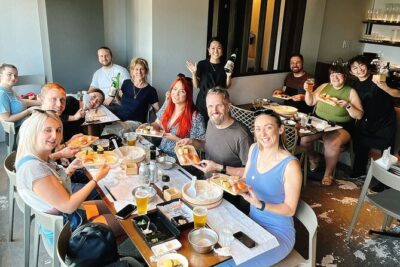
Sushi Making Tokyo Roll and Authentic Japanese Sushi Class
Read our review →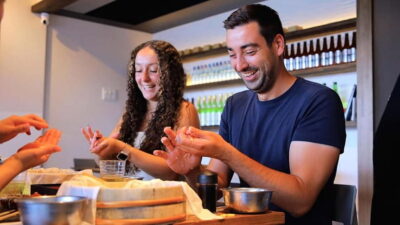
Roll and Authentic Sushi Making Class in Asakusa
Read our review →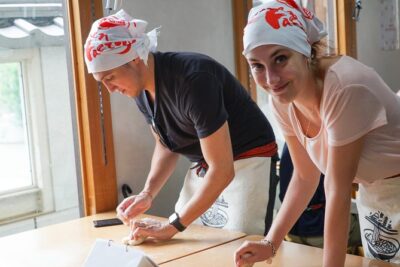
Ramen Cooking Class at Ramen Factory in Kyoto
Read our review →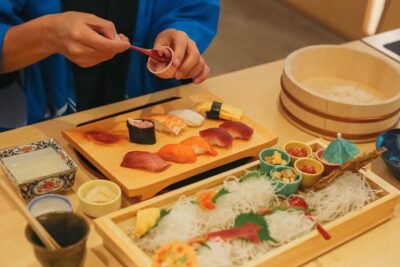
Sushi Making Class in a Happi Coat near a Famous Spot
Read our review →
Sushi Making Osaka Roll and Authentic Japanese Sushi Class
Read our review →
Tokyo Sushi Making Class in Tsukiji with Professional Chef
Read our review →
Ramen & Gyoza Cooking Class in Tokyo with Local Supermarket Visit
Read our review →Browse the lists this tour appears in