
Reviewed · WORKSHOPS
Private Handmade Ring Workshop Activity in Tokyo Shibuya
Make a ring, keep the memory. This private Shibuya workshop lets you shape a personal souvenir using the Japanese metalworking craft of tankin. I like the one-on-one attention and the chance to choose your ring’s metal, thickness, shape, and texture. I also like that the finished ring is polished and ready to take home the same day.
The main catch is price clarity. The $21.80 starting cost covers the workshop, but materials cost extra, and larger rings or precious metals can raise the final bill. You are paying partly for the ring and partly for a guided craft experience in a small Tokyo shop.
In This Review
- Key points at a glance
- A Small Ring With a Tokyo Story
- What You Actually Make Yourself
- Choosing Your Metal, Shape, and Texture
- A Private Class With Real Personal Attention
- The Workshop, Step by Step
- Arriving on Cat Street
- Learning the Process
- Selecting Your Ring
- Hammering the Texture
- Polishing and Taking It Home
- Why Couples Often Get the Most From It
- Why Families and Solo Makers Can Enjoy It
- Is the $21.80 Price Good Value?
- Small Drawbacks to Keep in Mind
- How to Plan This Into a Shibuya Day
- Should You Book the Ring Workshop?
- FAQ
- Where does the ring workshop take place?
- How long does the activity last?
- Is the class private?
- What is included in the price?
- Can I take the ring home the same day?
- What can I customize?
- Do I make the entire ring myself?
- Is the experience suitable for families?
- Can I cancel for a full refund?
Key points at a glance
- Hammer your own texture: You get to use the tools and add the surface pattern that makes the ring yours.
- Private instruction: Only your group takes part, so you can ask questions and get help throughout the process.
- Same-day souvenir: The staff polish and clean the ring at the end, so you can take it with you that day.
- Flexible design choices: Pick from different materials, blends, shapes, sizes, thicknesses, and textures, with added charges for some options.
- A strong couples activity: The workshop suits anniversaries, honeymoons, wedding-ring ideas, and personal gifts.
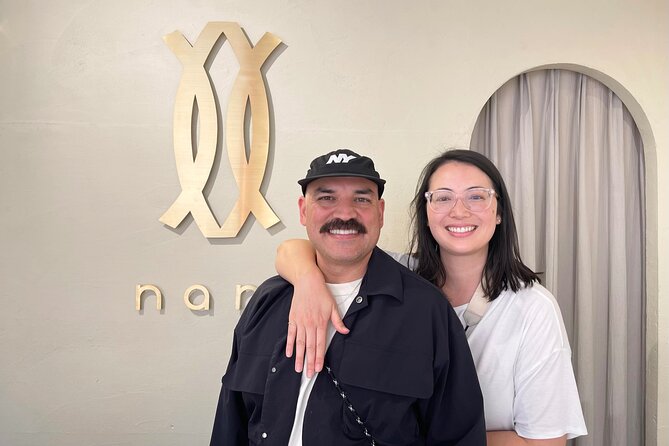
- Friendly staff support: Hikari, Nana, and Tao are praised by name for patient guidance, clear English, photos, and warm service.
A Small Ring With a Tokyo Story
This is the kind of activity that gives your souvenir a backstory. Instead of buying another charm or printed shirt, you leave with a ring that carries the marks you helped create.
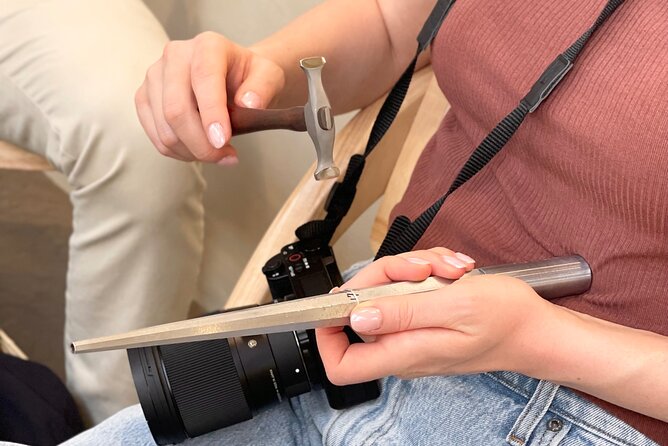
The craft is called tankin, a Japanese metalworking method that uses shaping and hammering. You are not expected to arrive with workshop skills. The staff guide you through the choices, show you how the tools work, and help you correct mistakes.
The experience takes about one hour to one hour and thirty minutes. That makes it easy to fit into a Shibuya day, especially if you want a break from shopping and sightseeing. It is also short enough for children and older family members who may not want a full-day craft class.
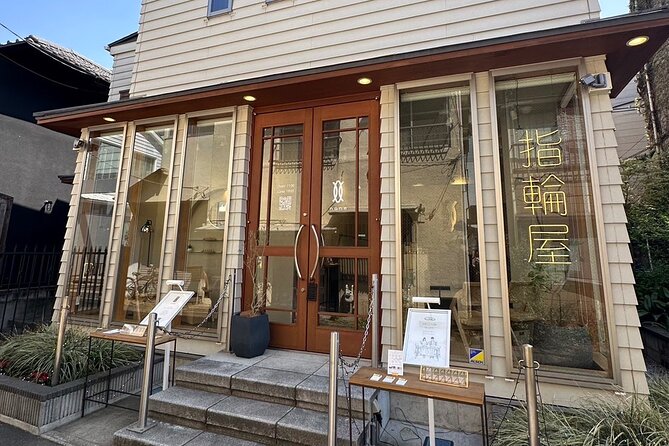
The setting is nane tokyo on Cat Street in Jingumae, a part of Shibuya known for small shops and youthful street culture. The exact address is 5-11-13 Jingumae, 1st floor, Tokyo 150-0001. The workshop begins and ends there.
A few more options to weigh up in Tokyo
- Tokyo Disney Resort – Tokyo Disneyland & Tokyo DisneySea Park Tickets
★ 4.8 · 99,488 reviews - SHIBUYA SKY Ticket
★ 4.7 · 46,509 reviews - JR Whole Japan Rail Pass
★ 4.8 · 29,150 reviews
What You Actually Make Yourself
It is important to understand the division of labor before you book. This is a hands-on ring workshop, but you do not complete every stage from raw metal to finished jewelry.
You choose the main design features first. These can include:
- Material or metal blend
- Ring size
- Thickness
- Shape
- Surface texture
- Finish and general style
The staff then prepare and shape the basic ring. You can watch as the metal is formed, and the instructor explains what is happening. Your main practical task is applying the texture with a hammer and suitable tools.
That distinction matters. Some people expect to forge the entire ring themselves. If that is your goal, this may feel more like a guided customization session than a full metalsmithing class. One person described the base and final polishing as staff work, with the participant handling the texture.
I see this as a sensible arrangement for a short activity. It keeps the process manageable and helps ensure that your ring is wearable. The staff can handle the technical steps while you add the visible marks that make the piece personal.
Choosing Your Metal, Shape, and Texture
The design stage is where much of the fun happens. You have choices beyond a basic plain band, including different metals, blends, shapes, textures, and sizes.
The starting price is for a basic small ring. If you select a wider band, a different material, or a more costly metal, you pay an additional amount. Ask about the full cost before committing to a design, especially if you are considering silver, gold, or a blend.
Texture is the most clearly hands-on part. You use a hammer to create a pattern across the surface. The marks may be subtle or more noticeable, depending on the style you select and how you apply the tool.
Your instructor gives feedback as you work. This is useful because a ring can change character quickly with a few hammer marks. You can ask how a finish will look, which shape suits your choice, or how to keep the pattern even.
The staff also help with sizing and style. Several people appreciated being guided toward choices that suited them instead of being left alone with a tray of options. That personal advice is one reason the workshop feels more special than simply buying a ready-made ring.
A Private Class With Real Personal Attention
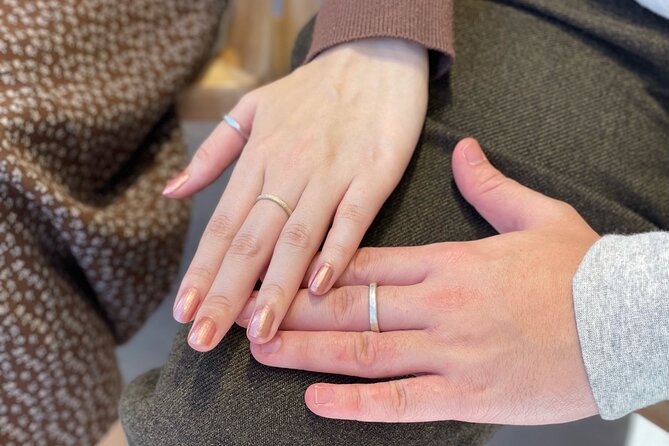
Your group has the shop and instructor to yourselves. That private format is especially useful for couples, families, and anyone who wants to ask many questions without holding up a larger class.
The staff guide you through the whole process and remain available when you need help. Hikari is praised for patient explanations and careful support. Nana is remembered for a cheerful, playful manner, while Tao received warm praise for helping with an anniversary activity and taking photographs.
English-language communication was described as clear. That is valuable when you are choosing materials, discussing ring sizes, or trying to understand how much an upgrade will cost. Still, your booking confirmation should be checked carefully, since confirmation is subject to availability and may arrive within 48 hours.
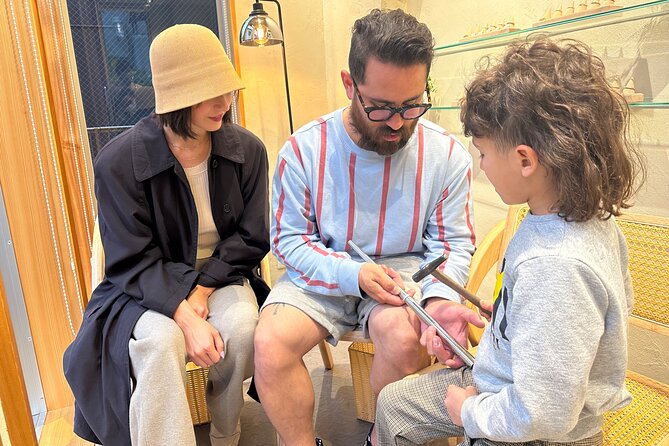
The private setup also helps families. A family group of five, including children aged 12, 14, and 17, was able to make individual rings. Each person could choose a different design, so the activity did not require everyone to produce matching jewelry.
A completely different kind of day out:
- Mt Fuji and Hakone 1-Day Bus Tour Return by Bullet Train
★ 5.0 · 26,383 reviews - TOKYO SKYTREE® Ticket
★ 4.7 · 25,136 reviews - teamLab Borderless Tickets: MORI Building DIGITAL ART MUSEUM
★ 4.7 · 24,126 reviews - teamLab Planets TOKYO Ticket
★ 4.7 · 21,663 reviews
The Workshop, Step by Step
Arriving on Cat Street
You meet at nane tokyo Cat Street shop in Jingumae. The activity is near public transportation, and the same shop serves as the end point.
The shop has been described as small, cozy, and boutique-like, with one person calling it a jewel box. That sounds fitting for a ring-making studio, though it also means you should not picture a large industrial workshop with rows of workbenches.
The activity is mobile-ticket friendly. Have your booking details ready when you arrive, and allow enough time to find the Cat Street address in Shibuya.
Learning the Process
The instructor explains the ring-making process and the tankin technique before you begin. You can ask questions throughout the session.
You may first watch the staff shape the metal. This gives you a clear idea of how the ring changes from a band or prepared piece into something closer to its final form.
The teaching is practical rather than academic. You learn by seeing the tools, trying the movement, and receiving corrections. That suits this short format. You get a taste of traditional Japanese metalwork without needing to study the craft for an entire afternoon.
Selecting Your Ring
Next comes the design discussion. You choose your preferred material, size, thickness, shape, and texture. This is the point where the final price can change, so confirm any material supplement before the staff begin.
For couples, a nice option is to make each other’s ring. One anniversary couple received this suggestion from the staff and found that it gave the activity more meaning. You can also choose matching designs, related textures, or completely different rings.
For families, letting each person choose individually works well. A teenager may prefer a textured band, while someone else may want a cleaner and simpler finish.
Hammering the Texture
This is your most active stage. You use special hammers and tools to create the ring’s texture. The staff support you until the end, so an uneven first attempt does not ruin the piece.
The hammering is simple enough for beginners, but it still requires care. Work slowly and listen to the instructor’s advice. The marks are part of the finished design, so do not rush just because the technique looks easy.
The texture also gives each ring its own small differences. That is the charm. You are not buying an identical factory-made item, even though the staff handle the more technical shaping.
Polishing and Taking It Home
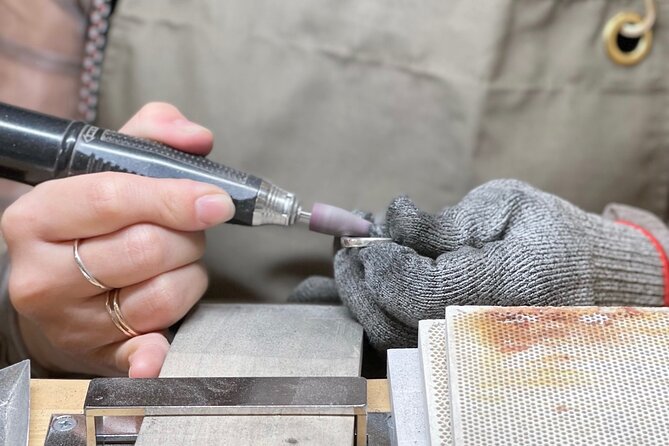
Skilled staff polish and clean the ring during the final stage. You take the finished piece home on the same day.
This same-day pickup is a major advantage in Tokyo. You do not need to return to the neighborhood later or arrange shipping to your hotel. The ring can go straight into your suitcase or onto your finger.
Some feedback also refers to a guarantee for the rings. Ask the shop to explain the exact terms before you leave, since the provided details do not specify what the guarantee covers.
Why Couples Often Get the Most From It
This workshop has a natural romantic angle without being limited to couples. It works for a honeymoon, wedding anniversary, engagement-related gift, or a shared souvenir from a first trip to Japan.
The activity creates a small ritual. You choose the style together, help one another, and leave with two objects connected to the same moment. Making each other’s rings adds another personal touch.
Several couples used the workshop to mark an anniversary or celebrate their relationship. The staff also took photographs during some sessions and sent them afterward. That is not described as a guaranteed part of every booking, but it is worth asking if photos matter to you.
If you are considering wedding rings, treat this as an experience and design session rather than assuming the starting fee covers finished wedding bands. The material cost depends on your selections, and more substantial rings can cost more.
Why Families and Solo Makers Can Enjoy It
You do not need to be part of a couple. The private format can work for a parent and child, grandparents and grandchildren, or a group of friends.
The activity is suitable for most people, and service animals are allowed. Children aged 12 and above have taken part with their family, which gives you a useful reference for age suitability. The information does not specify a formal minimum age, so ask the provider if your child is younger.
A solo maker can also enjoy the process, particularly if you like crafts and want a useful object rather than a display piece. The instructor’s support means you are not left to guess how much pressure to use or how to handle the tools.
The short length is another plus. At about an hour and a half, it fits neatly between shopping, a meal, or other Shibuya plans.
Is the $21.80 Price Good Value?
The advertised $21.80 per-person price is attractive for a private activity, but read it as the workshop fee, not the final ring price. Materials are not included, and the base price applies to a small, basic ring.
That can make the experience feel expensive if you compare it with the cost of buying a simple ring in Tokyo. One person felt the price was high for the actual jewelry and believed the real value was in the experience.
I think that is the right way to judge it. You are paying for:
- Private instruction
- Design advice
- Use of the tools
- Your own texture work
- Staff shaping and finishing
- A same-day finished ring
- Time spent making something together
The value improves if you care about the memory, want a custom design, or are marking an important occasion. It is weaker if you only want the cheapest possible souvenir.
Before you start, ask for the complete price of your selected material, size, and thickness. The extra cost is described as reasonable and in line with the market, but it is still better to set your budget before choosing a precious metal.
Small Drawbacks to Keep in Mind
The workshop is short. One person called it short and sweet, while another enjoyed the compact format. If you want a long, technical lesson in Japanese metalworking, you may find the hour or so limited.
You also do not perform every step. The staff prepare the base ring and complete the polishing and cleaning. That produces a better finished item, but it may disappoint anyone expecting a full forge-to-finish project.
The final cost can rise above the advertised amount. This is the clearest practical issue. Decide whether you are happy paying for the activity itself, then treat the ring material as a separate part of the budget.
Finally, the shop is small and boutique-like. That helps create a calm, personal setting, but it may not suit someone looking for a large, open studio with lots of room and equipment.
How to Plan This Into a Shibuya Day
The workshop begins and ends at the Cat Street shop, so it is easy to pair with other plans in Jingumae and Shibuya. Since the activity lasts roughly one hour to one hour and thirty minutes, you can place it in the middle of a sightseeing day without giving up an entire afternoon.
I would schedule it when you are not rushing to a train or timed attraction. The design choices, hammering, staff shaping, and final cleaning all need a little breathing room.
Wear something comfortable and arrive ready to listen to the instructor. The available information does not give a detailed clothing or safety list, so ask the shop if you have concerns about clothing, children, or tool use.
The experience uses a mobile ticket, and confirmation is sent within 48 hours subject to availability. Free cancellation is available if you cancel at least 24 hours before the start time. Changes or cancellations inside that window are not refunded.
Should You Book the Ring Workshop?
Book it if you want a personal Tokyo souvenir, enjoy making things with your hands, or are celebrating a relationship or family occasion. The private class, patient staff, design choices, and same-day pickup make it a thoughtful break from standard sightseeing.
I would especially recommend it for couples who want to make each other’s rings, families with older children, and visitors who value a story behind what they bring home. Hikari, Nana, and Tao are all praised for friendly help, clear guidance, and personal service.
Skip it if your main goal is the lowest-cost ring or if you expect to forge and finish the entire piece yourself. Also confirm the material charge before you begin. For the right budget and expectations, this is a compact, cheerful craft activity that sends you home with something you will remember making.
FAQ
Where does the ring workshop take place?
It takes place at nane tokyo Cat Street shop, located at 5-11-13 Jingumae, 1st floor, Shibuya, Tokyo 150-0001.
How long does the activity last?
The workshop takes around one hour, with the stated duration listed as approximately one hour and thirty minutes.
Is the class private?
Yes. Only your group takes part in the private activity.
What is included in the price?
The workshop price is included. The cost of materials is not included.
Can I take the ring home the same day?
Yes. The staff polish and clean the ring at the final stage, and the finished ring can be taken home on the day of the workshop.
What can I customize?
You can choose the material, thickness, texture, shape, size, and style. Some choices may cost extra.
Do I make the entire ring myself?
No. You take part in choosing the design and applying the texture with hammers and tools. Staff handle the base shaping and final polishing and cleaning.
Is the experience suitable for families?
Most people can participate, and a family group with children aged 12, 14, and 17 completed the activity. The information does not give a formal minimum age.
Can I cancel for a full refund?
Yes, if you cancel at least 24 hours before the experience start time. Cancellations or changes made less than 24 hours in advance are not accepted for a refund.
Just added in Tokyo
- A One-of-a-Kind Sushi Experience in a Special Place of Japan★ 5.0 · 15 reviews
- Tokyo Cute Bento Cooking Class – Make a Kawaii Character Lunchbox★ 5.0 · 126 reviews
- Japanese Home Cooking Class & Walk in Todoroki Temple Tokyo★ 5.0 · 88 reviews
- Japan Tokyo Tower Observatory Deck E-Ticket★ 4.0 · 34 reviews
- Catch a Baseball Game in Tokyo with a Local – Tickets Included★ 5.0 · 24 reviews
- JDM Experience with Fast&Furious RX-7 (English speaking Driver)★ 5.0 · 57 reviews
- Tokyo Private Day Tour by Car with English speaking Driver Guide★ 4.0 · 29 reviews
- Japan Classic 10 Day – One Life Adventures★ 5.0 · 129 reviews
Workshops, compared.

Sushi Making Tokyo Roll and Authentic Japanese Sushi Class
Read our review →
Gion Make Your Own Chopsticks with Engraving Option
Read our review →
Roll and Authentic Sushi Making Class in Asakusa
Read our review →
Ramen Cooking Class at Ramen Factory in Kyoto
Read our review →
Tokyo Asakusa Chopsticks Workshop: Make Your Own Pair
Read our review →
Ring Making Workshop : Vintage Japanese Coin Ring
Read our review →Browse the lists this tour appears in