
Reviewed · COOKING CLASSES
Private Japanese Cooking Class in Hiroshima with Machiko’s Family
Food opens doors. This three-hour experience takes you into Machiko’s Hiroshima home, where you cook two or three Japanese dishes from scratch, then sit down with her family to eat. I like the private setting and the chance to learn everyday techniques, such as grinding sesame with a mortar and pestle. I also like that the meal can include Hiroshima favorites, vegetarian dishes, or vegan options.
The main consideration is location. Machiko’s house is in a residential neighborhood about 20 minutes by streetcar from central Hiroshima, and there is no hotel pickup. The $108 price is not cheap for a cooking class, but it covers a private lesson, the meal, and gratuities, making it easier to judge as a cultural home visit rather than just a food activity.
In This Review
- What makes this Hiroshima home visit special
- Arriving in Ujinamiyuki for a 10 a.m. class
- Entering Machiko’s home
- Cooking two or three Japanese dishes from scratch
- Hiroshima flavors and everyday Japanese food
- Sitting down with Machiko and Daishi
- Vegetarian and vegan options
- Is $108 a fair price?
- Practical strengths and small limitations
- Who should book this Hiroshima cooking class?
- Should you book it?
- FAQ
- Where does the cooking class take place?
- How far is the home from central Hiroshima?
- What time does the experience start?
- How long does the experience last?
- How many people take part?
- What dishes might I cook?
- Are vegetarian and vegan options available?
- Will Machiko’s husband and children be there?
- Is hotel pickup included?
What makes this Hiroshima home visit special
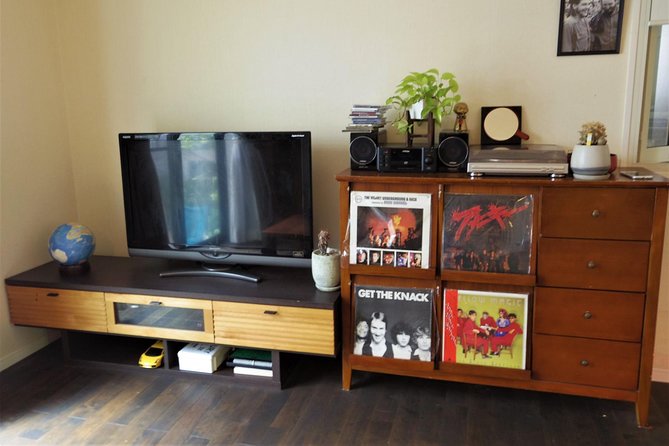
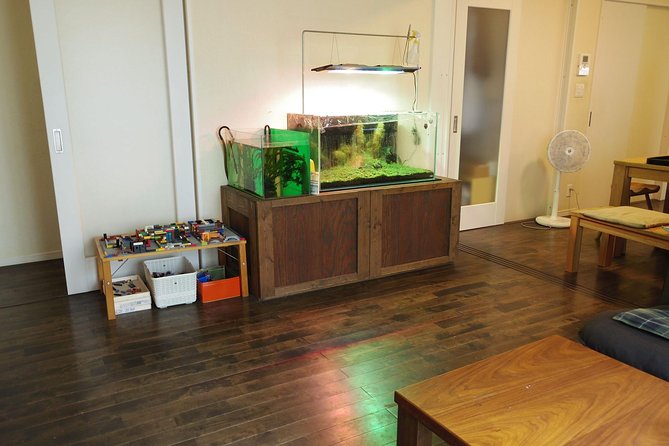
- A real family kitchen: You cook in Machiko’s home, surrounded by family photos, children’s toys, an aquarium, an old turntable, and records.
- Machiko teaches practical techniques: You may grind sesame by hand, prepare Japanese salad dressing, and learn the rhythm of home cooking rather than restaurant presentation.
- The meal is shared at home: After cooking, you eat together at the family dining table with Machiko, and sometimes her husband Daishi and their children.
- The menu can reflect your diet: Vegetarian and vegan options are available, and the class can include several meat-free dishes.
- Hiroshima flavors may appear: Past menus have included Hiroshima-style okonomiyaki and mackerel, along with miso soup, rice, sushi, and Japanese sweets.
- It is fully private: Only your group participates, which makes this a good choice for families, couples, and small groups wanting real conversation.
Arriving in Ujinamiyuki for a 10 a.m. class
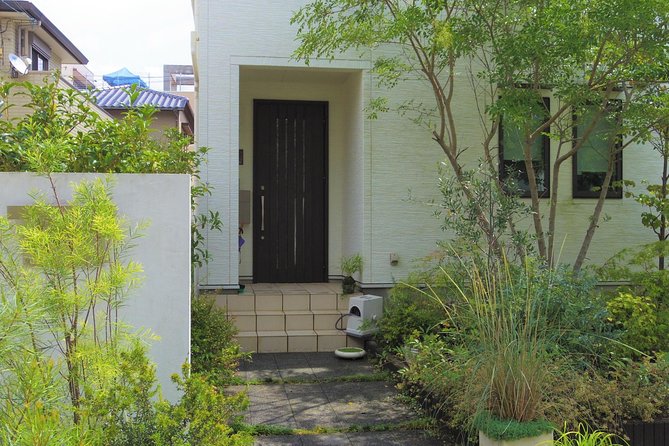
The meeting point is 1-chōme-5-20 Ujinamiyuki in Hiroshima’s Minami Ward. The home sits in a leafy residential area roughly 20 minutes from the city center by streetcar, so allow time to get there for the 10 a.m. start.
That ride matters. You are leaving Hiroshima’s main sightseeing zone and entering an ordinary residential part of the city. There is no grand attraction at the meeting point, and that is precisely the point. The setting gives you a look at the kind of neighborhood where daily life happens away from memorial sites, shopping streets, and major stations.
You will need to make your own way there because hotel pickup and drop-off are not included. The experience finishes back at the same meeting point. Confirmation is sent within 48 hours of booking, subject to availability, so I would avoid booking it at the last minute if your Hiroshima schedule is tight.
The 10 a.m. start also shapes the day. You will cook and eat a substantial meal in the morning and early afternoon, leaving time afterward for other plans. If you prefer a leisurely morning, the start may feel early, but it works well for fitting this class into a sightseeing day.
More Cooking Classes in Hiroshima:
- Sushi Making Tokyo Roll and Authentic Japanese Sushi Class
★ 5.0 · 3,971 reviews - Tokyo: Roll and Authentic Sushi Making Class in Asakusa
★ 4.9 · 1,957 reviews - Ramen Cooking Class at Ramen Factory in Kyoto
★ 5.0 · 1,937 reviews
Entering Machiko’s home
This is not a cooking school with stainless-steel workstations and a row of strangers. You enter a private family home. The atmosphere is described as artistic and personal, with an old turntable and albums, an aquarium, children’s toys, and family photographs around the house.
Those details matter because they give the class a human scale. You are not simply following a recipe in a rented studio. You are seeing where Machiko lives, hearing about her family, and sharing food in the same setting where she cooks for family and friends.
Machiko’s husband, Daishi, and the children may join the class when they are available. Their presence is not guaranteed, but it adds a warm family dimension when it happens. Several parts of the experience depend on conversation, so this will suit you best if you enjoy meeting people and asking questions rather than rushing through a fixed program.
The private format is a real advantage. Your group does not have to match the pace or menu of strangers, and families with children can take part together. The tradeoff is that a home kitchen may feel less polished or spacious than a professional cooking venue. You are paying for access to a household and personal exchange, not for a theatrical chef demonstration.
Cooking two or three Japanese dishes from scratch
The cooking lesson lasts about 1.5 hours within the three-hour experience. Machiko teaches step by step, explaining what you are doing as you go. That structure makes the class approachable even if you have little experience with Japanese cooking.
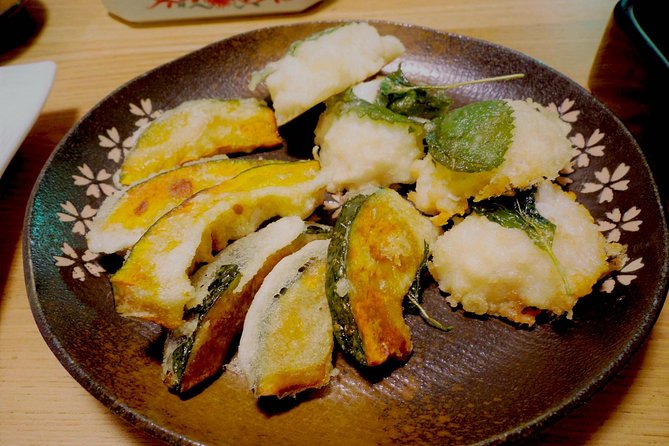
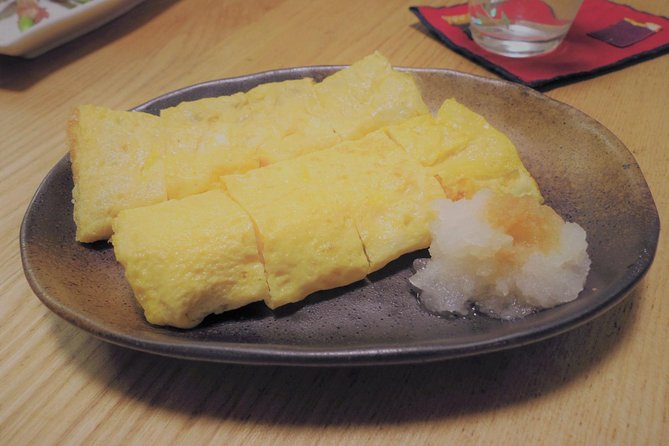
The menu can vary, which is normal for a home-based class. Possible dishes include miso soup, salad with sesame dressing, Japanese omelet, karaage, tempura, rice balls, hand-rolled sushi, and green tea-flavored sweets. Mackerel and Hiroshima okonomiyaki have also been part of the meal on some occasions.
You should not expect to cook every dish listed above. The plan is generally two or three traditional dishes, and the final menu depends on the day and dietary needs. That variety is a strength because the food can feel like a genuine family meal rather than a rigid set menu. It also means you should think of the examples as possibilities, not promises.
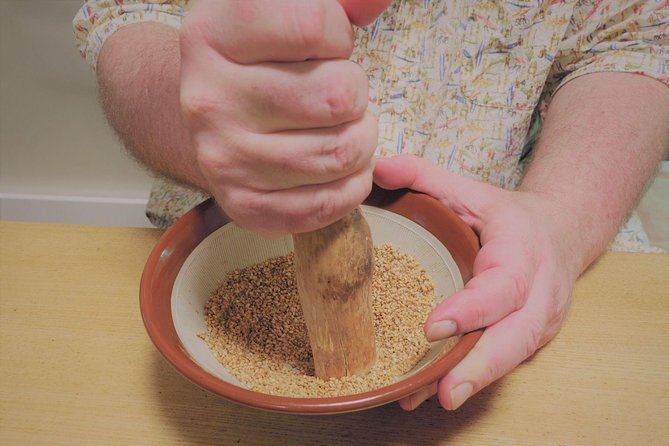
One of the most appealing details is the use of traditional tools and methods. For the sesame dressing, Machiko has you crush sesame in a mortar and pestle. It is a small task, but it teaches something important about Japanese home cooking: flavor often comes from careful preparation, not complicated equipment.
You might also learn the basic handling of ingredients for soup, omelet, fried foods, or sushi. The class is designed to leave you with methods you can repeat at home. One useful tip is to bring a notebook if you want to record recipes and measurements. The recipes may be explained during the cooking, but you should not count on receiving a formal printed cookbook.
Hiroshima flavors and everyday Japanese food
The menu has room for local identity. Hiroshima-style okonomiyaki is especially fitting in this city, where the dish is closely associated with local food culture. Cooking it at home gives you a different angle from ordering it at a restaurant. You can see how ingredients are handled and how the dish fits into a family meal.
Mackerel has also appeared on the menu. Alongside fish, you might prepare miso soup, salad, rice, or another simple side dish. These are not necessarily showy foods, but they help you understand what Japanese home cooking looks like when the goal is feeding family and friends.
That distinction is worth keeping in mind. This is not a restaurant tasting menu. The appeal is food made for sharing, with familiar dishes and techniques rather than elaborate plating. One family described the result as home cooking, not restaurant food, while still finding it just as satisfying in a different way.
For many people, that is more useful than a formal meal. You can ask why an ingredient is used, how a dish changes at home, and what Machiko cooks for her own family. The meal becomes a conversation as well as a lesson.
A few more options to weigh up in Hiroshima
- Peaceful Hiroshima & Miyajima UNESCO 1 Day Bus Tour
★ 5.0 · 5,309 reviews - Hiroshima Peace Memorial Museum Ticket
★ 4.8 · 2,727 reviews - Hiroshima: Hiroshima and Miyajima UNESCO Sites 1-Day Tour
★ 4.9 · 2,330 reviews - Hiroshima Peace Memorial Museum Admission
★ 4.6 · 1,308 reviews
Sitting down with Machiko and Daishi
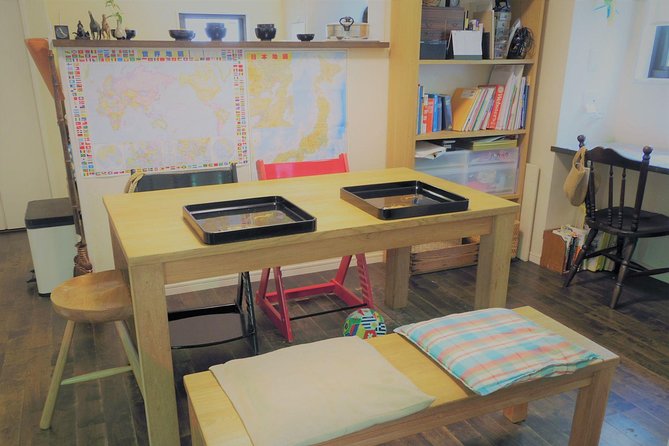
Once the cooking is finished, you sit together at Machiko’s dining table and eat what you prepared. Green tea-flavored sweets may finish the meal, and conversation can continue with Machiko, Daishi, and any children who are available.
This shared meal is the heart of the experience. The cooking gives you something to do together, but the table is where the cultural exchange becomes more natural. You may discuss travel, family life, food, or differences between Japan and home. Machiko and Daishi are described as worldly and interested in meeting people, so the conversation can go beyond a basic cooking demonstration.
I especially value this part for anyone spending several days eating in restaurants and staying in hotels. A private home offers a change of pace. You see family objects, hear household stories, and experience Japanese hospitality in a setting that cannot be recreated in a restaurant dining room.
Conversation is also the one part you should think about before booking. If you want a fast class with little social interaction, this may feel too personal. If you enjoy sitting at a table and talking after the practical activity is finished, the format is a strong match.
Vegetarian and vegan options
Vegetarian and vegan choices are available, which makes the class useful for people who often struggle with food tours. The menu can include four vegetarian dishes, according to one possible class experience, and Machiko can adapt the cooking around dietary preferences.
You should still provide your requirements when booking. The supplied information confirms that vegetarian and vegan options are offered, but it does not promise a particular dish or guarantee that every item will suit every restriction. Clear communication in advance is the sensible approach.
A meat-free class can still include a full range of techniques. Sesame dressing, miso soup, omelet, rice balls, sushi, vegetables, and sweets can create a varied meal without relying on meat or seafood. For someone who has spent days checking ingredients at restaurants, being welcomed into a home kitchen can make the food side of a Japan trip much easier.
Families also benefit from the adaptable menu. Children can take part in a hands-on activity, see how food is prepared, and eat at a relaxed family table. The class is specifically described as family friendly, though the information does not give a minimum age or details about child pricing.
Is $108 a fair price?
At $108 per person, this costs more than a basic group cooking lesson. The value comes from what is included and how private the setting is. You receive a traditional Japanese home cooking class, the meal you help prepare, and gratuities, with only your own group taking part.
You are also paying for time with a local family. The total experience lasts about three hours, including roughly 1.5 hours of cooking and time at the table. That is a meaningful part of a day in Hiroshima, especially if you want something beyond sightseeing.
The price makes less sense if your only goal is to learn a few recipes as cheaply as possible. A group class or cookbook would cost less. It makes more sense if you value privacy, conversation, dietary flexibility, and the chance to enter a residential home.
Group discounts may be available, so larger parties should check the final price before deciding. Since the activity is private, the per-person cost may be easier to justify for a small family or group that would rather avoid a shared class.
Practical strengths and small limitations
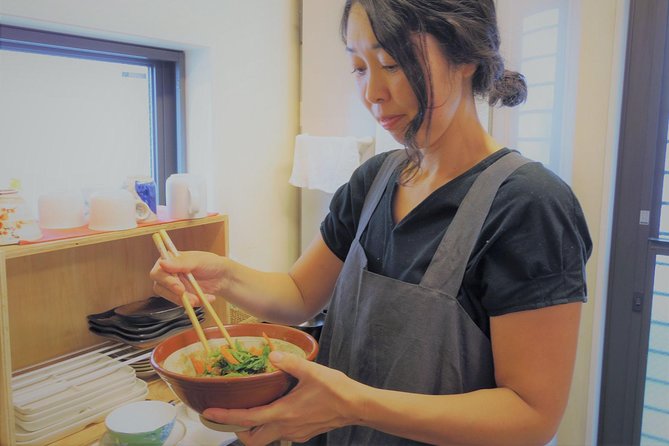
The strongest feature is the welcome. Machiko and her family create the feeling that you are being invited into a household, not processed through an attraction. That personal contact is why this experience can become one of the most memorable parts of a Hiroshima visit.
The second strength is the teaching style. Machiko gives clear, step-by-step instructions and explains the techniques as she works. You can leave with ideas you can repeat at home, especially if you take notes.
The limitations are straightforward:
- You must arrange your own transport to Ujinamiyuki.
- The menu is not fixed, so you should not book expecting one exact dish.
- The family may join you only when available.
- The home setting may be less spacious than a purpose-built cooking studio.
- Cancellation is free only until 24 hours before the start time. Changes or cancellations inside that window are not refunded.
Service animals are allowed. The activity is mobile-ticketed, and confirmation arrives within 48 hours, subject to availability.
Who should book this Hiroshima cooking class?
I would choose this for couples, families, and small groups who want personal contact with a local household. It is also a good fit if you have already visited Hiroshima’s major sights and want an experience centered on daily life.
Food-focused visitors will get the most from it, especially people curious about miso soup, okonomiyaki, sushi, sesame dressing, Japanese omelet, or fried dishes. Vegetarians and vegans should find the flexibility useful, provided they explain their needs ahead of time.
I would think twice if you dislike social meals, need a tightly fixed menu, or want a class close to central Hiroshima. The 20-minute streetcar ride is manageable, but it is part of the commitment. You are choosing a home visit over convenience.
Should you book it?
Book this class if you want to cook, eat, and talk with a Hiroshima family in their own home. Machiko’s instruction, Daishi’s possible participation, the private format, and the chance to prepare local and everyday dishes give the experience real substance.
Skip it if you are looking only for a low-cost cooking lesson or a guaranteed menu. For everyone else, the $108 fee buys more than food. It buys time in a family home, practical recipes, and a personal connection that sightseeing alone rarely provides.
FAQ
Where does the cooking class take place?
The class takes place in Machiko’s home at 1-chōme-5-20 Ujinamiyuki, Minami Ward, Hiroshima, 734-0015, Japan.
How far is the home from central Hiroshima?
The home is about a 20-minute streetcar ride from the city center.
What time does the experience start?
The stated start time is 10:00 a.m.
How long does the experience last?
The full experience lasts approximately three hours. The cooking portion lasts about 1.5 hours.
How many people take part?
This is a private activity, so only your group participates.
What dishes might I cook?
Possible dishes include miso soup, salad with sesame dressing, Japanese omelet, karaage, tempura, rice balls, hand-rolled sushi, mackerel, Hiroshima okonomiyaki, and green tea-flavored sweets. The exact menu can vary.
Are vegetarian and vegan options available?
Yes. Vegetarian and vegan options are available, but you should provide your dietary requirements when booking.
Will Machiko’s husband and children be there?
Machiko’s husband, Daishi, and their children may join the experience when they are available. Their participation is not guaranteed.
Is hotel pickup included?
No. You must make your own way to the meeting point, and the experience ends there as well.
Just added in Hiroshima
- Hiroshima Peace Memorial Museum Ticket★ 4.8 · 2,727 reviews
- Hiroshima Peace Memorial Museum Admission★ 4.6 · 1,308 reviews
- Private Full Day Hiroshima Tour★ 4.5 · 29 reviews
- The Peace Memorial to Miyajima : Icons of Peace and Beauty★ 4.5 · 31 reviews
- Shore Excursion from Hiroshima Port : Private Tour in Hiroshima★ 5.0 · 17 reviews
- Hiroshima & Miyajima All-Inclusive Tour w/Licensed guide Pancho★ 5.0 · 54 reviews
- Hiroshima Country Cycling: Explore Rural Life 1 HR from City★ 5.0 · 22 reviews
- Hiroshima Saijo Sake Tasting Tour with visit to 7 Breweries★ 5.0 · 104 reviews
Cooking Classes, compared.
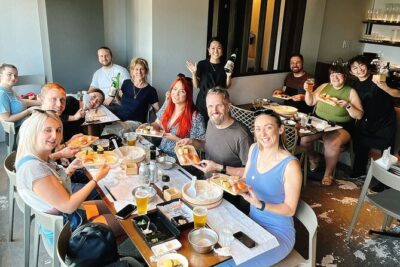
Sushi Making Tokyo Roll and Authentic Japanese Sushi Class
Read our review →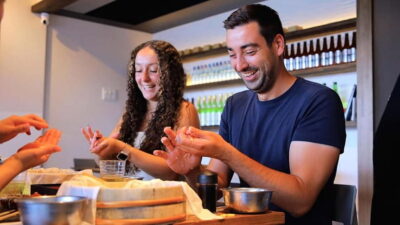
Roll and Authentic Sushi Making Class in Asakusa
Read our review →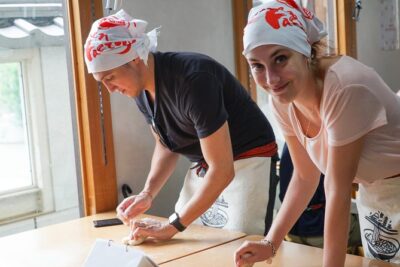
Ramen Cooking Class at Ramen Factory in Kyoto
Read our review →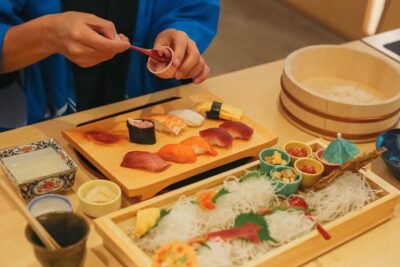
Sushi Making Class in a Happi Coat near a Famous Spot
Read our review →
Sushi Making Osaka Roll and Authentic Japanese Sushi Class
Read our review →
Tokyo Sushi Making Class in Tsukiji with Professional Chef
Read our review →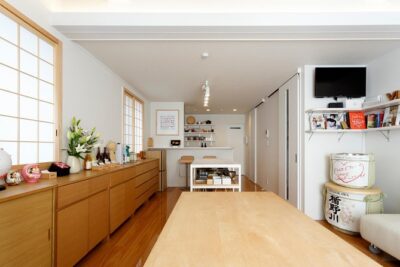
Ramen & Gyoza Cooking Class in Tokyo with Local Supermarket Visit
Read our review →Browse the lists this tour appears in