Reviewed · GUIDED
Private Tokyo with Exceptional Guide Tailored to Your Needs
Tokyo rewards a flexible plan. This private experience lets you choose the sights, food stops, neighborhoods, and pace that fit your group, with hotel pickup and an English-speaking local guide to help you make sense of the city. I especially like the custom itinerary and the chance to use public transport with someone who can show you how Tokyo works. I also like the access to quieter neighborhoods beyond the usual first-time stops.
The main consideration is time. A four-hour tour can cover only two or three places, while even eight hours may feel short if you want both major sights and local districts. Lunch, transit fares, and some entrance costs are extra, so the advertised price of $151.54 per person is best judged as the cost of personal planning and guidance, not an all-inclusive sightseeing ticket.
In This Review
- What Makes This Tokyo Tour Worth Considering
- A Private Day Instead of a Fixed Sightseeing Route
- Tsukiji Fish Market and Tokyo’s Everyday Food Culture
- Senso-ji and the Traditional Side of Asakusa
- Meiji Jingu, Shibuya Crossing, and Modern Tokyo
- The Imperial Palace and the Story of Edo
- Akihabara, Takeshita Street, and Omotesando
- Yanaka Ginza and the Older Neighborhoods
- Ueno Park and More Focused Cultural Stops
- Public Transport or a Private Car
- What the $151.54 Price Really Buys You
- Who Will Get the Most From This Experience
- Practical Details Before You Book
- Should You Book This Private Tokyo Tour?
- FAQ
- How long is the private Tokyo tour?
- How many places can I visit?
- Is hotel pickup included?
- Is the tour private?
- Can I use public transportation during the tour?
- Are lunch and entrance fees included?
- What happens if bad weather cancels the tour?
What Makes This Tokyo Tour Worth Considering
- Choose your own Tokyo: Select two or three stops for four hours or four or five for eight hours, then shape the day around your interests.
- Meet at your hotel: Pickup removes the stress of finding a meeting point in an unfamiliar city.
- Learn the trains as you go: Guides such as Hitomi and Miyuki have helped people understand Tokyo’s public transport well enough to continue exploring on their own.
- Go beyond the standard sights: Add Yanaka Ginza, local shopping streets, neighborhood temples, or a guide’s own favorite restaurant.
- Travel privately: Only your group takes part, making it easier to adjust the pace, ask questions, and accommodate different interests.
- Get help for the rest of your trip: The guide can advise you on later plans, food, transport, and additional activities.
A Private Day Instead of a Fixed Sightseeing Route
Tokyo is too large for a rigid one-size-fits-all tour. The distance between Asakusa, Meiji Jingu, Shibuya, and Ueno can turn a simple list of sights into a tiring day of transfers. This experience handles that problem by asking what you want to see before the tour and then building the day around it.
You can choose a four-hour half-day or an eight-hour full-day outing. The shorter option is suited to a first look at Tokyo, a port call, or a spare day between other plans. The longer version gives you room to mix famous sights with a neighborhood or two.
The practical limit matters. Four hours generally means two or three locations. Eight hours generally means four or five. That sounds generous until you add train rides, time for photos, meals, shopping, and the walking required at temples, markets, parks, and stations.
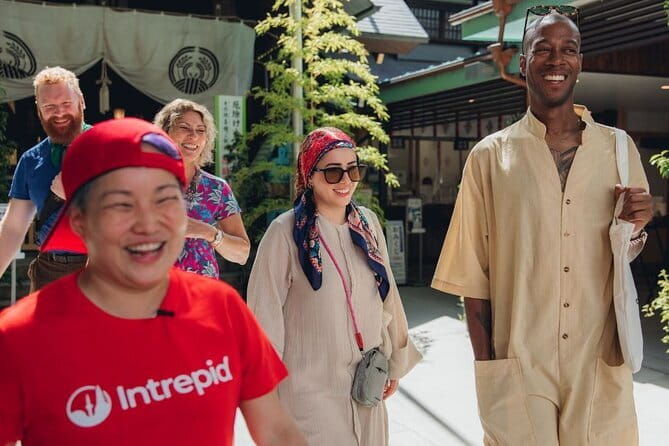
Your guide may suggest a route that fits your interests better than the order you had in mind. Kaz, Hitomi, Miyuki, and Miho are named as guides connected with this experience, and the personal approach is a major part of its appeal. Communication through WhatsApp before the tour helps you explain your priorities and lets the guide offer ideas before you arrive.
A few more options to weigh up in Tokyo
- Tokyo Disney Resort – Tokyo Disneyland & Tokyo DisneySea Park Tickets
★ 4.8 · 99,488 reviews - SHIBUYA SKY Ticket
★ 4.7 · 46,509 reviews - JR Whole Japan Rail Pass
★ 4.8 · 29,150 reviews
Tsukiji Fish Market and Tokyo’s Everyday Food Culture
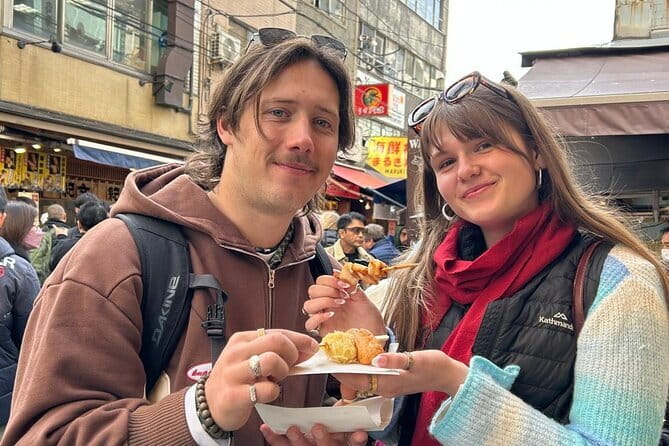
Tsukiji is a good choice if you want food and local life rather than a formal monument. The market offers fresh seafood, prepared dishes, and snacks, giving you a chance to browse at your own pace and choose something that catches your eye.
A guide is useful here because a market can feel confusing when you do not know what is worth trying or how the stalls work. You can ask for help finding local snacks and combine eating with a walk through the surrounding streets.
The one-hour suggestion makes sense for a focused visit. If you want a full meal, extended shopping, or several tastings, the clock will move quickly. Lunch is not included, and you must also pay for the guide’s portion if you eat together.
Senso-ji and the Traditional Side of Asakusa
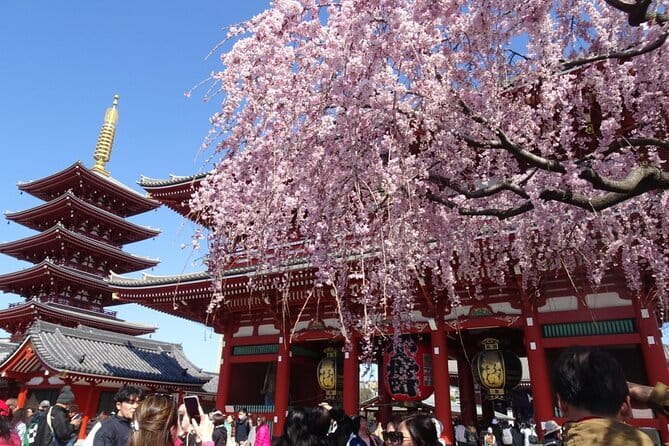
Senso-ji is one of the strongest choices for a first Tokyo tour. The huge red lantern at the entrance, the temple grounds, and the surrounding streets provide an immediate introduction to Japanese religious customs and city traditions.
Your guide can explain practices such as fortune slips, tablets, and other small rituals that are easy to observe but harder to understand on your own. The setting is also excellent for photos, though it can be crowded around the main approach.
A one-hour stop gives you a useful introduction without taking over the day. If you want to explore Asakusa’s smaller streets, shop for souvenirs, or stop for snacks, allow more time or choose it as one of the main anchors of a half-day tour.
Meiji Jingu, Shibuya Crossing, and Modern Tokyo
Meiji Jingu offers a sharp change of mood. After Tokyo’s busy roads and train stations, you enter a broad wooded setting leading to a major Shinto shrine. The visit gives your guide a natural place to discuss Japanese customs, social traditions, and the role of shrines in daily life.
The suggested time is one hour. You will need to walk, so comfortable shoes matter. The experience calls for moderate physical fitness, and the combination of walking, stairs, station transfers, and standing may be tiring for some people.
Shibuya Crossing works well as a short stop, particularly if you want a video of the famous intersection or a photo near Hachiko’s statue. Thirty minutes is enough for the basic experience, but the stop is more about seeing the energy of the crossing than learning a long historical story.
Pairing Meiji Jingu with Shibuya gives you two very different views of Tokyo. The shrine shows ceremony and quiet. Shibuya shows crowds, lights, shopping, and the city’s modern rhythm.
A completely different kind of day out:
- Mt Fuji and Hakone 1-Day Bus Tour Return by Bullet Train
★ 5.0 · 26,383 reviews - TOKYO SKYTREE® Ticket
★ 4.7 · 25,136 reviews - teamLab Borderless Tickets: MORI Building DIGITAL ART MUSEUM
★ 4.7 · 24,126 reviews - teamLab Planets TOKYO Ticket
★ 4.7 · 21,663 reviews
The Imperial Palace and the Story of Edo
The Imperial Palace area occupies the former site of Edo Castle. You can see broad parkland, moats, and huge stone walls, all reminders that Tokyo grew from a fortified castle town.
This is a good stop for travelers who want historical context without spending the day inside a museum. A guide can connect the site to the Tokugawa period and explain how old Edo relates to present-day Tokyo.
Plan on about an hour. The area is open and spread out, so it is not a quick doorway-to-doorway attraction. It also pairs well with a day focused on central Tokyo, though you should not expect every palace building to be open for general sightseeing.
Akihabara, Takeshita Street, and Omotesando
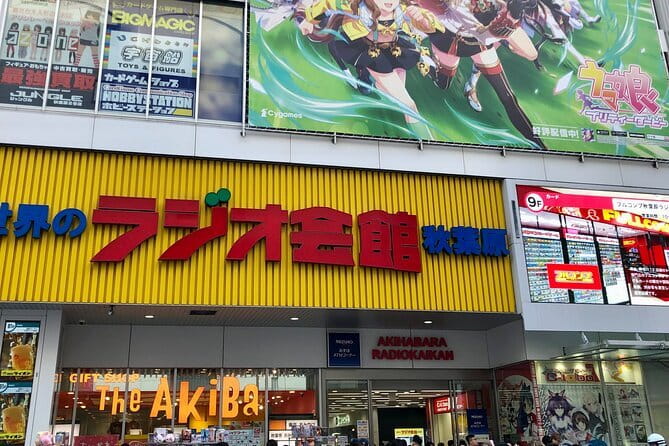
Akihabara is the clear choice for anime, manga, games, and otaku culture. Thirty minutes can give you a first look, but the district deserves more time if shopping is a central goal. A private guide can help you decide how much of the area fits your interests instead of letting the visit become an unfocused wander through stores.
Takeshita Street offers a different kind of pop culture, with cute goods, youth fashion, and the famous rainbow cotton candy photo opportunity. It is a lively, highly commercial stop, so it may appeal more to shoppers and teenagers than to people seeking older Tokyo.
Omotesando is a better fit for architecture, design, galleries, and polished shopping. The avenue is known for distinctive buildings by international architects, while side streets offer smaller shops and galleries. Thirty minutes provides a taste, but you will need to choose between browsing and simply seeing the area.
These three stops are not interchangeable. Akihabara is best for games and manga. Takeshita Street is best for playful youth culture. Omotesando suits design and fashion. Tell your guide which one actually interests you, especially on a four-hour tour.
Yanaka Ginza and the Older Neighborhoods
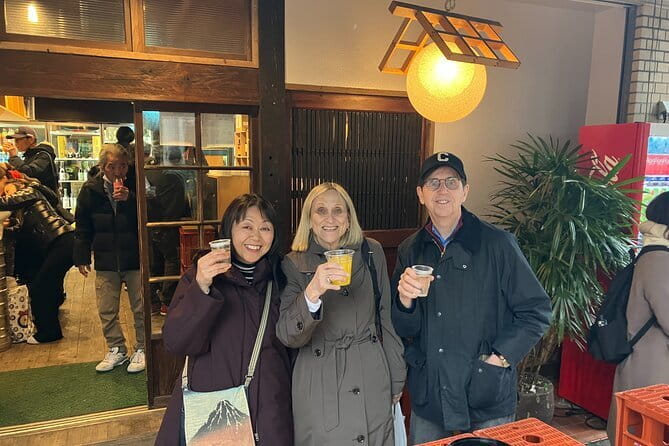
Yanaka Ginza Shopping Street is one of the most appealing alternatives to Tokyo’s famous districts. The narrow streets retain traces of an older neighborhood, and the experience centers on local shops, small bites, and a slower walk.
This is where the private format earns its keep. A guide can help you understand what you are seeing, suggest foods, and take you through an area you might skip if you were following a standard sightseeing map. The suggested visit lasts one hour, enough for a relaxed stroll but not an extended shopping session.
Other proposed neighborhood stops add even more local character. One area features many shopping streets, vintage second-hand clothing, vinyl records, and a shrine associated with weather. Another is linked with Maneki Neko, the familiar beckoning cat, and offers a temple setting filled with these figures.
These options are particularly useful if you have already seen Senso-ji and Meiji Jingu, or if you prefer ordinary Tokyo streets to major monuments. Ask the guide to recommend one based on the season, your shopping interests, and how much walking you want.
Ueno Park and More Focused Cultural Stops
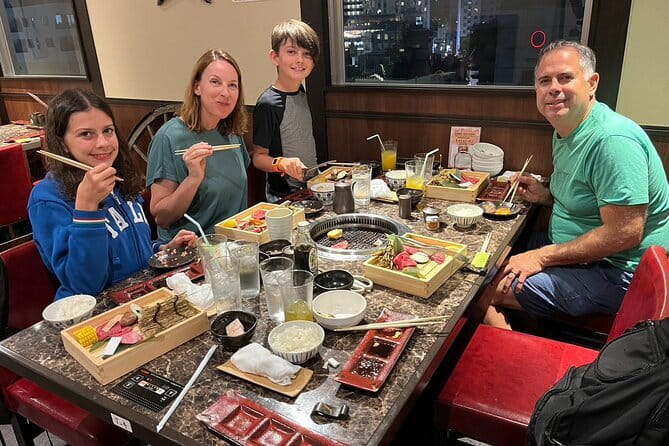
Ueno Park is known for cherry blossoms, but the suggested visit points to its museums and Ueno Toshogu, a richly decorated mausoleum connected with the Tokugawa family. The park can suit several kinds of visitors because you can focus on art, history, gardens, or seasonal scenery.
Seven museums are mentioned in connection with the area, but entrance fees are not included. If you want your guide to enter a facility with you, you must also cover the guide’s admission. Clarify your museum plans in advance so the schedule and extra costs are clear.
The proposed stop at Teishakuten Temple offers another change of pace. Its sculptures and Japanese garden are linked with the film Otoko wa Tsuraiyo, and the area is also known for dumplings and a tea house. This is a strong choice for someone who wants architecture, cinema, food, and a quieter setting in one visit.
A contemporary art cafe connected with Takashi Murakami is also suggested as a break from Akihabara. It provides a way to combine modern art with a district known for anime and games, though you should confirm the exact visit plan with your guide before counting it as a major stop.
Public Transport or a Private Car
I would choose public transport unless your group has a clear reason to prefer a car. Tokyo’s trains and subways are often the fastest way to move between major districts, and learning to use them is one of the most useful skills you can gain on your first day.
Hitomi has helped people understand the system during the tour, with Google Maps becoming more useful afterward. That practical lesson can save money and make the rest of your stay easier. Tokyo Subway 24-hour, 48-hour, or 72-hour tickets are recommended for purchase in advance, though the tour does not include public transport.
A private car is available as an option and may suit families with mobility concerns, groups carrying shopping, or anyone who wants fewer station changes. The supplied information does not state the car upgrade cost, so ask before booking if price matters.
Pickup at your hotel is included as a feature, which is especially valuable on your first morning in Tokyo. You avoid losing time locating a guide in a vast station or unfamiliar neighborhood.
What the $151.54 Price Really Buys You
At $151.54 per person, this is not the cheapest way to see Tokyo. You are paying for a private guide, hotel pickup, planning help, bottled water, language support, and the ability to adjust the day around your group.
The value improves with three or more people because the experience is private and group discounts may be available. It also improves if you are new to Japan, nervous about public transport, or have limited time and want to use every hour well.
The price does not cover lunch, subway fares, or entrance fees. You should budget for those separately, including the guide’s lunch and admission when the guide accompanies you inside a paid facility.
The strongest value may come after the tour. Guidance on transport, restaurants, museums, shopping streets, and later plans can help you make better choices for the rest of your stay. The experience is less useful if you already know Tokyo well and only want a cheap ride between landmarks.
Who Will Get the Most From This Experience
I would recommend this tour to first-time visitors, families, couples with different interests, and anyone who wants Tokyo explained in plain language. It is also a good choice for a first or second day, when the city’s size and station system can feel like a lot to handle.
The private setting works particularly well for families. One family toured with Hitomi and visited a museum, a local park, temples, and shrines while discussing history along the way. Another mother and son used the team’s help for extra activities, including a samurai sword experience and difficult-to-get Ghibli Museum tickets.
That sort of assistance is not guaranteed as part of the basic tour, so treat it as an example of the guide’s wider planning role, not a promised inclusion. Still, it shows why early communication matters.
You should think twice if you dislike walking, want a fixed luxury vehicle, or expect all meals and admissions to be covered. You should also avoid packing six or seven districts into one day. Tokyo rewards choosing a few places and giving them room.
Practical Details Before You Book
Confirmation is sent within 48 hours, subject to availability. The tour is private, and only your group participates.
The experience requires moderate physical fitness. Wear practical shoes and expect time on foot even if you choose a car. Weather can affect the tour, and a poor-weather cancellation offers either another date or a full refund.
Free cancellation is available up to 24 hours before the start time. A cancellation made later is not refunded, and late changes are not accepted. The cut-off follows Tokyo local time.
Send your wish list before arrival, then tell the guide what matters most. If you want food, temples, shopping, museums, or anime, say so clearly. That is how you get a useful custom day instead of a rushed parade of famous names.
Should You Book This Private Tokyo Tour?
Book it if you want a friendly local guide, a flexible route, and practical help using Tokyo’s transport system. The strongest reasons are the personal planning, hotel pickup, and chance to replace one or two famous sights with neighborhoods you would probably miss alone.
Choose four hours for a focused introduction, such as Asakusa and Shibuya, or Meiji Jingu and the Imperial Palace. Choose eight hours if you want a broader mix, but keep the plan to four or five places.
For most first-time visitors, I would take public transport and use the tour early in the trip. It costs more than sightseeing alone, but it can give you both a memorable day and the confidence to explore Tokyo independently afterward.
FAQ
How long is the private Tokyo tour?
You can choose a half-day tour of about four hours or a full-day tour of about eight hours.
How many places can I visit?
For four hours, you can generally choose two or three places. For eight hours, you can generally choose four or five places, with recommendations from your guide.
Is hotel pickup included?
Yes, hotel pickup is offered as part of the experience.
Is the tour private?
Yes. Only your group participates in the activity.
Can I use public transportation during the tour?
Yes. You can travel by public transport like a local, or choose the private car option.
Are lunch and entrance fees included?
No. Lunch, public transportation, and entrance fees are not included. If the guide enters a paid facility with you, you must also pay the guide’s admission.
What happens if bad weather cancels the tour?
If poor weather causes cancellation, you will be offered another date or a full refund.
Just added in Tokyo
- Very popular in Harajuku♡Animal petting zoo★ 4.6 · 39 reviews
- Yokohama Port: Private Customizable Tour with Transfer★ 5.0 · 19 reviews
- Wagyu & Sake 8 Course Tasting Dinner in Shinjuku★ 4.9 · 20 reviews
- Warner Bros. Studio Tour Tokyo – The Making of Harry Potter★ 4.8 · 181 reviews
- Yanaka District: Historical Walking Tour in Tokyo’s Old Town★ 4.8 · 117 reviews
- Tokyo: Classic Tsukiji Food Tour★ 4.9 · 78 reviews
- Tokyo: Tsukiji Fish Market Tour with 6 Stops & Seafood Lunch★ 4.5 · 165 reviews
- Tokyo Wagyu & Sake Pairing Tasting Experience with Local Flavors★ 5.0 · 108 reviews
Guided, compared.
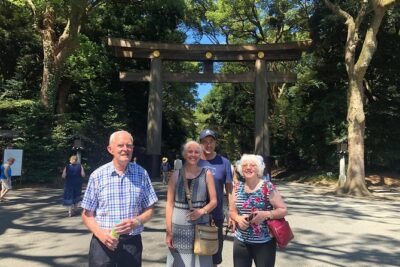
Tokyo 6hr Private Tour with Government-Licensed Guide
Read our review →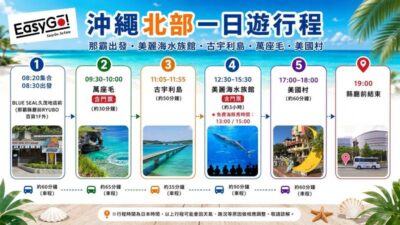
Shiraito Falls & Forest Cafe & Handmade Flower Salt Pudding & Grilled Seafood & Totoro Forest & Sakurai Futamigaura & Angel’s Wings & Coconut Tree Swing Day Tour (Departing from Hakata Station, with Mandarin, English, and Cantonese speaking guide)
Read our review →
Shinjuku Local Bar and Izakaya Guided Walking Tour
Read our review →
Private City Highlights Tour with Local Guide
Read our review →
Kyoto Early Morning Tour with English-Speaking Guide
Read our review →