Reviewed · GUIDED
Sake Omakase in Tokyo: Guided Tasting by Certified Sommeliers
Sake gets much better with context. This two-hour tasting in central Tokyo brings you seven Japan-exclusive sakes, four themed courses, and certified sommeliers who explain what is in your glass without making the subject feel like homework. I especially like the small group of six, which gives you room to ask questions, and the clever tasting themes, from rice comparisons to serving temperature and drinking vessels. The main thing to consider is the alcohol: free-flow pours can add up quickly, so this suits you best if you are comfortable pacing yourself.
The setting also gives the experience a sense of occasion. You sit around a striking Showa-era wood table in a designer tasting room while English-speaking hosts guide the session. I like that the food is not an afterthought, with pickles, cheeses, cured meats, and dessert used to show how sake changes alongside different flavors.
At $79.52 per person, this is not a casual stop for one quick cup. It is a focused lesson with seven varieties, unlimited refills, snacks, and plenty of interaction packed into roughly two hours. The meeting point is Linden House at 1-chōme-9-9 Kanda Ogawamachi, and you arrange your own transportation there and back.
In This Review
- Key Points Before You Book
- Why This Tokyo Sake Tasting Works for Beginners
- Entering the Showa-Era Tasting Room
- Course One: Seven Sakes and a Clear Starting Point
- Course Two: Comparing Rice and Brewing Character
- Course Three: Five Temperatures and the Changing Glass
- Course Four: Herbs, Spices, and the Final Pairings
- The Food: Small Bites With a Practical Purpose
- How the Sommeliers Shape the Experience
- What $79.52 Buys You
- Timing, Group Size, and Practical Details
- Who Should Book This Sake Experience
- Should You Book Sake Omakase in Tokyo?
- FAQ
- Where does the sake tasting begin?
- Where does the activity end?
- How long does the tasting last?
- How many sakes are included?
- Are refills included?
- What food is provided?
- How large is the group?
- What languages are available?
- Can I cancel for a refund?
Key Points Before You Book
- Seven Japan-exclusive sakes: You taste a broad range of bottles selected for the session, not just one familiar style.
- Four themed courses: Rice, temperature, flavor infusions, and glassware each show you a different way to understand sake.
- A six-person maximum: The small format makes it easier to ask direct questions and compare your reactions with the group.
- Hosts with serious tasting experience: The sommeliers have led more than 2,500 tasting sessions, with guidance available in English, Japanese, and Chinese.
- Small bites are included: Pickles, cheeses, cured meats, and dessert help you see why certain sake pairings work.
- Unlimited refills: The pours are free-flow throughout the progression, so pacing matters.
Why This Tokyo Sake Tasting Works for Beginners
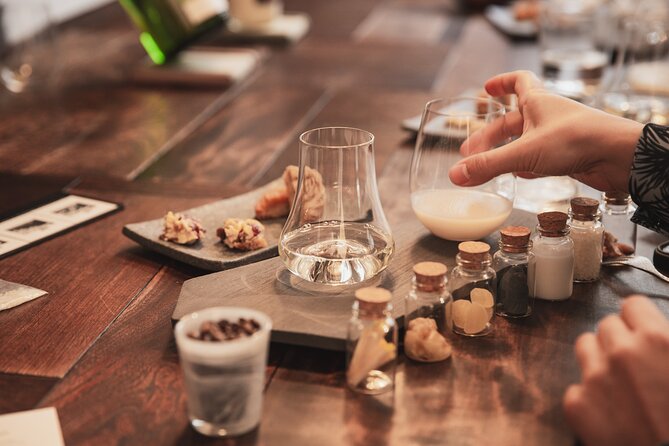
Sake can look simple on a menu, yet the range is wide. One bottle may taste clean and dry, another soft and fruity, and another more savory or full-bodied. If you have only tried sake warm in a restaurant, this experience gives you a much larger frame of reference.
The hosts explain brewing techniques and flavor profiles as you taste. That timing matters. Instead of hearing a long lecture before the first pour, you can compare what you smell and taste while the information is fresh.
This is also a good option if you already drink sake but cannot explain why one bottle appeals to you more than another. The session helps connect your own preferences with factors such as rice, temperature, serving style, and food pairing.
You do not need to arrive as an expert. The tone described by the experience is friendly and relaxed, and the hosts are there to answer basic questions as well as more detailed ones. Eric, Aaron, Frank, and Phillip are among the sommeliers named in the feedback, with particular praise for their easygoing way of explaining the subject.
A few more options to weigh up in Tokyo
- Tokyo Disney Resort – Tokyo Disneyland & Tokyo DisneySea Park Tickets
★ 4.8 · 99,488 reviews - SHIBUYA SKY Ticket
★ 4.7 · 46,509 reviews - JR Whole Japan Rail Pass
★ 4.8 · 29,150 reviews
Entering the Showa-Era Tasting Room
The meeting point is Linden House in Kanda Ogawamachi, in central Tokyo. The activity begins and ends at the same place, which keeps the logistics simple once you arrive. There is no hotel pickup, so you need to plan your route using Tokyo’s public transportation network.
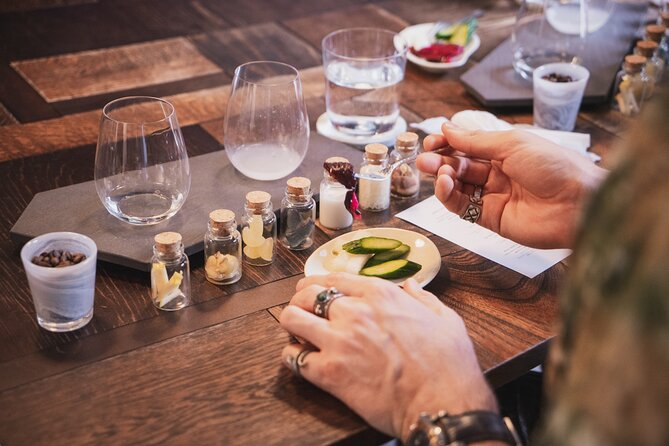
Inside, the room is designed around a beautiful table made from reclaimed wood from a Showa-era building. That detail gives the tasting a Japanese sense of place without turning the room into a museum display. You are there to drink and learn, but the surroundings help mark this as a special activity rather than a quick bar visit.
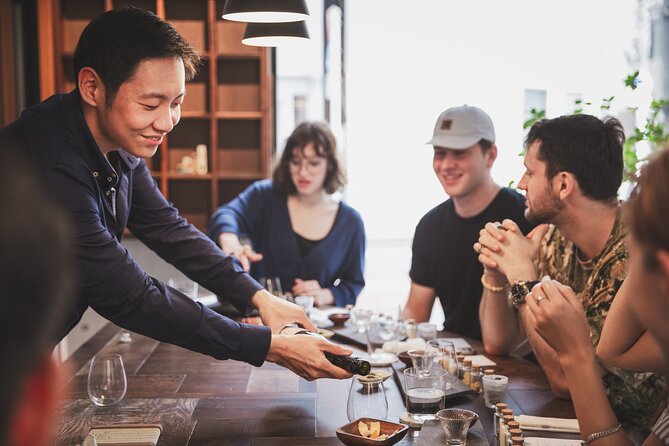
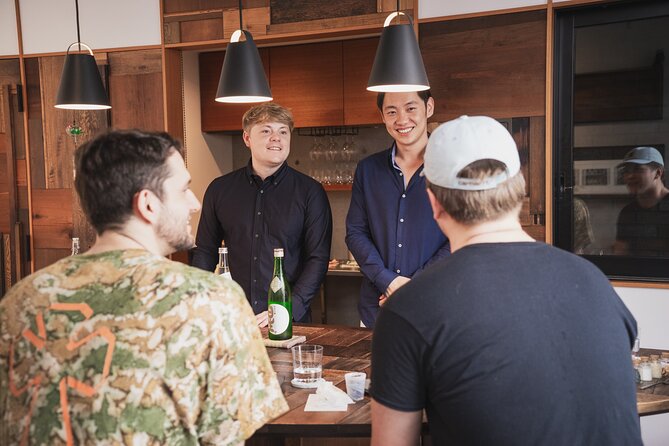
The group limit of six is important. A larger class can make tasting presentations feel distant, especially when everyone is asking questions at once. Here, you should have a better chance to speak directly with the sommelier and explain what you like or dislike.
This format also makes the social side easier. You share the same sequence of sakes and small dishes, so conversation tends to develop naturally around each pour. If you prefer a private table for just your own party, note that the small group can still include other people.
Course One: Seven Sakes and a Clear Starting Point
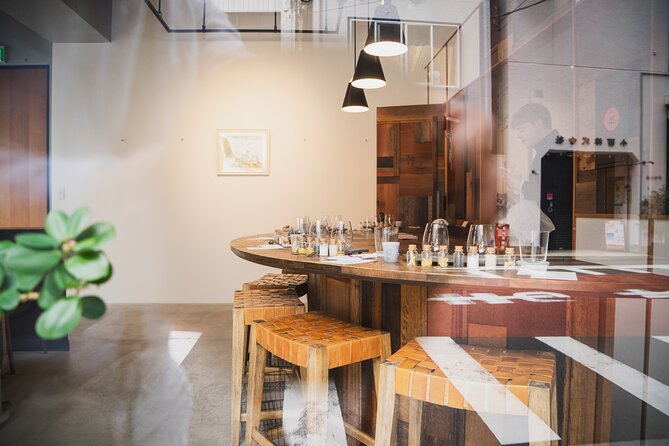
The tasting is arranged as a four-course progression, with seven selected sakes served in different ways. The first part establishes the range, giving you a reference point for the styles that follow.
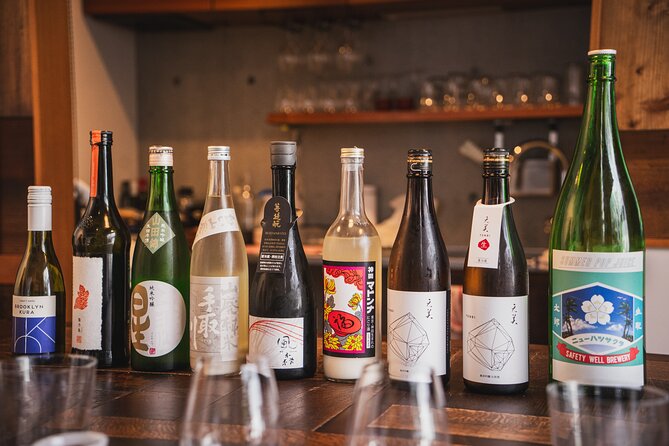
The selection is described as Japan-exclusive, which adds value for visitors who want to try bottles that may not be easy to find outside the country. The point is not simply to count seven pours. It is to show how much variation can exist within sake, even when the bottles are all from Japan.
Small bites accompany each course. Pickles, cheeses, and cured meats can bring out different sides of a sake, while dessert provides a useful contrast later in the session. You may notice that a pour you liked on its own tastes different once food enters the picture.
The free-flow format means you can receive refills as the session continues. That sounds generous, and it is, but it also means you should not treat every pour like a full drink. Taste slowly, drink water if available, and remember that seven varieties over two hours can be more alcohol than the number of small tasting glasses suggests.
Course Two: Comparing Rice and Brewing Character
One of the most useful themes is rice comparison. Sake is made from rice, but not all rice produces the same result, and the preparation of that rice affects the finished drink.
You may find that the comparison makes technical language easier to understand. Rather than memorizing terms, you get a chance to notice differences in texture, aroma, and finish from one sake to another. The sommelier can then connect those impressions to brewing methods and the type of rice used.
This is where the session earns its educational value. You are not only being told that two sakes differ. You are given a reason to pay attention to the difference. For anyone who wants to order more confidently in Tokyo restaurants, that is practical knowledge.
The tasting does not appear to focus on a single famous brewery or region. Instead, the emphasis is on contrast and discovery. That makes it less useful if your only goal is to visit a producer or learn about one particular prefecture, but more useful if you want a broad introduction in a short amount of time.
A completely different kind of day out:
- Mt Fuji and Hakone 1-Day Bus Tour Return by Bullet Train
★ 5.0 · 26,383 reviews - TOKYO SKYTREE® Ticket
★ 4.7 · 25,136 reviews - teamLab Borderless Tickets: MORI Building DIGITAL ART MUSEUM
★ 4.7 · 24,126 reviews - teamLab Planets TOKYO Ticket
★ 4.7 · 21,663 reviews
Course Three: Five Temperatures and the Changing Glass
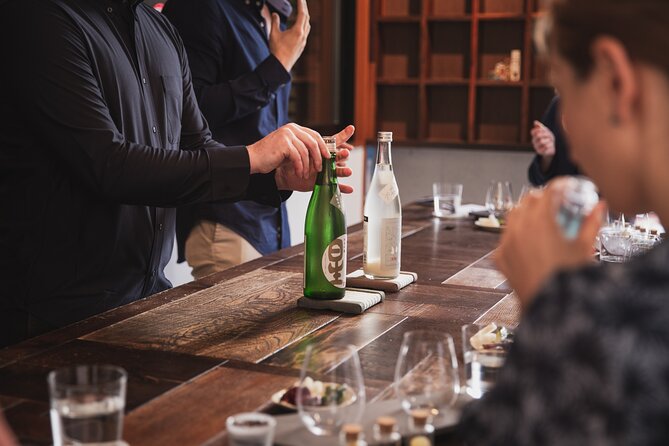
Sake is not limited to one serving temperature. This session includes sake served at five different temperatures, allowing you to see how warmth and coolness affect the same beverage.
Temperature can change how aromas reach you and how a sake feels on the palate. A bottle that seems crisp when chilled may become softer or more expressive when warmer. The tasting gives you a direct way to notice those changes rather than treating serving temperature as a fixed rule.
The drinking vessel also becomes part of the lesson. Different cups or glasses can influence aroma and the way a sip reaches your mouth. This might sound like a small detail, but it helps explain why a restaurant’s serving choice can affect your impression of the same sake.
This course is especially useful if you have assumed that sake should always be hot. You will come away with a better sense of when temperature matters and why a sommelier may recommend one serving method over another.
Course Four: Herbs, Spices, and the Final Pairings
Another theme explores spice and herb infusions. This gives the tasting a more contemporary edge and shows that sake does not have to be approached only through traditional pairings.
Infusions can shift the aroma and flavor of the drink, making the comparison more playful than a basic flight of similar pours. The small food pairings help keep the session grounded. You can consider not only which sake you prefer, but also which combination works best with a salty, sharp, creamy, cured, or sweet bite.
The progression ends with dessert among the included snacks. That final pairing gives you a chance to test the common assumption that sake is mainly suited to savory Japanese food. You might find that a softer or more aromatic pour works well with sweetness, while another becomes less balanced.
Because the courses have distinct themes, the tasting avoids becoming seven unrelated glasses. Each stage gives you a question to consider: Does the rice change the taste? What does heat do? Does the cup matter? How do herbs, spices, and food alter the result?
The Food: Small Bites With a Practical Purpose
The food is not described as a full meal. You receive small bites, including pickles, cheeses, cured meats, and dessert, with each course. I would eat something modest beforehand if you are sensitive to alcohol, but avoid arriving overly full if you want to pay attention to the pairings.
The snacks serve two purposes. First, they make the experience more comfortable over two hours. Second, they help you understand sake in the way you are most likely to enjoy it in Japan, alongside food rather than in isolation.
The pairing element also adds value to the price. You are not paying only for seven pours and a talk. You are getting a structured tasting with food designed to create contrasts and conversation.
One useful tip is to make notes, even if only on your phone. With seven sakes, five temperatures, different vessels, and several food combinations, it is easy to forget which style suited you best by the end.
How the Sommeliers Shape the Experience
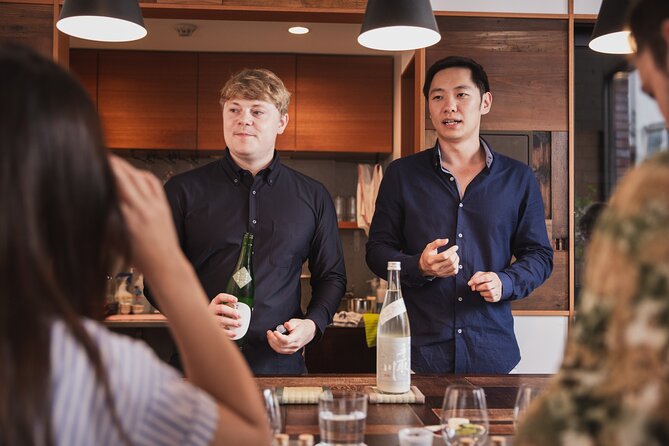
The hosts are certified sommeliers and have more than 2,500 tasting experiences behind them. That does not guarantee that every session will match every personality, but the format gives them plenty of room to adjust the conversation to the group.
Native English-speaking sommeliers lead the experience, and guidance is also available in Japanese and Chinese. This is valuable if you want to ask detailed questions about brewing, flavor, or restaurant ordering without worrying about a language barrier.
Specific hosts praised in the supplied material include Eric, Aaron, Frank, and Phillip. Eric is noted for being thorough and easygoing, while Aaron and Frank are described as making the group feel at ease. Those qualities matter in a tasting because sake can seem intimidating when every glass comes with unfamiliar terminology.
The strongest praise centers on education combined with fun. You should expect explanations, but not a rigid classroom. The goal is to help you understand why you like a particular sake and how to find similar styles later.
What $79.52 Buys You
At $79.52, the experience sits in the premium tasting category. The price includes seven varieties, unlimited refills, four themed courses, small bites, and a two-hour session with certified sommeliers.
The value is strongest if you would otherwise spend time and money ordering several different sakes on your own. In a restaurant, you may try a few bottles without understanding the differences, and the cost can rise quickly. Here, the tasting has a clear structure and someone explains what you are drinking.
It is also good value for a first visit to Japan because the selections are described as Japan-exclusive. You get access to bottles chosen specifically for comparison, rather than simply ordering the most familiar label from a menu.
The price is less compelling if you rarely drink alcohol, dislike guided tastings, or want a full dinner. The included food is made up of snacks, not a substantial meal, and transportation is not included. If you want to stretch the evening, plan a separate dinner afterward.
Timing, Group Size, and Practical Details
The session lasts about two hours. That is long enough to explore the themes without taking up an entire day of sightseeing, and it fits well between other central Tokyo plans.
The activity is near public transportation, but you are responsible for getting to Linden House and returning from it. Check the address carefully before leaving, especially if you are navigating Tokyo for the first time.
A mobile ticket is provided, and confirmation is received when you book. Most people can participate, but the experience is not recommended for anyone with an alcohol allergy.
The maximum group size is six. The activity also requires a minimum number of participants, so a cancellation is possible if that minimum is not reached. In that case, you are offered another date or experience, or a full refund.
You can cancel for a full refund up to 24 hours before the start time. Changes or cancellations made less than 24 hours ahead are not accepted and are not refunded.
Who Should Book This Sake Experience
I would recommend this for first-time sake drinkers who want a friendly introduction rather than a textbook. The structure gives you enough information to understand the basics, while the tasting keeps the session active.
It also suits experienced drinkers who want to identify their preferences more clearly. The temperature, vessel, rice, and infusion comparisons offer details you may not encounter during an ordinary restaurant meal.
Couples and solo visitors can both fit comfortably into the format. With only six places, you should have opportunities to talk with the hosts and the other people at the table. It is a social activity, but the focus remains on sake.
I would be more cautious about booking if you want a quiet, private experience or if you are looking for a full meal. The unlimited refill setup also demands sensible pacing. You should be interested in tasting and learning, not simply drinking as much as possible.
Should You Book Sake Omakase in Tokyo?
Book it if you want to understand sake instead of merely trying it. The strongest reasons are the Japan-exclusive selection, the four useful tasting themes, the small group, and the hosts’ ability to explain the subject in clear English.
The $79.52 price is fair for a two-hour premium session with seven sakes, unlimited refills, and food pairings. Just arrive with a plan for transportation, eat lightly beforehand if needed, and pace yourself throughout.
Skip it if you want a full dinner, a brewery visit, or a private activity. For everyone else, this is a smart way to turn sake from an unfamiliar drink into something you can order and enjoy with confidence during the rest of your Tokyo stay.
FAQ
Where does the sake tasting begin?
It begins at Linden House, 1-chōme-9-9 Kanda Ogawamachi, Chiyoda City, Tokyo 101-0052, Japan.
Where does the activity end?
The experience ends back at the same meeting point.
How long does the tasting last?
The tasting lasts approximately two hours.
How many sakes are included?
Seven sommelier-selected, Japan-exclusive sake varieties are included.
Are refills included?
Yes. The sake is served free-flow with unlimited refills during the four-course progression.
What food is provided?
Small bites are included with each course. These include pickles, cheeses, cured meats, and dessert.
How large is the group?
The activity has a maximum of six participants.
What languages are available?
The sommeliers provide guidance in English, Japanese, and Chinese. The English-speaking hosts are native English speakers.
Can I cancel for a refund?
Yes. You can receive a full refund if you cancel at least 24 hours before the experience starts. Cancellations or changes made less than 24 hours ahead are not accepted or refunded.
Just added in Tokyo
- A One-of-a-Kind Sushi Experience in a Special Place of Japan★ 5.0 · 15 reviews
- Tokyo Cute Bento Cooking Class – Make a Kawaii Character Lunchbox★ 5.0 · 126 reviews
- Japanese Home Cooking Class & Walk in Todoroki Temple Tokyo★ 5.0 · 88 reviews
- Japan Tokyo Tower Observatory Deck E-Ticket★ 4.0 · 34 reviews
- Catch a Baseball Game in Tokyo with a Local – Tickets Included★ 5.0 · 24 reviews
- Japan Classic 10 Day – One Life Adventures★ 5.0 · 129 reviews
- JDM Experience with Fast&Furious RX-7 (English speaking Driver)★ 5.0 · 57 reviews
- Tokyo Private Day Tour by Car with English speaking Driver Guide★ 4.0 · 29 reviews
Guided, compared.
Tokyo 6hr Private Tour with Government-Licensed Guide
Read our review →
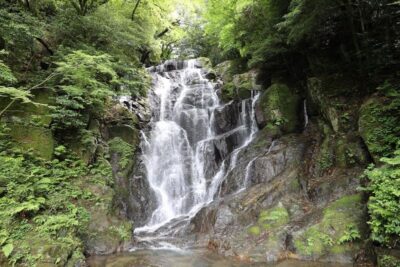
Shiraito Falls & Forest Cafe & Handmade Flower Salt Pudding & Grilled Seafood & Totoro Forest & Sakurai Futamigaura & Angel’s Wings & Coconut Tree Swing Day Tour (Departing from Hakata Station, with Mandarin, English, and Cantonese speaking guide)
Read our review →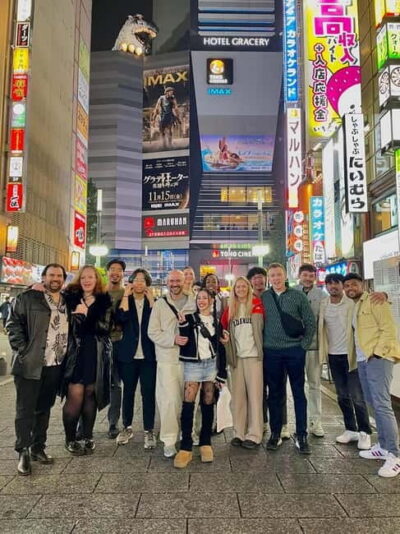
Shinjuku Local Bar and Izakaya Guided Walking Tour
Read our review →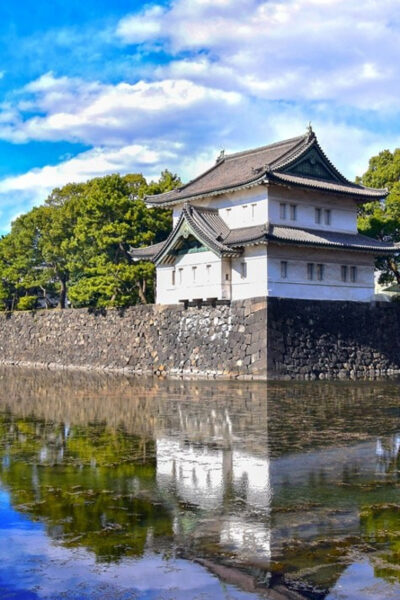
Private City Highlights Tour with Local Guide
Read our review →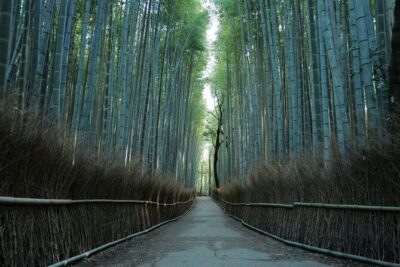
Kyoto Early Morning Tour with English-Speaking Guide
Read our review →