
Reviewed · CASTLES AND HISTORIC SITES
SAMURAI EXPERIENCE in Tokyo(Harajuku)【SAMURAI’ve】
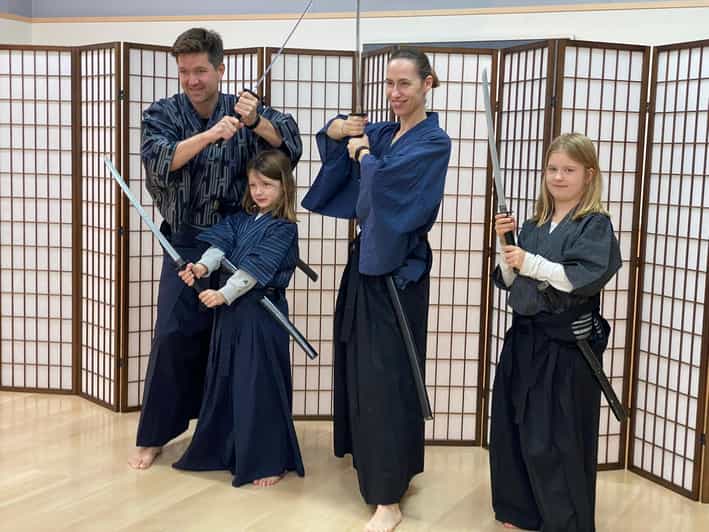
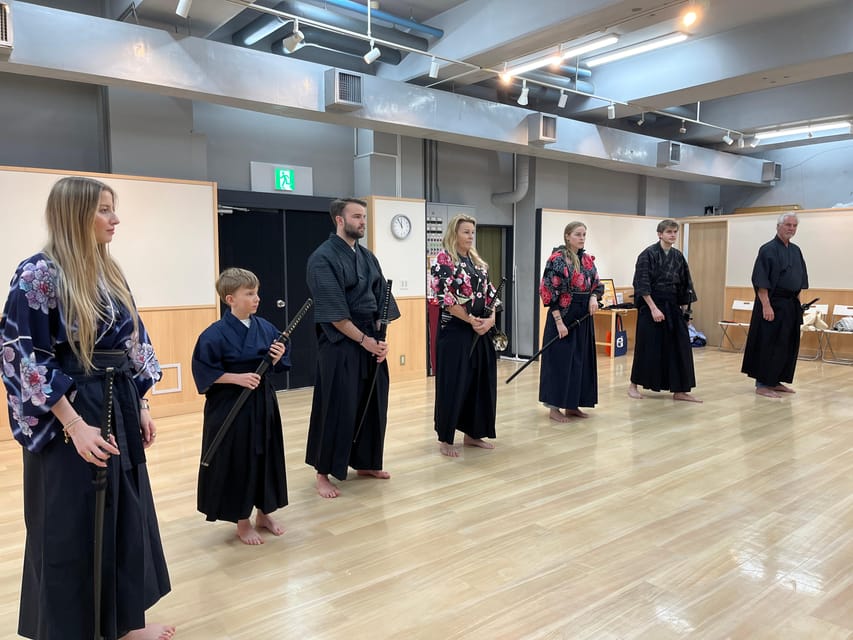
Samurai training gets playful fast. In a Harajuku dojo, you learn basic sword movements, samurai manners, and the careful art of putting on a kitsuke kimono. I like the mix of practical instruction and theatrical fun, especially the final photos with a sword in hand. I also like that the class stays small, with no more than 10 people, so you have room to follow the movements.
The main drawback is the short one-hour format. You get a lively introduction rather than a full study of Japanese sword traditions. The class is also held in a basement space, and the meeting point can take a little attention to find.
In This Review
- Key points to know before you book
- What this Harajuku samurai class is really like
- Finding the red door near Kitasandou and Harajuku
- Putting on the kitsuke kimono
- Reigi sahou, the manners behind the role
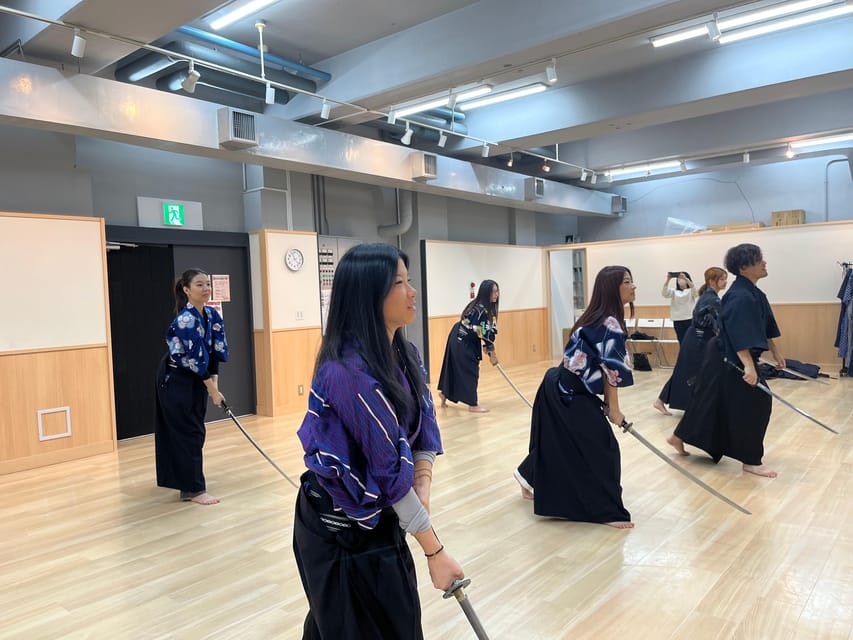
- Learning basic samurai sword movements
- Tachimawari brings the stage to life
- The final sword-and-kimono photo session
- Is $70 a fair price for one hour?
- Who will enjoy this most?
- Practical advice for making the hour count
- Should you book the Samurai Experience in Harajuku?
- FAQ
- Where does the samurai experience take place?
- How far is the dojo from the nearest stations?
- How long does the experience last?
- How much does the experience cost?
- What languages are available?
- What is included in the price?
- What should I bring?
- Can children join the activity?
- Can I cancel or pay later?
Key points to know before you book
- One hour in a Harajuku dojo: The compact schedule fits neatly into a day of sightseeing.
- Kimono and sword practice included: You do not need to rent clothing or bring equipment.
- Etiquette comes before action: Reigi sahou gives the class more cultural structure than a simple photo session.
- Tachimawari adds theatrical flair: You practice stylized sword-fighting movements used in stage and video scenes.
- Small groups limit the crowd: Up to 10 participants makes personal guidance more likely.
- English, Japanese, and Chinese instruction: The class works well for international groups and families with older children.
What this Harajuku samurai class is really like
This is a short, hands-on introduction to samurai performance and etiquette, not a formal martial arts course. You meet a qualified instructor at a Tokyo dojo, then work through clothing, manners, sword movements, and staged action.
That distinction matters. If you want serious historical instruction or a long technical lesson, this class may feel light. If you want to try something unusual in Tokyo, learn a few movements, and leave with good photographs, the format makes sense.
The instructor is active in video and stage productions. That background helps explain the class structure. You are not only shown how to hold a sword. You also learn how movements look in a staged sword fight, where timing, posture, and clear gestures matter.
The class accepts people of any age and gender as long as they have the samurai spirit. Children under 5 cannot join, and the activity is not suitable for wheelchair users. For families, the experience has clear appeal. Children and adults can take part together, and the lesson is active without requiring a full day of physical effort.
More Castles and Historic Sites in Tokyo
- Tokyo: Imperial Palace and Shogun Historical Walking Tour
★ 5.0 · 2,251 reviews - Tokyo Castle & Imperial PalaceーShogun Walking Tour
★ 4.7 · 1,068 reviews - Tokyo: Samurai Ninja Museum Guided tour and Experience
★ 4.6 · 1,010 reviews
Finding the red door near Kitasandou and Harajuku
The dojo is about a five-minute walk from Kitasandou Station and an eight-minute walk from Harajuku Station. You enter through a red door, then proceed to the second-floor basement.
That wording is worth reading carefully. The venue is not presented as a large street-front attraction with a prominent sign. Give yourself extra time to locate the red door, particularly if you are arriving from Harajuku Station and are already navigating busy streets.
Transportation to the meeting point is not included, so you handle the train ride and final walk yourself. The location works well alongside sightseeing in Harajuku, though you should allow enough time to arrive calm and ready to change clothes.
Bring comfortable clothing. You will be putting on a kimono and practicing movements, so restrictive clothing would make the class less pleasant. Food and drinks are not included, but the one-hour length means you can easily eat before or after the session.
Putting on the kitsuke kimono
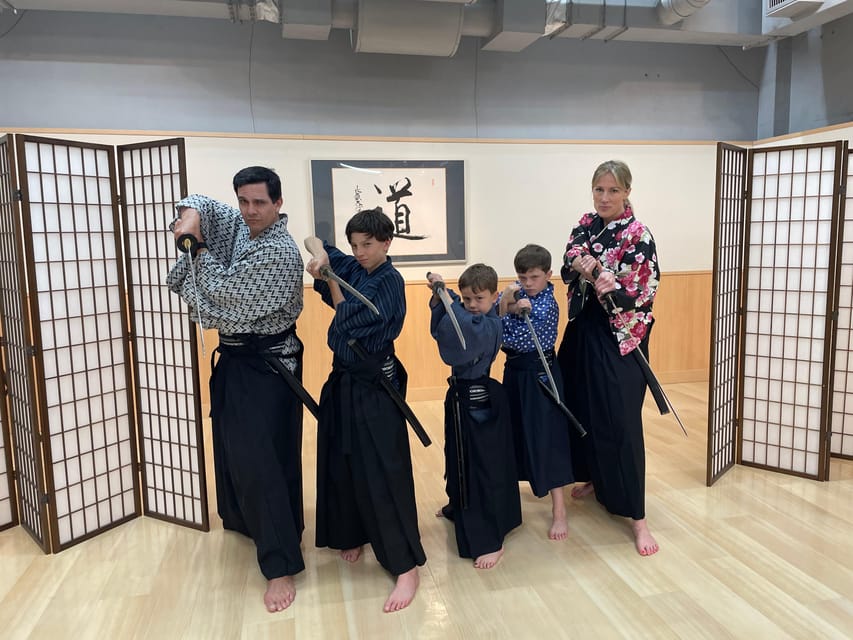
The class begins with the kitsuke kimono, giving you a chance to dress in samurai-style clothing before the sword lesson. This is more useful than simply having a costume handed to you. You learn how to put it on correctly, which adds a small practical skill to the photo opportunity.
Do not expect a long clothing seminar. The session lasts only an hour, and the kimono portion is one part of a larger program. Still, it gives the experience a proper opening. You first change your appearance, then adjust your posture and behavior to match the role.
Comfort matters here. Wear clothes that allow easy movement beneath the kimono. Since the activity provides the samurai kimono, you do not need to arrange a costume yourself.
The clothing also helps turn the class into a shared activity. Families, couples, and small groups can prepare together, then move into the etiquette lesson. It gives everyone an immediate visual connection with the theme before the swords appear.
Reigi sahou, the manners behind the role
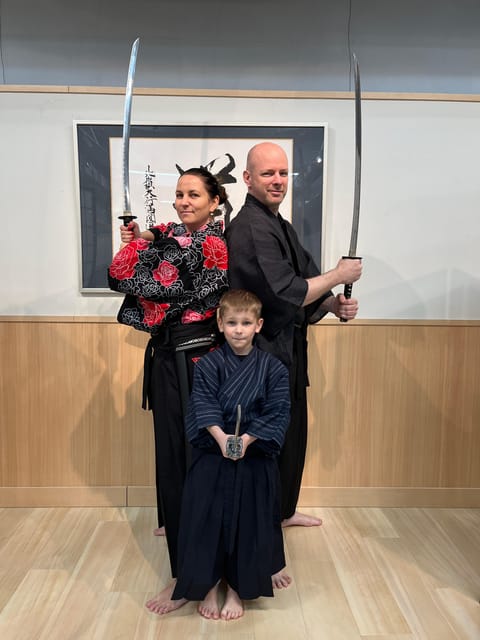
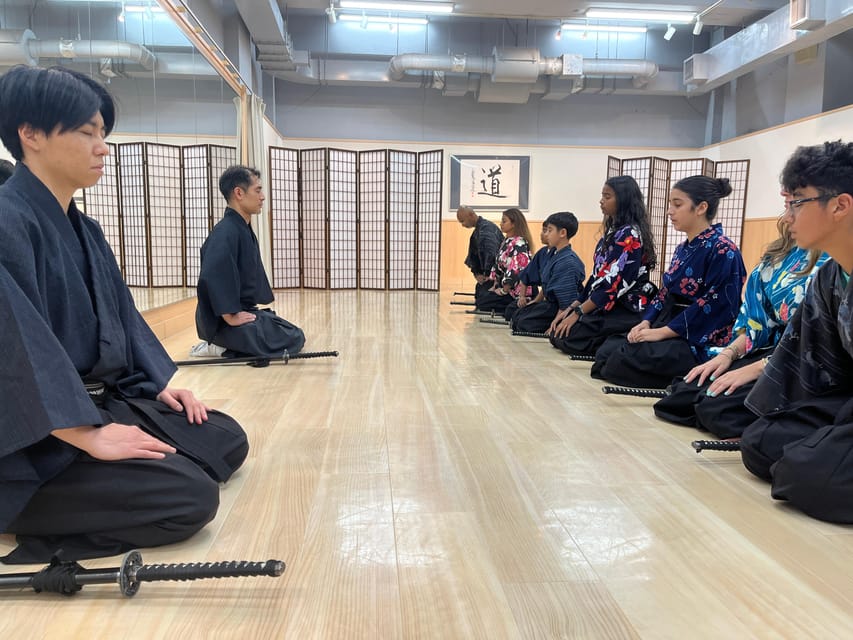
Before practicing sword movements, you learn about reigi sahou, or samurai etiquette. This section gives the activity a little more substance than a costume photo stop.
The point is not to turn one hour into a complete course on Japanese conduct. Instead, the etiquette lesson helps you understand that samurai behavior involved more than combat. Posture, respect, and controlled movement are part of the presentation.
I like this order. Starting with manners encourages you to treat the sword work as a disciplined performance rather than random waving. It also gives the instructor a clear way to bring the group together before the more energetic section begins.
For you, the practical value is simple: pay attention to the small instructions. The etiquette portion may seem quiet compared with sword practice, but it prepares you to look more convincing in the later movements and photographs.
The class is offered in English, Japanese, and Chinese. One participant found the English instruction useful even though French was their first language, and another specifically praised the guides for explaining movements clearly. That suggests the lesson is designed for an international audience, though your comfort will still depend on the language you select and your own listening ability.
A completely different kind of day out:
- Tokyo Disney Resort – Tokyo Disneyland & Tokyo DisneySea Park Tickets
★ 4.8 · 99,488 reviews - SHIBUYA SKY Ticket
★ 4.7 · 46,509 reviews - JR Whole Japan Rail Pass
★ 4.8 · 29,150 reviews - Mt Fuji and Hakone 1-Day Bus Tour Return by Bullet Train
★ 5.0 · 26,383 reviews
Learning basic samurai sword movements
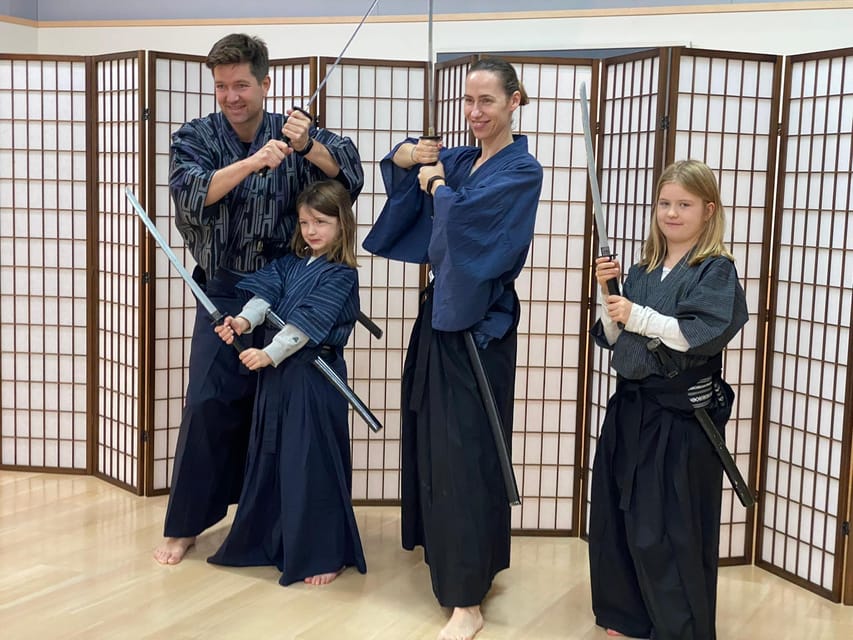
The sword lesson introduces basic samurai fighting moves. You receive a sword and work through movements that can later be practiced for friends and family at home.
The supplied information does not specify the type of sword used, so you should not assume you will handle a historical blade or receive formal weapons training. Treat this as a supervised stage-style activity. Listen closely, move at the instructor’s pace, and follow the safety directions.
The best part is likely the physical change from watching to doing. You are not sitting through a talk about samurai. You are learning where to place your body, how to make a movement clearly, and how to repeat it with control.
The small-group limit of 10 helps here. Sword movements are easier to follow when you can see the instructor and have enough personal space. A crowded class would weaken the main appeal, so the capped group size is an important part of the value.
The lesson also works for people with different levels of confidence. You do not need previous sword experience. The activity is built around basic moves, and the instructor leads the group through the process.
Tachimawari brings the stage to life
After learning the basic movements, you put them together in tachimawari, the stylized action used in sword-fighting scenes. This is where the class shifts from instruction to performance.
Tachimawari is not presented as a real fight. The movements are designed for stage and video work, where clarity and timing matter as much as force. That makes the activity accessible. You can concentrate on looking sharp and coordinated rather than trying to overpower anyone.
The instructor’s work in video and stage productions is especially relevant at this point. A teacher with that background can show how sword action is shaped for an audience. You get a taste of the theatrical side of samurai culture, not just a list of isolated moves.
This part should appeal to anyone who enjoys film, theater, cosplay, or playful role-playing. It also explains why the experience feels different from a museum visit. You are learning through movement, with a clear visual result at the end.
Still, keep expectations realistic. In one hour, you will learn a small set of movements. You will not become a trained swordsman, and the class cannot cover the full range of samurai combat traditions. Its strength is the combination of accessible instruction and theatrical presentation.
The final sword-and-kimono photo session
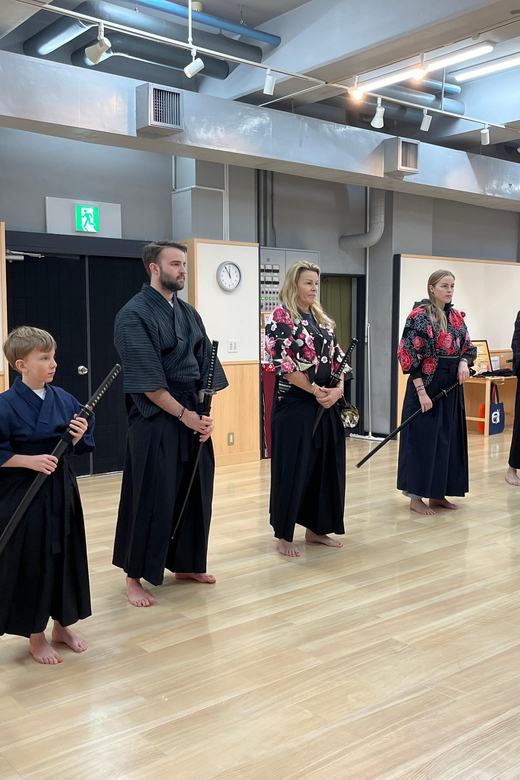
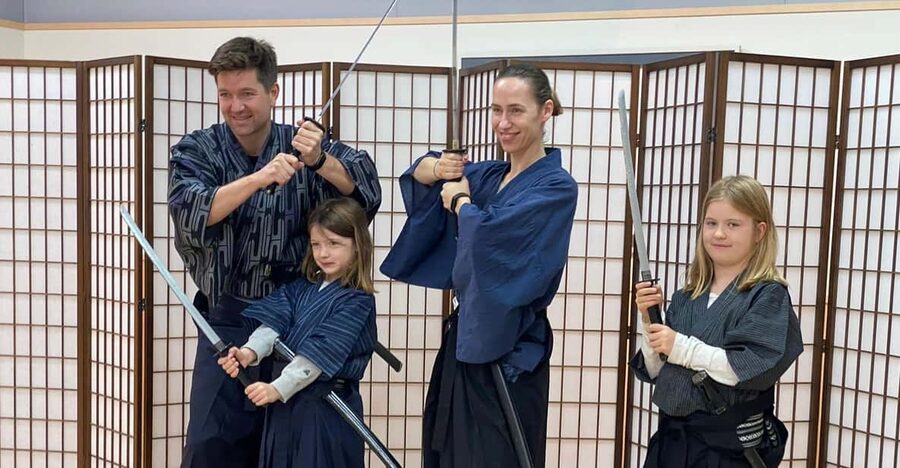
The class ends with a photoshoot while you wear the samurai kimono and hold a sword. This gives the experience a clear finish and leaves you with something more lasting than a few new movements.
The photos are not an afterthought. The whole session builds toward this moment: dress correctly, learn the manners, practice the posture, and then present yourself as a samurai. You get a chance to pose with the clothing and sword after understanding a little of the role.
For families, this is likely one of the most enjoyable parts. Children can see the result of the earlier lesson, while adults get a fun group picture in an unusual setting. The activity’s strong appeal to both children and parents comes from that shared format.
You should also remember that the photoshoot is part of a small class. You may need to take turns, and the available time is limited. The information provided confirms that a photoshoot is included, but it does not specify how many photos you receive or how they are delivered. If professional digital images are important to you, check those details before booking.
Is $70 a fair price for one hour?
At $70 per person, this is not the cheapest one-hour activity in Tokyo. The price makes more sense when you count what is included: an instructor, a samurai kimono, etiquette instruction, sword-fighting practice, tachimawari, and a photoshoot.
You are paying for a prepared activity with clothing and teaching already arranged. You do not need to search for a costume rental, find a separate sword demonstration, or organize a photographer. For a first visit to Tokyo, that convenience has real value.
The price is easier to justify for families and small groups who want one shared activity. It is also a reasonable choice if you value photos and prefer active cultural experiences to passive sightseeing.
The calculation changes if you want serious martial arts training. This is a short introductory workshop, so the cost is high for anyone measuring value by training hours alone. You are buying a themed cultural activity and a guided performance lesson, not a long course.
The perfect rating from 25 posted bookings supports the idea that the class delivers what it promises: fun, friendly instruction, and a different kind of Tokyo memory. The strongest praise centers on the instructors’ warmth and clear explanations. That is important because a costume alone would not make the experience worth $70.
Who will enjoy this most?
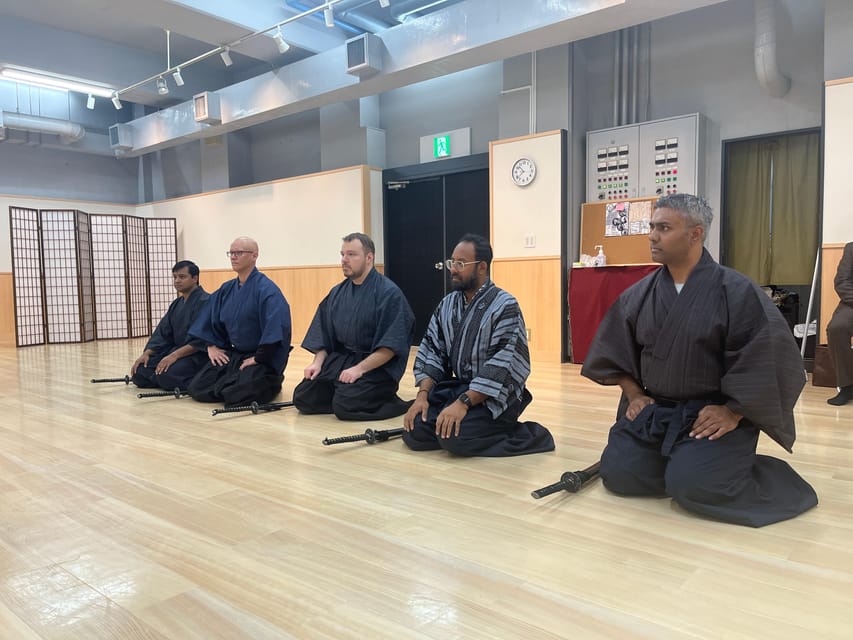
I would recommend this class to visitors who want something playful, active, and easy to fit into a Tokyo schedule. It is especially suitable for:
- Families with children aged 5 and older
- Couples looking for unusual photographs
- Small groups who enjoy theatrical activities
- First-time visitors curious about samurai culture
- People who want a one-hour activity near Harajuku
- International groups needing English, Japanese, or Chinese instruction
It may not suit you if you need step-free access, dislike dressing up, or want a serious study of Japanese swordsmanship. The basement location and wheelchair restriction are practical concerns, not minor footnotes.
The class can also work well as a break from shopping and sightseeing in Harajuku. After an hour of walking through Tokyo, doing something structured and physical can reset your day. Just do not arrive expecting a quiet historical lecture. This is an active workshop with a playful stage element.
Practical advice for making the hour count
Arrive early enough to find the red door and settle in. The walk from Kitasandou is shorter than the walk from Harajuku, but either route is manageable if you know where you are going.
Wear comfortable clothes that allow movement. Avoid treating the activity like a formal dinner or a long museum visit. You will be changing into a kimono and practicing stylized sword actions, so ease matters more than appearance.
If you are booking for a family, remember that children under 5 are not allowed. The information does not provide a special child price, so assume the listed $70 per person rate applies unless the booking page shows otherwise.
The class can be booked with no payment today, which helps if your Tokyo schedule is still shifting. You can also cancel up to 24 hours in advance for a full refund. Those terms are useful for a tightly planned trip, though you should still check the starting times before selecting a date.
Should you book the Samurai Experience in Harajuku?
Book it if you want a compact, friendly activity that combines costume, manners, sword movement, and photos. The strongest reasons are the small group size, the instructor’s stage and video background, and the way the lesson builds toward tachimawari and a final portrait.
Skip it if you want historical depth, extended martial arts practice, or wheelchair access. At $70, the value depends on enjoying the full package rather than counting minutes of instruction.
For most visitors, this is best treated as a memorable one-hour cultural activity, not a professional training session. If you bring comfortable clothes, arrive ready to participate, and accept the theatrical nature of the sword work, the class should give you a lively story and a few samurai moves to demonstrate back home.
FAQ
Where does the samurai experience take place?
It takes place at a dojo in Tokyo, near Harajuku. Enter through the red door and proceed to the second-floor basement.
How far is the dojo from the nearest stations?
The meeting point is about a five-minute walk from Kitasandou Station and an eight-minute walk from Harajuku Station.
How long does the experience last?
The experience lasts one hour.
How much does the experience cost?
The listed price is $70 per person.
What languages are available?
Instruction is available in English, Japanese, and Chinese.
What is included in the price?
The price includes an instructor, a samurai kimono, a samurai etiquette lesson, a samurai sword-fighting activity, and a photoshoot.
What should I bring?
Bring comfortable clothes suitable for changing into a kimono and practicing movements.
Can children join the activity?
Children can join as long as they are at least 5 years old. The activity is open to people of any age and gender above that minimum, provided they have the samurai spirit.
Can I cancel or pay later?
You can reserve now and pay later. Cancellation up to 24 hours in advance allows a full refund.
Just added in Tokyo
- A One-of-a-Kind Sushi Experience in a Special Place of Japan★ 5.0 · 15 reviews
- Tokyo Cute Bento Cooking Class – Make a Kawaii Character Lunchbox★ 5.0 · 126 reviews
- Japanese Home Cooking Class & Walk in Todoroki Temple Tokyo★ 5.0 · 88 reviews
- Japan Tokyo Tower Observatory Deck E-Ticket★ 4.0 · 34 reviews
- Catch a Baseball Game in Tokyo with a Local – Tickets Included★ 5.0 · 24 reviews
- JDM Experience with Fast&Furious RX-7 (English speaking Driver)★ 5.0 · 57 reviews
- Tokyo Private Day Tour by Car with English speaking Driver Guide★ 4.0 · 29 reviews
- Japan Classic 10 Day – One Life Adventures★ 5.0 · 129 reviews
Castles and Historic Sites, compared.


Imperial Palace and Shogun Historical Walking Tour
Read our review →
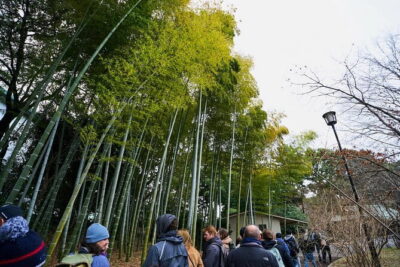
Tokyo Castle & Imperial PalaceーShogun Walking Tour
Read our review →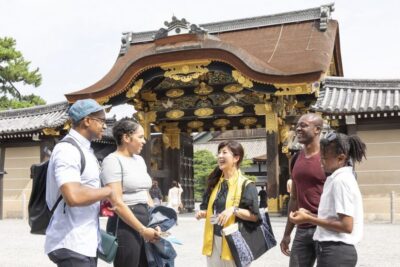
Nijo-jo Castle and Ninomaru Palace Guided Tour
Read our review →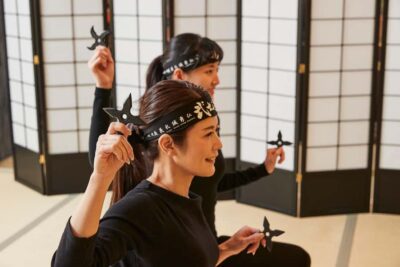
Samurai Ninja Museum Guided tour and Experience
Read our review →Browse the lists this tour appears in