
Reviewed · CASTLES AND HISTORIC SITES
Samurai Experience – Learn Bushido through Kendo, in Tokyo
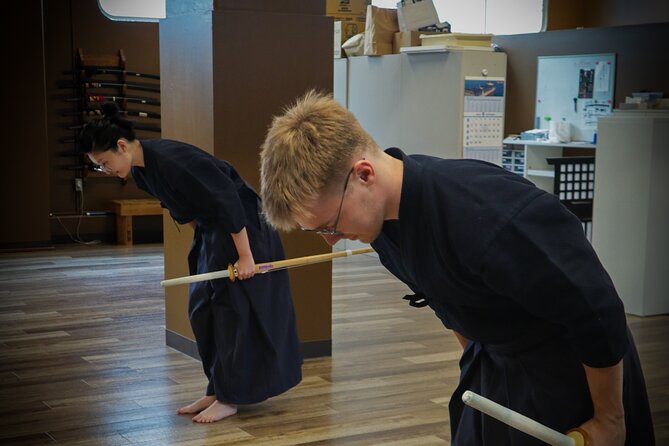
Bow before you ever swing. That simple start gives this two-hour Kendo Spirit session a different feel from a costume photo stop. I like the careful focus on etiquette and the clear teaching from instructors such as Daichi and Makoto. I also like that you work through footwork, sword handling, protective gear, and a match instead of simply watching a demonstration.
The main consideration is physical effort. Kendo equipment can feel warm, and the session includes repeated movement and sparring. At $103 per person, this is not a cheap souvenir activity, but the price covers instruction, clothing, a bamboo sword, drinks, photos and videos, and souvenirs. For anyone who wants a hands-on look at Japanese martial culture, the value is strong.
In This Review
- The essential details at a glance
- Why Kendo offers more than a sword photo
- Entering the dojo near Tokyo Station
- The first lesson: bowing, respect, and presence
- Footwork first, then the shinai
- Learning to hold and swing the bamboo sword
- Putting on protective gear and facing an instructor
- The final instructor demonstration
- What the $103 price includes
- Who should book this Kendo session?
- Small details that make the experience work
- FAQ
- Where is the Samurai Experience located?
- How long does the Kendo experience last?
- How much does the experience cost?
- Is the session taught in English?
- Do I need previous Kendo experience?
- What equipment is provided?
- Are photos and videos included?
- How many people are in the regular group?
- Can I book a private session?
- Should you book it?
The essential details at a glance
- Training begins with etiquette: You learn to bow, settle your mind, and show respect before touching the shinai.
- The lesson follows Ki, Tai, and Ken: Spirit, body, and sword are taught in that order, so beginners can understand how the parts fit together.
- You practice in a real dojo setting: The experience takes place at a sports center with a large training room and lockers.
- The group is limited to eight people: Small numbers allow the instructors to correct movements and keep the pace comfortable.
- A match brings the lesson to life: You may spar with a protected instructor, then watch the teachers face each other in a serious demonstration.
- You do not need prior experience: Most participants are beginners, and the class is taught in English and Japanese.
Why Kendo offers more than a sword photo
Kendo grew from Japanese sword traditions and carries the ideals of Bushido through disciplined practice. It is not simply a modern activity designed to entertain visitors. The point is to bring spirit, body, sword, and respect together in a controlled way.
That distinction matters. Many samurai-themed activities give you armor, a blade, and a quick photograph. Here, the equipment comes later. First you learn why bowing matters, how presence is expressed, and why a strike is more than an arm movement.
I especially like this order because it gives meaning to the physical exercises. When you learn to stand, step, and swing, you are not just copying a pose. You are learning a small part of the structure behind Kendo.
The session does not turn you into a samurai in two hours, of course. It gives you a beginner’s view of how Kendo trains attention and self-control. That is a more honest and useful promise.
More Castles and Historic Sites in Tokyo
- Tokyo: Imperial Palace and Shogun Historical Walking Tour
★ 5.0 · 2,251 reviews - Tokyo Castle & Imperial PalaceーShogun Walking Tour
★ 4.7 · 1,068 reviews - Tokyo: Samurai Ninja Museum Guided tour and Experience
★ 4.6 · 1,010 reviews
Entering the dojo near Tokyo Station
The dojo is within about 15 minutes of Tokyo Station, which makes this easy to add to a central Tokyo day. You do not need to plan a long trip across the city or give up half a day for transport.
The class is held in a sports center with a large training room. Lockers are available, which is useful when you are carrying shopping bags, a camera, or a daypack. The practical setting also helps the activity feel like training rather than a staged theater performance.
The group limit is eight people. That number is important because Kendo movements can look simple until you try them. A small class gives Daichi, Makoto, and the other instructors room to watch your foot placement and sword position.
You receive the Kendo clothing and equipment on site, including the bamboo sword called a shinai. You do not need to bring equipment or special clothing. Still, wear comfortable athletic clothes underneath and expect to work up a sweat. One participant specifically found the heat of the activity and protective equipment uncomfortable, while also noting that cold water and rest periods helped.
Alcohol and drugs are not allowed. The experience is also not suitable for pregnant women, babies under one year, or people over 95.
The first lesson: bowing, respect, and presence
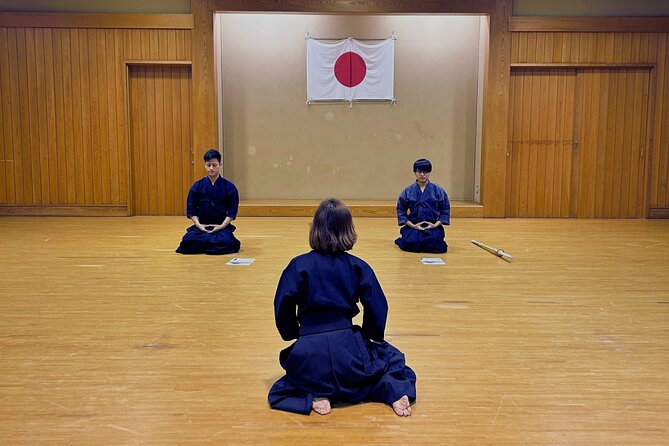
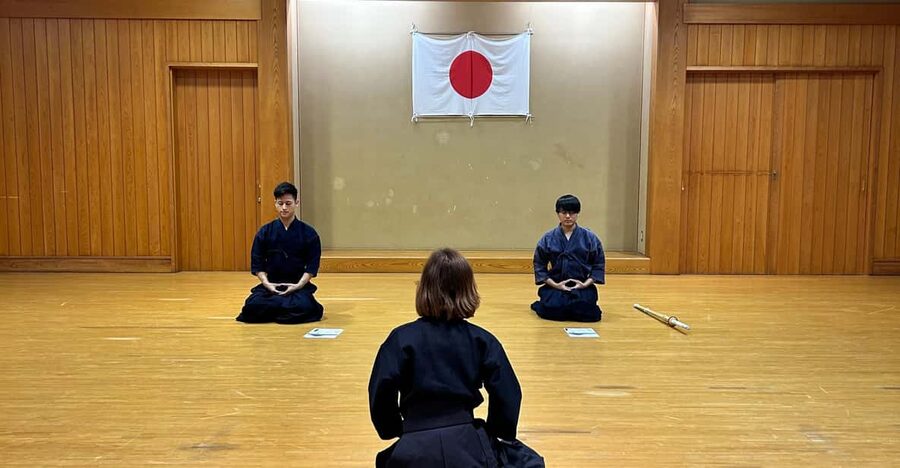
The class begins with etiquette. You calm your mind and bow before training. In Kendo, this is not just a polite greeting. It sets the tone for the practice and reminds you that the person in front of you is a training partner, not an enemy.
This may feel unfamiliar if your idea of a samurai experience begins with sword action. Give it time. The bow is the first clue that Kendo is built around discipline rather than aggression.
Next comes Ki, or spirit. The instructors show how a Kendo practitioner projects intent through concentration. The goal is not to look angry or shout for effect. It is to be present, alert, and ready.
The English instruction is a major help. Daichi’s teaching has been praised for being clear and easy to follow, and the class is conducted in English and Japanese. You can ask questions during the session, so you do not need to understand Japanese martial arts terms before arriving.
Footwork first, then the shinai
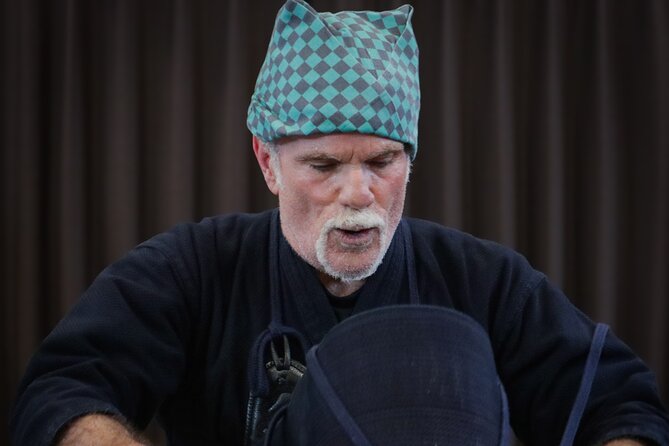
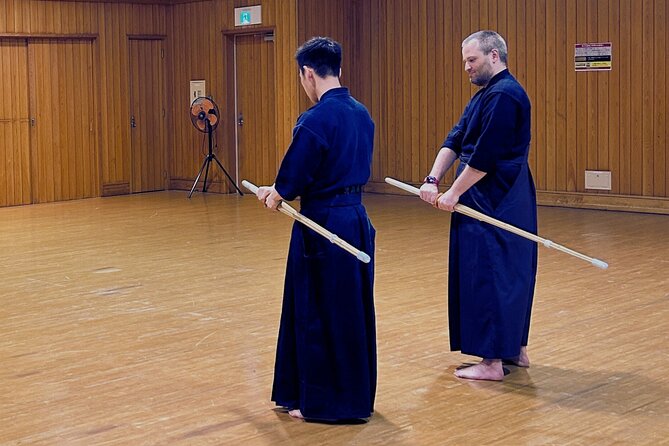
The next stage focuses on Tai, or body. You practice traditional footwork with attention to balance, grounding, and readiness. This is often harder than it looks. The sword gets most of the attention in photographs, but your feet control your position and timing.
The instructors add movements step by step. You learn how to stand, how to move forward, and how to combine steps with an attack. One detailed account of the lesson described learning the greeting, how to draw and fold the shinai, the main attack points, and the step technique before moving into combat practice.
This gradual structure works well for beginners. You are not thrown into a full-speed match at the start. The class builds one part at a time, which helps you understand what your arms and feet should be doing.
The pace is active, though. This is not a lecture with a token demonstration at the end. You can expect repeated practice, concentration, and enough movement to make comfortable sports clothing worthwhile.
A completely different kind of day out:
- Tokyo Disney Resort – Tokyo Disneyland & Tokyo DisneySea Park Tickets
★ 4.8 · 99,488 reviews - SHIBUYA SKY Ticket
★ 4.7 · 46,509 reviews - JR Whole Japan Rail Pass
★ 4.8 · 29,150 reviews - Mt Fuji and Hakone 1-Day Bus Tour Return by Bullet Train
★ 5.0 · 26,383 reviews
Learning to hold and swing the bamboo sword
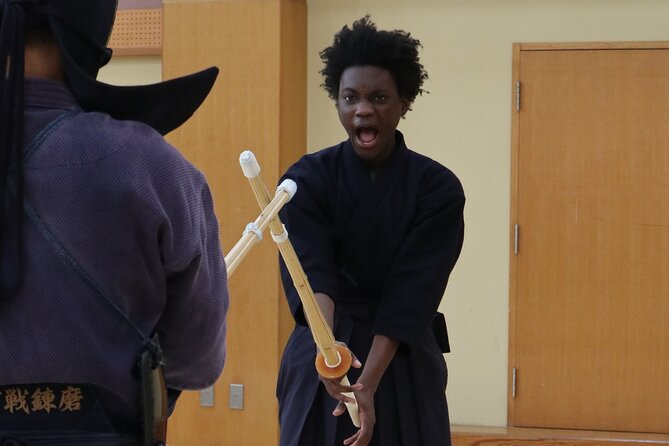
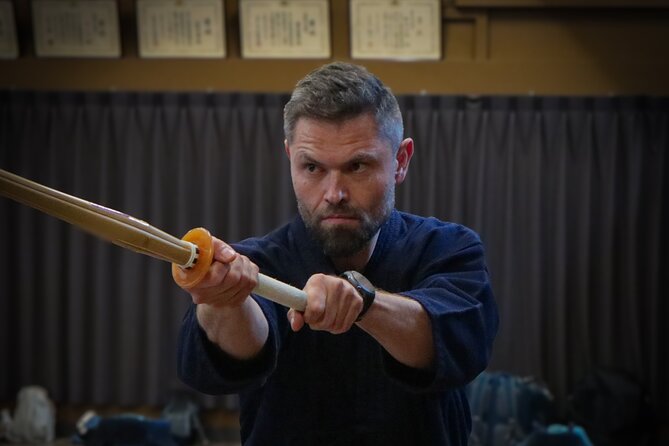
Only after the groundwork do you begin working with the shinai. The bamboo sword is lighter and safer than a metal blade, but it still requires control. You learn how to hold it, swing it, and keep it aligned with your body.
This is where Ki, Tai, and Ken begin to connect. A good strike is not just a strong swing. It depends on intent, posture, footwork, timing, and the correct movement of the sword.
The phrase Ki-Ken-Tai-Itchi describes this unity of spirit, sword, and body. The class gives you a physical way to understand the idea. You may hear the explanation first, but it makes more sense once you are trying to move your feet and sword together.
The instruction appears to be especially patient with first-time participants. The class is paced so that people with no martial arts background can take part. You will not leave with advanced technique, but you should leave knowing why the basic form matters.
Putting on protective gear and facing an instructor
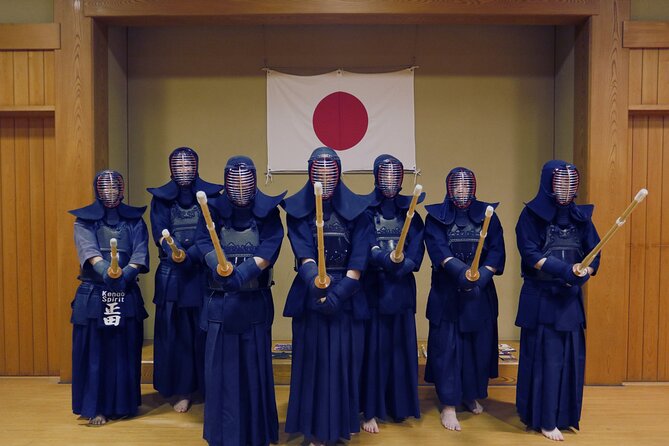
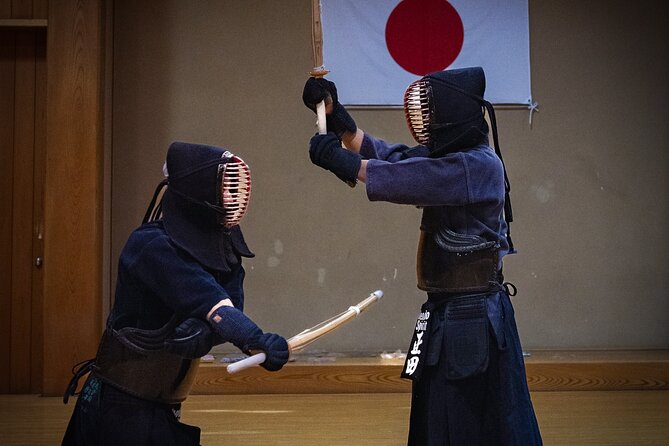
The most exciting portion comes when you put on the full Kendo protection. The armor changes the mood at once. You now have a better sense of the equipment used in actual practice, rather than simply holding a sword for a picture.
After rehearsing the movements, you face a protected instructor in a short match. Courageous participants may challenge a veteran teacher and feel the pressure of someone who knows exactly how to control distance and timing.
Do not worry about winning. The point is to apply the fundamentals and experience the focus of a Kendo encounter. One participant described freezing briefly when the sword was pointed at them, which gives you a fair warning: even a friendly beginner match can feel intense.
The instructors adjust the encounter for the group. A beginner should not expect a hard competitive bout. You are there to learn, try the movements, and feel how quickly concentration matters when another person is in front of you.
This is also the part that separates the experience from a basic samurai costume session. You are not asked to pretend. You are given a controlled taste of the discipline and pressure involved.
The final instructor demonstration
The class closes with a match between instructors. After you have tried the basic movements, the demonstration is easier to appreciate. You can see the difference between a beginner’s careful practice and the speed, accuracy, and control of experienced Kendo practitioners.
The demonstration is described as intense, but it is not presented as a theatrical sword fight. The value is in watching the instructors manage distance, timing, posture, and restraint.
For me, this is a smart ending. The class lets you participate first, then gives you a clearer view of the art at a higher level. You understand what the instructors were asking you to practice and why those small details matter.
The session finishes with another bow. That closing etiquette brings the class back to its starting point. You do not simply remove the armor and rush out. Respect remains part of the activity until the final moment.
What the $103 price includes
At $103 per person, the experience sits in the higher range for a two-hour Tokyo activity. Its value depends on what you want from your time in Japan.
The price includes:
- Two hours of Kendo instruction
- Kendo attire
- A bamboo sword, or shinai
- Drinks
- Souvenirs
- Photos and videos sent by email afterward
The photos and videos add real value. A staff member takes them during the session with your agreement, so you receive a record of the training rather than only a posed portrait. Some participants also received a certificate with a photo, though this should not be treated as a guaranteed inclusion unless confirmed when booking.
You are also paying for a small group and two instructors when the numbers allow it. That makes the lesson more personal than a large workshop. If you only want to wear armor and take pictures, the price may feel high. If you want instruction, movement, sparring, and cultural context, it is easier to justify.
The free drinks matter more than they may sound. Protective equipment and repeated movement can make the room feel warm, and water is useful during the rest periods.
Free cancellation up to 24 hours before the session and the option to reserve now and pay later make the booking less risky. Listed dates show the available starting times, and the provider may arrange other dates if you contact them.
Who should book this Kendo session?
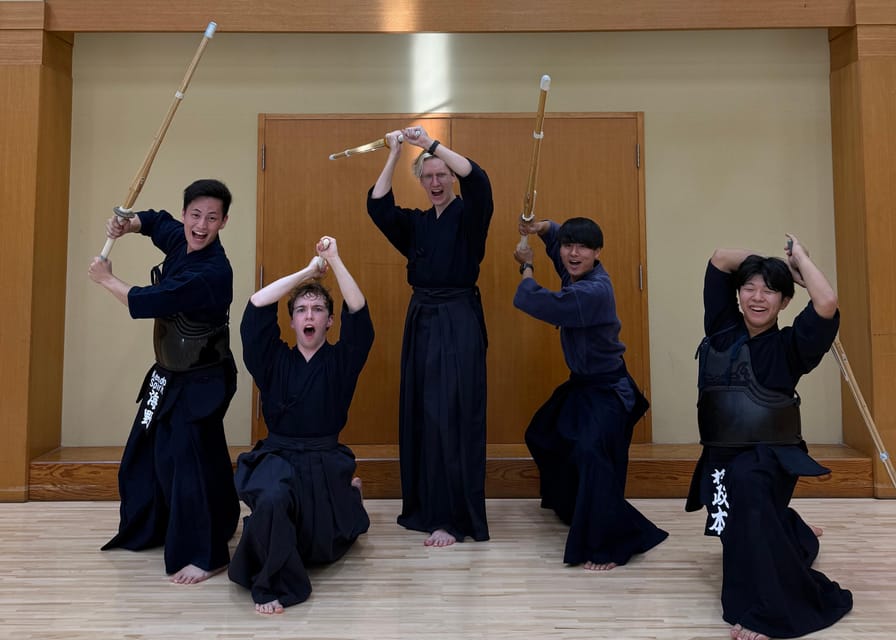
I would recommend it most strongly if you are curious about Japan beyond the usual landmarks and food tours. It suits people who value discipline, tradition, and participation more than quick entertainment.
It is also a good fit if you have an interest in:
- Japanese martial arts
- Samurai culture
- Sword technique
- Cultural practices explained in English
- Active experiences during a Tokyo visit
- A small group class with direct instruction
You do not need Kendo experience or a high level of fitness. Beginners make up most of the class, and the instructors build the lesson gradually.
That said, you should be willing to move, listen carefully, and accept correction. This is not a passive museum visit. You may sweat, feel awkward during the footwork, and find the armor warm.
Families can take part if the participants meet the stated age and suitability requirements. A parent and a 15-year-old have completed the two-hour session together, showing how the activity can work for older children and adults. The minimum and maximum participant details beyond the restrictions provided are not specified, so confirm before booking for a younger child.
Private sessions are available. You must request the Exclusive Private Session add-on before payment, with one add-on per group. Private bookings are only available on dates still showing eight open places.
Large groups can also be arranged with advance contact. The regular format remains limited to eight people, which is the better choice if you want close instruction.
Small details that make the experience work
The strongest part of this activity is the teaching. Daichi and Makoto are repeatedly praised for making the class friendly, clear, and fun while keeping the focus on proper Kendo. Their approach seems to balance seriousness with enough warmth that a first-timer can relax.
The second strength is the structure. You begin with the meaning of Kendo, learn etiquette, practice footwork, add the sword, put on armor, face an instructor, and watch a demonstration. Every stage prepares you for the next.
The third is the sense of purpose. You are not simply told that Bushido values respect and self-improvement. You practice a form of respect, control your body, and face the nerves that come with a match.
My main warning is to manage your expectations. Two hours is enough for a strong introduction, not mastery. The final match may feel intense, but it is still a beginner session. Also, the phrase samurai experience can suggest historical reenactment, while this is really a modern Kendo lesson connected to older samurai traditions.
FAQ
Where is the Samurai Experience located?
The dojo is in Tokyo on Honshu, within approximately 15 minutes of Tokyo Station.
How long does the Kendo experience last?
The session lasts two hours.
How much does the experience cost?
The listed price is $103 per person.
Is the session taught in English?
Yes. The experience is conducted in English and Japanese, and you can ask questions during the session.
Do I need previous Kendo experience?
No. Most participants are beginners with no prior martial arts experience.
What equipment is provided?
Kendo attire and a bamboo sword called a shinai are provided. You do not need to bring equipment.
Are photos and videos included?
Yes. The team takes photos and videos during the experience with your agreement and sends the data to you by email afterward.
How many people are in the regular group?
The experience is limited to eight participants.
Can I book a private session?
Yes. Request the Exclusive Private Session add-on before payment. Private sessions are available only on dates that still show eight available spots.
Should you book it?
Book this Kendo session if you want to do more than put on samurai armor for a photograph. The combination of etiquette, footwork, sword practice, protective gear, sparring, and an instructor demonstration gives you a clear introduction to why Kendo still matters in Japan.
Skip it if you want a quiet activity, dislike exercise, or are looking for a full historical reenactment. At $103, it asks more of your budget and your energy than a standard cultural photo stop.
For the right person, this is a memorable Tokyo experience: close to the city center, taught in English, beginner-friendly, and serious about respect without becoming stiff. Bring an open mind, wear clothes you can move in, and expect to leave with a better understanding of Bushido than a costume alone could provide.
Just added in Tokyo
- A One-of-a-Kind Sushi Experience in a Special Place of Japan★ 5.0 · 15 reviews
- Tokyo Cute Bento Cooking Class – Make a Kawaii Character Lunchbox★ 5.0 · 126 reviews
- Japanese Home Cooking Class & Walk in Todoroki Temple Tokyo★ 5.0 · 88 reviews
- Catch a Baseball Game in Tokyo with a Local – Tickets Included★ 5.0 · 24 reviews
- Japan Tokyo Tower Observatory Deck E-Ticket★ 4.0 · 34 reviews
- JDM Experience with Fast&Furious RX-7 (English speaking Driver)★ 5.0 · 57 reviews
- Tokyo Private Day Tour by Car with English speaking Driver Guide★ 4.0 · 29 reviews
- Japan Classic 10 Day – One Life Adventures★ 5.0 · 129 reviews
Castles and Historic Sites, compared.
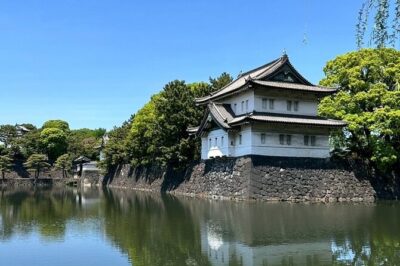
Imperial Palace and Shogun Historical Walking Tour
Read our review →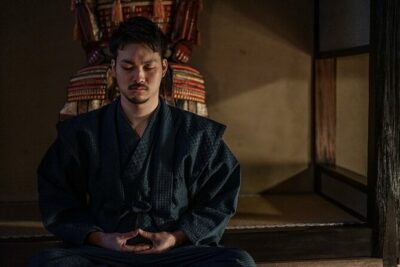
Tokyo Castle & Imperial PalaceーShogun Walking Tour
Read our review →
Nijo-jo Castle and Ninomaru Palace Guided Tour
Read our review →
Samurai Ninja Museum Guided tour and Experience
Read our review →Browse the lists this tour appears in