
Reviewed · COOKING CLASSES
Sushi Cooking Class at Sushi Factory -KIWAMI- Mt.Fuji
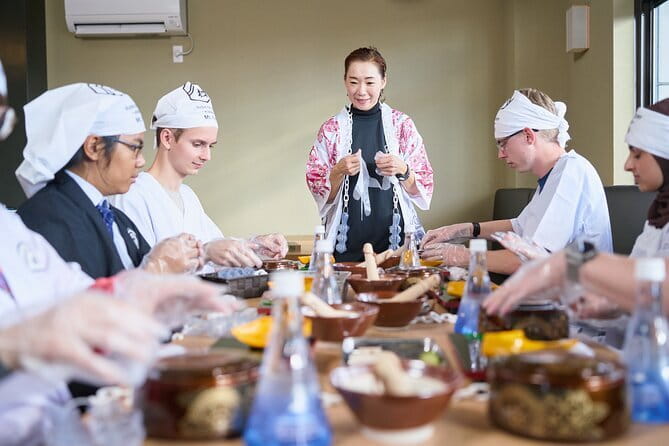
Sushi gets playful here. At Sushi Factory KIWAMI near Mt. Fuji, you learn to shape several classic sushi styles while solving food-themed puzzles and small creative challenges. I like the hands-on sushi making, especially the chance to prepare Temari, Gunkan maki, Nigiri, and Temaki sushi. I also like the fresh domestic wasabi, which you grate yourself rather than simply receiving as a ready-made condiment.
The main caution is the price: $141.84 per person is a lot for a 90-minute activity. The puzzle missions and decorative sushi projects add fun, but they may feel gimmicky if you want a quiet, traditional cooking lesson. One low-rated experience described the activity as overpriced and not cultural enough, while the overall score remains very high at 4.9 out of 5.
In This Review
- Key points to know before booking
- What the Sushi Factory KIWAMI experience is really about
- Starting at Ramen Factory Mt. Fuji
- Shaping four types of sushi
- Grating fresh domestic wasabi
- Solving sushi puzzles and building a decorative boat
- Where the cultural value begins and ends
- Is $141.84 a fair price?
- Who will enjoy this most
- Practical planning for the 90-minute class
- My verdict on Sushi Factory KIWAMI
- FAQ
- Where does the Sushi Cooking Class at Sushi Factory KIWAMI take place?
- How long does the activity last?
- Does the activity begin and end at the same place?
- Is transportation included?
- Is the meeting point near public transportation?
- What types of sushi will I make?
- Will I prepare fresh wasabi?
- Does the class include food?
- How many people can join the activity?
- Can I cancel for a full refund?
Key points to know before booking
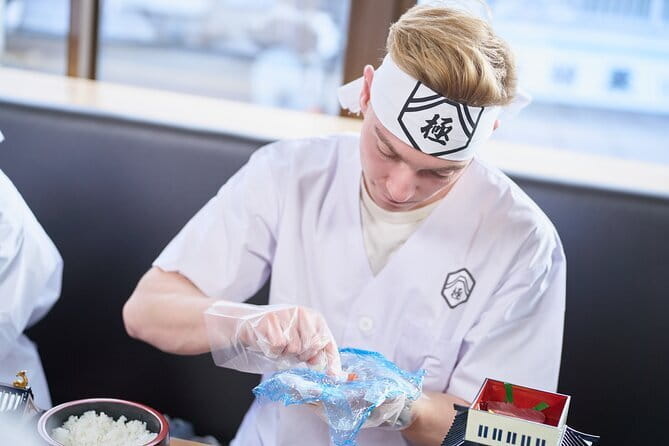
- Four sushi styles in 90 minutes: You make Temari, Gunkan maki, Nigiri, and Temaki sushi in one compact lesson.
- Fresh domestic wasabi: You grate wasabi yourself and use it with your sushi.
- Puzzle missions: The class adds playful challenges, including sushi pearls and a decorative sushi boat.
- Mt. Fuji area setting: You get views of the local area while working with your hands.
- Small maximum group: The class accepts no more than 15 people, which helps keep the activity manageable.
- Lunch and dinner included: The listed price includes both meal categories, along with fees and taxes, though the exact serving arrangement is not specified.
What the Sushi Factory KIWAMI experience is really about
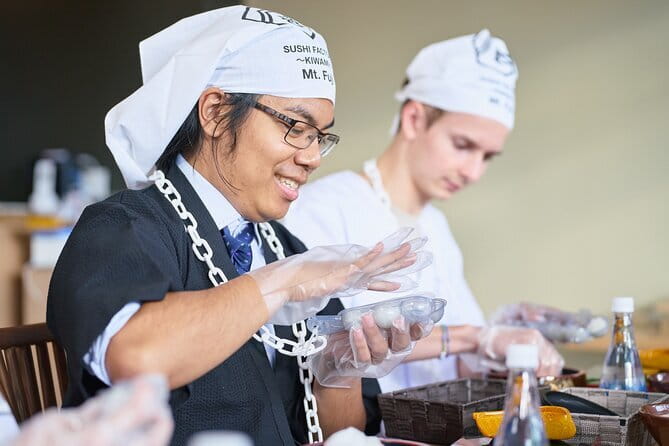
This is not just a lesson in how to roll rice and fish. It combines a short cooking class with a puzzle game, so you move between practical food preparation and playful tasks.
That mix will suit you if you enjoy activities with a clear goal. You are not simply watching an instructor prepare sushi. You are expected to shape, assemble, grate, build, and solve. The result is closer to a culinary workshop with a game layer than to a formal cooking school.
The setting adds another reason to consider it. You work in the Fujikawaguchiko area, with views of the local surroundings and Mt. Fuji as part of the appeal. The information provided does not promise a clear mountain view at every moment, so I would treat the scenery as a welcome feature rather than the sole reason to book.
The class lasts about 1 hour and 30 minutes. That is long enough to try several sushi forms, but short enough to fit beside other Mt. Fuji activities. You should not expect a full lesson in Japanese cuisine or a long meal. This is a compact introduction built around making and playing.
More Cooking Classes in Fujikawaguchiko machi:
- Ramen Cooking Class at Ramen Factory in Mt.Fuji
★ 5.0 · 101 reviews - Ramen Cooking Class at Lake Kawaguchiko (Short Course)
★ 5.0 · 42 reviews - Fujisan Sushi Making Lesson
★ 5.0 · 16 reviews
Starting at Ramen Factory Mt. Fuji
The meeting point is Ramen Factory Mt. Fuji, at 3487-15 Funatsu, Fujikawaguchiko, Minamitsuru District, Yamanashi 401-0301, Japan. The activity begins and ends at this same location.
That fixed start and finish makes the class simple to fit into your day. You do not need to arrange a separate drop-off at the end. Transportation is not included, so you must make your own way to the meeting point. The location is near public transportation, which is useful if you are not traveling by car.
You will want to arrive with enough time to locate the venue. The supplied details do not state a hotel pickup service, private transfer, or transport between different sites. Plan on the meeting point being your responsibility from the start.
The maximum group size is 15 people. That is not a private class, but it is still a modest cap for a hands-on activity. A smaller group matters here because you are handling food and following several stages of instruction. It should also make it easier to see what is happening than in a large coach-style tour.
Shaping four types of sushi
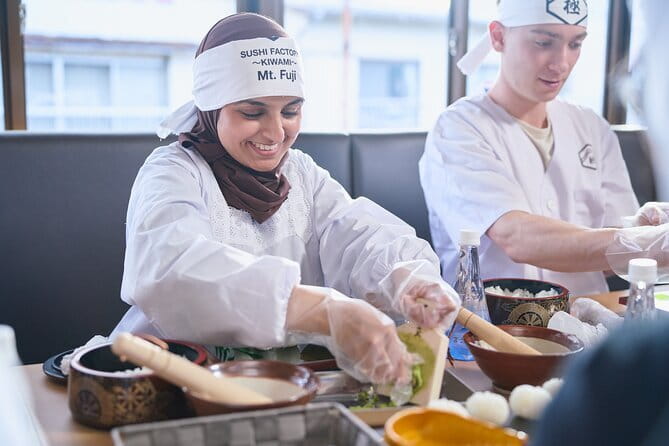
The strongest part of the experience is the sushi preparation itself. You make four different styles, each with a different shape and method.
Temari sushi is round and decorative. It gives you a chance to focus on neat shaping rather than the long, even form associated with a standard roll. This is a good starting point because the finished pieces can look polished even when your technique is new.
Gunkan maki has a different structure. The seaweed forms a wall around the rice, creating a small cup-like shape for toppings. You learn how sushi can be built vertically, not only rolled or pressed.
Nigiri sushi brings you to the familiar hand-pressed form. Here, the balance between rice and topping matters. It is a simple-looking piece, but shaping rice evenly takes more care than it first appears.
Temaki sushi is hand-rolled into a cone. This style feels more relaxed and allows you to assemble sushi in a less rigid format. It is also a useful contrast with Nigiri, since you are building a larger shape rather than pressing a small piece.
The class does not present these forms as a lecture alone. You create them yourself, which gives the lesson practical value. I find that food culture makes more sense when you handle the ingredients and see how small changes in shape affect the final result.
The available information does not list every fish, topping, or ingredient. You should therefore avoid booking with the expectation of a particular seafood selection unless the provider confirms it directly.
Grating fresh domestic wasabi
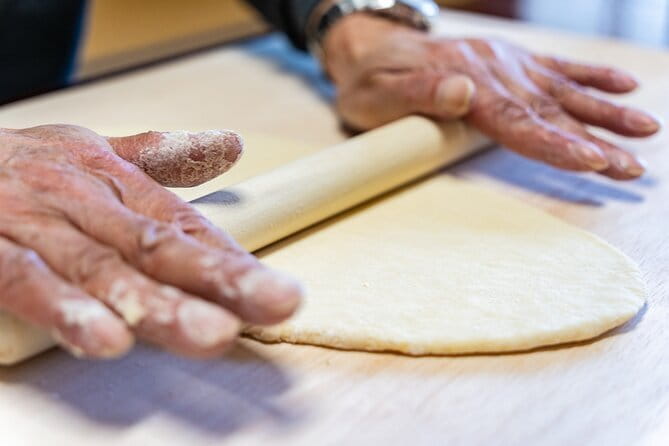
The wasabi portion adds a small but worthwhile connection to Japanese food traditions. Instead of using only prepared paste, you grate fresh domestic wasabi for your sushi.
That matters because wasabi is often treated as a bright green side item outside Japan. Here, you get to work with the ingredient itself and add it to your own creations. The process gives you a better sense of how seasoning affects sushi, even though the activity does not claim to be a full lesson in wasabi production or regional agriculture.
You should also keep your expectations sensible. Fresh wasabi is one special element within the class, not the entire focus. The experience includes several sushi forms and puzzle tasks, so this is a tasting and preparation feature rather than a dedicated wasabi workshop.
A few more options to weigh up in Fujikawaguchiko machi
- Mt Fuji Area Private Guided Tours in English-Nature up close, quiet, personal
★ 5.0 · 288 reviews - Explore Mt. Fuji Ice Cave in Aokigahara Forest
★ 5.0 · 243 reviews - Private guided hidden gems tour by local English speaking driver
★ 5.0 · 142 reviews - Early Morning Kayaking With Views of Mt Fuji at Lake Kawaguchiko
★ 5.0 · 69 reviews
Solving sushi puzzles and building a decorative boat
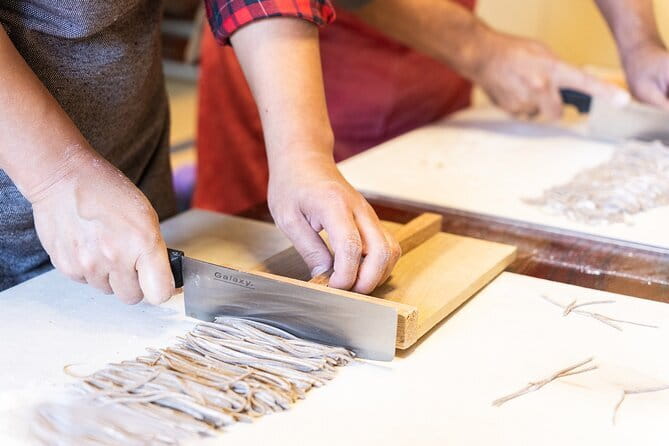
The class takes an unusual turn with its sushi missions. You may be asked to create sushi pearls, complete food-related puzzles, and build a decorative sushi boat.
These challenges are the clearest sign that this activity is designed for entertainment as much as instruction. If you like a bit of friendly pressure and enjoy making food look unusual, the puzzle format can make the short class feel active. It also gives families and mixed-age groups a shared task beyond simply copying an instructor.
The decorative boat is especially different from a standard sushi lesson. You are not only learning a traditional form. You are arranging sushi as part of a visual project. That can be fun for photographs and group participation, though it may not appeal to someone seeking a serious study of sushi technique.
One important question is how much time the puzzles take away from cooking. The class has only 90 minutes, and it includes several sushi styles, wasabi preparation, meal service, and challenges. I would view the puzzles as part of the main product, not an optional extra. If you want maximum time on knife work, rice preparation, or fish handling, this may not be the right class.
Where the cultural value begins and ends
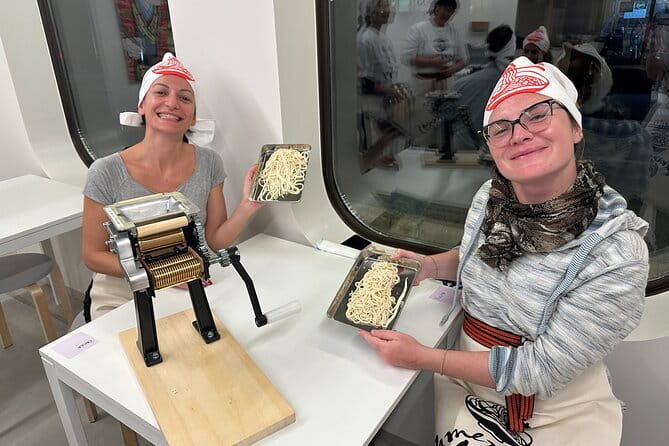
You do receive a real introduction to recognizable Japanese sushi forms. You work with Temari, Gunkan maki, Nigiri, and Temaki, and you grate domestic wasabi. Those details give the activity a clear Japanese food focus.
Still, the lesson is not designed as a quiet, old-school apprenticeship. It uses games and creative construction to keep the pace lively. That is why the experience can feel culturally interesting to one person and too gimmicky to another.
I would describe it as culture through participation, not a deep history lesson. You learn by making food, seeing different shapes, and using a traditional condiment. You do not receive, based on the available information, a long explanation of sushi history, fish sourcing, rice cultivation, or regional cooking customs.
This distinction helps with the booking decision. If you want an accessible introduction that gives you something to do with your hands, the format makes sense. If you want a serious culinary seminar, the entertainment features may get in the way.
Is $141.84 a fair price?
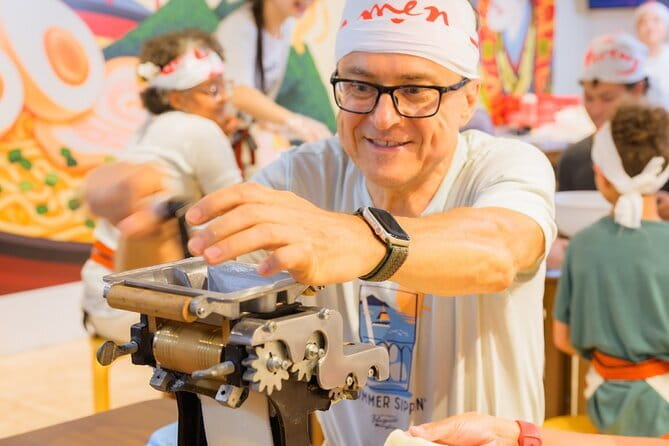
At $141.84 per person, this is a premium short activity. The cost includes lunch, dinner, all fees, and taxes, but the exact difference between the included lunch and dinner wording is not explained. I would confirm what meal service means before booking if the food portion is central to your budget.
The price makes more sense when you count the full package: instruction, multiple sushi styles, fresh wasabi preparation, puzzle missions, a decorative food project, and the Mt. Fuji area setting. You are paying for a structured experience, not simply for a plate of sushi.
The value is weaker if you measure the booking by time alone. Ninety minutes is brief, and a person interested mainly in eating sushi could likely find a less expensive meal. The premium is justified only if you want the activity, the guided making, and the unusual puzzle format.
I would also consider how much of your day you want to spend on organized entertainment. Because the class starts and ends at one location, it can fit neatly between other plans. That convenience has value, especially in a busy Mt. Fuji itinerary, but transportation to the venue remains your responsibility.
Who will enjoy this most
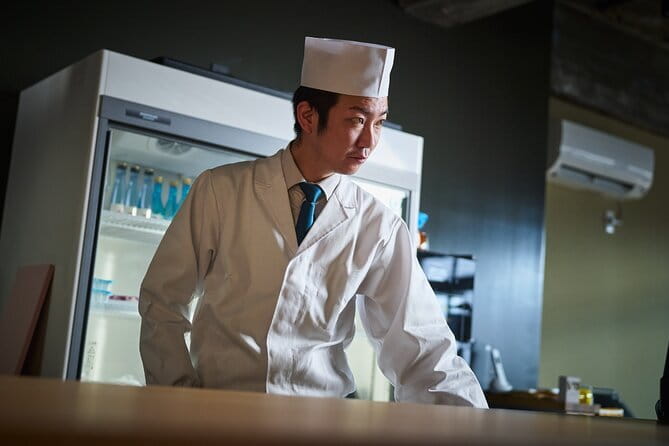
I would recommend this class most strongly to families, couples, and first-time visitors who want a light introduction to sushi. You get a clear sequence of tasks, several finished sushi styles, and a shared activity that does not require advanced cooking skills in the information provided.
It also suits people who enjoy taking photos of food or making decorative dishes. The sushi pearls and boat project give you something more unusual than a standard roll-making lesson.
Couples may find the format appealing for a special occasion because you can work on creative tasks together. But the price deserves attention. A low-rated account described choosing the class for a wedding anniversary and liking the sushi making while finding the overall experience too expensive and too gimmicky. That is useful guidance: do not book it expecting an intimate, refined dinner.
You may want to skip it if your main goal is authenticity in the strictest sense. The activity uses Japanese food traditions, but the puzzle missions are a modern entertainment layer. You may also want to skip it if you dislike timed challenges, group activities, or playful presentation.
Practical planning for the 90-minute class
The class is confirmed at the time of booking, and a mobile ticket is provided. Keep the ticket available on your phone when you reach the meeting point.
Since the class ends where it begins, you can plan your next activity from the same area. The details do not provide a separate return transfer, so you should arrange your onward route before arriving.
The class accepts a maximum of 15 people. That limit is helpful, but it does not mean you will receive a private lesson. You should expect to share the activity with other participants.
The cancellation policy is flexible if you act early. You can receive a full refund when you cancel at least 24 hours before the local start time. A cancellation or change made within 24 hours is not accepted for a refund.
Because the activity is popular enough to be booked an average of 25 days ahead, I would not leave it until the last minute if your schedule is fixed. That booking pattern does not guarantee that every date fills, but it does suggest that advance planning is sensible.
My verdict on Sushi Factory KIWAMI
I like this experience for its clear strengths: you make four recognizable sushi styles, grate fresh domestic wasabi, and take part in food puzzles with Mt. Fuji area views. The high 4.9 rating from 23 ratings and 96 percent recommendation figure support the idea that the format works very well for most people.
The price is the sticking point. At $141.84, you need to want the complete entertainment package, not just the meal. You should book if you enjoy hands-on cooking, playful challenges, and a short activity that feels different from a normal restaurant visit.
You should pass if you want a traditional, serious sushi lesson or if the cost feels too high for 90 minutes. My advice is simple: choose this for fun with a Japanese food theme, not for expert culinary training. That expectation will give you the best value.
FAQ
Where does the Sushi Cooking Class at Sushi Factory KIWAMI take place?
The meeting point is Ramen Factory Mt. Fuji, 3487-15 Funatsu, Fujikawaguchiko, Minamitsuru District, Yamanashi 401-0301, Japan.
How long does the activity last?
The class lasts approximately 1 hour and 30 minutes.
Does the activity begin and end at the same place?
Yes. The activity ends back at the meeting point.
Is transportation included?
No. Transportation service is not included.
Is the meeting point near public transportation?
Yes. The meeting point is near public transportation.
What types of sushi will I make?
You will make Temari sushi, Gunkan maki, Nigiri sushi, and Temaki sushi.
Will I prepare fresh wasabi?
Yes. You will grate fresh domestic wasabi and use it with your sushi creations.
Does the class include food?
Yes. Lunch and dinner are listed as included, along with all fees and taxes.
How many people can join the activity?
The maximum group size is 15 people.
Can I cancel for a full refund?
Yes, if you cancel at least 24 hours before the experience start time. Cancellations or changes made less than 24 hours before the start time are not refunded.
Just added in Fujikawaguchiko machi
- Cute & Fun E-Car tour following guide around Lake Kawaguchiko★ 5.0 · 54 reviews
- Ramen Cooking Class at Lake Kawaguchiko (Short Course)★ 5.0 · 42 reviews
- Early Morning Kayaking With Views of Mt Fuji at Lake Kawaguchiko★ 5.0 · 69 reviews
- Private Local Hiking to enjoy the nature and culture of Mt.Fuji★ 5.0 · 22 reviews
- Fujisan Sushi Making Lesson★ 5.0 · 16 reviews
- Ramen Cooking Class at Ramen Factory in Mt.Fuji★ 5.0 · 101 reviews
- Hidden Fuji drive tour with a Local English speaking guide★ 5.0 · 43 reviews
- Mt. Fuji Five Lakes Area Private Tour with Licensed Guide(Kawaguchiko area Dep)★ 5.0 · 55 reviews
Cooking Classes, compared.
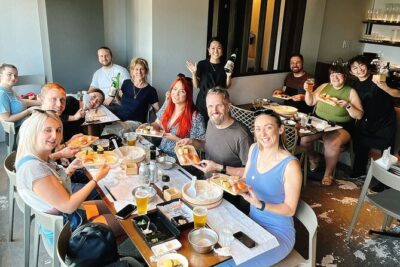
Sushi Making Tokyo Roll and Authentic Japanese Sushi Class
Read our review →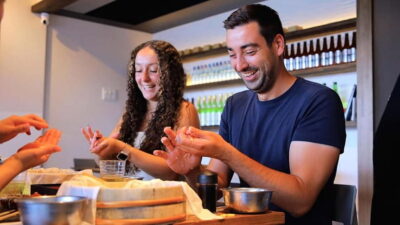
Roll and Authentic Sushi Making Class in Asakusa
Read our review →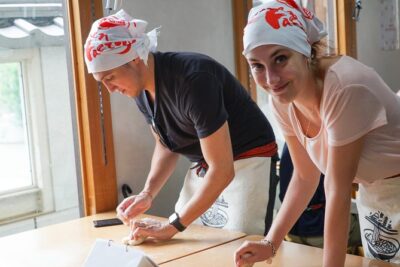
Ramen Cooking Class at Ramen Factory in Kyoto
Read our review →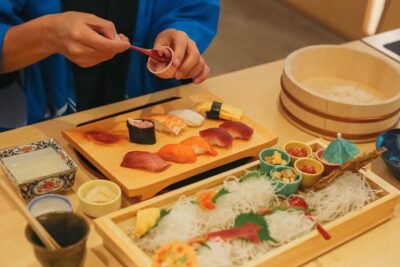
Sushi Making Class in a Happi Coat near a Famous Spot
Read our review →
Sushi Making Osaka Roll and Authentic Japanese Sushi Class
Read our review →
Tokyo Sushi Making Class in Tsukiji with Professional Chef
Read our review →
Ramen & Gyoza Cooking Class in Tokyo with Local Supermarket Visit
Read our review →Browse the lists this tour appears in