
Reviewed · WORKSHOPS
Tokyo: Chopstick-Making Workshop & Japanese Cultural Experience
Wood shavings, hand tools, and a block of natural timber make a pleasing change from Tokyo’s shops and screens. In this one-hour workshop, you shape and smooth your own chopsticks, with staff guiding each step and explaining their cultural meaning.
I like two things in particular: you get to choose from more than 10 kinds of wood, and you leave with a useful souvenir you made yourself. The main catch is price creep: standard wood is included, but premium wood and engraving cost extra, so check what your chosen package covers.
In This Review
- What makes this chopstick workshop worth an hour
- A hands-on pause from Tokyo sightseeing
- Choosing wood, then shaping your pair
- Learning what chopsticks mean in Japan
- Taking home a souvenir you made
- One hour on paper, longer with a family
- Picking the right Tokyo branch
- What the starting price really buys
- Who will enjoy it most
- Should you book this chopstick workshop?
- FAQ
- How long does the chopstick-making workshop take?
- What is included in the standard package?
- Can I choose the type of wood?
- Can I have my name engraved on the chopsticks?
- Which Tokyo locations are available?
- Is there an age limit?
What makes this chopstick workshop worth an hour
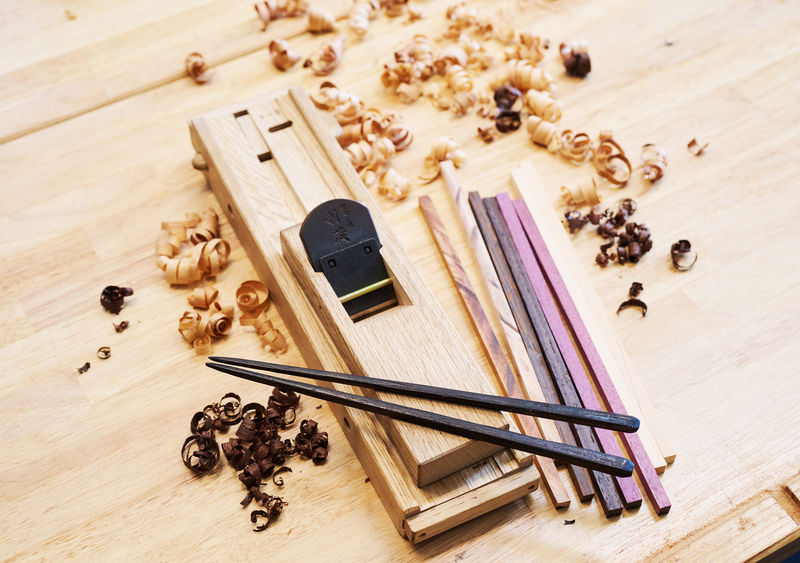
- You make the chopsticks yourself: Shape and smooth the wood with traditional tools, following step-by-step guidance from workshop staff.
- Wood choice is part of the fun: More than 10 types are offered, though some are premium upgrades.
- The souvenir earns its place in your bag: Your finished chopsticks are yours to take home, wrapped and ready to use or give away.
- You get cultural context, not just a craft: The staff explain the role of chopsticks in Japan as you work.
- It suits families and first-timers: There is no age limit, and instructors have helped children as young as six.
- Choose your neighborhood carefully: Ginza, Shinjuku, Shibuya, and Asakusa locations are offered, but confirm the exact branch on your booking.
A hands-on pause from Tokyo sightseeing
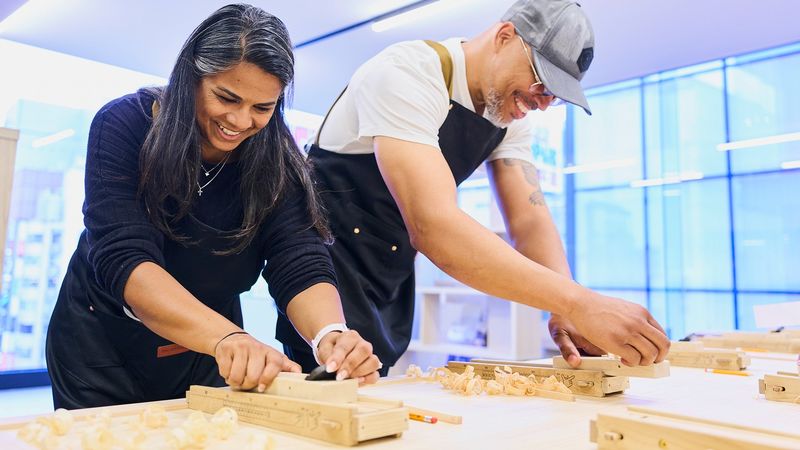
Tokyo can fill a day with temples, department stores, train changes, and bright signs. This workshop gives you a quieter hour, with a practical task and a small piece of Japanese craft to take home. You are not just watching someone demonstrate a skill. You choose the wood, work it into shape, and finish a pair of chopsticks with help from the staff.
That distinction is what makes the activity feel more personal than buying a souvenir. A pair of chopsticks is an everyday object in Japan, and learning a little about its cultural significance while making your own gives the object more meaning. You leave with something you can use at home, not another trinket that may end up in a drawer.
The workshop is suitable for couples, friends, families, and solo visitors. You do not need prior woodworking experience. Staff explain the steps and stay on hand to help, which matters when you are learning to shape a narrow, balanced pair by hand.
A few more options to weigh up in Tokyo
- Tokyo Disney Resort – Tokyo Disneyland & Tokyo DisneySea Park Tickets
★ 4.8 · 99,488 reviews - SHIBUYA SKY Ticket
★ 4.7 · 46,509 reviews - JR Whole Japan Rail Pass
★ 4.8 · 29,150 reviews
Choosing wood, then shaping your pair
The session begins with a choice of natural wood. There are more than 10 kinds, and the different grains and colors can make this decision surprisingly hard. A few instructors named by participants include Junko, Miri, Hitoshi, Mizuki, Asuka, Taiga, and Kokoro. The names are useful to know, but staff assignments can vary by date and branch.
Standard wood is included in the basic option. Some types cost extra, so do not assume that every wood on display is part of the starting price. If you mainly want the making experience, the standard selection offers the best value. If a particular wood appeals to you as a keepsake, you can decide whether the upgrade is worth it once you know its cost.
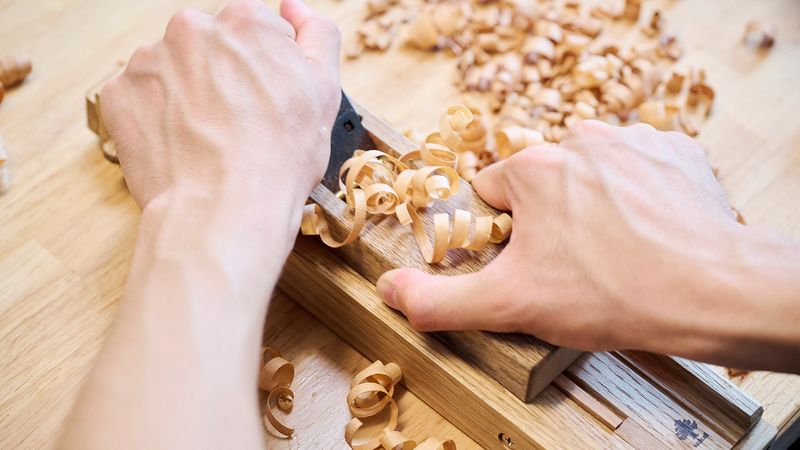
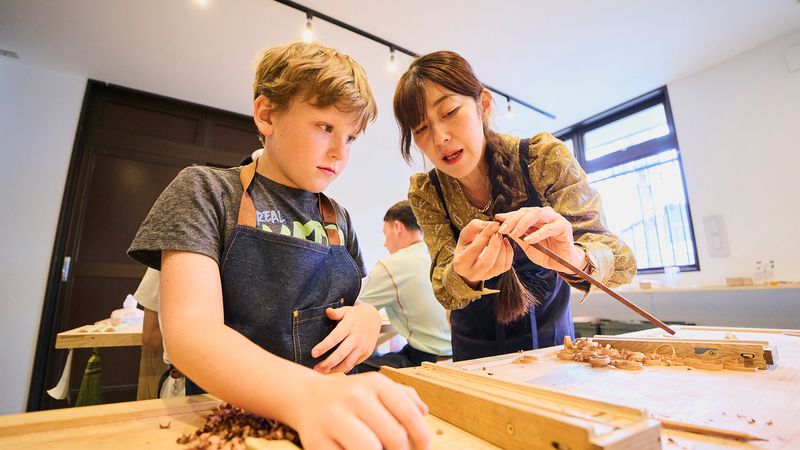
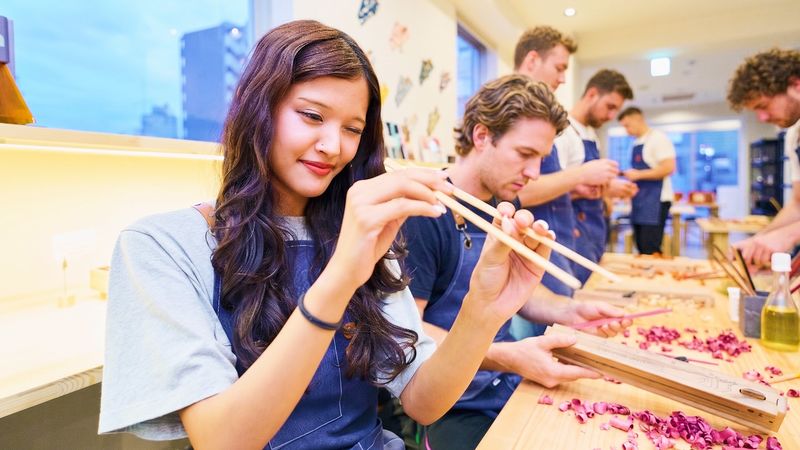
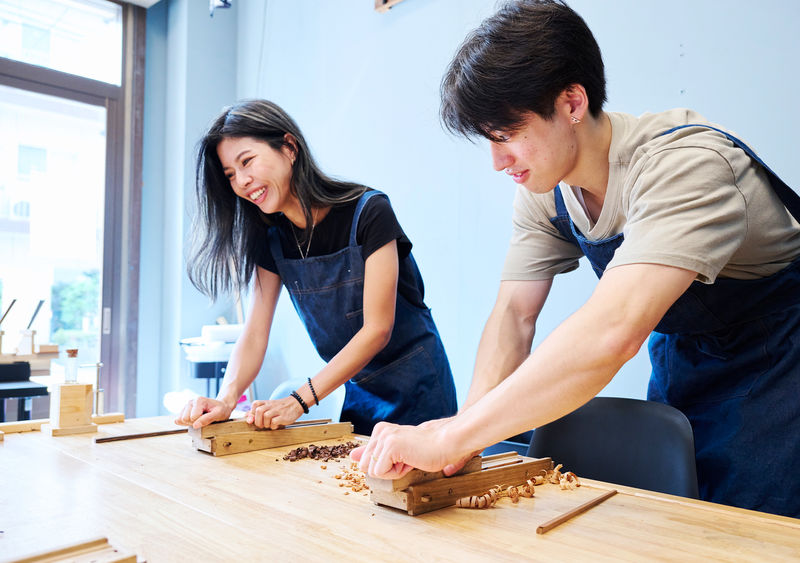
With your wood chosen, staff show you how to shape it using traditional tools. You shave the material carefully, then smooth the surface until the chopsticks feel finished. It is a simple process to follow, but not necessarily effortless: one participant found shaving the wood harder than expected. That is part of the appeal. You are doing the work, rather than pressing a button and watching a machine do it for you.
Clear instruction makes the task approachable. Staff walk you through the process, help correct your technique, and answer questions. English-speaking and Japanese-speaking guides are included, and participants have described staff as patient and easy to communicate with. The workshop’s teaching style appears especially useful for families, where younger children may need a little extra assistance getting started.
Learning what chopsticks mean in Japan
The craft is only part of the session. As you work, staff explain the cultural meaning of chopsticks in Japan and share information about the wood. That context helps you see the object as more than a utensil. It is a small, familiar item with a place in daily life, and making one by hand gives you a reason to pay closer attention to its shape and finish.
The tone seems conversational rather than formal. Some participants have enjoyed chatting with instructors about Japan and their own travels while they work. If you like a cultural activity that leaves room for questions and conversation, this is a better fit than a quick demonstration where you simply watch and move on.
Do keep your expectations in proportion. This is a short craft workshop, not a long lesson in Japanese woodworking or an in-depth cultural course. You get a hands-on introduction and a few useful details, then take your finished work with you. For an hour between sightseeing stops, that balance makes sense.
Taking home a souvenir you made
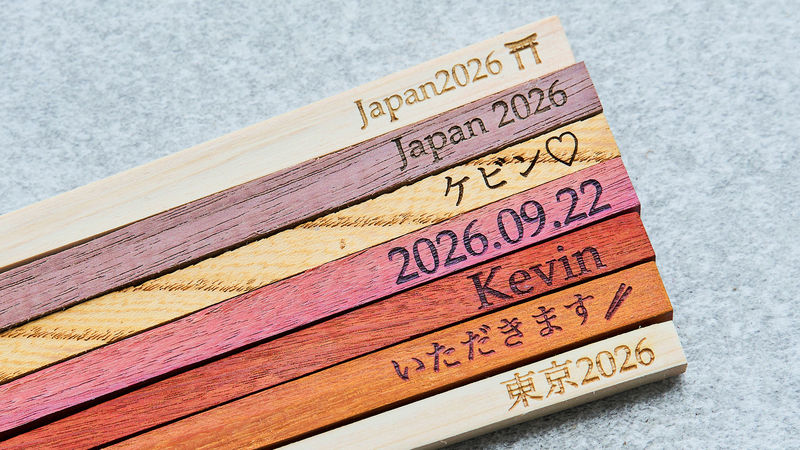
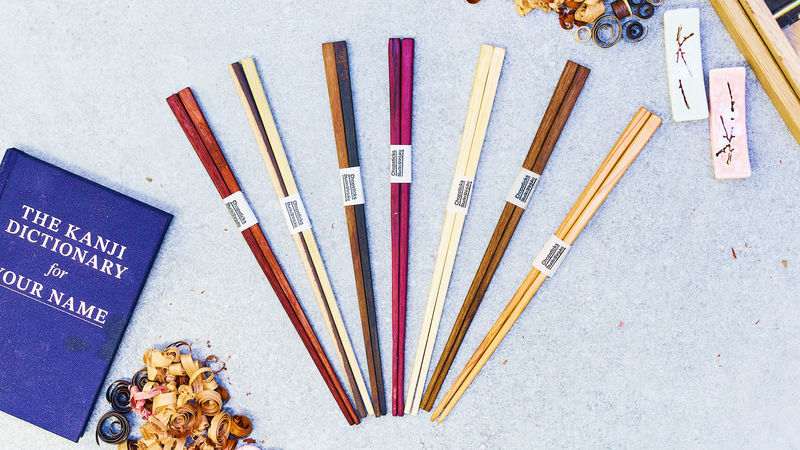
At the end, you take home your handmade chopsticks, beautifully wrapped and ready to use or give as a gift. The souvenir is useful, personal, and tied to an activity you can remember. That combination gives it more staying power than a mass-produced item picked up on the way back to the hotel.
You can also add a name engraving for an extra charge. Engraving may be available in English or kanji, and it can make a pair feel more individual. But this is an optional add-on, not part of the standard inclusion. If you are watching your spending, skip it and put the money toward dinner or another Tokyo experience.
A few participants chose both premium wood and engraving and liked the result, while others pointed out that these upgrades add up. My practical advice: decide what matters most before you arrive. If your priority is trying the craft, stick with the included wood. If you want a more customized gift, ask the staff to explain the upgrade costs before committing.
A completely different kind of day out:
- Mt Fuji and Hakone 1-Day Bus Tour Return by Bullet Train
★ 5.0 · 26,383 reviews - TOKYO SKYTREE® Ticket
★ 4.7 · 25,136 reviews - teamLab Borderless Tickets: MORI Building DIGITAL ART MUSEUM
★ 4.7 · 24,126 reviews - teamLab Planets TOKYO Ticket
★ 4.7 · 21,663 reviews
One hour on paper, longer with a family
The stated duration is one hour, and that is a reasonable way to plan for the core workshop. But a family or group may need more time, especially if everyone wants to compare wood, ask questions, and add engraving. One family advised allowing at least two hours; that is a sensible cushion if your schedule is tight or you are bringing children.
There is no age limit, and families with children have taken part. Instructors have helped a six-year-old get started, and one family group ranged from nine to 35. Still, a no-age-limit policy does not mean every child will want to focus on careful shaping for the whole session. Consider your child’s interest in hands-on tasks, and give yourself breathing room rather than scheduling a hard-to-miss train or attraction immediately afterward.
Groups can take part together, too. A group of six enjoyed the activity, and staff have been described as attentive when helping several people. The workshop is an intimate craft activity rather than a large tour, so the pace may depend on how many people are working and how much guidance they need.
Picking the right Tokyo branch
The activity is offered in Ginza, Shinjuku, Shibuya, and Asakusa. That choice can help you fit the workshop into a day near the neighborhood you already plan to visit. Package names also include all-inclusive options for each branch, but the exact inclusions can vary, so compare the package details rather than relying on the label alone.
Pay close attention to the meeting point on your selected booking. The supplied details identify Chopsticks Studio Ginza at 1F Kusumoto No. 17 Building, 1-14-12 Ginza, Chuo-ku, as the meeting and return point for the Ginza option. The activity information also gives a Shinjuku location and lists Shibuya and Asakusa choices. These are separate branch options, not one shared meeting address. Check your confirmation and go to the location attached to your chosen package.
Departure times are offered in half-hour increments, from 9:00 a.m. to 6:30 p.m., depending on availability and the package selected. Choose a time that leaves space around the workshop, especially if you are visiting with children or want an engraving. The voucher is valid only for the date and time you booked, so a casual late arrival is not a good plan.
What the starting price really buys
The advertised starting price is from $6.35, which is low for a guided activity in central Tokyo. The basic package includes standard wood, tools and materials, staff guidance, admission, and the chopsticks you make. That is a good entry price for a souvenir that involves your own time and effort.
The key is to separate the base experience from the extras. Premium wood and engraving are not included in the standard option. The displayed price starts at a low level, but the final cost can rise if you choose both upgrades. Check the price of your selected branch and package at booking, then decide whether the extras fit your budget.
There are also Ginza All-Inclusive, Shinjuku All-Inclusive, Shibuya All-Inclusive, and Asakusa All-Inclusive package choices. Since package details can differ, do not assume that all-inclusive means the same thing at every location. Read the listed inclusions closely before paying, particularly if you want a specific wood type or engraving.
For the basic option, the value comes from the activity as much as the object. You spend time learning a skill, get guidance, and leave with something handmade. If you are looking for a low-cost, authentic-feeling activity rather than a major attraction, it is an appealing use of an hour. If you want a premium gift with extra customization, treat the base price as a starting point and budget accordingly.
Who will enjoy it most
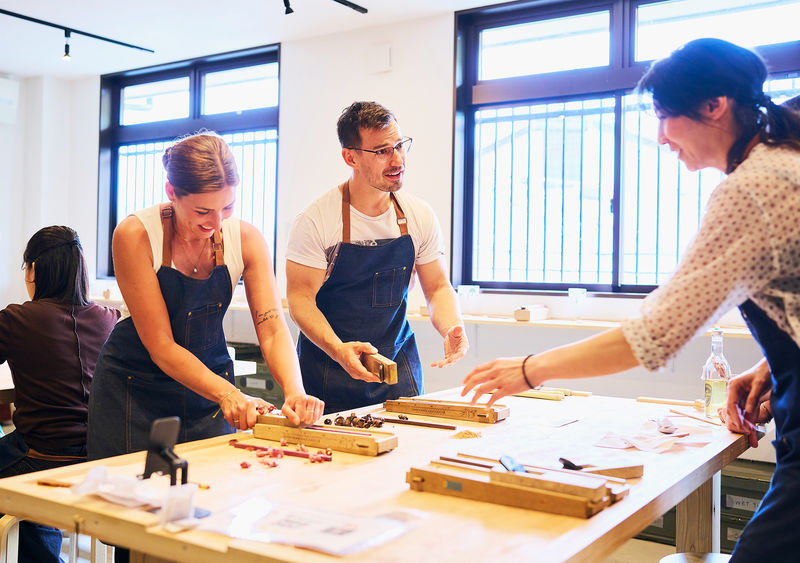
I would put this high on the list for anyone who likes practical souvenirs, hands-on activities, or a quieter break from sightseeing. Couples can make a pair each, friends can compare wood choices, and solo visitors still have a clear task and a guide to talk with. Families can take part, though it is wise to allow extra time.
It is also a good choice for a first visit to Japan. The craft connects a familiar item to Japanese daily culture without requiring prior knowledge. You can ask questions, make something with your hands, and come away with a keepsake that brings the activity back to mind each time you use it.
It may be less appealing if you want a highly technical woodworking lesson, a long cultural lecture, or a completely fixed total price that includes every upgrade. The workshop is short, and optional costs can add up. Go in expecting an approachable introduction and a finished pair of chopsticks, not a specialist course.
Should you book this chopstick workshop?
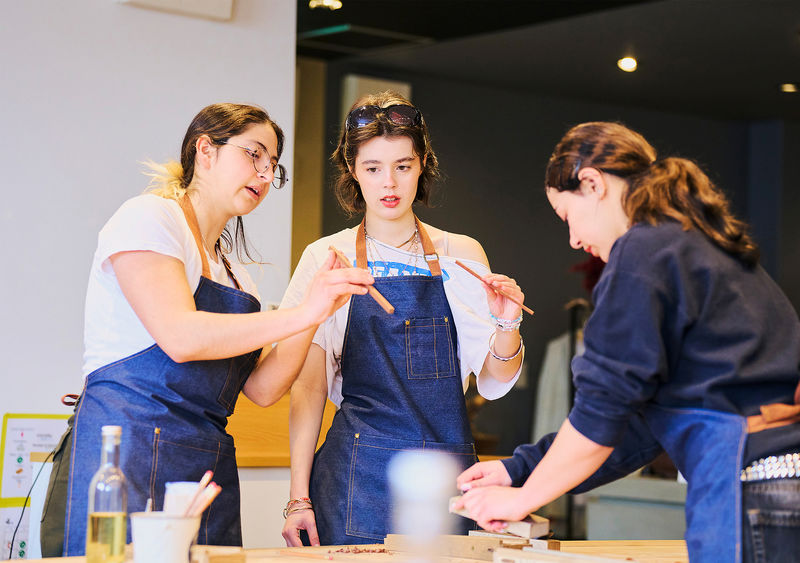
Book it if you want a calm, hands-on Tokyo activity and a souvenir with a story behind it. The strongest reasons are the step-by-step help, the chance to choose from many woods, and the fact that you shape the chopsticks yourself. The high overall rating of 4.9 from 1,169 ratings is consistent with the warm, patient service described by participants, but the value still depends on which package and extras you choose.
For the best value, select the standard wood and treat engraving or premium timber as optional treats. Choose the branch that best fits your day, check the exact meeting address, and leave more than an hour if your group is large or has children. If that sounds like the kind of small, useful memory you want from Tokyo, this is an easy activity to fit into the plan.
FAQ
How long does the chopstick-making workshop take?
The guided workshop is listed as one hour. If you are attending with family or want time for wood choices and engraving, allow extra time; one family suggested planning for as much as two hours.
What is included in the standard package?
The standard package includes admission, standard wood, use of tools and materials, guidance from workshop staff, and the handmade chopsticks to take home. Premium wood and engraving are optional extras.
Can I choose the type of wood?
Yes. More than 10 types of wood are offered. Standard wood is included, while some premium options cost extra.
Can I have my name engraved on the chopsticks?
Yes. Name engraving is available for an additional charge. English or kanji engraving options are mentioned for some bookings.
Which Tokyo locations are available?
The location options include Ginza, Shinjuku, Shibuya, and Asakusa. Check your booking confirmation for the exact branch and meeting address.
Is there an age limit?
No. The activity has no age limit, and workshop staff can guide participants through the process.
Just added in Tokyo
- A One-of-a-Kind Sushi Experience in a Special Place of Japan★ 5.0 · 15 reviews
- Tokyo Cute Bento Cooking Class – Make a Kawaii Character Lunchbox★ 5.0 · 126 reviews
- Japanese Home Cooking Class & Walk in Todoroki Temple Tokyo★ 5.0 · 88 reviews
- Japan Tokyo Tower Observatory Deck E-Ticket★ 4.0 · 34 reviews
- Catch a Baseball Game in Tokyo with a Local – Tickets Included★ 5.0 · 24 reviews
- JDM Experience with Fast&Furious RX-7 (English speaking Driver)★ 5.0 · 57 reviews
- Tokyo Private Day Tour by Car with English speaking Driver Guide★ 4.0 · 29 reviews
- Japan Classic 10 Day – One Life Adventures★ 5.0 · 129 reviews
Workshops, compared.
Sushi Making Tokyo Roll and Authentic Japanese Sushi Class
Read our review →
Gion Make Your Own Chopsticks with Engraving Option
Read our review →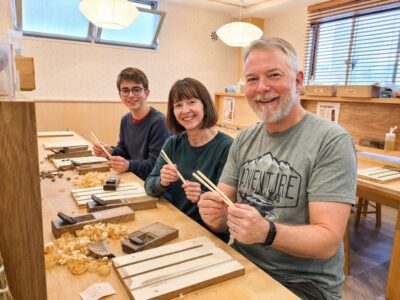
Roll and Authentic Sushi Making Class in Asakusa
Read our review →
Ramen Cooking Class at Ramen Factory in Kyoto
Read our review →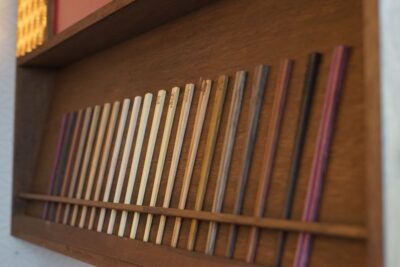
Tokyo Asakusa Chopsticks Workshop: Make Your Own Pair
Read our review →
Ring Making Workshop : Vintage Japanese Coin Ring
Read our review →Browse the lists this tour appears in