
Reviewed · WALKING TOURS
Tokyo: Customizable Private Guided Walking Tour
Tokyo rewards a plan that can bend. This four-hour private walk lets you shape the day around your interests, and I especially like the one-to-one attention and the chance to learn Tokyo’s train system while seeing the city. The main catch is distance: famous sights are spread out, so part of your time may go to subway rides rather than strolling.
I also like that the guide can adjust the pace, route, and level of activity. Guides such as Mika, Niza, Lauren, Brian, and Eduardo have helped guests fit in landmark sights, food, shopping, temples, gardens, and quieter streets. At $87 per person, it is not the cheapest way to see Tokyo, but the private format can be good value if you have limited time or feel unsure about getting around.
In This Review
- Key points at a glance
- What this private Tokyo tour does best
- Starting at your hotel and setting the route
- Tokyo Tower and the Imperial Palace
- Meiji Shrine, Harajuku, and Shibuya
- Food stops and the taste of everyday Tokyo
- Alleys, teahouses, temples, and lesser-known stops
- Why the train lessons may be worth the price
- Pace, weather, and physical demands
- Guide quality and the personal feel
- Is $87 per person good value?
- Cancellation, languages, and practical details
- Who should book this four-hour Tokyo walk?
- FAQ
- How long is the Tokyo private walking tour?
- How much does the tour cost?
- Is this a private group tour?
- Which languages are available?
- Can I choose what to see?
- Are meals and drinks included?
- Is transportation included?
- Can the tour include Tokyo Tower, the Imperial Palace, or Shibuya Crossing?
- Is the tour wheelchair accessible?
- Should you book it?
Key points at a glance
- A genuinely private route: Your guide can shape the four hours around landmarks, food, culture, shopping, or quieter neighborhoods.
- A useful introduction to Tokyo transport: Several guides have shown people how to use the subway and train system, then helped them return to their hotels.
- Big sights plus local texture: Tokyo Tower, the Imperial Palace, Shibuya Crossing, Meiji Shrine, alleyways, teahouses, and neighborhood streets may all fit, depending on your plan.
- Good for first-day orientation: You can meet at your hotel on foot and learn how Tokyo works before exploring on your own.
- Food can be part of the route: Street food, local restaurants, okonomiyaki, karaage, and other Japanese specialties can be included, though you pay separately.
- Plan for plenty of walking: The tour is wheelchair accessible, but long distances between districts may require public transport and careful pacing.
What this private Tokyo tour does best
This is less a fixed sightseeing march and more a guided introduction to Tokyo. Before or at the start of the tour, you can explain what matters most to you. You might focus on major landmarks, traditional culture, food, shopping, art, or the practical challenge of moving around a huge city.
That flexibility matters in Tokyo. A first-time visitor may want to see the Imperial Palace, Meiji Shrine, Harajuku, and Shibuya Crossing. Another person may care more about a traditional restaurant, a quiet garden, a teahouse, or a neighborhood that does not appear in every guidebook.
You get a private group and a local guide, with English and Japanese available. That gives you room to ask questions without holding up a larger party. It also lets you stop for photos, adjust the pace, or change direction when a particular street or shop catches your interest.
The strongest practical benefit is orientation. Guides including Jack, Brian, Mika, Shish, Marco, and Yohan have helped people understand Tokyo’s rail system. That can be worth as much as the sightseeing itself. By the end, you may feel more comfortable reading station signs, following a route, and getting back to your hotel.
More Walking Tours in Tokyo
- Tokyo Tsukiji Fish Market Food and Culture Walking Tour
★ 5.0 · 3,184 reviews - Tokyo: Imperial Palace and Shogun Historical Walking Tour
★ 5.0 · 2,251 reviews - Tokyo: Shinjuku Local Bar and Izakaya Guided Walking Tour
★ 4.9 · 1,794 reviews
Starting at your hotel and setting the route
Hotel pickup is done on foot, so the meeting is convenient if you are staying in Tokyo and want to avoid finding an unfamiliar meeting point. The guide can begin by discussing what you have already seen and what you still want to cover.
This is the moment to be specific. Tell your guide if you want temples rather than shopping streets, food rather than observation decks, or major sights rather than quiet lanes. Also say how much walking you can manage. Eduardo received special praise for adjusting a tour to an older guest’s physical abilities and avoiding crowded areas.
The four-hour limit makes priorities important. Tokyo is enormous, and you cannot properly explore every major district in half a day. If you request Tokyo Tower, the Imperial Palace, Shibuya, Harajuku, and a food stop, expect a quick overview rather than a long visit at each place.
I would choose two or three main goals before the tour. Leave some space for your guide’s suggestions, but do not expect a full city tour at museum pace. A clear wish list gives the guide a much better chance of making the time count.
Tokyo Tower and the Imperial Palace
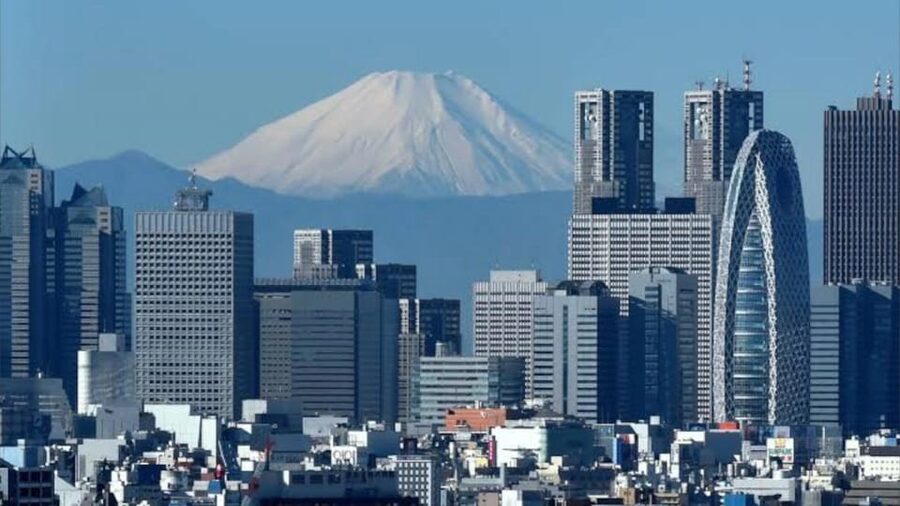
Tokyo Tower is one of the city’s defining sights, with its bright orange structure rising above central Tokyo. A visit can work well for someone who wants a classic Tokyo photograph and a sense of the city’s modern skyline.
The limitation is time. Entry costs are not included, and going up a tower takes more time than simply viewing it from outside. If your priority is to see several districts, you may prefer a quick photo stop rather than an observation visit.
The Imperial Palace offers a different mood. Its grounds and surrounding areas provide a change from Tokyo’s high-rise streets, with open space, formal scenery, and a connection to Japan’s imperial history. The exact access and sights you see depend on the route and timing, so discuss your expectations with the guide.
The palace area works particularly well for people who want a calmer stop between busy neighborhoods. It may be less satisfying if you are expecting to enter every building or see parts of the complex that are not open to general access. Any admission cost is extra.
Meiji Shrine, Harajuku, and Shibuya
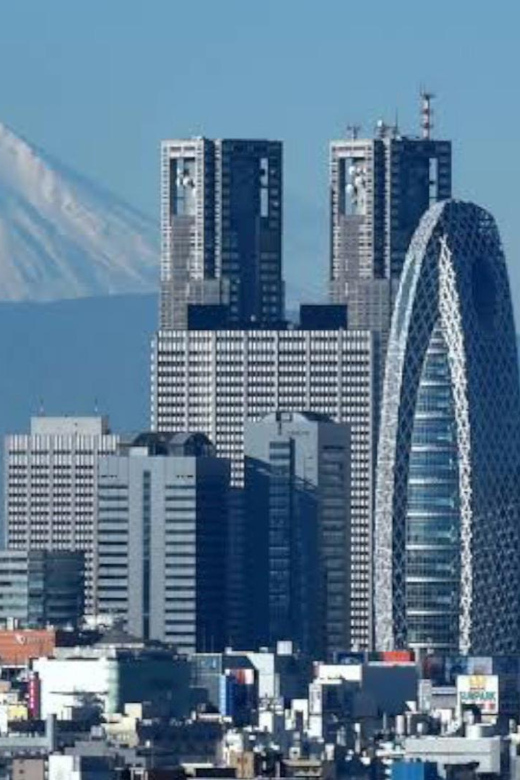
Meiji Shrine is a strong choice if you want to see a major religious site within the city. The setting gives you a break from traffic and department stores, while the shrine offers a chance to learn about Japanese customs and everyday forms of respect.
The nearby Harajuku area changes the tone completely. Takeshita Street is known for youthful fashion, colorful shops, and playful food ideas. One guide, Niza, helped arrange a kimono rental near Harajuku and took photos during a spring visit. That kind of personal planning is one reason this tour can work well for solo visitors.
Food stops in Harajuku can be fun, but you should keep your expectations realistic. The route may include unusual sweets or novelty foods, and you pay for anything you eat. You can tell your guide if you want traditional dishes instead of highly decorated snacks.
Shibuya Crossing is the grand finale for many first visits. When the signals change, people stream across the intersection from every direction, creating the famous electric rush associated with modern Tokyo. It is a quick experience, but a memorable one.
Shibuya is also a good place to discuss present-day city life, shopping, transport, and youth culture. The drawback is crowds. If you dislike packed streets, ask for a quieter viewpoint or a different neighborhood. A private guide can adjust, but cannot make a famous crossing empty.
A completely different kind of day out:
- Tokyo Disney Resort – Tokyo Disneyland & Tokyo DisneySea Park Tickets
★ 4.8 · 99,488 reviews - SHIBUYA SKY Ticket
★ 4.7 · 46,509 reviews - JR Whole Japan Rail Pass
★ 4.8 · 29,150 reviews - Mt Fuji and Hakone 1-Day Bus Tour Return by Bullet Train
★ 5.0 · 26,383 reviews
Food stops and the taste of everyday Tokyo
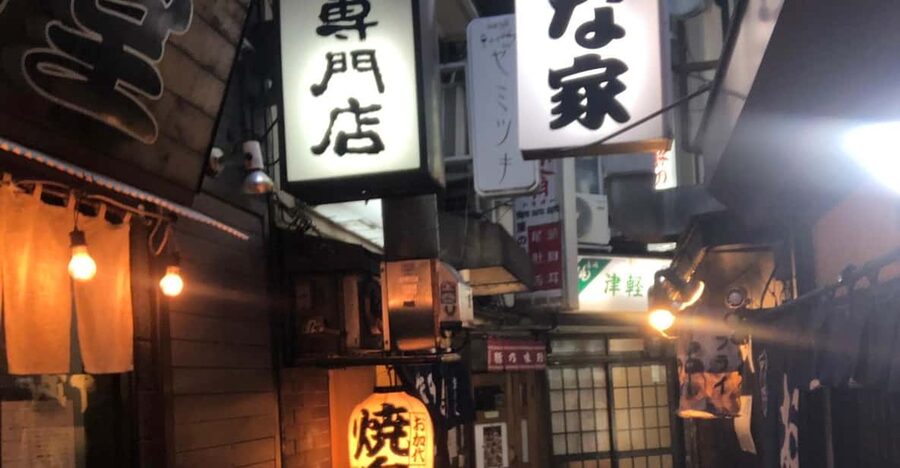
You can shape the tour around food, which may be the best option if you have already seen Tokyo’s headline sights. Your guide might take you toward street food, local shops, or a restaurant that suits your interests.
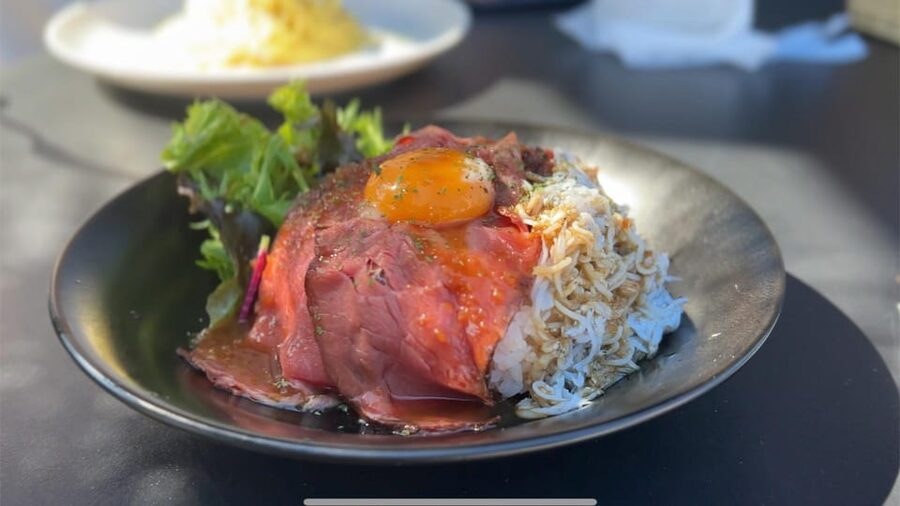
Several experiences included meals or food tastings along the way. One route included okonomiyaki and karaage. Another introduced a traditional Japanese restaurant. Other food-focused outings helped people try dishes they would not have chosen alone.
Keep in mind that food and drinks are not included in the $87 price. This is useful because you control your spending, but it also means the final cost depends on where you eat and how much you order. Tell your guide about allergies, dislikes, budget limits, or dietary needs before setting the route.
A food-focused walk is especially useful if you want help with ordering or choosing a local place. It can also make the tour feel less like a checklist of landmarks. The tradeoff is simple: every meal takes time away from sightseeing, so choose food as a main theme rather than trying to squeeze in a full culinary tour between five major districts.
Alleys, teahouses, temples, and lesser-known stops
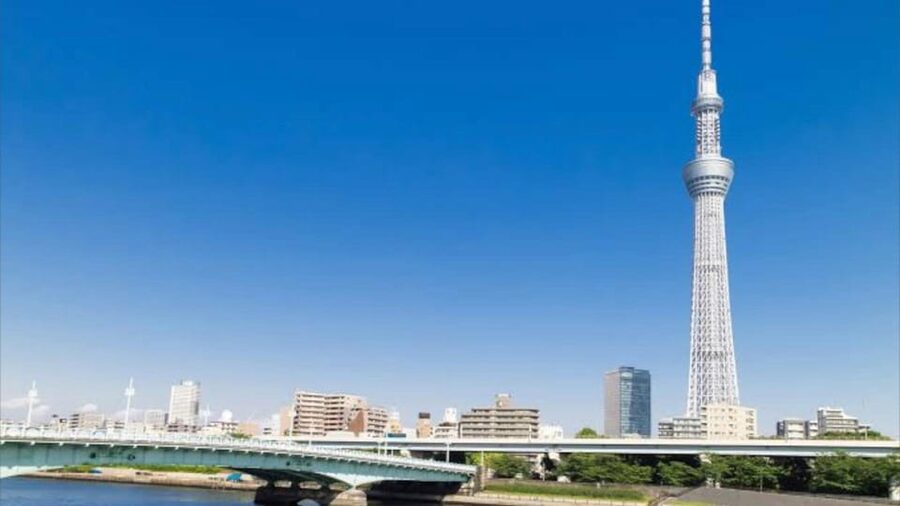
The tour’s most appealing promise is not just the famous Tokyo. It is the chance to see the city between the headline attractions.
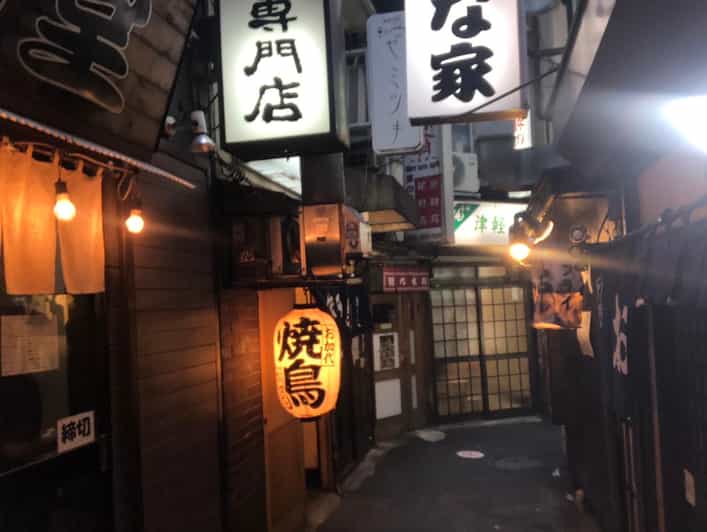
Your guide may lead you through narrow lanes, traditional teahouses, small shrines, temples, or modest neighborhoods with a slower feel. These places can show you how Tokyo is experienced at street level, far from the polished skyline and giant crossings.
The exact locations are not fixed, and that is both the strength and the uncertainty. You should not book this expecting a guaranteed list of secret addresses. Instead, think of it as a chance to let a local respond to your interests and point out places you might pass without noticing.
This approach worked well for people who wanted less crowded scenery. Eduardo took one guest to different areas with strong views after learning that busy attractions were not a good fit. Colt suggested Tsukiji Fish Market, Ginza, Shinjuku Gyoen Park, a Buddhist temple, and a shrine after checking what had already been visited.
If you are interested in history and culture, say so. Matias and Juan were praised for explaining Japanese history, social customs, and daily life. If you prefer photography, food, or shopping, say that instead. The guide needs your direction to make the flexible format useful.
Why the train lessons may be worth the price
Tokyo’s rail network is efficient, but it can feel like a puzzle on your first day. Stations are large, routes overlap, and a short trip between districts may involve more walking than expected.
A guide who meets you at your hotel and travels with you can remove much of that stress. Jack showed one guest how to use the subway and explained how to get back to the hotel. Marco and Shish also helped people become more confident with public transport.
This is not a private vehicle tour. Transportation is not included, so you pay your own train or subway fares. That may surprise anyone expecting door-to-door sightseeing, but public transport is often the practical way to connect Tokyo’s main areas.
The train time can also reduce the number of stops you make. One guest calculated that more than an hour of the tour went to the subway network while visiting several must-see places. That is not a flaw in the guide’s work. It is simply the reality of crossing Tokyo.
Stay close to your guide in stations. One person learned this the hard way after getting separated. Follow the group through ticket gates and crowded platforms, and ask the guide to repeat the final route back to your hotel.
Pace, weather, and physical demands
Four hours can feel surprisingly full. Some guests described a brisk pace, while others appreciated a slower route during hot and humid weather. The guide can usually adjust the walk, but you should still wear comfortable shoes and bring water.
Tokyo’s streets involve stairs, station corridors, crossings, and frequent changes in pace. The activity is listed as wheelchair accessible, but the exact route matters, especially when subway stations and crowded districts are involved. Tell the operator about mobility needs before the tour so the route can be planned sensibly.
This tour suits people who want to walk, but it does not require four straight hours on foot. Public transport may connect the districts, and a guide can build a less demanding plan. Eduardo’s tailored route shows the value of explaining your physical limits clearly.
The activity is not suitable for people over 95. That is the only stated age restriction, but age alone does not tell the whole story. Your comfort will depend on walking ability, heat tolerance, and how many districts you want to cover.
Guide quality and the personal feel
The guide makes or breaks a private tour, and the named guides received especially warm praise for friendliness, flexibility, and care.
Mika was described as fluent in English, highly organized, and able to secure a reservation for a requested location. Lauren contacted people before the tour to learn their interests and adjusted the route to the weather and pace. Niza helped arrange a kimono rental, take photos, and find playful food stops.
Brian was repeatedly praised for adapting the day and explaining trains. Yohan provided useful context about Japan’s past and present, along with suggestions for later time in Kyoto and Tokyo. Bryan John Smith even helped find an English-speaking doctor and pharmacy when a companion became ill, then continued with a visit to Meiji Shrine and palace gardens.
These details show the range of help you may receive, but they are not guaranteed services for every booking. You may be assigned a different guide. The best way to improve the match is to communicate your interests and limits before the tour.
The private format can also feel more like spending time with a helpful local than joining a formal lecture. That is ideal if you enjoy conversation and questions. If you prefer a tightly scripted tour with guaranteed stops and fixed commentary, the open format may feel less certain.
Is $87 per person good value?
At $87 per person, the tour sits in the reasonable range for a private four-hour experience, especially if two or more people share the benefit of one guide. You are paying for planning, personal attention, hotel pickup on foot, local guidance, and help with transport, not for admissions, meals, or train fares.
The value is strongest in three situations. First, you have only a short time in Tokyo. Second, you feel nervous about the rail system. Third, your group has mixed interests or physical needs that make a standard tour awkward.
The value is weaker if you are confident with Tokyo’s trains, enjoy planning your own route, or want long visits inside paid attractions. Since entry fees, food, drinks, and transport are extra, add those costs before comparing the tour with a self-guided day.
The overall rating is 4.5 from 129 reviews, with many five-star scores. The consistently praised qualities are the guides’ friendliness, flexibility, city knowledge, and help with trains. The clearest caution is that the city’s size can make the tour feel expensive if much of your four hours disappears underground.
Cancellation, languages, and practical details
You can cancel up to 24 hours before the start time for a full refund. You can also reserve now and pay later, which helps if your Tokyo plans are still shifting.
The tour lasts four hours, and starting times depend on availability. English and Japanese guides are offered. The group is private, and wheelchair access is available, though you should explain any mobility requirements before the route is set.
Food and drinks, admission fees, and transportation are not included. Hotel pickup and drop-off are provided on foot, so this should not be confused with a private car service.
Who should book this four-hour Tokyo walk?
I would choose this for a first day in Tokyo, especially if you want a quick orientation before exploring independently. It is also a strong choice for solo visitors, couples, families with teenagers, and small groups that want different things from the same afternoon.
Food lovers can build the route around restaurants and local snacks. History fans can request temples, shrines, the Imperial Palace, and cultural explanation. Shoppers can focus on Harajuku, Shibuya, Ginza, or neighborhood stores. Guests who avoid crowds can ask for quieter streets and less pressured sightseeing.
I would hesitate if you want a fixed, low-cost itinerary or a private vehicle. I would also avoid packing too many distant sights into four hours. Tokyo rewards a short list of priorities, not an ambitious attempt to conquer the whole city before lunch.
FAQ
How long is the Tokyo private walking tour?
The tour lasts four hours.
How much does the tour cost?
The listed price is $87 per person.
Is this a private group tour?
Yes. The experience is offered as a private group tour with a private local guide.
Which languages are available?
Live tour guides are available in English and Japanese.
Can I choose what to see?
Yes. The itinerary is customizable around your preferred sights and interests, which may include landmarks, food, culture, shopping, temples, gardens, or lesser-known neighborhoods.
Are meals and drinks included?
No. Food and drinks are not included, so you pay separately for anything you eat or drink.
Is transportation included?
No. Transportation costs are not included. Guides may use the subway or train system with you, but you pay the related fares.
Can the tour include Tokyo Tower, the Imperial Palace, or Shibuya Crossing?
These are listed as possible sights. The exact route depends on your preferences, timing, and the guide’s plan.
Is the tour wheelchair accessible?
Yes, the activity is listed as wheelchair accessible. You should share your mobility needs in advance so the route can be adjusted appropriately.
Should you book it?
Book this tour if you want a personal introduction to Tokyo rather than a fixed march between landmarks. The best reason to choose it is the combination of flexible sightseeing and practical train guidance. You can see major places, ask direct questions, and learn enough about the city to continue on your own.
Before booking, send a short priority list: two must-see sights, one food or culture interest, your walking limits, and any areas you have already visited. Keep expectations realistic about travel time between districts, and budget extra for food, admission, and trains.
If that sounds like the kind of help you need, $87 can be fair value. If you already know Tokyo well and prefer planning independently, spend the money on a meal or attraction instead.
Just added in Tokyo
- A One-of-a-Kind Sushi Experience in a Special Place of Japan★ 5.0 · 15 reviews
- Tokyo Cute Bento Cooking Class – Make a Kawaii Character Lunchbox★ 5.0 · 126 reviews
- Japanese Home Cooking Class & Walk in Todoroki Temple Tokyo★ 5.0 · 88 reviews
- Japan Tokyo Tower Observatory Deck E-Ticket★ 4.0 · 34 reviews
- Catch a Baseball Game in Tokyo with a Local – Tickets Included★ 5.0 · 24 reviews
- JDM Experience with Fast&Furious RX-7 (English speaking Driver)★ 5.0 · 57 reviews
- Tokyo Private Day Tour by Car with English speaking Driver Guide★ 4.0 · 29 reviews
- Japan Classic 10 Day – One Life Adventures★ 5.0 · 129 reviews
Walking Tours, compared.
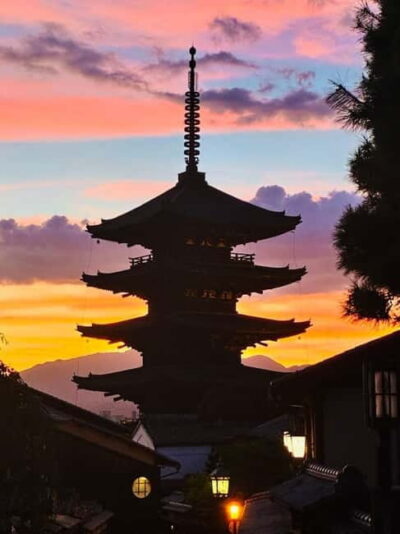
Kyoto Geisha Walking Tour: Gion District & Hidden Gems
Read our review →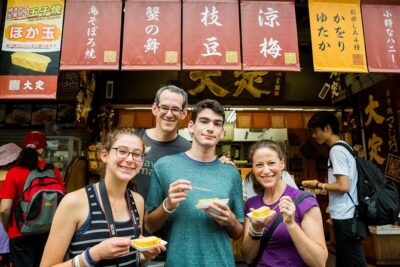
Tokyo Tsukiji Fish Market Food and Culture Walking Tour
Read our review →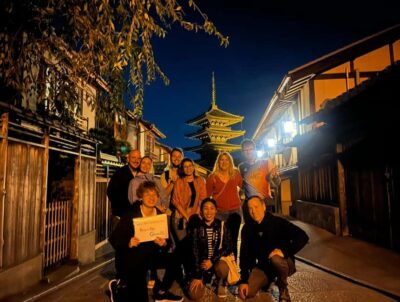
Gion Magical Night Walking Tour with Geisha Trivia
Read our review →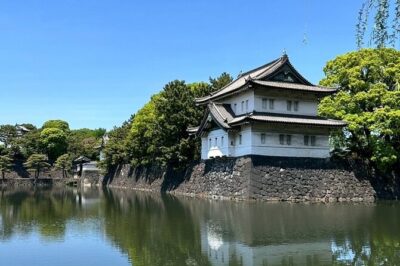
Imperial Palace and Shogun Historical Walking Tour
Read our review →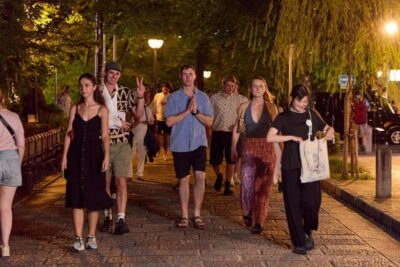
Gion Geisha District Walking Tour – Stories of Geisha
Read our review →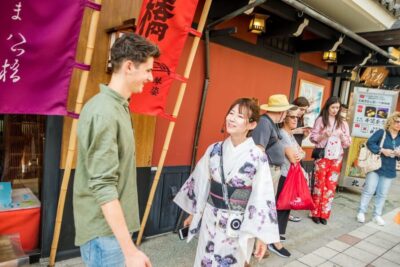
Shinjuku Local Bar and Izakaya Guided Walking Tour
Read our review →
Browse the lists this tour appears in