
Reviewed · WALKING TOURS
Tokyo Customized Private Walking Tour With Local Guide
Tokyo rewards curiosity. This private tour lets you set the pace and choose the sights that matter most, from Akihabara electronics and game arcades to Meiji Jingu and quiet shrine grounds. Your guide meets you at your hotel, then builds the day around your interests, schedule, and walking ability.
I especially like the one-to-one planning and the chance to learn Tokyo’s customs while moving through real neighborhoods. I also like that public transport can be added to a walking route, making it possible to cover several parts of this huge city. The main drawback is that the $58.98 price covers the guide, but train fares, meals, and entrance fees cost extra.
A good guide can make Tokyo feel far less confusing. Past visitors have praised Kwan, Satoshi, Sumire, Taka, Lilian, Fares, Shino, Miharo, Nao, and others for being warm, flexible, and helpful with everything from shrine etiquette to setting up a Suica card. The exact guide is not guaranteed, so the quality of the experience depends partly on your assignment.
In This Review
- Key Points Before You Book
- Why a Flexible Tokyo Route Makes Sense
- Starting at Your Hotel With a Personal Plan
- Meiji Jingu and Tokyo’s Traditional Side
- Shibuya, Tokyo Tower, and Big-City Views
- Akihabara, Shopping, and Everyday Tokyo
- Food Stops and Local Customs
- Public Transport Is Part of the Learning
- Two Hours, Four Hours, or Eight?
- What the $58.98 Price Really Buys
- Who Will Get the Most From This Tour?
- Practical Tips for a Better Day
- Cancellation and Weather Details
- Should You Book the Tokyo Customized Private Walking Tour?
- FAQ
- How long is the Tokyo Customized Private Walking Tour?
- What is included in the tour?
- Are transportation fees included?
- Are meals included?
- Are attraction entrance fees included?
- Is private transportation included?
- Is this a private tour?
- Can the tour be customized?
- Is hotel pickup offered?
- What happens if bad weather cancels the tour?
Key Points Before You Book
- Your route is built around your interests: Ask for shrines, shopping, anime, food, photography, history, or a mix.
- Choose two to eight hours: A short session works for a layover, while a full day gives you time to connect several neighborhoods.
- Hotel pickup is included: The guide meets you at your hotel and can help you begin with a clear plan.
- Public transport makes the tour practical: Local trains and subways can extend your reach, though you pay the fares separately.
- It suits first-time Tokyo visitors: Guides can explain shrine customs, transit cards, vending machines, restaurant styles, and daily life.
- The tour is private: Only your group participates, so you can ask questions and change direction more easily than on a fixed group tour.
Why a Flexible Tokyo Route Makes Sense
Tokyo is not one compact sightseeing zone. Its major areas spread across a large rail and subway network, and each has a different feel. Meiji Jingu, Shibuya, Akihabara, Asakusa, Tokyo Tower, and shopping districts are not sensible stops on one short walking loop.
That is where this tour earns its keep. You do not receive a fixed route that treats every group the same. Instead, the guide contacts you within the two weeks before the tour to discuss what you want to see and arrange a schedule.
I would use that planning period carefully. Tell the guide your hotel, available time, top three priorities, food interests, mobility needs, and any place you have already visited. If you have only four hours, do not list ten major sights and expect a relaxed day. Pick a theme or two nearby areas.
The private format also gives you room to ask basic questions without feeling rushed. You can stop to learn how to bow at a shrine, how to use a transit card, or how a restaurant ordering system works. Those small explanations often make the rest of a Japan trip easier.
More Private Tours in Tokyo
- Tokyo 6hr Private Tour with Government-Licensed Guide
★ 5.0 · 3,902 reviews - Private Tour to Mt. Fuji and Hakone (Fully Licenced Operator)
★ 5.0 · 1,910 reviews - Tokyo Customized Private Tour (Must See Places in 1 Day)
★ 5.0 · 1,499 reviews
Starting at Your Hotel With a Personal Plan
Hotel pickup is included, which is useful on your first day in Tokyo. You do not need to find a meeting point in an unfamiliar station. Your guide comes to you, checks the plan, and starts from a place you already know.
This is particularly handy after a long flight. One couple booked the tour for their first day after arriving from Germany, using it to get oriented before exploring alone. That is a smart use of the experience: the guide can help you understand the city’s layout and transport system before you tackle it independently.
The planning can also work well for families. Fares created a route around a family’s interests and added another attraction after speaking with the children. Shino received similar praise for adjusting a day for a family with two adults, a teenager, and a child.
Do not expect hotel pickup to mean a private car. The tour uses walking and public transport. Private transportation is not included, and you pay train or subway fares yourself.
Meiji Jingu and Tokyo’s Traditional Side
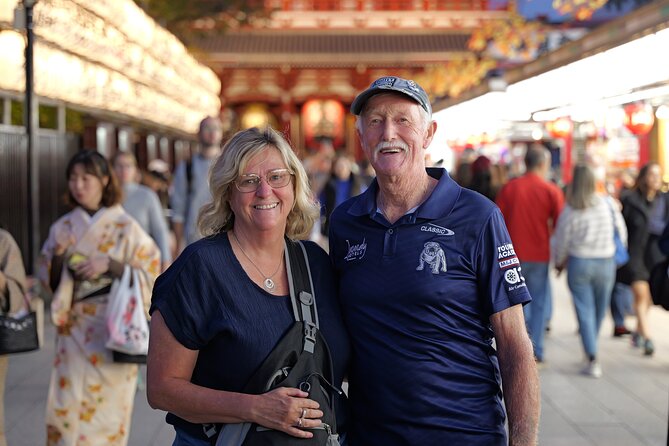
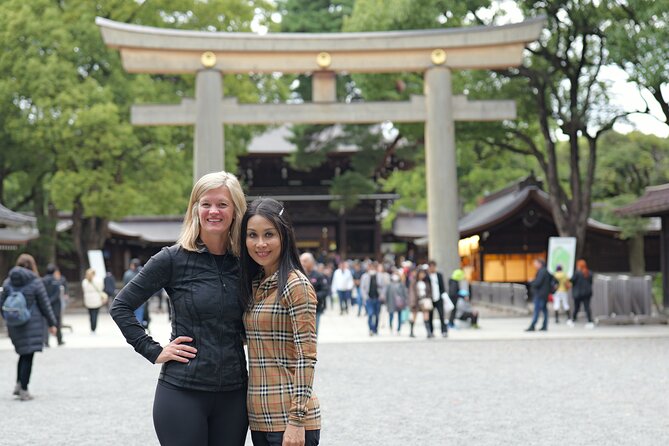
If you want Tokyo beyond neon signs and shopping, request Meiji Jingu. The large Shinto shrine sits in a wooded park and offers a change of pace from the city streets.
A guide adds value here by explaining how to behave at a shrine. Miharo demonstrated shrine and temple customs, helping first-time visitors understand what to do rather than simply pointing at the buildings. That kind of instruction is useful because Japanese religious sites have small details that are easy to miss.
You might also combine Meiji Jingu with a Buddhist temple, as Lilian did during a full-day route. Seeing both gives you a clearer sense of the difference between Shinto and Buddhism in everyday Japanese life.
The drawback is time. A shrine visit can be calm and rewarding, but it will not satisfy someone trying to see five distant districts in four hours. Tell your guide if you want time for quiet walks and explanation, rather than a quick photo stop.
Shibuya, Tokyo Tower, and Big-City Views
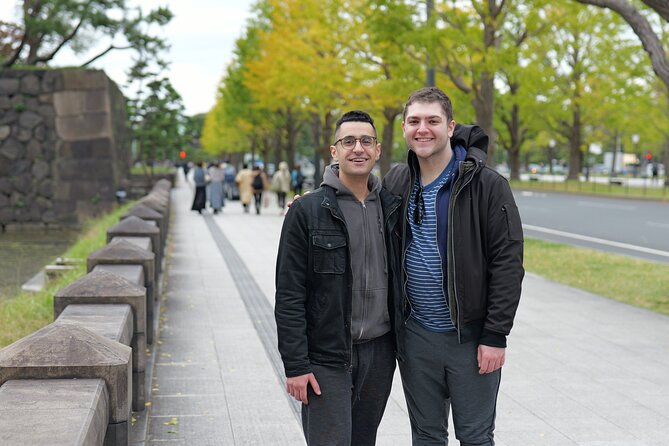
Shibuya is a natural choice if you want Tokyo’s famous modern face. A guide can take you toward the crossing, show you the surrounding alleys, and help you understand how the district fits into the larger city.
One four-hour route included Shibuya, Godzilla, local train rides, and other major sights. Another layover itinerary included Shibuya Crossing, Tokyo Tower, and a sunset view that reached as far as Mount Fuji on a clear day. These examples show what a guide can do with careful timing, but they are not guaranteed stops on every booking.
Tokyo Tower works well for visitors who want a recognizable city view. If you prefer observation decks, shopping streets, or street-level scenes, say so during planning. The tour can be shaped around your priorities, but attraction tickets are not included.
I would avoid overloading a short tour with observation decks. Queues, security, and travel between neighborhoods can consume much of your time. If the goal is a useful first look at Tokyo, one major viewpoint plus two nearby areas is likely more comfortable than a checklist of distant landmarks.
More Walking Tours in Tokyo
- Tokyo Tsukiji Fish Market Food and Culture Walking Tour
★ 5.0 · 3,184 reviews - Tokyo: Imperial Palace and Shogun Historical Walking Tour
★ 5.0 · 2,251 reviews - Tokyo: Shinjuku Local Bar and Izakaya Guided Walking Tour
★ 4.9 · 1,794 reviews - Tokyo: Tsukiji Fish Market Food and Walking tour
★ 5.0 · 1,724 reviews
Akihabara, Shopping, and Everyday Tokyo
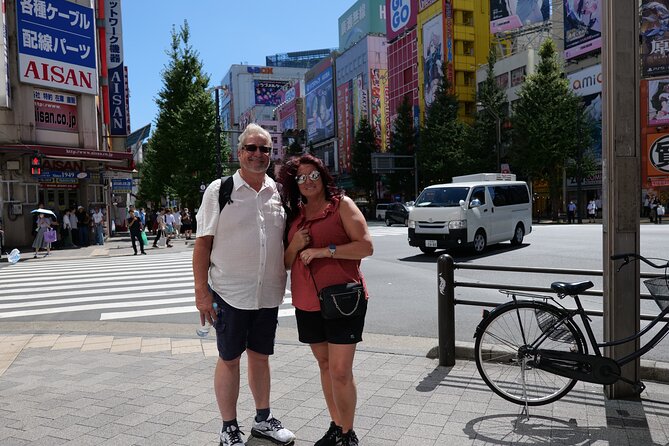
Akihabara fits visitors interested in electronics, games, anime, arcades, and Japanese pop culture. It can also be a useful stop for people who want to browse rather than visit a formal attraction.
Lilian’s full-day route included fashion, electronics, game arcades, food, and Pokémon cards. That mix shows the value of stating specific interests. Anime is too broad as a request. Mention figures, retro games, arcades, character goods, or electronics, and your guide has a better chance of shaping the day around what you actually want.
Shopping areas also reveal ordinary Tokyo life. You might learn how vending machines work, how a transit card can be used for small purchases, or how different parts of the city serve different shoppers. Those observations can be more useful than another quick temple photo.
Remember that shopping is not included in the price. You pay for anything you buy, along with food and personal expenses. If you have a tight budget, tell your guide that you want to browse without building the day around purchases.
Food Stops and Local Customs
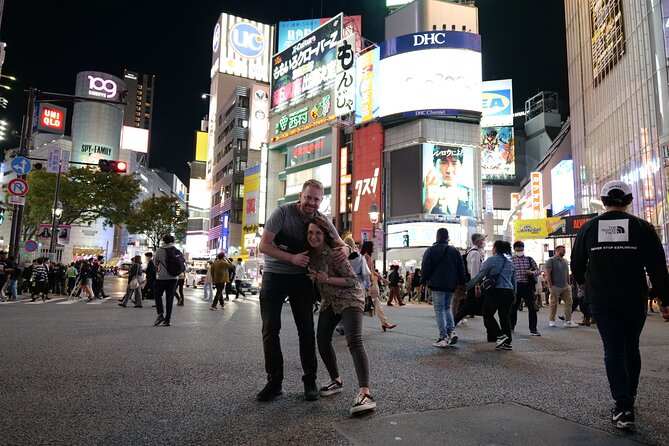
Food can be part of the plan, but meals are not included. That separation is fair because it lets you choose the cost and style of lunch, though you should budget for it.
Several guides helped make meals part of the experience. Miharo took a couple to a good restaurant, and Lilian shared a conveyor-belt restaurant while explaining how it worked. Sumire recommended several sushi restaurants and helped arrange a reservation during an 11-hour layover.
Do not assume every tour includes a reservation. Restaurant plans depend on your guide, timing, availability, and the kind of meal you request. If sushi, conveyor-belt dining, or a specific food district matters to you, raise it during the planning conversation.
A food stop can also be a practical lesson. You can ask about ordering, payment, seating, and local manners. If you want maximum sightseeing time, keep lunch simple. If food is one of your main reasons for booking, give it a proper place in the itinerary rather than squeezing it between distant sights.
Public Transport Is Part of the Learning
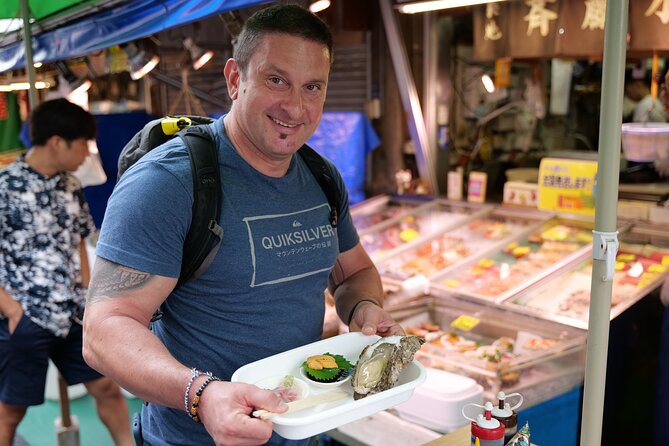
The tour includes walking and public transportation, but not transportation fees. You should plan to buy or load your own transit card and pay each fare.
This is not just a way to get from one stop to another. Guides such as Satoshi and Lilian helped people understand Tokyo’s complicated rail and subway system. Taka assisted with setting up Suica cards on phones. That practical help can save you time for the rest of your trip.
A four-hour tour can cover much more with two local train rides than by walking between every stop. The tradeoff is that stations can be large and tiring, especially for anyone with luggage or limited mobility.
One guide, Taka, was able to accommodate a person using a mobility scooter. That is encouraging, but you should still explain your needs in advance. The tour is described as suitable for most people, yet Tokyo stations and long walks can vary in difficulty.
Two Hours, Four Hours, or Eight?
The two-hour option is best for a narrow goal. You might request a nearby introduction to your hotel area, a short shrine visit, transit help, or a quick layover outing. Keep the route tight.
Four hours gives you a useful first look. Satoshi covered five areas for one group, while Chris used two local train rides to make a four-hour route more productive. That does not mean every four-hour tour can cover five areas comfortably. Travel time, crowds, meal stops, and entrance queues all affect the pace.
An eight-hour booking is the strongest choice if you want a broad introduction. You have time to combine traditional sites, shopping, food, and a viewpoint without turning the entire day into a race.
I would not choose the longest option simply because Tokyo has so much to see. A full day requires energy, and walking plus train stations can be tiring. The best length depends on your priorities, not on the number of attractions you can name.
What the $58.98 Price Really Buys
At $58.98 per person, the price is reasonable for a private guide if you value planning and personal help. You are paying for attention, route design, explanations, and the ability to adjust the day around your group.
The value rises with group size because the experience is private rather than shared with strangers. A group of seven used Taka for a four-hour morning and received route advice for the rest of the trip. The price still does not cover transport, meals, attraction entry, or private vehicles, so calculate the full day’s cost before booking.
For a solo visitor, the price may feel less attractive than a group tour. For a family or small group, it can make more sense, especially if everyone has different interests or needs.
The tour has a 4.9 rating from 274 ratings, with 99 percent recommending it. That is a strong signal, but it does not remove the need to communicate clearly. Many of the best outcomes came from guides who received detailed requests before the day began.
Who Will Get the Most From This Tour?
This experience is a strong fit for:
- First-time Tokyo visitors who want help getting oriented
- Families who need a flexible pace and child-friendly interests
- Small groups with different priorities
- People spending a long airport layover in the city
- Visitors interested in customs, food, shopping, or local transport
- Anyone who wants a private guide instead of a fixed group route
It may be less suitable if you already know Tokyo well and only want entry to a particular attraction. It is also not the best choice if you want a fully private vehicle or an all-inclusive price.
The tour can help with mobility needs, but ask about your requirements before the day. Taka accommodated a mobility scooter, yet the walking and public transport format still means you should discuss distances and station changes.
Practical Tips for a Better Day
Send a short priority list before the tour. Put the most important request first, then add two or three secondary interests.
Tell the guide how quickly you like to move. A photographer, a family with children, and a person on a layover will need very different schedules.
Ask for a route that groups nearby areas. Tokyo’s train system is efficient, but a transfer is still a transfer. Fewer long crossings usually mean more time for actual sightseeing.
Bring a phone that can take photos and handle transit information. Satoshi helped people use their phones for photographs, while Taka helped with mobile Suica setup. The guide can assist, but your own phone and payment arrangements remain your responsibility.
Budget separately for fares, lunch, personal purchases, and entrance tickets. The base price does not cover those costs.
Finally, keep the first part of the day realistic. If you have just arrived in Japan, an orientation tour with a few well-chosen stops may serve you better than an ambitious race across Tokyo.
Cancellation and Weather Details
You can cancel at least 24 hours before the local start time for a full refund. Changes made less than 24 hours before the start are not accepted, and cancellations inside that window are not refunded.
The experience requires good weather. If poor weather causes cancellation, you receive the option of another date or a full refund.
Should You Book the Tokyo Customized Private Walking Tour?
I would book this if you are visiting Tokyo for the first time, have a short layover, or want help connecting traditional sites with modern neighborhoods. The strongest benefit is not simply seeing more places. It is learning how to move through Tokyo, use local transport, understand shrine customs, and make better choices for the rest of your trip.
Book it for four hours if you want a practical introduction. Choose more time if food, shopping, and several districts all matter. Before confirming, send specific requests and ask how the proposed route fits your walking ability.
The $58.98 price is only the starting cost, but the private format can offer good value for families and groups. If you want a car, included admissions, or a fixed specialist tour, choose something else. If you want a flexible first day with a guide who can adjust the plan, this is a sensible way to meet Tokyo.
FAQ
How long is the Tokyo Customized Private Walking Tour?
The tour lasts approximately two to eight hours. You select the duration that fits your schedule and interests.
What is included in the tour?
Hotel pickup, tour customization, walking, and public transportation are included.
Are transportation fees included?
No. You must pay transportation fees separately.
Are meals included?
No. Food and personal expenses are not included.
Are attraction entrance fees included?
No. Any attraction entrance fees are paid separately.
Is private transportation included?
No. The experience uses walking and public transportation. Private transportation is not included.
Is this a private tour?
Yes. Only your group participates in the activity.
Can the tour be customized?
Yes. The itinerary is arranged around your interests and schedule. The guide contacts you within two weeks before the tour to discuss the plan.
Is hotel pickup offered?
Yes. Hotel pickup is included.
What happens if bad weather cancels the tour?
You are offered a different date or a full refund if the experience is canceled because of poor weather.
Just added in Tokyo
- A One-of-a-Kind Sushi Experience in a Special Place of Japan★ 5.0 · 15 reviews
- Tokyo Cute Bento Cooking Class – Make a Kawaii Character Lunchbox★ 5.0 · 126 reviews
- Japanese Home Cooking Class & Walk in Todoroki Temple Tokyo★ 5.0 · 88 reviews
- Japan Tokyo Tower Observatory Deck E-Ticket★ 4.0 · 34 reviews
- Catch a Baseball Game in Tokyo with a Local – Tickets Included★ 5.0 · 24 reviews
- JDM Experience with Fast&Furious RX-7 (English speaking Driver)★ 5.0 · 57 reviews
- Tokyo Private Day Tour by Car with English speaking Driver Guide★ 4.0 · 29 reviews
- Japan Classic 10 Day – One Life Adventures★ 5.0 · 129 reviews
Walking Tours, compared.
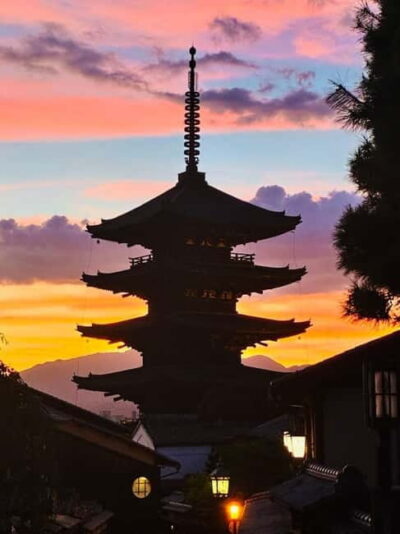
Kyoto Geisha Walking Tour: Gion District & Hidden Gems
Read our review →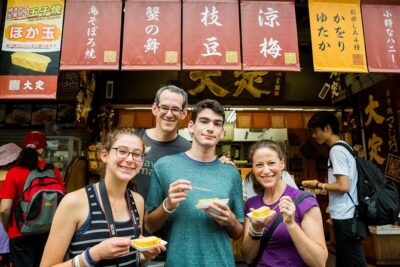
Tokyo Tsukiji Fish Market Food and Culture Walking Tour
Read our review →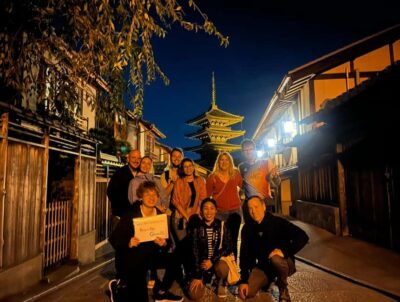
Gion Magical Night Walking Tour with Geisha Trivia
Read our review →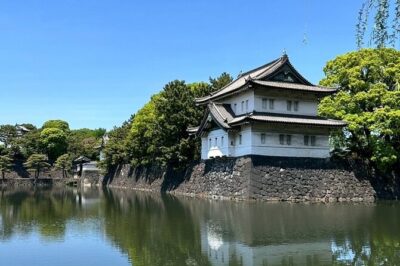
Imperial Palace and Shogun Historical Walking Tour
Read our review →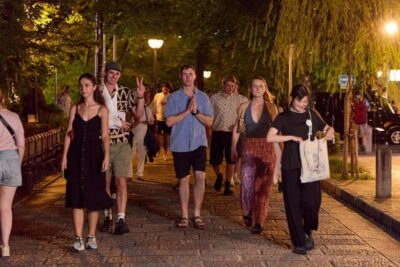
Gion Geisha District Walking Tour – Stories of Geisha
Read our review →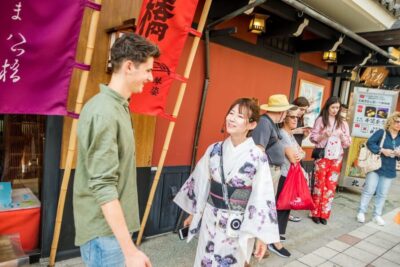
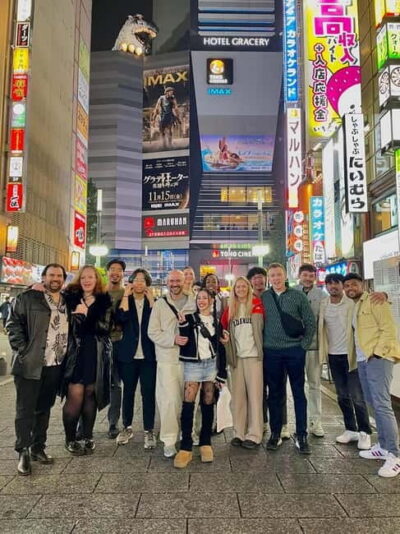
Shinjuku Local Bar and Izakaya Guided Walking Tour
Read our review →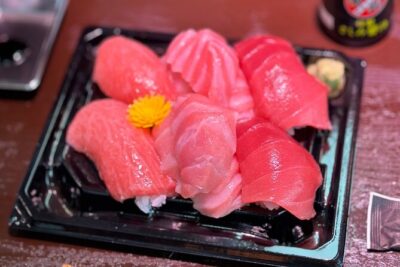
Browse the lists this tour appears in