
Reviewed · CASTLES AND HISTORIC SITES
Tokyo, Edo Castle & East Garden of the Imperial Palace Tour
Tokyo has a quiet royal side. This two-hour walk through the Imperial Palace East Garden offers a calm change from the city’s crowded streets, with old bridges, formal Japanese gardens, historic buildings, and stories about the emperors. I like the relaxed pace and the chance to connect present-day Tokyo with the former Edo Castle site. I also like that a guide adds context that signs alone cannot provide.
The main drawback is clear: you cannot enter the Inner Palace, and the East Garden closes on Mondays and Fridays. The tour is also capped at 50 people, so the experience may feel less personal when the group is full. At $43.11 per person, the value depends largely on how much you want guided history rather than simply a peaceful garden walk.
In This Review
- Key points at a glance
- What this Imperial Palace walk actually covers
- Starting at Wadakura Fountain National Park
- Exploring the East Garden and former Edo Castle site
- The guide can make or break the experience
- How much value do you get for $43.11?
- Choosing the right day and time
- What you will not see
- Who should book this experience?
- Booking, cancellation, and practical planning
- FAQ
- How long does the Imperial Palace East Garden tour last?
- Where does the tour begin and end?
- Can I enter the Inner Palace?
- Is the East Garden open every day?
- Is admission included?
- Can I cancel for a full refund?
- Should you book the Tokyo Imperial Palace East Garden tour?
Key points at a glance
- Two hours in central Tokyo: The walk focuses on the Imperial Palace grounds and East Garden, with the tour returning to its starting point.
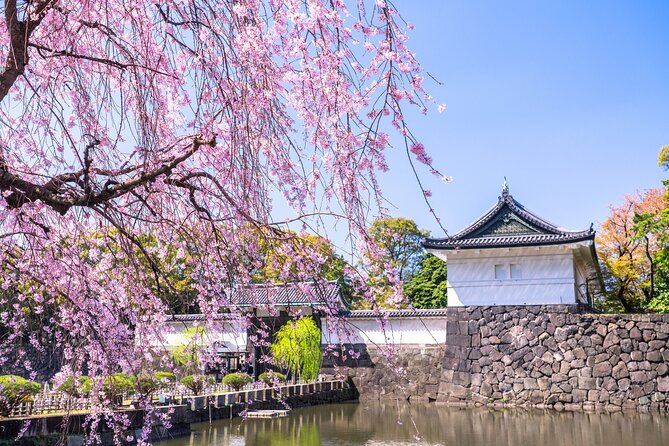
- Former Edo Castle setting: You see old bridges, historic remains, gardens, and buildings linked to Japan’s imperial past.
- Strong guide feedback: Masahito received special praise for explaining the palace and imperial family from their early origins to the present.
- No Inner Palace access: This is an exterior and garden tour, not a visit inside the working Imperial Palace.
- Plan around closure days: The East Garden is closed every Monday and Friday, so the date matters.
- Useful practical details: The meeting point is Wadakura Fountain National Park, mobile tickets are accepted, and baggage is inspected at entry.
What this Imperial Palace walk actually covers
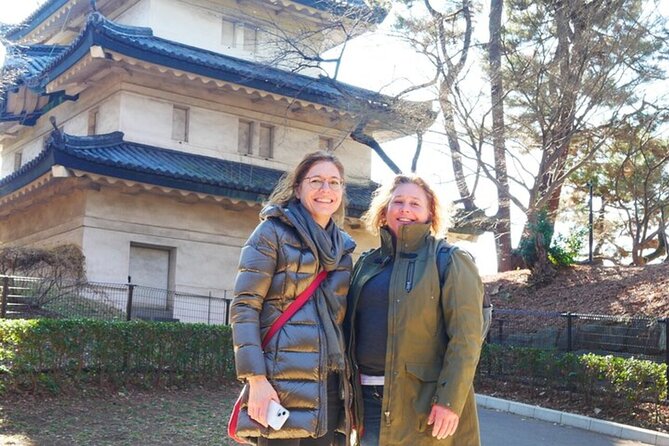
This experience is best understood as a guided walk around the East Garden area of the Imperial Palace, not a palace interior tour. You meet at Wadakura Fountain National Park at 3-1 Kōkyogaien in Chiyoda City, then walk through the grounds before returning to the same meeting point.
The setting does much of the work. Central Tokyo can feel dense and fast, but the palace grounds give you open paths, trees, gardens, bridges, and historic structures. You still remain in the center of the capital, yet the mood shifts quickly from modern city to royal compound and former castle town.
The tour’s focus is Japanese culture and history. Your guide explains the site, the imperial family, and the buildings and remains you see along the way. That extra explanation matters because much of the interest here is not simply visual. A stone wall or old bridge may look attractive, but its meaning becomes clearer when you understand how the area developed from Edo Castle into the modern Imperial Palace precinct.
You should expect a walking tour rather than a staged attraction. There is no interior palace visit, theatrical presentation, or ticketed monument described as part of the route. The appeal comes from the combination of scenery, place, and explanation.
More Castles and Historic Sites in Tokyo
- Tokyo: Imperial Palace and Shogun Historical Walking Tour
★ 5.0 · 2,251 reviews - Tokyo Castle & Imperial PalaceーShogun Walking Tour
★ 4.7 · 1,068 reviews - Tokyo: Samurai Ninja Museum Guided tour and Experience
★ 4.6 · 1,010 reviews
Starting at Wadakura Fountain National Park
Wadakura Fountain National Park is the designated meeting point, so allow enough time to find it before the start. The tour begins outdoors, and the activity ends back at the same location. That return makes it easier to plan a meal, museum visit, or onward train journey afterward.
The meeting point also gives the experience a sensible beginning. You are not dropped directly into a maze of palace paths. Instead, you start near a recognizable public park before moving toward the Imperial Palace grounds.
Bring a mobile ticket and keep your booking confirmation available. Confirmation is provided at booking, and the tour operates near public transportation, though the information supplied does not name a specific station or provide a recommended route from your hotel.
One practical matter deserves attention. Visitors entering the Imperial Palace grounds are subject to a baggage inspection. If you have bought Japanese knives or other items that could be considered weapons at Tsukiji, Asakusa, or elsewhere, place them in a coin locker or another secure location before the meeting. This is easy to overlook after shopping, but it could cause trouble at the entrance.
Exploring the East Garden and former Edo Castle site
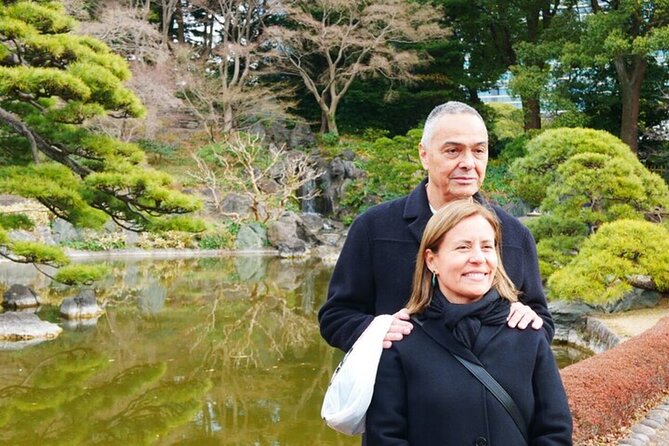
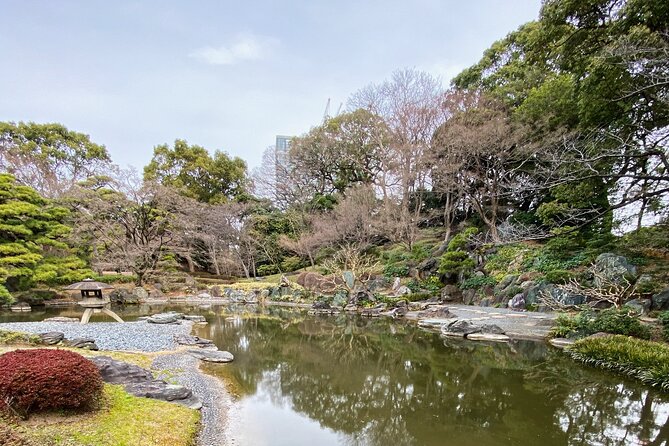
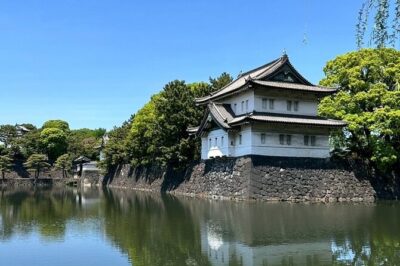
The garden is the heart of the experience. You walk through a part of the palace grounds where natural scenery sits beside reminders of the site’s earlier role as Edo Castle. The route includes a Japanese garden, an old bridge, historic buildings, and heritage features.
I like this mix because it gives you more than a standard city park. The garden provides a slower pace, while the castle remains and imperial connections give the walk a clear purpose. You can enjoy the plants and paths even if you are not a serious history student, yet you also have enough material for a stronger understanding of Tokyo’s past.
The word Edo is important here. The East Garden area connects to the former castle associated with Edo, the city that later became Tokyo. The guide’s job is to help you see that transition. Instead of treating the grounds as a collection of pretty views, the tour places them within the story of Japan’s rulers and the changing capital.
You may see historical structures and heritage features along the route, but the supplied details do not promise access to every building or a particular interior. Keep your expectations focused on outdoor sightseeing, garden views, and explanations from the guide.
The garden is also a good counterpoint to Tokyo’s modern scale. You will not be covering the city by train or rushing among several attractions. The route stays in one historic area, which makes the outing suitable for a quieter morning or afternoon.
The guide can make or break the experience
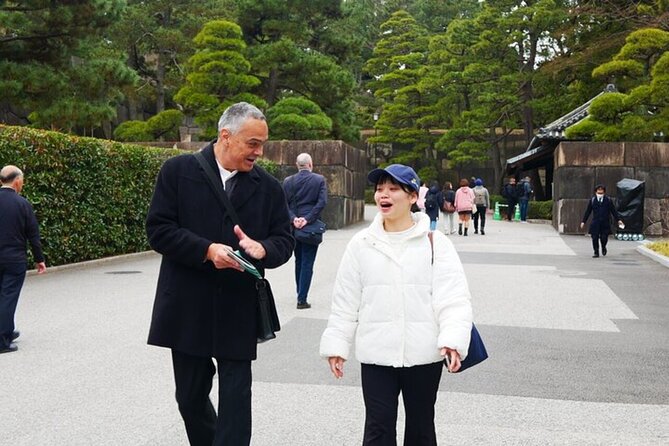
The strongest praise centers on the guides. Masahito was singled out for giving a detailed account of the palace and imperial family, from their early origins to the present. That is exactly the kind of help that can turn a pleasant walk into a meaningful one.
Other feedback highlights friendly instruction, clear English, answers to questions about history and culture, and help with photographs at different points. One couple described having two instructors who went beyond the information on the signs. Those details suggest that the best part of this activity is not simply leading you from one feature to another. It is the conversation along the way.
Guide quality can vary, and one low-rated experience raised concerns about English ability and the depth of the palace explanation. The guide was still described as kind and hardworking, but the criticism is worth taking seriously. If you want a highly academic or polished history lecture, the experience may not always meet that standard.
For most people, the tour seems better suited to accessible storytelling than specialist study. You can ask questions, learn about the imperial family, and gain basic cultural context without spending half a day in a museum. If Masahito leads your walk, the available feedback suggests you may receive especially detailed historical commentary.
A completely different kind of day out:
- Tokyo Disney Resort – Tokyo Disneyland & Tokyo DisneySea Park Tickets
★ 4.8 · 99,488 reviews - SHIBUYA SKY Ticket
★ 4.7 · 46,509 reviews - JR Whole Japan Rail Pass
★ 4.8 · 29,150 reviews - Mt Fuji and Hakone 1-Day Bus Tour Return by Bullet Train
★ 5.0 · 26,383 reviews
How much value do you get for $43.11?
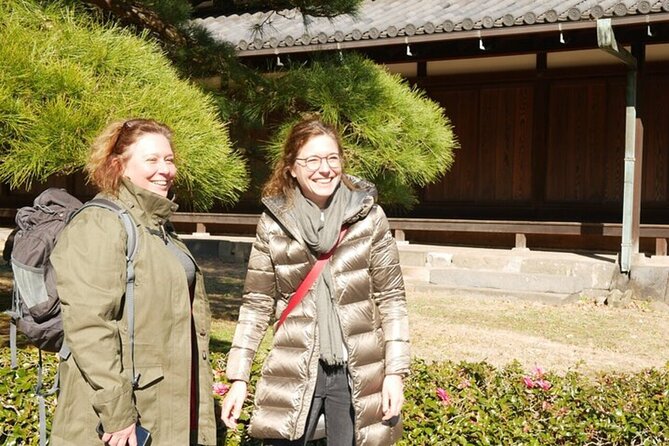
At $43.11 per person, you are paying mainly for the guide. The supplied information lists admission as free, so the price is not buying entry to a ticketed palace exhibit. You are paying for organization, interpretation, and the convenience of seeing the East Garden with someone who can explain what you are looking at.
That can be good value if you are visiting Tokyo for the first time. The palace grounds are visually appealing, but history here is not always obvious. A guide helps connect the old bridge, garden, castle remains, and imperial story into one experience.
The value is weaker if you prefer to walk independently and read at your own speed. Since the East Garden itself is free to enter, an independent visitor can avoid the tour cost. You would then give up the guide’s explanations, the chance to ask questions, and any help with photographs.
The group size matters. The maximum is 50 people, which is fairly large for a two-hour walking tour. A group of that size can make it harder to hear, stay close to the guide, or ask several questions. The positive feedback about personal explanations and photography suggests some departures may be smaller, but you should not assume a private experience.
Group discounts are available, which may improve the price for families or larger parties. The tour also accepts mobile tickets, saving you the need to print paperwork.
Choosing the right day and time
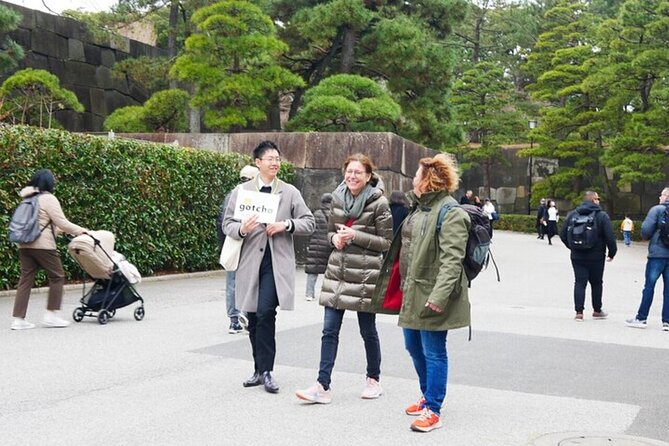
The East Garden is closed on Mondays and Fridays. Do not book this walk on either day and expect the advertised garden visit to take place. Check the local calendar when arranging your Tokyo schedule, especially if your stay is short.
The duration is approximately two hours. That is long enough to provide historical context without taking over your day. You could pair it with another central Tokyo activity, but leave room for the walking pace and your own time getting to the meeting point.
Because the tour begins and ends at Wadakura Fountain National Park, it is easier to use as a planned block of time than as a flexible drop-in visit. Arrive ready to walk and keep your schedule realistic. The provided information does not specify the exact route length, pace, restroom arrangements, or start time, so you should check those details at booking.
The activity is near public transportation, and most people can participate. Service animals are allowed. No special physical restrictions are listed, but this is still an outdoor walking tour, so comfortable footwear is sensible.
What you will not see
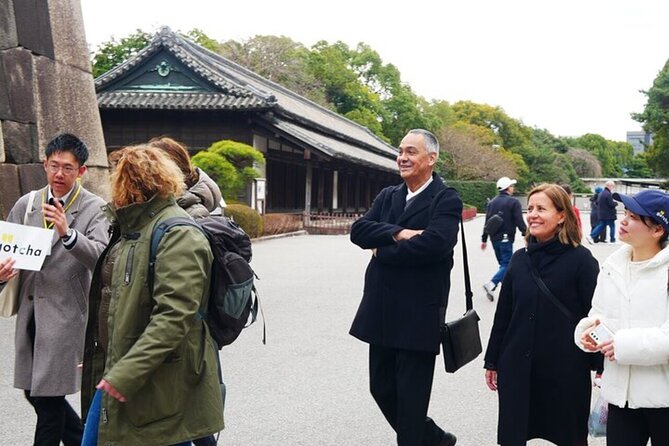
The most important limitation is the lack of Inner Palace access. The tour does not take you inside the Imperial Palace, and you should not book it expecting rooms, private royal spaces, or an indoor palace tour.
This distinction matters because the title may sound broader than the actual experience. The walk centers on the East Garden and surrounding grounds. You see historic outdoor features and learn about the imperial family, but the Inner Palace remains outside the itinerary.
The garden may also be less appealing in poor weather, although no weather policy is provided. Since the activity takes place outdoors, check the forecast and dress accordingly. The information does not state whether tours are adjusted or canceled for rain.
Who should book this experience?
I would recommend this walk to first-time visitors who want a manageable introduction to Japanese history in central Tokyo. It is especially useful if you want a break from shopping districts, high-rise views, and crowded transport hubs.
It also suits people who enjoy asking questions. The best available feedback describes guides who explain more than the posted signs and respond to questions about culture and history. Families, couples, and small groups may appreciate the relaxed format, though a full group of 50 could feel less intimate.
History fans should find plenty to like, particularly if the guide provides the same level of detail attributed to Masahito. You will not get an exhaustive study of every period of the palace, but you will have a clear setting in which to understand the move from Edo Castle to the modern imperial institution.
I would be less likely to recommend it to someone who has already explored the East Garden independently and prefers complete freedom. The admission is free, and the tour’s main added value is the guide. It is also not ideal for anyone determined to enter the Inner Palace.
Booking, cancellation, and practical planning
You can cancel for a full refund if you do so at least 24 hours before the experience begins. Changes or cancellations made less than 24 hours before the start are not accepted for a refund, and cut-off times follow local Tokyo time.
The activity requires a minimum number of participants. If the provider cancels because that minimum is not reached, you will be offered another date or experience, or receive a full refund.
The tour accepts mobile tickets and allows service animals. Most people can participate, and the maximum group size is 50. Remember the baggage inspection, and do not arrive with recently purchased knives or similar items in your bag.
FAQ
How long does the Imperial Palace East Garden tour last?
The tour lasts approximately two hours.
Where does the tour begin and end?
It begins at Wadakura Fountain National Park, 3-1 Kōkyogaien, Chiyoda City, Tokyo 100-0002, Japan. The activity ends back at the same meeting point.
Can I enter the Inner Palace?
No. This tour does not enter the Inner Palace. It focuses on the East Garden and outdoor areas around the Imperial Palace.
Is the East Garden open every day?
No. The East Garden is closed on Mondays and Fridays. Plan your booking for another day.
Is admission included?
The tour information lists admission as free, with a tour guide included. The $43.11 price is for the guided experience rather than a separate Inner Palace admission.
Can I cancel for a full refund?
Yes, if you cancel at least 24 hours before the experience start time. Cancellations or changes made less than 24 hours before the start are not accepted for a refund.
Should you book the Tokyo Imperial Palace East Garden tour?
Book it if you want a calm, guided look at an important Tokyo site and value clear explanations of Japanese history and the imperial family. The free garden access makes the guide the key reason to pay, and the praise for Masahito, friendly instruction, clear English, and help with photographs suggests the experience can offer more than a self-guided walk.
Skip it if you want to go inside the Imperial Palace, dislike group tours, or are visiting on a Monday or Friday. At $43.11, it is a fair buy for first-time visitors who want context and company, but not a necessary expense for independent walkers. Check the date, prepare for baggage inspection, and book this as a peaceful history break rather than a grand palace interior tour.
Just added in Tokyo
- Exclusive Ramen Kitchen Experience★ 5.0 · 13 reviews
- Tokyo – Grand Sumo Tournament★ 4.5 · 76 reviews
- Experience Award-Winning Spa Treatments in Downtown Tokyo★ 5.0 · 21 reviews
- Japanese Wine Omakase in Shibuya – Guided Tasting, Not Sake★ 5.0 · 15 reviews
- Enjoy plus size Kimono★ 4.5 · 14 reviews
- Tokyo’s Authentic and Finest Taiko Drumming Workshop★ 5.0 · 22 reviews
- Tokyo: Exclusive Geisha Dinner Experience★ 5.0 · 14 reviews
- Hands-on Japanese Cooking in a Shinjuku Home Kitchen with Satoru★ 5.0 · 19 reviews
Castles and Historic Sites, compared.
Imperial Palace and Shogun Historical Walking Tour
Read our review →
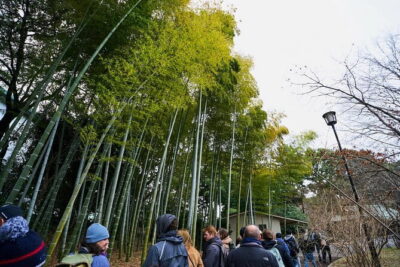
Tokyo Castle & Imperial PalaceーShogun Walking Tour
Read our review →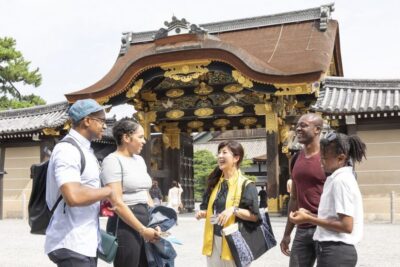
Nijo-jo Castle and Ninomaru Palace Guided Tour
Read our review →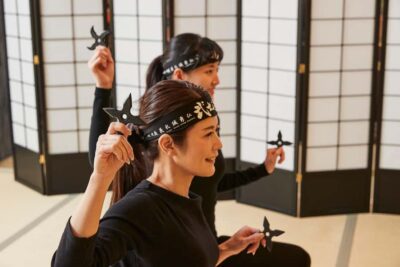
Samurai Ninja Museum Guided tour and Experience
Read our review →Browse the lists this tour appears in