
Reviewed · MARKETS AND FOOD HALLS
Tokyo: Guided Walking Tour of Tsukiji Market with Breakfast
Tokyo tastes best before lunch. This 150-minute walk through Tsukiji Outer Market gives you a useful introduction to Japanese food without making you guess what to order. I especially like the seven included tastings and the chance to watch market workers handle their trade while a guide explains what you are seeing. The main drawback is that the market can be crowded, and one English-language review noted that the guide was occasionally hard to understand.
I also like the easy meeting point at Tsukiji Hongwanji Temple, just steps from Tsukiji Station. Guides such as Yumi, Nori, Minoko, and Rico have earned praise for answering questions, translating with vendors, and adjusting food choices for picky eaters. At $85 per person, the tour is not cheap, but the food, guiding, translation help, and small group size make it reasonable for a first visit.
In This Review
- Key points to know before you book
- Starting at Tsukiji Hongwanji Temple
- Entering Tsukiji Outer Market
- Seven tastings that make up breakfast
- Food flexibility for picky eaters
- What the guides add to the market
- Why the 150-minute timing works
- Is $85 per person good value?
- The best way to plan your morning
- Who should book this Tsukiji tour?
- Should you book it?
- FAQ
- Where does the Tsukiji food tour meet?
- How long does the tour last?
- How many tastings are included?
- Is the tour conducted in English?
- Can the food tastings be adjusted?
- Is the tour wheelchair accessible?
- What should I bring?
Key points to know before you book

- Seven breakfast tastings include grilled seafood or beef, Japanese omelette, tuna sandwich, fish paste, tea, dashi soup, and a drink.
- Tsukiji Hongwanji Temple provides a memorable starting point, with an unusual exterior influenced by Indian architecture.
- Small groups of up to 10 make it easier to ask questions and stay together in crowded lanes.
- Guides can adjust the tastings, offering alternatives when you do not want to eat a particular item.
- The tour ends early enough for you to continue exploring Tsukiji Outer Market on your own.
- Comfortable shoes matter, since the experience is a walking tour through busy market streets.
Starting at Tsukiji Hongwanji Temple
The meeting point is in front of Tsukiji Hongwanji Temple. From Tsukiji Station on the Hibiya Line, take Exit A1, turn left, and walk about 50 meters. This is one of those rare Tokyo meeting points that is genuinely simple to find.
The temple exterior is worth a few minutes before breakfast begins. Its design is unusual for Tokyo, with an ancient Buddhist-inspired appearance and an Indian-influenced exterior. You do not go inside as part of this activity, but the stop gives the tour a useful opening.
Food in Japan is not separate from religious and cultural life. A guide can use the temple and the market together to show you how daily eating habits connect with older customs and beliefs. That context makes the tastings feel like more than a string of snacks.
I would arrive a little early. The station is close, but Tokyo’s underground exits can still take a moment to sort out, and you do not want to begin the morning by sprinting toward the temple.
More Markets and Food Halls in Tokyo
- Tokyo Tsukiji Fish Market Food and Culture Walking Tour
★ 5.0 · 3,184 reviews - Tokyo: Tsukiji Fish Market Food and Walking tour
★ 5.0 · 1,724 reviews - Senkyaku Banrai Toyosu Manyo Club Onsen Experience in Tokyo
★ 4.7 · 1,690 reviews
Entering Tsukiji Outer Market
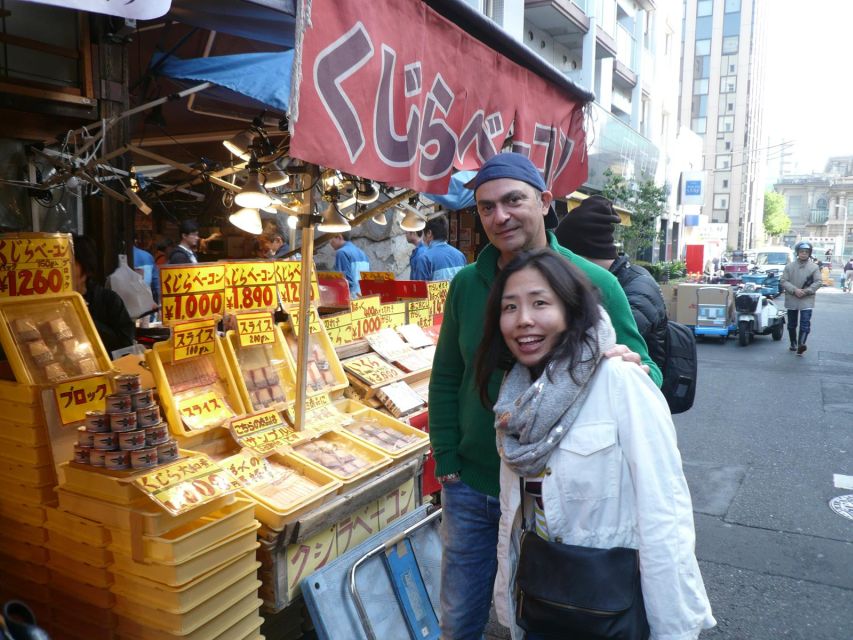
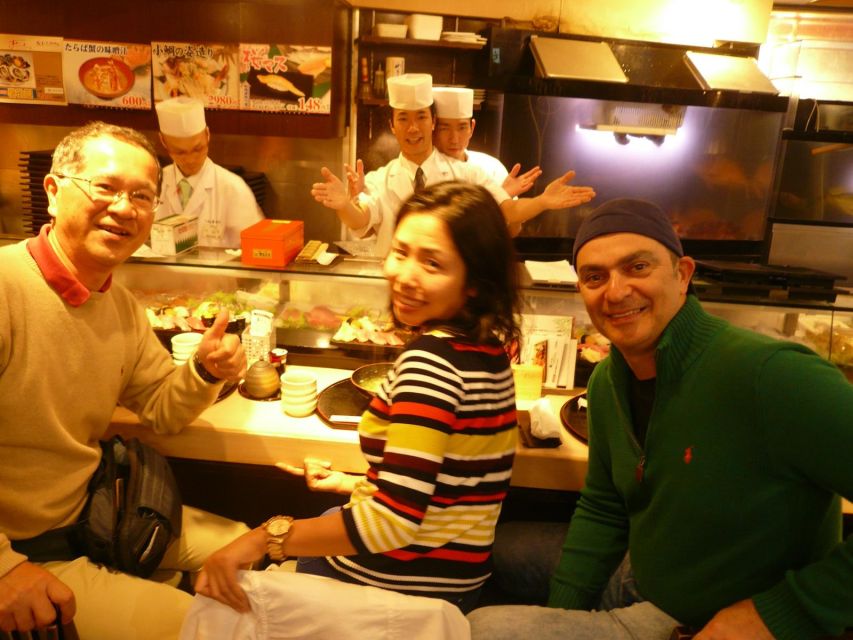
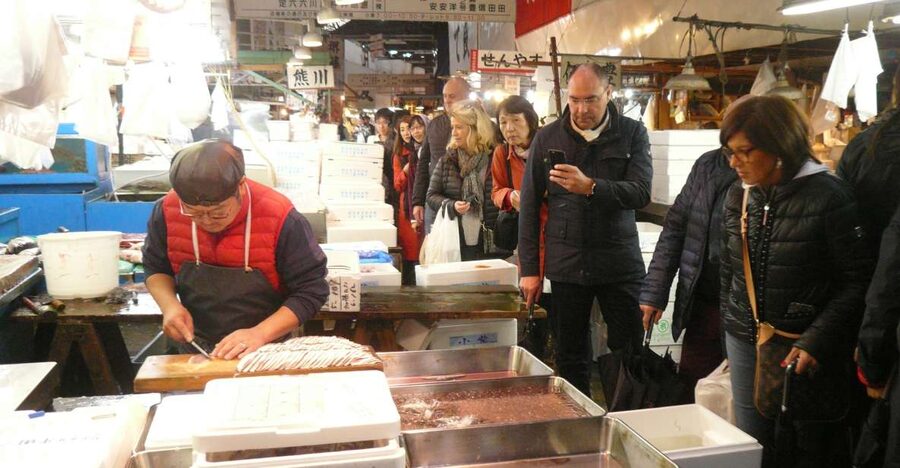
From the temple, you move into Tsukiji Outer Market, a dense collection of restaurants, food shops, stalls, and small businesses. This is not a quiet museum visit. You will be walking through active commercial streets where workers are serving customers and handling products.
That working quality is a major reason to choose a guide. Tsukiji can feel confusing at first, with plenty of signs, smells, narrow paths, and unfamiliar foods competing for your attention. A guide helps you focus on what matters instead of simply wandering past everything.
The activity describes Tsukiji as one of the largest wholesale fish markets in the world, but your route centers on the Outer Market. You should expect food shops and public market streets rather than a staged performance for tourists. The best moments come from seeing expert wholesalers and market workers going about their jobs.
You will also see products that may not be familiar to you. The guide can explain what you are looking at and help with purchases. Several participants particularly valued having someone speak with vendors and translate, especially when buying extra food to enjoy later.
The group limit is 10 people. That is large enough to meet a few fellow food lovers but small enough for the guide to keep an eye on everyone. In crowded lanes, this matters. You may still need to pause and regroup, but you are not part of a huge procession.
Seven tastings that make up breakfast
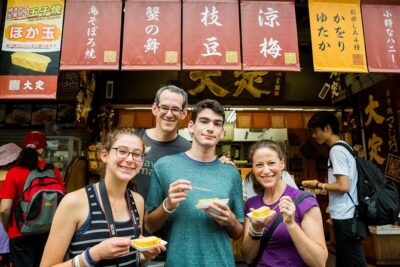
The food is the heart of this experience. Seven local specialties are included, and the exact order can change depending on the market and the guide. You should arrive hungry. One person described the amount as surprisingly generous, and that is useful advice for anyone planning a large lunch soon afterward.
The included tastings can include:
- Grilled seafood or beef skewers
- Japanese-style omelette
- Tuna sandwich
- Fried fish paste skewers
- A drink
- Japanese tea
- Dashi soup stock
These choices give you a broad first look at Japanese breakfast flavors. You are not simply eating several versions of the same seafood. The tasting moves between grilled meat, fish, egg, bread, tea, and soup stock.
The grilled skewers are a good introduction to the market’s quick, portable food. You might receive seafood or wagyu beef, depending on what is arranged. Either way, the appeal is direct: hot food, a busy market setting, and no need to decipher a menu before your first bite.
The Japanese omelette offers a different texture and flavor. It is a useful reminder that Japanese food is not only raw fish and sushi. The tuna sandwich likewise gives the market experience a familiar entry point while still fitting the seafood theme.
The fried fish paste skewer is more distinctive. If you are unsure about unfamiliar ingredients, this is exactly where a guide helps. You can ask what you are eating before trying it, rather than making a blind choice from a crowded stall.
Dashi is especially useful for understanding Japanese cooking. It is a soup stock used as a base in many dishes, and tasting it on its own lets you notice a flavor that might otherwise disappear inside a finished meal. The tea sample adds a quieter pause between the market’s stronger tastes.
A drink is included too. One participant enjoyed having a beer at 9 a.m., though that is not a requirement. The practical point is that the guide can help you choose something that fits your morning.
Food flexibility for picky eaters
The tour works better for mixed groups than the fixed menu might suggest. Several people had items they did not want to eat, and the guides adjusted the experience or suggested alternatives. One family found this especially helpful because a teenager in the group was selective about food.
That flexibility is important in a market tour. You may have allergies, strong dislikes, dietary limits, or simply a cautious appetite early in the morning. The information provided does not promise a specific allergy-free menu, so you should explain your needs clearly before accepting any tasting.
The guides are also useful when you want to buy something beyond the seven included samples. They can speak with vendors, help you understand what you are choosing, and translate questions. That support can save you from buying the wrong item or missing something you would have enjoyed.
One guide, Nori, even helped a participant find the way back to a hotel. That is beyond the basic food schedule, but it shows the friendly, practical tone that several people appreciated. Guides were often described as warm, helpful, and willing to give suggestions for the rest of the day.
More Walking Tours in Tokyo
- Tokyo: Imperial Palace and Shogun Historical Walking Tour
★ 5.0 · 2,251 reviews - Tokyo: Shinjuku Local Bar and Izakaya Guided Walking Tour
★ 4.9 · 1,794 reviews - Tokyo: Asakusa Walking Tour with Sensoji Temple Visit
★ 4.8 · 1,583 reviews - Tokyo: Tsukiji Fish Market Guided Walking Tour
★ 4.9 · 1,397 reviews
What the guides add to the market

The food alone would not justify a guided walk for everyone. You can visit Tsukiji Outer Market independently. The guide earns the fee by turning a confusing food stop into a more understandable cultural visit.
The strongest part of the guiding is translation. You do not need to rely on pointing, guessing, or choosing only the foods with familiar names. The guide can explain what is being sold and communicate with vendors while you look around.
The cultural explanation is just as useful. The route connects the temple, the market, and Japanese eating habits. You learn why certain foods matter and how the market fits into ordinary life, rather than receiving only a list of dish names.
Guides also help manage time. They know where to stop, when to move along, and how to arrange the tastings without leaving you stuck at every stall. One participant said the guides waited in long lines while the group explored nearby. That can make a real difference in a crowded market, where standing in every queue would eat up the whole morning.
The quality of spoken English may vary. Most people found the guides easy to work with, but one person had trouble understanding the guide at times. If precise historical or culinary explanation is your top priority, ask questions when you need clarification and confirm details rather than nodding along.
The guide names praised in individual accounts include Yumi, Nori, Minoko, and Rico. Your guide may be someone else, so treat those names as examples of the team rather than a promise that one particular person will lead your tour.
Why the 150-minute timing works
Two and a half hours is enough time for the temple, the market walk, seven tastings, and questions without taking over your entire day. The tour finishes early enough for you to stay in the area and continue eating or shopping independently.
That timing is useful if you are planning a full day in Tokyo. You can make Tsukiji your morning anchor, then move on to another part of the city. The route also works well at the beginning of a Japan trip because the guide can point you toward foods and customs you may notice elsewhere.
The pace may feel busy. You are walking, stopping to eat, listening to explanations, and moving through streets where other people are working. This is not the right choice if you want a slow, seated breakfast with long breaks.
Wear comfortable shoes. That is the only specific item required, but it is good advice. You will be on your feet for most of the 150 minutes, and market surfaces and crowds can make walking less relaxed than a standard neighborhood stroll.
The activity is wheelchair accessible. Since the market itself can be crowded, you may still want to confirm any particular mobility needs when booking, but the tour is not limited to able-bodied participants.
Is $85 per person good value?
At $85, this is a premium breakfast. If you only want to eat seven small items, you can likely spend less by visiting Tsukiji on your own. The price makes more sense when you count the guide’s time, translation help, cultural explanation, and the convenience of having the food selected and arranged.
The small group limit also matters. A group of no more than 10 gives you a better chance to hear the guide and ask for an adjustment. Some departures may be smaller. One family of four found itself as the only group on the tour, which gave them extra flexibility, though you should not assume you will receive a private tour.
I would recommend the price for a first visit to Tokyo, especially if you are nervous about ordering unfamiliar food. It is also a good fit for families, since the guide can help with substitutions and keep the experience manageable for different appetites.
I would hesitate if you already know Tsukiji well, speak Japanese comfortably, and prefer to choose every dish yourself. In that case, the guided structure may feel restrictive, and the included tastings may not be worth the added cost.
The best way to plan your morning
Eat lightly before you arrive, or skip breakfast. Seven tastings can add up quickly, especially when grilled meat, seafood, egg, bread, soup, tea, and a drink are all part of the morning.
Bring comfortable shoes and keep your belongings manageable. The supplied information does not specify a storage service or a place to sit with luggage, so avoid arriving with more than you need.
Be clear about foods you do not want. Guides have shown a willingness to adjust tastings, but they can only help if you speak up. If you have an allergy or medical restriction, state it before eating rather than relying on a visual guess.
Leave time after the tour. The activity ends early enough for you to explore Tsukiji on your own, and you may want to buy something after learning what the stalls offer. One person particularly liked that the tour did not consume the entire market visit.
The easiest arrival is by Tokyo Metro’s Hibiya Line. Use Tsukiji Station Exit A1, turn left, and look for the temple entrance about 50 meters away. The meeting point is in front of the temple, not deep inside the market.
Who should book this Tsukiji tour?
I would choose this tour for you if you want a guided introduction to Japanese food and prefer not to handle every order yourself. It suits first-time Tokyo visitors, curious eaters, families with different food preferences, and anyone who wants cultural context along with breakfast.
It also works for people who enjoy social tours. The usual maximum is 10 participants, and several accounts describe the guides as friendly and personable. You may meet other people in the group, though the amount of social interaction will depend on the departure size.
I would skip it if you dislike crowds, cannot walk comfortably for two and a half hours, or want a quiet meal. I would also think twice if you have strict dietary requirements that cannot be adjusted, since the food list centers on seafood, meat, egg, fish paste, and dashi.
Should you book it?
Book this Tsukiji food tour if you want a guided, hands-on start to Tokyo, not just a quick look at market stalls. The strongest reasons are the seven tastings, the translation help, the small group, and the guides’ willingness to adjust food choices.
The main cautions are the $85 price, the busy setting, and possible differences in English clarity between guides. For most first-time visitors who want to taste unfamiliar foods without guessing, those drawbacks are manageable. The 4.4 rating from 134 bookings suggests a consistently good experience, but your enjoyment will depend on arriving hungry, accepting a lively pace, and being open about what you do and do not want to eat.
FAQ
Where does the Tsukiji food tour meet?
It meets in front of Tsukiji Hongwanji Temple. From Tsukiji Station on the Hibiya Line, take Exit A1, turn left, and walk about 50 meters to the temple entrance.
How long does the tour last?
The tour lasts 150 minutes, or two and a half hours.
How many tastings are included?
Seven local specialties are included. They can include grilled seafood or beef skewers, Japanese omelette, tuna sandwich, fried fish paste skewers, a drink, Japanese tea, and dashi soup stock.
Is the tour conducted in English?
Yes. The live tour guide speaks English, and English is the listed tour language.
Can the food tastings be adjusted?
The guides have adjusted tastings for people who did not want particular foods and offered alternatives. You should explain your preferences clearly, especially if you have dietary restrictions.
Is the tour wheelchair accessible?
Yes, the activity is listed as wheelchair accessible.
What should I bring?
Bring comfortable shoes, since the experience involves walking through Tsukiji Outer Market.
Just added in Tokyo
- A One-of-a-Kind Sushi Experience in a Special Place of Japan★ 5.0 · 15 reviews
- Tokyo Cute Bento Cooking Class – Make a Kawaii Character Lunchbox★ 5.0 · 126 reviews
- Japanese Home Cooking Class & Walk in Todoroki Temple Tokyo★ 5.0 · 88 reviews
- Japan Tokyo Tower Observatory Deck E-Ticket★ 4.0 · 34 reviews
- Catch a Baseball Game in Tokyo with a Local – Tickets Included★ 5.0 · 24 reviews
- Japan Classic 10 Day – One Life Adventures★ 5.0 · 129 reviews
- JDM Experience with Fast&Furious RX-7 (English speaking Driver)★ 5.0 · 57 reviews
- Tokyo Private Day Tour by Car with English speaking Driver Guide★ 4.0 · 29 reviews
Markets and Food Halls, compared.
Tokyo Tsukiji Fish Market Food and Culture Walking Tour
Read our review →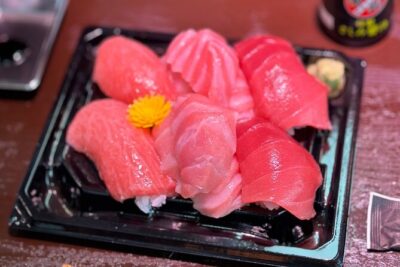

Senkyaku Banrai Toyosu Manyo Club Onsen Experience in Tokyo
Read our review →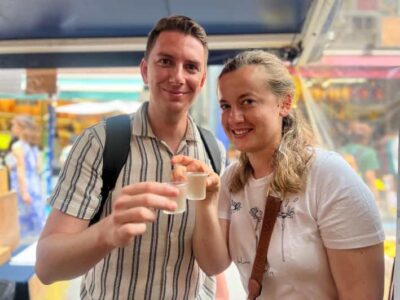
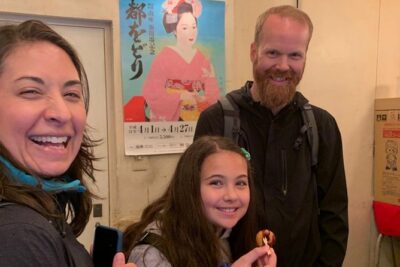
Nishiki Market Brunch Walking Tour (7 Tastings + Brunch)
Read our review →
Tokyo Sushi Making Class in Tsukiji with Professional Chef
Read our review →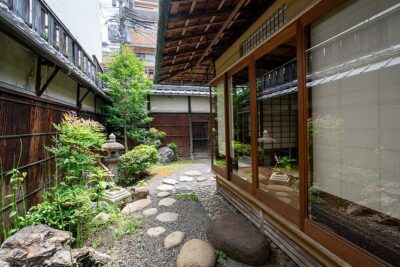
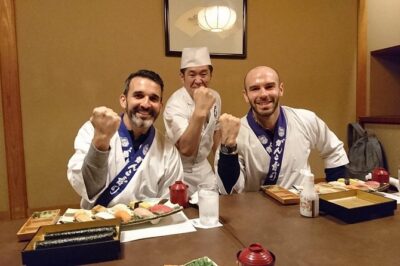
Tsukiji Fish Market Guided Tour and Sushi Making with Pro Chef
Read our review →Browse the lists this tour appears in