
Reviewed · WALKING TOURS
Tokyo: Kichijoji Walking Tour with Local Guide
Tokyo has a quieter side worth finding. I like the easy mix of local food streets and Inokashira Park, followed by two unhurried hours at the Ghibli Museum. I also like the tiny group size, limited to five people, which makes it easier to ask questions and keep a comfortable pace. The main catch is price: at $88 per person, you pay a sizeable premium over the museum ticket itself, and lunch is not officially included.
This is less a formal sightseeing march than an afternoon with a friendly local. Guides such as Mina, Daiske, Yuma, Shinjo, Miko, and Oishi have been praised for their warmth, food suggestions, and help with practical details. Still, the tour is a better buy if you cannot secure Ghibli Museum tickets yourself or want an introduction to Kichijoji, rather than if you only need museum admission.
In This Review
- Key points at a glance
- Why Kichijoji makes a smart Tokyo outing
- Kichijoji Sunroad: a useful first look at local shopping
- Harmonica Yokocho and the appeal of narrow lanes
- Inokashira Park: the calm middle of the tour
- Entering the Ghibli Museum with two hours to explore
- What the guide adds to the afternoon
- Food, snacks, and the tour’s changing shape
- Is $88 per person good value?
- Who should book this Kichijoji experience?
- Practical tips before you go
- Should you book it?
- FAQ
- Where does the Kichijoji walking tour meet?
- How long does the experience last?
- Is admission to the Ghibli Museum included?
- How much time do I have inside the Ghibli Museum?
- Is the Ghibli Museum visit guided?
- Is lunch included?
- What languages are available?
- What happens if it rains?
Key points at a glance
- The Ghibli Museum ticket is the big draw: Admission is included, a useful advantage when direct tickets are difficult to obtain.
- Kichijoji feels local: Sunroad and Harmonica Yokocho offer shops, food stalls, narrow lanes, and a more everyday Tokyo setting.
- Inokashira Park breaks up the city: The walk through the park adds trees, water, shrines, and a calmer pace before the museum.
- The museum is self-guided: Your guide takes you there, then you have about two hours to explore independently.
- The group is very small: With no more than five participants, the walk can feel personal rather than factory-made.
- Come ready to walk: Comfortable shoes matter, and the tour runs in rain or shine.
Why Kichijoji makes a smart Tokyo outing
Many first-time Tokyo itineraries stay around Shibuya, Shinjuku, Asakusa, and Tokyo Station. Kichijoji gives you a different view. It is still well connected to the capital, but the mood is more relaxed and local, with shopping arcades, small eateries, side streets, and a well-used public park.
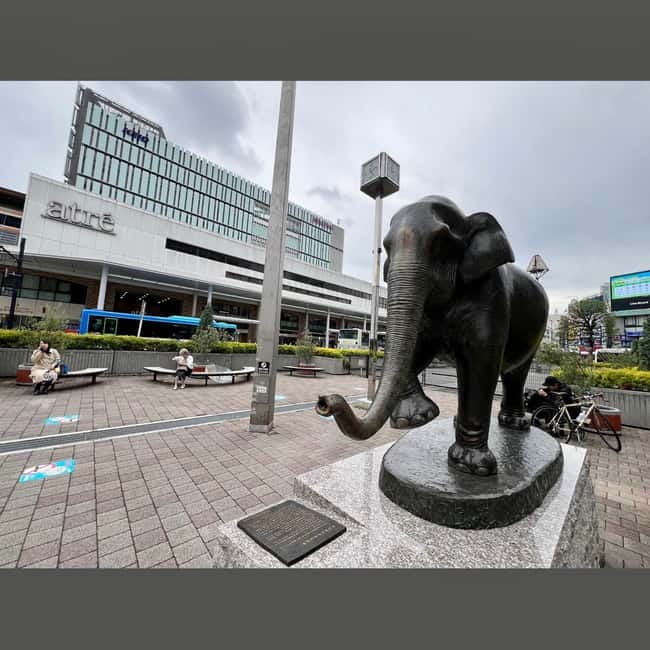
The tour begins at the Hanako Elephant Statue near the north exit of Kichijoji Station. Look for a guide wearing a lanyard. The meeting point is specific, but the station area can still feel busy, so arrive with enough time to find the statue without rushing.
From there, you walk for about 10 minutes to the first main stop. The walking itself is part of the appeal. You are not simply being transported between attractions. You get a sense of how the station area changes as you move from the large shopping streets toward smaller food lanes and the park.
The four-hour schedule is compact but sensible. The first half introduces Kichijoji, while the second half gives you dedicated museum time. That division works well for families and couples who want a gentle afternoon instead of another packed Tokyo day.
More Walking Tours in Tokyo
- Tokyo Tsukiji Fish Market Food and Culture Walking Tour
★ 5.0 · 3,184 reviews - Tokyo: Imperial Palace and Shogun Historical Walking Tour
★ 5.0 · 2,251 reviews - Tokyo: Shinjuku Local Bar and Izakaya Guided Walking Tour
★ 4.9 · 1,794 reviews
Kichijoji Sunroad: a useful first look at local shopping
Kichijoji Sunroad is scheduled as a 15-minute guided visit. This is not a stop where you should expect a long list of major monuments. Its value is everyday Tokyo: shopping, food, movement, and the way locals use a covered commercial street.
Your guide can point out the kinds of shops and eating places that are easy to miss when you wander without context. The short visit also keeps the tour moving. You get an introduction without spending half the afternoon browsing stores.
I would treat this section as orientation rather than a destination in its own right. If you love shopping or food, you may want to return later with more time. The tour gives you a taste of the area, not an exhaustive look at every lane.
Harmonica Yokocho and the appeal of narrow lanes
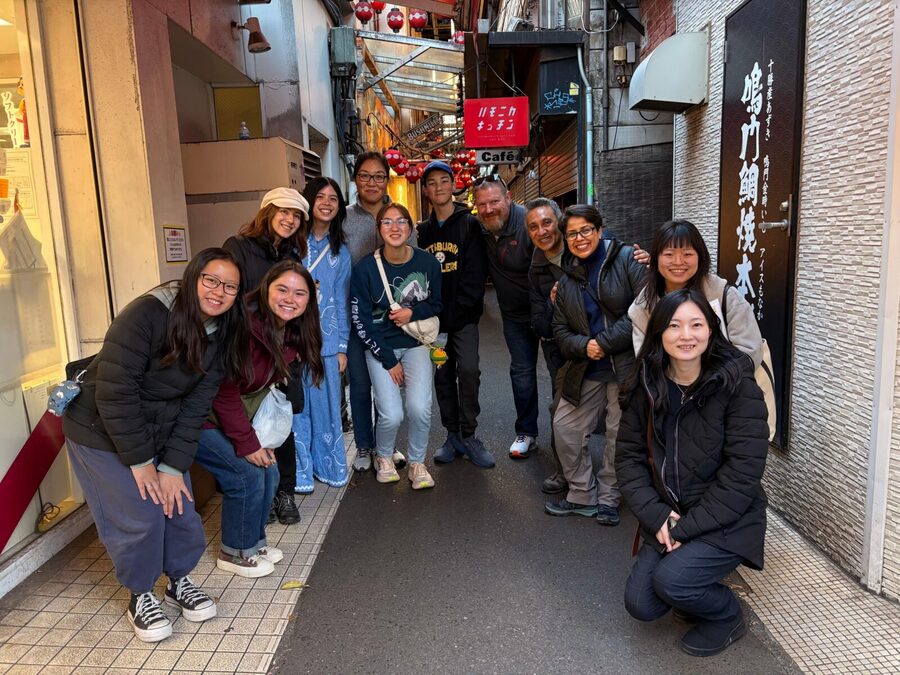
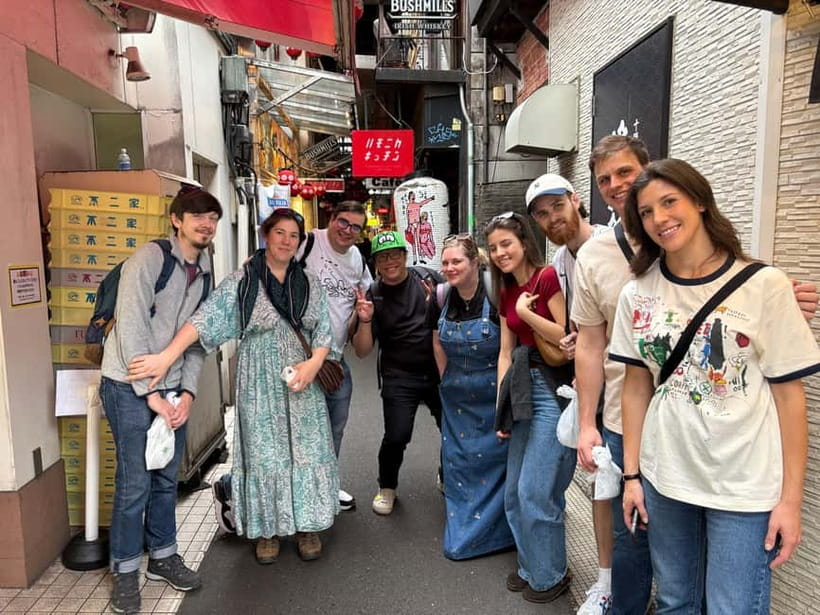
Next comes Harmonica Yokocho, also allotted 15 minutes. This compact area is known for narrow passages and small food spots packed close together. The setting feels far removed from Tokyo’s broad roads and giant station complexes.
The name fits the tight arrangement of the lanes, and the atmosphere is especially appealing to anyone curious about Tokyo’s informal food culture. You might notice aromas from several places at once, see small counters, and get suggestions for where to eat later.
The short timing is again both strength and limitation. A guide can explain the area and show you the layout, but you will not have much time for a full food crawl before moving on. If you want to sample several dishes, plan to return after the tour or ask your guide what deserves a second visit.
Food is an important part of this experience, but read the inclusions carefully. Lunch is not officially included, and the listed inclusion is a snack. Several accounts describe a local lunch, desserts, sushi, or other food stops, with guides helping accommodate vegetarian choices and dietary concerns. Since the exact arrangement may vary, ask about the meal before ordering. One person specifically wished for clearer food information in advance.
That uncertainty is worth noting because it affects the value. A meal can make the afternoon feel generous, but you should not assume it is covered by the $88 price.
Inokashira Park: the calm middle of the tour
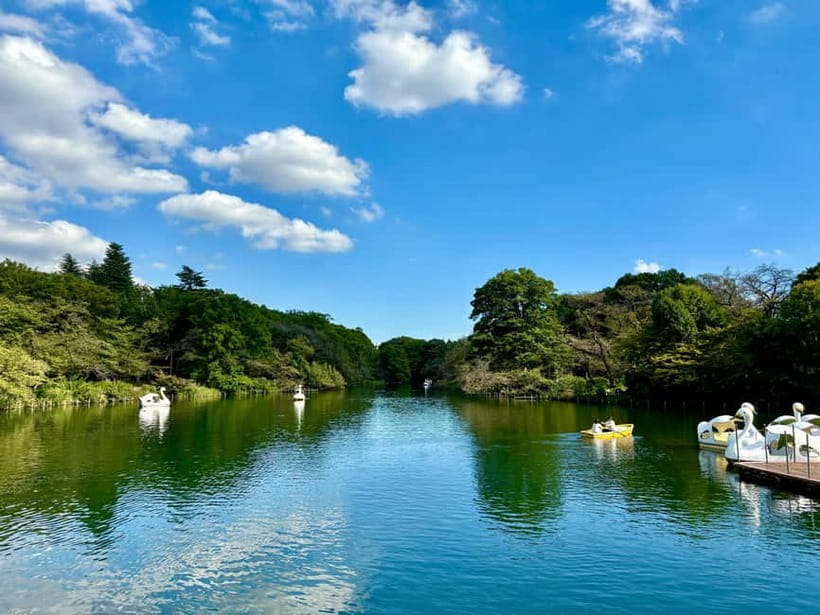
The park receives about 30 minutes of guided time, followed by a 10-minute walk toward the museum. This is one of the strongest parts of the route.
Inokashira Park gives you shade, open space, and a break from station crowds. Its lake, walking paths, seasonal greenery, and swan boats create a softer picture of Tokyo. A shrine in the park may also be included in the route, depending on the guide and timing.
The park is not just a pleasant backdrop. It explains why Kichijoji is so popular with local residents. You see people using the space for a normal afternoon, not just posing for photos. The change in pace makes the museum visit feel more special.
The walk to the Ghibli Museum takes about 10 minutes according to the planned route, though several participants describe the full walk through the park as a little more substantial. It is manageable for most people who are comfortable on foot, but seniors or anyone with limited mobility should take note. One guide, Shinjo, helped older parents consider alternate ways back to the station after the visit.
This is not a tour for someone who wants to avoid walking. There are several walking sections, and the tour operates rain or shine. Comfortable shoes and a small umbrella or rain layer are sensible choices.
A completely different kind of day out:
- Tokyo Disney Resort – Tokyo Disneyland & Tokyo DisneySea Park Tickets
★ 4.8 · 99,488 reviews - SHIBUYA SKY Ticket
★ 4.7 · 46,509 reviews - JR Whole Japan Rail Pass
★ 4.8 · 29,150 reviews - Mt Fuji and Hakone 1-Day Bus Tour Return by Bullet Train
★ 5.0 · 26,383 reviews
Entering the Ghibli Museum with two hours to explore
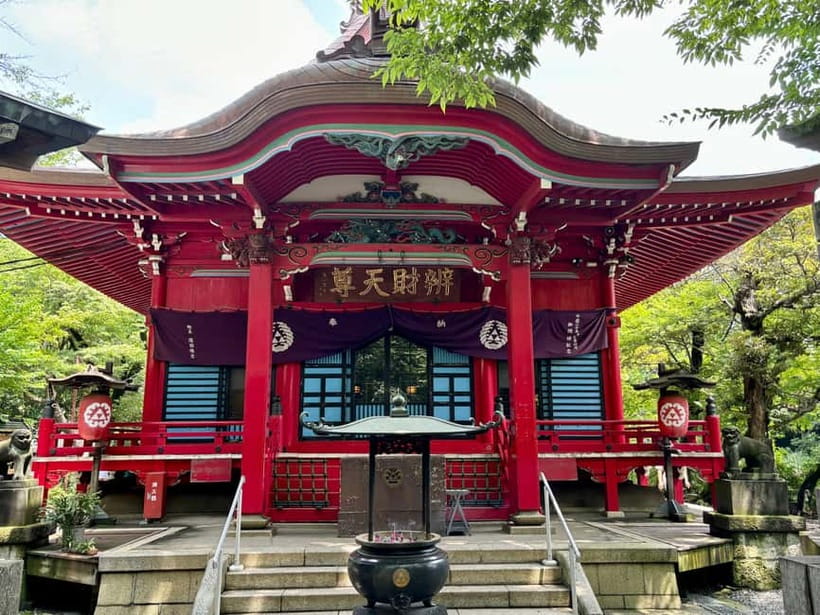
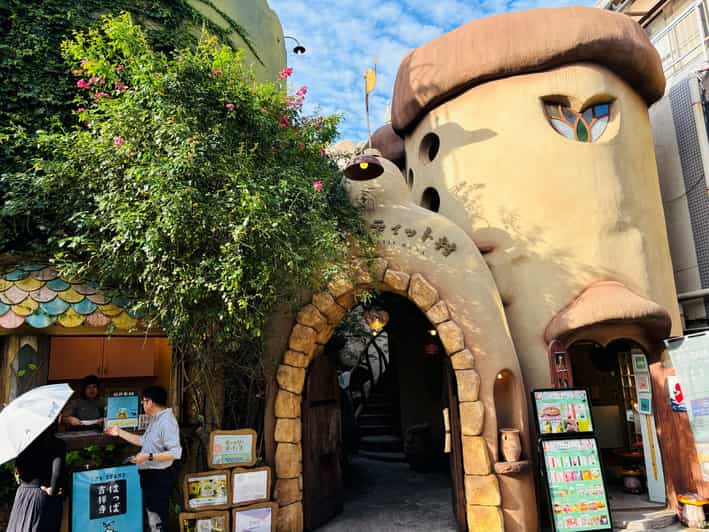
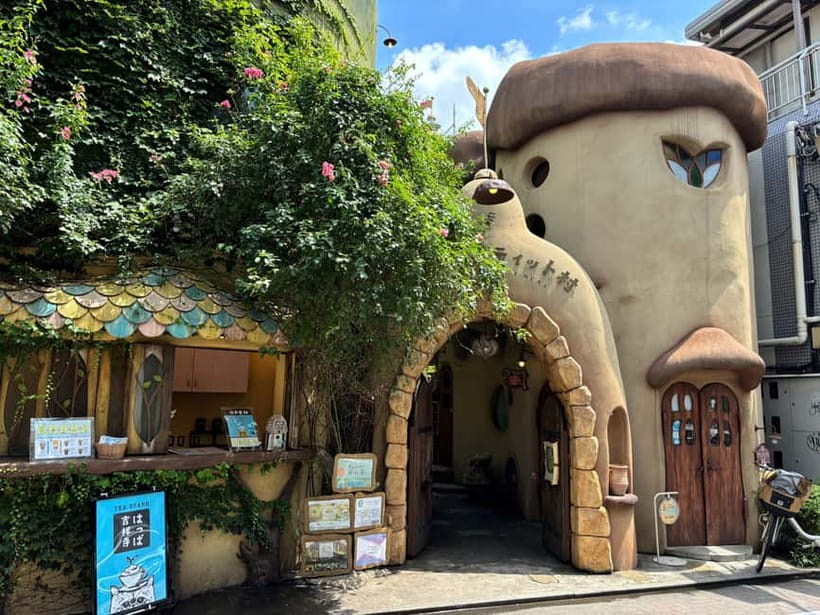
The museum is the grand finish. Admission is included, and you receive about two hours of free time inside. Your guide brings you to the museum, but this part is not a guided room-by-room tour.
That arrangement is a good fit for Ghibli fans. You can move at your own pace, linger over displays, and decide which rooms deserve your attention. Two hours is generally enough for a focused visit, though serious fans may wish they had longer.
Photography may be limited inside, so do not plan to document every display. The exterior offers better photo opportunities, and the museum’s café and gift shop are useful points to remember when planning your final minutes. One practical tip from the experience: starting at the bottom and working upward can make the layout easier, though you still need to use stairs on the way out.
The museum is not enormous. One person found it quite small, while others considered it remarkable and unforgettable. That difference comes down to expectations. If you want a huge theme park with rides and full-scale attractions, this is not that. If you appreciate animation, studio craft, hand-drawn work, and the imaginative world associated with Studio Ghibli, the visit can be the highlight of your Tokyo stay.
The ticket is also the reason many people choose this tour. Direct museum tickets can be difficult to obtain, especially around busy travel periods. This experience gives you another route to admission, though the added cost is substantial.
What the guide adds to the afternoon
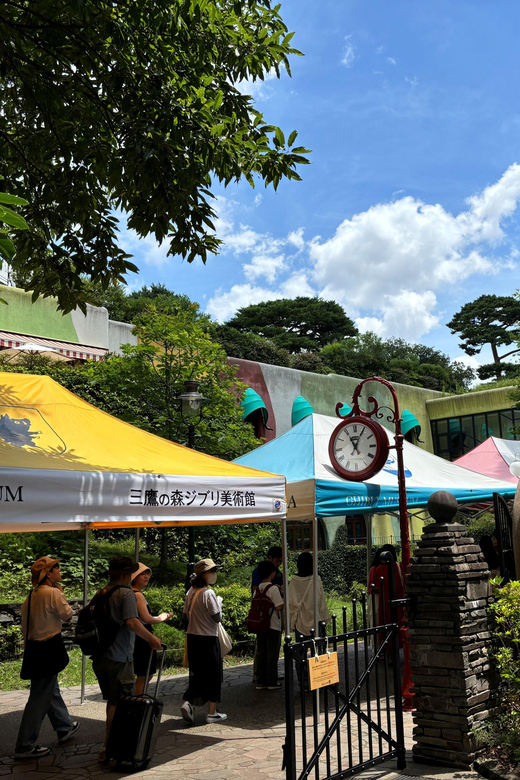
The guide is the part that turns a museum transfer into a neighborhood experience. The best guides do not merely point toward the station or park. They answer questions about Japanese food, manga, local shops, customs, and Kichijoji’s character.
Names vary by departure. Mina has been praised for her friendly, conversational manner. Mimi was appreciated for local suggestions involving shops, restaurants, and manga. Daiske has helped with meeting details, dietary questions, and keeping the group comfortable. Yuma and Oishi were praised for sharing cultural information and making unfamiliar foods easier to try.
English and Japanese are available. Communication quality may depend on the individual guide. Shinjo, for example, used a translation app while still developing her English, but the group was able to communicate well. That is worth keeping in mind if you need detailed explanations in fluent English.
The group limit of five is a real advantage. You can ask where to eat, how to return to the station, or what a particular food might contain without competing with a crowd. A small group also makes it easier for the guide to adjust the pace, take photos, and help when someone is running late or needs extra assistance.
The day-before WhatsApp message is another practical touch. Your guide should contact you to confirm the meeting details. Make sure WhatsApp is working and watch for that message.
Food, snacks, and the tour’s changing shape
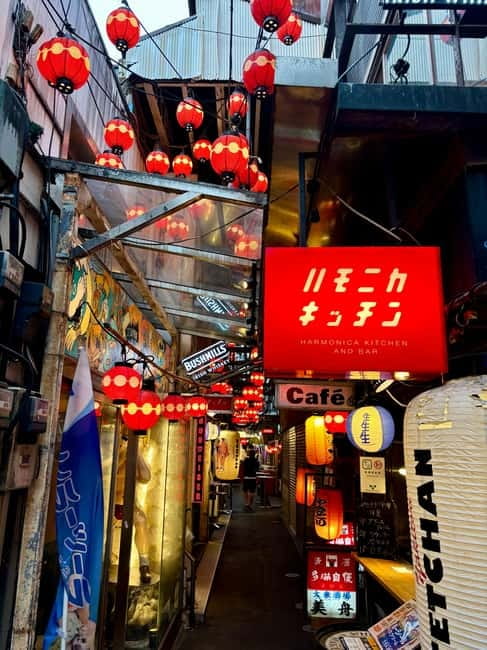
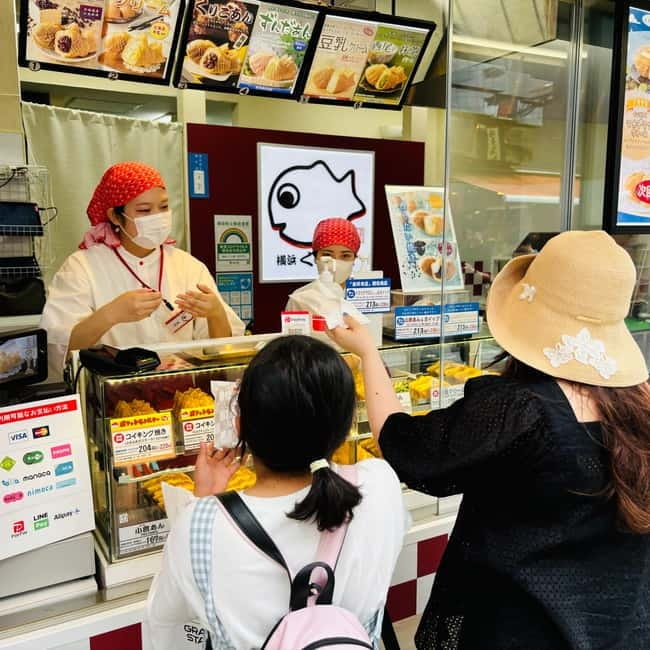
The official details include a snack but exclude lunch. Yet the actual experience can include more food than that wording suggests. Several accounts describe local lunches, sushi, fish restaurants, desserts, taiyaki, Japanese sweets, and food sampling in the shopping streets.
That sounds appealing, but it also means you should clarify the plan. Ask what is included, what you will pay separately, and whether the menu works for your dietary needs. Guides have helped with vegetarian options, which is useful, but you should still state restrictions before the tour begins.
The food element adds something important: it gives you a reason to pause and talk. A local meal can be more memorable than another explanation at a famous landmark. Still, the tour should not be sold as a guaranteed gourmet lunch unless your booking confirmation says so.
If food is a major reason you are booking, confirm the details with O2 Japan Travel. If the museum is your priority, the food is a pleasant bonus rather than the main justification.
Is $88 per person good value?
At $88, this is not a cheap walking tour. The standard admission price for the Ghibli Museum is much lower than the full tour cost, so you are paying for more than the ticket.
You are also paying for the guide’s time, the small group format, neighborhood orientation, route planning, and the chance to obtain museum admission when direct booking has not worked. For a family that has spent days trying to secure tickets, that convenience can be worth a lot. For someone who already has a museum ticket, the value is less convincing.
The price feels strongest in three cases:
- You are a serious Ghibli fan and could not buy a ticket directly.
- You want local help with Kichijoji, food, and the route to the museum.
- You prefer a small guided experience to planning each stop yourself.
The price feels weaker if you only want two hours inside the museum or are happy to explore Kichijoji alone. The shopping streets and park are open to everyone, and the food stops may not provide enough added value to justify the premium by themselves.
Free cancellation up to 24 hours before the start and the reserve-now, pay-later option reduce some booking risk. Starting times vary, so check availability for your date.
Who should book this Kichijoji experience?
I would recommend it most strongly to Ghibli fans who failed to get tickets through the regular sales process. The museum admission solves the hardest part of the day, while the Kichijoji walk gives you a pleasant reason to go out that way.
Families should also consider it. The pace is relaxed, the museum time is independent, and the group is small. Parents should remember that children still need to manage the walking sections, and lunch arrangements need checking.
Couples and first-time visitors who want a quieter side of Tokyo will find the route appealing. It offers shopping streets, food, a park, and a major cultural attraction without the pressure of a full-day schedule.
I would be less enthusiastic for repeat Tokyo visitors who already know Kichijoji or for budget-minded visitors who have secured their own Ghibli tickets. You can explore the public parts of the route independently for far less money.
Practical tips before you go
Wear shoes you can comfortably use for several walking sections. The tour runs in all weather, so check the forecast and bring rain protection when needed.
Meet at the Hanako Elephant Statue by the north exit of Kichijoji Station. Look for the guide’s lanyard, and keep your phone available for the WhatsApp confirmation sent the day before.
Tell the guide about food restrictions before the meal. Since lunch is not officially included, ask for a clear explanation of the food plan and any extra cost.
Save some energy for the museum. The first half includes shopping streets and park walking, but the museum deserves unhurried attention. Since indoor photography may be restricted, enjoy the displays directly and use the exterior for pictures.
Should you book it?
Book this tour if the Ghibli Museum is high on your Tokyo wish list and direct tickets have eluded you. The small group, friendly guides, Kichijoji food streets, and peaceful park walk make the ticket premium easier to accept.
Skip it if you already have museum admission or mainly want a low-cost neighborhood walk. In that case, Kichijoji and Inokashira Park are easy places to explore independently.
For the right person, this is a smart solution to a difficult ticket problem, with a very pleasant local afternoon attached.
FAQ
Where does the Kichijoji walking tour meet?
Meet at the Hanako Elephant Statue near the north exit of Kichijoji Station. Look for a guide wearing a lanyard.
How long does the experience last?
The experience lasts four hours. Starting times vary, so check availability for your preferred date.
Is admission to the Ghibli Museum included?
Yes. Ghibli Museum admission is included in the tour price.
How much time do I have inside the Ghibli Museum?
You have about two hours of free time to explore the museum at your own pace.
Is the Ghibli Museum visit guided?
The guide takes you to the museum, but your museum visit is free time rather than a room-by-room guided tour.
Is lunch included?
Lunch is listed as not included. A snack is included, and food arrangements may vary, so ask what is planned and what costs extra.
What languages are available?
The tour is offered with a live guide in English or Japanese.
What happens if it rains?
The tour operates rain or shine. Bring suitable rain protection and wear comfortable shoes.
Just added in Tokyo
- A One-of-a-Kind Sushi Experience in a Special Place of Japan★ 5.0 · 15 reviews
- Tokyo Cute Bento Cooking Class – Make a Kawaii Character Lunchbox★ 5.0 · 126 reviews
- Japanese Home Cooking Class & Walk in Todoroki Temple Tokyo★ 5.0 · 88 reviews
- Japan Tokyo Tower Observatory Deck E-Ticket★ 4.0 · 34 reviews
- Catch a Baseball Game in Tokyo with a Local – Tickets Included★ 5.0 · 24 reviews
- JDM Experience with Fast&Furious RX-7 (English speaking Driver)★ 5.0 · 57 reviews
- Tokyo Private Day Tour by Car with English speaking Driver Guide★ 4.0 · 29 reviews
- Japan Classic 10 Day – One Life Adventures★ 5.0 · 129 reviews
Walking Tours, compared.
Kyoto Geisha Walking Tour: Gion District & Hidden Gems
Read our review →
Tokyo Tsukiji Fish Market Food and Culture Walking Tour
Read our review →
Gion Magical Night Walking Tour with Geisha Trivia
Read our review →
Imperial Palace and Shogun Historical Walking Tour
Read our review →
Gion Geisha District Walking Tour – Stories of Geisha
Read our review →
Shinjuku Local Bar and Izakaya Guided Walking Tour
Read our review →
Browse the lists this tour appears in