Reviewed · GUIDED
Tokyo: Private Tailored Tour with a Local Guide
Tokyo rewards curiosity.
This private, one-day tour links major sights with lesser-known corners, while giving you a local guide to help shape the day around your interests. I like the personal format and the chance to see both polished Shibuya and old-style Yanaka. I also like that guides can help you understand Tokyo’s trains and neighborhood layout, a real help in a city this large.
The main catch is cost. At $63 per person, transportation, meals, and entrance fees are extra, and the experience may feel less worthwhile if your guide mainly points out sights you already chose. Comfortable shoes are essential, and the published details give mixed information about wheelchair access, so confirm this before booking.
In This Review
- Tokyo in One Day: Key Points
- Why This Tokyo Tour Can Be Useful
- Starting at Asakusa or Harajuku Station
- Meiji Shrine and Harajuku’s Two Faces
- Shibuya Crossing and the Hachiko Statue
- Nakano Broadway for a Different Tokyo
- Asakusa and the Red Lanterns of Sensō-ji
- Shinjuku Views and Omoide Yokocho
- Yanaka and the Old Shitamachi Spirit
- What the Private Format Really Delivers
- Cost, Walking, and Practical Details
- Who Should Book This Tokyo Experience?
- FAQ
- How much does the private Tokyo tour cost?
- How long is the experience?
- Where can I meet the guide?
- Is the tour private?
- Which languages are available?
- Which Tokyo sights can be included?
- Are transportation and entrance fees included?
- Is the tour suitable for wheelchair users?
- Should You Book It?
Tokyo in One Day: Key Points
- Private rather than fixed: You get a private group and a route shaped around your interests, not a large coach party moving on a rigid schedule.
- A strong mix of Tokyo: The day can connect Meiji Shrine, Harajuku fashion, Shibuya Crossing, Sensō-ji Temple, Shinjuku, Nakano Broadway, and Yanaka.
- Local help with the city’s trains: One especially useful part of the experience is learning how to use public transportation between districts.
- Several pickup choices: You can meet at Asakusa Station or Harajuku Station, or arrange pickup from your hotel.
- Guides praised for warmth: Names that appear in the feedback include Marleen, Tassilo, and Isaac. Tassilo was praised for clear explanations and a friendly manner, while Isaac was described as attentive and passionate.
- A full day on foot: This suits active visitors who want a broad introduction to Tokyo, but it may be tiring and is not recommended for pregnant women or people with mobility impairments.
Why This Tokyo Tour Can Be Useful
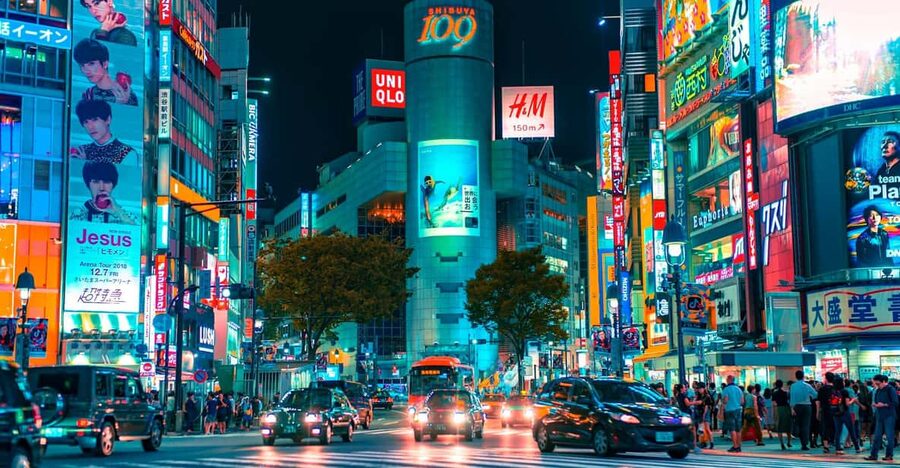
Tokyo is not one city in the usual sightseeing sense. It is a collection of districts, each with its own mood, history, and purpose. A private tour can help you move between those areas without spending half the day wondering which station exit to use.
The format is especially useful if you are visiting Tokyo for the first time, have a short stay, or want to combine famous sights with places that do not fit neatly into a standard sightseeing route. You can tell your guide what interests you, then adjust the focus toward temples, food, shopping, fashion, traditional neighborhoods, or city views.
The experience is offered for $63 per person. That is a reasonable price for private guiding if you value personal attention and help with transportation. It is less attractive if you expect a fully packaged excursion. You pay for meals, subway or train fares, and any entrance fees yourself, so the final cost can rise.
One important point is the quality of the guiding. The feedback is strongly positive overall, with a 4.6 rating from 55 reviews, but one assessment describes a newer guide who was pleasant yet unsure how to shape the day. That is a fair warning: before the tour, send clear interests and priorities. A guide can do much more with a useful wish list than with a vague request to see the best of Tokyo.
A few more options to weigh up in Tokyo
- Tokyo Disney Resort – Tokyo Disneyland & Tokyo DisneySea Park Tickets
★ 4.8 · 99,488 reviews - SHIBUYA SKY Ticket
★ 4.7 · 46,509 reviews - JR Whole Japan Rail Pass
★ 4.8 · 29,150 reviews
Starting at Asakusa or Harajuku Station
The meeting options tell you something about the tour’s flexible nature. You can begin at Asakusa Station or Harajuku Station, and hotel pickup may also be arranged. Ask about the exact meeting point before the day begins, especially at a large station where several exits can lead to very different streets.
Starting near Harajuku makes sense if you want to begin with Meiji Shrine and Takeshita Street. Starting in Asakusa puts you close to Sensō-ji Temple and the older side of Tokyo. Neither choice is automatically better. Pick the area that fits your hotel and your first priority.
The day covers many districts, so expect public transportation and plenty of walking. The guide can explain how to use Tokyo’s trains, which adds practical value beyond sightseeing. Still, you should budget for your own fares and carry a refillable water bottle.
Meiji Shrine and Harajuku’s Two Faces
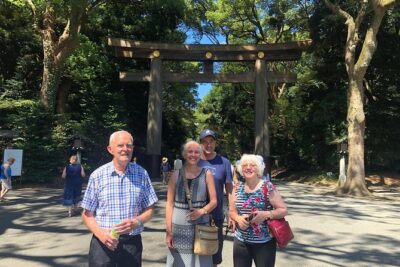
Meiji Shrine, also called Meiji Jingu, offers a calm opening to the day. Its paths lead through a wooded setting toward the main sanctuary, where the shrine honors Emperor Meiji and Empress Shoken. The contrast with nearby Harajuku is part of the appeal.
Your guide can explain basic Shinto customs and the role of the shrine without turning the visit into a lecture. The approach is on well-used paths, but this is still an outdoor walking stop, so weather matters. Bring suitable clothing and shoes with good support.
Then comes Harajuku, where Tokyo changes character quickly. Takeshita Street is known for youth fashion, unusual sweets, colorful clothing, and a steady stream of shoppers. It is a good place to ask your guide about local style and the district’s reputation for creative street culture.
Takeshita Street can also feel crowded and noisy. If you dislike dense shopping streets, tell your guide so more time can be spent around quieter side streets or another neighborhood. The value of a private guide here is not simply being shown the main road. It is getting help finding the parts that match your interests.
Shibuya Crossing and the Hachiko Statue
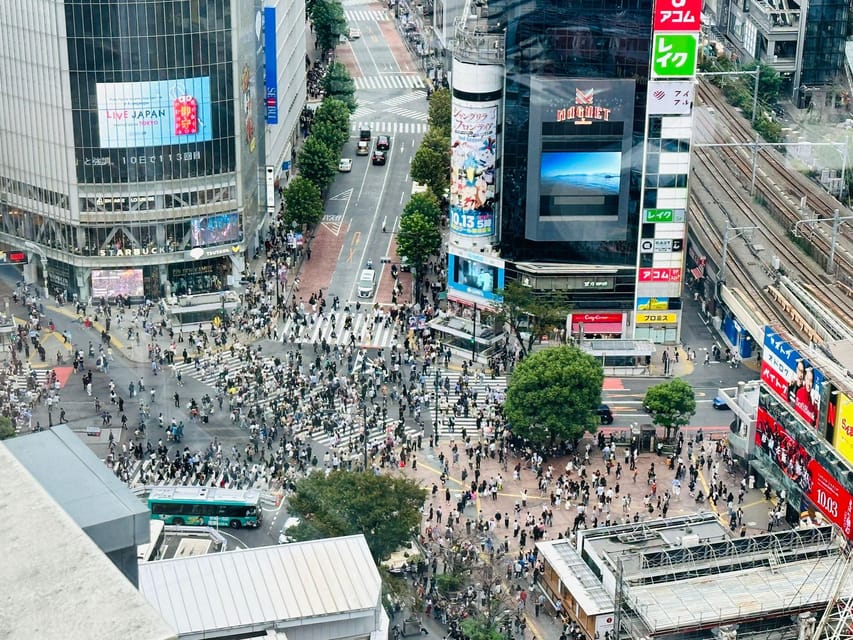
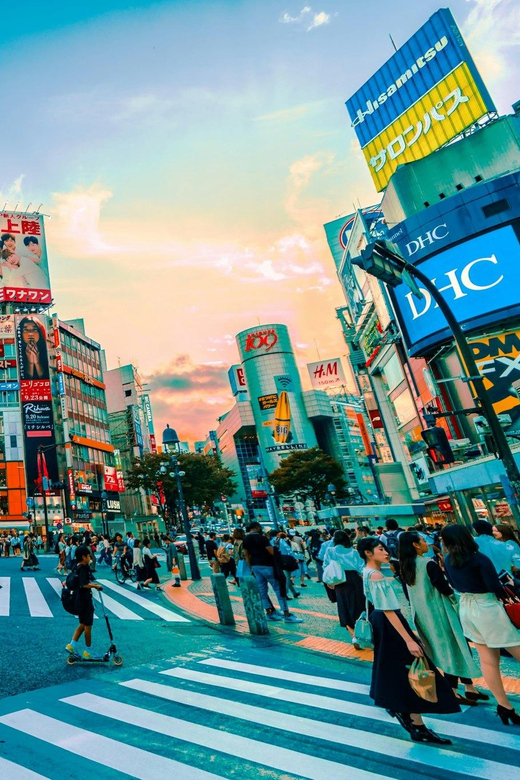
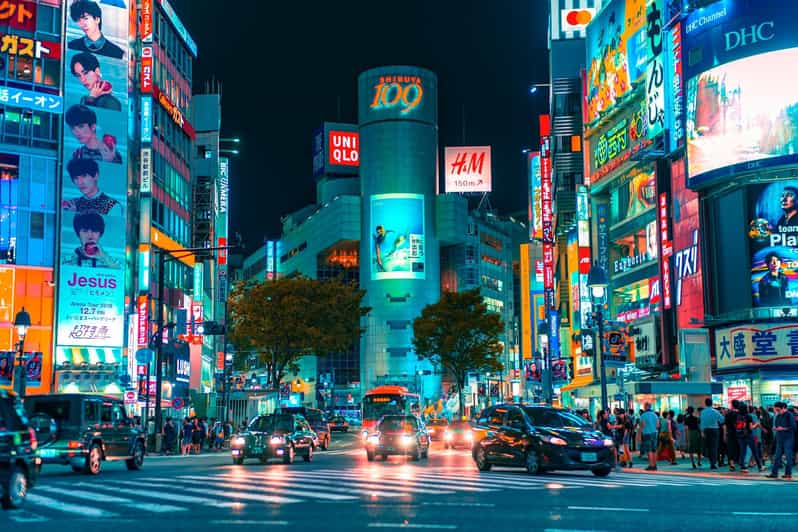
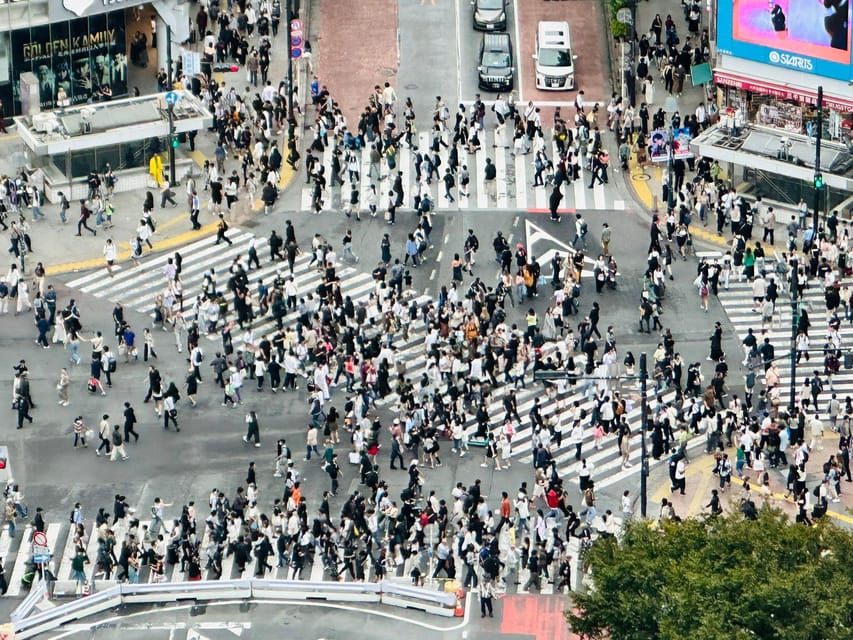
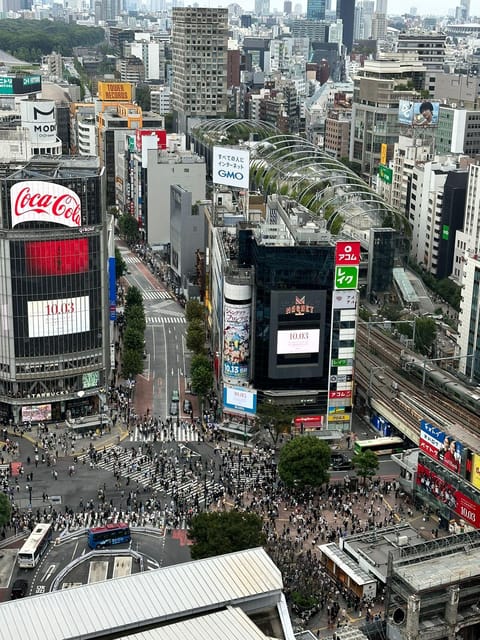
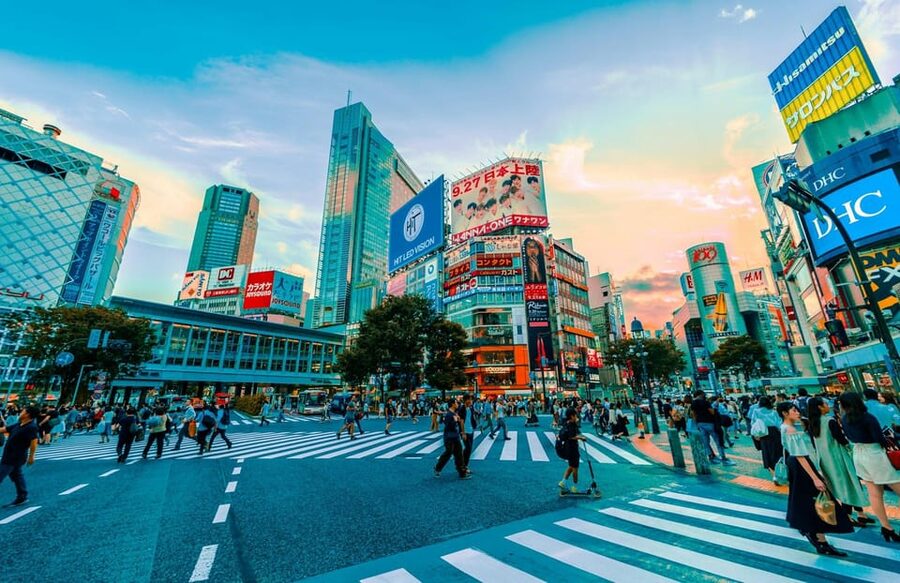
Shibuya supplies Tokyo’s famous modern image. At Shibuya Crossing, pedestrians move in several directions across a wide intersection while the city rises around them. It is a brief sight, but an essential one for many first-time visitors.
The Hachiko statue is nearby and gives the stop a more personal focus. Hachiko is remembered as a loyal dog, and the statue has become one of Tokyo’s best-known meeting points. Your guide can help you find it on the way to the crossing and explain why it matters in the city.
I like this part of the route because it places a very modern Tokyo beside a small piece of local memory. The drawback is that the crossing itself does not require much time. If you want extended shopping or time in cafés, you will need to make that clear when planning the day.
A completely different kind of day out:
- Mt Fuji and Hakone 1-Day Bus Tour Return by Bullet Train
★ 5.0 · 26,383 reviews - TOKYO SKYTREE® Ticket
★ 4.7 · 25,136 reviews - teamLab Borderless Tickets: MORI Building DIGITAL ART MUSEUM
★ 4.7 · 24,126 reviews - teamLab Planets TOKYO Ticket
★ 4.7 · 21,663 reviews
Nakano Broadway for a Different Tokyo
Nakano Broadway adds variety to a route otherwise heavy on major landmarks. It is known for specialist shopping and an atmosphere different from the glossy central districts. The supplied information does not promise a particular shop or collection, so your guide’s role is to show you the parts that fit your interests.
This stop may appeal to you if you enjoy unusual retail, pop culture, collectibles, or local commercial districts. It is also useful for seeing how Tokyo’s shopping areas change from one neighborhood to the next.
If your main goal is temples and traditional streets, Nakano Broadway may be less important than Yanaka or Asakusa. A private tour gives you room to say so. That flexibility is one of the strongest reasons to choose this format instead of a fixed group outing.
Asakusa and the Red Lanterns of Sensō-ji
Asakusa offers the clearest change of mood. Sensō-ji Temple is famous for its large red lanterns and its long connection with old Tokyo. The approach to the temple is a major sightseeing route, but the district also has smaller streets and older-feeling corners worth exploring.
Your guide can explain the story and importance of Sensō-ji, then help you look beyond the main photo stop. This is where local guidance can add real value. You get context for what you are seeing, not just a quick visit and a few pictures.
The area may be crowded, particularly around the best-known approach to the temple. You should also remember that this is a religious site, so respectful behavior and clothing are sensible. Any food, drinks, or paid attractions are your responsibility.
Because the tour may begin or end near Asakusa Station, this district can be convenient for the day’s transportation. It also gives you a strong contrast with Harajuku and Shibuya: traditional buildings, temple customs, and a more established neighborhood feel.
Shinjuku Views and Omoide Yokocho
The route description includes Shinjuku, even though the listed stop sequence does not place it as clearly as the other districts. If Shinjuku is important to you, confirm that it will receive proper time when you discuss the plan with your guide.
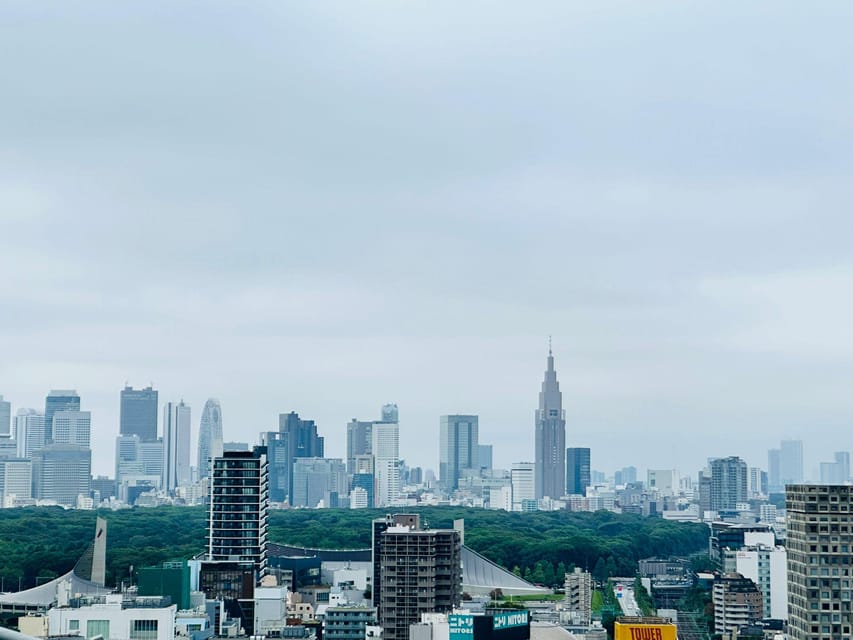
The Tokyo Metropolitan Government Building is a useful viewpoint because it offers broad city views without the same kind of paid observation deck experience. The information provided does not guarantee a specific opening time or access arrangement, so ask your guide what is possible on your date.
Omoide Yokocho supplies a very different picture of Shinjuku. Its narrow lanes and Showa-era character recall an older Tokyo, far removed from the huge station, office towers, and bright signs nearby. It is a good setting for learning how the district changed over time.
Meals are not included, and the tour does not promise a meal stop. Omoide Yokocho may tempt you to eat, but plan to pay separately and ask your guide about the best way to fit food into the day without losing sightseeing time.
Yanaka and the Old Shitamachi Spirit
Yanaka may be the most rewarding stop for you if you want a slower, more traditional side of Tokyo. The neighborhood is associated with shitamachi, the old downtown atmosphere of small shops, local ties, and a less polished pace.
The area includes quaint shops and galleries, and your guide can point out places that are easy to miss when you walk alone. I value this stop because it gives the day some breathing room after the intensity of Shibuya and Harajuku.
Yanaka is not a single dramatic monument. Its appeal comes from the streets, shopfronts, and everyday feel. That means the quality of the visit depends heavily on how well your guide matches your interests. Tell your guide if you want photography, crafts, traditional architecture, shopping, or quiet walking time.
For many people, Yanaka will feel more personal than checking another major attraction off a list. If you want only Tokyo’s headline sights, you may prefer to spend more time in Shinjuku or Shibuya instead.
What the Private Format Really Delivers
A private group gives you freedom, but it does not mean every possible district can receive equal attention in one day. Tokyo’s size makes that impossible. The strongest plan will choose a few priorities and treat the rest as optional.
I would send your guide a short list before meeting:
- Two or three places you most want to see
- Your interest in food, shopping, temples, fashion, or local neighborhoods
- How much walking you are comfortable with
- Any district you would happily skip
- Whether learning to use public transportation is important to you
The guide languages listed are English, German, Italian, Spanish, and French. Several positive comments praise the guides’ friendly, attentive style. Marleen was credited with making a very personal plan before the tour, and a German-speaking guide was praised for giving a useful overview of Tokyo and showing how to use public transport.
At the same time, one lower score raises a practical concern about value when the guide only follows your directions and provides basic commentary. Good preparation on your part can reduce that risk, but you should still ask who your guide is and what kind of route they suggest.
Cost, Walking, and Practical Details
At $63 per person, this is best understood as a private orientation service, not an all-inclusive tour. You receive a local guide and a personalized experience, but you buy your own food and drinks, transportation, and admission fees.
That price can work well for couples, families, or friends who want private help without paying for a luxury tour. It is harder to justify for solo visitors unless personal guidance and transport help are especially important to you.
Wear comfortable walking shoes. The day combines temple paths, shopping streets, station transfers, and neighborhood walking. Bring weather-appropriate clothing and a refillable bottle. Carry cash for personal expenses because not every place accepts credit cards.
The activity is listed as wheelchair accessible, but the same information says it is not suitable for wheelchair users or people with mobility impairments. Treat this as an unresolved issue and contact Maji Super Tours before booking if accessibility matters to you. Pregnant women are also listed among those for whom the experience is not suitable.
Free cancellation is available up to 24 hours before the activity for a full refund, and you can reserve now and pay later. The tour is valid for one day, with the starting time dependent on availability.
Who Should Book This Tokyo Experience?
I would recommend it most strongly to first-time Tokyo visitors who want a broad introduction and prefer a private guide to a large group. It also suits people who want help with trains, enjoy changing neighborhoods, and like the idea of adjusting the day as they go.
It is a good match for couples and small private groups with different interests. One person can prioritize shrines, another can ask for shopping, and the guide can build a route that includes both.
I would be more cautious if you want a precise, fully timed sightseeing program with every admission and transfer included. I would also think twice if you dislike walking or already know Tokyo well enough to manage its neighborhoods and stations alone.
FAQ
How much does the private Tokyo tour cost?
The listed price is $63 per person. Meals, drinks, transportation, and entrance fees are not included.
How long is the experience?
The tour is valid for one day. Starting times depend on availability.
Where can I meet the guide?
The two stated meeting options are Asakusa Station and Harajuku Station. Hotel pickup may also be arranged.
Is the tour private?
Yes. It is described as a private group experience with a local guide.
Which languages are available?
Guiding is available in English, German, Italian, Spanish, and French.
Which Tokyo sights can be included?
The experience can include Meiji Shrine, Harajuku and Takeshita Street, Shibuya Crossing, the Hachiko statue, Nakano Broadway, Asakusa, Sensō-ji Temple, Shinjuku, Omoide Yokocho, the Tokyo Metropolitan Government Building, and Yanaka. The exact plan is tailored to your interests.
Are transportation and entrance fees included?
No. You pay transportation costs and attraction entrance fees separately.
Is the tour suitable for wheelchair users?
The information is inconsistent. It lists the activity as wheelchair accessible but also says it is not suitable for wheelchair users or people with mobility impairments. Confirm directly with Maji Super Tours before booking.
Should You Book It?
Book this tour if you want a personal introduction to Tokyo, especially one that combines major sights with Yanaka, Nakano Broadway, and other less obvious stops. The private setup, multilingual guides, and help with public transportation can make a complicated first day easier.
Before paying, send your guide a clear wish list and confirm the actual route, meeting point, guide language, and accessibility details. At $63 per person, the experience offers good value when the guide actively shapes the day around you. If the plan becomes little more than following your own directions while paying extra for trains and meals, the value drops quickly.
Just added in Tokyo
- A One-of-a-Kind Sushi Experience in a Special Place of Japan★ 5.0 · 15 reviews
- Tokyo Cute Bento Cooking Class – Make a Kawaii Character Lunchbox★ 5.0 · 126 reviews
- Japanese Home Cooking Class & Walk in Todoroki Temple Tokyo★ 5.0 · 88 reviews
- Japan Tokyo Tower Observatory Deck E-Ticket★ 4.0 · 34 reviews
- Catch a Baseball Game in Tokyo with a Local – Tickets Included★ 5.0 · 24 reviews
- Tokyo Private Day Tour by Car with English speaking Driver Guide★ 4.0 · 29 reviews
- Japan Classic 10 Day – One Life Adventures★ 5.0 · 129 reviews
- JDM Experience with Fast&Furious RX-7 (English speaking Driver)★ 5.0 · 57 reviews
Guided, compared.
Tokyo 6hr Private Tour with Government-Licensed Guide
Read our review →
Shiraito Falls & Forest Cafe & Handmade Flower Salt Pudding & Grilled Seafood & Totoro Forest & Sakurai Futamigaura & Angel’s Wings & Coconut Tree Swing Day Tour (Departing from Hakata Station, with Mandarin, English, and Cantonese speaking guide)
Read our review →
Shinjuku Local Bar and Izakaya Guided Walking Tour
Read our review →
Private City Highlights Tour with Local Guide
Read our review →
Kyoto Early Morning Tour with English-Speaking Guide
Read our review →