
Reviewed · WALKING TOURS
Tokyo: Private Walking Tour with a Local Guide
Tokyo rewards curiosity. This private walking tour makes the city easier to read, pairing local guides with a route built around your interests. I especially like the chance to mix major sights with quieter neighborhood corners, and I like that your guide meets you at your central Tokyo hotel and helps you use public transportation. The main consideration is scale: Tokyo is enormous, so trying to see everything can mean too much walking and too much time on trains.
I also like the personal pace. Guides such as Momo, Miwa, Rika, Hina, and Kanako have helped visitors adjust plans, find food, take photos, and understand daily life in Japan without burying them in dates. But this is still a walking tour, and it is not suitable for wheelchair users or people with mobility impairments. If you want several distant districts in one day, you should be ready for station stairs, crowded trains, and plenty of pavement.
In This Review
- Key points to know before booking
- Why a private Tokyo tour can be worth the money
- Start with a clear plan, not a wish list
- Sensō-ji and Asakusa: the best traditional starting point
- Ueno and Ameya-Yokocho: markets with a local angle
- Akihabara: Tokyo’s modern pop culture
- Shibuya Crossing and Harajuku: famous, energetic, and easy to overdo
- Meiji Shrine: a calm contrast beside Harajuku
- Tsukiji Outer Market: the strongest choice for food lovers
- Ginza and the Imperial Palace: polished Tokyo and national history
- Shinjuku: neon, neighborhoods, and a useful ending
- The guides are the heart of the experience
- Walking, trains, and the real pace of Tokyo
- Who should book this Tokyo experience?
- Should you book the Tokyo private walking tour?
- FAQ
- What is included in the private Tokyo walking tour?
- How long does the tour last?
- Is the tour private?
- Where will the guide meet me?
- Can I choose the places I visit?
- Are meals and transportation included?
- Do extra attraction tickets cost more?
- What should I bring?
Key points to know before booking
- Your route is decided around your interests: You can request temples, markets, pop culture, shopping, food, historic sites, or local neighborhoods.
- A private guide saves time: Your guide handles Tokyo’s public transport and helps you avoid wasting half a day on the wrong route.
- The tour can blend old and new Tokyo: Asakusa and Meiji Shrine pair well with Akihabara, Shibuya, Harajuku, or Ginza.
- The guides add practical help: Several guides have assisted with railway navigation, transport passes, restaurant choices, shopping, and trip planning.
- The $53 starting price can be good value: It is especially useful for a first day, when transport and route planning can otherwise eat up valuable sightseeing time.
- You must control the pace: A packed six or eight hours can cover a lot, but hot weather, standing, and crowded trains can wear you down.
Why a private Tokyo tour can be worth the money
Tokyo is not difficult because it lacks good sights. It is difficult because the good sights are spread across a huge urban area. Asakusa, Ueno, Shibuya, Harajuku, Ginza, Tsukiji, and Shinjuku each offer a different version of the city, but moving between them takes planning.
That is where this experience earns its keep. Your guide meets you at your hotel or another preferred place in central Tokyo, then accompanies you on foot and by public transportation. You are not simply paying for information at a monument. You are paying for a local companion who can help shape the day, explain customs, and make Tokyo’s rail system less intimidating.
At $53 per person, the value depends on the length you choose and the size of your private party. For a short introduction, the price is reasonable if it helps you avoid transport mistakes and gives you a useful plan for the rest of your trip. For a full day, it can be particularly attractive for couples or families who want personal attention rather than a fixed group route.
The cost does not cover meals, drinks, trains, private cars, airport transfers, or extra attraction tickets. Temple and shrine entrance fees are covered, but if you add an attraction that charges admission, you may need to buy a ticket for yourself and your guide.
More Private Tours in Tokyo
- Tokyo 6hr Private Tour with Government-Licensed Guide
★ 5.0 · 3,902 reviews - Private Tour to Mt. Fuji and Hakone (Fully Licenced Operator)
★ 5.0 · 1,910 reviews - Tokyo Customized Private Tour (Must See Places in 1 Day)
★ 5.0 · 1,499 reviews
Start with a clear plan, not a wish list
Before the tour, download WhatsApp. Your guide is expected to contact you there within 24 hours of the tour date, and you should use that conversation well.
Tell the guide what matters most. You might want traditional Japan, modern architecture, anime and electronics, food markets, shopping, photography, quiet streets, or help learning the train system. Also mention your walking speed, dietary needs, and any places you have already visited.
The sample route includes far more districts than can sensibly fit into a short outing. A four-hour tour could offer a useful taste of two or three connected areas. A six-hour tour can cover more ground, while eight hours allows a fuller day, though it will still not turn Tokyo into a small city.
The final plan is shared with you about 24 hours before the tour. That flexibility is helpful, but it also means you should not treat the published list as a guaranteed route. The locations shown are possibilities, not a promise that you will visit all of them.
Sensō-ji and Asakusa: the best traditional starting point
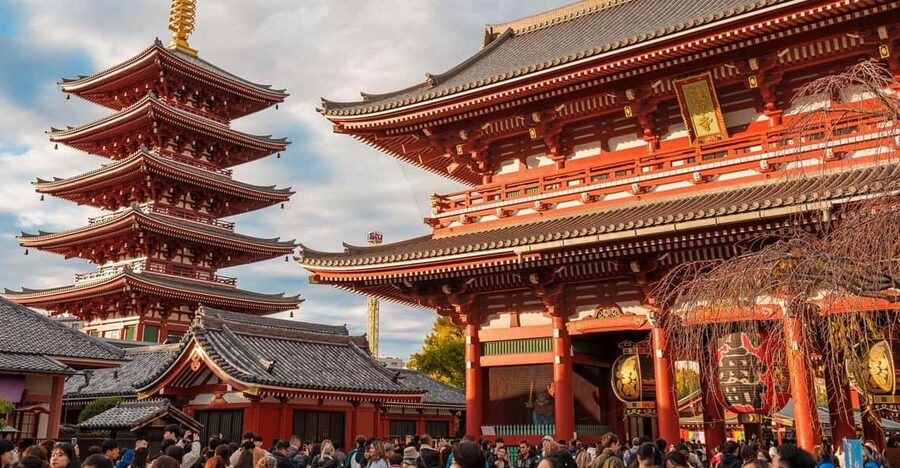
Sensō-ji Temple is one of the strongest choices for a first Tokyo tour. It gives you an immediate introduction to Buddhist worship, temple etiquette, and the older side of the city. A guide can explain what you are seeing and help you approach the temple with respect rather than simply passing through for a photograph.
The surrounding Asakusa district adds streets, shops, food, and a more traditional feel. This is a good place to ask questions about Japanese religious customs and everyday culture because the temple and neighborhood work together as one experience.
The drawback is popularity. Asakusa can be crowded, especially around its best-known approach, so the experience may feel less quiet than you expect. If you have only a few hours, pairing Asakusa with another nearby area is more sensible than crossing the city repeatedly.
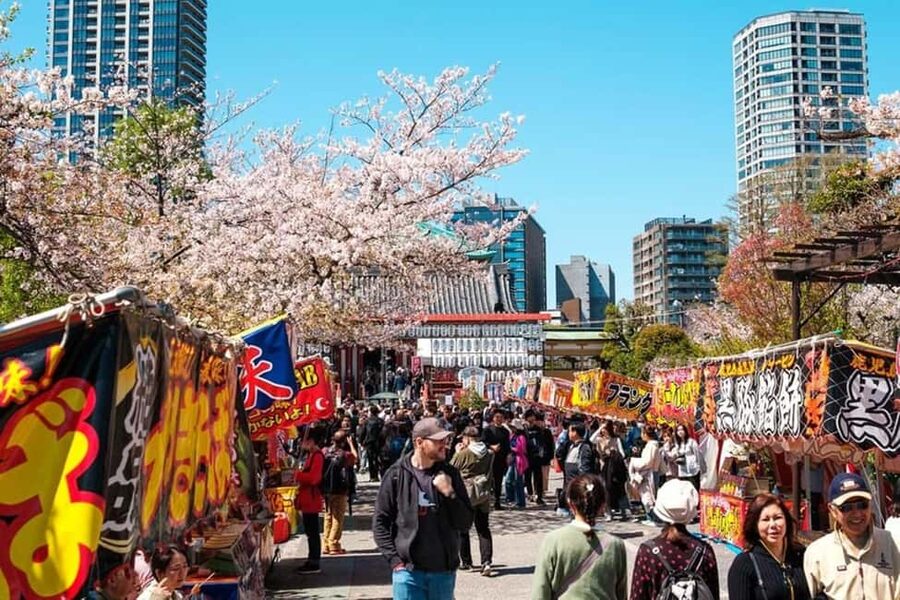
Ueno and Ameya-Yokocho: markets with a local angle
Ueno offers a useful change of mood. The district is associated with museums, parks, temples, and older shopping streets, giving your guide room to adjust the focus toward culture, food, or neighborhood life.
Nearby Ameya-Yokocho is a lively market area where you can browse food, clothing, and small goods. It is not a formal museum visit. Its appeal is the street-level look at shopping and eating in a busy Tokyo district.
A guide is handy here because you can ask what to sample, how to compare stalls, and which parts fit your interests. Some visitors may prefer more time at the market, while others may find the crowds and narrow streets tiring. Say so early, since the private format lets you keep the stop short or give it more time.
More Walking Tours in Tokyo
- Tokyo Tsukiji Fish Market Food and Culture Walking Tour
★ 5.0 · 3,184 reviews - Tokyo: Imperial Palace and Shogun Historical Walking Tour
★ 5.0 · 2,251 reviews - Tokyo: Shinjuku Local Bar and Izakaya Guided Walking Tour
★ 4.9 · 1,794 reviews - Tokyo: Tsukiji Fish Market Food and Walking tour
★ 5.0 · 1,724 reviews
Akihabara: Tokyo’s modern pop culture
Akihabara brings the city’s electronics, anime, manga, and gaming identity into the picture. It is a logical choice if you want modern Tokyo rather than a day focused only on temples and shrines.
Your guide can help place the district in a wider cultural context and may be able to point you toward the parts that suit your interests. The advantage here is not just finding a shop. It is understanding why this district matters to Tokyo’s current identity.
Akihabara can also become a shopping trap, especially if you are trying to fit several districts into one day. If electronics or pop culture are not high on your list, use your time elsewhere. The tour works best when you make that preference clear instead of following every suggested stop.
Shibuya Crossing and Harajuku: famous, energetic, and easy to overdo
Shibuya Crossing is an iconic Tokyo sight, but it is also a short experience for many people. You watch the crossing, take photographs, and absorb the scale of the surrounding district. A guide can help you connect that famous scene with the wider neighborhood, but the crossing itself may not deserve a large block of your tour.
One useful point from the experience feedback is that at least one couple wished they had chosen somewhere else instead. That is good advice: do not select Shibuya Crossing simply because it is famous. Choose it if you enjoy city scenes, photography, and modern Tokyo.
Harajuku offers a different modern contrast, with youth culture, fashion, cafés, and Meiji Shrine nearby. It can work well as part of a route that moves from contemporary streets to a calm religious site. The area is popular, so expect crowds and plenty of walking.
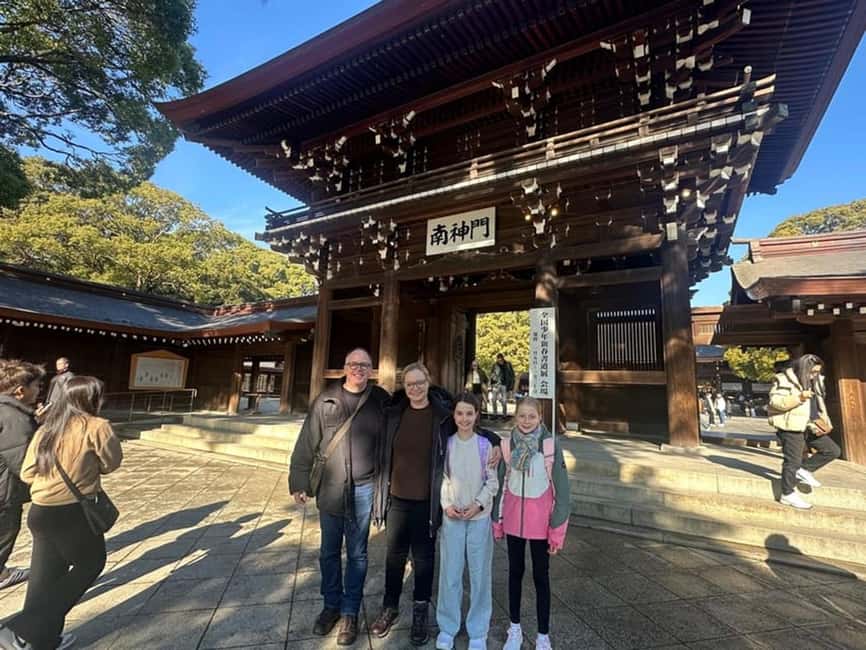
Meiji Shrine: a calm contrast beside Harajuku
Meiji Shrine is one of the most useful stops for understanding the contrast at the heart of Tokyo. You can move from Harajuku’s fashionable streets into a sacred setting where the mood changes sharply.
This is the kind of place where a guide’s explanation adds real value. You can ask about Shinto customs, shrine behavior, and the meaning of what you see instead of treating the visit as a quick photo stop.
The shrine is spacious, but reaching and exploring it still involves walking. If the day is hot or your group includes older people, ask your guide to build in rests. Kanako, for example, adjusted a final-day route for a couple in their seventies, using taxis rather than relying only on trains. That sort of communication is worth having before the tour begins.
Tsukiji Outer Market: the strongest choice for food lovers
Tsukiji Outer Market is a popular choice for visitors who want to connect Tokyo sightseeing with food. The market offers small stalls, seafood, snacks, and tasting opportunities. One family particularly enjoyed grilled seafood and free samples while visiting the nearby Buddhist temple and Shinto shrine.
This stop works best when you arrive with an appetite and a willingness to make choices as you go. Meals and beverages are not included, so bring money for anything you want to eat. If you decide to sit down for lunch or dinner during the tour, you are expected to invite your guide and pay for their meal, unless you clarify another arrangement in advance.
Tsukiji can be crowded and tempting in a way that disrupts a tight schedule. I would give it priority if food is central to your trip. If you are mainly interested in gardens, architecture, or history, it may be better to spend your limited hours elsewhere.
Ginza and the Imperial Palace: polished Tokyo and national history
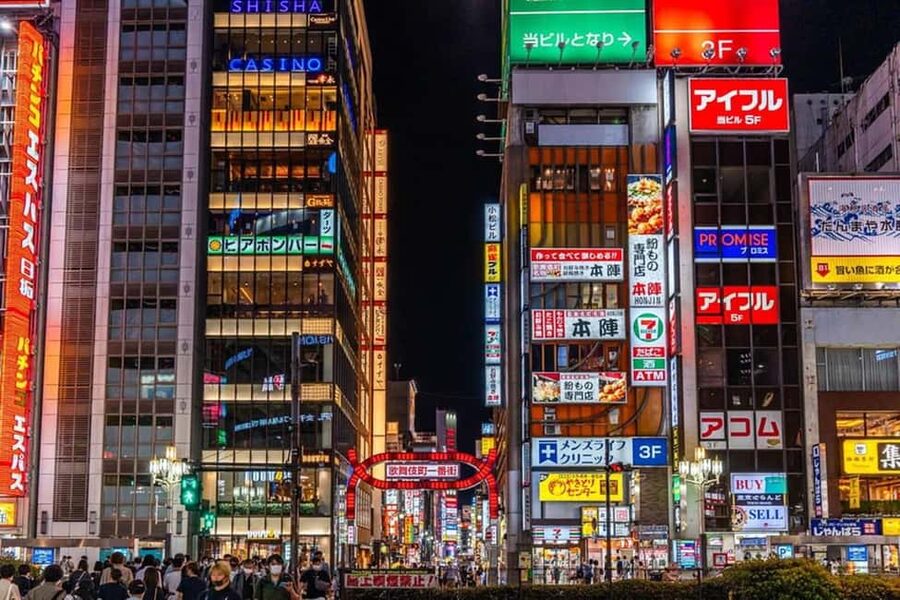
Ginza shows Tokyo’s upscale shopping side. It is a good fit if you want department stores, luxury brands, city streets, and polished architecture. It is less useful if your main goal is low-cost local food or old-fashioned neighborhoods.
The Imperial Palace adds a major historical and civic landmark. Your guide can provide context and help you understand the setting, even if you are not entering every building or attraction nearby. The palace area can also offer a slower break from commercial districts.
Be careful with expectations about admission. The tour includes temple and shrine entrance fees, but extra attraction tickets are not automatically covered. Ask your guide what is included in your exact plan before the day if a specific palace or museum access matters to you.
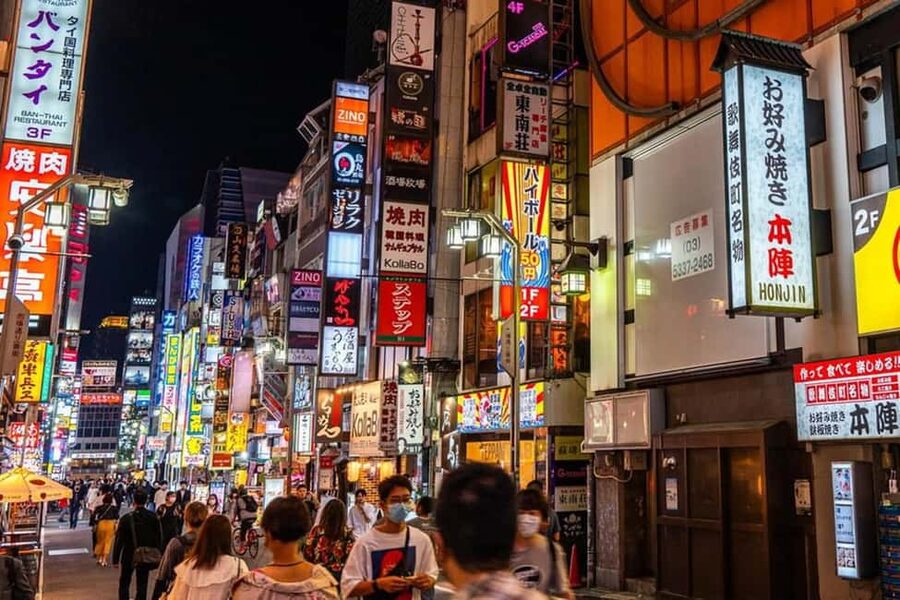
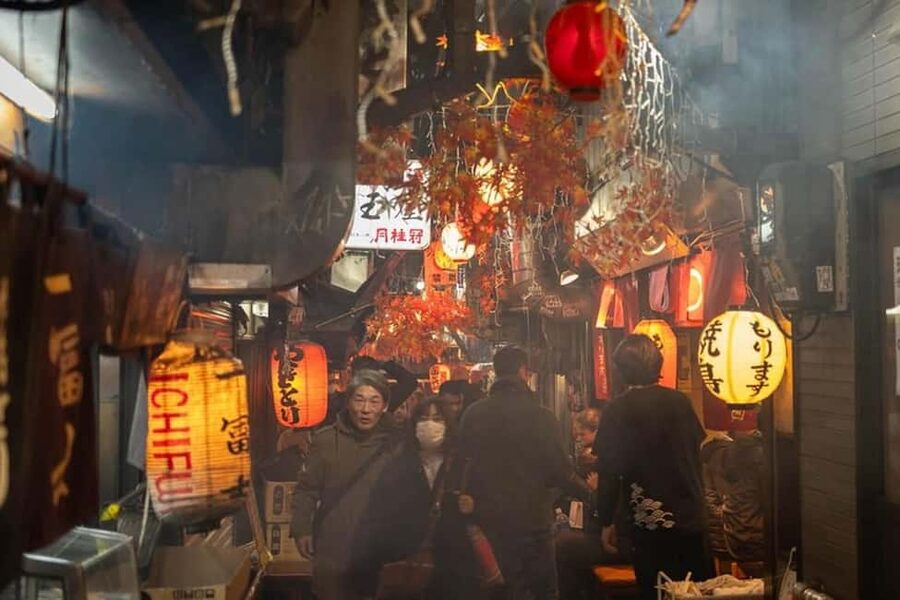
Shinjuku: neon, neighborhoods, and a useful ending
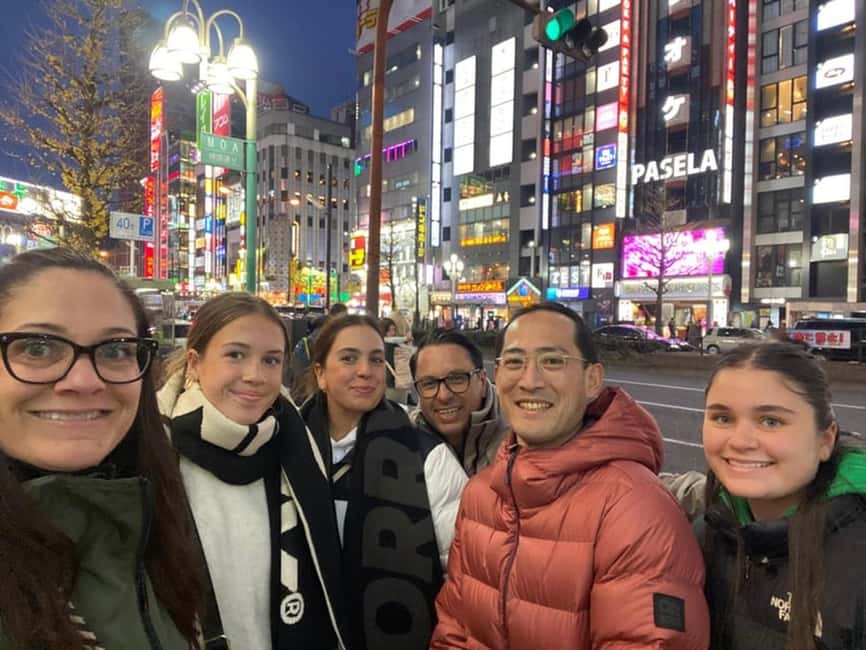
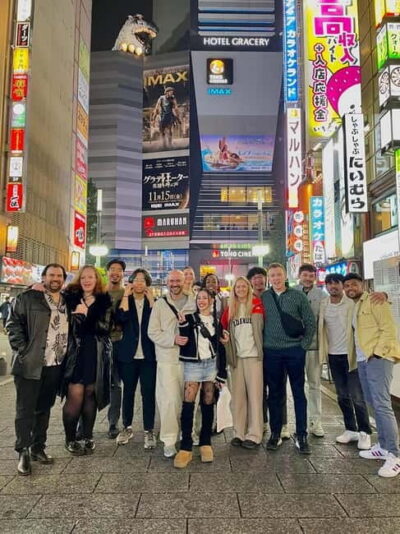
Shinjuku is one of the best places to finish a first look at Tokyo because it gives you a sense of the city after dark or during its busiest hours. It is also a broad district, so your guide may steer the visit toward shopping, food, views, entertainment, or local streets based on your request.
The district is a natural choice for anyone staying nearby, since ending close to your hotel can make the journey home easier. It can also be a practical place to learn how to navigate a major station, though large Tokyo stations can be confusing even after you have used them once.
You should not expect a quiet final stop unless you ask for one. Shinjuku is a big, active district, and the walking can add up after a full day.
The guides are the heart of the experience
The strongest part of this tour is the human service. Momo is repeatedly praised for warmth, clear explanations, good humor, and the ability to show less touristy places. Miwa is especially good at planning routes, explaining customs, answering thoughtful questions, and helping first-time visitors feel more independent.
Rika has helped people navigate the railway system, taken group photographs, and adjusted plans around landmarks they cared about. Hina is a good match for visitors who want history, local context, and a relaxed pace. Kanako has shown patience with slower walkers and arranged taxis when trains were not the best choice.
Other guides named in the feedback include Yossy, Yoshie, Saya, Nao, and Momoha. English is the tour language, and the available comments repeatedly praise clear communication. Still, guides have different personalities and interests, so tell the operator what sort of day you want rather than assuming every guide will offer the same style.
A particularly useful touch is the practical advice beyond the scheduled route. Guides have helped with public transportation, Suica cards, rail passes, restaurant choices, shopping, future sightseeing, and staying confident for the rest of a Japan trip. That can be more valuable than another landmark, especially on your first day.
Walking, trains, and the real pace of Tokyo
The name says walking tour, but the day also uses public transport. That is essential in Tokyo. One six-hour outing covered Asakusa, Ueno, Tokyo Station, Shibuya, Meiji Shrine, and Shinjuku, but that kind of coverage requires an active pace and efficient train transfers.
Bring comfortable shoes, a credit card, and some cash. A Suica card or other useful transport pass can speed up the day, and one visitor specifically advised arranging this before the tour. You pay your own train fares.
Do not underestimate crowded trains. One person found the combination of walking and standing on packed trains too tiring and wished they had requested more taxis. Taxis cost more, but you can ask for a mix of trains and taxis if comfort matters more than keeping transport costs low.
The tour is not suitable for wheelchair users or people with mobility impairments. Baby strollers and baby carriages are also not allowed. Smoking, drones, and littering are prohibited.
Who should book this Tokyo experience?
I would recommend it most strongly for:
- First-time visitors who want help getting oriented.
- Couples or families who dislike fixed group schedules.
- People who want both famous sights and ordinary neighborhood life.
- Visitors interested in Japanese customs, history, food, or daily routines.
- Anyone nervous about Tokyo’s rail system.
- Short-stay visitors who need to make one day count.
It is less suitable if you want a slow, quiet day with long café stops, or if you already know Tokyo well and prefer to explore alone. It is also a poor match if your group cannot manage substantial walking and public transport.
Should you book the Tokyo private walking tour?
Book it if you want a personal introduction to Tokyo, especially during your first day or two. The private format, hotel pickup, adjustable route, and guide support make the city easier to approach, while the price can be strong value for a couple or family.
Before booking, decide on two or three priorities. Do not ask for every district on the list. A focused route, such as Asakusa and Ueno for tradition and markets, or Harajuku, Meiji Shrine, and Shibuya for modern contrast, will feel better than a rushed city-wide checklist.
Choose a longer option only if your group is comfortable with walking, stations, and a full day out. Tell the guide if you need rests, taxis, food stops, shopping time, or a slower pace. With that preparation, this tour offers something more useful than sightseeing alone: a friendly local start that can help you handle the rest of Tokyo on your own.
FAQ
What is included in the private Tokyo walking tour?
The tour includes a private local guide, hotel or accommodation pickup and drop-off, walking and public transportation during the experience, tailored local activities, and entrance fees for temples and shrines.
How long does the tour last?
The listed duration ranges from 2 to 8 hours. Available options include 4, 6, or 8 hours, depending on the booking choice and availability.
Is the tour private?
Yes. It is arranged as a private group experience with a live English-speaking guide.
Where will the guide meet me?
The guide can meet you at your hotel in central Tokyo or at another preferred meeting place in Tokyo. There are pickup options across many central Tokyo city areas.
Can I choose the places I visit?
Yes. You should share your interests and preferred locations after booking. The final route is decided with your guide around 24 hours before the tour.
Are meals and transportation included?
Meals and drinks are not included. Your guide accompanies you on public transportation, but you pay for other transport, including trains and any private cars. Airport pickup and drop-off are also excluded.
Do extra attraction tickets cost more?
Yes. Temple and shrine entrance fees are covered, but additional attractions or special requests may require admission tickets. You are responsible for buying tickets for yourself and your guide when needed.
What should I bring?
Bring your passport or ID card, comfortable shoes, a credit card, and cash. You should also download WhatsApp so your guide can contact you before the tour.
Just added in Tokyo
- A One-of-a-Kind Sushi Experience in a Special Place of Japan★ 5.0 · 15 reviews
- Tokyo Cute Bento Cooking Class – Make a Kawaii Character Lunchbox★ 5.0 · 126 reviews
- Japanese Home Cooking Class & Walk in Todoroki Temple Tokyo★ 5.0 · 88 reviews
- Japan Tokyo Tower Observatory Deck E-Ticket★ 4.0 · 34 reviews
- Catch a Baseball Game in Tokyo with a Local – Tickets Included★ 5.0 · 24 reviews
- JDM Experience with Fast&Furious RX-7 (English speaking Driver)★ 5.0 · 57 reviews
- Tokyo Private Day Tour by Car with English speaking Driver Guide★ 4.0 · 29 reviews
- Japan Classic 10 Day – One Life Adventures★ 5.0 · 129 reviews
Walking Tours, compared.
Kyoto Geisha Walking Tour: Gion District & Hidden Gems
Read our review →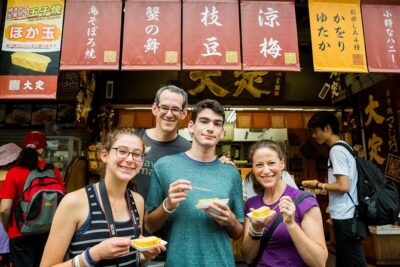
Tokyo Tsukiji Fish Market Food and Culture Walking Tour
Read our review →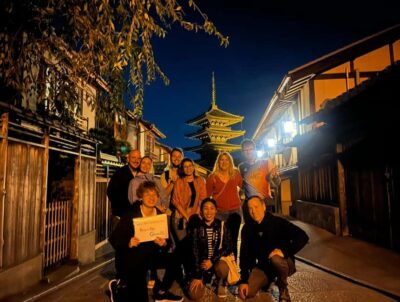
Gion Magical Night Walking Tour with Geisha Trivia
Read our review →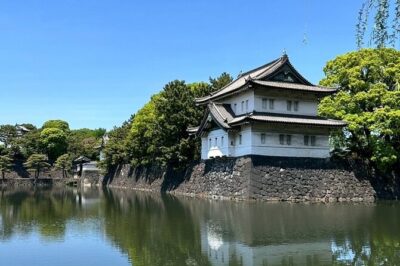
Imperial Palace and Shogun Historical Walking Tour
Read our review →
Gion Geisha District Walking Tour – Stories of Geisha
Read our review →
Shinjuku Local Bar and Izakaya Guided Walking Tour
Read our review →
Browse the lists this tour appears in