
Reviewed · WALKING TOURS
Tokyo: Private Walking Tour with a Local
Tokyo gets easier with a local. This private walking tour turns a giant city into a personal introduction, shaped around your interests instead of a fixed route. I like the one-to-one format and the practical help with trains, subway tickets, food, and neighborhoods. I also like that you can meet at your hotel, a landmark, or a café near central Tokyo.
The main consideration is that this is not a traditional sightseeing tour with a set list of major attractions. Your guide makes the day, and experiences can differ. Most guides adapt well, but one guest found the schedule did not follow their requests and received more translation and photography help than historical explanation.
In This Review
- Tokyo in four useful facts
- A private introduction to Tokyo, not a checklist
- What three hours can realistically cover
- What a longer five to eight-hour day adds
- The strongest feature: learning Tokyo’s trains
- Neighborhoods, views, temples, and local food
- Guides make or break the day
- Walking pace, comfort, and accessibility
- How the $82 price works for you
- Meeting points and timing that suit real trips
- Who will get the most from this tour
- My booking advice for a better match
- Should you book Tokyo’s private walking tour?
- FAQ
- How long does the private Tokyo walking tour last?
- Where does the guide meet me?
- Is the tour private?
- Which languages are available?
- Are transportation and attraction tickets included?
- Is the tour wheelchair accessible?
- Are children allowed, and do they receive a discount?
Tokyo in four useful facts
- The subway lesson can save your holiday: Guides such as David, Lily, Eduardo, and Elizabeth helped visitors understand Tokyo’s rail and metro systems.
- The route belongs to you: You can ask for temples, gardens, markets, modern districts, food, shopping, views, or quiet streets.
- Private means flexible: The tour works for solo visitors, couples, families, and older travelers who need a slower pace.
- You can meet almost anywhere central: Hotel pickup is available, along with meeting points at landmarks or cafés in or near the city center.
- Three to eight hours changes the experience: A short tour gives you orientation. A longer one can join several districts with public transport.
- The $82 price buys personal help, not admissions: You still pay for food, drinks, trains, attraction tickets, and optional activities.
A private introduction to Tokyo, not a checklist
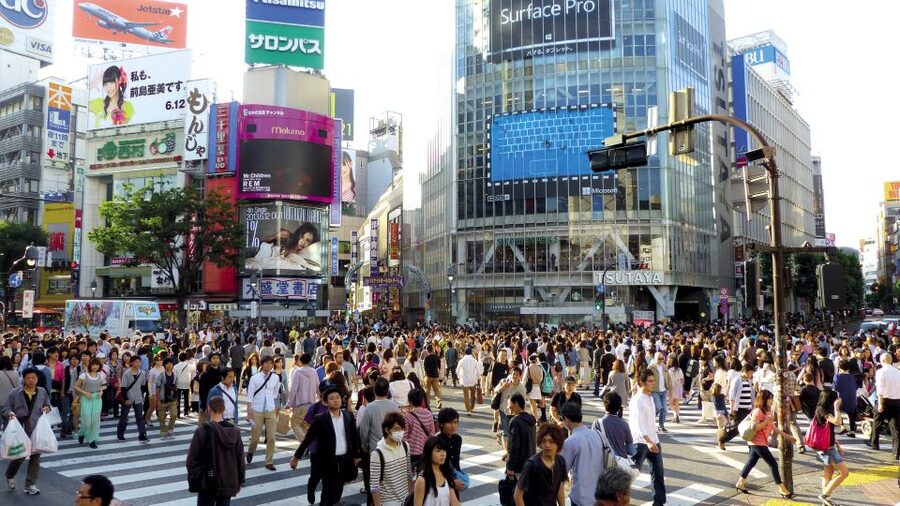
Tokyo can feel like several cities stitched together by railway lines. Shinjuku, Shibuya, Harajuku, Asakusa, Ikebukuro, and the older market areas each have their own rhythm. A standard group walk may show you one neighborhood. This tour can help you understand how the pieces connect.
The key difference is the absence of a fixed route. Before you meet, you can share your interests and questions. You can ask for an overview of Tokyo, help with the metro, a particular temple, a garden, local food, shopping, street culture, or simply a gentle first walk near your hotel.
I like this arrangement for a first day in Japan. You are not just looking at places. You are learning how to move through the city, how to read a station, and how to make better choices later in your trip.
The human side matters, too. The idea is closer to spending time with a friendly local than listening to a memorized speech. That can lead to personal stories, everyday customs, café suggestions, and the sort of small advice that does not usually appear in a guidebook.
More Private Tours in Tokyo
- Tokyo 6hr Private Tour with Government-Licensed Guide
★ 5.0 · 3,902 reviews - Private Tour to Mt. Fuji and Hakone (Fully Licenced Operator)
★ 5.0 · 1,910 reviews - Tokyo Customized Private Tour (Must See Places in 1 Day)
★ 5.0 · 1,499 reviews
What three hours can realistically cover
A three-hour booking is best treated as an orientation, not a grand tour of Tokyo. You might explore the area around your accommodation, use public transport to reach another district, stop for a view, visit a cultural site, and finish with tips for the rest of your stay.
Eduardo managed a lot in three hours for one couple: starting in Shinjuku, continuing to Ikebukuro, and ending at Asakusa Temple. The group also wanted transport advice, a high-rise view, a Pokémon Center, a lunch suggestion, and cherry blossoms. That is an ambitious list, so expect movement rather than a slow, detailed study of each place.
A shorter session works well if you have a tight schedule or want help on your first morning. It also suits people who want to continue exploring alone afterward. One guide showed a visitor around Harajuku and Shibuya, including Cat Street and nearby side streets, leaving the visitor able to return to those areas independently.
For a slower pace, especially with children or older adults, I would choose more time and fewer targets. Susan, an older traveler, appreciated that Eduardo kept a comfortable walking pace and added rest stops. That small adjustment can matter more than squeezing in one extra landmark.
What a longer five to eight-hour day adds
A longer booking gives your guide room to link several parts of Tokyo without making every stop feel rushed. You might begin near your hotel, learn the local transport system, then move toward a traditional area, a modern shopping district, a park, a shrine, or a food neighborhood.
Deborah’s full day included a major temple, an overview of the train system, a traditional area, and modern Tokyo. That mix is useful because it gives you contrast. Tokyo makes more sense when you see both its old customs and its present-day city life.
A long tour can also respond to changing conditions. Faustine adjusted an outing after plans changed, combining walking and public transport with a taxi. Elizabeth handled a rainy day by arranging umbrellas, allowing her guest to continue seeing different parts of the city.
Still, do not read the eight-hour option as a promise of eight hours of nonstop walking. This is a city tour, and public transport may take up part of the time. That is a good thing if your goal is to learn Tokyo, but less ideal if you want a slow, photo-heavy visit to only one district.
The strongest feature: learning Tokyo’s trains
The most repeated praise centers on transport help. Tokyo’s rail system can be confusing at first because several operators, lines, station exits, and ticket systems overlap. A guide can show you how to buy tickets, use a rail pass, read signs, and transfer without panic.
David helped one couple learn the subway during a four-hour outing. The tour also included beautiful gardens at their request. Lily showed another couple how to use the Metro, then helped them connect Shibuya, a high-rise view, a café, and Meiji Jingu Shrine.
Eduardo helped visitors with rail passes and subway routes on several occasions. Romana, Elizabeth, Antonina, and Romana also received praise for making public transport less intimidating. One solo visitor said the instruction gave them enough confidence to continue alone without getting lost or falling for scams.
This is where the $82 fee can make practical sense. A private guide who spends time beside you at a station can remove hours of confusion during the rest of your trip. The value is not only the stops you see that day. It is the confidence you carry into the next several days.
Do remember that transportation is not included. You pay your own fares, and the tour price does not cover taxis or other rides. The tour is described as a walking experience, but the actual route may include public transport or a taxi when that suits the plan.
More Walking Tours in Tokyo
- Tokyo Tsukiji Fish Market Food and Culture Walking Tour
★ 5.0 · 3,184 reviews - Tokyo: Imperial Palace and Shogun Historical Walking Tour
★ 5.0 · 2,251 reviews - Tokyo: Shinjuku Local Bar and Izakaya Guided Walking Tour
★ 4.9 · 1,794 reviews - Tokyo: Tsukiji Fish Market Food and Walking tour
★ 5.0 · 1,724 reviews
Neighborhoods, views, temples, and local food
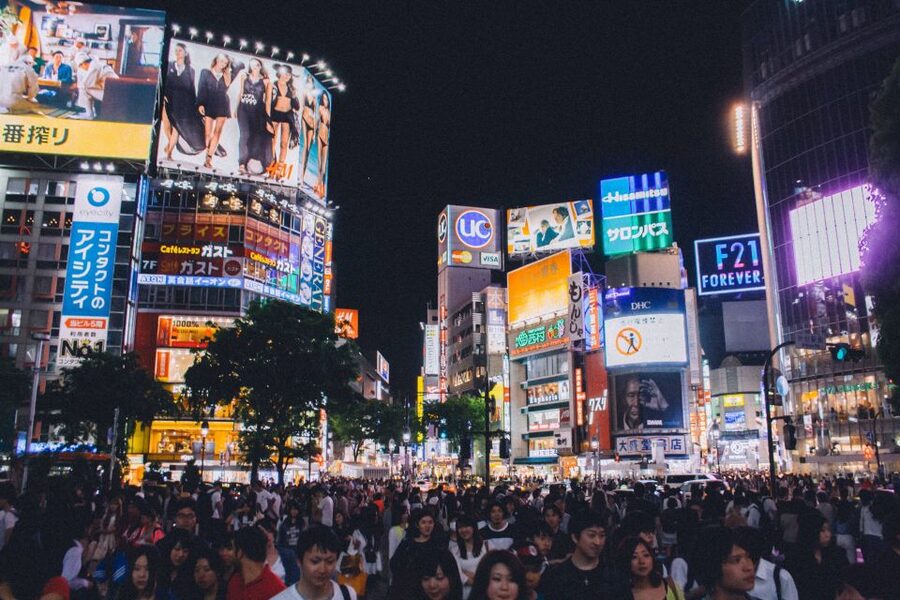
The tour can be built around Tokyo’s contrasts. In Shinjuku, you might focus on city orientation and station navigation. Shibuya can provide modern Tokyo, shopping, street scenes, and a high view of the famous crossing. Harajuku can connect you with Meiji Jingu Shrine, Cat Street, and smaller nearby roads.
Asakusa offers a traditional side of the city, including temple customs and older streets. One guide explained both modern Japanese life and customs connected with temples and shrines. Another took guests through old markets, a temple, and a park during blossom season.
Food is another strong use of the tour. Eduardo helped guests find a quiet local restaurant and joined them for a meal and drinks. Antonina found a tucked-away sushi restaurant near Shibuya, checked the wait, and helped secure a place in line. That is useful when you want to eat well but do not know how local queues or ordering work.
You can also ask for less obvious stops. Guests were taken to quiet parts of Tokyo, backstreets, markets, cafés, and a cat café. These details show what the flexible format can do when you arrive with a clear interest instead of asking only for the main sights.
At the same time, local does not mean every guide will produce the same route. If a shrine, garden, food stop, or museum matters to you, say so before the tour begins and repeat it at the start. The more precise your request, the more useful the customization is likely to be.
Guides make or break the day
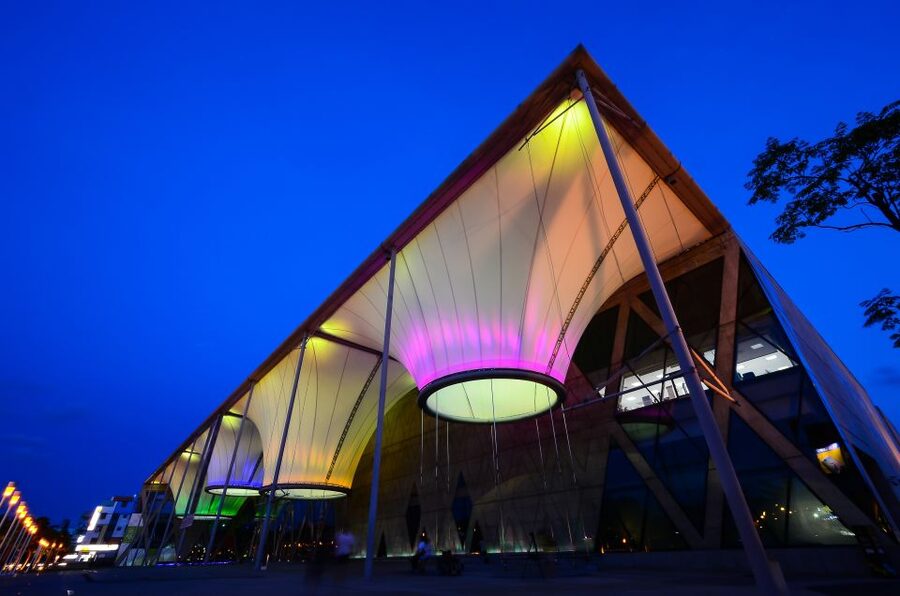
The guide is the heart of this experience. Several names received especially warm praise, including Eduardo, David, Lily, Elizabeth, Romana, Gonul, Antonina, and Faustine. The common strengths were friendliness, patience, flexibility, clear communication, and practical city help.
Eduardo appears particularly suited to first-time visitors who want a broad introduction. He helped with trains, found food, suggested later activities, and took guests to quieter places. His language ability was also useful for people seeking Spanish support.
David worked well for visitors who felt uncertain about Tokyo’s transport system. Lily adjusted her walking pace and explained how to return to the hotel when one guest struggled with a longer walk. Gonul guided visitors through a wide mix of old and modern Tokyo.
There is one useful warning. A personalized tour is not a guarantee of a particular style of guiding. One booking did not match the requested schedule and became mainly a translation and photography service, without the desired historical information. I would send a detailed wish list and ask for the kind of guide you want: history-focused, food-focused, transport-focused, relaxed, or active.
The listed guide languages are English, Spanish, and French. If language is important, confirm your preference when booking.
Walking pace, comfort, and accessibility
You need comfortable shoes. Tokyo involves pavement, station corridors, crossings, stairs in some places, and a lot of time on your feet. Even a short route can feel long when you are adjusting to a new city.
The tour is wheelchair accessible, but the practical route still needs discussion. Tell the provider about mobility needs, preferred breaks, and any difficulty with stairs before the meeting. The private format gives you a better chance to adjust pace and stops than a large group tour.
Families can bring young children. Children under three join free, and children aged three to twelve receive a 50 percent discount. A private guide can be easier for a family because you are not holding up a group, though the exact route should match the children’s energy and interests.
Older travelers may find this especially helpful when the guide includes rest stops and uses transport wisely. Susan appreciated the slower rhythm, while another couple found the walk to Meiji Jingu Shrine longer than expected. Ask for realistic walking distances rather than simply naming several districts.
How the $82 price works for you
At $82 per person, this is not the cheapest way to see a Tokyo neighborhood. You are paying for a private guide and a customized walking tour, not a package that includes meals, tickets, or transport.
The value improves when two or more people share the experience and use the guide for practical instruction. A couple who learns the subway, gets a food recommendation, and receives a clear plan for the next few days may get more lasting value than from a standard two-hour sightseeing walk.
The price is also easier to justify on a first day. If Tokyo’s railway system worries you, a private tutorial can prevent wrong trains, wasted time, and missed plans. If you already know Tokyo well and only want a particular attraction, a fixed neighborhood tour may be more efficient.
Entrance fees for both you and the guide are extra if you request an attraction visit. Meals, drinks, personal expenses, and optional activities are also extra. That is worth including in your budget, especially if you want a tower view, a paid garden, or a meal together.
Meeting points and timing that suit real trips
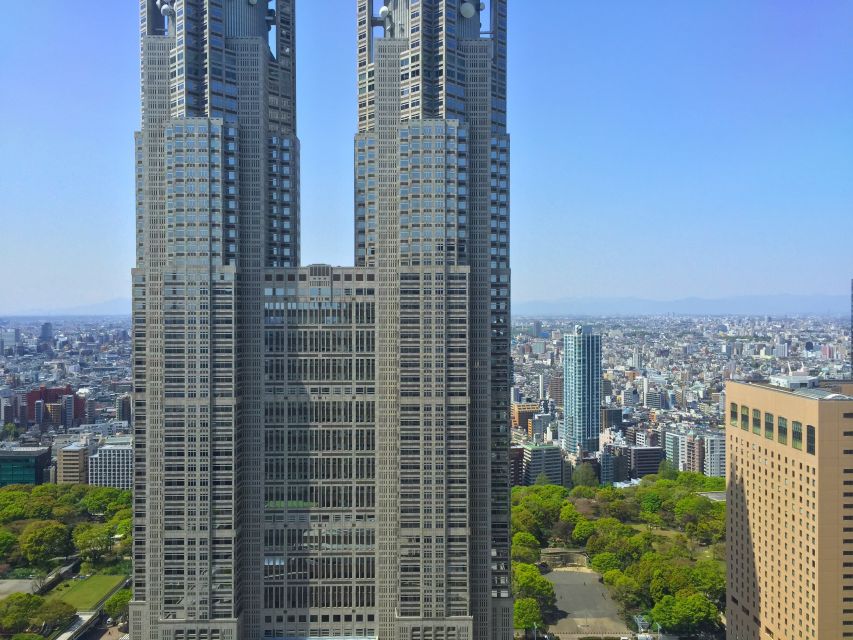
Pickup is included when the meeting place is in or near central Tokyo. You can request your hotel, an iconic landmark, or a quiet café. This is convenient after a long flight, when finding an unfamiliar meeting point can add needless stress.
You can request a specific time, and the available duration ranges from three to eight hours. I would schedule this early in your stay if you need orientation, then use the guide’s suggestions for later days. A morning start also leaves you with time to revisit a neighborhood after the tour.
Free cancellation is available up to 24 hours before the start for a full refund. That gives you some protection if your Tokyo plans change, but read the booking terms carefully for the exact meeting time and availability.
Who will get the most from this tour
I would consider booking this tour if you:
- Are visiting Tokyo for the first time
- Want to learn the metro and rail system
- Prefer conversation to a formal script
- Have a personal list of food, shopping, temples, gardens, or neighborhoods
- Want a private pace for children or older family members
- Need help turning a short stay into a workable plan
- Enjoy meeting local people and hearing personal stories
I would think twice if you want a guaranteed historical lecture, a fixed list of famous sights, or an all-inclusive price. In that case, a specialist guide or set-route sightseeing tour may suit you better.
My booking advice for a better match
Before the tour, send three to five clear requests. Include the districts you want, your walking ability, your food interests, your preferred pace, and how much help you need with public transport.
If you only have three hours, choose one main area plus one nearby goal. If you have a full day, combine old and modern Tokyo, then leave room for an unplanned café, market, or quiet street.
Ask for help with the parts of Tokyo that make you nervous. Buying a rail pass, changing trains, ordering lunch, finding a restaurant queue, or returning to your hotel may be more valuable than another quick photo stop.
The tour has a 4.4 rating from 419 bookings, which suggests a strong but not flawless record. I would book it for the flexibility and the transport guidance, while remembering that the individual guide matters more than the product name.
Should you book Tokyo’s private walking tour?
Book it if you want a friendly local introduction and practical help that will improve the rest of your Tokyo stay. The best use is your first day, with a clear request for transport instruction, one or two priority areas, and food or neighborhood advice.
Choose three hours for a quick orientation. Choose four to eight hours if you want a broader mix of temples, markets, gardens, views, and modern districts without rushing every stop. Send a detailed plan in advance, confirm your language preference, and wear good shoes.
For independent visitors, couples, families, and older travelers, this can be money well spent. It is less suitable if you need a fixed historical program or want entrance fees and transport bundled into one price.
FAQ
How long does the private Tokyo walking tour last?
The tour lasts between three and eight hours. Starting times depend on availability, and you can request a specific time.
Where does the guide meet me?
The guide can meet you at your hotel, an iconic landmark, or a quiet café, as long as the location is in or near central Tokyo.
Is the tour private?
Yes. It is a private group experience with a customized route and a local guide.
Which languages are available?
The listed guide languages are English, Spanish, and French.
Are transportation and attraction tickets included?
No. Transportation, entrance fees, meals, drinks, personal expenses, and optional activities are not included. If you request an attraction visit, you must also cover the guide’s entrance fee.
Is the tour wheelchair accessible?
Yes, the activity is listed as wheelchair accessible. You should still share mobility needs and preferred pacing when arranging the route.
Are children allowed, and do they receive a discount?
Children under three can join free of charge. Children aged three to twelve receive a 50 percent discount.
Just added in Tokyo
- A One-of-a-Kind Sushi Experience in a Special Place of Japan★ 5.0 · 15 reviews
- Tokyo Cute Bento Cooking Class – Make a Kawaii Character Lunchbox★ 5.0 · 126 reviews
- Japanese Home Cooking Class & Walk in Todoroki Temple Tokyo★ 5.0 · 88 reviews
- Japan Tokyo Tower Observatory Deck E-Ticket★ 4.0 · 34 reviews
- Catch a Baseball Game in Tokyo with a Local – Tickets Included★ 5.0 · 24 reviews
- JDM Experience with Fast&Furious RX-7 (English speaking Driver)★ 5.0 · 57 reviews
- Tokyo Private Day Tour by Car with English speaking Driver Guide★ 4.0 · 29 reviews
- Japan Classic 10 Day – One Life Adventures★ 5.0 · 129 reviews
Walking Tours, compared.
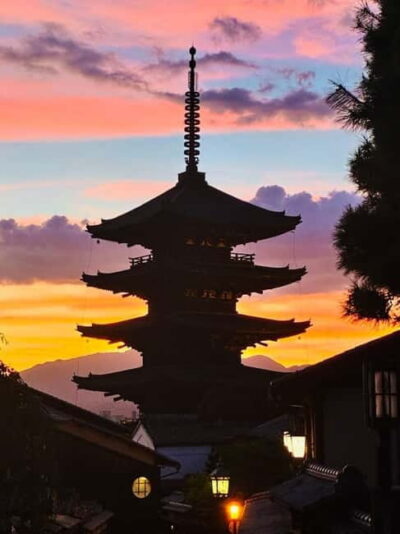
Kyoto Geisha Walking Tour: Gion District & Hidden Gems
Read our review →
Tokyo Tsukiji Fish Market Food and Culture Walking Tour
Read our review →
Gion Magical Night Walking Tour with Geisha Trivia
Read our review →
Imperial Palace and Shogun Historical Walking Tour
Read our review →
Gion Geisha District Walking Tour – Stories of Geisha
Read our review →
Shinjuku Local Bar and Izakaya Guided Walking Tour
Read our review →
Browse the lists this tour appears in