

Reviewed · CASTLES AND HISTORIC SITES
Tokyo: Samurai Adventure! Authentic Sword Experience
Samurai lessons make Tokyo feel wonderfully theatrical. This workshop lets you watch professional action actors train, then practice basic Tate sword fighting movements with a wooden sword under close instruction. I like the friendly teaching from Dai and Kume, plus the chance to train alongside Japanese students in the public class. I also like that beginners can join without previous martial arts experience. The main consideration is that this is a short introductory activity, not a full martial arts course or real sword fight.
The setting is practical, too. The meeting point, Samurai Experience Photo Studio ICHI, is searchable on Google Maps and sits within easy reach of Tokyo Station, Ginza, and Tsukiji. At $24 per person, this is a modest splurge for a hands-on cultural activity, though you should confirm whether costume rental is included in your chosen session.
In This Review
- Key points before you book
- Meeting the samurai near Tokyo Station
- A warm-up before the sword work
- Watching the professional demonstration
- Joining the public class with Japanese students
- Choosing the private course for deeper instruction
- Paired practice with a professional samurai
- Costumes, photos, and the visual payoff
- What the $24 price really buys
- Who will enjoy this Tokyo activity most
- Smart ways to prepare
- Should you book the Samurai Adventure?
- FAQ
- Where does the samurai experience begin?
- Does the activity end at the meeting point?
- Are beginners allowed to join?
- Do I use a real sword?
- Is a samurai costume included?
- What should I wear?
Key points before you book

- Learn beside working action actors: Dai and Kume guide you through the movements used in samurai stage and screen combat.
- Practice with wooden swords: You learn stance, grip, swings, strikes, defensive movements, and rest positions without actual sword fighting.
- Choose public or private instruction: The public class lets you train alongside aspiring Japanese actors, while the private option is tailored to your level and aims.
- Expect a physical but beginner-friendly session: Warm-ups and basic drills make this active, so wear comfortable clothing and closed-toe shoes.
- Photos are part of the fun: You can pose with the samurai at the end, and costume rental may be available as an option.
- The price is easy to justify: At $24, you get instruction, demonstrations, wooden swords, a cultural introduction, and a photo opportunity.
Meeting the samurai near Tokyo Station

Your session begins at Samurai Experience Photo Studio ICHI. Search that exact name on Google Maps rather than relying on a vague neighborhood description. The activity ends back at the meeting point, which keeps the logistics simple before or after a day around Ginza, Tsukiji, or Tokyo Station.
Arrive 15 minutes early. That small buffer matters in Tokyo, where a late arrival can throw off a tightly timed class. You may need time to find the studio, get settled, and prepare for the physical part of the lesson.
One useful detail from the experience is that the studio and training space may not be the same room. One participant described dressing at the studio and then walking to a nearby dojo. Allow a few extra minutes for that transition rather than assuming you will begin sword practice the moment you arrive.
The activity is offered in Japanese and English. The instructors are professional action actors, so their teaching combines physical demonstration with the kind of clear movement needed for staged combat. That is a different skill from competitive fencing or traditional sword training, and it helps explain why the session feels lively and visual.
More Castles and Historic Sites in Tokyo
- Tokyo: Imperial Palace and Shogun Historical Walking Tour
★ 5.0 · 2,251 reviews - Tokyo Castle & Imperial PalaceーShogun Walking Tour
★ 4.7 · 1,068 reviews - Tokyo: Samurai Ninja Museum Guided tour and Experience
★ 4.6 · 1,010 reviews
A warm-up before the sword work
The workshop begins with warm-up exercises. This is not filler. Sword movements use your legs, shoulders, arms, and balance, so the warm-up prepares you to move safely and follow the instructor’s rhythm.
You then learn the basic posture of a samurai. Expect instruction on how to stand, how to hold the wooden sword, and how to return to a resting position. These details may look simple, but they give the lesson its structure. Without them, sword waving would just be sword waving.
I especially like the focus on grip and stance. A beginner can easily concentrate only on the blade, yet the body position controls the movement. The class introduces those foundations before asking you to perform more dramatic strikes.
You will also practice how to draw, hold, and swing the sword. The supplied equipment is a wooden practice sword, not a sharpened blade. You do not engage in actual sword fighting, and the activity is designed around safe movement rather than contact.
Still, this is physical activity. Wear loose, comfortable clothing and closed-toe shoes. High heels are not allowed. The workshop is not suitable for pregnant people, people with back problems, wheelchair users, people with vertigo, or people with pre-existing medical conditions.
Watching the professional demonstration

The instructors do not simply explain each move and send you off to practice. They demonstrate samurai action at close range, giving you a chance to see how posture, timing, and controlled motion come together.
This is one of the best parts for people who enjoy films and stage performance. Tate sword fighting is built for the audience as well as the opponent. A movement must look strong and clear while remaining controlled. When Dai and Kume demonstrate, you can see why professional action actors need precision, not just strength.
The live demonstration also gives the workshop a cultural frame. You receive an introduction to samurai history and culture, then see how that subject is translated into physical performance. It is not a museum lecture, and it does not pretend to turn one class into a complete study of samurai life. Instead, it offers a short, active way to connect a familiar Japanese image with the craft behind it.
The best approach is to watch closely before trying to copy the moves. Look at the feet, the position of the hands, and how the sword returns to rest. Those small points help you get more out of the practice section.
Joining the public class with Japanese students

The public course gives the activity a social edge. You may train alongside Japanese students who are learning samurai action as aspiring actors. That changes the mood from a private tourist demonstration into a shared class.
You watch the students work, then practice beside them. This can be particularly useful because you get more examples of the movement from different bodies and skill levels. It also gives you a look at how samurai action is taught to people who may want to perform it professionally.
The public format is likely the better value for most first-time participants. You receive instruction from the same professional team, but you also get the atmosphere of a working class. It may feel less polished than a private lesson because the attention is shared, yet that is part of its appeal.
The group size is not specified, so you should not assume a tiny class. One couple happened to have no other participants in their session and received what felt like private attention, but that was a fortunate circumstance, not something to count on.
If you prefer interaction and do not mind sharing instruction, choose public. It is also a good fit for families and friends who want a lighthearted activity rather than a serious martial arts lesson.
A completely different kind of day out:
- Tokyo Disney Resort – Tokyo Disneyland & Tokyo DisneySea Park Tickets
★ 4.8 · 99,488 reviews - SHIBUYA SKY Ticket
★ 4.7 · 46,509 reviews - JR Whole Japan Rail Pass
★ 4.8 · 29,150 reviews - Mt Fuji and Hakone 1-Day Bus Tour Return by Bullet Train
★ 5.0 · 26,383 reviews
Choosing the private course for deeper instruction

The private course begins with a short introduction to samurai history and culture. After that, the action actor adjusts the lesson to your level and goals.
This option makes more sense if you already practice martial arts, have a strong interest in Japanese culture, or want more time to refine the basic movements. The private setting can also help if you feel self-conscious in a group or want to ask more questions during the lesson.
The phrase private course should not be confused with an advanced weapons class. You are still learning a safe, introductory version of samurai action with practice swords. The benefit is individual attention, not a license to perform dangerous techniques.
For most people paying $24, the public course should be enough. If the private price is much higher, consider what you want from the session. Are you after a fun Tokyo memory and some good photos? Public is probably the sensible choice. Do you want careful correction and a lesson shaped around previous martial arts experience? Private may earn its extra cost.
Paired practice with a professional samurai
After learning the fundamentals, you practice in pairs with a professional samurai. This is where the workshop begins to feel like a scene from an action movie, while remaining controlled and instructional.
You are not fighting for real. The paired work is about learning sequences, distance, timing, and presentation. The wooden sword lets you concentrate on the movement without handling a sharp weapon.
This section also gives the instructor a chance to correct you. Dai and Kume receive especially strong praise for being kind, patient, and detailed. Their friendly manner matters because sword movements can feel awkward at first. A good teacher helps you relax enough to remember the sequence instead of freezing under pressure.
You may also have moments to rest and drink water. One participant described being offered water when needed. Bring the right clothing and take the physical pace seriously, but do not assume you must push through discomfort.
The experience is active without being presented as combat training. That distinction is important. If you want a safe cultural activity with theatrical movement, it fits well. If you want sparring, strength training, or a formal martial arts qualification, choose something else.
Costumes, photos, and the visual payoff

The included photo session gives you a clear ending to the workshop. You can take pictures with the samurai and keep a visual reminder of the experience.
Costume details need a little care. Samurai costume is listed as an optional extra, while participants have described wearing samurai clothing or a kimono during the session. Because that may depend on the booking type or current setup, confirm the costume arrangement before you pay if dressing up is important to you.
The photos are more than a quick add-on. Samurai action depends on posture and presentation, and a costume helps you see the part. Even people who prefer to observe can enjoy this final moment.
You can also choose simply to watch. The activity is designed to be enjoyable for observers, which may suit someone in your group who cannot take part physically. That said, the physical restrictions are significant, and the activity is not suitable for wheelchair users or people with certain medical conditions.
What the $24 price really buys

At $24 per person, this is inexpensive by Tokyo activity standards. You receive a samurai culture introduction, live demonstrations, guided practice, wooden swords, and a photo opportunity. Transportation, food, drinks, and costume rental are not included.
The value comes from participation. You are not just watching a short stage show. You learn a sequence of movements and perform them with an instructor. That hands-on element gives the activity more staying power than a quick photo stop.
The price is especially fair for first-time visitors who want something outside the usual temple and observation deck schedule. Tokyo offers endless sightseeing, but many activities leave you as a spectator. Here, you get to use your body and work through a skill, even at a beginner level.
There are limits. One session cannot teach the full art of swordsmanship, and the workshop is prepared for visitors rather than structured as long-term training. If you already study martial arts, the private option may offer better value because the instructor can respond to your aims. If you simply want an enjoyable cultural activity, the public class should do the job.
Who will enjoy this Tokyo activity most

I would recommend this workshop to:
- First-time visitors who want an active Japanese cultural experience
- Families with older children who can follow safety instructions
- Couples looking for an unusual shared activity
- Film and stage-combat fans
- Martial arts practitioners curious about samurai performance
- Anyone who wants memorable photos in a controlled setting
The experience also worked well for a three-generation family, according to one detailed account. That suggests the tone is welcoming and adaptable, though each participant still needs to meet the physical requirements.
It may not suit you if you dislike structured lessons, cannot wear closed-toe shoes, or want genuine combat. It is also not the right pick for anyone with the listed medical or mobility restrictions. When in doubt, watching may be enjoyable, but do not treat that as a substitute for checking the activity’s suitability.
Smart ways to prepare
Wear comfortable clothes that let you move freely. Closed-toe shoes are required, and high heels are not allowed.
Arrive 15 minutes early and search for Samurai Experience Photo Studio ICHI on Google Maps. Keep your schedule flexible around the activity since the group may prepare at the studio and then move to a nearby dojo.
Do not bring drones, alcohol, drugs, explosive substances, or smoking materials for use at the activity. Electric wheelchairs are not permitted, and the workshop is not suitable for wheelchair users.
If a costume matters to you, ask about the optional rental before booking. This is one detail worth confirming because the experience description and individual accounts indicate that clothing arrangements can vary.
The activity offers reserve-and-pay-later booking, and you can cancel up to 24 hours ahead for a full refund. That is useful if your Tokyo plans are still shifting.
Should you book the Samurai Adventure?
Book it if you want a friendly, physical introduction to samurai performance rather than a serious sword-fighting course. The strongest reasons are the patient instruction from Dai and Kume, the close demonstrations, and the chance to practice with Japanese acting students in the public class.
At $24, the activity offers good value, especially when you take part instead of only watching. Choose the private course if you want instruction shaped around your experience or martial arts background. Choose public for the social setting and lower-cost introduction.
My main advice is simple: arrive early, wear practical shoes, and confirm the costume option. If those details suit you, this is an entertaining way to spend part of a Tokyo day and leave with more than a photograph. You leave with a small sense of how much control, posture, and practice sit behind a samurai action scene.
FAQ
Where does the samurai experience begin?
It begins at Samurai Experience Photo Studio ICHI, which you can find by searching that exact name on Google Maps.
Does the activity end at the meeting point?
Yes, the activity ends back at the meeting point.
Are beginners allowed to join?
Yes. Beginners are welcome, and the instructors teach basic stance, grip, holding, swinging, strikes, and defensive movements.
Do I use a real sword?
No. You practice with wooden swords, and you do not take part in actual sword fighting.
Is a samurai costume included?
A samurai costume is available as an option, but it is not listed as a standard inclusion. Confirm the costume arrangement for your selected course.
What should I wear?
Wear comfortable clothing and closed-toe shoes suitable for physical activity. High heels are not allowed.
Just added in Tokyo
- A One-of-a-Kind Sushi Experience in a Special Place of Japan★ 5.0 · 15 reviews
- Tokyo Cute Bento Cooking Class – Make a Kawaii Character Lunchbox★ 5.0 · 126 reviews
- Japanese Home Cooking Class & Walk in Todoroki Temple Tokyo★ 5.0 · 88 reviews
- Japan Tokyo Tower Observatory Deck E-Ticket★ 4.0 · 34 reviews
- Catch a Baseball Game in Tokyo with a Local – Tickets Included★ 5.0 · 24 reviews
- Tokyo Private Day Tour by Car with English speaking Driver Guide★ 4.0 · 29 reviews
- Japan Classic 10 Day – One Life Adventures★ 5.0 · 129 reviews
- JDM Experience with Fast&Furious RX-7 (English speaking Driver)★ 5.0 · 57 reviews
Castles and Historic Sites, compared.


Imperial Palace and Shogun Historical Walking Tour
Read our review →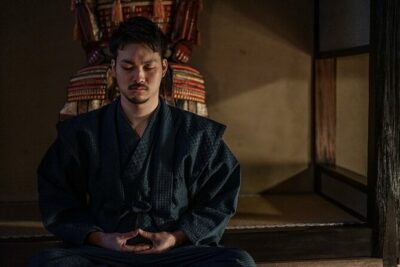
Tokyo Castle & Imperial PalaceーShogun Walking Tour
Read our review →
Nijo-jo Castle and Ninomaru Palace Guided Tour
Read our review →
Samurai Ninja Museum Guided tour and Experience
Read our review →Browse the lists this tour appears in