

Reviewed · CASTLES AND HISTORIC SITES
Tokyo: Samurai Experience with a real sword
Steel meets tradition in Tokyo. This two-hour samurai session gives you far more than a costume photo: you dress in kimono and hakama, learn seated etiquette, watch Shiden-ryu swordsmanship, and handle a genuine samurai sword. I especially like the real cutting practice and the included photos and video, which turn a short cultural activity into a souvenir you can share. I also like the careful sequence, from bowing and sword handling to paired combat.
The main consideration is that this is an introduction, not a full martial arts course. The schedule moves quickly, and cutting with a real sword is limited to participants age 12 and older. English support is available, though one session used Google Translate at times, so you should be comfortable with a little visual instruction and simple communication.
In This Review
- Key points at a glance
- What this Tokyo samurai experience is really about
- Dressing in kimono and hakama
- Seated etiquette before the sword work
- Watching Shiden-ryu swordsmanship
- Your turn in a sword-to-sword fight
- Cutting objects with a genuine samurai sword
- Photos, video, and the extra cultural touches
- How the $102 price works for you
- Who will enjoy it most
- Meeting point and timing tips
- Should you book the Tokyo samurai session?
- FAQ
- How long does the samurai experience last?
- What does the $102 price include?
- Can children cut objects with a real sword?
- What should I bring?
- Where do I meet the staff?
- Is the activity suitable for everyone?
Key points at a glance

- Real sword cutting for ages 12 and up: You may cut objects with a genuine samurai sword, with video recording available.
- Traditional clothing included: You change into a kimono and hakama before learning the movements.
- Shiden-ryu demonstration: A coach shows iai and sword techniques before you try the forms yourself.
- Sword-to-sword practice: Uchikomi gives you a controlled partner activity rather than only a demonstration.
- Photos and video are part of the package: You leave with a visual record of the session, not just a memory.
- Two hours and $102 per person: The price makes the most sense if you value personal instruction, costume, media, and access to a real sword.
What this Tokyo samurai experience is really about

This is a hands-on cultural activity built around ceremony, movement, and controlled sword practice. You are not simply handed a katana and told to pose. The session begins with rules and etiquette, then introduces the correct way to hold and draw a sword before moving into forms, partner work, and cutting.
That order matters. I like that the activity treats the sword as part of a discipline rather than a toy. The seated bow, known as zarei, sets the tone. You learn that how you enter and finish the exercise is part of the lesson, not decorative padding before the exciting part.
At the same time, you should keep your expectations in check. Two hours is enough for an entertaining first look at samurai swordsmanship, but not enough to develop refined technique. You will learn basic movements and experience the atmosphere of training. You will not become an expert swordsman by the end of the afternoon.
The session takes place in Tokyo in the Kanto region. The exact meeting location can vary within Tokyo by date, so check your confirmation carefully. The regular meeting instructions involve exiting the station ticket gates, using the west exit, and going downstairs to ground level near McDonald’s, where staff hold a meeting board.
More Castles and Historic Sites in Tokyo
- Tokyo: Imperial Palace and Shogun Historical Walking Tour
★ 5.0 · 2,251 reviews - Tokyo Castle & Imperial PalaceーShogun Walking Tour
★ 4.7 · 1,068 reviews - Tokyo: Samurai Ninja Museum Guided tour and Experience
★ 4.6 · 1,010 reviews
Dressing in kimono and hakama
The first practical step is reception and changing clothes. You select a kimono and put on hakama, the pleated trousers traditionally associated with formal Japanese dress and martial arts. This clothing does more than make your photos look good. It changes the way you stand, walk, and handle the sword.
You should bring comfortable clothing underneath and a change of clothes. You will also need to provide your height and weight on the reservation form. That information helps the staff prepare suitable clothing and manage the dressing process.
I like this part because it gives the session a clear sense of occasion. A quick sword lesson in ordinary street clothes could feel like a themed photo stop. Putting on the kimono and hakama creates a physical transition from sightseeing to practice.
The drawback is time. Dressing and changing use part of the two-hour appointment, so the sword instruction itself is shorter than the headline duration might suggest. Still, the clothing is included, and the photos make this portion worthwhile for many people.
Wear something easy to change out of. You should also bring water in a bottle with a secure lid. Loose drinks and sword practice are a poor combination, and open containers are not suitable around the training area.
Seated etiquette before the sword work

Before the demonstrations and practice, the coach introduces samurai etiquette, including zarei. This is seated bowing, and it gives you a simple entry point into the culture behind the physical movements.
You may find this slower start useful if you want more than a costume-and-combat activity. It reminds you that the session is about self-control and form. The bowing also helps establish the rules before a real blade enters the picture.
The etiquette lesson will not be a long academic talk. Expect a practical introduction, with the instructor showing you what to do and then asking you to repeat it. That makes the activity accessible even if your knowledge of Japanese customs is limited.
English-speaking staff are included, and the listed instruction language is English. Communication may still vary depending on the individual coach. One account described using Google Translate because the hosts were not fluent in English, so do not expect a long, detailed lecture in polished English. Clear demonstrations should carry much of the lesson.
A guide named Hiryu received particularly warm praise for explaining samurai history and philosophy and for creating a calm, serious atmosphere. If Hiryu leads your session, you may receive more cultural context than the basic schedule promises, but the guide is not guaranteed for every date.
Watching Shiden-ryu swordsmanship

The demonstration is one of the strongest parts of the session. You watch Shiden-ryu swordsmanship, including iai, the art of drawing and using the sword in one controlled sequence.
For you, the value is visual. Sword handling can be difficult to understand from verbal instructions alone. Seeing the coach draw, move, and sheath the blade gives you a model to copy. You can then try the same basic forms with more awareness of posture and timing.
The lesson also introduces the proper way to handle a sword. That includes how to hold it, how to move with it, and how to return it to the sheath. These details may sound small, but they are exactly what separates a cultural demonstration from waving a prop around for a photograph.
I would pay attention to the sheathing lesson. It is less dramatic than a cut, yet it is one of the details people remember. The controlled motion of drawing and returning the katana gives you a better feel for the discipline involved.
The coach also presents basic samurai forms and movements. You will not be expected to perform a complex routine perfectly. The goal is to learn the shape of the movement, follow instructions, and enjoy the concentration needed to keep the sequence together.
A completely different kind of day out:
- Tokyo Disney Resort – Tokyo Disneyland & Tokyo DisneySea Park Tickets
★ 4.8 · 99,488 reviews - SHIBUYA SKY Ticket
★ 4.7 · 46,509 reviews - JR Whole Japan Rail Pass
★ 4.8 · 29,150 reviews - Mt Fuji and Hakone 1-Day Bus Tour Return by Bullet Train
★ 5.0 · 26,383 reviews
Your turn in a sword-to-sword fight

After watching the demonstration, you take part in uchikomi, a sword-to-sword combat exercise. This is the most theatrical part of the appointment, but it remains structured and supervised.
You should understand what this means before booking. It is not an uncontrolled fight, and the description does not promise a competitive match with full-force strikes. It is a guided practice in which you and a partner perform sword movements under the coach’s direction.
That makes it a good fit for couples, friends, and families with older children who want a shared activity. You have something to do together, and the result looks more dynamic in photographs and video than a static pose.
The activity also rewards attention. You need to listen to the coach, remember the sequence, and control your movement. If you rush because the sword looks impressive, you will miss the point and may make the exercise less safe.
Pregnant women and wheelchair users should not book this activity, according to the stated restrictions. Comfortable clothing is important, and you should arrive 20 minutes before the meeting time. That early arrival matters because the staff need to organize the group and prepare the clothing before instruction begins.
Cutting objects with a genuine samurai sword

The real-sword cutting segment is the biggest reason many people will choose this experience. Participants age 12 and older can try cutting objects with a genuine samurai sword, and video recording is available.
This is not the same as swinging a blunt practice sword. The presence of a real blade makes posture, direction, and control more meaningful. The coach’s instruction matters here, and you should follow each step rather than treat the cut as a stunt.
You may find this part both exciting and slightly nerve-racking. That is a fair reaction. The activity handles the sword in a supervised setting, but a real blade demands respect. Listen closely, keep your movements deliberate, and do not improvise.
The age rule is important for families. Children under 12 may take part in other portions of the session if permitted by the operator, but the supplied details specifically limit real-sword cutting to ages 12 and above. Ask before booking if your group includes younger children and this portion is central to your plans.
The video is valuable because it captures the action better than a still photo can. You can see your stance, the swing, and the cut afterward. The package also includes a photography charge, so you are not expected to arrange every photograph yourself.
Photos, video, and the extra cultural touches

The final presentation includes video and a commemorative photo session. You can take home a record of the sword handling, partner work, and cutting practice. For a two-hour activity, that makes the experience feel more complete.
The media is also useful if you are choosing between this and a simple costume rental. A rental gives you photographs, but this activity gives you a story to go with them: you learned etiquette, handled a real sword, and completed a supervised cut.
Some sessions may include calligraphy and a small meal or food offering. These details appeared in individual accounts of the activity, but they are not listed as standard inclusions in the basic package. I would treat them as possible additions, not something to book solely on the promise of receiving them.
If they are offered on your date, calligraphy adds a welcome change of pace after the physical sword work. It also connects the experience to another Japanese art based on control, pressure, and clean movement. The food is a pleasant hospitality touch, but you should not assume it replaces lunch.
The stated inclusions are the professional coach, English-speaking staff, experience and venue fees, and photography charge. Expenses not mentioned are extra. Bring your own drink and plan any meal around the two-hour appointment unless the operator confirms food for your date.
How the $102 price works for you

At $102 per person, this is not a cheap costume photo opportunity. You are paying for a coach, venue access, traditional clothing, a real-sword session, a partner exercise, photos, and video. For someone who wants a personal activity rather than another observation-based attraction, the cost can be fair.
I see the strongest value in the combination of three things: instruction, a genuine sword, and take-home media. Remove any one of those and the price becomes harder to defend. The included video helps justify the expense because you receive something you can revisit after leaving Tokyo.
The two-hour length also keeps the activity manageable. You can fit it into a day of sightseeing without giving up an entire morning or afternoon. On the other hand, if you already have several paid cultural activities planned, the total cost of a Tokyo itinerary can rise quickly.
You should book this if the sword practice itself matters to you. If you mainly want to wear Japanese clothing and take photos, less expensive options may suit you better. If you want a guided encounter with ceremony, movement, and a real blade, the added cost has a clear purpose.
Free cancellation is available up to 14 days before the appointment for a full refund. That is a generous planning window, but it also means you should check your schedule carefully once you get close to the date.
Who will enjoy it most

I recommend this for adults, couples, friends, and families with children old enough for the permitted sword work. It is especially good for someone who wants a memorable activity that feels different from visiting temples, shopping districts, and museums.
You do not need prior sword experience. The coach teaches handling, forms, and basic movements during the session. A willingness to listen is more useful than athletic ability.
It also suits people who enjoy photography. The kimono, hakama, sword forms, and cutting sequence provide several kinds of images, and the video captures movement that a phone snapshot cannot.
I would be more cautious if you dislike costumes, physical instruction, or structured group activities. The session follows a set order, and you will need to take direction. It is also not suitable for pregnant women or wheelchair users under the stated restrictions.
English support is part of the booking, but communication may not be equally polished with every staff member. If you need detailed verbal explanation at every step, be prepared to use gestures, demonstrations, or a translation app. The activity itself is visual enough that this should not prevent most participants from following along.
Meeting point and timing tips
Arrive 20 minutes early. The meeting point is generally outside the west exit after you leave the ticket gates, downstairs at ground level near McDonald’s. Look for staff holding a meeting board.
The location may change within Tokyo depending on the date. Check the latest instructions rather than relying only on a saved map pin. This is one of those small details that can turn a smooth activity into a rushed one if ignored.
The session ends back at the meeting point. Since the appointment lasts two hours, you can plan another activity afterward, but leave some breathing room for changing clothes and getting across Tokyo. The start time depends on availability, so choose a slot that gives you enough time to reach the station without sprinting in a hakama.
Smoking is not allowed, and alcoholic drinks are not allowed in the vehicle. Bring comfortable clothes, a change of clothes, and water in a bottle with a secure lid.
Should you book the Tokyo samurai session?
Book it if you want active cultural participation, a real sword, and a souvenir video rather than a quick costume photograph. The careful progression from zarei to sword handling, Shiden-ryu demonstration, uchikomi, and cutting gives the session a useful sense of purpose.
I would particularly recommend it for someone who has already seen Tokyo’s major sights and wants an activity with a strong personal memory. The guide Hiryu’s history and philosophy explanations, when available, can add welcome depth, while the calligraphy and food reported in some sessions may provide extra warmth.
Skip it if you want a long martial arts course, a fully fluent English lecture, or a low-cost photo stop. At $102, the value depends on your interest in the instruction and real-sword practice. For the right person, it is a memorable two-hour encounter with Japanese sword culture, handled with enough ceremony to feel meaningful and enough action to keep you smiling.
FAQ
How long does the samurai experience last?
The activity lasts two hours. Starting times depend on availability, so check the available dates and times when booking.
What does the $102 price include?
The price includes the professional coach, English-speaking staff, experience fees, venue fee, and photography charge. Other expenses not mentioned are not included.
Can children cut objects with a real sword?
Real-sword cutting is available to participants age 12 and older. The supplied information does not confirm whether younger children can join the other activities, so check before booking for a younger child.
What should I bring?
Bring comfortable clothes, a change of clothes, and water in a bottle with a secure lid. You should also provide your height and weight on the reservation form.
Where do I meet the staff?
After leaving the station ticket gates, use the west exit and go down to ground level near McDonald’s. Meet the staff holding a meeting board. The location can change within Tokyo depending on the date, so check your instructions.
Is the activity suitable for everyone?
The activity is not suitable for pregnant women or wheelchair users. Smoking is not allowed, and alcoholic drinks are not allowed in the vehicle.
Just added in Tokyo
- A One-of-a-Kind Sushi Experience in a Special Place of Japan★ 5.0 · 15 reviews
- Tokyo Cute Bento Cooking Class – Make a Kawaii Character Lunchbox★ 5.0 · 126 reviews
- Japanese Home Cooking Class & Walk in Todoroki Temple Tokyo★ 5.0 · 88 reviews
- Japan Tokyo Tower Observatory Deck E-Ticket★ 4.0 · 34 reviews
- Catch a Baseball Game in Tokyo with a Local – Tickets Included★ 5.0 · 24 reviews
- JDM Experience with Fast&Furious RX-7 (English speaking Driver)★ 5.0 · 57 reviews
- Tokyo Private Day Tour by Car with English speaking Driver Guide★ 4.0 · 29 reviews
- Japan Classic 10 Day – One Life Adventures★ 5.0 · 129 reviews
Castles and Historic Sites, compared.



Imperial Palace and Shogun Historical Walking Tour
Read our review →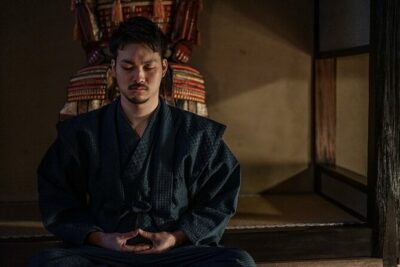
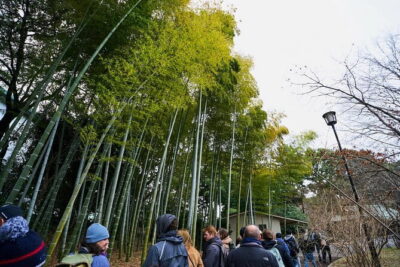
Tokyo Castle & Imperial PalaceーShogun Walking Tour
Read our review →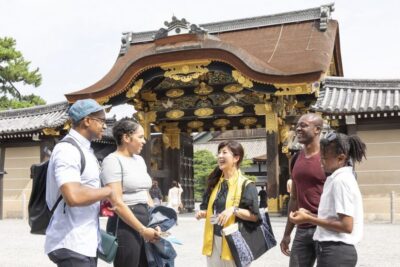
Nijo-jo Castle and Ninomaru Palace Guided Tour
Read our review →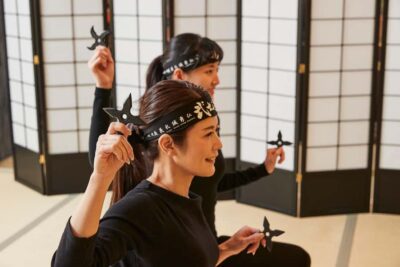
Samurai Ninja Museum Guided tour and Experience
Read our review →Browse the lists this tour appears in