
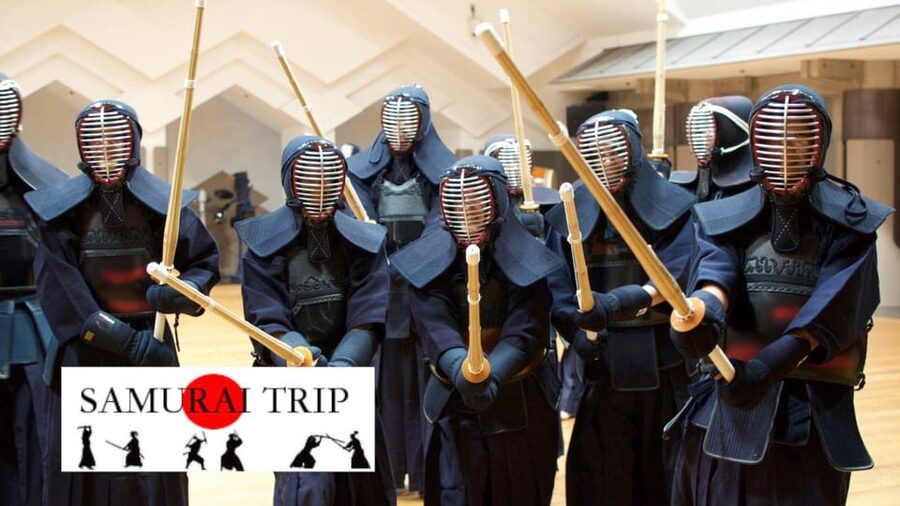
Reviewed · CASTLES AND HISTORIC SITES
Tokyo: Samurai Kendo Practice Experience
Bamboo strikes turn Tokyo sightseeing into action. This two-hour Kendo session gives you a close look at Japanese swordsmanship through footwork, etiquette, basic attacks, and controlled practice under experienced instructors. You wear traditional armor, handle Kendo equipment, and take part in light sparring rather than simply watching a demonstration.
I like the small group limit of six, which gives the instructors room to correct your stance and movements. I also like that beginners are treated as real students, with practice that leads toward a game-like bout. The main consideration is physical effort: you will sweat, the armor can feel restrictive, and instructions may come quickly in English.
The dojo is about 10 to 12 minutes from the north exit of JR Uguisudani Station, at 4-7-2 Higashinippori, Arakawa-ku. It operates from a house marked 誠道館, so allow extra time to find the entrance. The experience costs $116 per person, includes equipment, water, and a Japanese hand towel, and does not include food or hotel pickup.
In This Review
- Key points before you book
- What this Kendo session really offers
- Finding the dojo near JR Uguisudani
- The first stage: etiquette, clothing, and equipment
- Learning the basics of Japanese swordsmanship
- Wearing the armor changes the experience
- From drills to light sparring
- What the instructors add
- Is $116 a fair price?
- Who will enjoy this most?
- Timing, cancellation, and what to bring
- Should you book the Tokyo Kendo experience?
- FAQ
- How long does the Tokyo Samurai Kendo experience last?
- How much does the experience cost?
- Where does the Kendo activity take place?
- Is hotel pickup included?
- What equipment is provided?
- Can complete beginners take part?
- What languages are available?
- Can I wear glasses during the Kendo practice?
Key points before you book
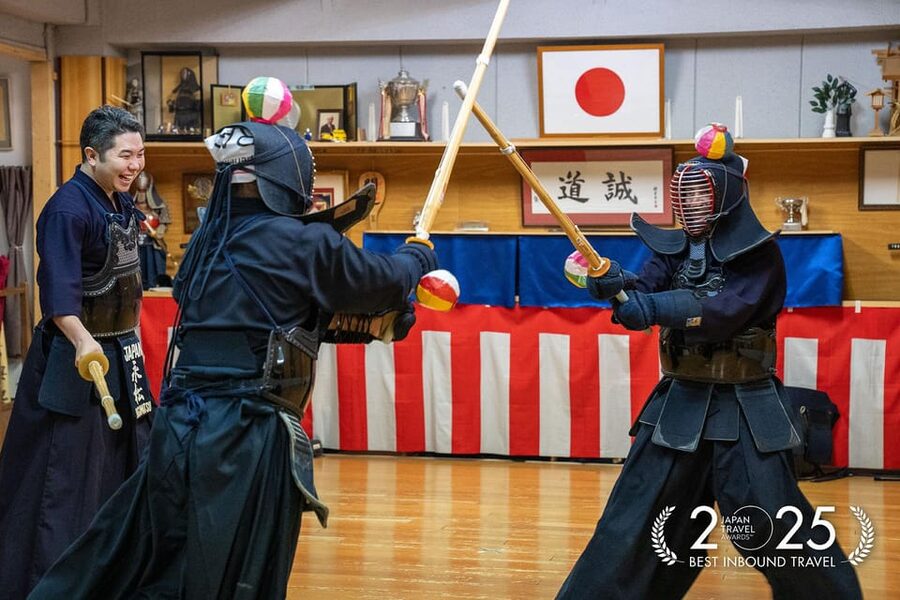
- You wear full Kendo armor: Expect a proper helmet, body protection, gloves, and training equipment rather than a costume photo session.
- Beginners practice real techniques: You learn basic strikes such as men, kote, and do, along with footwork and counter moves.
- The session includes controlled combat: Light sparring and playful games make this more active than a standard cultural demonstration.
- The group is capped at six people: That matters when you need help with stance, timing, or equipment.
- The dojo is close to JR Uguisudani Station: The walk is short, but the house setting can make the final approach slightly confusing.
- Bring exercise clothes and contact lenses: Loose clothing helps with changing and movement, while glasses are difficult to wear under the head armor.
What this Kendo session really offers
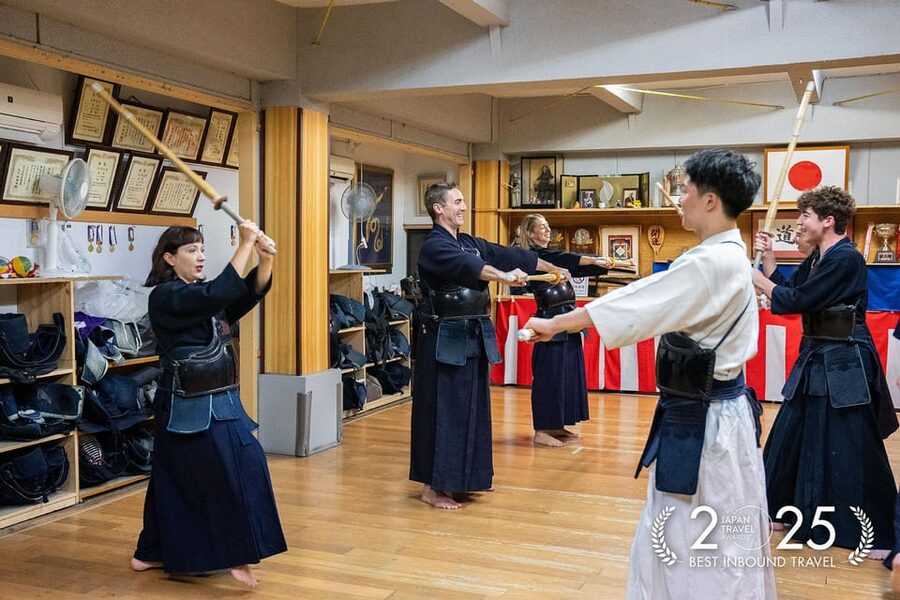
Kendo is often presented in films as fast sword fighting, but the real practice is more disciplined and exact. You begin with posture, etiquette, footwork, and the correct way to hold the shinai, the bamboo sword used for training. The strikes are not random swings. They depend on distance, timing, control, and a clear target.
That structure is what makes this experience worthwhile. You do not need a martial arts background, and several participants with no prior Kendo experience were able to take part. Still, you are expected to listen closely and pick up movements fairly quickly. If you have experience in another martial art, especially with footwork, you may adjust faster.
The instructors bring a serious tone to the session, but the atmosphere is not gloomy. You can expect strict corrections, humor, and time to try the movements again. One instructor identified as Nagamatsu-sensei has been described as patient and experienced, while other instructors help guide the group through the exercises.
More Castles and Historic Sites in Tokyo
- Tokyo: Imperial Palace and Shogun Historical Walking Tour
★ 5.0 · 2,251 reviews - Tokyo Castle & Imperial PalaceーShogun Walking Tour
★ 4.7 · 1,068 reviews - Tokyo: Samurai Ninja Museum Guided tour and Experience
★ 4.6 · 1,010 reviews
Finding the dojo near JR Uguisudani
Your meeting point is roughly 10 to 12 minutes from the north exit of JR Uguisudani Station. The address is 4-7-2 Higashinippori, Arakawa-ku, Tokyo, with 誠道館 displayed at the dojo.
This is not a large commercial martial arts facility with a prominent tourist entrance. It operates from a house, which gives the experience a more local feel but can make the last part of the walk harder to spot. I would save the address in Japanese and arrive with enough time to check the building carefully.
There is no hotel pickup, so you handle the trip to the dojo yourself. That is not a major burden, especially with the station nearby, but it is one reason not to schedule this activity too tightly between other Tokyo plans.
The first stage: etiquette, clothing, and equipment
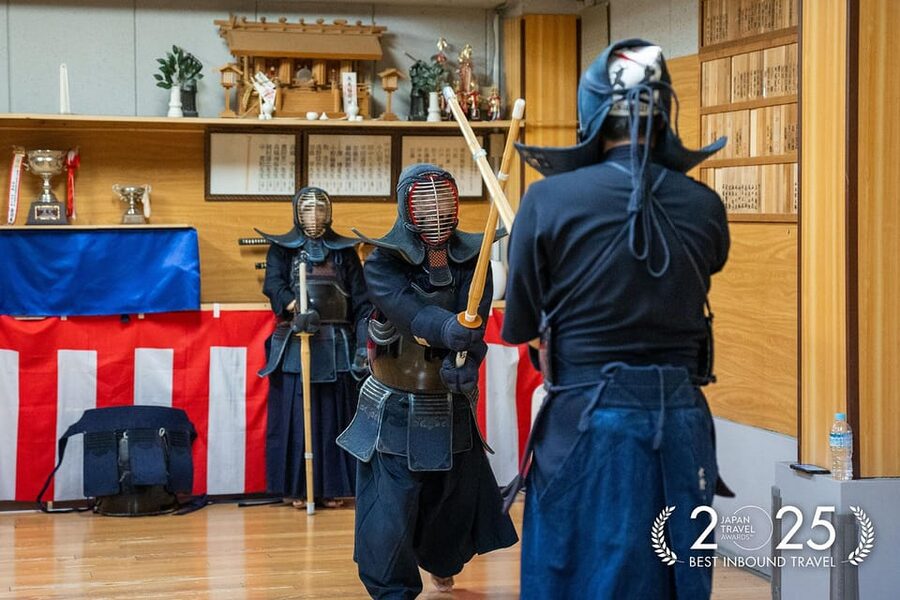
The session begins with preparation. You change into Kendo clothing and receive the armor and equipment needed for practice. Bring loose-fitting exercise clothes in case the available uniform size does not fit. This is important because the supplied clothing may not suit every body shape.
The experience is not a good fit for anyone looking for a completely passive activity. Putting on the equipment takes time, and the clothing and armor make movement feel different from ordinary exercise. The head protector also creates a practical issue for people who wear glasses.
Glasses are not advised while wearing the Kendo head armor because they can be difficult to fit and may be damaged. Contact lenses are recommended instead. The supplied information does not give a complete size range, so people who need larger clothing sizes should contact the provider before booking rather than assume the equipment will fit.
You receive rental armor and equipment, free mineral water, and a Japanese hand towel. The towel is a useful little souvenir after a sweaty session, though you should bring fresh clothes for afterward. Food is not included, so plan a meal or snack separately.
Learning the basics of Japanese swordsmanship
Once dressed, you learn the foundations of Kendo. The instruction covers the attitude and etiquette of the dojo, how to stand, how to move, and how to make a controlled strike. The point is not simply to hit armor. You are learning why the movement starts and ends in a particular way.
Basic targets include:
- Men, a strike to the head area
- Kote, a strike to the wrist area
- Do, a strike to the torso area
You may also practice counter techniques and simple tactics. These details give the activity more substance than a staged sword show. You begin to see that Kendo depends as much on distance and timing as on strength.
The instructor may demonstrate movements at a speed that looks easy until you try them yourself. One of the most useful parts of the experience is discovering how much control is needed to make a clean strike. The experts may move with startling speed, while beginners are still thinking about where to put their feet.
English and Japanese are the available languages. The instructors can guide English-speaking participants, but some explanations may be delivered quickly or be difficult to follow. Pay close attention to demonstrations, and do not be shy about asking for a movement to be shown again.
A completely different kind of day out:
- Tokyo Disney Resort – Tokyo Disneyland & Tokyo DisneySea Park Tickets
★ 4.8 · 99,488 reviews - SHIBUYA SKY Ticket
★ 4.7 · 46,509 reviews - JR Whole Japan Rail Pass
★ 4.8 · 29,150 reviews - Mt Fuji and Hakone 1-Day Bus Tour Return by Bullet Train
★ 5.0 · 26,383 reviews
Wearing the armor changes the experience
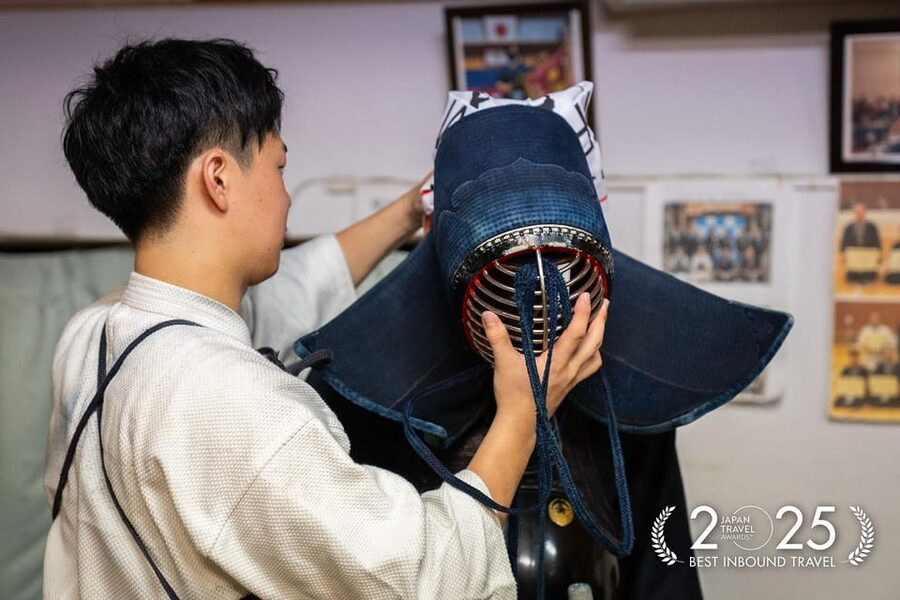
The armor is not just there for photographs. It changes how you hear, see, breathe, and move. The helmet limits your view, the gloves affect your grip, and the protective layers add heat. This is why even a two-hour session can feel like a serious workout.
That physical side is one of the strongest reasons to book. You are not only learning about Kendo in theory. You are using your body to understand the demands of the art. Several participants described the session as an excellent workout, and you should expect to sweat even if you arrive in good shape.
At the same time, the armor can feel uncomfortable for some people. It may be challenging for plus-size participants if the available equipment does not fit, and the head protector is not suitable for ordinary spectacles. These are practical concerns, not minor footnotes, so consider them before paying.
The instructors also expect discipline. A strict tone can be part of the lesson, and one participant found the instructor blunt at times. Another felt that strikes to the helmet seemed too rough. The activity is intended to be safe and guided, but you should understand that this is contact practice, not merely theatrical play.
From drills to light sparring
After learning the basic movements, you get to apply them. The group may practice against one another in a controlled format and may also work with the instructor. This is where the session becomes more exciting, because you have to remember the techniques while someone is moving in front of you.
Do not expect a full competition match between untrained beginners. The sparring is light and supervised, with playful elements that help you relax. Some sessions have included balloon games and other fun combat exercises. These touches keep the mood friendly while still giving you a feel for Kendo timing.
The practice is described as close to a real game even for beginners, but that should not be confused with unsupervised fighting. The instructor controls the pace and corrects the group. You may also watch experienced people training in the dojo, which offers a useful contrast between your first attempts and polished Kendo technique.
That contrast is humbling in a good way. You quickly see that an expert does not rely on dramatic force. Speed, accuracy, posture, and calm decision-making do the work. The session can leave you with a new respect for how different real swordsmanship is from what films show.
What the instructors add
The teachers are central to the value of this activity. You are not simply handed armor and told to swing a bamboo sword. The instructors explain the techniques, demonstrate the movements, guide your practice, and introduce the rules and ideas behind Kendo.
The teaching style appears to mix patience with firm correction. That combination suits the activity. If the instructor were too casual, the session would feel like a costume attraction. If the instructor were too severe, first-time participants could feel lost. Here, the tone is generally disciplined but playful.
Language can affect the experience. The service is offered only in English and Japanese, and some participants have found that explanations move faster than they would like. If you need extra time to understand a detail, ask directly and watch the physical demonstration closely.
The instructors also bring years of practice to the dojo. The Kendo tradition connected with the activity has more than 20 years of experience, and the teaching team includes a Keio University Kendo graduate. One account describes a master with more than 60 years of Kendo practice. Those credentials matter most when you see the accuracy of the demonstrations and the care given to basic form.
Is $116 a fair price?
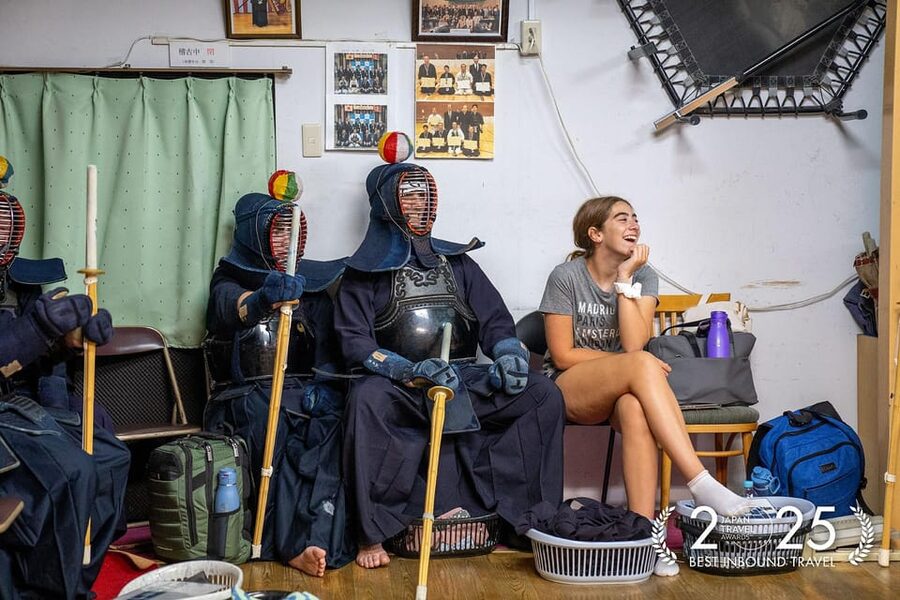
At $116 per person, this is not a cheap two-hour activity. You are paying more than you would for a simple museum visit or a brief cultural demonstration. The price makes more sense if you value direct participation, specialist instruction, full equipment rental, and a small group.
The group limit of six is especially important. With a large class, you might spend much of the session waiting for your turn or copying movements from a distance. A small group gives you more opportunity to practice, ask questions, and take part in sparring.
The included armor and equipment also save you from arranging anything yourself. Water and a hand towel are useful, but they do not determine the value. The real question is whether you want an active lesson with contact practice, rather than a passive introduction to samurai culture.
I consider the price reasonable for someone who has a strong interest in Japanese martial arts and wants a memorable activity in Tokyo. It is less convincing for someone who mainly wants a quick samurai photo opportunity. For that person, the cost may feel high and the physical demands unnecessary.
Who will enjoy this most?
You are a good match if you enjoy hands-on cultural activities, exercise, and learning a skill under instruction. Families with older children and teenagers can also enjoy it. One group of two pre-teens and a parent found the armor, workout, and practice especially appealing.
You do not need previous martial arts experience. The instructors start with fundamentals, and the small group format helps beginners follow along. Prior martial arts experience may help with footwork, but it is not required.
Think twice if you dislike heat, contact, strict instruction, or changing into fitted protective equipment. People with larger clothing requirements should confirm sizing before booking. People who rely on glasses should also plan carefully, since the head armor is not advised with spectacles.
Timing, cancellation, and what to bring
The listed duration is two hours, but the actual program may run a little shorter or longer depending on the session. Keep your schedule open enough that you do not need to rush away while still wearing or removing the equipment.
You can cancel up to 24 hours before the activity for a full refund. A reserve-now, pay-later option is also available, which helps if your Tokyo plans are still shifting. Starting times vary, so check availability for the date you want.
Wear loose exercise clothing, bring fresh clothes, and use contact lenses instead of glasses if possible. Water is provided, but carrying a little extra water may still be sensible after a strenuous session. Food and hotel transport are not included.
Should you book the Tokyo Kendo experience?
Book it if you want to do more than look at samurai armor behind glass. The strongest parts are the real dojo setting, the small group, the full protective gear, and the chance to practice basic strikes before taking part in controlled sparring.
I would not book it as a relaxed sightseeing break. The session can be hot, physical, strict, and occasionally hard to follow in English. The location also requires a little care to find, and equipment sizing may limit some participants.
For most active visitors, the combination of instruction, exercise, and cultural context makes this one of Tokyo’s more memorable hands-on activities. Go prepared to listen, sweat, and accept correction. If that sounds like fun, $116 buys you a genuine introduction to Kendo rather than a staged sword show.
FAQ
How long does the Tokyo Samurai Kendo experience last?
The scheduled duration is two hours. The actual program may take slightly more or less time depending on the situation, so leave some flexibility in your schedule.
How much does the experience cost?
The price is $116 per person.
Where does the Kendo activity take place?
It takes place at 誠道館, located at 4-7-2 Higashinippori, Arakawa-ku, Tokyo. The dojo is about 10 to 12 minutes from the north exit of JR Uguisudani Station.
Is hotel pickup included?
No. Hotel pickup is not included, so you need to make your own way to the meeting point.
What equipment is provided?
Rental Kendo armor and equipment are included. You also receive free mineral water and a Japanese hand towel.
Can complete beginners take part?
Yes. The activity is designed to teach beginners basic Kendo movements and guide them through practice that resembles a real game. Previous martial arts experience is helpful but not required.
What languages are available?
The instructors provide the service in English and Japanese only.
Can I wear glasses during the Kendo practice?
Glasses are not advised while wearing the Kendo head armor because they may be difficult to wear and could be damaged. Contact lenses are recommended.
Just added in Tokyo
- A One-of-a-Kind Sushi Experience in a Special Place of Japan★ 5.0 · 15 reviews
- Tokyo Cute Bento Cooking Class – Make a Kawaii Character Lunchbox★ 5.0 · 126 reviews
- Japanese Home Cooking Class & Walk in Todoroki Temple Tokyo★ 5.0 · 88 reviews
- Japan Tokyo Tower Observatory Deck E-Ticket★ 4.0 · 34 reviews
- Catch a Baseball Game in Tokyo with a Local – Tickets Included★ 5.0 · 24 reviews
- Japan Classic 10 Day – One Life Adventures★ 5.0 · 129 reviews
- JDM Experience with Fast&Furious RX-7 (English speaking Driver)★ 5.0 · 57 reviews
- Tokyo Private Day Tour by Car with English speaking Driver Guide★ 4.0 · 29 reviews
Castles and Historic Sites, compared.
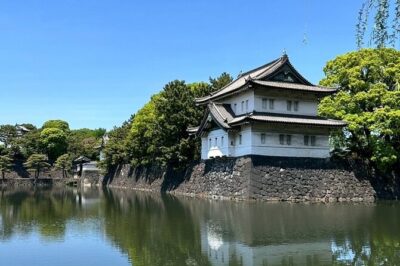
Imperial Palace and Shogun Historical Walking Tour
Read our review →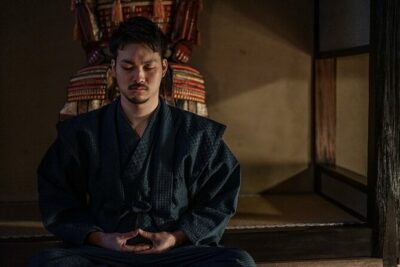
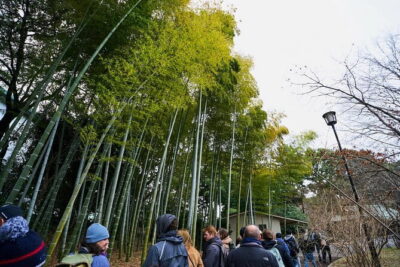
Tokyo Castle & Imperial PalaceーShogun Walking Tour
Read our review →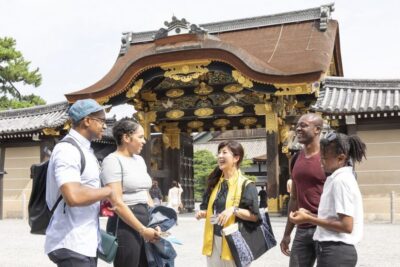
Nijo-jo Castle and Ninomaru Palace Guided Tour
Read our review →
Samurai Ninja Museum Guided tour and Experience
Read our review →Browse the lists this tour appears in