

Reviewed · WALKING TOURS
Tokyo: Secret Food Walking Tour
Come hungry, leave smiling. This three-hour Ueno food walk links sushi, gyoza, yakitori, sweets, and a secret dish, while an English-speaking local guide explains the customs behind each bite. I like the generous amount of food, and I like that several stops are places you might not choose on your own.
The guides are a major part of the appeal. Shonan, Natsumi, Kaho, and Kyoko have all earned warm praise for their friendly manner and fluent English. The main consideration is that the tour costs $150 per person, and one guest felt the history and area commentary was lighter than expected.
In This Review
- Key points to know before you book
- What this Ueno food tour is really like
- Sushi gives the tour a strong start
- Gyoza brings a different texture
- Yakitori and a drink at a tachinomiya
- Sweets keep the meal moving
- The secret dish is the final surprise
- The guides make or break the experience
- Is $150 per person good value?
- Who will enjoy this tour most?
- Final verdict: a generous food introduction to Ueno
- FAQ
- How long does the Tokyo Secret Food Walking Tour last?
- Where does the tour begin?
- How will I identify the guide?
- Where does the tour finish?
- What food is included?
- Is transportation included?
Key points to know before you book

- Start with sushi near JR Ueno Station: Freshly made sushi gives you an easy first taste of the local food scene.
- Eat your way beyond the station: The route moves from the station area toward downtown streets and smaller local food stops.
- Expect a full meal, not a few samples: Sushi, gyoza, yakitori, a drink, sweets, matcha ice cream, and a secret dish make this a substantial outing.
- The guide shapes the experience: Shonan, Natsumi, Kaho, and Kyoko have been praised for their English, warmth, and local suggestions.
- A stand-up restaurant adds local flavor: Yakitori comes with a draft beer or flavored sawa in a tachinomiya.
- Plan for easy walking: The tour lasts three to three and a half hours, and comfortable shoes are the one stated packing essential.
What this Ueno food tour is really like

This is not a formal cooking class, and it is not only a sightseeing walk with one snack tossed in. You spend the afternoon or morning moving between food stops, eating a wide range of Japanese dishes, and listening to explanations about Tokyo’s food culture.
The meeting point is inside JR Ueno Station, outside the JR Central Gate, near the entrance to Hard Rock Cafe. There are several entrances to that cafe, so the precise landmark matters: look for the entrance on the far side of the Andersen bakery. The guide carries a Secret Tours orange umbrella, which should make the group easier to spot.
You finish back at the same meeting point. That is useful if you are building the tour into a day around Ueno, since you do not need to arrange a ride from an unfamiliar neighborhood at the end.
The route itself gives you a simple change of pace. You begin around the station, leave the busy rail area, walk toward the downtown district, and stop at several food businesses along the way. Transportation is not included, but the activity is designed as a walking tour rather than a ride between restaurants.
More Walking Tours in Tokyo
- Tokyo Tsukiji Fish Market Food and Culture Walking Tour
★ 5.0 · 3,184 reviews - Tokyo: Imperial Palace and Shogun Historical Walking Tour
★ 5.0 · 2,251 reviews - Tokyo: Shinjuku Local Bar and Izakaya Guided Walking Tour
★ 4.9 · 1,794 reviews
Sushi gives the tour a strong start
The first stop is a popular sushi shop, where you eat freshly made sushi. Starting here makes sense. Sushi is familiar to many first-time visitors, but the setting and preparation can still feel new, especially if you are unsure how to order or what to try.
Your guide can provide the basic context that turns a plate of food into a cultural experience. The supplied details do not name the sushi shop or specify the exact pieces served, so you should not book expecting a particular fish or specialty. Think of this as an introduction to the tour’s food style rather than a fixed sushi tasting menu.
I like this first stop because it puts the guide to work right away. A local guide can help explain the food, answer questions, and make the first restaurant feel less intimidating. If you already know Japanese food well, the value will depend more on the guide’s stories and the chance to visit places you would not find alone.
One practical point: the tour can include a lot of food. Several people found themselves very full by the end, so I would not eat a full meal before meeting the group. A light breakfast or snack is the safer plan if your tour begins early.
Gyoza brings a different texture

After sushi, you walk toward the downtown district for gyoza. These are fried or steamed dumplings filled with minced meat and vegetables. The change from delicate sushi to hot dumplings gives the meal a useful contrast in flavor and texture.
This is also where the walking matters. You are not simply sitting in one restaurant while courses arrive. You move through local streets, see the area around Ueno from ground level, and get a sense of how food fits into ordinary city life.
The tour does not promise a specific gyoza style, so you might receive fried or steamed dumplings depending on the stop. That small difference can matter if you have a strong preference, but it also keeps the experience broad. You get to try a familiar Japanese dish in a setting selected by someone who knows the area.
One guest found the pace good and enjoyed being taken to places that would have been difficult to identify independently. That is one of the clearest reasons to consider this tour. Tokyo has plenty of restaurants, but abundance is not the same as easy choice. A guide helps remove some of the guesswork.
Yakitori and a drink at a tachinomiya

A short walk later, you stop for yakitori, skewered chicken served in a tachinomiya, a stand-up eat-and-drink restaurant. This is likely to feel more informal than the sushi stop. You eat in a place built for quick food, drinks, and conversation rather than a long seated meal.
The yakitori comes with either a draft beer or a flavored sawa. If you do not drink alcohol, check the available options before booking, since the supplied information does not explain substitutions. One guest specifically recommended the drink upgrade, saying the flavor combinations added to the meal.
I like this part of the route because the setting matters as much as the chicken. Yakitori is not just a dish to tick off a list. It is tied to casual eating and drinking, and a stand-up restaurant gives you a small look at that side of Japanese food culture.
The tour’s food is not limited to polished restaurant plates. You get sushi, dumplings, skewers, sweets, and a secret dish in different surroundings. That variety is one of the most praised features of the experience. It also means the tour may suit you better than a single-category tasting if you want a broad first look at Japanese food.
A completely different kind of day out:
- Tokyo Disney Resort – Tokyo Disneyland & Tokyo DisneySea Park Tickets
★ 4.8 · 99,488 reviews - SHIBUYA SKY Ticket
★ 4.7 · 46,509 reviews - JR Whole Japan Rail Pass
★ 4.8 · 29,150 reviews - Mt Fuji and Hakone 1-Day Bus Tour Return by Bullet Train
★ 5.0 · 26,383 reviews
Sweets keep the meal moving

The tour then turns from savory food to something sweet. The listed choice is manju or, depending on the season, freshly cut fruit. Manju is a traditional Japanese sweet with a soft exterior and a filling, though the exact variety is not specified here.
Seasonal fruit gives the guide some flexibility, but it also means your exact experience can change with the time of year. That is a positive if you enjoy seasonal eating, though anyone hoping for a particular dessert should keep expectations open.
Next comes matcha ice cream. This is a familiar favorite for many visitors, but it can still be a useful stop for comparing matcha’s earthy, slightly bitter flavor with the sweetness of ice cream. If you are new to matcha, the cold dessert is an approachable way to try it.
The sweets are not an afterthought. They help pace what is already a large amount of food. By this point, you may appreciate smaller portions more than you did at the start.
The secret dish is the final surprise
As with the company’s other food tours, the final course is a secret dish served in a cozy environment. The dish is not identified in advance, so you cannot plan around it or judge the tour by a specific promised specialty.
That mystery is part of the fun, but it is also the one area where you need to accept uncertainty. If you have allergies, dietary restrictions, or strong dislikes, contact the operator before booking and confirm what can be accommodated. The supplied tour details do not state a dietary policy, so do not assume every request can be handled.
The secret dish also gives the guide room to show you something outside the better-known list of sushi, gyoza, and yakitori. You are not just repeating the most obvious Japanese foods. The final stop can add a personal local recommendation to the route.
The guides make or break the experience

The strongest praise goes to the guides. Shonan was appreciated for his insider perspective, friendly personality, and flawless English. Natsumi was described as easy to talk to and sweet, while Kaho was praised for being a wonderful host and for serving more food and drinks than expected. Kyoko also received warm comments for guiding the Ueno walk.
These details matter because food tours depend heavily on the person leading them. A guide who can explain why a dish is eaten a certain way, help you feel comfortable in a small restaurant, and adjust the conversation to your questions adds real value.
The guide also provides the cultural and historical thread. The tour promises information about Tokyo, local food, and the stories behind dishes such as yakitori and gyoza. One guest felt the area history was limited and said the tour worked better for foodies than for someone seeking a full neighborhood history walk.
I would take that criticism seriously. If your main goal is architecture, shrine history, or a detailed account of Ueno’s past, choose a dedicated sightseeing tour instead. If you want food first, with some history and culture along the way, this format should fit better.
One person also visited a shrine during the walk, but that stop is not part of the stated schedule. Treat it as a possible bonus rather than a promised feature.
Is $150 per person good value?

At $150, this is not a cheap way to grab lunch. You are paying for a guided experience, not only for the food itself. The price includes the three to three and a half hour tour and the food, while transportation and hotel pickup are not included.
The value improves if you want help choosing local places and would otherwise spend time guessing where to eat. You receive a full progression of dishes, a drink option with the yakitori, sweets, ice cream, and a secret dish. Several people were surprised by how much food they received and finished full.
The value is less clear if you are comfortable ordering anywhere in Tokyo, already know the local food scene, or mainly want a history tour. You might spend less by eating independently, although you would lose the route, explanations, and access to stops chosen by the guide.
I would also factor in the tour’s convenience. The start and finish at JR Ueno Station make planning simple, and there is no need to arrange transport between courses. You do need to pay your own way to the station, and the meeting point requires care because of the several Hard Rock Cafe entrances.
Who will enjoy this tour most?
This is a strong choice for first-time visitors who want an easy introduction to Japanese food without having to decode every menu. You can sample several classic dishes in one outing and ask questions as you go.
It also suits repeat visitors who have seen Tokyo’s major sights but still want help finding local food stops. The food variety and lesser-known restaurants are useful even if sushi and gyoza are already familiar to you.
Families can consider it too. An eight-year-old enjoyed the experience, according to one family, though the total amount of walking and the number of food stops may not suit every child. The guide’s personality will matter here.
You should think twice if you need a tightly controlled diet, dislike surprises, or want a serious historical tour. The exact secret dish, seasonal sweet, and restaurant details are not fixed in the information provided.
Book at least one day before the start if you want the full-refund cancellation option. You can also reserve now and pay later, which helps if your Tokyo plans are still shifting. Those are useful booking terms, but the main decision is simpler: do you want a food-centered walk or a sightseeing tour with snacks?
Final verdict: a generous food introduction to Ueno
I would book this tour if I wanted a guided first taste of Tokyo’s everyday food culture and did not want to spend my first days guessing which local restaurants were worth trying.
The generous portions, wide range of dishes, and friendly English-speaking guides are the strongest reasons to go. Start hungry, wear comfortable shoes, and keep your schedule open enough to enjoy the full three to three and a half hours.
I would skip it if your priority is detailed neighborhood history, a low-cost lunch, or a fixed menu that lists every dish in advance. For food-focused visitors, though, the mix of sushi, gyoza, yakitori, sweets, matcha ice cream, and a secret final dish offers a satisfying way to get oriented in Tokyo.
FAQ
How long does the Tokyo Secret Food Walking Tour last?
The guided food tour lasts approximately three to three and a half hours.
Where does the tour begin?
It begins inside JR Ueno Station, outside the JR Central Gate, near the entrance to Hard Rock Cafe. Use the entrance on the other side of the Andersen bakery.
How will I identify the guide?
The guide will be waiting with a Secret Tours orange umbrella.
Where does the tour finish?
The tour ends back at the same meeting point inside JR Ueno Station.
What food is included?
The tour includes sushi, gyoza, yakitori, a draft beer or flavored sawa, manju or seasonal fruit, matcha ice cream, and a secret dish. The exact secret dish and seasonal sweet are not specified.
Is transportation included?
No. Transportation, hotel pickup, and hotel drop-off are not included. Comfortable shoes are recommended for the walking route.
Just added in Tokyo
- A One-of-a-Kind Sushi Experience in a Special Place of Japan★ 5.0 · 15 reviews
- Tokyo Cute Bento Cooking Class – Make a Kawaii Character Lunchbox★ 5.0 · 126 reviews
- Japanese Home Cooking Class & Walk in Todoroki Temple Tokyo★ 5.0 · 88 reviews
- Japan Tokyo Tower Observatory Deck E-Ticket★ 4.0 · 34 reviews
- Catch a Baseball Game in Tokyo with a Local – Tickets Included★ 5.0 · 24 reviews
- JDM Experience with Fast&Furious RX-7 (English speaking Driver)★ 5.0 · 57 reviews
- Tokyo Private Day Tour by Car with English speaking Driver Guide★ 4.0 · 29 reviews
- Japan Classic 10 Day – One Life Adventures★ 5.0 · 129 reviews
Walking Tours, compared.
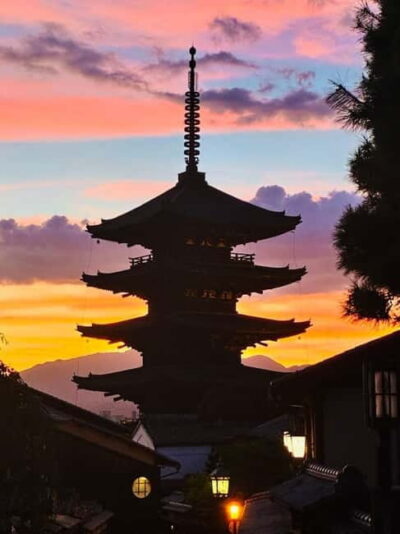
Kyoto Geisha Walking Tour: Gion District & Hidden Gems
Read our review →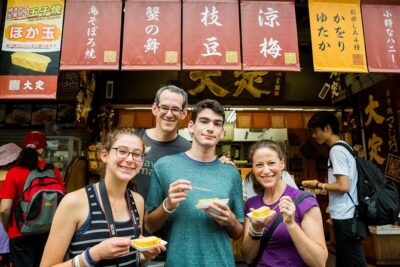
Tokyo Tsukiji Fish Market Food and Culture Walking Tour
Read our review →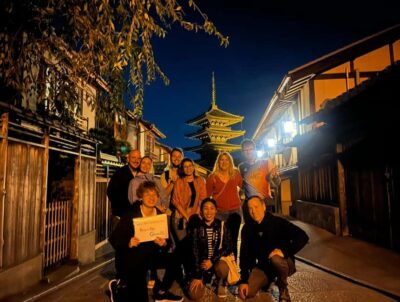
Gion Magical Night Walking Tour with Geisha Trivia
Read our review →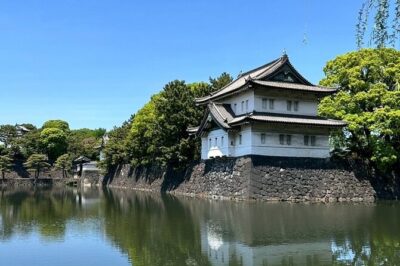
Imperial Palace and Shogun Historical Walking Tour
Read our review →
Gion Geisha District Walking Tour – Stories of Geisha
Read our review →
Shinjuku Local Bar and Izakaya Guided Walking Tour
Read our review →
Browse the lists this tour appears in