Reviewed · GUIDED
Tokyo: Tattoo-Friendly Public Bath Experience with Guide
Naked, nervous, and curious? This one-hour Tokyo experience makes a traditional sento easier to understand, especially if you have tattoos or have never used a Japanese public bath. You meet an English-speaking guide near Nippori Station, walk five minutes to a local bathhouse, and receive clear instructions before entering. I especially like the tattoo-friendly policy and the small-group format, which keeps the experience personal rather than awkwardly crowded.
I also like that the guide does more than point you toward the changing room. Guides such as Annie and Hanh have helped visitors understand the customs, answered questions patiently, and offered ideas for other lesser-known Tokyo stops. The main consideration is simple but important: you bathe fully naked, and the bathing areas are separated for men and women. One person also wished the guide could have accompanied them inside, so you should be ready to handle the actual bathing on your own after the briefing.
- Five-minute walk from Nippori Station: The short route keeps the experience easy to fit into a Tokyo day.
- Tattoo-friendly sento: You can enjoy a public bath without worrying about the usual tattoo restrictions found at many Japanese baths.
- Practical etiquette lesson: Your guide explains the process in English and supplies a bath towel and hand towel.
- Local guides with a personal touch: Annie and Hanh have been praised for their kindness, patience, city tips, and help before and after the soak.
- Small group of up to nine: This gives you room to ask questions, though the group size can still vary.
- Optional drink or snack afterward: A cold drink can be a pleasant way to cool down and talk about the experience.
In This Review
- Meeting at Nippori Station
- Why a Sento Is Different From a Spa
- The Etiquette Briefing Comes Before the Bath
- What Happens Inside the Changing and Bathing Areas
- Tattoos Are Welcome Here
- A Short Tour With Real Local Contact
- The Optional Drink Afterward
- Is the $38 Price Fair?
- Who Will Enjoy This Most?
- Timing, Languages, and Cancellation
- My Verdict on the Nippori Sento Visit
- FAQ
- Where does the experience begin?
- How far is the bathhouse from Nippori Station?
- How long does the experience last?
- Is the public bath tattoo-friendly?
- Do I have to be naked?
- Are the bathing areas separated for men and women?
- Is the guide inside the bathing area?
- What is included in the price?
- Are food and drinks included?
- Which languages are available?
- Can children join?
- Can I cancel the booking?
Meeting at Nippori Station
Your outing begins in front of the taxi stand outside Nippori Station. This is a practical meeting point, but station areas in Tokyo can feel confusing, so allow enough time to find the correct exit and taxi stand. The experience itself lasts one hour, and the walk to the sento takes about five minutes.
Nippori is a useful starting point because it is well connected and gives you a quick change of scene. Within minutes, you leave the station area and reach a local bathhouse rather than a large sightseeing complex. That short walk matters. You are not spending half your booking on transport, and you can return to the station just five minutes after the bath.
There has been one report of a small problem with the exact pickup location. In that case, guide Annie helped by meeting the visitor from a taxi and made the confusion less troublesome. I would still check the meeting instructions carefully and arrive early, especially if you are carrying luggage or navigating Nippori for the first time.
Why a Sento Is Different From a Spa
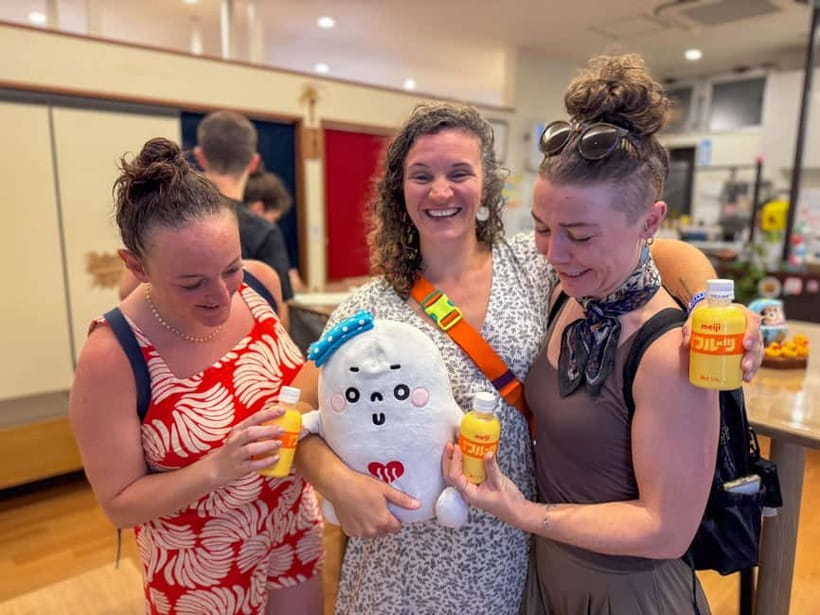
A sento is a Japanese public bath used for washing and soaking. The focus is not a private massage, luxury treatment, or hotel-style spa service. You share the bathing space with local bathers, follow established customs, and spend your time in a setting that feels tied to everyday Japanese life.
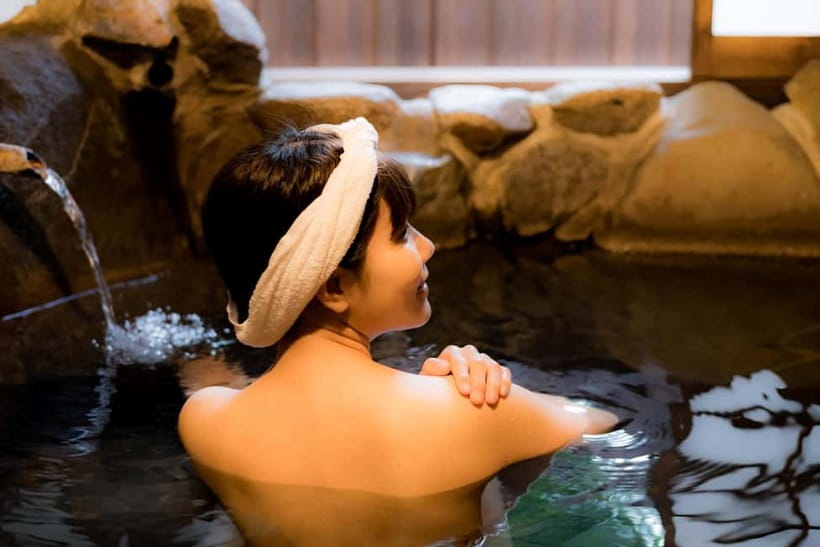
The bathhouse is described as having a retro atmosphere and waters valued for their relaxing, restorative quality. You might find that the appeal comes as much from the setting and routine as from the water itself. This is a place to slow down, wash properly, sit quietly, and enjoy a custom that has shaped Japanese daily life for generations.
Some comments call the venue an onsen, but the activity is presented as a sento. Those terms are not always interchangeable. An onsen traditionally uses naturally heated mineral spring water, while a sento is a public bath that may use ordinary heated water. The important point for you is that this is a local public bathing experience, not a private hot spring resort.
That distinction helps set expectations. You should come for the bathing culture, the retro setting, and the chance to use a tattoo-friendly public bath. You should not book it expecting a lavish resort or a private room.
A few more options to weigh up in Tokyo
- Tokyo Disney Resort – Tokyo Disneyland & Tokyo DisneySea Park Tickets
★ 4.8 · 99,488 reviews - SHIBUYA SKY Ticket
★ 4.7 · 46,509 reviews - JR Whole Japan Rail Pass
★ 4.8 · 29,150 reviews
The Etiquette Briefing Comes Before the Bath
Before you enter the bathing area, your guide provides a towel set and explains the basic rules in English. You receive a bath towel and a smaller hand towel, while shampoo and body soap are available at the bathhouse.
This introduction is one of the strongest reasons to book with a guide. The hardest part for a first-time visitor is often not the bathing itself. It is knowing where to change, when to wash, what to do with the small towel, and how to avoid standing out for the wrong reason. A calm explanation takes away much of that pressure.
Guides Annie and Hanh have received particular praise for being kind, patient, and considerate. Hanh has explained the history and culture around public baths, then walked a visitor back to the station afterward. Annie has also offered city suggestions and helped make an awkward moment at the meeting point easier.
The guide will not remove every bit of uncertainty. You still enter the bathing area without the guide, and the men’s and women’s sections are separate. One person specifically wished the guide could have accompanied them inside. That is not normally possible or appropriate in a gender-separated bath, but it is worth understanding the arrangement before you book.
What Happens Inside the Changing and Bathing Areas
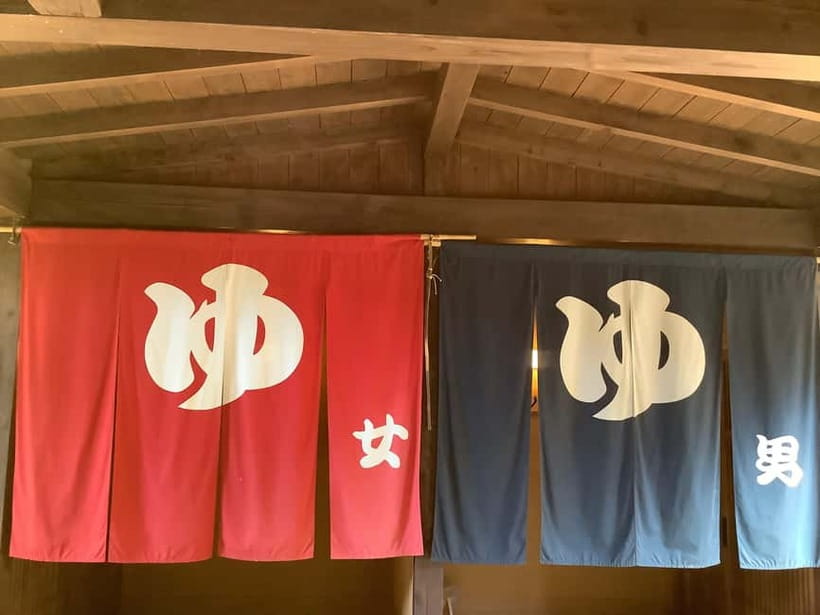
You should expect to undress fully before entering the bathing area. This is not a swimsuit activity, and the bathing sections are separated by gender. Children under three are not permitted, and the experience is not suitable for participants during their period.
The key rule is to wash before entering the tubs. The bath is for soaking after you are clean, not for carrying soap and sweat into the shared water. Your hand towel is useful for modesty while walking around, but it should not go into the bathwater.
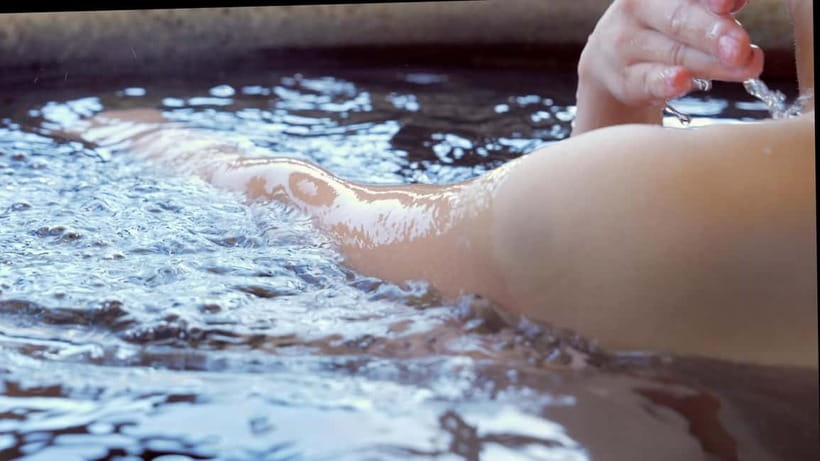
You will have the chance to use the supplied shampoo and body soap. After washing, you can enter the baths and relax in the warm water. The experience is deliberately simple. You are not being rushed through a list of attractions, and the one-hour booking gives you enough time for the briefing, the bath, and the walk back, though the exact amount of soaking time can vary.
If you feel nervous, remember that the other bathers are there to bathe, not to inspect you. The guide’s explanation should help you approach the process with respect. Move quietly, wash carefully, keep your towel out of the water, and follow the basic rhythm of the room.
Tattoos Are Welcome Here
For many visitors, the tattoo-friendly policy is the deciding feature. Tattoos remain restricted at many hot springs and public baths in Japan, even as attitudes are changing. A tattoo can still lead to refusal, a request to cover the design, or uncertainty at the door.
This experience removes that particular concern by taking you to a bathhouse identified as tattoo-friendly. That does not mean every rule disappears. You still need to wash before soaking and behave respectfully in the shared space. Tattoo-friendly means you can enter with tattoos, not that the venue operates without etiquette.
I would still make sure your tattoos are clearly understood as acceptable when booking, especially if you have extensive body art. The supplied information identifies this particular location as tattoo-friendly, which is far more useful than arriving at an ordinary bathhouse and hoping for the best.
For visitors who have avoided Japanese baths because of tattoo restrictions, this can be a meaningful cultural opportunity. You get to take part in a public custom without having to hide an important part of your appearance.
A completely different kind of day out:
- Mt Fuji and Hakone 1-Day Bus Tour Return by Bullet Train
★ 5.0 · 26,383 reviews - TOKYO SKYTREE® Ticket
★ 4.7 · 25,136 reviews - teamLab Borderless Tickets: MORI Building DIGITAL ART MUSEUM
★ 4.7 · 24,126 reviews - teamLab Planets TOKYO Ticket
★ 4.7 · 21,663 reviews
A Short Tour With Real Local Contact
The advertised duration is one hour, with a five-minute walk from Nippori Station to the bathhouse and another five-minute walk back. Because the visit is short, you should think of it as a focused cultural activity rather than a long afternoon at the baths.
The small-group limit is nine people. That is a sensible size for an etiquette lesson, since you can ask questions without turning the meeting into a formal class. Still, nine people can feel like a real group, so do not assume you will receive a completely private orientation.
The guide’s role gives the activity more value than simply paying a bath entrance fee. You receive help with the unfamiliar customs, language support, and a local point of contact. After the bath, you may also get advice about other lesser-known Tokyo locations. That informal conversation is part of the appeal.
The guide does not necessarily stay with you inside the bathing area. If you want constant accompaniment, this may not be the right format. If you mainly need a clear explanation before entering, then the arrangement works well.
The Optional Drink Afterward
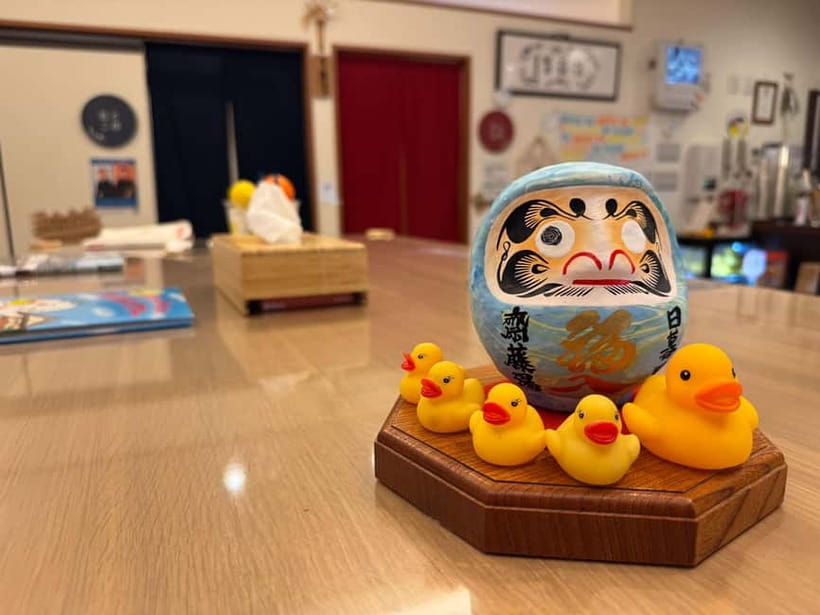
After you finish bathing, you can unwind with a local drink or snack at your own expense. The food and drinks are not included, so bring some yen or be prepared to pay separately.
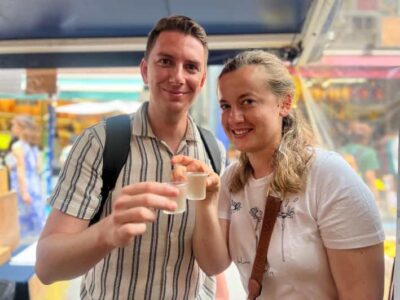
This ending is modest, but it fits the experience. A cold drink after a hot bath gives you time to cool off, ask follow-up questions, and hear more about Tokyo from your guide. One visitor specifically enjoyed the drinks at the end, while another appreciated being walked back to the station with a cold drink in hand.
Do not expect a meal or a tasting session. The optional refreshment is a small add-on, not a major part of the booking. Its value comes from the relaxed conversation after you have completed the bath.
Is the $38 Price Fair?
At $38 per person, this is more expensive than entering a public bath on your own. You are paying for the guide, English-language etiquette instruction, entrance fee, towel rental, and the convenience of being shown to a tattoo-friendly venue.
For a confident visitor who already understands Japanese bath customs, the added cost may not feel necessary. You could prefer to visit independently and keep the experience entirely spontaneous. The difficulty is finding a suitable tattoo-friendly bath and knowing exactly what to do once inside.
For a first-time visitor, the price is easier to justify. You receive a towel set, shampoo and body soap access, a guide in English, and a small-group introduction that reduces the chance of an embarrassing mistake. You also get a local contact who may suggest other places to visit.
The value is strongest for couples and small groups who want a genuine cultural activity without spending several hours on it. It is less compelling for anyone seeking luxury, privacy, or a long spa session.
Who Will Enjoy This Most?
I would recommend this experience to couples, solo visitors, and small groups who are curious about Japanese bathing but uneasy about the rules. It is especially useful if you have tattoos and have struggled to find a public bath that accepts them.
It also suits people who value human guidance over a self-directed visit. Annie and Hanh have been praised for their friendly, caring manner, and that can make a large difference when you are about to enter a completely unfamiliar setting.
You should think twice if you dislike communal bathing, cannot be fully naked in a gender-separated facility, or want your guide beside you throughout the entire activity. The experience is respectful and welcoming, but it does not change the basic nature of a Japanese public bath.
The age restriction is straightforward: children under three cannot participate. The activity is also not suitable for participants during their period.
Timing, Languages, and Cancellation
The activity lasts one hour, and you should check the available start times before booking. The guide service is offered in English, Japanese, and Vietnamese, giving you a useful choice if one of those languages is more comfortable.
The group is limited to nine participants. That keeps the experience relatively manageable, though the exact feel depends on how many people book your time slot.
You can cancel up to 24 hours ahead for a full refund, and the reserve-now, pay-later option lets you keep your plans flexible. These terms are useful in Tokyo, where weather, train delays, and changing day plans can affect a tightly arranged itinerary.
My Verdict on the Nippori Sento Visit
I like this experience because it makes a potentially intimidating custom feel manageable without turning it into a staged performance. The bathhouse setting, short walk, tattoo-friendly policy, and patient guides create a practical introduction to local bathing culture.
The strongest praise has centered on the guides. Annie has been described as kind, considerate, and helpful with city advice, while Hanh has explained procedures clearly, supplied cultural context, and helped visitors after the bath. Those personal touches matter more here than fancy facilities.
The limits are equally clear. You will be naked, the bathing area is separated by gender, and the guide will not necessarily accompany you inside. At $38, you pay a premium over independent entry, but that premium buys confidence, language help, towels, and access to a tattoo-friendly venue.
Book this if you want to try a Japanese sento but would rather not work out the etiquette alone. Skip it if you want privacy or a luxury spa. For a short, respectful, local experience near Nippori, this is a strong choice.
FAQ
Where does the experience begin?
You meet your guide in front of the taxi stand outside Nippori Station.
How far is the bathhouse from Nippori Station?
The sento is about a five-minute walk from the station.
How long does the experience last?
The activity lasts one hour.
Is the public bath tattoo-friendly?
Yes. This particular sento is identified as tattoo-friendly, although many other Japanese public baths and hot springs restrict tattoos.
Do I have to be naked?
Yes. You are fully naked in the bathing area.
Are the bathing areas separated for men and women?
Yes. Men and women use separate bathing areas.
Is the guide inside the bathing area?
The guide explains the bathing process and etiquette before you enter, but the guide may not accompany you inside. The bathing areas are separated for men and women.
What is included in the price?
The price includes the bath entrance fee, a bath towel, a hand towel, shampoo, body soap, an English bathing etiquette guide, and an English-speaking guided tour.
Are food and drinks included?
No. Food and drinks are not included, though you may optionally buy a local drink or snack afterward.
Which languages are available?
The activity is offered in English, Japanese, and Vietnamese.
Can children join?
Children under three years old cannot participate.
Can I cancel the booking?
You can cancel up to 24 hours in advance for a full refund. You can also reserve now and pay later.
Just added in Tokyo
- A One-of-a-Kind Sushi Experience in a Special Place of Japan★ 5.0 · 15 reviews
- Tokyo Cute Bento Cooking Class – Make a Kawaii Character Lunchbox★ 5.0 · 126 reviews
- Japanese Home Cooking Class & Walk in Todoroki Temple Tokyo★ 5.0 · 88 reviews
- Japan Tokyo Tower Observatory Deck E-Ticket★ 4.0 · 34 reviews
- Catch a Baseball Game in Tokyo with a Local – Tickets Included★ 5.0 · 24 reviews
- JDM Experience with Fast&Furious RX-7 (English speaking Driver)★ 5.0 · 57 reviews
- Tokyo Private Day Tour by Car with English speaking Driver Guide★ 4.0 · 29 reviews
- Japan Classic 10 Day – One Life Adventures★ 5.0 · 129 reviews
Guided, compared.
Tokyo 6hr Private Tour with Government-Licensed Guide
Read our review →
Shiraito Falls & Forest Cafe & Handmade Flower Salt Pudding & Grilled Seafood & Totoro Forest & Sakurai Futamigaura & Angel’s Wings & Coconut Tree Swing Day Tour (Departing from Hakata Station, with Mandarin, English, and Cantonese speaking guide)
Read our review →
Shinjuku Local Bar and Izakaya Guided Walking Tour
Read our review →
Private City Highlights Tour with Local Guide
Read our review →
Kyoto Early Morning Tour with English-Speaking Guide
Read our review →