
Reviewed · TEMPLES AND SHRINES
Tokyo: Zen Meditation at a Private Temple with a Monk
Quiet Tokyo has its own rewards. This 90-minute Zen experience takes you into a private temple in Asakusa, where a monk explains Zazen meditation, leads quiet practice, and answers questions over matcha tea. I like the personal setting and the chance to speak directly with Namiki-san, a third-generation monk. I also like that the program adds calligraphy and tea, so you get more than a short sitting session.
The main consideration is that the meditation itself may be brief for experienced practitioners. Sessions are often around 10 minutes each, though some schedules include a longer period of sitting. At $55 per person, this is a fair cultural experience, but you are paying for the monk-led setting, translation, temple access, and conversation rather than for a long meditation retreat.
In This Review
- Four details that make this Asakusa experience special
- Entering a 400-year-old temple in Asakusa
- Learning how Zazen works before you sit
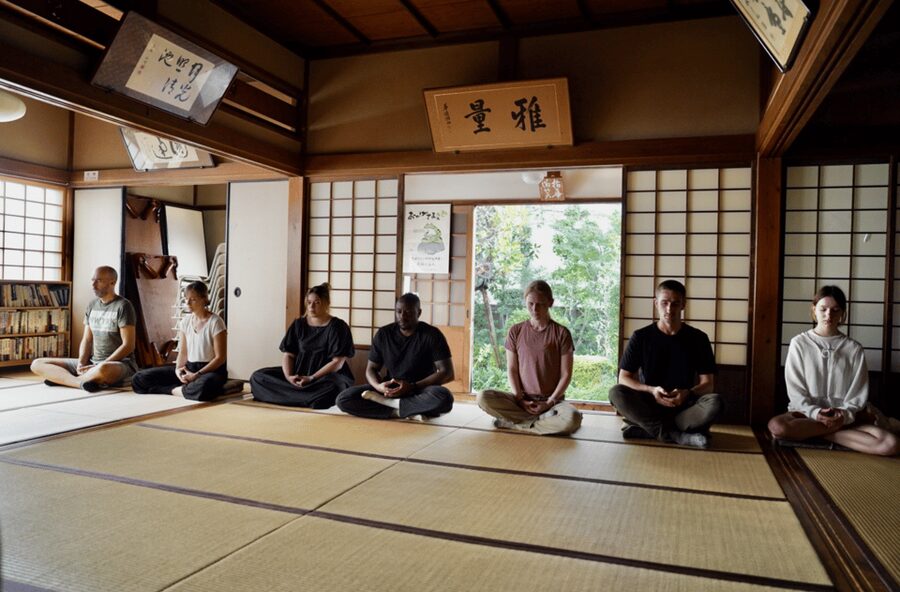
- Sitting quietly on tatami mats
- Calligraphy turns focus into a hands-on activity
- Matcha, sweets, and a real conversation with the monk
- What the $55 price really covers
- Fitting this into a Tokyo day
- Who will appreciate this most
- Small details that improve the visit
- Should you book the Asakusa Zen meditation?
- FAQ
- How long does the Zen meditation experience last?
- How much does the experience cost?
- Where is the meeting point?
- Is transportation included?
- Is the experience conducted in English?
- Do I need previous meditation experience?
- What activities are included besides meditation?
- Can I cancel the booking?
Four details that make this Asakusa experience special
- A private temple with more than 400 years of history: You enter a place not open to the general public.
- Direct time with Namiki-san: The resident monk explains Zen, meditation, daily life, and practical ways to handle stress.
- English support from the guide: Guides such as Tamami Shigenobu and Kazu help translate and explain cultural details.
- Three calm activities in one visit: You practice Zazen, try calligraphy, and take part in a matcha tea ceremony.
- A quiet break from central Tokyo: The temple offers a peaceful change of pace near Asakusa’s busy sights.
- Easy planning near Tawaramachi Station: The meeting point is about two minutes from the Ginza Line station, though you must choose the correct Family Mart branch.
Entering a 400-year-old temple in Asakusa
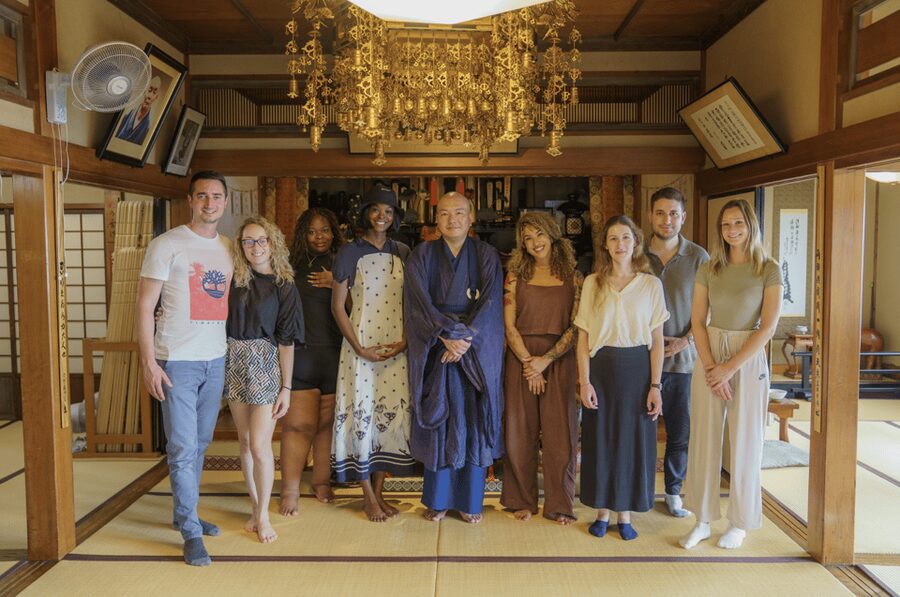
The experience begins in the Asakusa area, close to Tawaramachi Station. You meet in front of a Family Mart about two minutes from the station on the Ginza Line. There are two Family Mart stores nearby, so check the meeting instructions carefully. A small location mistake is not the best way to begin a lesson in mindfulness.
From there, an English-speaking guide leads you to a small temple that is not open to the general public. That restricted access matters. You are not simply walking through a famous sightseeing site with a crowd and a camera line. You are entering a working religious space for a planned cultural visit.
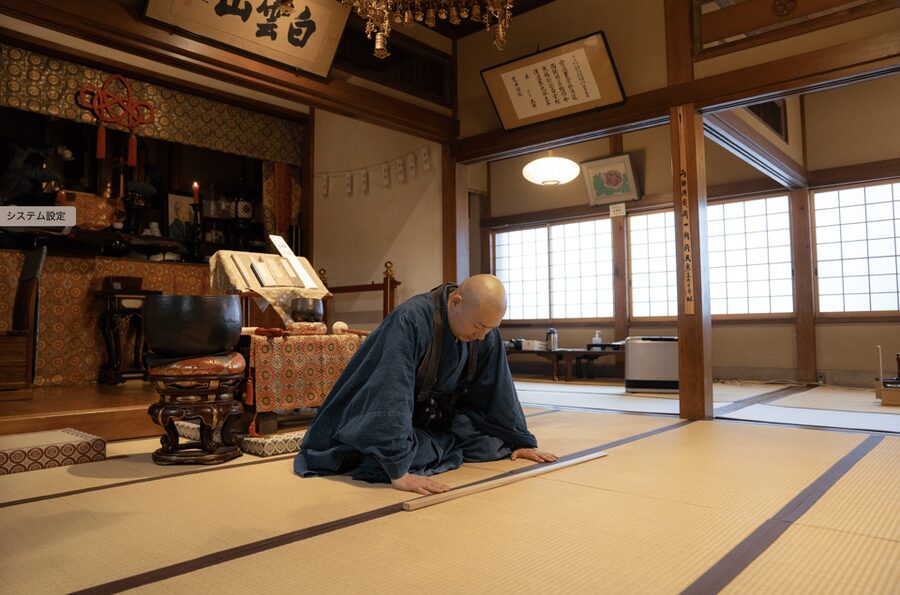
The temple’s history reaches back more than 400 years, and the current monk comes from a family with three generations of temple service. The setting is part of the experience. Visitors describe the smell of the temple, the quiet rooms, the tatami mats, and the calm mood as memorable details. You may also be allowed to take photographs inside and with the monk, but it is wise to follow the guide’s directions in this sacred space.
Your guide provides a short introduction to Japanese culture and Zen Buddhism before the monk begins. This helps if you know little about Buddhism. It also gives experienced meditation students a cultural frame for the practice instead of presenting it as a generic relaxation class.
More Temples and Shrines in Tokyo
- Tokyo: Meiji Shrine, Asakusa, Skytree Bus Tour and Cruise
★ 4.7 · 1,986 reviews - Tokyo: Asakusa Walking Tour with Sensoji Temple Visit
★ 4.8 · 1,583 reviews - Nikko: Kegon Falls, Lake Chuzenji & Toshogu Temple
★ 4.6 · 1,577 reviews
Learning how Zazen works before you sit
Zazen means seated meditation, and it is a central practice in Zen Buddhism. The monk explains the basic posture, breathing, and attitude needed for sitting. The aim is not simply to close your eyes and feel relaxed. You are asked to sit with yourself, notice the mind, and loosen your grip on daily worries and ego.
That can sound lofty, but the session stays practical. The monk explains how to breathe rhythmically and how to return your attention when your thoughts wander. You do not need prior meditation experience. In fact, this is one of the better features of the program. The instructions are designed for beginners, while the chance to ask questions gives experienced participants room to explore the practice further.
The group may complete two meditation sessions of about 10 minutes each. Other descriptions of the experience indicate that some visits include a longer sitting period, around 25 minutes. The exact balance can vary, so do not book this expecting a fixed-length meditation retreat.
For someone new to meditation, two short sessions can be useful. You get a first attempt, a chance to notice what feels difficult, and another opportunity to settle into the posture. A seasoned practitioner might wish for more uninterrupted silence. One useful tip from a past participant is to ask Namiki-san about using the traditional Zen meditation stick. It is not something you need, but you can ask if you are curious about that part of the practice.
Sitting quietly on tatami mats
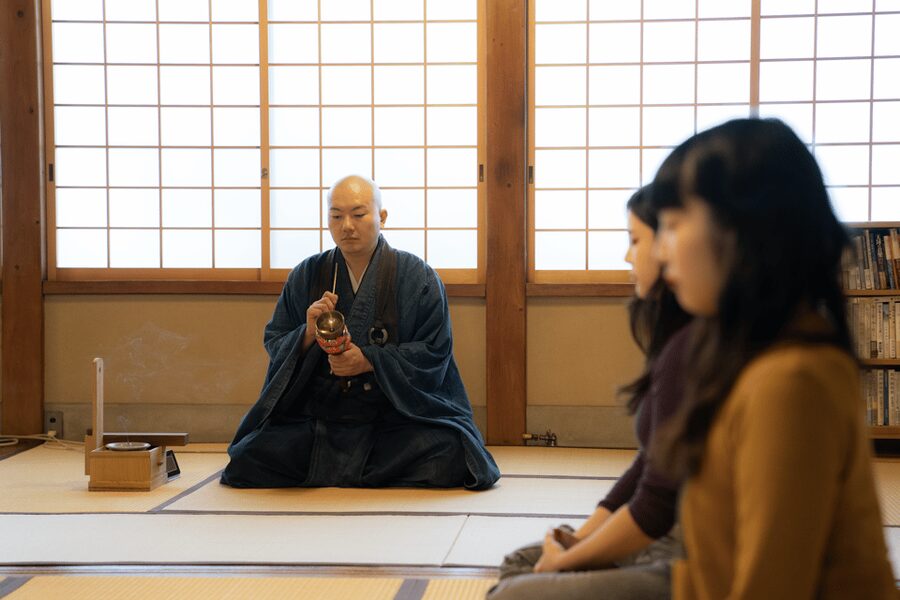
The meditation takes place inside the temple, often on tatami mats. This is where the experience feels most different from a class at home or in a hotel. The surroundings, scent, chanting, and presence of the monk give the sitting a clear cultural setting.
You may find the posture unfamiliar. The meditation is not presented as a modern wellness workout, and the point is not to chase a dramatic spiritual feeling. Instead, you are given a short chance to observe your breath and mind in a traditional setting.
Some participants describe the session as surprisingly relaxing, with the time passing quickly. Others point out that they would have preferred more instruction or additional meditation time. I see both sides. The short format keeps the experience approachable during a busy Tokyo visit, but it limits how far you can develop the practice during the session.
The best approach is to arrive without demanding a particular result. You might feel calm, distracted, curious, or simply aware of how hard it is to sit still. All of those responses are useful. The value is in trying the practice with guidance, not in producing a perfect meditation.
Calligraphy turns focus into a hands-on activity
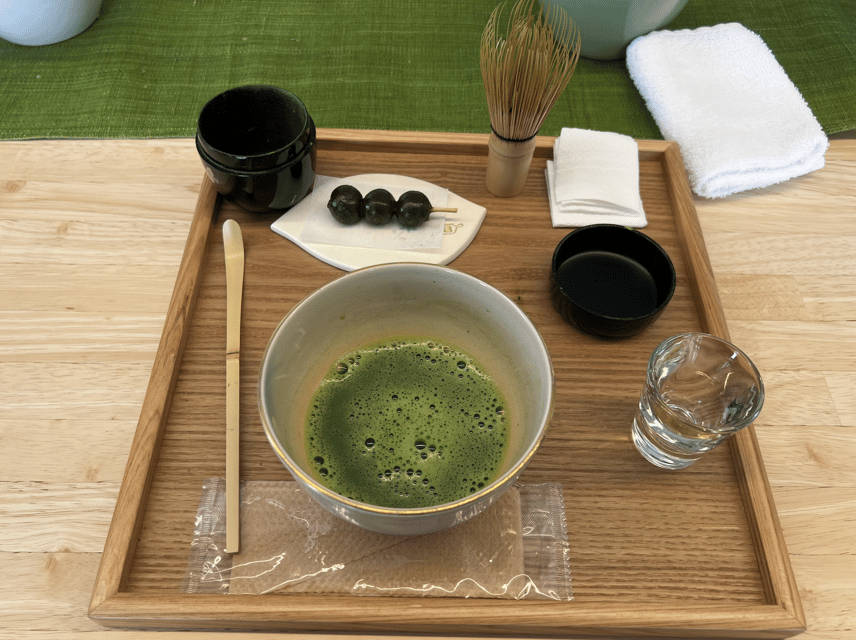
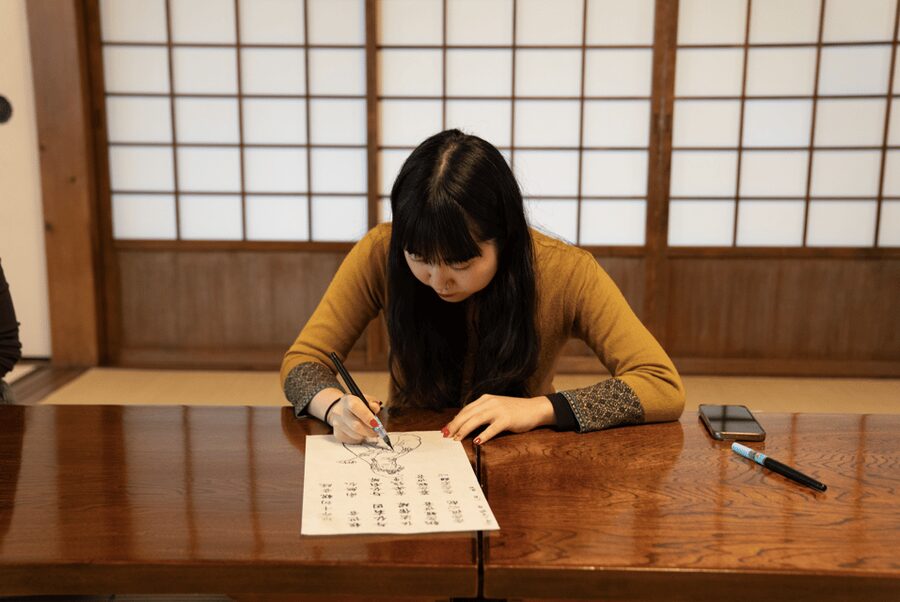
Calligraphy is an unexpected and welcome part of the visit. After meditation, you may practice writing a Buddhist character or a short sutra design while the monk chants. The activity gives your hands a job and your mind a narrow point of focus.
This makes sense after sitting. Meditation asks you to watch the mind without chasing every thought. Calligraphy asks you to slow down and make each brush movement deliberate. The two activities feel related, but calligraphy is easier for some people because it offers a visible result.
Several participants describe keeping their calligraphy afterward. That makes this more than a filler activity. You leave with a simple reminder of the visit, and you can display it at home as a prompt to create a few quiet minutes in your normal routine.
Do not expect a formal calligraphy lesson aimed at producing museum-quality work. The charm is in the attempt and in the setting. The monk’s chanting adds a ceremonial feel, while the guide helps explain what you are doing.
A completely different kind of day out:
- Tokyo Disney Resort – Tokyo Disneyland & Tokyo DisneySea Park Tickets
★ 4.8 · 99,488 reviews - SHIBUYA SKY Ticket
★ 4.7 · 46,509 reviews - JR Whole Japan Rail Pass
★ 4.8 · 29,150 reviews - Mt Fuji and Hakone 1-Day Bus Tour Return by Bullet Train
★ 5.0 · 26,383 reviews
Matcha, sweets, and a real conversation with the monk
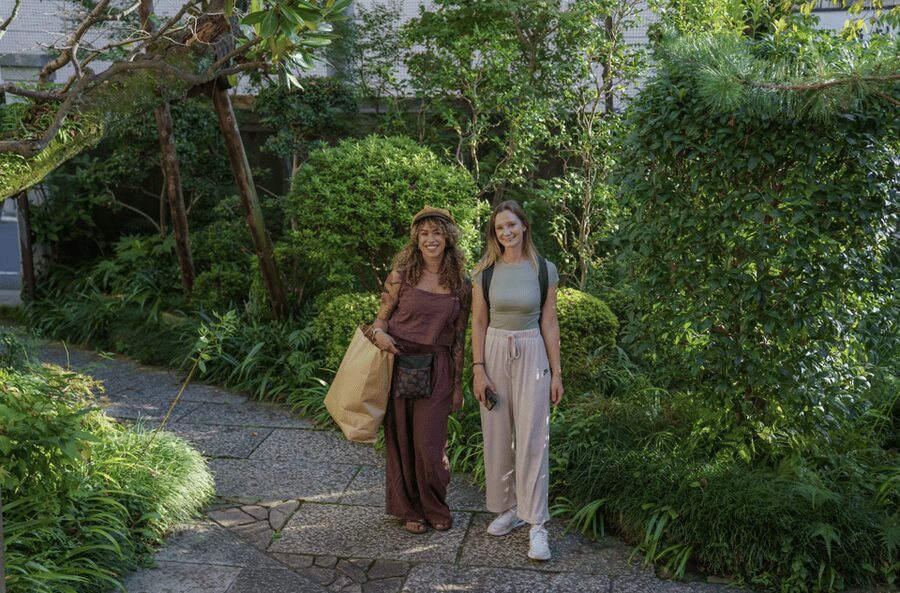
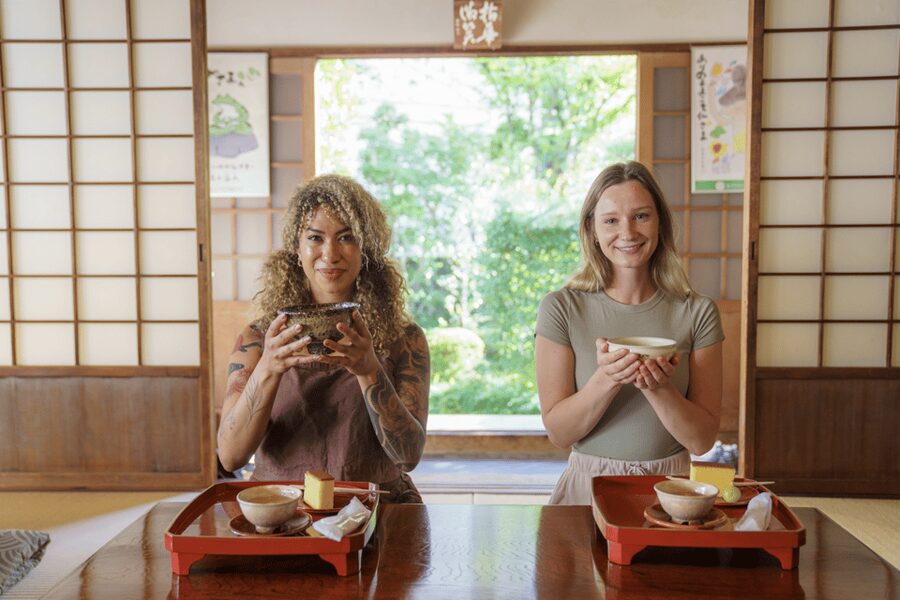
The final section combines a small matcha tea ceremony with traditional sweets and an open question period. It is a gentle way to finish because the mood shifts from instruction to conversation.
Namiki-san is described as patient, friendly, and sometimes funny. That warmth matters. A formal religious setting can feel intimidating, especially when you are asking questions through translation. The monk’s approachable manner makes it easier to ask about Zen, temple life, meditation, Japanese customs, or the advice he gives for handling stress.
The practical guidance is one of the strongest parts of the experience. The monk has spoken about concentrating fully on ordinary tasks, keeping your surroundings tidy, avoiding comparisons with other people, and looking for the root of anger instead of reacting to it at once. These ideas are simple, but they give the meditation a link to daily life.
The question period also helps you decide if Zen practice fits your interests. You can ask about the temple, the monk’s life, Buddhism, or meditation itself. Translation is handled by the English-speaking guide, and Tamami Shigenobu has received especially strong praise for clear English, warmth, and smooth interpretation. Kazu and other guides also lead sessions, so the assigned guide may vary.
The tea ceremony is modest rather than lavish. You receive matcha and sweets, and the focus is on the act of sharing tea in a calm space. If you are expecting a long, highly formal tea school demonstration, this may feel short. If you want a meaningful cultural finish to a meditation session, it fits well.
What the $55 price really covers
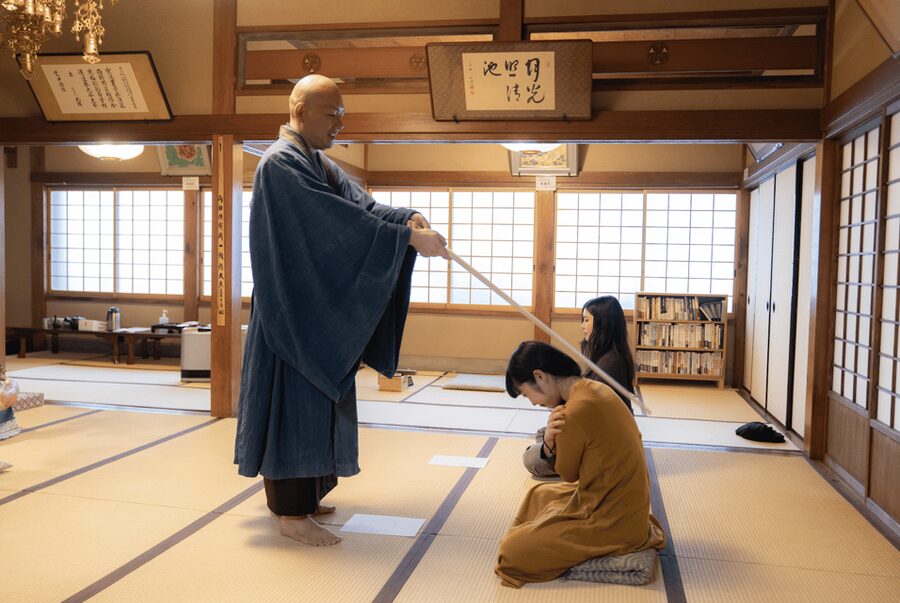
At $55 per person, the cost is reasonable for a short, private cultural activity in Tokyo. You are paying for more than 90 minutes of sitting. The price includes the Zen experience, temple entry, an English-speaking guide, the monk’s explanation, and matcha tea.
The private access is the key value. Many temples in Tokyo are open to the public as sightseeing sites, but they do not necessarily offer a monk-led explanation or a chance to sit in a small room and ask personal questions. Here, the temple setting and human contact are the main attractions.
The calligraphy, tea, sweets, and photos add to the value. You also avoid arranging translation yourself, which would be difficult during a discussion about Buddhist ideas. For a first introduction to Zen, the package gives you several connected activities rather than a single narrow lesson.
Still, keep your expectations in line with the price. Transportation is not included. You also should not think of this as private meditation instruction or a full retreat. The group size is not specified, so the level of personal attention may vary. If your goal is intensive practice, a longer meditation course would make more sense.
Fitting this into a Tokyo day
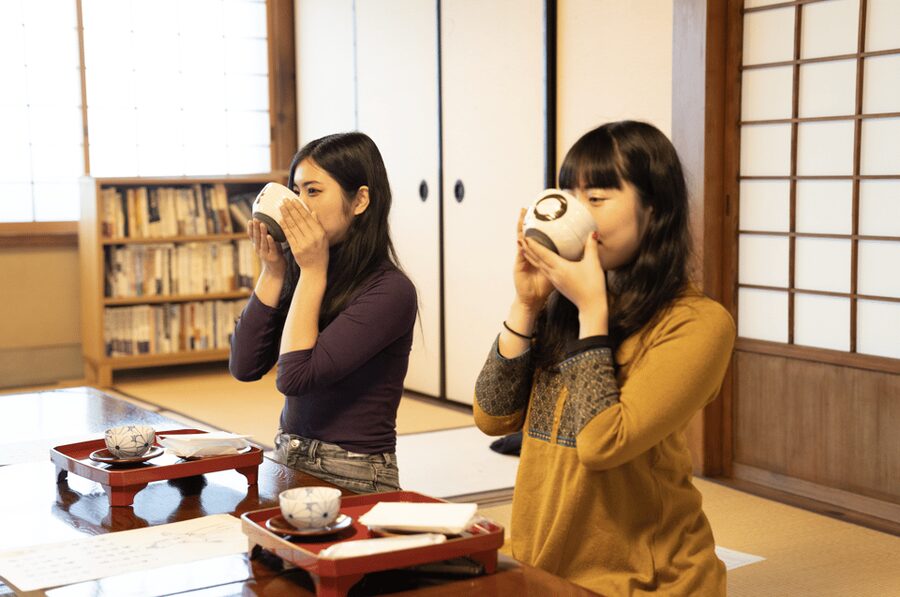
The meeting point near Tawaramachi Station makes the experience easy to pair with an Asakusa day. You can schedule it before or after exploring the district, though the peaceful mood may be most useful early in the day. One participant found it a grounding way to begin sightseeing.
Asakusa is known for major attractions and busy streets, but this visit gives you a quieter side of the area. You move from the energy of Tokyo into a small religious space, then return to the city with a little more context for Japanese culture.
Allow enough time to find the correct Family Mart. The guide contacts you through WhatsApp, so download the app before the tour and make sure your phone can receive messages. Transportation to and from the meeting point is your responsibility.
The activity lasts 90 minutes, though some descriptions from past sessions suggest that the full program can sometimes run closer to two hours. Starting times depend on availability. Build a little flexibility into your schedule rather than planning a train connection immediately afterward.
Cancellation is flexible if your plans change: you can cancel up to 24 hours ahead for a full refund, and the reserve-now, pay-later option lets you hold a place without paying immediately.
Who will appreciate this most
I would recommend this to you if you want a cultural experience that feels personal rather than staged. It suits first-time visitors to Japan, people curious about Buddhism, and anyone who wants a quiet pause in a packed Tokyo schedule.
It is also a good choice if you are nervous about meditation. The guide explains the setting, the monk gives direct instruction, and the short sitting periods keep the challenge manageable. You do not need to arrive with religious knowledge or previous practice.
The experience suits couples, solo visitors, and small groups who enjoy asking questions. The calligraphy and tea give non-meditators something concrete to enjoy, so you do not need to be devoted to Zen to find value here.
I would hesitate only if you want a long silent retreat, a highly formal tea ceremony, or a completely private session with no other participants. The meditation time may feel too short, and the program includes several activities within a compact schedule.
Small details that improve the visit
- Download WhatsApp before arrival because the guide uses it to contact you.
- Confirm which Family Mart is the meeting point. Two branches are close by.
- Wear clothing that lets you sit comfortably.
- Arrive ready to remove yourself from Tokyo’s usual rush for a while.
- Ask questions during the monk’s discussion. This is one of the most valuable parts.
- If you are interested in the Zen stick, ask Namiki-san about it rather than assuming it will be used.
- Bring a small bag or folder if you want to protect your calligraphy afterward.
- Do not judge the meditation by whether your mind becomes perfectly quiet.
Should you book the Asakusa Zen meditation?
You should book this experience if you want a gentle, well-supported introduction to Zen in a real temple setting. The strongest reasons are the access to a private 400-year-old temple, the friendly monk, the clear English translation, and the chance to ask honest questions over tea.
I like the balance of quiet practice and cultural activity. Meditation, calligraphy, matcha, and conversation create a fuller visit than a short lecture alone. The main limitation is the compact meditation time, so experienced practitioners may want more sitting.
For $55, this is good value when you treat it as a small cultural encounter with a monk, not as a serious meditation course. If that sounds right for your Tokyo plans, it is a memorable way to slow down without leaving Asakusa.
FAQ
How long does the Zen meditation experience last?
The stated duration is 90 minutes. Some sessions described by participants have lasted closer to two hours, so you should allow some flexibility.
How much does the experience cost?
The price is $55 per person.
Where is the meeting point?
You meet in front of a Family Mart in Asakusa, about two minutes from Tawaramachi Station on the Ginza Line. There are two Family Mart branches in the area, so confirm the correct one before setting out.
Is transportation included?
No. Transportation is not included, so you must make your own way to the meeting point.
Is the experience conducted in English?
Yes. The activity includes an English-speaking live guide. The guide also helps translate the monk’s explanations and answers.
Do I need previous meditation experience?
No. The monk explains the principles and techniques of Zazen before you practice. The experience is suitable for beginners as well as people who already meditate.
What activities are included besides meditation?
The visit includes a monk’s explanation, Zen meditation, matcha tea, and a tea ceremony. Calligraphy is also included in many sessions, along with time for questions and discussion.
Can I cancel the booking?
Yes. You can cancel up to 24 hours in advance for a full refund. A reserve-now, pay-later option is also available.
Just added in Tokyo
- A One-of-a-Kind Sushi Experience in a Special Place of Japan★ 5.0 · 15 reviews
- Tokyo Cute Bento Cooking Class – Make a Kawaii Character Lunchbox★ 5.0 · 126 reviews
- Japanese Home Cooking Class & Walk in Todoroki Temple Tokyo★ 5.0 · 88 reviews
- Japan Tokyo Tower Observatory Deck E-Ticket★ 4.0 · 34 reviews
- Catch a Baseball Game in Tokyo with a Local – Tickets Included★ 5.0 · 24 reviews
- JDM Experience with Fast&Furious RX-7 (English speaking Driver)★ 5.0 · 57 reviews
- Tokyo Private Day Tour by Car with English speaking Driver Guide★ 4.0 · 29 reviews
- Japan Classic 10 Day – One Life Adventures★ 5.0 · 129 reviews
Temples and Shrines, compared.
![[Kyoto & Nara Day Tour] Sagano Scenic Railway & Nara Park & Fushimi Inari Taisha Thousand Torii Gates & Togetsukyo Bridge & Bamboo Grove & Kimono Forest (Departing from Osaka)](https://media.japanvisits.com/wp-content/uploads/kyoto-nara-day-tour-sagano-scenic-railway-nara-park-fushimi-inari-taisha-thousand-torii-gates-togetsukyo-bridge-bamboo-grove-kimono-forest-departing-from-osaka-k110001-400x257.jpg)
Kyushu One-Day Tour: Yufuin no Mori Train & Yufuin Town & Nyoirin-ji Temple & Dazaifu & Hell Hot Springs (Departing from Fukuoka)
Read our review →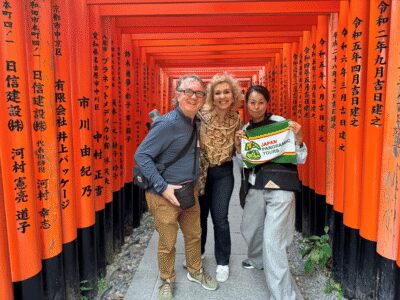
Fushimi Inari, Kinkakuji, Bamboo Grove 1 Day Bus Tour
Read our review →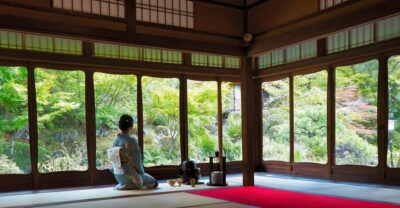
Tea Ceremony in a Traditional Tea House in Kiyomizu
Read our review →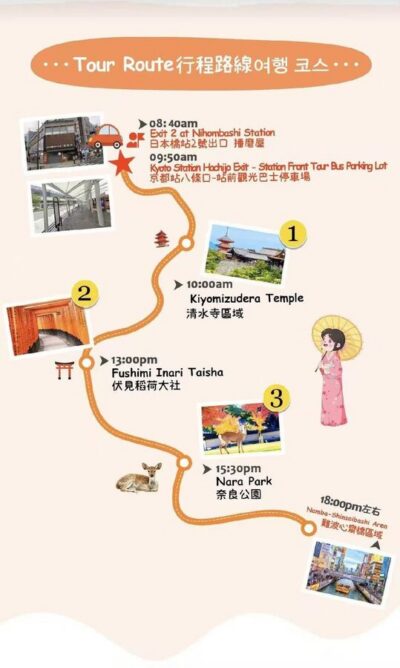
Kyoto Nara Day Trip │ Kiyomizu-dera Temple + Fushimi Inari-taisha Shrine + Nara Park (Departing from Osaka/Kyoto)
Read our review →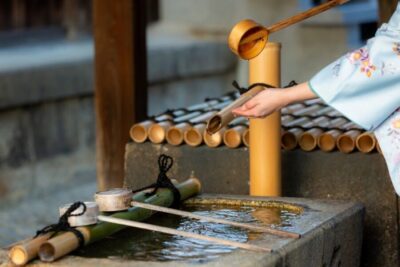
Browse the lists this tour appears in