
Reviewed · COOKING CLASSES
Traditional Home cooking Experience in Osaka, Japan
Good food teaches you how a place lives. This Osaka cooking class combines hands-on Japanese home cooking with a friendly instructor, seasonal ingredients, and a shared meal at the end. I especially like the direct use of Koshihikari rice from Minami-Uonuma and the choice between a sukiyaki-based course and a wagyu-focused menu. The one thing to weigh is the price: at $104.51 per person, it costs more than a simple restaurant meal, though you are paying for instruction, ingredients, and an activity.
The class lasts about two hours and takes place near Nishishinsaibashi in central Osaka. I also like the small maximum of eight people, which should make it easier to follow the chef and take part instead of watching from the back. The exact cooking sequence may need a quick check when you book, since the description says each course involves two dishes but lists three featured foods.
In This Review
- Key things to know before booking
- A cooking class built around fun
- Choosing between Course A and Course B
- Seasonal ingredients and carefully chosen rice
- What the two-hour session should feel like
- The food is the main reward
- More than cooking on some dates
- Is $104.51 a fair price?
- Location, timing, and booking details
- Who will enjoy this Osaka class most?
- Should you book Cook, Taste and Enjoy Osaka?
- FAQ
- Where does the cooking class meet?
- How long does the experience last?
- How much does the experience cost?
- What are the course choices?
- Is food included?
- How many people can join?
- Can I cancel for a refund?
Key things to know before booking
- Two Japanese menus: Choose Course A with sukiyaki, tempura, and rolled omelet, or Course B with wagyu roast beef bowl, chicken nanban, and sashimi.
- Premium Niigata rice: The class uses Koshihikari rice bought directly from a contracted farmer in Minami-Uonuma, one of Japan’s best-known rice-growing areas.
- Small group size: The class accepts a maximum of eight people, a useful limit for a practical cooking lesson.
- Seasonal cooking: Ingredients change with Japan’s four seasons, so the menu may reflect the time of year.
- Central Osaka setting: The meeting point is at 2 Chome-13 Nishishinsaibashi, Chuo Ward, near public transportation.
- Food and drinks: Water is free, while other drinks cost extra. Alcohol is not included.
A cooking class built around fun
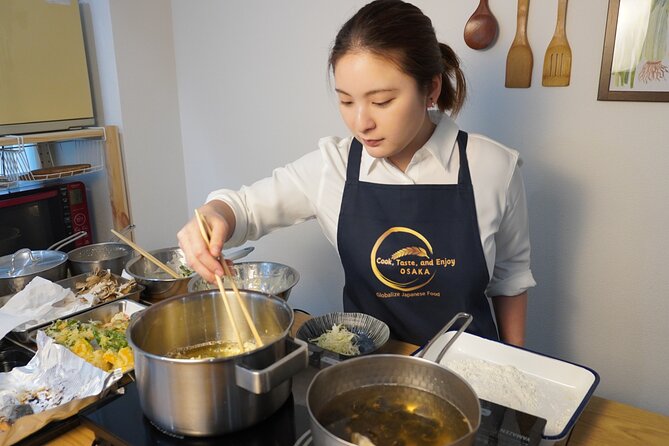
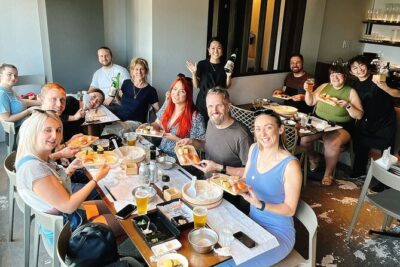
Many cooking classes are simple demonstrations followed by a meal. This one puts more weight on the social side of cooking. The stated aim is to cook, taste, and enjoy Osaka, with an experienced instructor working alongside you rather than merely presenting recipes from a distance.
That approach suits you if you want an activity with conversation and teamwork. You are not simply collecting a recipe card. You are preparing food with other people, seeing how the dishes come together, then eating what you helped make.
The class is also a useful choice for a short Osaka visit. Two hours is long enough to give the activity some substance, but short enough to fit around sightseeing in the city. Since the session ends where it begins, you will not need to arrange a separate ride from a distant neighborhood.
Still, you should set your expectations properly. This is an introduction to Japanese home cooking, not a full culinary school course. The information does not promise advanced knife training, a market visit, or a long cultural lecture. I would book it for a friendly, practical meal-making session rather than for professional-level instruction.
More Cooking Classes in Osaka
- Sushi Making Osaka Roll and Authentic Japanese Sushi Class
★ 5.0 · 1,220 reviews - Matcha Making Class in Osaka with Authentic Japanese Sweets Set
★ 5.0 · 509 reviews - Osaka Sushi Making Experience
★ 5.0 · 400 reviews
Choosing between Course A and Course B
Your menu choice shapes the whole experience, so select carefully when reserving.
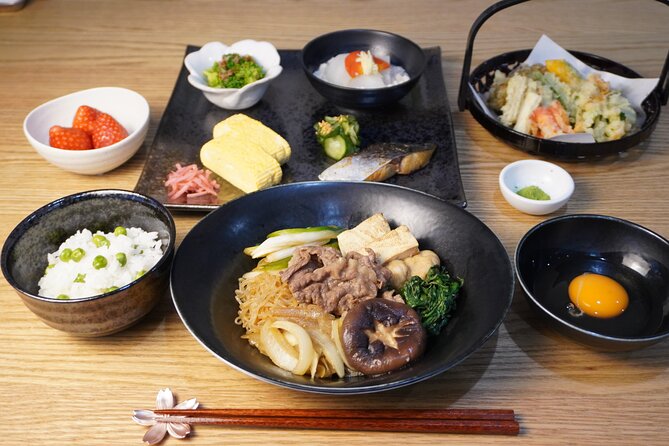
Course A features sukiyaki, tempura, and rolled omelet. This is the broader introduction to familiar Japanese cooking styles. Sukiyaki brings together thinly sliced beef and a sweet-savory cooking style, tempura introduces a light fried preparation, and rolled omelet shows a different side of Japanese home food. If you want variety, Course A is the natural pick.
The listing says both courses involve making two dishes, while Course A names three foods. Because of that wording, I would confirm whether one item is a smaller preparation, a side dish, or part of the demonstration. That small clarification can prevent disappointment, especially if you are choosing the class for one particular dish.
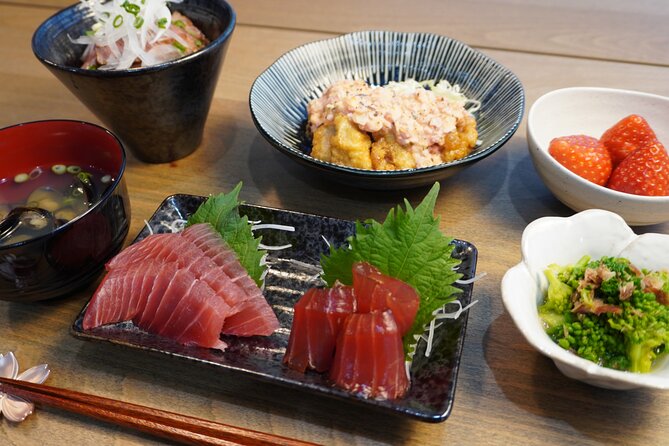
Course B features a wagyu roast beef bowl, chicken nanban, and sashimi. It has a more luxurious feel, with wagyu as the clear headline. A rice bowl lets you see how carefully prepared meat, rice, and toppings work together, while chicken nanban adds a different flavor and texture. Sashimi brings an uncooked seafood preparation into the menu.
One account of the class described making a wagyu beef rice bowl and chicken nanban with the chef’s guidance. That makes Course B a sensible choice if those are the dishes you most want to prepare. Again, the exact number of hands-on dishes may vary from the short menu description, so I would confirm the format before paying.
Seasonal ingredients and carefully chosen rice
The class changes its ingredients with Japan’s four seasons. That matters because Japanese home cooking is closely linked to what is fresh and available at a particular time of year. You may not receive exactly the same supporting ingredients on every date, and that is part of the appeal of a seasonal class.
The strongest food detail here is the rice. The organizers buy Koshihikari directly from a contracted farmer in Minami-Uonuma City, Niigata Prefecture. Minami-Uonuma is known as a leading rice-producing area, and the class uses this connection to provide a higher-quality staple than you might find in an ordinary cooking activity.
Rice is not a minor side dish in Japan. It supports bowls, absorbs sauces, and balances salty or rich foods. In Course B, the quality of the rice should matter especially because the wagyu is served over it. In Course A, it gives the meal a dependable base alongside sukiyaki and other preparations.
I appreciate this kind of detail because it gives the class a sense of place without turning the session into a lecture. You are not only making generic Asian food. You are working with a Japanese staple tied to a specific growing region.
What the two-hour session should feel like
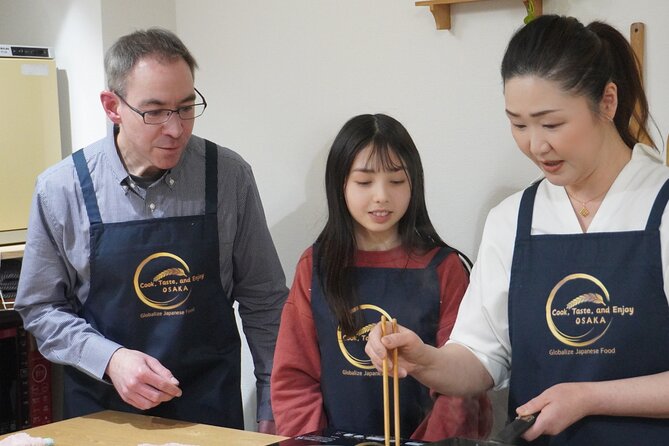
The class begins at the meeting point in Nishishinsaibashi. The exact cooking order is not provided, but the format is clear: you choose a course, work alongside the instructor, prepare the selected dishes, and eat the finished food together.
The staff are described as experienced and willing to cook with you. That is important in a short class. A chef who works beside you can correct a small mistake before it affects the dish, show you the right texture, and keep the pace moving.
One particularly praised chef was described as skilled, helpful, and kind. The host was also described as friendly and comfortable speaking English. Those details matter if you are nervous about following Japanese cooking instructions in an unfamiliar setting.
Because the group is capped at eight, you should have a better chance of seeing the demonstrations and getting direct help. A small group also makes the shared meal more social. You can compare your results, ask questions, and enjoy the food without the room feeling like a large tour production.
The time limit is both a strength and a limit. Two hours gives you a compact activity, but cooking several dishes requires organization. You should expect a guided introduction rather than a slow, highly detailed lesson on every technique.
A completely different kind of day out:
- Osaka Go Karting Tour with Funny Costume
★ 5.0 · 2,658 reviews - Osaka Castle: Museum and Tower Entry Ticket
★ 4.5 · 2,380 reviews - Osaka: Shinsekai Food Tour with 13-15 Dishes at 5 Eateries
★ 4.8 · 2,204 reviews - Osaka Food Tour: 13 Dishes at 5 Local Eateries
★ 5.0 · 2,149 reviews
The food is the main reward
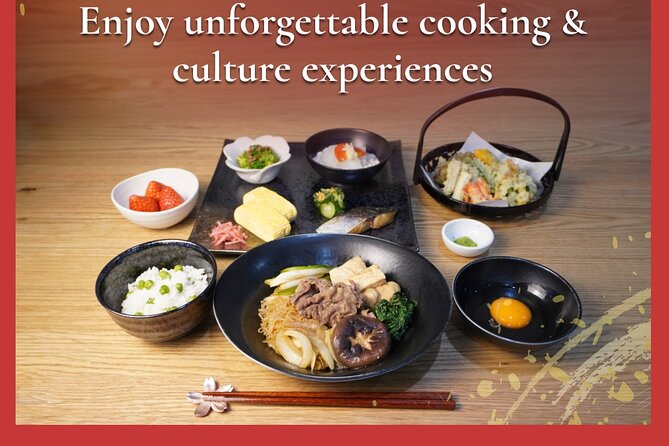
The best reason to book is the meal you make yourself. Cooking gives you a closer look at how Japanese dishes are assembled, seasoned, and served. Eating in a restaurant can be delicious, but it does not show you the work behind the bowl, pan, or plate.
Course A offers a useful mix of methods. Sukiyaki is cooked and shared in a style that feels social, tempura requires attention to frying, and rolled omelet is a small but distinctive Japanese preparation. The combination gives you more range than a class built around one dish.
Course B is likely to appeal to meat lovers and anyone who wants a more celebratory meal. Wagyu raises the price and the interest level, while chicken nanban adds another substantial dish. Sashimi provides contrast, though you should not assume that every element will involve the same amount of hands-on preparation.
The class also includes water at no extra cost. Other drinks are charged separately, and alcoholic beverages are not included. If you want beer, sake, or another drink with your meal, budget for it separately. The supplied information does not state the drink menu or prices, so I would not count on a particular beverage being available.
More than cooking on some dates
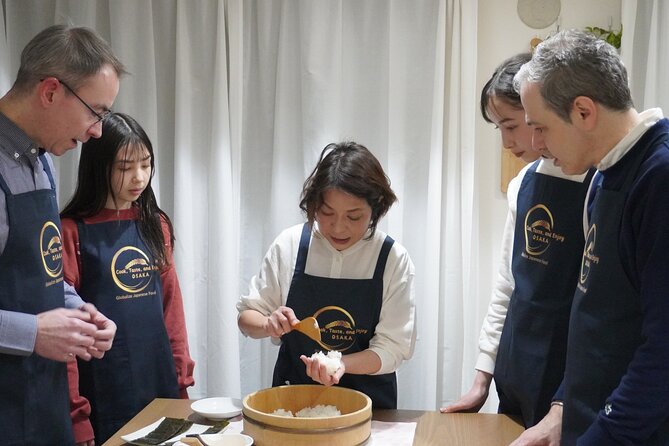
The core activity is food preparation, but one account described a session lasting two and a half hours that also included Japanese songs and an instrument performance. The performer, Keiko, appeared in front of the group dressed in a kimono.
That sounds like a memorable cultural addition, but it should not be treated as a guaranteed part of every booking. The standard duration is about two hours, and the formal description focuses on cooking and eating. If music or performance is important to you, ask the provider if it will be included on your chosen date.
When it does happen, the performance adds another layer to the meal. You are not only learning a recipe. You are sharing food in a setting that may include music, clothing, and a more personal connection to Japanese culture.
This is also why the experience may suit families, couples, siblings, and small groups of friends. One account described two brothers taking part together, and the class was praised as a way to engage with Japanese culture while preparing several dishes. The small group limit should help keep that shared atmosphere intact.
Is $104.51 a fair price?
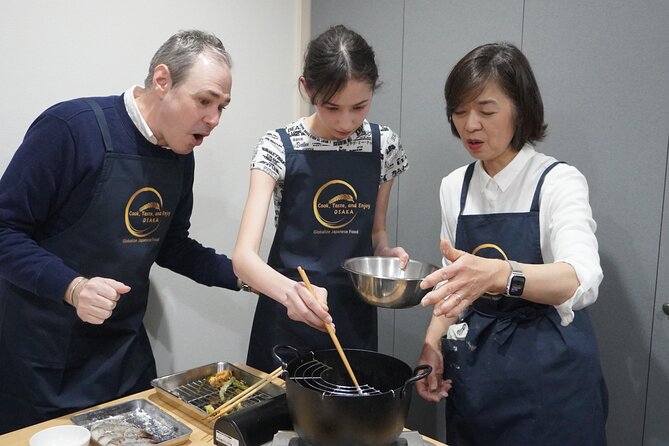
At $104.51 per person, this is not the budget choice for lunch in Osaka. You can eat very well in the city for less. The value comes from combining the meal with instruction, a hosted activity, seasonal ingredients, and a small group setting.
The rice sourcing helps justify part of the premium, particularly for people who care about ingredients. The use of wagyu in Course B may also make that menu feel more worthwhile, though the price is still significant if you mainly want to eat rather than cook.
I see the class as better value for someone who would otherwise pay for a separate cultural activity. You get a structured event, a meal, and time with an English-friendly host and chef. If you are traveling with a partner or family member, the shared task can be more memorable than another restaurant stop.
The value is weaker if you are a confident home cook seeking advanced training. The class is short, and there is no stated promise of detailed technical instruction. You are paying for a friendly, accessible introduction and the chance to enjoy what you prepare.
Location, timing, and booking details
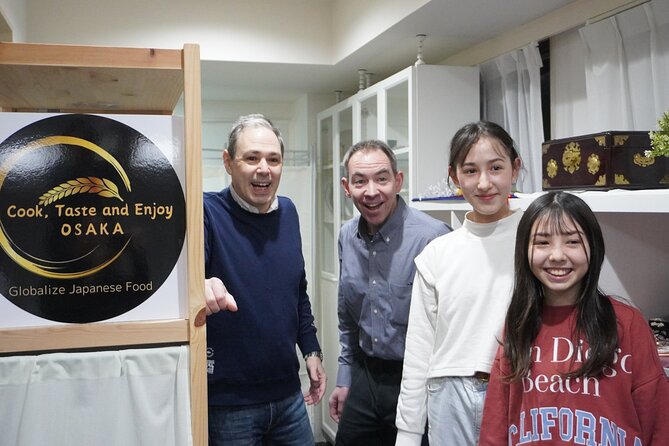
The meeting point is 2 Chome-13 Nishishinsaibashi, Chuo Ward, Osaka, 542-0086, Japan. It is near public transportation, which makes it practical to fit into a day in central Osaka.
The activity returns to the same meeting point. That makes planning easier, especially if you have dinner reservations or another timed activity afterward. I would still leave a little space after the scheduled end, since cooking and shared meals do not always finish at the exact stated time.
The activity is often reserved about 19 days ahead. That suggests you should not leave it until the last minute if you need a particular day or course. Confirmation arrives within 48 hours, subject to availability.
You can cancel for a full refund if you do so at least 24 hours before the start time. Cancellations made less than 24 hours ahead are not refunded, and changes inside that window are not accepted. Cut-off times use Osaka local time, so check the clock carefully if you are booking from another country.
Who will enjoy this Osaka class most?
I would recommend it to you if you want food, conversation, and a manageable cultural activity in one package. It is especially suitable for:
- Couples who want a shared activity beyond sightseeing
- Families and siblings who enjoy preparing food together
- First-time visitors who want an introduction to Japanese home cooking
- People interested in seasonal ingredients and regional rice
- Anyone who prefers a small class to a large group demonstration
- Visitors with limited time who can spare about two hours
I would be more cautious if you dislike group activities, do not want to pay extra for instruction, or are looking for a highly technical cooking course. The menu descriptions also contain a small inconsistency about whether you make two or three dishes, so confirm that point if it affects your decision.
Should you book Cook, Taste and Enjoy Osaka?
Book this class if you want to do something active with your meal. The strongest points are the small group, the friendly English-speaking host, the chef’s hands-on guidance, and the care given to the rice and seasonal ingredients.
Choose Course A for variety across classic Japanese preparations. Choose Course B if wagyu roast beef bowl and chicken nanban are your priority. Before booking, confirm the exact dish count and ask if any music or instrument performance is planned for your date.
At $104.51, this is a special-occasion activity rather than a cheap lunch. For a short Osaka visit, though, it offers a personal connection to Japanese food that a restaurant meal cannot provide. If that sounds worth the extra cost, this is a well-focused way to spend two hours in the city.
FAQ
Where does the cooking class meet?
The class meets at 2 Chome-13 Nishishinsaibashi, Chuo Ward, Osaka, 542-0086, Japan.
How long does the experience last?
The cooking class lasts about two hours. One session was described as lasting two and a half hours when music and an instrument performance were included.
How much does the experience cost?
The listed price is $104.51 per person.
What are the course choices?
Course A features sukiyaki, tempura, and rolled omelet. Course B features a wagyu roast beef bowl, chicken nanban, and sashimi. You must choose Course A or Course B when booking.
Is food included?
The cooking ingredients and the meal you prepare are part of the experience. Water is free. Other drinks cost extra, and alcoholic beverages are not included.
How many people can join?
The activity has a maximum of eight travelers.
Can I cancel for a refund?
Yes. You can cancel at least 24 hours before the experience start time for a full refund. Cancellations or changes made less than 24 hours before the start time are not accepted for a refund.
Just added in Osaka
- 1.5〜2 Hours Traditional Kintsugi Work Shop in Namba Osaka★ 5.0 · 75 reviews
- The Dark Side of Osaka Walking Tour★ 5.0 · 49 reviews
- Three Types of Ramen Cooking Class in Osaka★ 5.0 · 119 reviews
- Samurai Show, Tea Ceremony, Japanese Traditional Activities★ 5.0 · 56 reviews
- Traditional Japanese Music show & Experience Tour in Osaka★ 5.0 · 25 reviews
- Sushi and Japnese foods cooking class in Osaka★ 5.0 · 51 reviews
- Osaka Street Food Festival :Takoyaki&Okonomiyaki for Families★ 5.0 · 13 reviews
- Guided Photography Tour in Osaka: Capturing Memories★ 4.5 · 20 reviews
Cooking Classes, compared.
Sushi Making Tokyo Roll and Authentic Japanese Sushi Class
Read our review →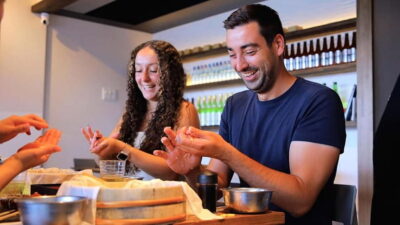
Roll and Authentic Sushi Making Class in Asakusa
Read our review →
Ramen Cooking Class at Ramen Factory in Kyoto
Read our review →
Sushi Making Class in a Happi Coat near a Famous Spot
Read our review →
Sushi Making Osaka Roll and Authentic Japanese Sushi Class
Read our review →
Tokyo Sushi Making Class in Tsukiji with Professional Chef
Read our review →
Ramen & Gyoza Cooking Class in Tokyo with Local Supermarket Visit
Read our review →Browse the lists this tour appears in