Reviewed · SHOW
Traditional Japanese Music ZAKURO SHOW in Tokyo
Hear Japan before you see it. The ZAKURO SHOW offers a friendly introduction to Japanese music, with top-level musicians playing koto, shamisen, shakuhachi, and taiko in a cozy Omotesando setting. The one-hour format works well between Tokyo sightseeing stops, and the English explanations help you understand what your ears are hearing.
I especially like the way the musicians explain their instruments instead of simply performing behind them. I also like the mix of ancient and modern material, including a Western pop cover that shows how Japanese instruments can handle more than formal traditional pieces. The main consideration is length: at about one hour, the show is an introduction rather than a full evening concert, and several people wished it lasted longer.
In This Review
- Key points at a glance
- What happens during the one-hour ZAKURO SHOW
- Koto, shamisen, shakuhachi, and taiko up close
- Why the English explanations matter
- The program mixes old traditions with a modern surprise
- The Omotesando setting and one-hour schedule
- Is the $39.64 price good value?
- Who will enjoy this show most
- A balanced look at the strong and weak points
- Booking, cancellation, and practical planning
- Should you book the ZAKURO SHOW?
- FAQ
- Where does the Traditional Japanese Music ZAKURO SHOW take place?
- How long is the ZAKURO SHOW?
- Which Japanese instruments are featured?
- Is the performance suitable for English-speaking visitors?
- How much does the experience cost?
- Can I cancel for a refund?
Key points at a glance
- Four major Japanese instruments: Hear the koto, shamisen, shakuhachi flute, and taiko drums played close to the audience.
- English-friendly presentation: Musicians explain their instruments, musical techniques, and cultural background with translation during the show.
- A smart Omotesando stop: The cozy venue and one-hour schedule fit neatly into a busy Tokyo day.
- More than a formal concert: The program combines historical music, newer traditional pieces, conversation, and a Western hit.
- Strong guest satisfaction: The experience has a 4.9 rating from 67 reviews, with 97 percent recommending it.
- Simple booking terms: Your mobile ticket is confirmed at booking, and cancellation is free up to 24 hours before the start time.
What happens during the one-hour ZAKURO SHOW
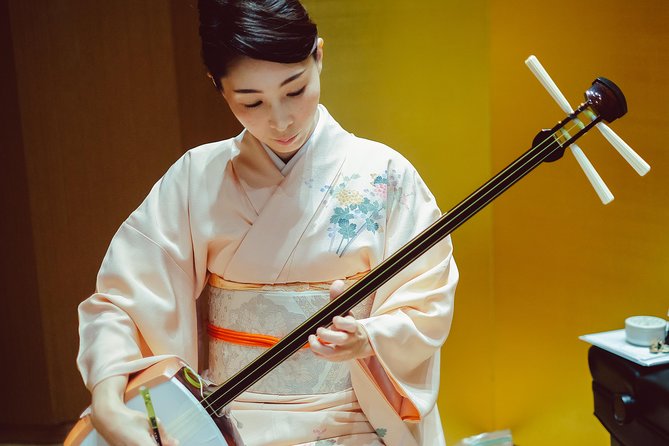
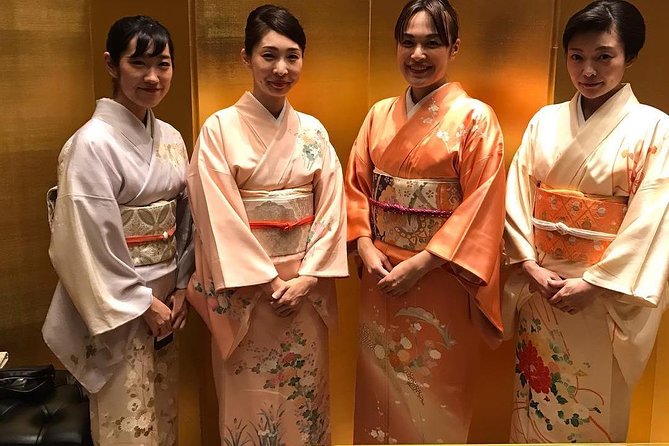
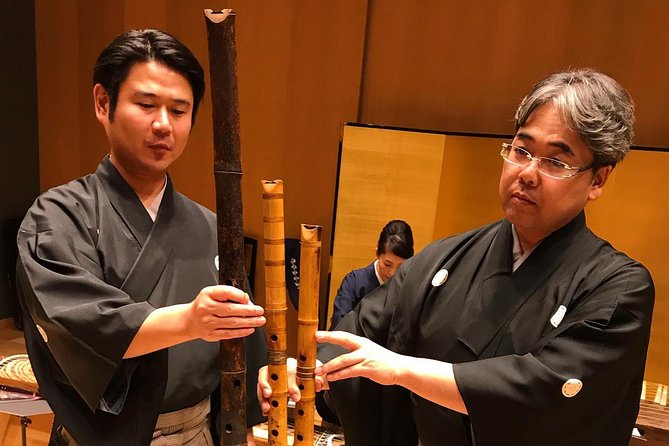
The experience begins with a live presentation by musicians in colorful kimono. Rather than waiting through a long introduction, you are brought directly into the world of wagakki, the Japanese word for traditional musical instruments.
The instruments are placed right in front of you, which matters. A koto can look like a simple long wooden box until you hear its strings bend and shimmer. A shamisen may seem spare at first glance, but its sharp tone gives Japanese music a very different edge from the softer koto. The shakuhachi adds breath and space, while taiko drums supply force and rhythm.
Each tune is selected with some explanation attached to it. You are not simply told the name of an instrument and then left to work out the rest. The performers discuss how the instruments are played, what makes their sounds distinctive, and how they fit into Japanese musical culture.
That format is especially useful if you have little background in Japanese music. A standard concert can be beautiful but hard to read. Here, the commentary gives you a way into the music, so changes in tone, rhythm, and technique become easier to notice.
The show also includes dialogue and audience interaction. The available information does not specify the exact amount of audience participation, so you should expect a conversational performance rather than a hands-on workshop. The focus remains on the musicians and their playing.
A few more options to weigh up in Tokyo
- Mt Fuji & Hakone Cruise, Drum Show Bullet Train 1 Day from Tokyo
★ 4.0 · 7,413 reviews - Tokyo: Sumo Show Experience with Chicken Hot Pot and a Photo
★ 4.8 · 6,678 reviews - Tokyo: Sumo Live Show with Photo in Shinjuku
★ 5.0 · 3,438 reviews
Koto, shamisen, shakuhachi, and taiko up close
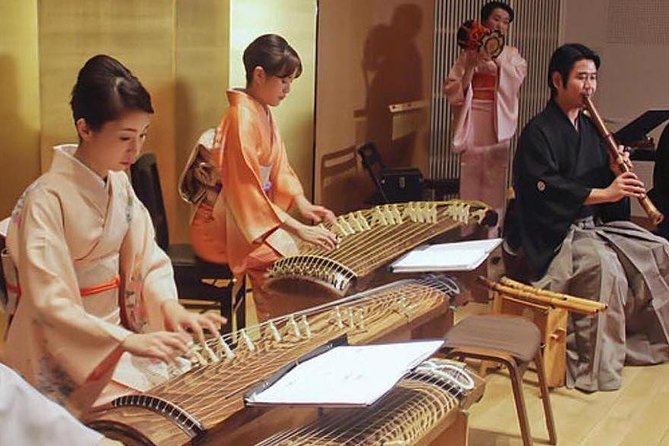
The program’s main strength is its range of instruments. You hear several very different voices within a short performance, and the explanations help you separate them.
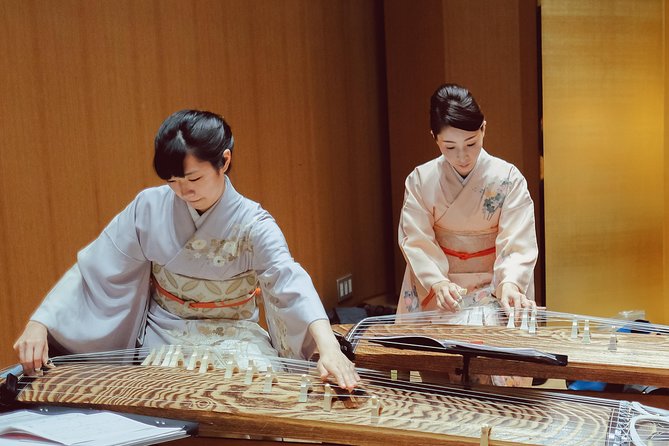
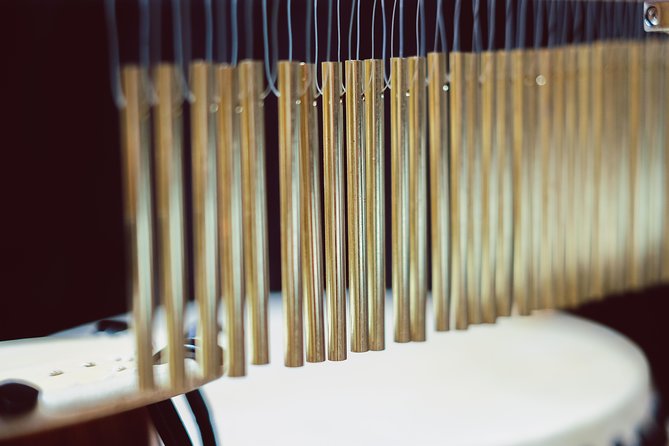
The koto is often described as a Japanese harp, though its long body and string technique give it a character of its own. Its sound can be delicate and flowing, but it is not limited to quiet music. Listen for the way a note can be shaped after it is struck, producing a wavering, expressive effect.
The shamisen is a three-stringed instrument with a bright, firm tone. It can sound graceful, but also dry and percussive. That contrast makes it one of the easiest instruments to recognize once you have heard it explained and played.
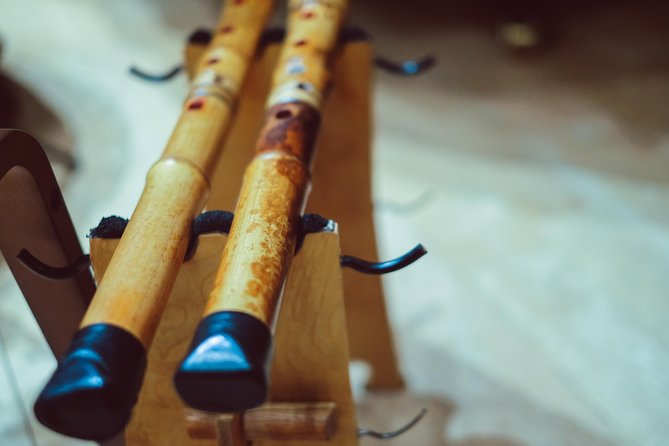
The shakuhachi is a bamboo flute. Its breathy sound brings a different mood to the program, with more room between notes and a clear sense of the player’s breath. It is a good reminder that traditional Japanese music is not built around one single sound.
The taiko drums provide the physical punch. If your idea of Japanese music is all quiet strings and bamboo flute, the taiko helps correct that picture quickly. The drums add weight, movement, and a strong rhythmic change of pace.
The value here is not only hearing four instruments. It is hearing how they can work alone and together. Several of the most praised parts of the show concern the careful explanations between numbers, and I can see why. Once you know what to listen for, the music becomes more rewarding.
Why the English explanations matter
The translator has an important job. Musical terms, historical references, and details about construction can lose their meaning when passed from Japanese into English. The response to the show has been especially positive on this point, with repeated praise for clear interpretation.
You should still think of the English commentary as a guide, not a full academic lecture. The experience is designed to be easy to understand and enjoyable for an international audience. It gives you enough context to follow the performance without turning the hour into a classroom.
I like this balance. You get practical information about the instruments, some history, and a sense of how music fits into Japanese culture. Then the musicians play, allowing the sound to carry the rest.
The dialogue also helps avoid a common problem with cultural performances aimed at visitors. A show can become a string of attractive costumes and familiar symbols with little substance. ZAKURO appears to put the musicians and their craft at the center. The kimono add visual interest, but the explanations and live playing do the real work.
If you are visiting Tokyo with children or with relatives who do not usually attend concerts, the spoken sections may keep their attention. If you already study Japanese music, you may want something longer and more specialized. For a first encounter, the format is approachable.
The program mixes old traditions with a modern surprise
The musical selection includes ancient and modern Japanese traditional pieces. That is a useful choice because it shows that traditional music is not frozen in one period.
The program also includes a cover of a Western hit. One review specifically refers to a version of a Nirvana song. That gives the musicians a chance to show what the instruments can do outside their usual setting, and it adds a light surprise to the hour.
This modern element is more than a novelty. Hearing a familiar Western melody played on Japanese instruments gives you a direct comparison. You can recognize the tune while noticing how the koto, shamisen, flute, or drums change its mood and rhythm.
The mix should appeal to people who worry that a traditional concert might feel too formal or distant. At the same time, the Western cover does not replace the cultural material. It sits alongside older and newer Japanese pieces, giving the program variety.
The exact running order is not provided, so I would not plan around a specific instrument or song. Go expecting a varied introduction rather than a fixed list of famous compositions.
A completely different kind of day out:
- Tokyo Disney Resort – Tokyo Disneyland & Tokyo DisneySea Park Tickets
★ 4.8 · 99,488 reviews - SHIBUYA SKY Ticket
★ 4.7 · 46,509 reviews - JR Whole Japan Rail Pass
★ 4.8 · 29,150 reviews - Mt Fuji and Hakone 1-Day Bus Tour Return by Bullet Train
★ 5.0 · 26,383 reviews
The Omotesando setting and one-hour schedule
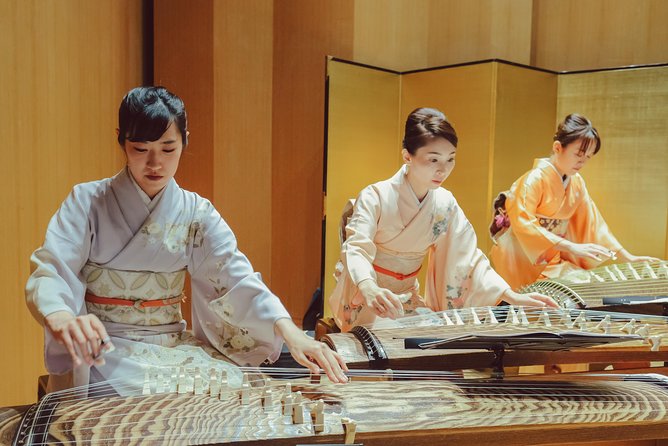
ZAKURO is held in Omotesando, a central Tokyo area with good access to public transportation. The venue is described as beautiful and cozy, which points to a smaller, more intimate setting rather than a large concert hall.
That atmosphere affects the experience. Traditional instruments can lose some of their character in a huge room, especially when you want to hear the texture of strings, breath, and drum surfaces. A more intimate venue puts the musicians and instruments close to you.
The one-hour duration is one of the clearest practical advantages. Tokyo sightseeing can consume an entire day before you notice the time. A short concert is easier to fit into an itinerary than a long theater performance, especially if you are also visiting museums, shopping streets, or nearby neighborhoods.
You might schedule the show before dinner or between other activities in Omotesando. The exact showtime is not included in the available details, so check the selected departure when booking and allow enough time to reach the venue by public transportation.
The short length has a tradeoff. The concert can give you an appealing first taste, but it cannot cover every instrument, period, and style in depth. If you want a full traditional music recital, this may feel brief. If you want a focused cultural stop without giving up half a day, the length is just right.
Is the $39.64 price good value?
At $39.64 per person, ZAKURO is not a free cultural event, but it is a reasonable price for a live performance with several professional musicians, English interpretation, and cultural commentary.
The value depends on what you want from a concert. If you only want background music for an hour, the ticket may feel expensive. You are paying for more than the songs, though. The musicians explain how the instruments work, discuss their place in Japanese culture, and demonstrate sounds you may not encounter elsewhere during a normal Tokyo visit.
The close setting also adds value. You can see the instruments being played rather than hearing them from a distant stage. That visual detail matters with the koto, shamisen, shakuhachi, and taiko because the playing techniques are part of the experience.
I would compare the cost with other ticketed cultural performances in Tokyo, not with a free temple visit or a walk through Omotesando. For someone curious about Japanese music, this is a compact way to gain context and hear a live ensemble without committing to a long evening.
The show is booked, on average, 33 days in advance. That suggests you should not assume a last-minute seat will be available, particularly if your Tokyo dates are fixed. You receive a mobile ticket, and confirmation arrives at the time of booking.
Who will enjoy this show most
I would recommend ZAKURO to you if you want a clear first introduction to Japanese music. It suits visitors who like cultural experiences but prefer explanation and conversation to a silent performance with no background.
It is also a good choice for music lovers. You can listen for differences in tone, rhythm, breath, and string technique, while the musicians provide the basic information needed to make those differences meaningful.
Families may appreciate the changing pace. The taiko brings energy, the flute changes the mood, and the Western cover gives younger listeners a familiar point of reference. The available information says most people can participate, though it does not provide a specific age policy or accessibility details.
The show may be less satisfying for you if you already know Japanese traditional music well and want an extended recital. The explanations are a major part of the format, so a specialist looking for uninterrupted playing may prefer a longer concert.
I would also think twice if you are trying to keep every activity outdoors. This is a seated indoor performance, and its appeal comes from listening closely rather than moving through a Tokyo neighborhood.
A balanced look at the strong and weak points
The most praised feature is the combination of excellent musicianship and clear explanations. The show does not force you to choose between a serious concert and a tourist-friendly introduction. It tries to provide both, in a compact form.
The interpreter also receives strong approval. That is important because a poor translation can flatten the cultural details into vague statements. Here, the explanation is treated as part of the performance, not as an afterthought.
The variety of music is another strength. The ancient and modern pieces give the concert range, while the Western cover adds an unexpected turn. I like that the program uses a familiar song to make the traditional instruments easier to understand.
The main weakness is the one-hour limit. The length makes the event convenient, but it also means the program cannot explore each instrument at great depth. One person described the show as wonderful but wished it were longer, a fair criticism for anyone who becomes interested in the music during the performance.
There is also a small risk of mismatch in expectations. If you picture a large-scale theatrical production, this is not that. Think of it as an intimate concert and cultural talk, with the musicians close by and the instruments introduced in plain language.
Booking, cancellation, and practical planning
The experience is near public transportation, making it a sensible addition to a Tokyo day without a complicated transfer plan. The venue is in Omotesando, so you can pair the concert with other plans in that part of the city, as long as the timing works with your ticket.
Your confirmation is provided at booking, and the ticket is mobile. Keep the ticket available on your phone and check the start time carefully.
Free cancellation is available until 24 hours before the experience begins. If you cancel less than 24 hours before the start time, you will not receive a refund, and changes made within that period are not accepted. The cut-off follows local Tokyo time.
I would book ahead if this show is important to your itinerary. The average booking lead time of 33 days is a useful warning, especially for a short trip with limited flexibility.
Should you book the ZAKURO SHOW?
I would book it if you want an easy, well-explained taste of Japanese culture in Tokyo. The musicianship, English commentary, varied instruments, and central Omotesando setting make the $39.64 ticket a fair buy for a one-hour cultural activity.
You should skip it only if you want a long, uninterrupted concert or already have strong knowledge of traditional Japanese music. For most first-time visitors, ZAKURO offers something useful: you hear the instruments live, learn what makes them different, and leave with a better ear for Japanese music than you had before the curtain opened.
FAQ
Where does the Traditional Japanese Music ZAKURO SHOW take place?
The concert takes place in Omotesando in Tokyo, in a beautiful and cozy setting near public transportation.
How long is the ZAKURO SHOW?
The performance lasts approximately one hour.
Which Japanese instruments are featured?
The program includes the koto, shamisen, shakuhachi flute, and taiko drums, along with other traditional Japanese instruments.
Is the performance suitable for English-speaking visitors?
Yes. The musicians provide explanations and dialogue during the show, with English translation for international audiences.
How much does the experience cost?
The listed price is $39.64 per person.
Can I cancel for a refund?
Yes. You can cancel up to 24 hours before the experience start time for a full refund. Cancellations or changes made less than 24 hours before the start time are not accepted for a refund.
Just added in Tokyo
- Very popular in Harajuku♡Animal petting zoo★ 4.6 · 39 reviews
- Yokohama Port: Private Customizable Tour with Transfer★ 5.0 · 19 reviews
- Wagyu & Sake 8 Course Tasting Dinner in Shinjuku★ 4.9 · 20 reviews
- Warner Bros. Studio Tour Tokyo – The Making of Harry Potter★ 4.8 · 181 reviews
- Yanaka District: Historical Walking Tour in Tokyo’s Old Town★ 4.8 · 117 reviews
- Tokyo: Classic Tsukiji Food Tour★ 4.9 · 78 reviews
- Tokyo: Tsukiji Fish Market Tour with 6 Stops & Seafood Lunch★ 4.5 · 165 reviews
- Tokyo Wagyu & Sake Pairing Tasting Experience with Local Flavors★ 5.0 · 108 reviews
Show, compared.

Mt Fuji & Hakone Cruise, Drum Show Bullet Train 1 Day from Tokyo
Read our review →
Sumo Show Experience with Chicken Hot Pot and a Photo
Read our review →

Tokyo Shinjuku Sumo Show & Experience with Photo
Read our review →
Asakusa Sumo Club Sumo Show Admission with Chankonabe in Tokyo
Read our review →