
Reviewed · SAKE TASTINGS
Unique Brewery Tour and One-of-a-Kind Sake Tasting Near Tokyo
Rare sake takes patience.
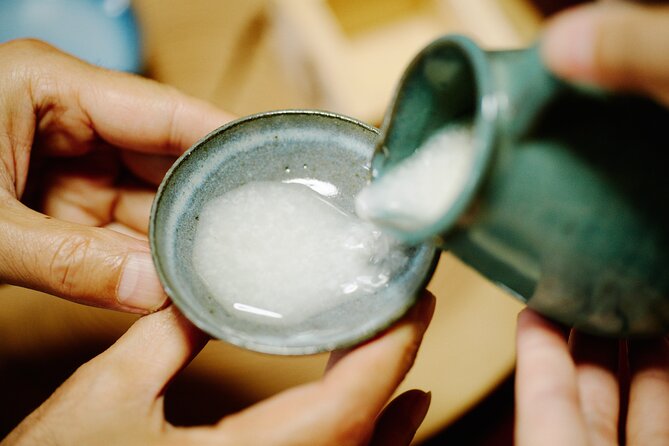
This Hanno tour offers a close look at doburoku, an unfiltered sake that keeps fermenting after bottling. I like the use of old-style wooden barrels made from local Nishikawa timber, and I like that the tasting uses cups made from limited Hanno soil. The result is a sake experience tied closely to the place, not just a quick pour at a bar.
The main drawback is logistics. You meet at Hannō Station at 1 p.m., then pay your own transportation costs and lunch. The tour lasts about three and a half hours, but the brewery is reached by bus, so you should allow time for the group transfer and avoid planning a tight connection afterward.
In This Review
- Key Points at a Glance
- Why Doburoku Makes This More Than a Standard Sake Tasting
- Finding Yamane Brewery from Hannō Station
- Inside a Brewery Made from a Former Convenience Store
- Wooden Barrels, Local Water, and the Bag-Hanging Method
- Three Sakes in Cups Made from Hanno Soil
- What the Small Group Adds
- Returning to Hannō Station and Extending the Day
- Is the $100.43 Price Good Value?
- Who Should Book This Hanno Experience?
- Should You Book It?
- FAQ
- Where does the tour begin?
- What time does the tour start?
- How long does the experience last?
- How many people can join the tour?
- What kind of sake will I taste?
- Are drinks included in the price?
- Is lunch included?
- Is transportation included?
- Does the tour return to Hannō Station?
- Can I cancel for a full refund?
Key Points at a Glance
- Taste rare doburoku: Try three types of unfiltered sake that are rarely served in ordinary restaurants.
- See a repurposed convenience store brewery: Yamane Brewery makes small batches in an unusual, highly personal setting.
- Learn traditional brewing methods: Local wooden barrels and the bag-hanging technique replace much of the modern industrial approach.
- Use Hanno-made tasting cups: The cups are crafted from 100 percent Hanno soil, a material no longer produced in regular quantities.
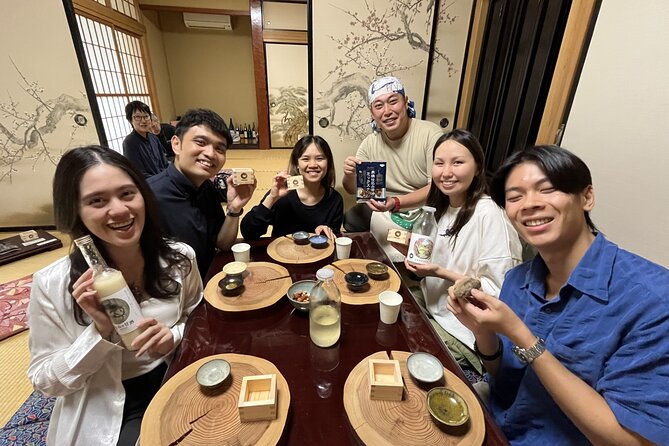
- Keep the group small: A maximum of eight participants makes questions and conversation easier.
- Pair sake with local snacks: Alcoholic drinks and tasting snacks are included, but lunch and transportation are extra.
Why Doburoku Makes This More Than a Standard Sake Tasting
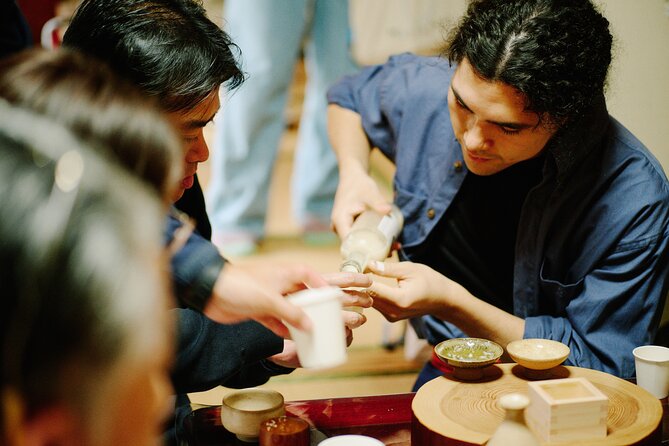
Many sake tastings focus on polished bottles and clear explanations of rice, yeast, and serving temperature. This experience takes a different route by centering on doburoku, a less common form of Japanese sake.
Doburoku is made by bottling the unfiltered fermentation mash, known as moromi, while fermentation continues. It is cloudy, lively, and difficult to store. That short shelf life helps explain why you rarely find it on a normal restaurant menu.
For you, the important point is that this is not simply another flight of familiar sake. The drink itself is part of the lesson. You can taste how a less-filtered, still-active sake differs from the refined bottles most people first encounter in Japan.
The exact bottles available can change by season. One past favorite, Yamane no Minori, was no longer available during one visit period, so you should not expect a fixed menu of labels. That is normal for a small-batch producer, but it is worth knowing if you have your heart set on one particular sake.
More Sake Tastings in Japan:
- 3-Hour Kyoto Insider Sake Brewery Tour with Tastings & Pairings
★ 5.0 · 917 reviews - Arashiyama Bamboo, Temple, Monkeys, or Secret Sake Brewery
★ 4.8 · 886 reviews - Kyoto: Insider Sake Brewery Tour with Sake and Food Pairing
★ 5.0 · 704 reviews
Finding Yamane Brewery from Hannō Station
The tour begins outside the ticket gate at Hannō Station. Look for the guide holding a tour placard, then meet the small group and receive a briefing before setting off together.
Hannō is in Saitama Prefecture, about an hour by train from Tokyo. That makes the outing manageable as a half-day trip, especially if you are already planning time in the Hanno area, Kawagoe, Chichibu, or at Moominvalley Park.
The first portion of the schedule allows about 40 minutes and includes the trip from the station toward the brewery. A bus is part of the movement between locations, but the tour price does not include transportation costs. I would bring some cash or a transport card and confirm the exact bus arrangements when booking.
This station meeting point is a practical choice. You do not have to find an isolated rural address on your own, and the guide keeps the group together from the start. Still, allow extra time to reach Hannō Station. The start time is 1 p.m., and a late arrival could be difficult in a small group.
Inside a Brewery Made from a Former Convenience Store
Yamane Brewery operates from a repurposed convenience store, an unusual setting that immediately tells you this is a small, independent operation. You are not entering a large commercial plant designed for crowds. The character comes from the personal scale of the place and the owner’s hands-on approach.
The brewery visit lasts about two hours and 20 minutes, making it the heart of the experience. You first visit the home of the head of a traditional Japanese house, a setting with its own history and character. From there, the guide explains how Yamane’s methods differ from conventional sake production.
That setting matters. You are not only hearing a technical explanation in a generic tasting room. The tour connects the brewing process with a local home, local materials, and the people who keep the project going.
The host, referred to as Fukunari or Fuku-san in the tour feedback, is praised for his friendly manner and for explaining the work with real enthusiasm. He is also described as a researcher with a doctorate in natural studies and as someone involved in nature conservation. Those interests help explain why the brewery pays such close attention to local materials and environmental care.
Do not expect the slick presentation of a major sake company. The appeal here is the opposite: a one-person or very small-scale operation where the maker’s choices are visible. You may hear about brewing, nature preservation, hospitality, and the wider purpose behind the business in the same visit.
Wooden Barrels, Local Water, and the Bag-Hanging Method
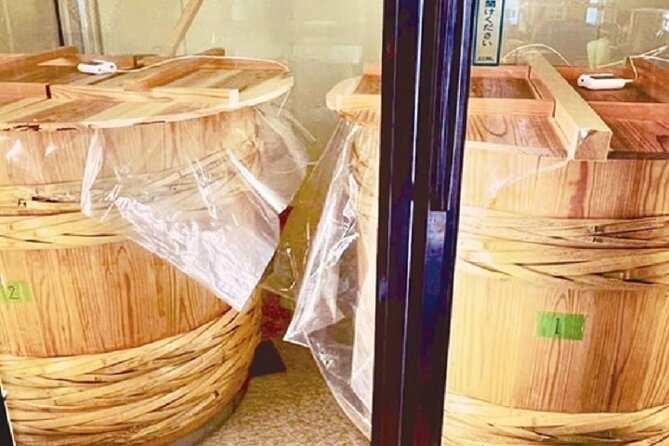
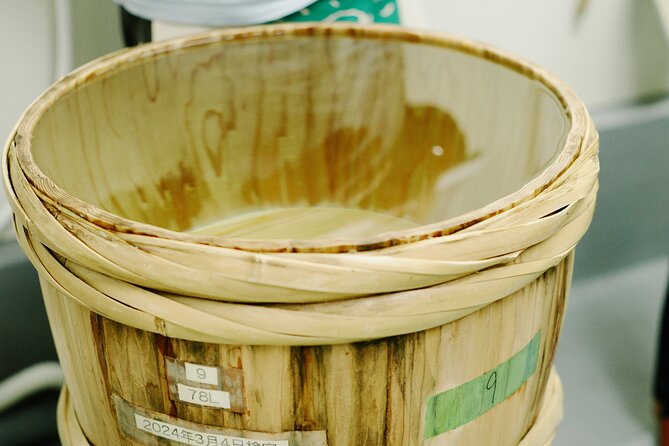
Modern breweries often use stainless steel tanks because they are easy to clean and control. Yamane Brewery instead uses traditional wooden barrels made from Nishikawa timber, a local wood associated with the Hanno area.
The wood is not just decoration. It allows natural microorganisms to live in the brewing environment and can contribute subtle flavors alongside the water and other local ingredients. Since each batch develops in a natural setting, the sake can vary. That is part of the point, though it may be less appealing if you want exactly the same taste every time.
The tour also covers the traditional bag-hanging method. Rather than relying only on industrial machinery, this process uses suspended bags to separate liquid from the remaining mash. It is a slower, more labor-intensive approach, and seeing the tools helps you understand why small-batch sake can require patience and close attention.
You may also see the equipment used at different stages of production. The value is not in watching a factory line run at speed. It is in seeing how a small producer works with older methods and accepts the differences that come with natural materials.
This is where the tour earns its price. You are not merely tasting a beverage. You are learning how the brewer’s choice of wood, water, tools, and timing affects what reaches your cup.
A completely different kind of day out:
- Tokyo Disney Resort – Tokyo Disneyland & Tokyo DisneySea Park Tickets
★ 4.8 · 99,488 reviews - Universal Studios Japan Studio Pass
★ 4.8 · 89,883 reviews - Universal Studios Japan Express Pass
★ 4.7 · 53,138 reviews - SHIBUYA SKY Ticket
★ 4.7 · 46,509 reviews
Three Sakes in Cups Made from Hanno Soil
The tasting includes three types of special sake, along with small snacks. The tasting cups are made from 100 percent Hanno soil, a material described as no longer being produced and available only in limited quantities.
That detail gives the tasting a strong sense of place. The sake comes from local methods, and the cup carries local earth. Even the snack pairing helps frame the experience as a regional introduction rather than a generic alcohol stop.
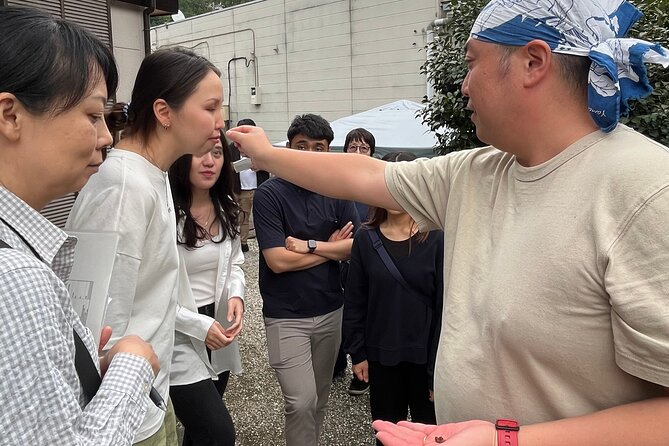
The style of sake can vary from sweet to more complex and pronounced. The tasting is a useful chance to compare the differences instead of judging one bottle in isolation. Ask the guide how each sake was made and what changes between batches.
Because doburoku continues fermenting, storage is difficult. This is one reason the tasting is more valuable than simply searching for a bottle later in Tokyo. You get to try a product that is produced in small quantities and may not be available elsewhere at the same time.
Please pace yourself. Three samples can sound modest, but doburoku is still alcoholic, and the tasting is part of a guided visit rather than a long lunch. Snacks are provided, but a full meal is not.
What the Small Group Adds
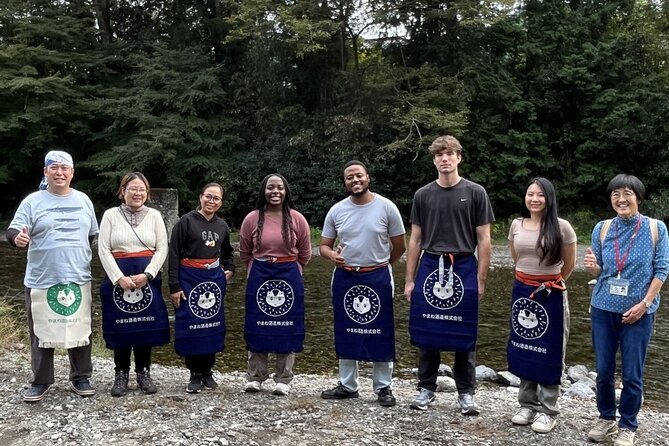
The maximum group size is eight people. That limit is especially useful here because Yamane Brewery is small and the subject is detailed.
In a large group, a visit to a tiny brewery can become a view over someone else’s shoulder. With eight or fewer participants, you have a better chance to hear the explanation, inspect the equipment, and ask questions about fermentation, local wood, serving, and storage.
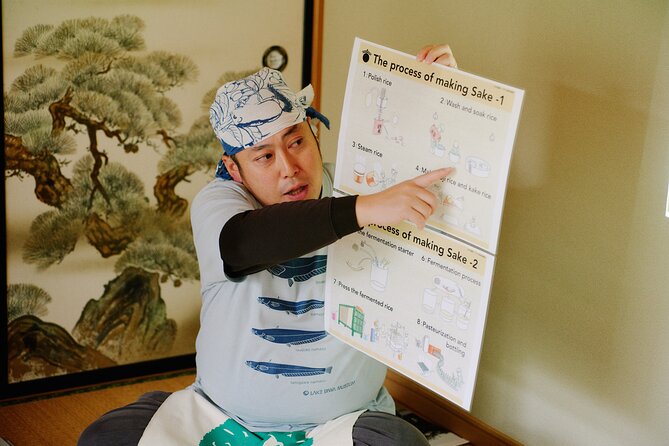
The guide also appears to play an active role in the day. English information boards are available, and the guide has been praised for clear explanations and a friendly attitude. One account specifically praised the guide’s English vocabulary and the information boards, which should help international visitors follow the process.
Still, the experience may depend somewhat on the guide and the day’s group mix. The material is specialized, and the atmosphere is more personal than scripted. If you enjoy asking questions and learning through conversation, that is a plus. If you prefer a polished museum-style presentation with a fixed sequence, you may find it informal.
Returning to Hannō Station and Extending the Day
After the brewery visit, you ride the bus back to Hannō Station with the guide. The final portion takes about 30 minutes, and the activity ends where it began.
The tour’s timing gives you a useful afternoon plan, but the schedule deserves attention. The listed start is 1 p.m., and the total duration is about three hours and 30 minutes. Do not book a train, dinner reservation, or another timed attraction too close to the expected finish.
Lunch is not included. You can ask the guide for a recommended local restaurant near the station after the tour. That is a sensible way to continue the day, especially if you want to balance the sake with a proper meal.
Hanno also works well as part of a larger Saitama outing. You can combine it with nearby nature and cultural stops, or use it as a break from Tokyo sightseeing. Moominvalley Park is specifically noted as an accessible nearby attraction, while Chichibu and Kawagoe provide other possible additions to a wider regional plan. You should check opening hours and transport separately before building a full day around several stops.
Is the $100.43 Price Good Value?
At $100.43 per person, this is not a bargain tasting. The price makes more sense when you consider what is included: a guided brewery visit, instruction on rare doburoku, three sake samples, and local snacks in a group capped at eight.
The cost does not include lunch or transportation. That means your final spending will be higher, particularly if you are traveling from central Tokyo and paying for the train and bus separately.
I see the value in the access. A normal restaurant tasting might give you several pours, but it would not show you wooden Nishikawa barrels, the brewery’s repurposed setting, the bag-hanging technique, or the connection to Hanno soil and nature conservation.
This is best for someone who values craft, local production, and conversation more than quantity. If your main goal is to sample as many famous sake labels as possible, a Tokyo tasting bar may offer more variety for less money. If you want to understand one unusual producer and taste a sake that is hard to find, the higher price is easier to justify.
Group discounts may be available, which could improve the value if you are booking with companions. The mobile ticket is also convenient for a day trip, though you still need to plan the station arrival and transport costs.
Who Should Book This Hanno Experience?
I would recommend it to sake drinkers who want something beyond standard polished sake. It also suits curious food-and-drink visitors, people interested in traditional craft, and anyone looking for a small-scale outing from Tokyo.
You do not need to be a sake expert. The visit explains the process and gives you a chance to compare the drinks directly. The friendly hosting style should help beginners feel comfortable asking basic questions.
Nature-minded visitors may find extra meaning in the use of local wood, local soil, and local ingredients. The owner’s interest in conservation gives the brewery a wider purpose, rather than treating tradition as a decorative theme.
I would hesitate to recommend it if you dislike cloudy or actively fermenting drinks, do not drink alcohol, or need a tour with no extra transport costs. It may also be a poor fit for anyone who wants a fast, highly commercial attraction with a large gift shop and a predictable lineup.
Cancellation is free up to 24 hours before the start time for a full refund. Changes or cancellations inside that window are not accepted for a refund, and the minimum group requirement means the provider may offer a new date or a full refund if the tour cannot run.
Should You Book It?
Book this tour if you want rare doburoku, old brewing methods, and a personal connection to Hanno. The wooden barrels, soil-made cups, small group, and repurposed convenience store make the visit unusually specific to its place.
Skip it if you are looking for the cheapest sake tasting or a broad survey of famous Japanese brands. For the right person, the $100.43 price buys more than alcohol: it buys time with a small producer and a clear look at how local materials shape a drink.
FAQ
Where does the tour begin?
The tour begins at Hannō Station in Hanno, Saitama, Japan. Meet the guide after exiting the ticket gate and look for a tour placard.
What time does the tour start?
The scheduled start time is 1 p.m.
How long does the experience last?
The total duration is approximately three hours and 30 minutes.
How many people can join the tour?
The activity has a maximum of eight participants.
What kind of sake will I taste?
You will taste three types of special Japanese sake, including doburoku, an unfiltered sake made from fermentation mash while fermentation continues.
Are drinks included in the price?
Yes. The tour includes Japanese sake tastings and alcoholic beverages, along with sampling snacks.
Is lunch included?
No. Lunch is not included. The guide can recommend local restaurants near Hannō Station after the activity.
Is transportation included?
No. Transportation costs are not included in the tour price. The itinerary includes a bus ride to and from the brewery.
Does the tour return to Hannō Station?
Yes. The activity ends back at the original meeting point at Hannō Station.
Can I cancel for a full refund?
Yes, if you cancel at least 24 hours before the experience start time. Cancellations made less than 24 hours before the start time are not refunded.
Just added in Japan
- A One-of-a-Kind Sushi Experience in a Special Place of Japan★ 5.0 · 15 reviews
- Tokyo Cute Bento Cooking Class – Make a Kawaii Character Lunchbox★ 5.0 · 126 reviews
- Japanese Home Cooking Class & Walk in Todoroki Temple Tokyo★ 5.0 · 88 reviews
- Japan Tokyo Tower Observatory Deck E-Ticket★ 4.0 · 34 reviews
- Catch a Baseball Game in Tokyo with a Local – Tickets Included★ 5.0 · 24 reviews
- Japan Classic 10 Day – One Life Adventures★ 5.0 · 129 reviews
- JDM Experience with Fast&Furious RX-7 (English speaking Driver)★ 5.0 · 57 reviews
- Tokyo Private Day Tour by Car with English speaking Driver Guide★ 4.0 · 29 reviews
Sake Tastings, compared.
3-Hour Kyoto Insider Sake Brewery Tour with Tastings & Pairings
Read our review →
Arashiyama Bamboo, Temple, Monkeys, or Secret Sake Brewery
Read our review →
Insider Sake Brewery Tour with Sake and Food Pairing
Read our review →
1.5-Hour Kyoto Insider Sake Experience with 7 Tastings & Pairings
Read our review →
Sake Tasting Masterclass in Shinjuku (8+ Varieties with a Pro)
Read our review →
Insider Sake Experience with 7 Tastings and Snacks
Read our review →
Private Tea Ceremony and Sake Tasting in Kyoto Samurai House
Read our review →Browse the lists this tour appears in