
Reviewed · MULTI-DAY TOURS THAT VISIT TAKAYAMA
Cultural Treasures of Japan (Tokyo to Kyoto, 2027) by Collette – 14-Day Tour: Itinerary & Reviews
Tokyo’s remote-operated café, Kyoto’s thousands of shrine gates and a sobering visit to Hiroshima give this 14-day trip an appealing range. I especially like the hands-on cultural sessions, from gold leaf decorating to sushi making, and the chance to cross Japan by bullet train as well as by road.
The trade-off is the pace: several travel days are long, and one past participant estimated about 13,000 steps on many days. If you need a slow holiday, or struggle with extended walking and bus journeys, this route may feel demanding.
In This Review
- At a glance
- Tokyo pairs old customs with new technology
- Hakone trades city streets for volcanic scenery
- Matsumoto and Takayama bring Japan’s mountain towns into focus
- Shirakawa-go and Kanazawa mix village life with skilled craft
- Kyoto gives you time with living traditions
- Hiroshima is a long day with real emotional weight
- Pace, comfort and group size matter
- Does $6,599 offer good value?
- Who should book this Japan tour?
- FAQ
- How long is the tour?
- Which places does the tour visit?
- What is the group size?
- What language is the tour guided in?
- How physically demanding is the tour?
- Which meals are included?
- What cultural activities are included?
- Does the tour include a Shinkansen ride?
- Which hotels are listed?
- What is the starting price and deposit?
At a glance
- Tokyo starts with contrasts: Visit the Imperial Palace grounds, Meiji Shrine and Ginza, then meet remote operators at the Avatar Robot Café.
- Hakone brings volcano views: See Owakudani, ride the ropeway and cruise Lake Ashi. Mt. Fuji views depend on the weather.
- The Japanese Alps add variety: Tour Matsumoto Castle, walk Takayama’s old streets and visit the thatched-roof village of Shirakawa-go.
- Kanazawa is hands-on: Decorate a lacquer box with gold leaf, visit the Higashi Tea district and see Kenroku-En garden.
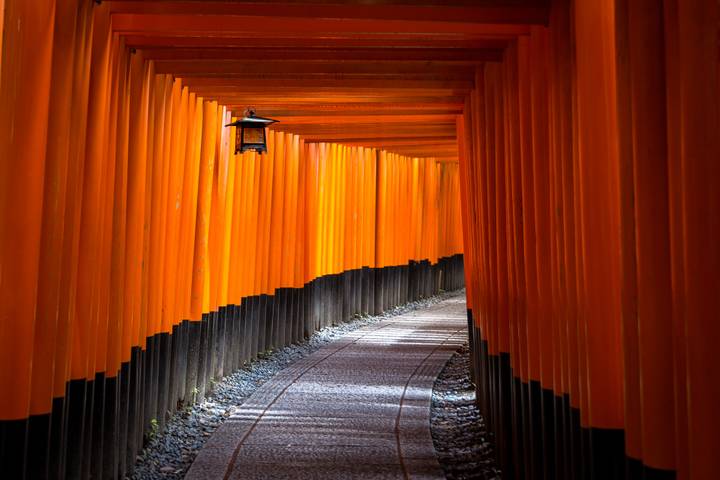
- Kyoto balances guided visits and free time: Walk through Fushimi Inari’s torii gates, meet a monk and take part in a tea ceremony.
- Hiroshima makes for a full, moving day: Ride the Shinkansen, visit Miyajima Island and spend time at Peace Memorial Park and the museum.
Tokyo pairs old customs with new technology
Your first day in Japan is largely for arrival and rest. There are no scheduled activities, so you can get settled, eat near your hotel and take a short walk if you have the energy. With flights arriving at different times, this open start is sensible. Don’t plan a major outing before you know how tired you’ll be.
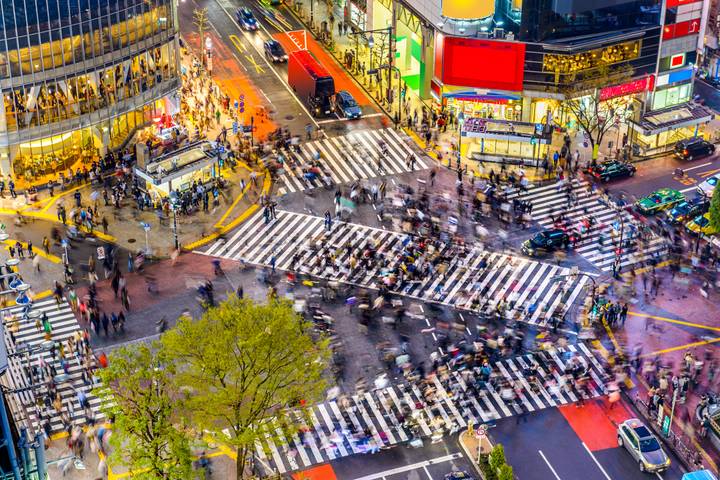
The guided Tokyo visits begin with the Imperial Palace’s outer grounds and Niju Bridge, then move to Meiji Shrine. The quiet, wooded shrine grounds offer a welcome pause from the city’s scale. Ginza provides a sharp contrast: department stores and polished streets show a modern side of Japan, while the district’s history adds context beyond shopping.
The Avatar Robot Café is one of the more unusual stops. Service robots are remotely operated by people who may have difficulty leaving home or hospital rooms. You can order a drink and speak with an operator, making this more than a novelty photo stop. It offers a practical glimpse of how technology can connect people.
The Tokyo National Museum supplies historical and artistic context through Japanese and regional objects. There is free time after the visit, a useful chance to follow an interest or rest. A welcome dinner gives the group an easy first evening together, though the size of the group can vary considerably, from 2 to 44.
A few more options to weigh up in Tokyo
- Tokyo Disney Resort – Tokyo Disneyland & Tokyo DisneySea Park Tickets
★ 4.8 · 99,488 reviews - SHIBUYA SKY Ticket
★ 4.7 · 46,509 reviews - JR Whole Japan Rail Pass
★ 4.8 · 29,150 reviews
Hakone trades city streets for volcanic scenery
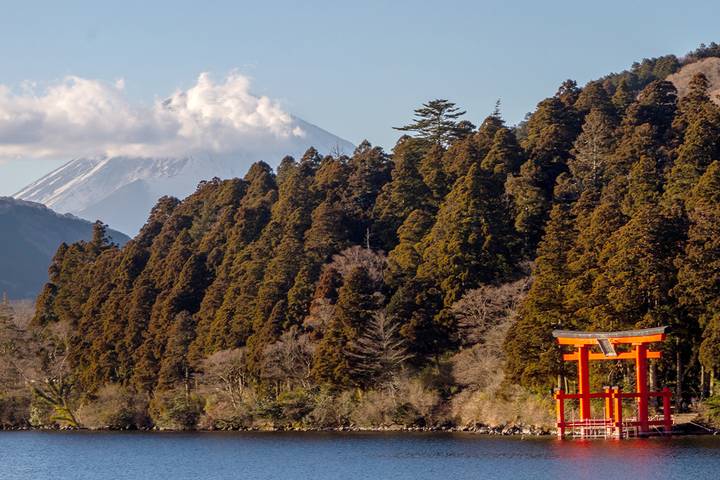
The route heads to Hakone, a hot-spring town beside Lake Ashi. At Owakudani, you’ll see an active volcanic area formed after an eruption around 3,000 years ago. The ropeway carries you above the terrain, then a boat crosses the lake toward Moto-Hakone.
This is a scenic change of pace, but the view of Mt. Fuji is weather dependent. Even without a clear Fuji sighting, the volcanic setting and lake crossing give the day its own appeal. The road transfer from Tokyo and the sequence of stops make it a travel day as well as a sightseeing day.
Matsumoto and Takayama bring Japan’s mountain towns into focus
Matsumoto Castle is a striking stop, with a dark exterior that earned it the nickname Crow Castle. The visit adds a historic landmark to a route otherwise focused heavily on towns, gardens and religious sites. You then continue to Takayama, where preserved Edo-period streets and traditional buildings offer a different pace from Tokyo.
Dinner in Takayama is a highlight for anyone interested in regional food: Hida beef is served with sake. The meal gives you a chance to try a local specialty in the area associated with its production. Food is a strong thread through the trip, with regional dinners and a later sushi-making session, though the package includes 12 breakfasts and 6 dinners, not every meal.
The next morning, a guided walk covers Takayama’s historic district and the Miyagawa River morning market, described as a 600-year-old market for local produce and crafts. You can choose between Takayama Jinya, a former government building, and Matsuri Yatai Kaikan, which displays carved festival floats. The choice lets you lean toward civic history or traditional craft.
There is also free time to wander. One practical point: the itinerary includes long road transfers through mountain country, and a past participant described the bus days as particularly tiring. Build in comfortable shoes, water and patience for time on the road.
Shirakawa-go and Kanazawa mix village life with skilled craft
Shirakawa-go is known for its gassho-zukuri houses, with steep thatched roofs shaped like joined hands. The village’s mountain setting and distinctive architecture make it one of the route’s most memorable changes of scene. It is a short visit on a transfer day, so expect an introduction rather than an unhurried stay.
In Kanazawa, Omicho fish market brings a lively local food scene, while Kenroku-En offers a large, carefully designed garden spanning more than 25 acres. The day ends with dinner at a local restaurant serving regional specialties. These stops give you a feel for the city’s food and garden traditions, not just its famous gold leaf.
The gold leaf session is especially useful for understanding the skill behind a craft that can look delicate and effortless when finished. You’ll decorate a lacquer box using gold leaf and take your work home. A past participant described the material as fragile to handle, which is part of the lesson: the finished effect depends on patient, precise work.
A visit to the Higashi Tea district introduces Kanazawa’s historic geisha quarter. You have free time afterward, so you can choose whether to continue exploring or take a break. That flexibility matters on a trip with many early starts and transfers.
A completely different kind of day out:
- Mt Fuji and Hakone 1-Day Bus Tour Return by Bullet Train
★ 5.0 · 26,383 reviews - TOKYO SKYTREE® Ticket
★ 4.7 · 25,136 reviews - teamLab Borderless Tickets: MORI Building DIGITAL ART MUSEUM
★ 4.7 · 24,126 reviews - teamLab Planets TOKYO Ticket
★ 4.7 · 21,663 reviews
Kyoto gives you time with living traditions
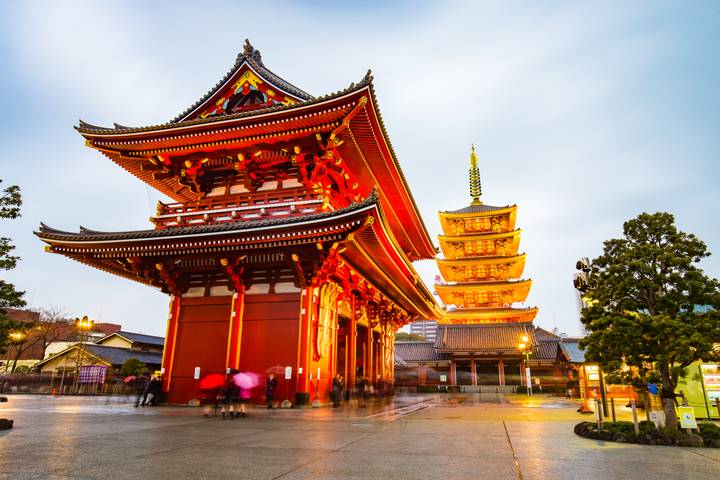
Kyoto is the cultural anchor of the final stretch. A private visit to a traditional townhouse with a local hostess includes sushi making and origami. These activities are approachable ways to learn by doing, and they suit people who want more than a quick photo at a temple.
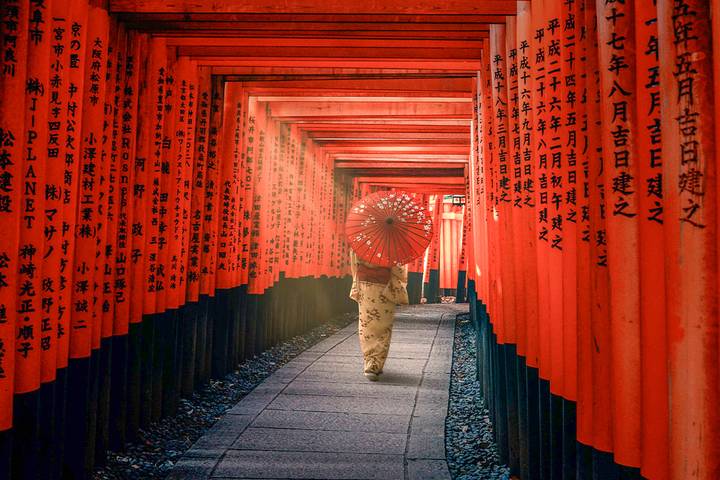
At Fushimi Inari Taisha, thousands of orange torii gates climb through wooded hills. You’ll walk among the gates and see worshippers stop at smaller altars to pray or leave offerings. The changing light through the rows is part of the appeal, but this is a walk uphill, so take it at a comfortable pace. Free time begins around 2 p.m., leaving room to rest or choose another Kyoto sight.
The visit to Koshoji Temple brings a quieter kind of cultural exchange. A monk leads chanting and meditation, explains the tea ceremony and speaks about daily practice. This is not simply a demonstration: you have a chance to take part and ask questions. A private maiko performance at the farewell dinner adds a formal, memorable finish to the trip.
Kyoto also offers more independent time than the tightly scheduled transfer days. Use it for a favorite neighborhood, another temple or a slower meal. The tour does not list every meal as included, so independent meals are part of the budget and the freedom.
Hiroshima is a long day with real emotional weight
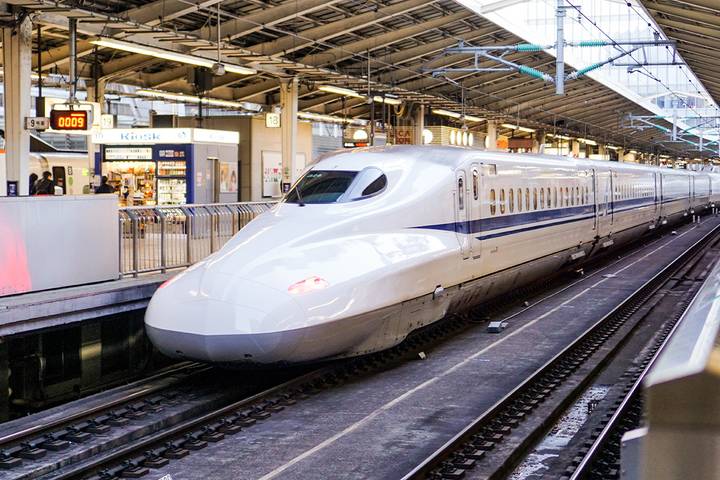
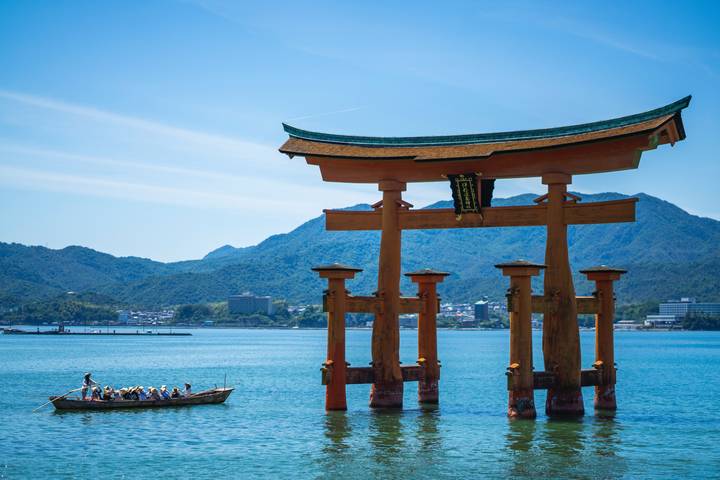
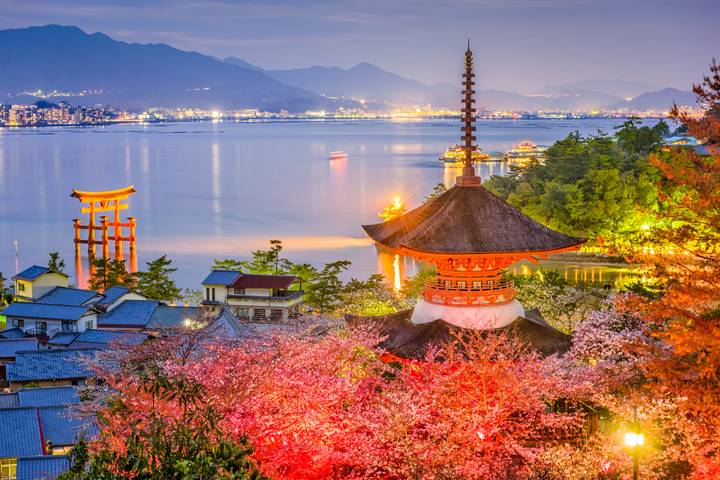
The Shinkansen makes the journey from Kyoto to Hiroshima efficient, and riding Japan’s famous bullet train is a highlight in its own right. From Hiroshima, you take a ferry to Miyajima Island, also called Shrine Island. The visit adds an island setting before the day turns to the city’s wartime history.
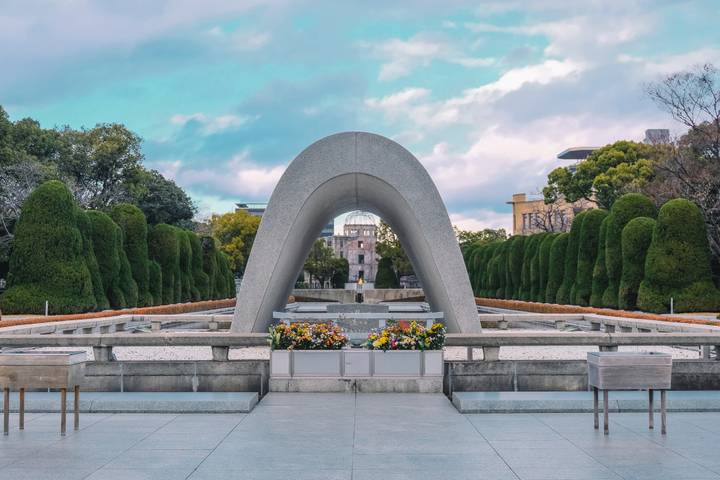
At Peace Memorial Park, the Atomic Dome and Hiroshima Peace Memorial Museum provide a direct account of the atomic bombing and its aftermath. This is important, difficult material. One past participant found the museum crowded and dimly lit, and chose to spend more time outside in the park. If enclosed, crowded spaces are difficult for you, it may help to plan your visit at your own pace and leave room for a pause.
You return to Kyoto by Shinkansen the same evening. That makes for a long day, even with fast rail travel, and the emotional shift from Miyajima to the memorial sites can be considerable. It is a meaningful part of the route, but not a light excursion.
Pace, comfort and group size matter
This is a fully guided English-language group tour with a medium physical rating. The group may be as small as two or as large as 44, so the atmosphere can differ by departure. A guide handles the major transfers and scheduled visits, while free afternoons give you some control over your own pace.
Walking is a serious consideration. One person on a past April departure estimated around 13,000 steps on many days, with gardens, shrine paths and town walks contributing to the total. That figure is not a guaranteed daily count, but it is a useful warning: comfortable footwear and a realistic view of your stamina will help.
The tour’s hotel plan includes Grand Nikko Tokyo Daiba, The Prince Hakone Lake Ashinoko, Mercure Hida Takayama, Hotel Nikko Kanazawa and Hotel Nikko Princess Kyoto. The supplied accommodation schedule is not entirely consistent about which nights fall at each property, so confirm the exact hotel sequence for your departure before booking.
Past tour managers Ana and Steve were praised for clear communication and personal help, including assistance with dietary needs and mobility-related difficulties. They are examples from earlier departures, not a promise about who will lead a 2027 trip. If you have dietary requirements or need support, raise them with Collette before departure.
Does $6,599 offer good value?
The starting price is $6,599 for the cheapest room basis. In return, you get a 14-day route, hotels, an English-speaking guide, scheduled cultural visits, 12 breakfasts and 6 dinners. The included experiences are varied: gold leaf work, sushi making, a monk-led tea ceremony, Hida beef with sake, a maiko performance, the Lake Ashi cruise and Shinkansen travel.
That range is where the price makes its case. You are not just paying for hotel nights and transport between major cities. The organized visits bring you to smaller places such as Takayama and Shirakawa-go, and the hands-on sessions give you context that can be harder to arrange independently. Collette has operated tours since 1918, and its broader TourRadar operator profile shows a 4.5 out of 5 rating across 969 reviews.
Still, the starting price alone does not show your full trip cost. The details provided do not clarify whether international flights are included in the price, so check that before comparing it with other Japan tours. You should also allow for meals not included, personal purchases and any optional spending. A $349 deposit is listed, with the balance due 95 days before departure; interest-free payments every two weeks are available.
Who should book this Japan tour?
I’d shortlist this trip if you want a broad first visit without arranging every train, hotel and regional transfer yourself. It suits curious couples, solo visitors and families who are comfortable with group travel, busy sightseeing days and a mix of guided visits and independent time. All ages are welcome, but the medium rating and the walking load deserve attention.
The strongest reasons to go are the route’s variety and its cultural participation. You move from Tokyo’s technology and shopping districts to mountain towns, then finish with Kyoto’s religious traditions and Hiroshima’s difficult history. The gold leaf box, sushi class and tea ceremony give the trip more texture than a succession of landmark visits.
I would think twice if your priority is a slow pace, long stays in each city or plenty of unscheduled time. You will change bases several times, spend substantial time on the road and take a full-day rail excursion to Hiroshima. If that sounds like a fair trade for seeing a wide cross-section of Japan in two weeks, this is a strong, well-rounded choice.
FAQ
How long is the tour?
It lasts 14 days, starting in Tokyo and ending in Kyoto.
Which places does the tour visit?
The route includes Tokyo, Hakone, Matsumoto, Takayama, Shirakawa-go, Kanazawa, Kyoto, Hiroshima and Miyajima Island.
What is the group size?
The group size is listed as 2 to 44 people.
What language is the tour guided in?
The tour is guided in English.
How physically demanding is the tour?
It has a medium-intensity rating. Expect substantial walking, and one past participant estimated about 13,000 steps on many days.
Which meals are included?
The tour includes 12 breakfasts and 6 dinners. The Hida beef dinner and the farewell dinner with a private maiko performance are among the listed meals.
What cultural activities are included?
You can decorate a lacquer box with gold leaf, make sushi and origami, take part in a tea ceremony with a monk, and join chanting and meditation at Koshoji Temple.
Does the tour include a Shinkansen ride?
Yes. You take the Shinkansen from Kyoto to Hiroshima and return to Kyoto by bullet train the same day.
Which hotels are listed?
The planned hotels include Grand Nikko Tokyo Daiba, The Prince Hakone Lake Ashinoko, Mercure Hida Takayama, Hotel Nikko Kanazawa and Hotel Nikko Princess Kyoto. Confirm the exact night-by-night schedule for your departure.
What is the starting price and deposit?
The listed starting price is $6,599, based on the cheapest room. The deposit is $349, with the remaining balance due 95 days before departure.
Just added in Tokyo
- Wonders Of Japan 10-Day Tour by Travel Talk★ 4.5 · 14 reviews
- Wonders of Japan end Tokyo GO 15-Day Tour by Europamundo★ 4.2 · 10 reviews
- Wonders of Japan end Tokyo 15-Day Tour by Europamundo★ 4.2 · 10 reviews
- Wonders of Japan End Osaka by Europamundo – 12-Day Tour★ 4.2 · 58 reviews
- Wonders of Japan End Osaka (including Fukuyama) 12-Day Tour by Europamundo★ 4.2 · 58 reviews
- Wonders of Japan End Osaka GO by Europamundo – 12-Day Tour★ 4.2 · 58 reviews
- Walk Japan – Kumano Kodo Trail 12-Day Tour by Explore!★ 4.7 · 20 reviews
- Visions of Japan with Hiroshima & Osaka 15-Day Tour by Globus★ 5.0 · 75 reviews
Multi-Day Tours That Visit Takayama, compared.



Tokyo to Osaka by Rail – Private Tour (14 Days) with Explore!
Read our review →
Japan: Land of the Rising Sun 12-Day Tour by Intrepid Travel
Read our review →
Stunning Japan with Shirakawa-go by Stunning Tours – 8-Day Osaka to Tokyo Tour
Read our review →
Visions of Japan with Hiroshima & Osaka 15-Day Tour by Globus
Read our review →
Best of Japan by Contiki – 13-Day Tokyo to Osaka Tour
Read our review →
14 Days Japan Panoramic (Private 3 Star Hotels) by Stunning Tours
Read our review →Browse the lists this tour appears in