
Reviewed · WALKING TOURS
Hakata Old Town Walking Tour Tracing the True History of Fukuoka
Hakata’s past is hiding in plain sight. This 3.5-hour walk links old temples, a traditional tea shop, local customs, and Kushida Shrine into one clear introduction to Fukuoka’s oldest quarter. I like the thoughtful route and the stop at Mitsuyasu Seikaen Tea Leaf Shop, where you taste Yame kabusecha with a Japanese sweet. I also like the small group size, capped at 10 people, which should make it easier to ask questions.
The main drawback is the price: $190.49 per person is a serious charge for a walking tour covering about 3 kilometers. You are paying for a private-feeling, English-language experience with admissions and tea included, but budget-minded visitors may prefer exploring these sights alone.
In This Review
- Key points to know before you book
- Why this walk helps you understand Fukuoka
- Sennen-no-Mon and the first steps into Old Hakata
- Tochoji Temple and the Fukuoka Daibutsu
- Kabusecha and sweets at a 300-year-old tea shop
- Hakatamachiya Furusatokan and old local customs
- Kushida Shrine and the Hakata Gion Yamakasa
- What $190.49 buys you
- Timing, fitness, and changes to expect
- Who should book this Hakata walk?
- Should you book it?
- FAQ
- Where does the Hakata Old Town Walking Tour begin?
- What time does the tour start?
- Where does the tour end?
- How far will I walk?
- Are admissions and the tea tasting included?
- What happens if I arrive late or a temple cannot be entered?
Key points to know before you book
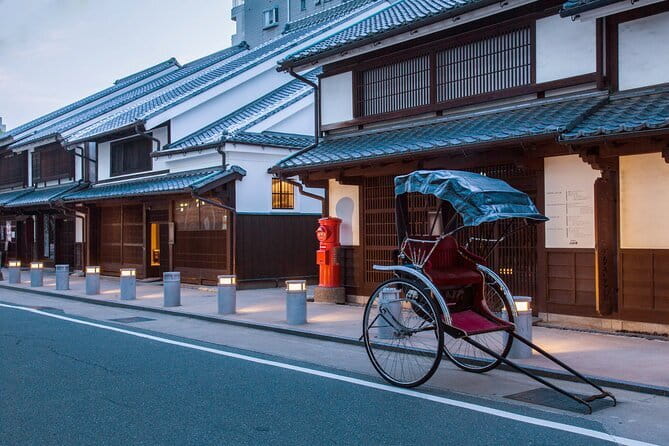
- Hakata’s old quarter is the real focus: You walk between temples and shrines while hearing how trade with the Asian continent shaped local customs and food.
- The tea tasting is more than a quick sample: You sit inside a 300-year-old tea shop and try kabusecha from Yame, one of Fukuoka’s best-known tea-producing areas.
- Tochoji Temple adds a major religious landmark: The grounds include the Fukuoka Daibutsu and a five-story pagoda cherished as a newer symbol of Hakata.
- Hakatamachiya Furusatokan explains daily life: Its traditional townhouse replica presents annual festivals, handicrafts, and older local customs.
- The tour ends at Kushida Shrine: You finish at Hakata’s tutelary shrine, closely linked with the Hakata Gion Yamakasa festival.
- Timing matters: The walk starts at noon, late arrivals cannot join, and the tour may change if temple or shrine access is restricted.
Why this walk helps you understand Fukuoka
Fukuoka can feel modern at first glance. Hakata Station is huge, the shopping is polished, and the city moves quickly. Yet the old center nearby tells a different story, one shaped by ships, merchants, temples, festivals, tea, and contact with the rest of Asia.
That is what makes this route useful. You are not simply ticking off five religious and cultural sites. You are following a story through the streets of Hakata, beginning near the station and finishing at Kushida Shrine. The English-speaking guide provides the links between each place, which is especially helpful when a site’s importance is not obvious from its buildings alone.
The tour starts at the Fukuoka City Tourist Information Center at Hakata Station at 12:00 p.m. From there, you walk into the old town. The group is limited to 10 people, a practical size for city streets and indoor stops. It also gives you a better chance to hear the guide and ask about details that interest you.
The pace is not a forced march, but you should be comfortable walking for the full itinerary. The total distance is about 3 kilometers, and the route may take longer than the scheduled 3.5 hours if roads, site conditions, or the group’s stamina slow things down.
More Walking Tours in Fukuoka:
- Fukuoka Private and Personalized Walking Tour with a Local
★ 4.7 · 46 reviews - Fukuoka: Private Walking Tour with Local Guide
★ 4.8 · 22 reviews - Kyoto Geisha Walking Tour: Gion District & Hidden Gems
★ 4.7 · 3,273 reviews
Sennen-no-Mon and the first steps into Old Hakata
The first stop is Jotenji Temple, reached through a stroll in the Hakata Old Town area. Along the way, you pass Sennen-no-Mon, a welcoming gate that marks the historic district.
The temple stop is brief in the 2025 schedule, listed at about 15 minutes. The 2026 schedule allows 30 minutes, so the amount of time spent here can vary by booking year. That difference matters if you want long periods for quiet observation or photography. This is best viewed as an opening chapter rather than a full temple visit.
Jotenji helps set the tone for the walk. The point is not only the structure in front of you, but also the older streets around it. Your guide can explain how Hakata developed as a trading center and why its religious buildings remain woven into the city rather than isolated from it.
I appreciate this beginning because it gets you away from the station without wasting time on a generic orientation. You start seeing the character of old Hakata almost immediately. Still, anyone expecting a long, leisurely temple visit should keep expectations in check.
Tochoji Temple and the Fukuoka Daibutsu
Tochoji Temple is the tour’s most imposing religious stop. Its five-story pagoda is loved locally as a newer symbol of Hakata, while the temple grounds also contain the Fukuoka Daibutsu, described as Japan’s largest wooden Buddha.
The planned visit is about 20 minutes in 2025 and 40 minutes in 2026. That is a substantial difference. If your visit follows the longer schedule, you will have more time to take in the temple grounds and hear the guide’s explanation. If it follows the shorter schedule, you will need to move efficiently.
Admission is included, so you do not need to worry about paying separately at this stop. That small convenience matters on a guided walk, since the group can enter without stopping to sort out individual tickets.
Tochoji is a good example of why a guide adds value here. Religious sites in Japan often have layers of meaning that are easy to miss if you only admire the rooflines and take a few photographs. The guide can place the Buddha, pagoda, and temple in the wider story of Hakata.
The drawback is that 20 minutes is not much time if the site is busy or you want a slower look. The itinerary may also change if entry is not possible because of temple circumstances. Alternative destinations can include Waka Hachimangu Shrine, Myoraku-ji Temple, Engaku-ji Temple, or Ryugu-ji Temple, and no refund is offered if one of those substitutes is used.
Kabusecha and sweets at a 300-year-old tea shop
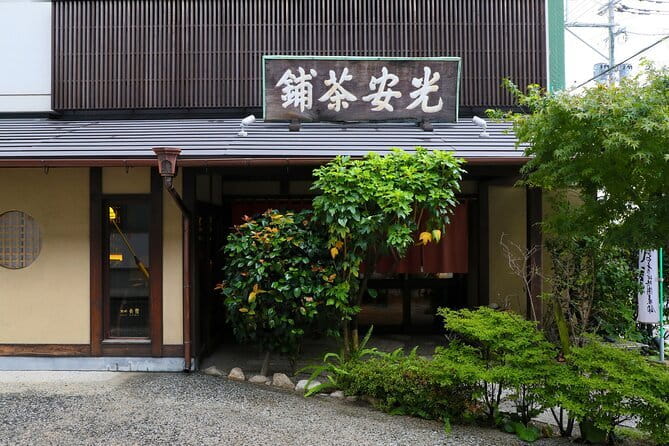
For many people, the tea stop will be the most distinctive part of the afternoon. Mitsuyasu Seikaen Tea Leaf Shop has been operating for 300 years, and the setting gives you a direct connection to an old local business tradition.
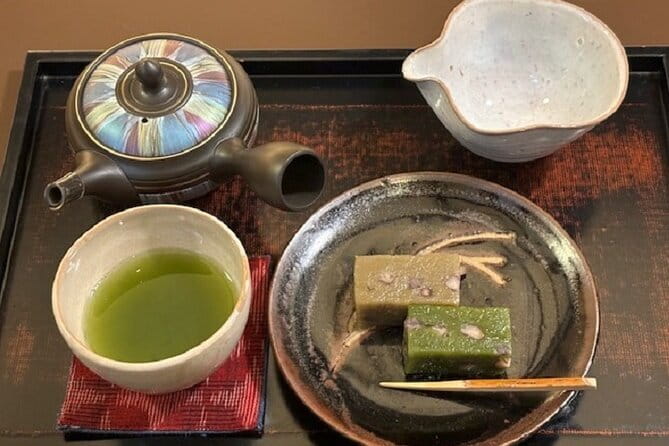
You taste kabusecha, a shaded green tea from Yame. This style is known for less bitterness and a fuller umami taste. The tea is served with a Japanese confectionery, and the teacake charge is included in the tour price.
The scheduled time is about 40 minutes in 2025 and 30 minutes in 2026. Either way, this is not a hurried cup grabbed while standing. You get a chance to sit, rest your feet, and pay attention to a flavor that may be new to you.
I like this pause for practical reasons as much as cultural ones. The first half of the walk includes streets and temple grounds, so a seated break helps keep the afternoon comfortable. It also gives the guide a natural setting for explaining tea, local agriculture, and everyday food customs.
The tea stop is particularly worthwhile if you are curious about regional Japanese products but do not know what to order on your own. Yame tea is a specific Fukuoka connection, not a generic green tea demonstration.
There are a few limits. Children aged 0 to 5 may join free, but they do not receive seating or the teacake unless you book them at the child rate. The tour description does not promise a larger tasting session or shopping time, so treat this as a cultural refreshment stop rather than a full tea workshop.
A few more options to weigh up in Fukuoka
- Kyushu: Mount Aso, Kusasenri & Takachiho Gorge Day Tour (Optional Takachiho Boat Ride Experience)
★ 4.9 · 4,957 reviews - Kyushu One-Day Tour: Yufuin no Mori Train & Yufuin Town & Nyoirin-ji Temple & Dazaifu & Hell Hot Springs (Departing from Fukuoka)
★ 4.9 · 4,474 reviews - teamLab Forest Fukuoka Ticket
★ 4.7 · 1,925 reviews - Shiraito Falls & Forest Cafe & Handmade Flower Salt Pudding & Grilled Seafood & Totoro Forest & Sakurai Futamigaura & Angel’s Wings & Coconut Tree Swing Day Tour (Departing from Hakata Station, with Mandarin, English, and Cantonese speaking guide)
★ 4.9 · 1,840 reviews
Hakatamachiya Furusatokan and old local customs
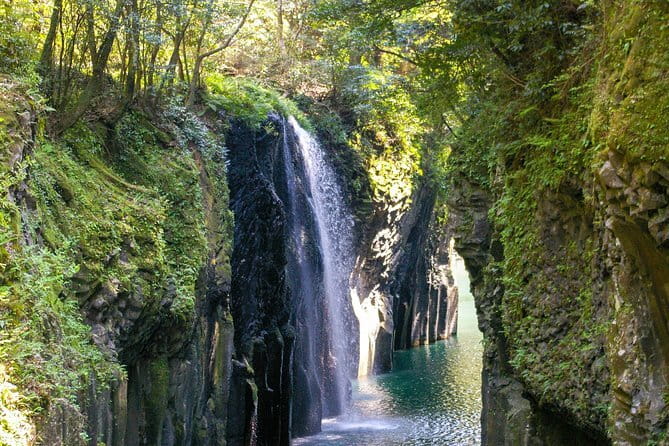
After the tea break, the walk continues to Hakatamachiya Furusatokan. The building is a replica of a traditional Hakata townhouse, designed to present local life and customs in an accessible way.
The exhibits cover Hakata’s annual events, handicrafts, and the older daily life of Fukuoka. This stop helps balance the temples. You are not only learning about religious buildings and historic trade. You are also seeing how people worked, celebrated, made things, and organized community life.
The planned time is about 25 minutes in 2025 and 40 minutes in 2026. The longer version gives you more room to examine the exhibits, while the shorter visit may feel like a compact museum introduction. If you prefer people-centered history to monuments, this may be your favorite stop.
I find the townhouse setting useful because it gives context to the surrounding neighborhood. You can better understand why old Hakata is more than a collection of preserved religious sites. Its identity also comes from homes, crafts, seasonal events, and routines passed through generations.
This is an indoor cultural stop, but the entire tour remains a walking experience. Wear shoes and clothing suited to about 3 kilometers on foot. If you decide to use public transportation partway through the tour, you must pay the fare yourself.
Kushida Shrine and the Hakata Gion Yamakasa
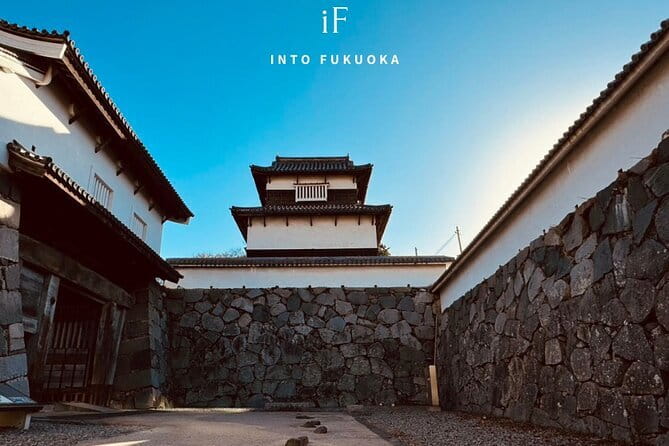
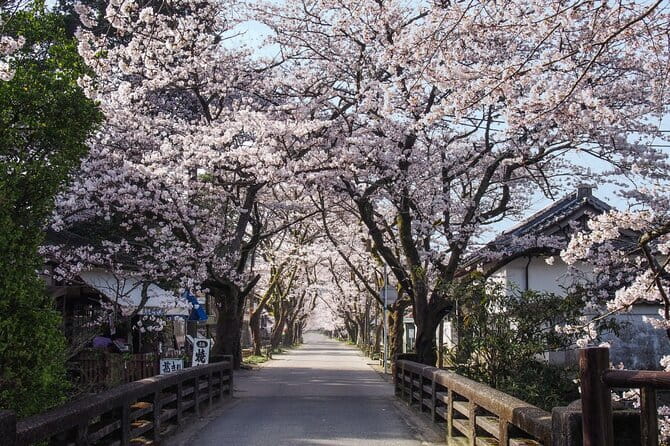
The tour ends at Kushida Shrine, Hakata’s tutelary shrine. Locals fondly call it Okushida-san, and the shrine is closely tied to the Hakata Gion Yamakasa festival.
The festival’s decorative kazariyama floats are displayed throughout the year, giving you a chance to see these large cultural objects even if your visit does not coincide with the festival itself. The shrine stop lasts about 20 minutes.
Kushida is a fitting final stop because it brings together the themes introduced earlier: local identity, religious tradition, community events, and Hakata’s continuing connection with its past. You finish with a place that is still part of local life, not simply a building preserved for sightseeing.
The tour ends in front of the shrine. From there, you are on your own, but the guide will explain how to return to your next destination. Kushida Shrine is about a 15-minute walk from JR Hakata Station, so plan your onward route before the tour ends if you have a train, dinner reservation, or evening activity.
What $190.49 buys you
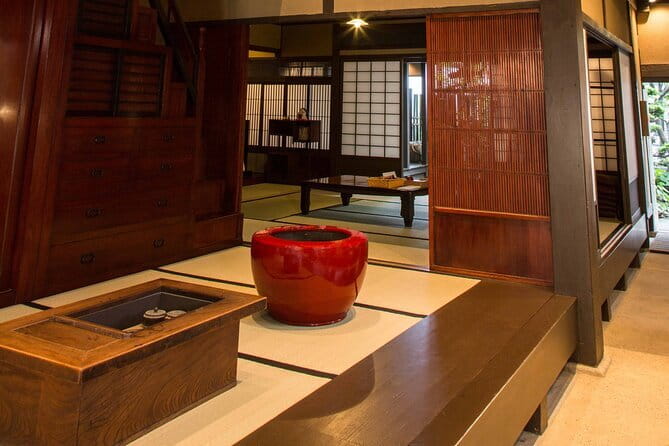
At $190.49 per person, this is not a bargain walking tour. The price includes the English-speaking guide, temple and site admissions where required, and the tea and confectionery at Mitsuyasu Seikaen. It does not cover expenses beyond those listed.
The value depends on how you like to travel. If you would otherwise walk between these sites without understanding their connections, the guide provides the main benefit. You are paying for interpretation, direction, and a small group rather than transportation or luxury extras.
The maximum group size of 10 helps justify some of the cost. A small group can move through narrow streets more easily, and you should have a better chance to ask questions. One specific guide, Miyoko, is praised for being punctual, kind, and able to answer questions about the area. That is the sort of personal attention you want from a tour at this price.
Still, the cost is hard to ignore. You can visit many Hakata sights independently for far less, especially if you are comfortable using maps and reading signs. The tour makes the most sense for a first visit, a short stay, or anyone who values an organized English-language explanation over saving money.
The fact that it is often booked 67 days ahead also matters. If you want this particular small-group experience, especially on a busy Fukuoka itinerary, do not assume you can arrange it at the last minute. Confirmation is sent within 48 hours, subject to availability.
Timing, fitness, and changes to expect
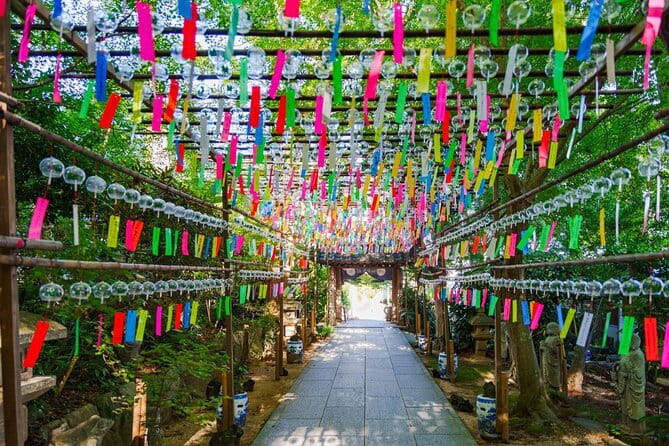
The fixed departure time is noon at the Fukuoka City Tourist Information Center in Hakata Station. Be early. Participants who arrive late cannot join partway through, and their reservations are canceled.
The route covers about 3 kilometers, but the distance is not the only issue. You will spend the entire itinerary walking, standing, entering temple and shrine areas, and moving between stops. A moderate level of physical fitness is required.
Road conditions and the group’s stamina can affect arrival times. The itinerary may change, and temple or shrine access is not guaranteed. If a listed site is closed or unavailable, the guide may use one of the named alternatives instead, with no refund.
Free cancellation is available if you cancel at least 24 hours before the start time. Changes or cancellations made within 24 hours are not accepted for a refund, and the cut-off follows local Fukuoka time.
Who should book this Hakata walk?
I would recommend it to you if you want a structured introduction to Fukuoka’s older center and prefer learning through a guide rather than doing background research yourself. It is also a good fit if you value food and daily customs as much as temples.
The tour suits couples, solo visitors, and small families who can keep up with the walking pace. Children aged 0 to 5 can join free under the stated conditions, but parents should account for the lack of included seating and teacake for that age group.
I would hesitate if you are watching your budget, dislike fixed schedules, or want extended time at each temple. The changing stop durations also mean you should not expect the same amount of time at every site in every tour year.
Should you book it?
Book this tour if you want Hakata explained, not merely photographed. The combination of temples, a 300-year-old tea shop, a townhouse museum, and Kushida Shrine gives you a well-shaped look at how Fukuoka’s local culture developed.
Skip it if $190.49 feels too high for a 3.5-hour walk or if you are happy exploring independently. For the right person, the small group, English guide, included tea stop, and clear route make the price defensible. Just arrive early, wear comfortable shoes, and leave some flexibility after the tour in case the walking pace or site access changes.
FAQ
Where does the Hakata Old Town Walking Tour begin?
It begins at the Fukuoka City Tourist Information Center inside Hakata Station at 1-1 Hakataekichūōgai, Hakata Ward, Fukuoka.
What time does the tour start?
The tour starts at 12:00 p.m.
Where does the tour end?
It ends in front of Kushida Shrine at 1-41 Kamikawabatamachi, Hakata Ward, Fukuoka. Kushida Shrine is about a 15-minute walk from JR Hakata Station.
How far will I walk?
The tour covers approximately 3 kilometers, and participants walk for the entire itinerary. A moderate level of physical fitness is recommended.
Are admissions and the tea tasting included?
Yes. The English-speaking guide, listed admission fees, and the teacake charge at Mitsuyasu Seikaen Tea Leaf Shop are included. Other fees are not included.
What happens if I arrive late or a temple cannot be entered?
Late participants cannot join partway through the tour, and their reservations are canceled. If a listed shrine or temple cannot be entered, the guide may use an alternative destination, and no refund is provided for that change.
Just added in Fukuoka
- Treasures of Kyushu 7-Day Tour by Europamundo★ 5.0 · 1 review
- Kyushsu Half Island Express Tour (8 Days) by MW Tours★ 5.0 · 1 review
- teamLab Forest Fukuoka Ticket★ 4.7 · 1,925 reviews
- Fukuoka Nakasu River Cruise Ticket★ 4.6 · 164 reviews
- Shiraito Falls & Forest Cafe & Handmade Flower Salt Pudding & Grilled Seafood & Totoro Forest & Sakurai Futamigaura & Angel’s Wings & Coconut Tree Swing Day Tour (Departing from Hakata Station, with Mandarin, English, and Cantonese speaking guide)★ 4.9 · 1,840 reviews
- Uminonakamichi Marine World Admission Ticket in Fukuoka★ 4.8 · 1,298 reviews
- Fukuoka Tower Admission Ticket★ 4.8 · 1,804 reviews
- Kyushu One-Day Tour: Yufuin no Mori Train & Yufuin Town & Nyoirin-ji Temple & Dazaifu & Hell Hot Springs (Departing from Fukuoka)★ 4.9 · 4,474 reviews
Walking Tours, compared.
Kyoto Geisha Walking Tour: Gion District & Hidden Gems
Read our review →
Tokyo Tsukiji Fish Market Food and Culture Walking Tour
Read our review →
Gion Magical Night Walking Tour with Geisha Trivia
Read our review →
Imperial Palace and Shogun Historical Walking Tour
Read our review →
Gion Geisha District Walking Tour – Stories of Geisha
Read our review →

Shinjuku Local Bar and Izakaya Guided Walking Tour
Read our review →
Browse the lists this tour appears in