
Reviewed · SAKE TASTINGS
Hiroshima: Saijo Sake Tasting at 7 Breweries Guided Tour
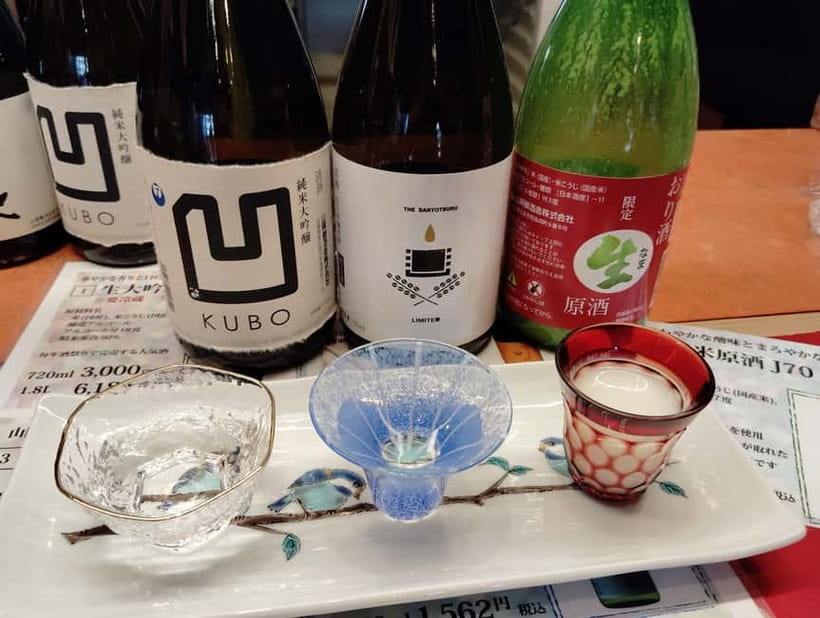
Seven breweries, two hours, one useful question: which sake? This Saijo tour gives you a friendly way to taste the area’s clean, gently sweet style while walking between nearby breweries. I like the local focus and the chance to compare several sake types in one outing. I also like that guides such as Gordon, Ami, and Kiyoshi bring in Japanese history, food, and everyday culture rather than talking only about alcohol.
The main point to consider is pace. Seven brewery visits in two hours means short stops, not long brewery tours. You may see a museum display or brewing video rather than the working production floor, and the number of open breweries can change with operating conditions. Still, at $90 per person, the small-group format and guide-led tastings make this a useful introduction to Saijo sake.
In This Review
- Key points before you book
- Why Saijo is worth the trip from Hiroshima
- Starting at Saijo Station with the right expectations
- Kamotsuru Brewery and the first taste
- The next six breweries and why comparison matters
- What you may actually see about brewing
- The guides make the difference
- How to taste without pretending to be an expert
- Is $90 a fair price for two hours?
- Who will enjoy this Saijo outing
- Practical details for a smoother visit
- Should you book the Saijo sake tour?
- FAQ
- Where does the tour meet?
- How long does the tour last?
- How many breweries will I visit?
- Is the tour conducted in English?
- Are tastings included in the price?
- Can I join a private or small group?
- What should I bring?
Key points before you book
- Seven brewery stops in about two hours: Expect a moving tasting walk with several brief visits rather than one slow, detailed tour.
- Saijo’s gentle sake style: Local sake is known for a clean taste, mellow body, and soft sweetness that works well with food.
- English-speaking guides add local context: Gordon, Ami, Kiyoshi, and Ron have helped visitors understand brewing, history, food, and Japanese customs.
- The breweries are close together: The route begins and ends at Saijo Station, with the tasting district described as easy to cover on foot.
- Production access can vary: You may watch a brewing video or visit a shop and museum, but a working brewery floor is not guaranteed.
- Come prepared for alcohol: Eat beforehand, bring water, and skip this activity if you are pregnant.
Why Saijo is worth the trip from Hiroshima
Saijo is more than a place to sample drinks. Its sake trade grew because of two practical advantages: good water and a useful position near the Sanyo Expressway. The arrival of the railway helped turn the town into a major brewing center, with sake shipped across western Japan and later overseas.
That background gives the tasting some shape. You are not simply trying seven unrelated bottles. You are seeing how one town built its identity around rice, water, brewing skill, transport, and meals.
Saijo sake is described as clean, mellow, and gently sweet. That makes it a friendly style for beginners, especially if you are used to beer, wine, or lighter spirits and do not want a harsh first taste. It is also a good match for food, which explains why the guides often end up discussing local dishes as well as brewing.
The meeting point is straightforward: stand in front of the ticket gates at Saijo Station and look for the guide holding a yellow DeepExperience sign. Since the route starts and finishes at the same station, you do not need to work out a complicated meeting point in the brewery district.
More Sake Tastings in Hiroshima:
- Hiroshima Saijo Sake Tasting Tour with visit to 7 Breweries
★ 5.0 · 104 reviews - 3-Hour Kyoto Insider Sake Brewery Tour with Tastings & Pairings
★ 5.0 · 917 reviews - Arashiyama Bamboo, Temple, Monkeys, or Secret Sake Brewery
★ 4.8 · 886 reviews
Starting at Saijo Station with the right expectations
The tour lasts two hours, so the opening minutes matter. Your guide gathers the group at the station, introduces the plan, and begins the walk toward the breweries. The exact order can change, but the experience is built around seven short brewery visits and tastings.
I would arrive a little early, but not excessively early. One person waited about 30 minutes before realizing the guide would arrive at the scheduled time, so a few minutes is sensible. The yellow sign should make the meeting point easy to spot.
Group size can affect the feel of the experience. Private and small-group options are available, and a small group gives you more time to ask about rice, sweetness, serving styles, or the differences between bottles. In a larger group, the short stops may feel more structured.
You should also eat a proper breakfast or meal first. One useful piece of advice from the tour experience is to bring water and snacks. That is not because the walk is described as strenuous. It is because seven tastings in a short period can catch up with you quickly.
Kamotsuru Brewery and the first taste
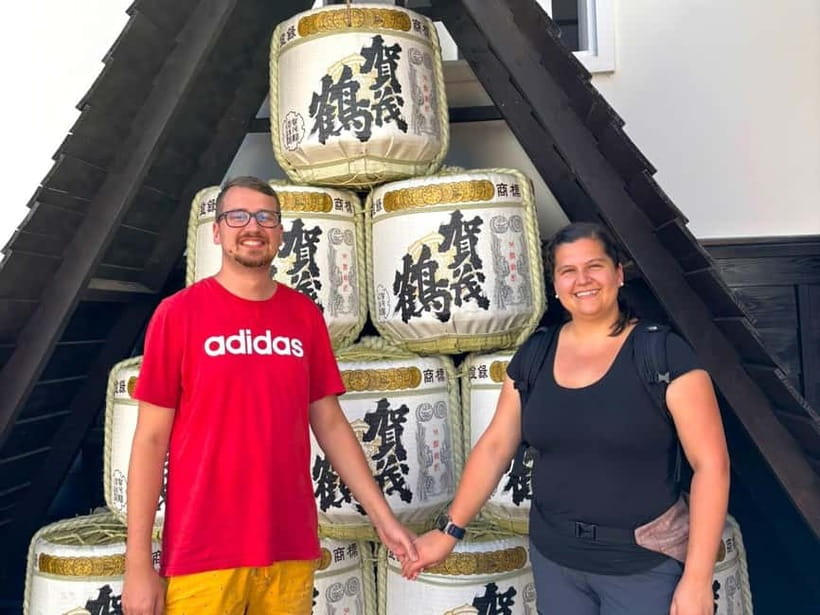
Kamotsuru Brewery is one of the named stops, and it helps set the tone for the day. You receive an introduction to the brewery and taste sake while your guide explains what you are drinking.
The first pour is a useful reference point. Instead of judging every later sake in isolation, you can compare the sweetness, aroma, smoothness, and finish with what came before. Ask your guide to repeat the name of a favorite bottle, since you may want help buying it later.
The stop is brief, about 20 minutes in the schedule. That is enough time for an explanation and tasting, but not enough for a slow technical lesson on every stage of production. If you want a full class on rice polishing, fermentation temperatures, yeast, and storage, this tour is only a beginning.
Kamotsuru also appears again in the listed route, which suggests that parts of the experience may take place around the brewery’s shop, museum, or tasting areas. Do not assume every stop means a separate factory visit. The practical value is the combination of place, explanation, and tasting.
The next six breweries and why comparison matters
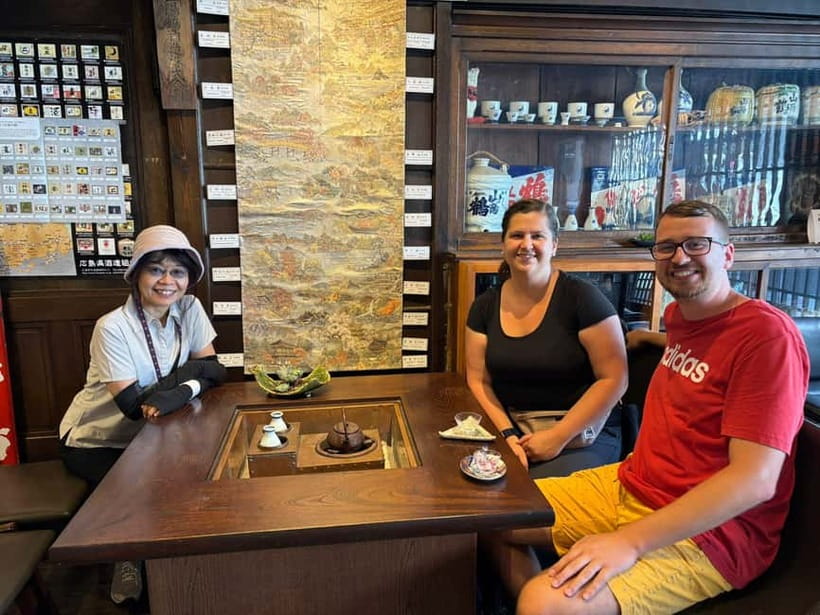
After the first brewery, the tour continues through six more tasting stops. Several are scheduled for only five or ten minutes, so you will need to pay attention. The short format can feel quick, but it lets you sample a broad range without spending the whole afternoon in one building.
At each stop, try to focus on one question. Is this sake sweeter or drier than the last? Does it feel light or full? Is the finish clean, warm, floral, fruity, or difficult to pin down? You do not need expert vocabulary. A simple comparison is enough to help you find your taste.
The brewery visits may include:
- A guided explanation of the brewery or local sake tradition
- A tasting of one or more sake types
- A shop or museum visit
- A brewing video or display
- A chance to ask about bottles and flavors
The exact mix depends on which breweries are operating and what tasting experiences are available that day. This is important. The tour is promoted around seven breweries, but you might visit fewer if some are closed or unavailable. The time spent at each location can also shift.
One useful advantage of the route is variety. A single brewery tasting can leave you thinking you either like sake or do not. Seven stops give you a fairer test. You may dislike one pour and enjoy the next, which is exactly the kind of discovery that makes this format worthwhile.
A few more options to weigh up in Hiroshima
- Peaceful Hiroshima & Miyajima UNESCO 1 Day Bus Tour
★ 5.0 · 5,309 reviews - Hiroshima Peace Memorial Museum Ticket
★ 4.8 · 2,727 reviews - Hiroshima: Hiroshima and Miyajima UNESCO Sites 1-Day Tour
★ 4.9 · 2,330 reviews - Hiroshima Peace Memorial Museum Admission
★ 4.6 · 1,308 reviews
What you may actually see about brewing
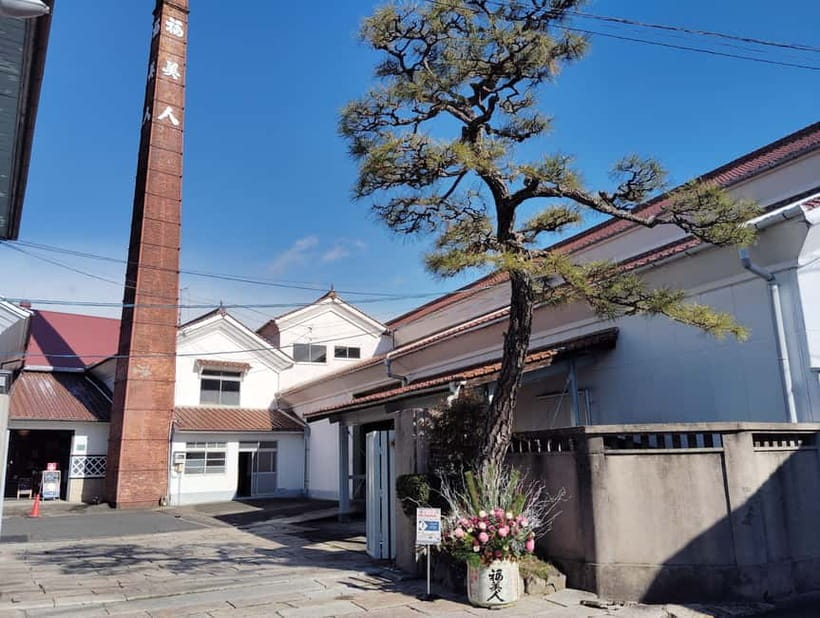
The tour includes an opportunity to learn about sake production, but you should set your expectations carefully. You may not walk through an active production area or watch each stage as it happens.
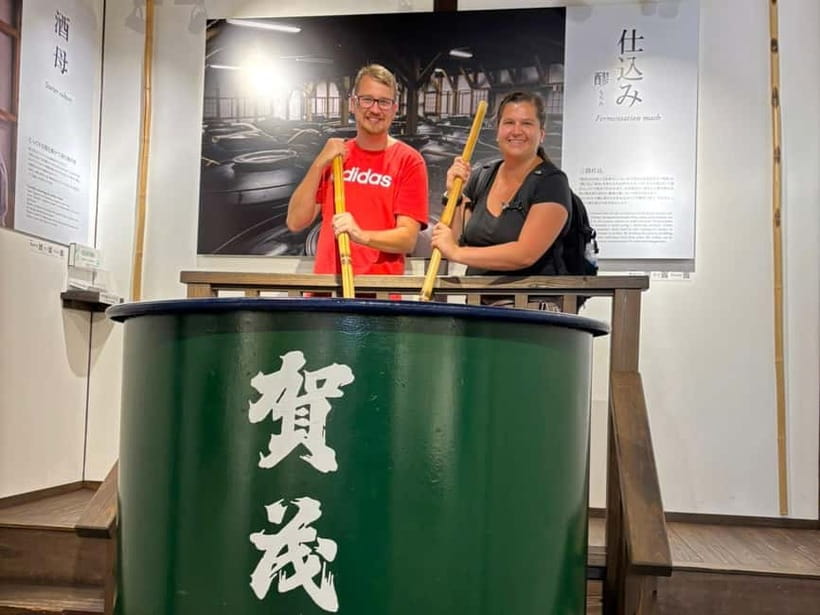
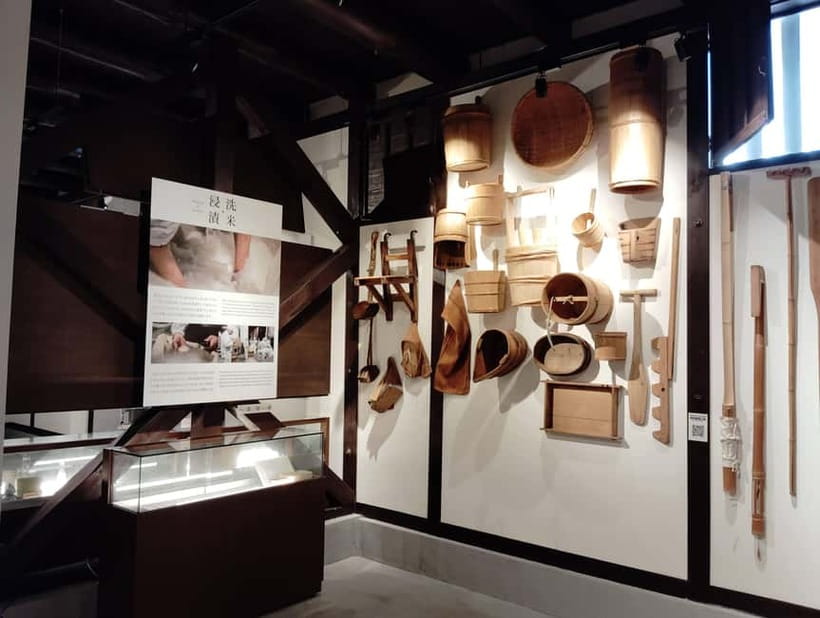
At one stop, the brewing process was presented through a video in a shop or museum setting. That can still be useful, especially when your guide explains the process in plain English, but it is different from seeing tanks, workers, or a live brewing floor.
I see this as the tour’s clearest limitation. The experience is stronger as a tasting walk with cultural context than as a behind-the-scenes factory visit. If your main goal is detailed production access, check what is operating on your date before booking.
The upside is that a guide can connect the technical information to the drink in your glass. You can hear how sake is made, then taste the result and notice how one bottle differs from another. That link between explanation and flavor is more useful than a long lecture alone.
The guides make the difference
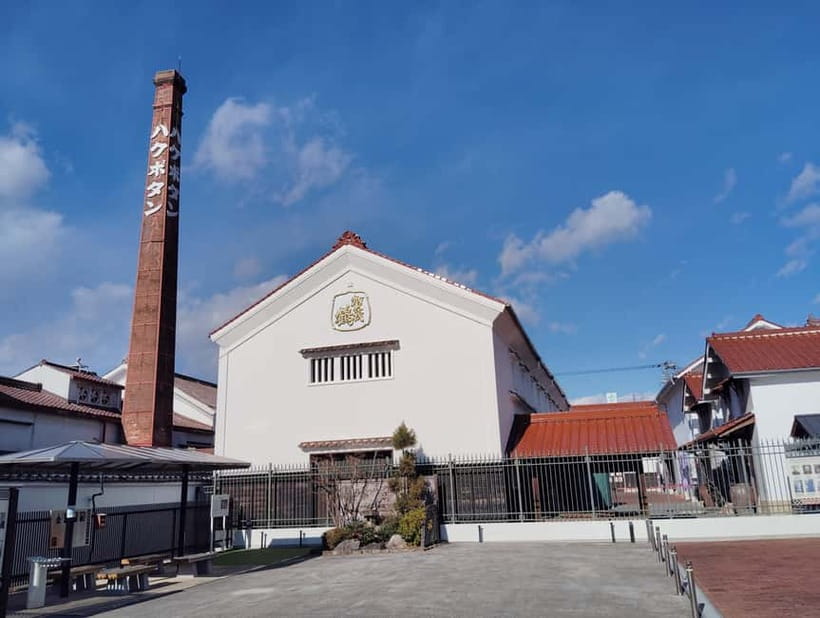
The guide is central to this activity because the brewery stops are short. A good guide keeps the pace moving, explains unfamiliar terms, answers questions, and helps you decide what matters.
Gordon has received especially warm praise for combining sake knowledge with local food, city history, and Japanese culture. He speaks Japanese fluently, which can help when talking with brewery staff or other people along the route. He has also helped visitors choose sake to buy and, on some occasions, continued with food or drinks afterward. That extra help is not a guaranteed part of the tour, but it shows the personal style some groups have experienced.
Ami is described as friendly, funny, and clear when answering questions. She has also adapted the route around a local festival and made the activity work as a rainy-day outing.
Kiyoshi has been praised for explaining brewing methods, flavor profiles, and Saijo’s past in clear English. Ron has helped groups make the most of limited time when brewery opening hours created a scheduling problem.
Guide assignments can change, so you should not book on the assumption that you will receive one particular person. Still, the repeated praise for the guides points to a real strength: this is not designed as an audio guide or self-guided tasting. You have someone who can explain what you are tasting and adjust the conversation to your interests.
How to taste without pretending to be an expert
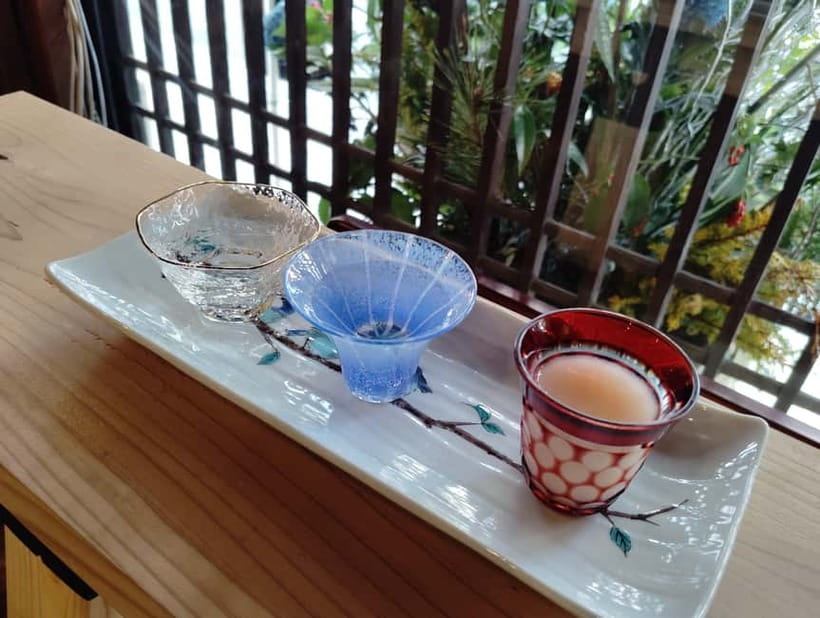
You do not need prior sake experience. In fact, beginners may get the most from the tour because the guide can introduce the basic differences in a natural order.
Start with the smell. You might notice rice, fruit, flowers, or a clean alcoholic note. Then take a small sip and pay attention to the first impression, the middle, and the finish. Is the sweetness soft or sharp? Does the sake disappear quickly, or does it leave warmth behind?
Try not to decide too early. The first sake may taste very different from the last, especially when you compare bottles from different breweries. Water between tastings helps, and a snack gives you a better sense of how the sake works with food.
The local style is gentle enough to suit meals, so ask your guide what kinds of dishes pair well with your favorite pour. The food conversation is one of the better parts of the experience because it moves sake out of the category of a special-occasion drink and into daily Japanese dining.
If you find a bottle you love, ask for the name to be written down or saved on your phone. The spelling of Japanese brewery names can be difficult to remember after several tastings.
Is $90 a fair price for two hours?
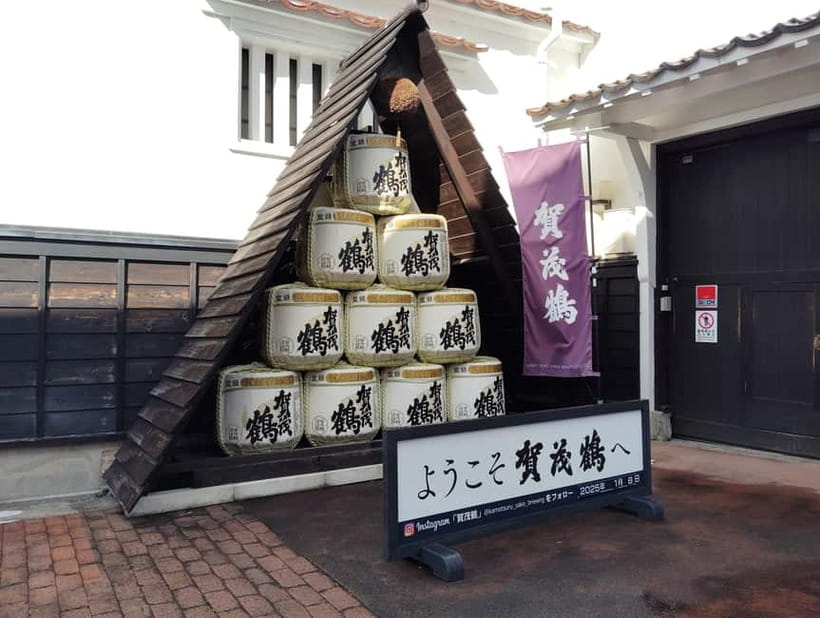
At $90 per person, this is not the cheapest way to taste sake in Saijo. You are paying for more than the liquid in the cups. The price includes a guide, a planned route, visits to multiple breweries, English-language explanations, and the convenience of comparing several producers without arranging the day yourself.
The value is strongest if you are staying in Hiroshima and want a focused half-day outing with local flavor. It is also useful if you would struggle to understand brewery information in Japanese or feel unsure about ordering and buying sake on your own.
The value is weaker if you only want a large number of samples at the lowest possible price. You may be able to visit a brewery shop independently for less, though you would lose the organized route and personal explanation.
Two hours also limits how much you can get for your money. Some stops last only five minutes, so do not picture seven extended tours. Think of it as seven chapters in a short introduction, with tasting at the center.
Free cancellation up to 24 hours before the start and the option to reserve now and pay later reduce the risk of fitting it into a changing Japan itinerary. Check the available start times because the schedule depends on the date.
Who will enjoy this Saijo outing
I would recommend the tour to:
- First-time sake drinkers who want guidance
- Couples and small groups interested in Japanese food and drink
- Visitors based in Hiroshima looking for a local outing
- People who enjoy history and culture alongside tasting
- Anyone who wants help selecting sake to take home
- Groups that prefer a private or small-group format
You should think twice if you want to see every stage of brewing inside an active facility. You should also skip it if you are pregnant, since the activity is not suitable for pregnant women.
This is an alcohol-centered tour, not a general sightseeing walk with one sample at the end. Even if you are eager to try everything, pace yourself. Water, food, and comfortable shoes will make the two hours more pleasant.
Practical details for a smoother visit
Wear comfortable shoes because the experience involves walking between brewery locations. Bring water and a camera, and consider carrying a small snack.
The tour is conducted in English. Private and small-group arrangements are available, which can be useful if you want more time for questions or need the pace adjusted.
The number of breweries is not fixed in practice. Seven is the intended route, but brewery opening hours and available tastings can change. A festival, weather, or timing issue may also affect the order and length of stops.
The tour returns to Saijo Station, which keeps the route simple. If you plan to continue with dinner, leave yourself some flexibility. Guides have helped people find local food, including okonomiyaki, but any meal or extra time afterward should be treated as separate from the two-hour activity.
Should you book the Saijo sake tour?
Book it if you want an easy, social introduction to Hiroshima-area sake and care about the stories behind the drink. The strongest parts are the range of tastings, the walk through Saijo’s brewery district, and guides who can connect sake with food, history, and local life.
Do not book it expecting seven full brewery tours or guaranteed access to working production rooms. You may watch a video or visit a shop and museum instead. At $90, the tour makes the most sense for people who value a guide, English explanations, and a well-organized comparison of local sake more than the lowest tasting cost.
Come with food in your stomach, drink water, and keep your favorite bottle in mind. If you find one, the guide may be able to help you track it down before you leave.
FAQ
Where does the tour meet?
The meeting point is in front of the ticket gate at Saijo Station. The guide will hold a yellow sign with the DeepExperience logo.
How long does the tour last?
The tour lasts two hours and returns to Saijo Station.
How many breweries will I visit?
The tour is designed to visit seven sake breweries. The actual number can vary depending on brewery operating conditions and the tasting options available that day.
Is the tour conducted in English?
Yes. The tour has a live English-speaking guide.
Are tastings included in the price?
Yes. The activity includes guided sake tastings and tastings of different sake types at multiple breweries.
Can I join a private or small group?
Yes. Private and small-group options are available.
What should I bring?
Bring comfortable shoes, a camera, and water. It is also sensible to eat beforehand and carry a snack because the tour includes several sake tastings.
Just added in Hiroshima
- Hiroshima Peace Memorial Museum Ticket★ 4.8 · 2,727 reviews
- Hiroshima Peace Memorial Museum Admission★ 4.6 · 1,308 reviews
- Private Full Day Hiroshima Tour★ 4.5 · 29 reviews
- The Peace Memorial to Miyajima : Icons of Peace and Beauty★ 4.5 · 31 reviews
- Shore Excursion from Hiroshima Port : Private Tour in Hiroshima★ 5.0 · 17 reviews
- Hiroshima & Miyajima All-Inclusive Tour w/Licensed guide Pancho★ 5.0 · 54 reviews
- Hiroshima Country Cycling: Explore Rural Life 1 HR from City★ 5.0 · 22 reviews
- Hiroshima Saijo Sake Tasting Tour with visit to 7 Breweries★ 5.0 · 104 reviews
Sake Tastings, compared.
3-Hour Kyoto Insider Sake Brewery Tour with Tastings & Pairings
Read our review →
Arashiyama Bamboo, Temple, Monkeys, or Secret Sake Brewery
Read our review →
Insider Sake Brewery Tour with Sake and Food Pairing
Read our review →
1.5-Hour Kyoto Insider Sake Experience with 7 Tastings & Pairings
Read our review →
Sake Tasting Masterclass in Shinjuku (8+ Varieties with a Pro)
Read our review →
Insider Sake Experience with 7 Tastings and Snacks
Read our review →
Private Tea Ceremony and Sake Tasting in Kyoto Samurai House
Read our review →Browse the lists this tour appears in