
Reviewed · WALKING TOURS
Historical Walking Tour of Niigata Port Town
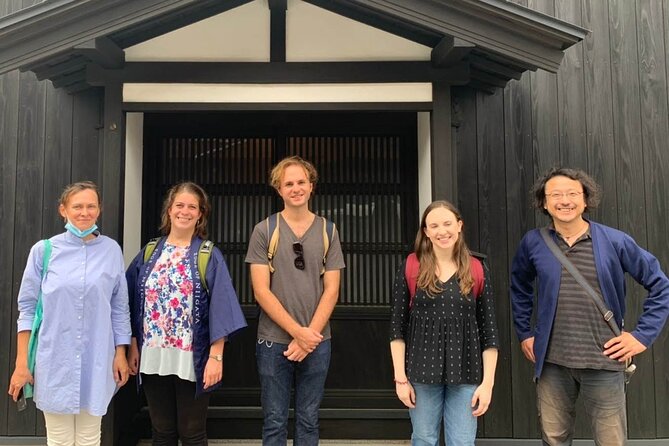
Niigata’s past is written in wood and stone. This private 3.5-hour walk explores the old port town through the Old Saito Residence, the Former Ozawa Family Estate, and Minato Inari Shrine. I like the personal format, with a maximum of 10 people, and the way the tour links Japanese homes to Niigata’s days as an international trading port.
I also like the guides’ focus on stories, not just buildings. Isabella has been praised for her clear explanations and engaging style, while Jenya has shared useful details about merchants, geisha, and daily life. The main drawback is getting to the start: cruise passengers may face a long, costly taxi ride if their ship docks at a different port.
In This Review
- Five things to know before you book
- Why Niigata’s port-town story matters
- Entering the Old Saito Residence
- Reading the Former Ozawa Family Estate
- A short visit to Minato Inari Shrine
- The guides make the difference
- Is $52.55 good value?
- Getting to the start without a bad surprise
- Who will enjoy this walk most?
- Final verdict: book it if the port story interests you
- FAQ
- Where does the tour start?
- Where does the tour end?
- How long does the experience last?
- How much does the tour cost?
- Is the tour private?
- Which historic buildings will I visit?
- Is admission included?
- Is transportation included?
- Are food and drinks included?
- Can I cancel for a full refund?
Five things to know before you book
- The Old Saito Residence is the centerpiece: Expect a more than 100-year-old home, carefully arranged rooms, and a garden that feels far removed from the nearby shopping district.
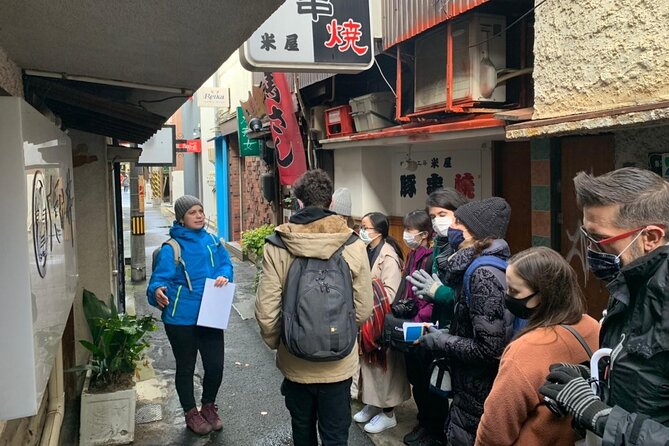
- The tour is private and small: With no more than 10 participants, your guide can adjust the pace to suit your group.
- Niigata’s port past shapes the entire walk: The tour explains how foreign ships, sailors, trade, and Western influence affected the city in the 1800s.
- You visit two merchant residences: The Saito and Ozawa homes show different sides of old Niigata’s prosperous merchant class.
- The finish is flexible: After the final historic building, you may stay for green tea and sweets or walk toward Furumachi, where buses run regularly.
Why Niigata’s port-town story matters
Niigata is easy to overlook when planning a Japan trip. Tokyo, Kyoto, and Kanazawa usually take the spotlight. Yet Niigata’s position on the Sea of Japan gave it a different role, and this tour helps you see that role through surviving buildings rather than a museum display alone.
In the 1800s, ships arrived from many parts of the world to trade. Sailors passed through the city, and Niigata developed a blend of Japanese and Western influences. Your guide uses the old residences and shrine to explain how that contact affected architecture, commerce, religion, and social life.
That context makes the tour more useful than a simple walk past attractive houses. You learn to look at the layout of a merchant home, the garden’s design, and the practical changes made over time. The buildings become evidence of how people lived and worked.
I especially like that the experience is not limited to famous sights. The guide adds cultural details, including stories about geisha and the local geigi tradition. One particularly memorable possibility is a chance encounter with a local geisha, though that should be viewed as luck, not a promised part of the tour.
More Walking Tours in Japan:
- Kyoto Geisha Walking Tour: Gion District & Hidden Gems
★ 4.7 · 3,273 reviews - Tokyo Tsukiji Fish Market Food and Culture Walking Tour
★ 5.0 · 3,184 reviews - Kyoto: Gion Magical Night Walking Tour with Geisha Trivia
★ 4.9 · 2,393 reviews
Entering the Old Saito Residence
The Old Saito Residence receives about 40 minutes, the longest scheduled stop. That is sensible. This is the place where the tour’s themes come together most clearly.
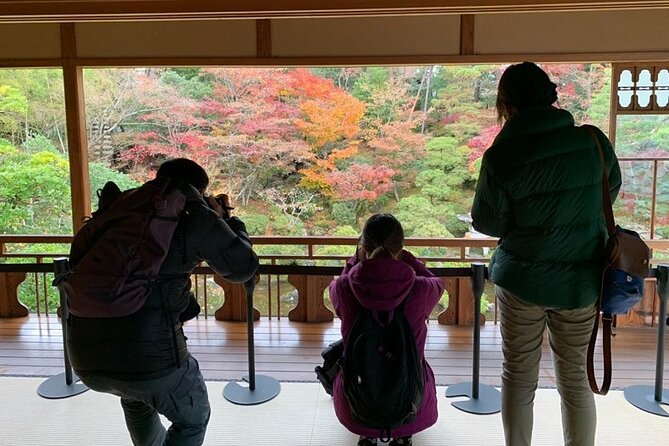
The house is more than 100 years old and includes a carefully maintained garden. Its location creates a pleasing contrast: you are only about a 10-minute walk from Niigata’s busy shopping area, yet the garden can make the city feel distant and quiet.
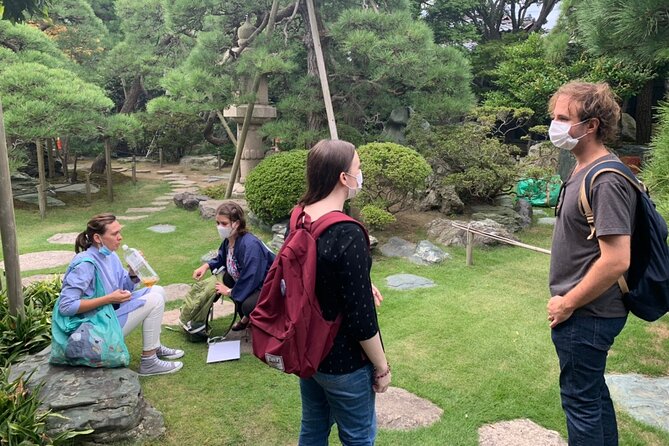
I would pay close attention to the relationship between the building and the garden. In a traditional Japanese residence, the garden is not simply a patch of greenery outside. Its arrangement helps shape the mood of the rooms and the way the house is experienced. Your guide can give meaning to details you might otherwise pass without noticing.
The Saito home also gives you a sense of merchant wealth. The tour is not just about grand design. It shows how a successful local family created a home that was both refined and comfortable, with space for family life, business, receiving visitors, and seasonal enjoyment.
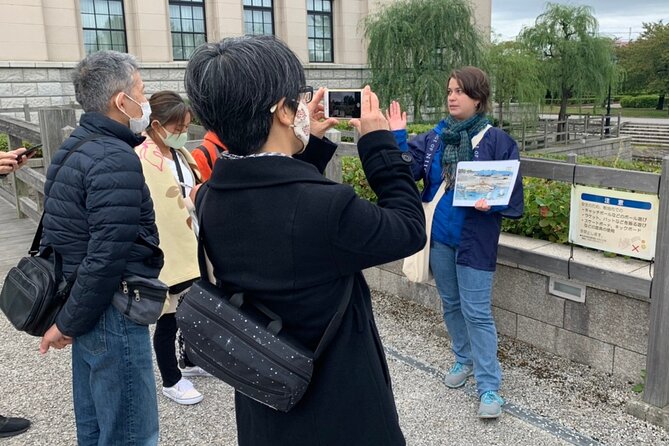
This stop is also a good reason to choose a private tour rather than a rushed group outing. You can ask why certain rooms are arranged as they are, how the garden relates to the house, or what the residence tells you about Niigata’s merchant class. Guides such as Isabella have been praised for explaining these points in an accessible way.
After the formal visit, you may be able to remain in the building for green tea and sweets. The supplied details do not state that refreshments are included in the $52.55 price, so treat this as an option to confirm rather than a guaranteed part of the package.
Reading the Former Ozawa Family Estate
The Former Ozawa Family Estate adds a different layer to the tour. The building dates from the 1860s and remained occupied until 2005. That long span gives you a rare chance to see how an old Japanese home changed across generations.
Some original features remain, but the house also includes modern updates. This mix is valuable because it prevents the visit from becoming a frozen picture of the past. You see an older residence that continued to function as a home and adapted to changing needs.
The stop lasts about 30 minutes. That is enough time for a guided look, though anyone who enjoys architecture may wish it were longer. The private format helps here because you can focus your questions on construction, family life, or the changes made to keep the home usable.
I find the Ozawa residence especially useful beside the Saito home. One shows a more polished merchant residence with a notable garden. The other helps you understand continuity. Old houses were not always preserved as monuments from the beginning. Some remained part of everyday life, with modernizations added as families needed them.
Your guide can also connect the house to Niigata’s wider port economy. Merchant homes make more sense once you know that the city handled trade and received sailors from abroad. The buildings reflect not just taste, but money, work, family status, and contact with a wider world.
A short visit to Minato Inari Shrine
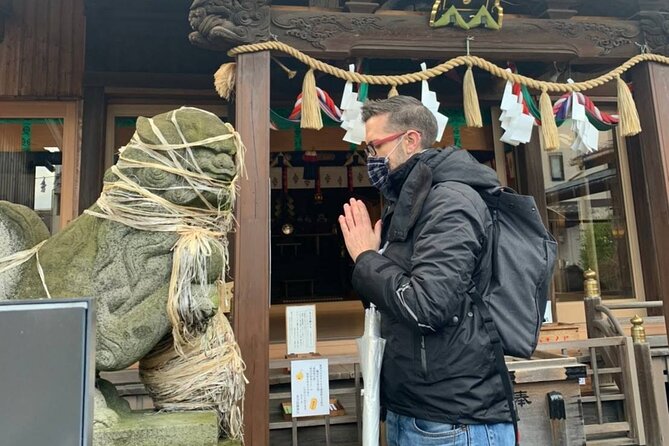
Minato Inari Shrine is scheduled for about 10 minutes, and it is a compact stop rather than a long temple visit. Admission is free.
The shrine is traditional in appearance but has surprising features and an interesting history. The short visit works best as a change of pace after the residences. You move from private homes and gardens to a religious site connected with the life of the port town.
Ten minutes may feel brief if you want extensive time for photographs or detailed religious explanations. Still, a good guide can use the stop to show how local beliefs fit into the city’s commercial and maritime life.
This is also a place where questions matter. Ask your guide what makes the shrine unusual and how it relates to Niigata’s port traditions. The supplied information does not specify the unusual features, so I would not arrive expecting a particular ritual or object. The value comes from having the guide explain what you are seeing on site.
A completely different kind of day out:
- Tokyo Disney Resort – Tokyo Disneyland & Tokyo DisneySea Park Tickets
★ 4.8 · 99,488 reviews - Universal Studios Japan Studio Pass
★ 4.8 · 89,883 reviews - Universal Studios Japan Express Pass
★ 4.7 · 53,138 reviews - SHIBUYA SKY Ticket
★ 4.7 · 46,509 reviews
The guides make the difference
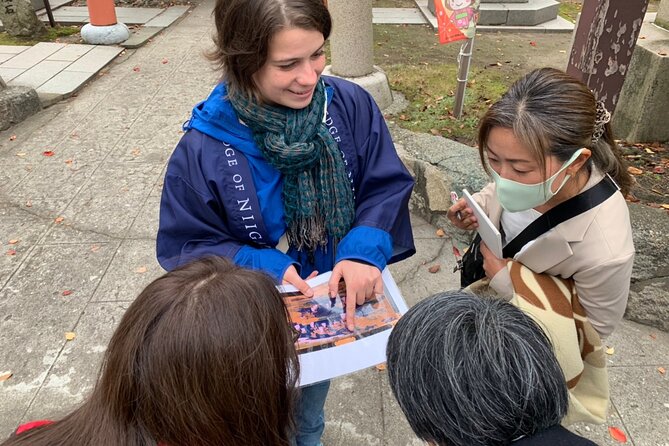
This experience depends heavily on the person leading it. The strongest praise has gone to Isabella and Jenya, both of whom are described as warm, clear, and full of local information.
Isabella has been credited with giving a detailed account of Niigata as a port town while keeping the walk engaging. She has also explained Japanese cultural details, including geisha traditions. Jenya has been praised for connecting Niigata’s local story with the wider country and for discussing the merchant class.
That kind of guidance matters in Niigata. The sights are meaningful, but they do not always explain themselves. A garden can look beautiful without revealing its social purpose. An old house can seem well preserved without showing how its owners lived. A shrine can appear familiar without explaining its particular connection to the port.
I also like that the guide can adjust the walking pace. One account specifically praised the ability to slow down or adapt to the group. That is useful for anyone who wants time for photographs, needs a gentler pace, or prefers more conversation at each stop.
The tour is not limited to dates and architectural terms. Isabella has also shared stories while walking between sites, including information about life in Japan today. If you are more interested in how people live than in a checklist of monuments, that added conversation could be a major strength.
Is $52.55 good value?
At $52.55 per person, the price is reasonable if you value a private guide and want interpretation at several historic sites. Admission fees and taxes are included, and the experience lasts roughly three and a half hours.
You are paying for more than entry to the Old Saito Residence and Former Ozawa Family Estate. You are also paying for a guide who can connect the buildings, the port, merchant life, Japanese culture, and modern Niigata. For a small private group, that can be better value than visiting the same places alone and missing the background.
The price is less attractive if you mainly want a quick look at old houses. The scheduled visits total about 80 minutes, with the rest of the time used for walking, explanations, and moving through the old port area. That slower pace is part of the point, but it may not suit someone who wants a packed sightseeing schedule.
The tour does not include bottled water or masks. Bring your own water, particularly if the weather is warm. The experience depends on suitable weather, so poor conditions can lead to a different date or a full refund.
Getting to the start without a bad surprise
The meeting point is at 2-chōme-10 Yanagishimachō, Chuo Ward, Niigata. The walk ends at 576 Nishiōhatachō, Chuo Ward, Niigata. The end point is useful because you can remain at the final building for tea and sweets or make your way toward Furumachi, where buses run regularly.
Public transportation is nearby, but you should check the route carefully before booking. This is especially important if you arrive by cruise ship. One booking party missed the tour after discovering that their ship docked at a different port, with limited transport choices and a journey of almost an hour to the meeting point. Another account also described a long and expensive taxi ride from the ship.
Do not assume that the cruise dock and the tour’s starting point are close. Confirm your ship’s exact berth, allow plenty of time, and contact the operator if you need help planning the transfer. The provider says it can assist with onward travel after the tour as well.
The start and end points are different, which is helpful for exploring more of Niigata. It also means you should not plan to leave a bag or vehicle at the starting point unless you have confirmed arrangements.
Who will enjoy this walk most?
I would recommend this experience to you if you like local history, traditional architecture, gardens, and small-group guiding. It is particularly useful if you have already seen Japan’s major temple and shrine sights and want a clearer picture of merchant life in a less internationally famous city.
It also suits cruise passengers who can arrange transport without pressure. The three-and-a-half-hour length gives you a substantial look at Niigata, but the transfer time from the port must be part of your planning.
Families and mixed-age groups may appreciate the adjustable pace, although the supplied details do not describe a specific child program. Anyone who prefers a quiet, story-led walk should find the format appealing.
You may want to skip it if you dislike historic interiors, have very little time in Niigata, or mainly want food, shopping, or modern city life. The tour does include stories about life in Japan today, but its main focus is the old port town and its historic landmarks.
Weather is another practical factor. The experience requires good conditions, so bring suitable clothing and avoid building a tight, unchangeable schedule around it.
Final verdict: book it if the port story interests you
I would book this tour if you want Niigata to make sense, not simply fill a few hours. The Old Saito Residence provides the visual pleasure, the Ozawa estate shows how old homes changed over time, and Minato Inari Shrine adds a religious and port-town note.
The best reason to go is the guide. Isabella and Jenya have been praised for making the history clear, adding cultural details, and adjusting the pace. The biggest caution is transport from a cruise ship, not the sightseeing itself.
Book it if you value a private, guided experience and can reach the meeting point reliably. Skip it if your schedule is too tight or if you want a self-guided stroll with no fixed start. For the right visitor, $52.55 buys a thoughtful introduction to a side of Japan that many itineraries miss.
FAQ
Where does the tour start?
The tour starts at 2-chōme-10 Yanagishimachō, Chuo Ward, Niigata, 951-8013, Japan.
Where does the tour end?
It ends at 576 Nishiōhatachō, Chuo Ward, Niigata, 951-8104, Japan.
How long does the experience last?
The walking tour lasts approximately 3 hours and 30 minutes.
How much does the tour cost?
The listed price is $52.55 per person.
Is the tour private?
Yes. It is described as a private tour, with a maximum of 10 participants.
Which historic buildings will I visit?
You will visit the Old Saito Residence and the Former Ozawa Family Estate.
Is admission included?
Admission to the Old Saito Residence is included, and admission to the Former Ozawa Family Estate is included. Minato Inari Shrine has no admission charge.
Is transportation included?
Transportation to and from the meeting points is not listed as included. The tour is near public transportation, and cruise passengers should arrange their own transfer to the starting point.
Are food and drinks included?
Bottled water is not included. After the tour, you may be able to stay at the final building for green tea and sweets, but the supplied details do not confirm that this is included in the price.
Can I cancel for a full refund?
Yes, if you cancel at least 24 hours before the local start time. Cancellations or changes made less than 24 hours before the start are not refundable. If poor weather causes the operator to cancel, you will be offered another date or a full refund.
Just added in Japan
- A One-of-a-Kind Sushi Experience in a Special Place of Japan★ 5.0 · 15 reviews
- Tokyo Cute Bento Cooking Class – Make a Kawaii Character Lunchbox★ 5.0 · 126 reviews
- Japanese Home Cooking Class & Walk in Todoroki Temple Tokyo★ 5.0 · 88 reviews
- Japan Tokyo Tower Observatory Deck E-Ticket★ 4.0 · 34 reviews
- Catch a Baseball Game in Tokyo with a Local – Tickets Included★ 5.0 · 24 reviews
- JDM Experience with Fast&Furious RX-7 (English speaking Driver)★ 5.0 · 57 reviews
- Tokyo Private Day Tour by Car with English speaking Driver Guide★ 4.0 · 29 reviews
- Japan Classic 10 Day – One Life Adventures★ 5.0 · 129 reviews
Walking Tours, compared.
Kyoto Geisha Walking Tour: Gion District & Hidden Gems
Read our review →
Tokyo Tsukiji Fish Market Food and Culture Walking Tour
Read our review →
Gion Magical Night Walking Tour with Geisha Trivia
Read our review →
Imperial Palace and Shogun Historical Walking Tour
Read our review →
Gion Geisha District Walking Tour – Stories of Geisha
Read our review →

Shinjuku Local Bar and Izakaya Guided Walking Tour
Read our review →
Browse the lists this tour appears in