
Reviewed · MULTI-DAY TOURS
Japan Adventure 13 Day by INTRO Travel – Reviews & Prices
Tokyo’s neon streets give way to mountain hot springs, a Buddhist temple stay, and Kyoto’s shrine paths on this 13-day trip. It’s a fast, varied way to see Japan’s big-city energy and its quieter traditions without planning every train and hotel yourself.
I like two things in particular: the unusual cultural activities, from sushi-making to a morning prayer and fire ceremony, and the way the route mixes cities with Nagano and Koyasan. One important consideration: this is a youth group tour for ages 18 to 49, with shared rooms and a busy schedule, not a private or slow-paced Japan holiday.
In This Review
- At a glance: Tokyo to Kyoto in 13 days
- What the price covers, and what it does not
- Tokyo: temples, crossing lights, and a sushi lesson
- Nagano: ryokan comforts, hot springs, and macaques
- Hakone and Osaka: Fuji views, castles, and food
- Koyasan: a temple night and an early start
- Kyoto: Gion, bamboo, and the final sword lesson
- Group style, guide support, and who will enjoy it
- Should you book this Japan tour?
- FAQ
- What is the tour price, and what does it include?
- Are airport transfers included?
- What kind of accommodation should I expect?
- Can I book a private room?
- What is the age limit?
- What meals are included?
- Is the tour guided in English?
- Is the snow monkey visit the same in every season?
At a glance: Tokyo to Kyoto in 13 days
- Sushi in Tokyo, soba in Nagano: Learn to prepare two Japanese staples with instructors.
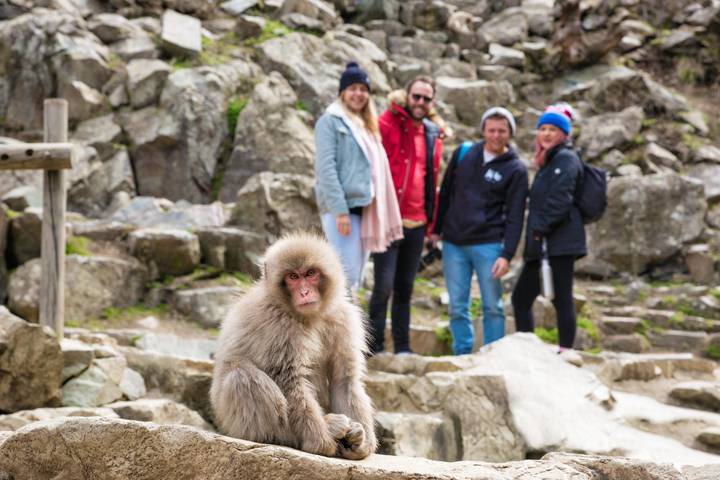
- Snow monkeys in the mountains: Visit Jigokudani, where macaques may play among the trees or soak in hot springs, depending on the season.
- A night in Koyasan: Stay at a Buddhist temple, join a meditation session, and take an evening walk through a large cemetery.
- Samurai sword techniques: A master leads the Kyoto session on traditional sword skills.
- Shared accommodation and group travel: Expect hostel-style rooms, generally shared with other group members, and transport arranged along the route.
What the price covers, and what it does not
The tour starts at $3,349, based on the cheapest shared-room option. For that price, you get 12 nights of accommodation, an English-speaking group leader, transport during the tour, and a full set of planned activities. The Shinkansen, or bullet train, is part of the route, as are buses, local trains, subways, and cable cars.
That arrangement can be good value if you want Japan’s transport and activity planning handled for you. A group leader can help you move between stations and cities, offer ideas during free time, and assist with onward travel. You also get activities that would take time to arrange independently, including the temple stay and the lessons in sushi, origami, soba-making, and samurai technique.
But the price is not an all-inclusive holiday bill. Flights, travel insurance, airport transfers, snacks, drinks, most meals, and optional activities are extra. The listed meals include 12 breakfasts, two lunches, and two dinners, while the remaining meals are left open so you can choose where and what to eat. Budget for those meals and personal spending on top of the tour price.
Accommodation is shared, with quad-share rooms listed in Tokyo, Nagano, Hakone, and Osaka, and twin or double sharing in Kyoto. The Koyasan night is also shared. A single supplement is not available as a standard option, although private rooms may sometimes be arranged at some stops if you ask about availability. Hakone is specifically listed as a place where a private room cannot be arranged. Sharing the room in Nagano and Koyasan is part of the traditional accommodation experience, so consider that before booking.
A few more options to weigh up in Tokyo
- Tokyo Disney Resort – Tokyo Disneyland & Tokyo DisneySea Park Tickets
★ 4.8 · 99,488 reviews - SHIBUYA SKY Ticket
★ 4.7 · 46,509 reviews - JR Whole Japan Rail Pass
★ 4.8 · 29,150 reviews
Tokyo: temples, crossing lights, and a sushi lesson
Your first day is for arrival, check-in, and recovering from the flight. No sightseeing is scheduled until the group gets together in the evening, so try to arrive with enough time to find the accommodation and settle in. Airport pickup is not included, though the tour provides instructions for reaching the starting hotel.
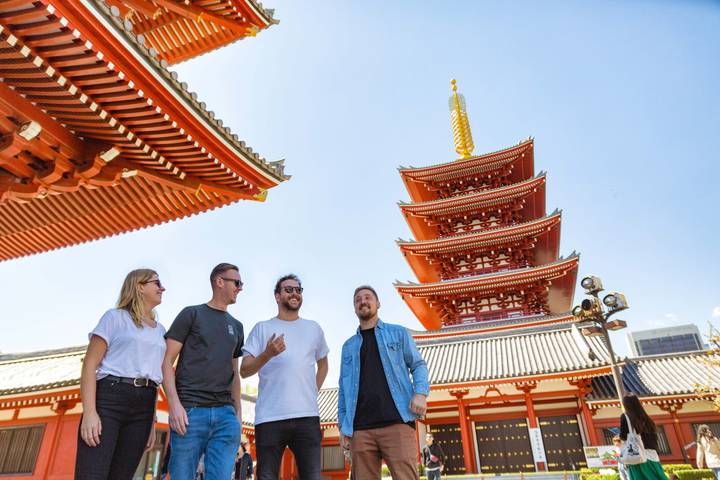
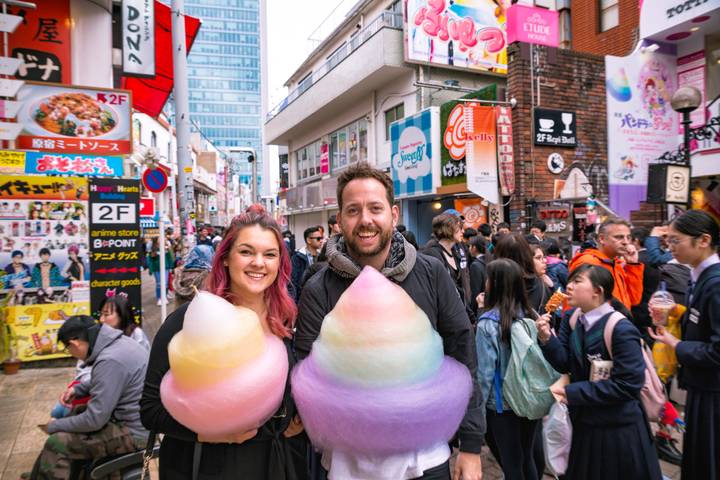
On day two, the group visits Senso-ji, Tokyo’s oldest Buddhist temple, then Meiji Shrine, a major Shinto site. The contrast helps you see two strands of Japanese religious life in one day. Harajuku brings a change of pace, followed by Shibuya Crossing and an evening in Shinjuku, where the plan includes nightlife and karaoke bars. You’ll get an introduction to famous Tokyo sights, but this is a sampler, not enough time to explore the city in depth.
Day three starts with a sushi-rolling class. Afterward, you have free time before visiting Akihabara, the district known for arcades, game centres, photo booths, and maid cafes. You can join in or use the open time to follow your own interests. Tokyo is enormous, and those unstructured hours are useful if you want to revisit a neighbourhood or simply take a break from the group pace.
Nagano: ryokan comforts, hot springs, and macaques
On day four, you take the Shinkansen from Tokyo to Nagano. The train ride is a highlight in itself, but the value is practical too: Japan’s rail network makes long distances manageable without the group needing a private vehicle. In Nagano, the programme includes an origami session, a volcanic hot spring, and a night in a traditional ryokan with tatami mats and futon bedding.
The ryokan is a change from city hostels, and the onsen gives you a chance to slow down after travel. Follow the bathing instructions provided by the accommodation or group leader, and remember that hot springs are a shared bathing experience. If that setting feels outside your comfort zone, ask about the facilities before departure.
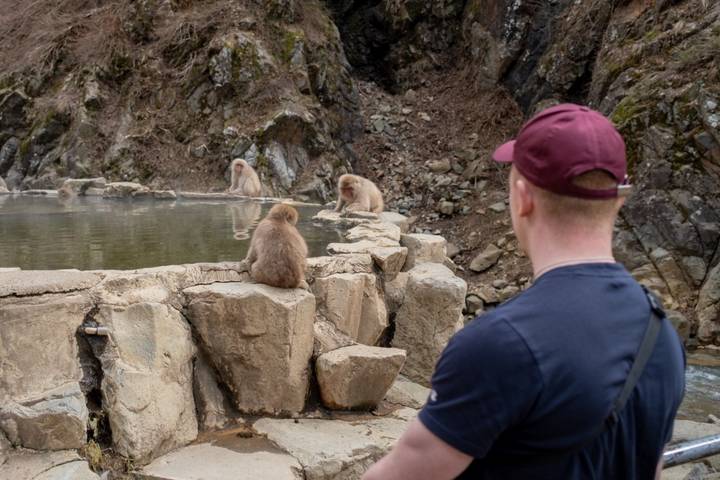
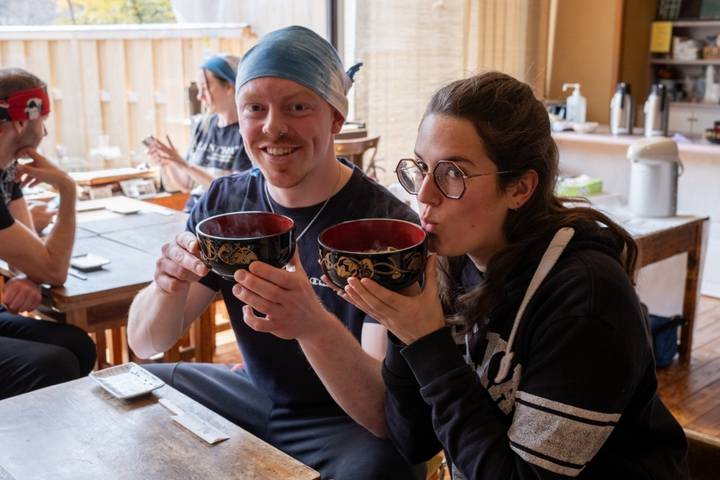
Day five pairs a soba noodle-making lesson with a trip to see the snow monkeys at Jigokudani. In winter, Japanese macaques are known to warm themselves in the natural hot springs; in warmer months, you may see them moving through the trees instead. The animals are not a guaranteed photo pose, so enjoy the walk and the mountain setting rather than expecting a staged encounter.
Shiga Kogen National Park is included in summer, when the day also takes in lakes and forest. The park visit is seasonal, so the precise feel of this stop changes over the year. Nagano is one of the tour’s strongest contrasts with Tokyo: a more rural setting, traditional lodging, and time outdoors.
Hakone and Osaka: Fuji views, castles, and food
Day six is mainly a travel day from Nagano to Hakone by train. Hakone is known for views of Mount Fuji, but the mountain is weather dependent. Keep your expectations flexible: cloud cover can hide Fuji, and the trip is still worthwhile for its mountain setting and transport experiences.
The following morning, the group takes a cruise on Lake Ashi aboard a pirate-themed boat and rides a cable car. On a clear day, these offer views toward Mount Fuji. Later, you travel to Osaka, where the evening includes a barbecue dinner and karaoke. This is one of the longer movement days, so pack a small day bag with anything you want handy during the transfer.
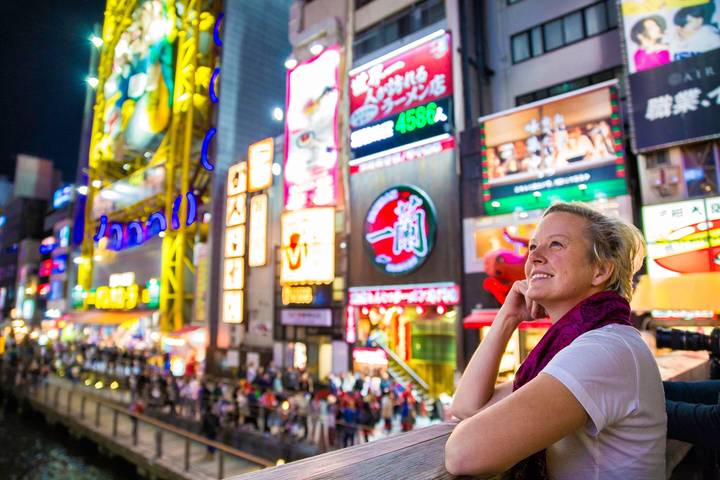
Day eight gives you a free morning for shopping or a rest before a visit to Osaka Castle. The castle was first built more than 400 years ago and provides a useful introduction to samurai-era history. The visit is followed by Dotonbori, the canal district known for its food scene. This is a good place to choose dinner for yourself, since most meals are not included and Osaka is a rewarding city for eating.
The schedule aims for variety, but the pace means you will only get a taste of each city. If you have a particular Osaka restaurant or museum in mind, use the free time to plan ahead rather than assuming the group schedule will leave room for it.
A completely different kind of day out:
- Mt Fuji and Hakone 1-Day Bus Tour Return by Bullet Train
★ 5.0 · 26,383 reviews - TOKYO SKYTREE® Ticket
★ 4.7 · 25,136 reviews - teamLab Borderless Tickets: MORI Building DIGITAL ART MUSEUM
★ 4.7 · 24,126 reviews - teamLab Planets TOKYO Ticket
★ 4.7 · 21,663 reviews
Koyasan: a temple night and an early start
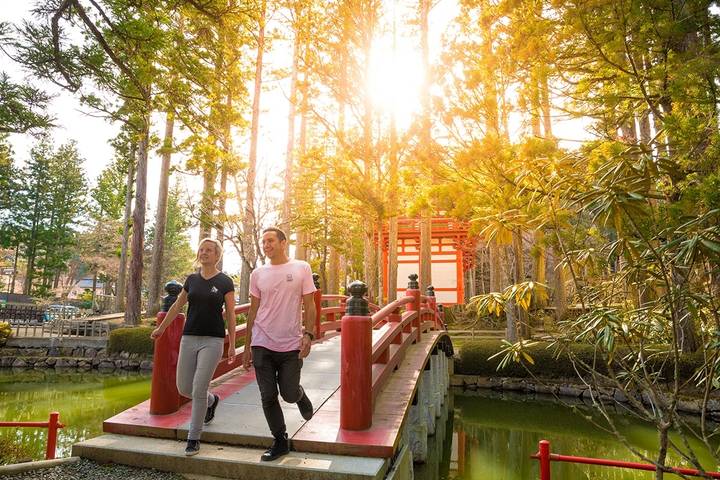
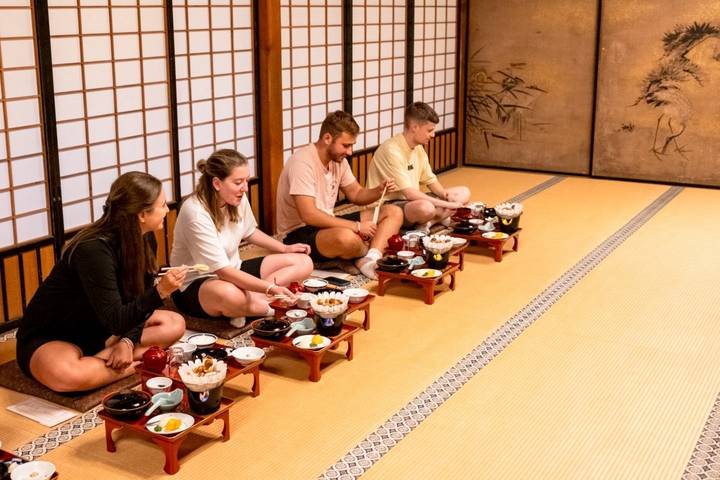
From Osaka, you head into the mountains to Koyasan. The overnight temple stay is among the most distinctive parts of the trip: monks introduce meditation, serve traditional Buddhist cuisine, and lead the group through temple customs. An evening walk through Japan’s largest cemetery adds a quieter, more contemplative turn to a trip that otherwise includes plenty of city lights and group nights out.
This is a shared stay, and the room arrangements and facilities may feel simpler than a standard hotel. That is part of the point: the setting gives you a chance to experience a form of temple hospitality that is quite different from a hostel. Approach the meal and customs with curiosity, and follow your leader’s guidance about respectful behaviour.
The next morning starts early with Buddhist prayers and a fire ceremony, followed by breakfast served by the monks. You then travel to Kyoto. The early hour is worth noting if you are not a morning person, but it gives the temple stay a sense of purpose rather than reducing it to a night in an unusual building.
Kyoto: Gion, bamboo, and the final sword lesson
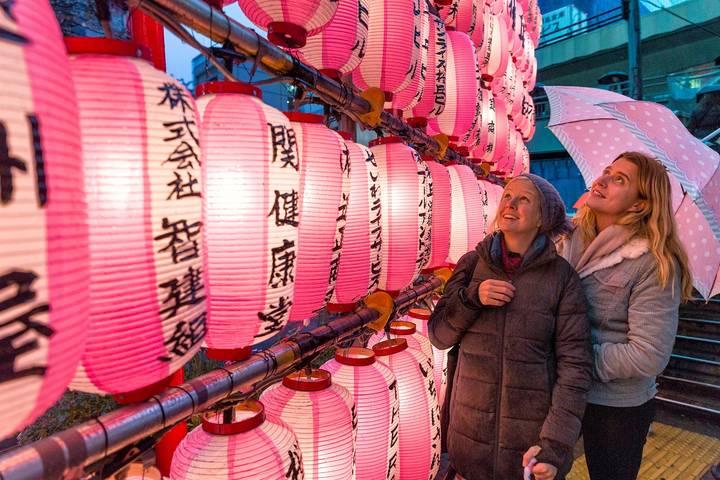
In Kyoto, the evening walking tour visits Gion, the city’s historic geisha district. It offers context for the district and its traditions, rather than simply a chance to wander through streets with a camera. Keep in mind that this is a living neighbourhood, so respectful behaviour and photography matter.
Day eleven takes you to Arashiyama’s Bamboo Forest and Kinkakuji, the Golden Pavilion. Both are major sights, and they are popular for good reason: the bamboo grove feels unlike the city centre, while the pavilion’s architecture and setting make it a memorable temple visit. Expect company at well-known landmarks, especially in busy travel periods. The evening is free for sushi, a bar, bowling, or arcade games with the group.
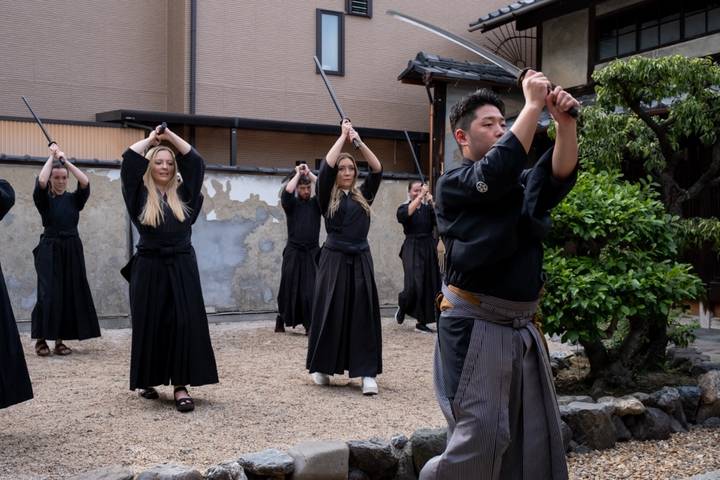
On day twelve, Fushimi Inari’s trails lead through rows of red torii gates up the mountain. You do not need to walk the entire route to appreciate the shrine, but comfortable shoes will help if you want to go farther. In the afternoon, a samurai master teaches sword techniques. It is a hands-on cultural activity, not a substitute for a history course, but it gives you a practical connection to an iconic Japanese tradition.
The final group dinner and drinks mark the end of the organised trip. Day thirteen is check-out and onward travel, with no set departure time. You can head home or stay longer in Kyoto, but arrange any extra accommodation yourself.
Group style, guide support, and who will enjoy it
The group size is listed as 4 to 16, and tours are guided in English. INTRO Travel’s tours are designed for ages 18 to 49, with group members often in their twenties and thirties. That age limit is about the intended group style, not a fitness test. The listed physical rating is low intensity, though you should expect walking at sights, station transfers, and a few early starts.
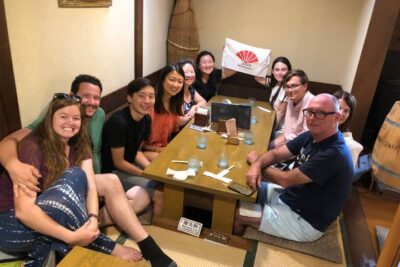
The leader is central to the experience. Past groups have named guides including Charlie, Becca, and Lachie, among others, but your assigned leader will depend on your departure. The guide category is rated 5.0 out of 5, and accounts of the tour repeatedly point to leaders helping with transport, sharing food recommendations, bringing the group together, and assisting with onward travel. That support is particularly useful if you are travelling solo or feel unsure about navigating Japan’s rail system.
The wider trade-off is freedom versus convenience. You get planned activities and transport, but free time is limited and the route is fixed. If you prefer to choose every hotel, linger in one city, or travel with a private group, this format may feel restrictive. The operator says its tours are 100% carbon neutral, a useful point for travellers weighing the environmental side of a multi-stop trip.
Should you book this Japan tour?
Book it if you want a lively introduction to Japan, are comfortable sharing rooms, and like having a group leader manage the logistics. The combination of Tokyo, Nagano, Hakone, Osaka, Koyasan, and Kyoto delivers a broad range of experiences in under two weeks, with the temple night, snow monkeys, and samurai lesson giving the route more character than a city-only highlights trip.
Think twice if you are over 49, need a private room throughout, want a slow itinerary, or would rather spend more time in fewer places. Before paying, check the current room arrangements and what is included for your departure, then budget separately for flights, insurance, transfers, and most meals. For the right age group and travel style, this is a practical way to see a lot of Japan without carrying the planning burden alone.
FAQ
What is the tour price, and what does it include?
The price starts at $3,349, based on the cheapest shared-room option. Accommodation, transport during the tour, an English-speaking group leader, listed activities, and 12 breakfasts, two lunches, and two dinners are included.
Are airport transfers included?
No. Arrival and departure transfers are not included. Instructions are provided for reaching the starting accommodation, and the group leader can help arrange a transfer back to the airport.
What kind of accommodation should I expect?
The tour uses shared hostel-style accommodation, a traditional ryokan in Nagano, and a shared Buddhist temple stay in Koyasan. Bathrooms are shared in the hostel-style accommodation.
Can I book a private room?
A single supplement is not available as a standard option. Private rooms may sometimes be arranged at some accommodations, subject to availability, but not in Hakone. Check directly with INTRO Travel before booking.
What is the age limit?
The stated age range is 18 to 49. The operator says the limit reflects the group’s intended style and dynamic, rather than fitness or ability.
What meals are included?
The tour includes 12 breakfasts, two lunches, and two dinners. Other meals, snacks, and drinks are not included, giving you flexibility to choose where and what to eat.
Is the tour guided in English?
Yes. The group leader guides the tour in English.
Is the snow monkey visit the same in every season?
No. The macaques may be seen playing among the trees or bathing in hot springs, depending on the season. Shiga Kogen National Park is listed as a summer-only visit.
Just added in Tokyo
- Wonders Of Japan 10-Day Tour by Travel Talk★ 4.5 · 14 reviews
- Wonders of Japan end Tokyo GO 15-Day Tour by Europamundo★ 4.2 · 10 reviews
- Wonders of Japan end Tokyo 15-Day Tour by Europamundo★ 4.2 · 10 reviews
- Wonders of Japan End Osaka by Europamundo – 12-Day Tour★ 4.2 · 58 reviews
- Wonders of Japan End Osaka (including Fukuyama) 12-Day Tour by Europamundo★ 4.2 · 58 reviews
- Wonders of Japan End Osaka GO by Europamundo – 12-Day Tour★ 4.2 · 58 reviews
- Walk Japan – Kumano Kodo Trail 12-Day Tour by Explore!★ 4.7 · 20 reviews
- Visions of Japan with Hiroshima & Osaka 15-Day Tour by Globus★ 5.0 · 75 reviews
Multi-Day Tours, compared.

9D Splendid Japan-Private 3 Star Hotels-Osaka to Tokyo by Stunning Tours
Read our review →
Japan Essentials 9 Day – One Life Adventures: Tokyo to Osaka
Read our review →

Tokyo to Osaka by Rail – Private Tour (14 Days) with Explore!
Read our review →
13-Day Japan Tour: Tokyo, Mount Fuji, Kyoto, Nara, Osaka & Beyond by The Dragon Trip
Read our review →

Essential Japan GO by Europamundo – 7-Day Tokyo to Osaka Tour
Read our review →Browse the lists this tour appears in