
Reviewed · DESSERT TOURS
Japanese Traditional Sweets making
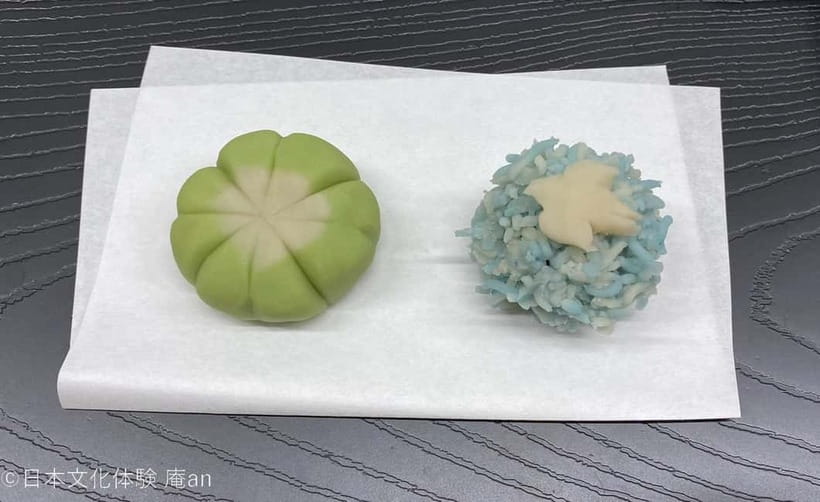
Small sweets, serious craft. This 65-minute class in Tokyo gives you a hands-on introduction to nerikiri, the molded Japanese sweets served with tea and shaped to reflect the seasons. You make two pieces yourself, using white and red bean paste made by long-established Kyoto shops.
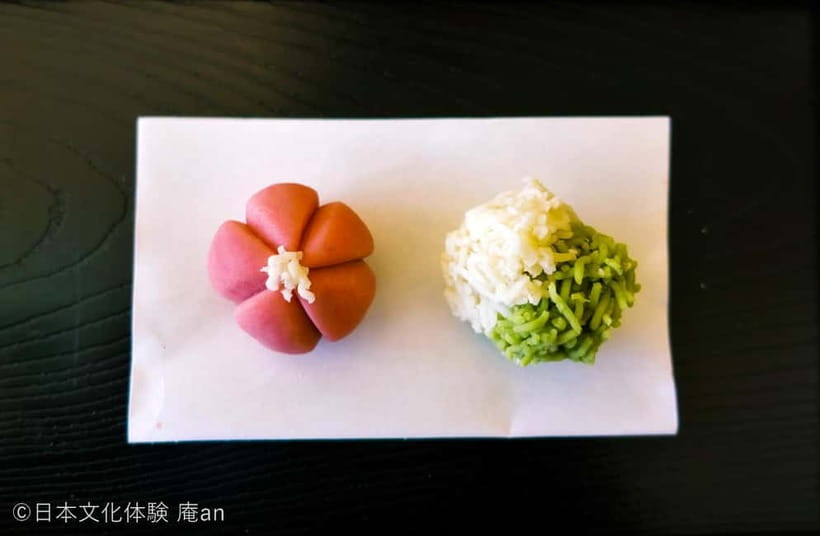
I like the low $11 price and the fact that you can eat your finished sweets on the spot. I also like the seasonal focus: one sweet takes a flower shape, while the other is a kinton-style design with a softer, threadlike look. The main concern is the pace. Some sessions move quickly, and English support may be limited, so this is better for people who enjoy following a demonstration than for anyone wanting a slow workshop.
In This Review
- Key points before you book
- What nerikiri means in Japanese culture
- Arriving at AN Tokyo
- The first 55 minutes: from explanation to handmade sweets
- Picture time and eating your creations
- What the $11 price really buys
- English support and the pace of teaching
- Who should book this activity
- Booking details that can affect your day
- Should you book Japanese Traditional Sweets Making?
- FAQ
- Where does the Japanese sweets class take place?
- How long does the experience last?
- How many sweets will I make?
- What ingredients are used?
- Is the class taught in English?
- Can I take my sweets home?
- Can I cancel for a refund?
Key points before you book
- Two seasonal nerikiri sweets: You make a flower-shaped sweet and a kinton-style sweet during the class.
- Kyoto-made bean paste: The white and red bean paste comes from long-established shops in Kyoto.
- Only 65 minutes: The schedule is compact, with about 55 minutes for instruction and making, followed by eating time.
- Very affordable: At $11 per person, this is one of the easier Japanese food activities to fit into a Tokyo day.
- Japanese-led instruction: English translation is provided as much as possible, but the teaching language is Japanese.
- Plan for a firm schedule: Late arrivals cannot be accommodated, and the class may feel rushed for some people.
What nerikiri means in Japanese culture
Nerikiri is a traditional Japanese sweet made from bean paste and other ingredients, then shaped by hand into seasonal designs. The point is not only flavor. Shape, color, and the feeling of the season all matter.
A flower design may suggest spring, while a more textured kinton form can evoke a different time of year. The exact designs can change with the season, so the class gives you a small connection to the Japanese custom of noticing nature through food.
That makes this activity more interesting than simply buying a packaged sweet. You are not only tasting nerikiri. You are seeing how a plain mass of bean paste becomes something delicate and decorative through careful shaping.
The class uses white and red bean paste made by established Kyoto shops. That detail matters. Nerikiri depends heavily on the quality and texture of its paste, and the paste is the main material you work with. You get to handle a product associated with Kyoto’s traditional confectionery culture without paying for an elaborate tea ceremony or a long formal lesson.
The finished sweets are edible artwork, but they are still sweets. The flavor is usually gentle, sweet, and bean-based rather than strongly fruity or chocolatey. If you enjoy subtle Japanese desserts, you will likely appreciate the balance. If you prefer rich cakes or bold flavors, the visual craft may be more appealing than the taste.
A few more options to weigh up in Tokyo
- Matcha Making Class in Tokyo with Authentic Japanese Sweets Set
★ 5.0 · 744 reviews - Tokyo: Matcha Making Experience with Mochi Sweets in Asakusa
★ 4.9 · 388 reviews - Private Mochi Sweets Making class near Shibuya area
★ 5.0 · 93 reviews
Arriving at AN Tokyo
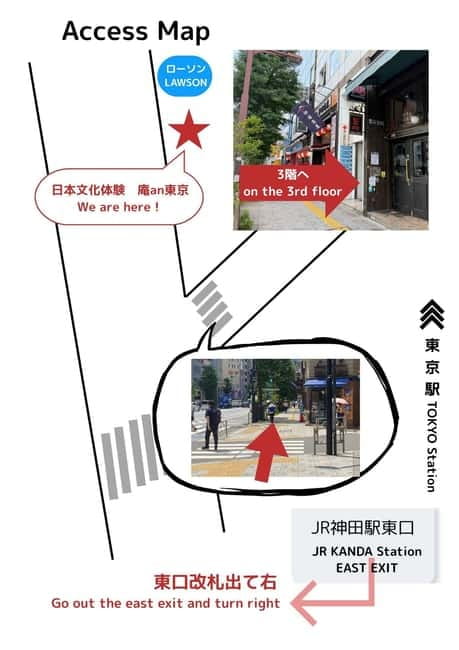
The meeting point is AN TOKYO Japanese Culture Experience, at coordinates 35.6916541, 139.7715022. The supplied directions identify the venue, but they do not provide a detailed route from a station, so you should check the exact map pin before leaving.
This is an appointment-based activity, not a drop-in class. Operation hours are from 10:00 to 17:00, and reservations received after 17:00 are processed the next day. Give yourself enough time to find the building and room. The venue cannot hold the class for late arrivals, and a missed session can trigger a cancellation charge.
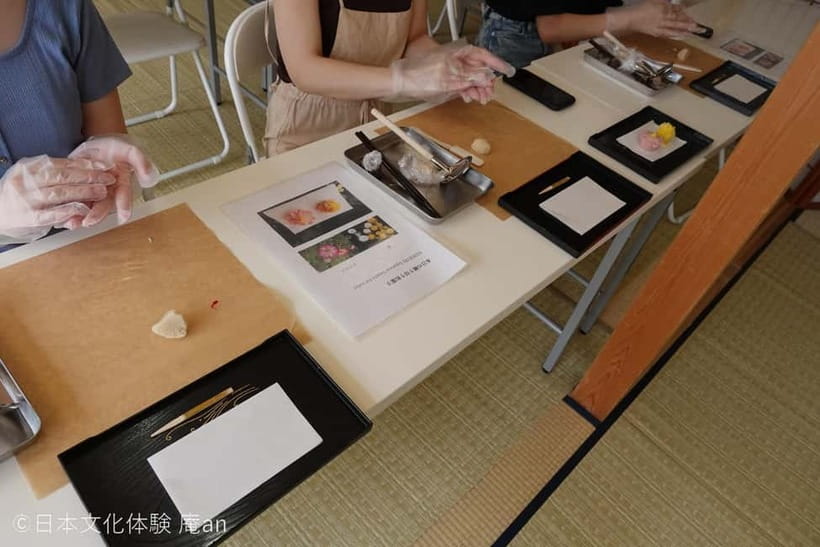
The practical setup may feel more classroom-like than intimate. One detailed account described a large room that could hold around 30 people, with visibility becoming harder from the back. If you are able to choose a place near the front, that may help you follow the instructor’s hand movements.
There may also be limited storage for coats and bags. One participant had to leave coats and belongings on the floor because there was nowhere to hang them. This is not a reason to reject the activity, but it is worth knowing before you arrive. Bring only what you need, especially if you are visiting Tokyo with several bags.
The first 55 minutes: from explanation to handmade sweets
The class begins with an explanation of Japanese traditional sweets and the nerikiri process. This opening should help you understand the ingredients, the purpose of seasonal shapes, and the basic method you will use.
Because the instructor teaches in Japanese, English translation is provided as much as possible. The amount and speed of translation can vary. You should be comfortable watching closely, copying hand movements, and asking for help when needed. If you want extra English assistance, contact the provider in advance.
The first project is a flower-shaped nerikiri. This is a good introduction because the design gives you a clear goal: form the paste, create the petals, and finish the surface so the sweet looks neat on the plate.
The second project is a kinton nerikiri. Kinton sweets are known for a threadlike or textured appearance, so the technique differs from the flower design. Making two sweets gives you more than a single quick craft. You get to try two shapes and see how different finishes change the look of the same basic ingredient.
The instructions are divided into short stages. That keeps the class moving, but it also creates the biggest weakness. A detailed assessment of one session described only 30 to 40 seconds for some tasks before the instructor moved to the next step. If that pace is typical, you may need to work quickly and accept that your sweets will look handmade rather than perfectly polished.
That is not necessarily bad. Nerikiri is a craft, and your finished pieces do not need to match a professional confectioner’s work. Still, you should not expect a quiet, extended workshop in which the instructor spends several minutes with each person.
The teaching quality can also depend on your position in the room and the size of the group. Strong comments praised the instructor and called the class informative and fun. A separate account found the welcome cold and the explanations rushed in both Japanese and English. Those two impressions can exist at the same time: the activity can be enjoyable and good value, yet still feel too compressed.
Picture time and eating your creations
After the two sweets are complete, there is picture time. This is a useful pause because the finished nerikiri will look best before you eat it. Place both pieces on the plate, check the shape and color, and take your photographs while they are still fresh.
The picture period also gives you a record of the process. You have made two seasonal designs, not simply watched someone else work. Even if your flower petals are uneven or your kinton shape is a little loose, that is part of the memory.
The activity ends with eating time. You can taste the sweets at the venue, so you do not need to carry them around Tokyo. This is especially helpful in warm weather or when you have a full day of sightseeing planned.
The schedule lists the end of the making portion at about 55 minutes, with the full room departure at 65 minutes. The eating period is therefore not designed as a long tea service. You may be encouraged to finish promptly and leave on time.
If you want to take the sweets with you, a takeout box costs 100 JPY. That is a small extra charge, but you should arrange it if you would rather save the sweets for later. The standard $11 price includes the nerikiri-making experience, not the box.
A completely different kind of day out:
- Tokyo Disney Resort – Tokyo Disneyland & Tokyo DisneySea Park Tickets
★ 4.8 · 99,488 reviews - SHIBUYA SKY Ticket
★ 4.7 · 46,509 reviews - JR Whole Japan Rail Pass
★ 4.8 · 29,150 reviews - Mt Fuji and Hakone 1-Day Bus Tour Return by Bullet Train
★ 5.0 · 26,383 reviews
What the $11 price really buys
At $11 per person, this class offers strong value if your goal is to make and taste a traditional Japanese sweet without spending half a day. You receive ingredients, instruction, and two finished pieces in a short session.
The price is particularly appealing for solo visitors. One positive assessment described the class as a good way to socialize, and the short format makes it easy to fit between other plans. You can also join as part of a group, and the provider presents it as suitable for both solo and group participation.
The low price comes with limits. This is not a private lesson, a formal tea ceremony, or a slow confectionery apprenticeship. The class uses a set program, and the instructor needs to move everyone through the same steps.
I would judge the value this way:
- Excellent value if you want a quick, affordable hands-on activity.
- Good value if you care about tasting Kyoto-made bean paste and learning the basic shapes.
- Less convincing value if you expect personal coaching, extensive English explanation, or plenty of time for photographs and eating.
A completion certificate costs an additional 300 JPY. If you want a certificate with your name on it, send the names in advance. Otherwise, the name section will be left blank. This is an optional souvenir, not part of the main experience.
English support and the pace of teaching
The official language is Japanese, with English translation provided as much as possible. That wording is important. You should not book this expecting a fully English-led class.
The craft is visual, which helps. You can learn a lot by watching the instructor shape the paste, then copying the movement. Basic instructions may be understandable from demonstration alone, but the speed can make small details hard to catch.
If you have never worked with nerikiri, you may want to contact AN Tokyo before booking and ask about the level of English help available for your date. The provider specifically invites visitors to request additional English translation.
The class may suit you if you enjoy a little uncertainty and do not mind making an imperfect sweet. It may frustrate you if you need every step explained slowly or if you want the instructor to correct your work individually.
The best approach is to treat the session as a guided introduction. Watch first, then act quickly when it is your turn. Do not spend too long trying to make the first flower perfect. You have a second sweet to make, and the whole point is to try the techniques yourself.
Who should book this activity
I would recommend this experience to:
- First-time visitors who want a small taste of Japanese food culture.
- People interested in traditional sweets, crafts, or seasonal design.
- Solo visitors looking for an easy social activity.
- Families with young children who can follow the short program.
- Anyone building a Tokyo itinerary around several compact activities.
- Budget-minded visitors who want a hands-on experience for about $11.
Children under two years old who sit on a parent’s lap are free. Other children need a paid place if they participate. Children who do not take part cannot enter the experience area, so plan accordingly.
The activity is less suitable for anyone who dislikes group classes, needs extensive English guidance, or wants a relaxed pace. It is also not a good choice if you are likely to arrive late. The provider will not hold the event, regardless of the reason for the delay.
The overall rating is 4.1 from 19 ratings, with praise focused on the instructor, the fun factor, the good price, and the taste of the sweets. The lower assessments focus on rushed teaching, a cold welcome, limited visibility from the back, and poor coat storage. Those are useful warnings because they concern the structure of the class, not the idea of making nerikiri itself.
Booking details that can affect your day
You can cancel up to 24 hours in advance for a full refund. If you cancel later, a fee applies, and changing the date or time after a cancellation fee has already been incurred can create another specified charge.
Reservations received after 17:00 are handled the next day. Contact the provider in advance if you want to reserve the property, request more English assistance, or order a nominative certificate.
The experience includes only the nerikiri-making set. A takeout box costs 100 JPY, and a completion certificate costs 300 JPY. Travel costs to the venue are not covered if the experience is canceled, so keep your route and timing practical.
Try to arrive early enough to locate the room, settle your belongings, and sit where you can see. With the class’s short timetable, a few lost minutes can make the session feel even faster.
Should you book Japanese Traditional Sweets Making?
Book it if you want two handmade seasonal sweets, Kyoto-produced bean paste, and a very low price in a compact Tokyo activity. The class gives you something to do with your hands, something to taste, and a small piece of Japanese confectionery culture to remember.
Think twice if you want a slow, highly personal lesson. The teaching is in Japanese, English help may be limited, and some sessions can feel rushed. For the best chance of enjoying it, arrive early, travel light, ask for extra English support before the date, and accept that your sweets may look charmingly homemade.
At $11, I see this as a worthwhile short activity for curious visitors who value participation over polish. It is not a grand food event. It is a quick chance to turn bean paste into two edible seasonal designs, and that is plenty when the price and schedule fit your day.
FAQ
Where does the Japanese sweets class take place?
The meeting point is AN TOKYO Japanese Culture Experience in Honshu, Japan. The listed coordinates are 35.6916541, 139.7715022.
How long does the experience last?
The full experience lasts 65 minutes. The making and picture portion ends at about 55 minutes, followed by eating time before departure at 65 minutes.
How many sweets will I make?
You will make two seasonal Japanese sweets called nerikiri. The program includes a flower-shaped nerikiri and a kinton nerikiri.
What ingredients are used?
The class uses white and red bean paste produced by long-established shops in Kyoto.
Is the class taught in English?
The instructor’s language is Japanese. English translation is provided as much as possible, and you can contact the provider if you would like additional English support.
Can I take my sweets home?
Yes, but a sweets takeout box costs 100 JPY. The standard experience includes the making activity and eating time, not the takeout box.
Can I cancel for a refund?
You can cancel up to 24 hours in advance for a full refund. Cancellation fees apply after that point, and the provider will not hold the class for late arrivals.
Just added in Tokyo
- A One-of-a-Kind Sushi Experience in a Special Place of Japan★ 5.0 · 15 reviews
- Tokyo Cute Bento Cooking Class – Make a Kawaii Character Lunchbox★ 5.0 · 126 reviews
- Japanese Home Cooking Class & Walk in Todoroki Temple Tokyo★ 5.0 · 88 reviews
- Japan Tokyo Tower Observatory Deck E-Ticket★ 4.0 · 34 reviews
- Catch a Baseball Game in Tokyo with a Local – Tickets Included★ 5.0 · 24 reviews
- JDM Experience with Fast&Furious RX-7 (English speaking Driver)★ 5.0 · 57 reviews
- Tokyo Private Day Tour by Car with English speaking Driver Guide★ 4.0 · 29 reviews
- Japan Classic 10 Day – One Life Adventures★ 5.0 · 129 reviews
Dessert Tours, compared.

Matcha Making Class in Tokyo with Authentic Japanese Sweets Set
Read our review →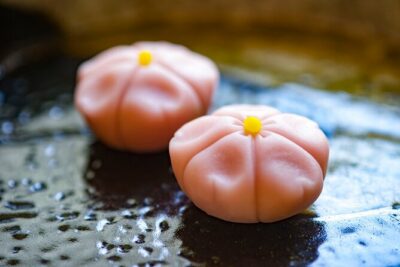
Matcha Making Class in Osaka with Authentic Japanese Sweets Set
Read our review →
Matcha Making Experience with Mochi Sweets in Asakusa
Read our review →
Japanese Traditional Sweets Making and Tea Ceremony
Read our review →
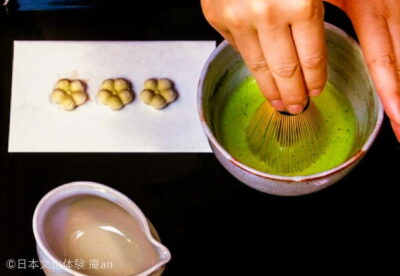
Japanese Traditional Sweets Making and Tea Ceremony
Read our review →
Private Mochi Sweets Making class near Shibuya area
Read our review →
Japanese Traditional Sweets making and Tea Ceremony
Read our review →Browse the lists this tour appears in