
Reviewed · TEA CEREMONIES
Osaka: Matcha Making Experience with Japanese Sweets
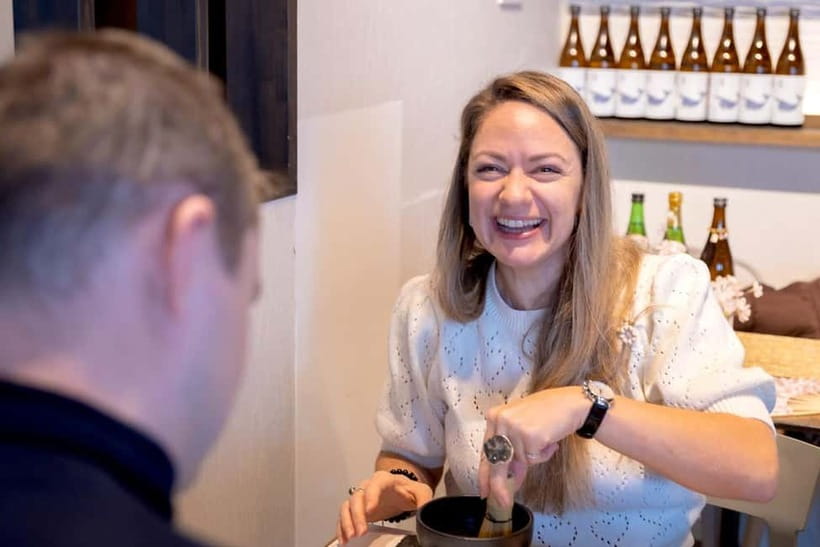
Matcha tastes better when you make it yourself. This one-hour class turns a simple cup of tea into a friendly lesson in Japanese culture, with a short history quiz, traditional whisking tools, Japanese sweets, and English-speaking local instructors in central Osaka. I especially like the small six-person limit and the relaxed teaching style. You get attention without the stiff atmosphere that can make a formal tea lesson feel intimidating.
I also like the location. The class is only about five minutes from Shinsaibashi Station, close to Dotonbori and its famous food streets. It is an easy cultural stop between meals, shopping, and sightseeing. The main limitation is time: one hour gives you a well-paced introduction, but not a long, formal tea ceremony or a full meal.
In This Review
- Key details before you book
- A calm tea lesson near Osaka’s food center
- The opening quiz makes matcha history easy
- Whisking matcha with traditional tools
- Drinking the tea with Japanese sweets
- What the instructors do especially well
- How much value do you get for $22?
- Who will enjoy this class most?
- Planning your hour in Shinsaibashi
- The few drawbacks to keep in mind
- Should you book the Osaka matcha class?
- FAQ
- Where does the matcha-making experience take place?
- How long does the class last?
- How much does the experience cost?
- Is the class taught in English?
- How many people are in each group?
- Are matcha and Japanese sweets included?
- Can I cancel the booking?
Key details before you book
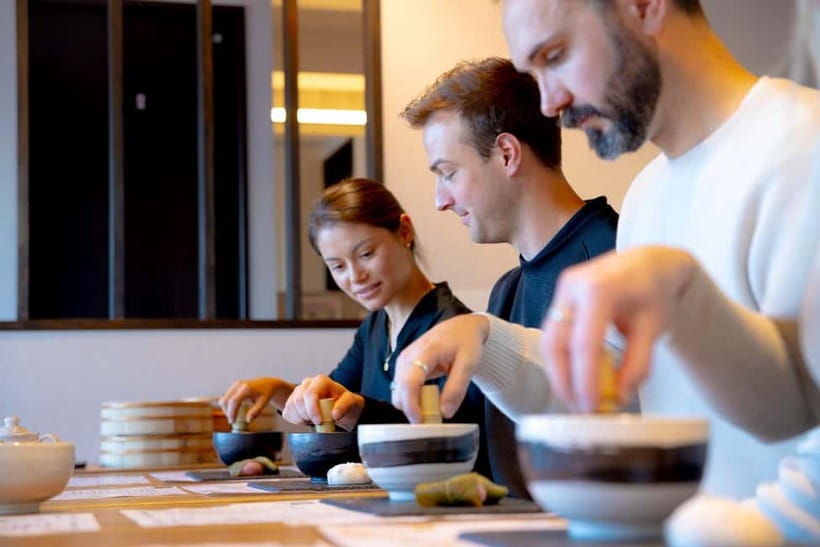
- You make your own matcha: Use traditional tools, including the bamboo whisk, with step-by-step help from the instructor.
- The class begins with a quiz: Learn about matcha history in a light, interactive way rather than through a long lecture.
- The group is limited to six people: This keeps the lesson personal and makes it easier to ask questions.
- Japanese sweets are included: You finish by drinking your tea and pairing it with sweets selected for the experience.
- The class is central but upstairs: Find the third floor of the Galleria Acca Building, about five minutes on foot from Shinsaibashi Station.
- The price is $22 per person: That is fair value for an instructor-led cultural activity with ingredients, tools, tea, and sweets.
A calm tea lesson near Osaka’s food center
Osaka is famous for eating, but not every useful food experience needs to fill your stomach. This class gives you a quiet hour near the center of the action. After the neon, noise, and crowds around Dotonbori, sitting down with a bowl of matcha can feel like pressing a small reset button.
The location works well for a half-day in Minami. You can visit Shinsaibashi for shopping, walk toward Dotonbori, and fit in the class without crossing the city. The meeting point is on the third floor of the Galleria Acca Building, so look carefully for the building and allow enough time to find the stairs or entrance.
One useful detail comes from the class setup. The table has a traditional feel, but you do not need to kneel on the floor. That matters if you have stiff knees, are traveling with children, or simply prefer a more comfortable seated lesson.
The room has been described as clean and pleasant, though one participant found the location a little hard to spot. My advice is simple: use the address and coordinates, arrive early, and look for the third floor rather than expecting a street-level storefront.
More Tea Ceremonies in Osaka
- Osaka: Tea Ceremony Experience
★ 4.9 · 1,426 reviews - Tea Ceremony Experience in Osaka Doutonbori
★ 5.0 · 754 reviews - Matcha Making Class in Osaka with Authentic Japanese Sweets Set
★ 5.0 · 509 reviews
The opening quiz makes matcha history easy
The class does not begin by handing you a bowl and saying, good luck. It starts with an interactive quiz about matcha and its background. This is a smart choice for a short class because it gives you context without turning the first part into a school lecture.
The quiz also lets the instructor see what the group already knows. If you have never tasted matcha, you can ask basic questions without feeling behind. If you already buy matcha at home, you still have a chance to learn how Japanese tea traditions differ from the green powder used in modern cafés.
The teaching style is one of the strongest parts of the experience. Instructors such as Fujiko, Yui, Matty, Reika, Serin, Shota, Takara, and Harita have all been praised for being warm, clear, and interactive. Names can vary by session, but the consistent point is that the staff use English well and encourage questions.
Several instructors also offer practical Osaka suggestions during the conversation. Fujiko and other staff have shared restaurant recommendations and local tips, which can add value beyond the scheduled lesson. Do not count on a private city tour, but do expect a friendly chance to ask about food and the surrounding area.
Whisking matcha with traditional tools
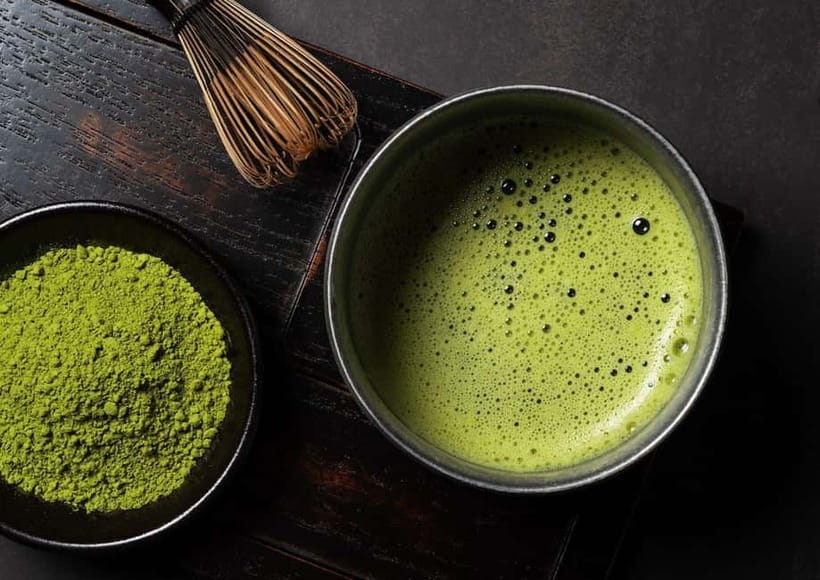
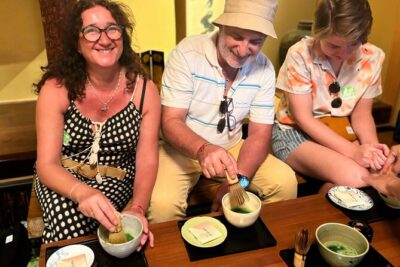
The hands-on section is the reason to book this instead of simply ordering a matcha drink at a café. You prepare your own tea using traditional equipment, including a chawan bowl and bamboo whisk. The instructor demonstrates the process, then helps you copy it.
You learn how to work the powder into the water and create a smooth texture. That sounds easy until you try it. The whisking motion takes a little coordination, and the instructor can correct your technique before you serve yourself a bowl full of stubborn clumps.
This is not presented as a difficult craft. The process is approachable for first-time tea drinkers, children, and adults. An eight-year-old enjoyed the activity with her parents, and another family brought a nine-month-old baby. Those details suggest the class can work well for families, although parents remain responsible for deciding what suits their own children.
I like that the lesson focuses on doing, not just watching. You leave with a practical skill you can try again at home. One participant even bought a chawan bowl, described as a one-of-a-kind purchase, though shopping options and stock can change.
The class also gives you a better way to judge matcha. You will notice the texture, foam, bitterness, and balance more clearly after preparing it yourself. It is a small lesson, but it changes how you approach the next matcha latte or tea bowl.
Drinking the tea with Japanese sweets
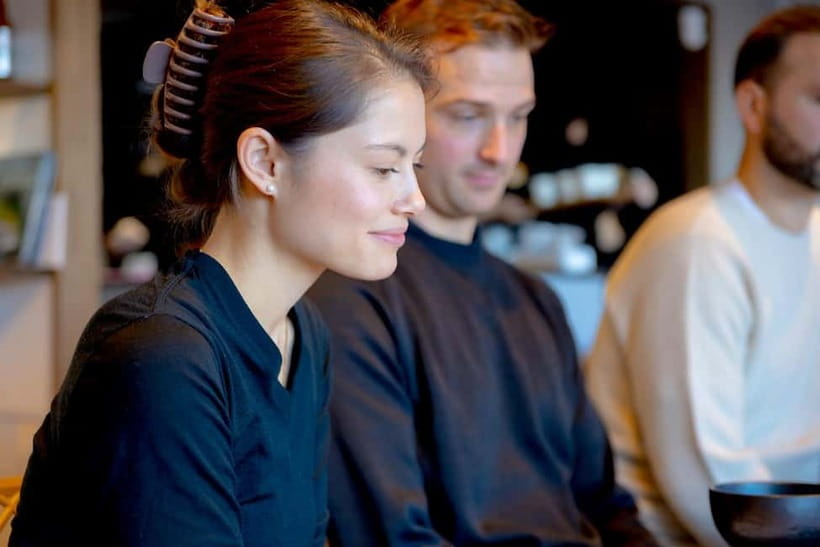
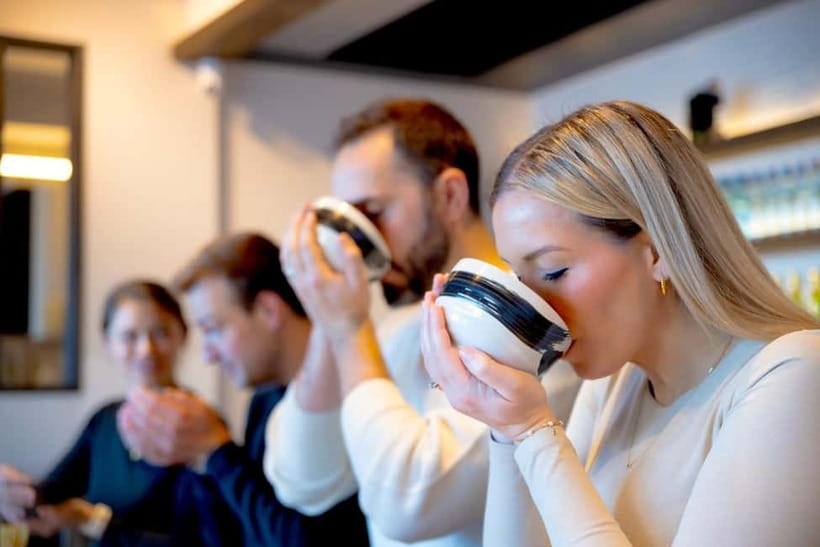
Once your matcha is ready, you drink it with Japanese sweets. The sweets are not meant to replace lunch, and the portions are modest. One useful comment described the amount of food and tea as limited, but still considered the experience excellent overall.
That is the right expectation. You are paying for instruction and cultural context, with a tasty snack included. If you arrive hungry, eat before or after the class. If you want a pleasant pause and a traditional pairing, the sweets do their job very well.
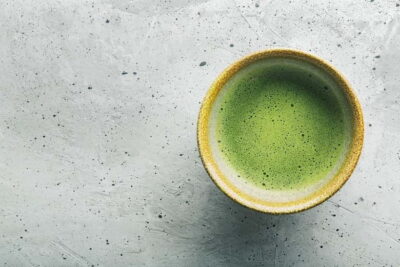
The pairing is also part of the lesson. Japanese sweets can soften the sharper notes of matcha, making the tea easier for a first-time drinker. Some people may find matcha bitter at first, but drinking it alongside something sweet gives you a more balanced introduction.
The tasting portion may feel short to anyone who wants a long, quiet tea session. One participant wished for more time sitting with the tea. I agree that this is the clearest trade-off: the class is active and well organized, but the final reflective moment is brief.
More Tea Ceremonies in Japan:
- Kyoto: Tea Ceremony in a Traditional Tea House in Kiyomizu
★ 4.9 · 3,519 reviews - Kyoto: Tea Ceremony Ju-An at Jotokuji Temple
★ 4.9 · 3,207 reviews - Kyoto: 45-Minute Tea Ceremony Lesson Experience
★ 4.3 · 2,378 reviews - World Heritage Kyoto & Nara Uji Authentic Matcha Experience
★ 5.0 · 1,573 reviews
What the instructors do especially well
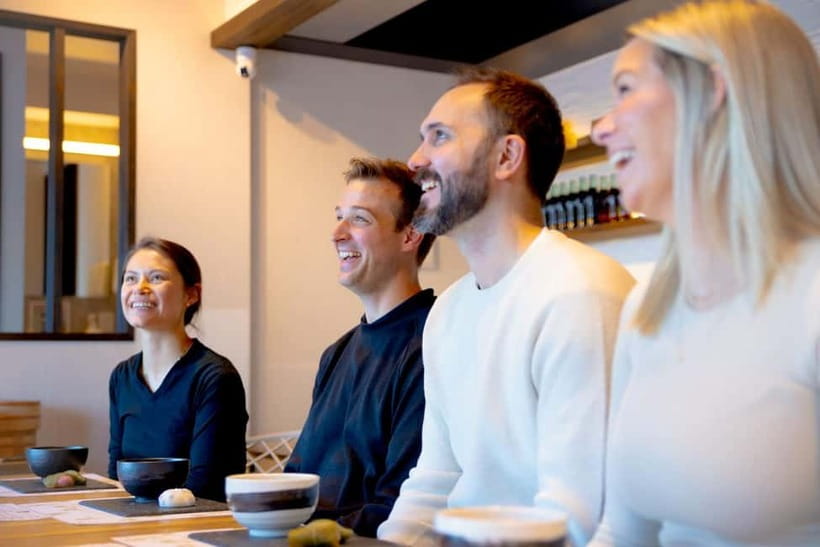
The staff make this experience work. The tools and ingredients matter, but a short cultural class depends heavily on the person at the table. The strongest praise centers on clear English, humor, patience, and the ability to keep everyone involved.
Fujiko is repeatedly praised for her funny, friendly teaching and strong English. Yui has been appreciated for explaining tea in general and matcha in particular, while Matty has worked well with both adults and elementary school children. Reika, Serin, Shota, Takara, Harita, Moe, Lala, and others have also received warm feedback for making the session feel natural and welcoming.
You should not expect the same instructor every time. That is worth noting when you see a particular name in an online comment or recommendation. Still, the pattern is clear: the staff aim for an easygoing lesson rather than strict ceremony.
The English instruction is especially useful in a cultural activity where small details matter. You can ask why a step is done, how to improve the whisking, or what you should look for when tasting. The staff do not simply demonstrate and move on.
How much value do you get for $22?
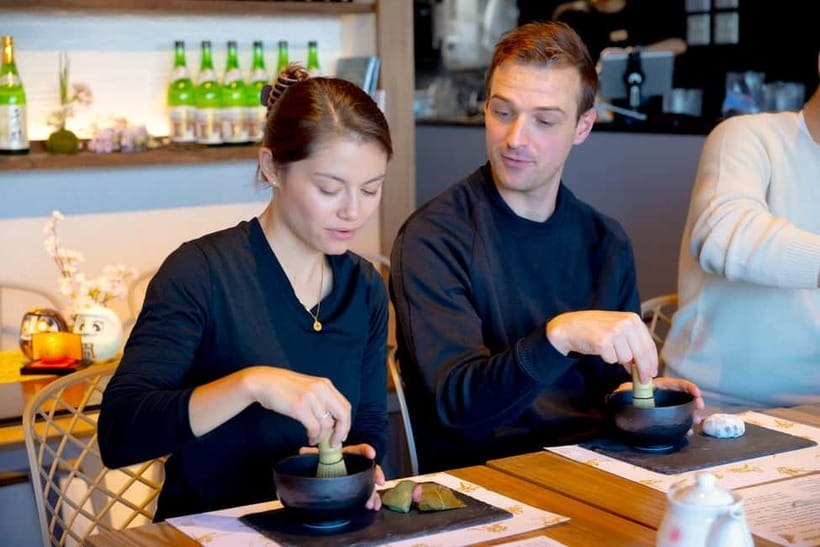
At $22 per person, this is a good-value Osaka activity. The fee includes the cooking class, ingredients, and instructor. You also get the matcha, sweets, use of the tools, and a compact introduction to Japanese tea culture.
The value is strongest if you care about participation. A café drink costs less in many places, but it does not teach you how to make the tea or explain its place in Japanese culture. A longer formal tea ceremony may offer more ritual, but it can also cost more and feel less casual.
The small-group format helps justify the price. With no more than six participants, the instructor can watch each person whisk and answer questions. A large demonstration would be cheaper to operate, but less useful when you are learning a physical technique.
There are limits. This is a one-hour activity, not a full cooking course. You will not leave with a large amount of food, and the class does not include hotel pickup or drop-off. For most people, those are minor concerns because the meeting point is central and public transport access is convenient.
Who will enjoy this class most?
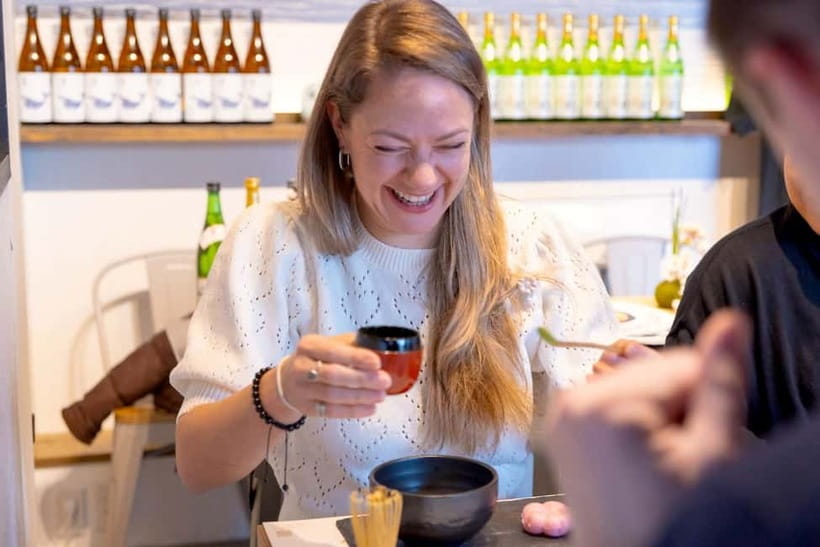
I would recommend it to first-time matcha drinkers, tea fans, families with children, couples, solo visitors, and anyone looking for a quieter break in Osaka. You do not need prior experience, and solo participants are welcome.
It is also a good choice if you have already tried matcha but want to understand the traditional preparation. Making the tea yourself gives you more than another photograph of a Japanese snack. You gain a simple skill and a better sense of how the drink should look and taste.
Families should appreciate the short duration and hands-on format. Children can take part rather than sit through a long talk. The class has also worked well for teenagers, with one parent describing a fun session with two teenage daughters.
This may not suit you if you want a formal, extended tea ceremony with several courses and a strong focus on silence and ritual. It may also disappoint if you expect a substantial meal. Think of it as an introduction with tasting, not dinner and not an advanced certificate course.
Planning your hour in Shinsaibashi
The activity lasts one hour, with starting times available according to the date you choose. Since the class is near Dotonbori and Shinsaibashi, it fits neatly into a day of sightseeing.
I would avoid scheduling it too tightly against a train departure or a restaurant reservation. The class itself is short, but finding a third-floor meeting point in a busy shopping district can take a few extra minutes. Arrive early enough to locate the Galleria Acca Building without rushing upstairs.
The central location also makes this a useful rainy-day or hot-weather plan. One participant specifically appreciated having an indoor escape from Osaka’s heat. You get a clean, seated activity and a break from walking.
English is the listed language, and the class is designed for a small group of up to six. Groups and solo participants can attend. The provider is Sushi Making Japan, also known as Cooking Class in Japan, while the matcha activity is presented as Matcha Making Osaka.
You can cancel up to 24 hours in advance for a full refund, and the reserve-now, pay-later option keeps your schedule flexible. Those policies are helpful in a city where weather, shopping plans, and restaurant bookings can shift.
The few drawbacks to keep in mind
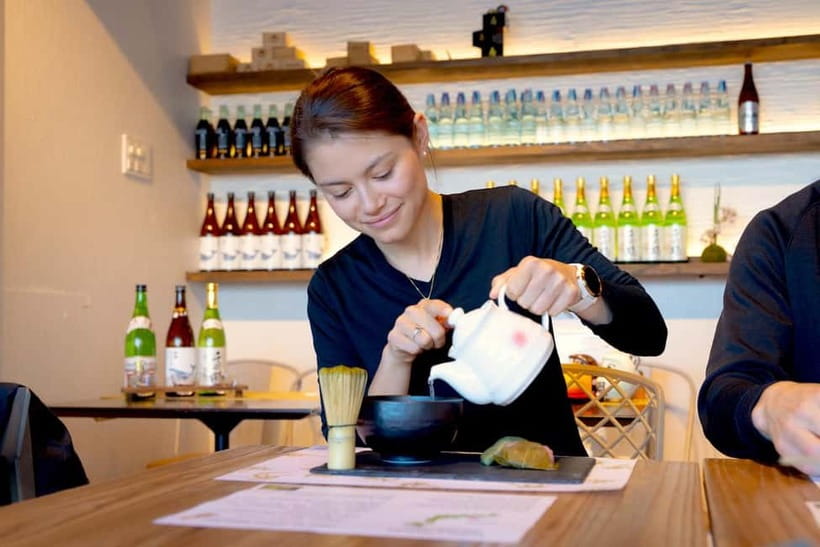
The class receives a five-star rating from 146 reviews, with especially strong praise for the instructors and the balance of education and fun. Still, a fair review should point out what the activity does not promise.
First, the experience is brief. The history lesson, demonstration, preparation, and tasting all need to fit into one hour. You will learn the essentials, but you will not explore every part of Japanese tea culture.
Second, the serving is light. The Japanese sweets are delicious and well matched to the tea, but they are a snack. Eat beforehand if you need a proper meal.
Third, the meeting point can take a little effort to find. It is upstairs in a building near Shinsaibashi Station, not a large street-front attraction. Use the exact building information and coordinates.
Finally, the class is casual rather than intensely ceremonial. That is a strength for most first-time visitors, but anyone seeking a very formal tea ritual may want a different type of experience.
Should you book the Osaka matcha class?
Yes, if you want an affordable, friendly cultural activity that fits into a busy Osaka schedule. For $22, you get hands-on instruction, traditional tools, matcha, Japanese sweets, and a small group with English support.
I would book it early in your Osaka stay so you can use the staff’s food suggestions and try your new whisking skill again later. Choose this class for conversation, participation, and a relaxed introduction. Skip it only if you need a full meal or a long formal ceremony.
FAQ
Where does the matcha-making experience take place?
It takes place on the third floor of the Galleria Acca Building in central Osaka. The building is about a five-minute walk from Shinsaibashi Station, near Dotonbori and Shinsaibashi.
How long does the class last?
The activity lasts one hour.
How much does the experience cost?
The listed price is $22 per person.
Is the class taught in English?
Yes. The instructor language is English, and English-speaking local staff guide the class.
How many people are in each group?
The class is limited to six participants.
Are matcha and Japanese sweets included?
Yes. The experience includes the ingredients, the matcha-making class, and Japanese sweets to enjoy with your tea.
Can I cancel the booking?
You can cancel up to 24 hours in advance for a full refund. A reserve-now, pay-later option is also available.
More Dessert Tours in Japan
- Matcha Making Class in Tokyo with Authentic Japanese Sweets Set
★ 5.0 · 744 reviews - Tokyo: Matcha Making Experience with Mochi Sweets in Asakusa
★ 4.9 · 388 reviews - Kyoto: Japanese Traditional Sweets Making and Tea Ceremony
★ 4.4 · 314 reviews - Osaka: Japanese Traditional Sweets Making and Tea Ceremony
★ 4.7 · 118 reviews
Just added in Japan
- A One-of-a-Kind Sushi Experience in a Special Place of Japan★ 5.0 · 15 reviews
- Tokyo Cute Bento Cooking Class – Make a Kawaii Character Lunchbox★ 5.0 · 126 reviews
- Japanese Home Cooking Class & Walk in Todoroki Temple Tokyo★ 5.0 · 88 reviews
- Japan Tokyo Tower Observatory Deck E-Ticket★ 4.0 · 34 reviews
- Catch a Baseball Game in Tokyo with a Local – Tickets Included★ 5.0 · 24 reviews
- Tokyo Private Day Tour by Car with English speaking Driver Guide★ 4.0 · 29 reviews
- Japan Classic 10 Day – One Life Adventures★ 5.0 · 129 reviews
- JDM Experience with Fast&Furious RX-7 (English speaking Driver)★ 5.0 · 57 reviews
Tea Ceremonies, compared.
Tea Ceremony in a Traditional Tea House in Kiyomizu
Read our review →
World Heritage Kyoto & Nara Uji Authentic Matcha Experience
Read our review →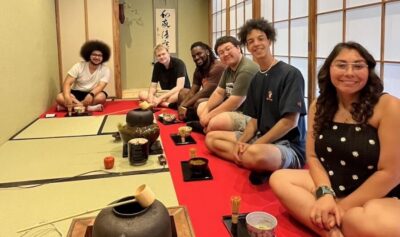
Browse the lists this tour appears in