
Reviewed · FOOD TOURS
Kyoto Evening Gion Food Tour
Kyoto glows after dark. This three-hour walk through Gion and Shirakawa pairs lantern-lit streets and geisha culture with a proper ten-course kaiseki dinner. I like the small group of no more than 10, and I like the way the guide explains both old customs and present-day life. The main drawback is that the walking portion may include only a couple of small food samples, so this is more a Gion history walk ending in dinner than a stop-after-stop food crawl.
The $216 price is high, but it covers a local English-speaking guide, a ten-course meal, dessert, and one drink. You should also allow for your own transportation and extra drinks. Comfortable shoes matter, and the meeting point has a strict five-minute departure window.
In This Review
- Key points at a glance
- Why this Gion evening works so well
- Meeting the guide beside the Kanji Museum
- Gion and Shirakawa at twilight
- What the small snack stops really offer
- The ten-course kaiseki dinner
- How the guides shape the evening
- Is $216 a fair price?
- Who should book this experience?
- Dietary needs, timing, and practical details
- The best way to prepare
- Should you book the Kyoto Evening Gion Food Tour?
- FAQ
- Where does the Kyoto Evening Gion Food Tour meet?
- How will I find the guide?
- How long does the tour last?
- What language is the tour conducted in?
- How large is the group?
- What food is included?
- Are transportation and hotel pickup included?
- Do I need to report food allergies?
- Can I cancel for a refund?
Key points at a glance
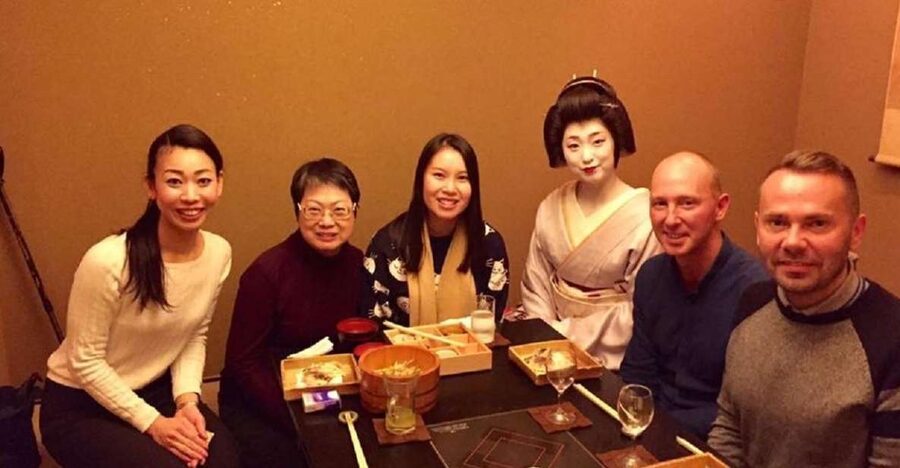
- Gion after sunset: Walk through Gionmachi and Shirakawa as teahouse lanterns come on and the old streets grow quieter.
- Maiko and Geiko insight: Learn how Kyoto’s performing artists live and work today, not just the postcard version of the tradition.
- Ten-course kaiseki dinner: Expect seasonal and regional ingredients presented in small, carefully arranged dishes.
- Small-group format: With up to 10 people, it is easier to hear the guide and ask questions than on a large bus tour.
- Only limited snacking: The walk may include two small tasting stops, while most of the food arrives at the final restaurant.
- Guide quality matters: Guides such as Miki, Sae, Marie, Mickey, and Russ have been praised for their warmth, cultural explanations, and help with food restrictions.
Why this Gion evening works so well
Gion is at its most atmospheric when daylight fades. Lanterns cast a soft light over wooden facades, narrow lanes, and traditional teahouses. The setting does much of the work, but a good guide helps you understand what you are seeing instead of leaving you to admire the scenery without context.
I especially like the balance between walking and dining. You get time outside to see the architecture and hear about Kyoto’s Maiko and Geiko culture, then sit down for a full meal. That makes the evening easier on your feet than a three-hour tasting route with constant stops.
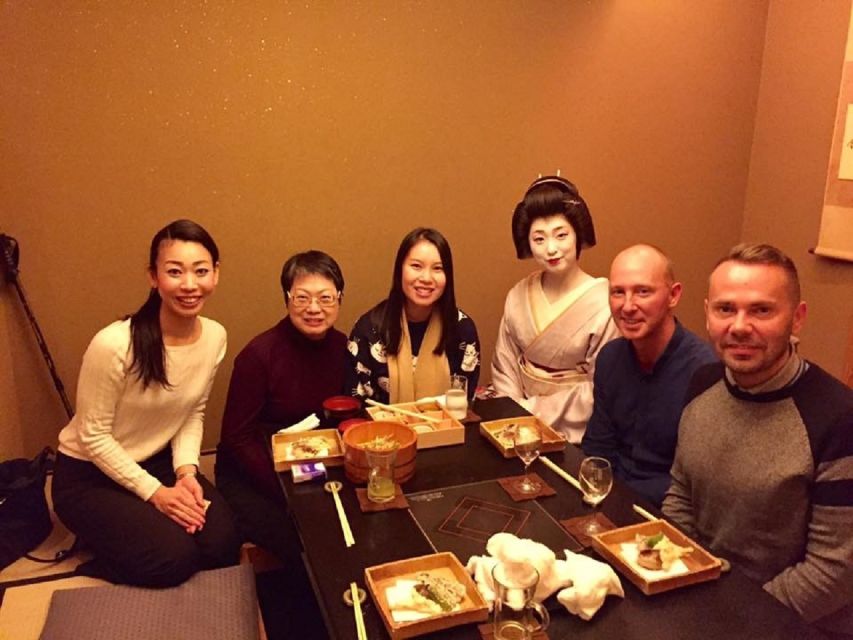
The human side of the tour is another strength. Miki was praised for explaining Gion, food, and the geisha world with warmth. Sae was singled out for taking time with history, shops, snacks, and souvenir suggestions. Marie earned praise for being both professional and friendly, while Russ handled several allergies and food restrictions carefully. These details matter because the guide shapes much of the experience.
The tour has a 4.9 rating from 35 verified bookings, and the strongest pattern is clear: people value the guides, the dinner, and the chance to see Gion with someone who understands local customs.
More Food Tours in Kyoto
- Kyoto Night Foodie Tour in Gion (9+ dishes + 6 Sake tastings)
★ 5.0 · 1,762 reviews - Kyoto: Gion Food Tour 13 Dishes at 4 Eateries
★ 5.0 · 408 reviews - Kyoto Foodie Night Tour
★ 5.0 · 376 reviews
Meeting the guide beside the Kanji Museum
The starting point is in front of the Japan Kanji Museum & Library in Gionmachi Minamigawa, Higashiyama Ward. Your English-speaking guide will hold a sign, but do not cut the timing close. The guide waits no more than five minutes after the scheduled start.
That short waiting period is practical in a crowded district, but it means you should build in time to find the museum and reach the meeting place. Hotel pickup is not included. It may be arranged for an extra charge, but most people will need to make their own way to Gion and back.
Transportation costs are also separate. The activity itself is a walking tour, so there is no included vehicle transfer between the meeting point and dinner. Put on comfortable shoes, since the route moves through historic streets and likely includes cobblestones or uneven pavement.
The group is limited to 10 people. That is small enough for a conversational feel without paying for a private tour. It also gives the guide a better chance to answer questions about customs, etiquette, and food.
Gion and Shirakawa at twilight
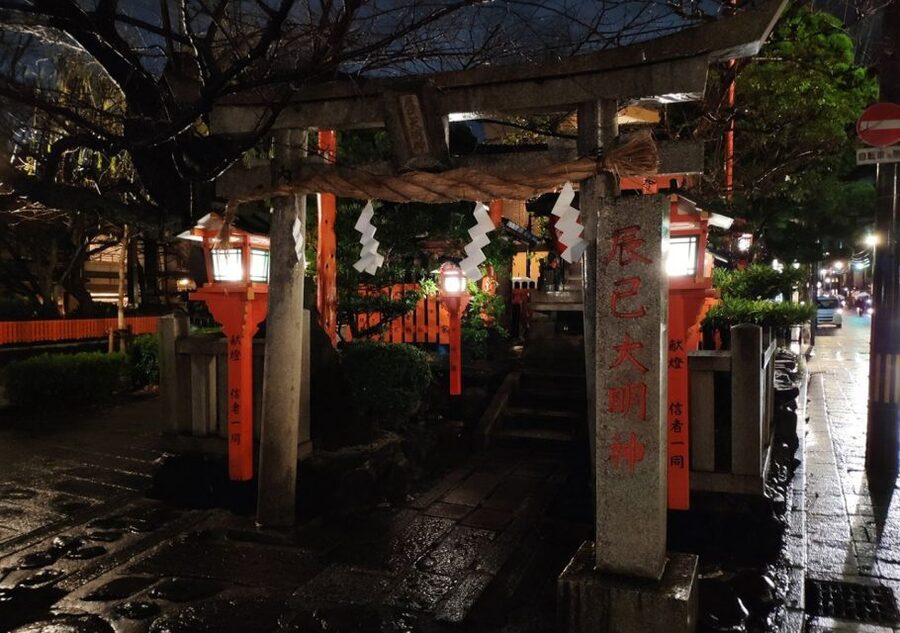
The first part of the evening introduces you to Gion and Shirakawa, two of Kyoto’s best-known traditional districts. The appeal is not one single monument. It is the combined effect of wooden buildings, narrow lanes, old teahouses, water, bridges, and evening light.
Your guide explains how the district functions today and how the Maiko and Geiko traditions fit into modern Kyoto. That distinction is important. The area is not a stage set built only for sightseeing. It is also a working neighborhood, and the people in kimono are not there simply to pose for photographs.
The tour’s cultural explanations are one of its strongest features. You learn about the artistry and working life connected with Maiko and Geiko, along with appropriate behavior around them. One person on an earlier tour was lucky enough to see both a Geiko and a Maiko, but you should treat that as a chance encounter, not a promised part of the booking.
The streets can be busy with people, especially around famous lanes and restaurant entrances. A guide helps you see past the obvious photo stops and notice the details of the architecture. You may also hear stories that make the district easier to understand once you return on your own.
What the small snack stops really offer
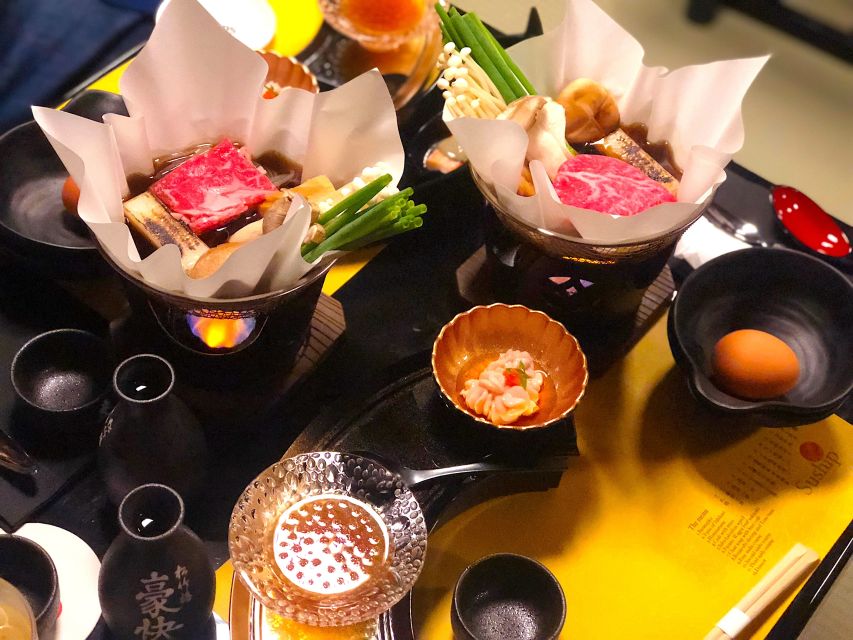
The name food tour may set an expectation of many tastings. Here, the walking portion appears to include several snack stops, but the practical experience can be more modest. One detailed account described two small bites at shops, with the main meal saved for the restaurant.
That is not a flaw if you want a cultural walk followed by dinner. It is worth knowing before you book if you are expecting a market-style progression of six or eight tastings. The snacks serve as introductions to Kyoto’s traditional cuisine, while the ten-course meal provides the serious food portion.
The stops also give the guide a chance to explain regional ingredients and everyday food customs. Kyoto cuisine often places as much emphasis on texture, season, and presentation as on sheer quantity. A small bite can make sense in that context, especially before a multi-course meal.
You should not arrive expecting to replace dinner with street food. The dinner is the centerpiece. Eat lightly beforehand, but do not skip food all day, since the meal unfolds over time rather than arriving as one large plate.
A completely different kind of day out:
- PERFECT KYOTO 1-Day Bus Tour
★ 5.0 · 13,518 reviews - [Kyoto & Nara Day Tour] Sagano Scenic Railway & Nara Park & Fushimi Inari Taisha Thousand Torii Gates & Togetsukyo Bridge & Bamboo Grove & Kimono Forest (Departing from Osaka)
★ 4.9 · 10,942 reviews - Kyoto: Fushimi Inari, Kinkakuji, Bamboo Grove 1 Day Bus Tour
★ 4.8 · 4,316 reviews - Kyoto: Tea Ceremony in a Traditional Tea House in Kiyomizu
★ 4.9 · 3,519 reviews
The ten-course kaiseki dinner
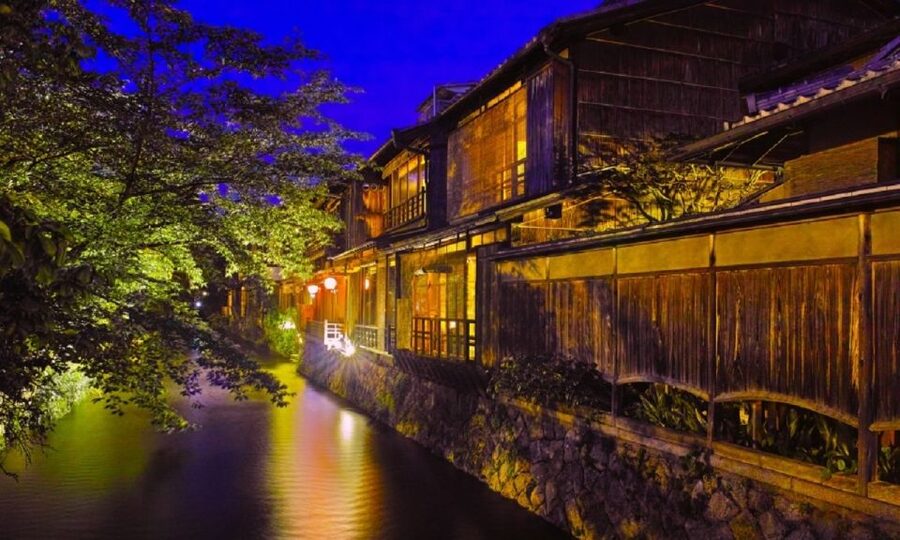
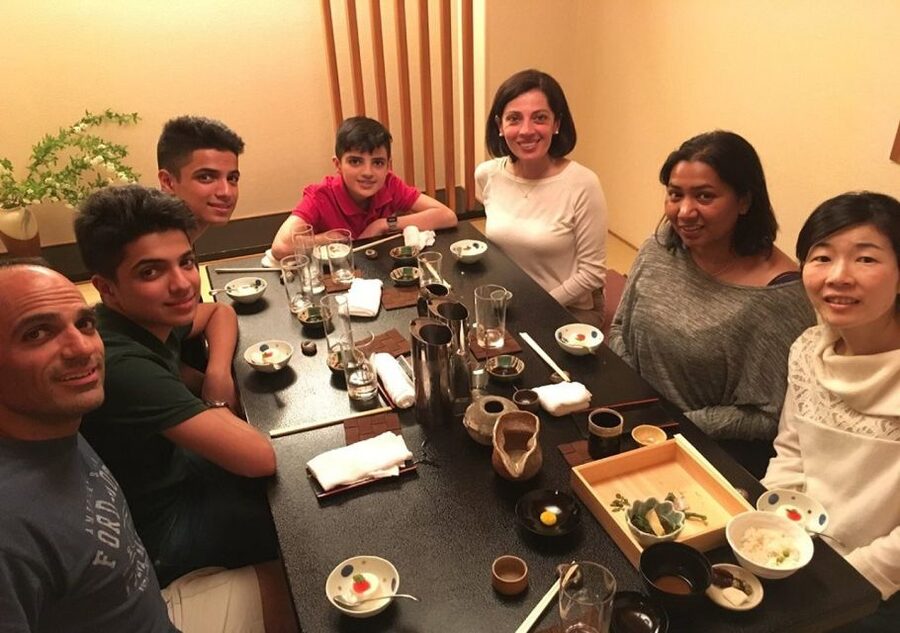
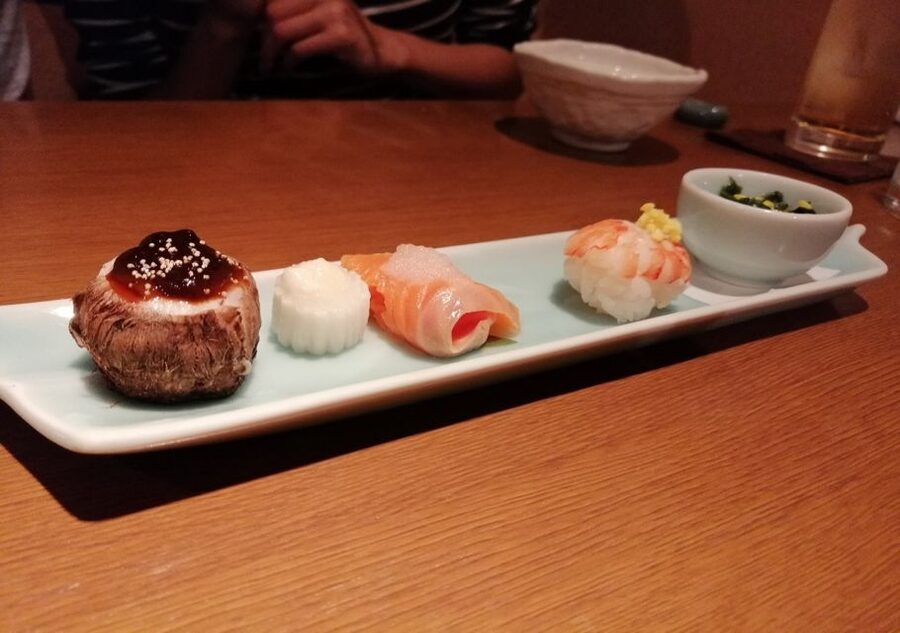
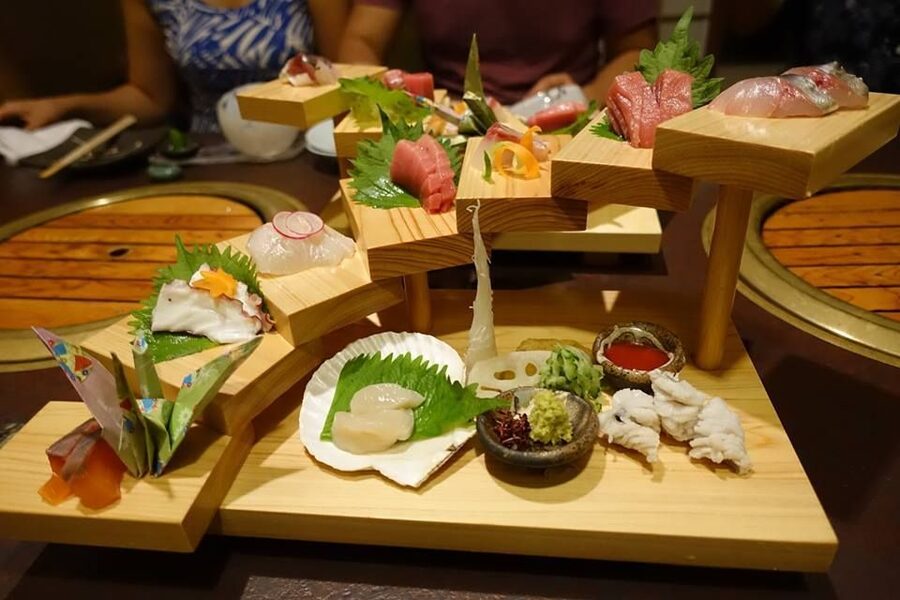
The evening ends with a ten-course kaiseki dinner, dessert, and one drink. Kaiseki is built around seasonal ingredients, careful portions, attractive presentation, and the order in which dishes arrive. The pleasure is not simply getting full. It is seeing how the meal changes from one course to the next.
Expect food described as seasonal and regional, with examples such as miso, yuba, and grilled fish. Yuba, made from the delicate skin that forms during soy milk production, is closely associated with Kyoto cooking. Its texture is subtle, and it fits the city’s preference for refined, lightly handled ingredients.
The dishes are served on small Japanese ceramics, with each plate arranged as part of the presentation. That visual care is part of the experience. You are paying for a meal that treats food as craft, not only fuel.
Reports of the dinner are very positive, with repeated praise for both the food and service. One person called it a feast for the eyes and mouth. Another described it as unlike other meals in Japan. A more reserved assessment found the food good rather than exceptional, while praising the atmosphere and the guide. That is the fair reading: the setting and presentation are reliable strengths, but individual opinions about the cooking will vary.
One drink is included. Additional drinks and extra food cost more, so keep that in mind if you like sake, beer, or several glasses with dinner. The supplied information does not specify the exact restaurant, menu, drink choice, or course-by-course dishes. The menu may change with the season, which is normal for this style of cooking.
How the guides shape the evening
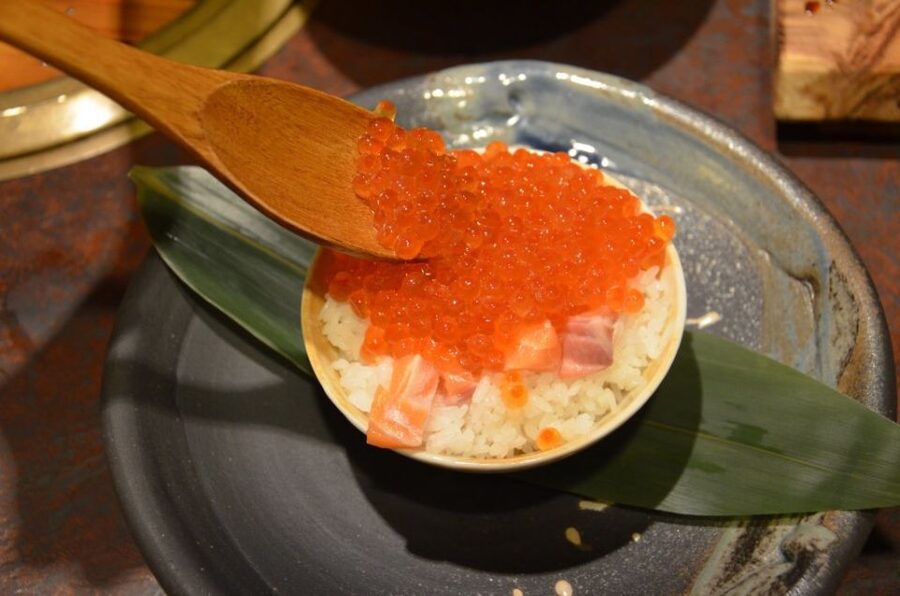
This is a guide-led experience, and the guide is not a minor detail. The strongest praise centers on people who explain clearly without rushing and who make the evening feel personal.
Miki has been praised for energy and for explaining Gion, food, and the Geiko world in a way that feels accessible. Sae received especially warm comments for her history lessons, shop suggestions, and ability to point out good places for snacks and souvenirs. Marie was described as professional, friendly, and fun.
Russ is worth noting for another reason. He managed a group with several food restrictions and allergies, which shows why you should send those details ahead of time. A guide who knows about dietary needs before the meal can communicate with the restaurant more effectively.
Guide names may change from one departure to another. What you can reasonably expect is an English-speaking local guide in a small group, not a private expert assigned only to you. The personality and background of the person leading your date will influence the tone.
Is $216 a fair price?
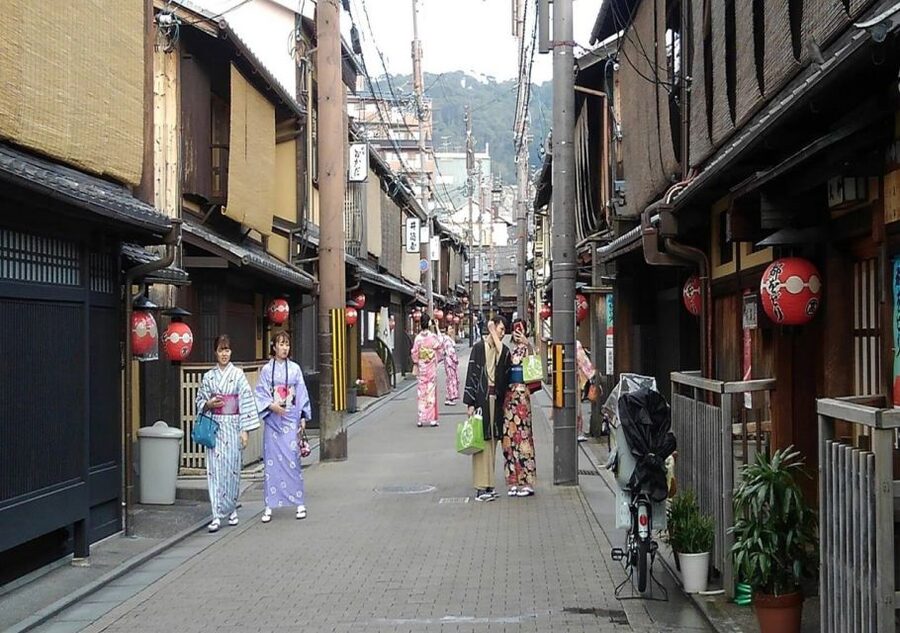
At $216 per person, this is a premium evening. You are not paying only for food. The price includes three hours with a local guide, the Gion walk, cultural interpretation, a ten-course dinner, dessert, and one drink.
The value is strongest if you would otherwise struggle to arrange a kaiseki meal or feel unsure about how to read Gion respectfully. The guide adds practical help as well as background. One person specifically appreciated learning how to get around Japan without making social mistakes, which points to an extra benefit beyond the advertised route.
The value is weaker if your main goal is a low-cost food crawl. Only a small number of snack tastings may appear before dinner, and transportation is extra. You could spend less by choosing a simpler meal and walking through Gion on your own, though you would give up the explanations and the structured restaurant booking.
For a first evening in Kyoto, the price can make sense. It combines orientation, atmosphere, and a special dinner in one appointment. For a repeat Kyoto visit, you may prefer to spend the money on a restaurant alone and explore Gion independently.
Who should book this experience?
I would recommend it to you if you want three things in one evening: traditional Kyoto scenery, a clear introduction to Maiko and Geiko culture, and a polished Japanese dinner.
It suits first-time visitors particularly well. The meeting point is central to the Gion experience, the group is small, and the guide can help you understand basic etiquette before you spend more time in the district alone.
It also works for couples, families with older children, and small groups who enjoy food but do not need every minute filled with tastings. The account from a group with adults and children suggests that some guides can keep different ages engaged, though the supplied information does not state a minimum age for the tour itself.
You may want another option if you are mainly seeking a large number of street-food samples, a private guide, or a fully specified menu. The tour is also less suitable if walking on historic streets is difficult, since comfortable shoes are specifically advised and no accessibility details are provided.
Dietary needs, timing, and practical details
Tell the operator about allergies and dietary requirements before the tour. Do not wait until you are seated. Russ’s handling of several restrictions shows that the situation can be managed, but advance notice remains essential.
At least two people must book together. Solo booking is not supported under the stated conditions. Participants aged 10 and over must provide a copy of their passport information, so have that ready when required.
The duration is three hours, with starting times dependent on availability. Since this is an evening booking, leave enough time before and after it for your own transportation. The tour does not include hotel pickup, and extra drinks or food are not covered.
Free cancellation is available up to 24 hours before the start for a full refund. You can also reserve now and pay later, which is useful if your Kyoto schedule is still moving around.
The best way to prepare
Arrive early at the Japan Kanji Museum & Library. Five minutes is not much of a grace period, and Gion’s narrow streets can slow you down.
Wear shoes you can walk in comfortably for three hours. Dress neatly enough for dinner, but choose comfort over formal footwear. You will spend part of the evening outdoors before sitting down to eat.
Keep dinner light or moderate beforehand. The snack stops are limited, but a ten-course meal is still substantial in time and variety. If you want additional drinks, budget separately.
Most of all, bring curiosity rather than a checklist. The experience works best when you pay attention to how the district feels, how the guide explains local customs, and how the dinner changes with the seasons.
Should you book the Kyoto Evening Gion Food Tour?
Book it if you want an easy, well-organized first look at Kyoto after dark, with a thoughtful guide and a memorable meal at the end. The small group, repeated praise for guides, and ten-course dinner give the evening real substance.
Skip it if you want a bargain food walk with constant sampling. The honest description is a Gion and Shirakawa walking tour with a few snack bites, followed by a full kaiseki dinner. At $216, that is expensive, but it is a fair price for the right kind of evening: cultural context, atmospheric streets, and a formal meal that you might not arrange confidently on your own.
FAQ
Where does the Kyoto Evening Gion Food Tour meet?
It meets in front of the Japan Kanji Museum & Library at Gionmachi Minamigawa, Higashiyama Ward, Kyoto, Kyoto Prefecture 605-0074, Japan.
How will I find the guide?
The guide will be holding a sign in front of the Japan Kanji Museum & Library.
How long does the tour last?
The experience lasts three hours.
What language is the tour conducted in?
The live tour guide speaks English.
How large is the group?
The tour is limited to 10 participants.
What food is included?
The booking includes a ten-course dinner, dessert, and one drink. Snack stops are also part of the walking experience.
Are transportation and hotel pickup included?
No. Hotel pickup can be arranged for an additional charge, and transportation costs are not included.
Do I need to report food allergies?
Yes. You should inform the operator about food allergies and dietary requirements.
Can I cancel for a refund?
Yes. You can cancel up to 24 hours in advance for a full refund. You can also reserve now and pay later.
Just added in Kyoto
- The “Golden Route” and Ancient Japan by DIAMIR Erlebnisreisen – 14-Day Tour★ 2.0 · 2 reviews
- Japan: Castles & Cuisine by G Adventures – 6-Day Kyoto to Osaka Tour★ 4.5 · 4 reviews
- Cycle Japan by Explore! – 13-Day Kyoto to Tokyo Tour★ 4.7 · 12 reviews
- Cycle Japan by Intrepid Travel – 11-Day Kyoto to Tokyo Tour★ 4.8 · 2 reviews
- Classic Japan by Intrepid Travel – 11-Day Kyoto to Tokyo Tour★ 4.4 · 14 reviews
- Ancient & Modern Japan 14-Day Tour by Exodus Adventure Travels★ 4.4 · 40 reviews
- 5 Day Cultural Adventure of Kyoto, Nara & Osaka by Tourist Journey★ 2.5 · 2 reviews
- 12 Days Kinosaki Onsen Escape: A Journey Through Japan’s Timeless Towns by UME Travel★ 4.8 · 5 reviews
Food Tours, compared.
Shinjuku Food Tour (13 Dishes at 4 Local Eateries)
Read our review →
Shinsekai Food Tour with 13-15 Dishes at 5 Eateries
Read our review →
Osaka Food Tour: 13 Dishes at 5 Local Eateries
Read our review →
Shinjuku Food Tour (15 Dishes and 4 Eateries)
Read our review →
Best of Shinjuku: Izakaya Food Tour (4 Stops, 14+ Tastings)
Read our review →
Kyoto Night Foodie Tour in Gion (9+ dishes + 6 Sake tastings)
Read our review →
Hungry Osaka Street Food Tour:15 Tastings & 3 Drinks with a Local
Read our review →
Tokyo Night Foodie Tour in Shinjuku – Seasonal Sushi, Wagyu Beef
Read our review →Browse the lists this tour appears in