
Reviewed · KIMONO AND CULTURAL DRESS
Kyoto: Gion & Geisha District Night Time Walking Tour
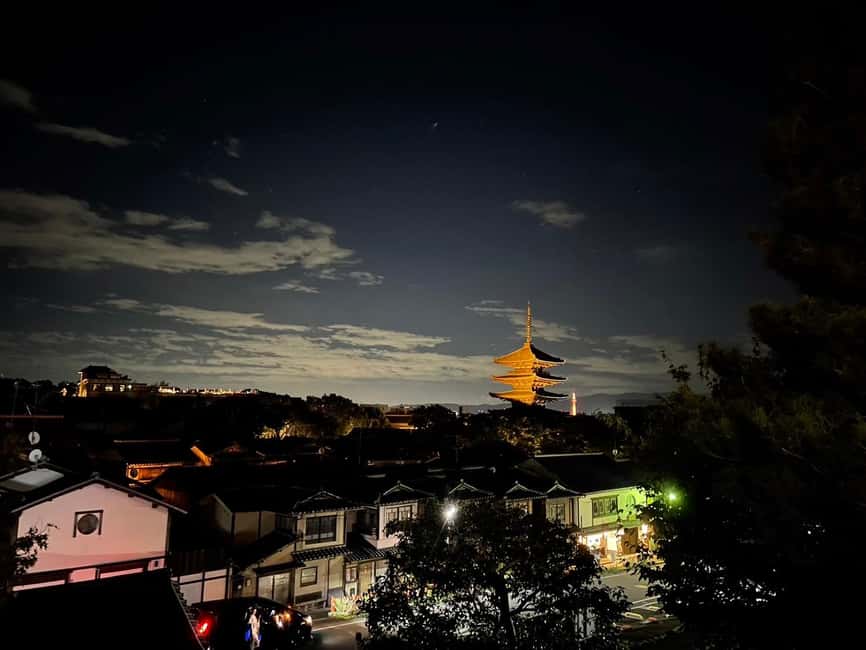
Kyoto gets more atmospheric after dark. This two-hour walk brings you from Yasaka Shrine through Gion’s old lanes, with useful context about shrines, samurai-era Kyoto, and the private world of geiko and maiko. I especially like the quieter nighttime setting and the way the guides turn ordinary streets into places with meaning. I also like that the tour includes photos, a real help if you are traveling alone.
The main drawback is the walking itself. You will cover stone lanes, sloping paths, and traditional streets, and wheelchair users cannot join. Winter evenings can feel cold, too, so bring warm clothes. At $20 per person, this is a modest price for two hours of guided sightseeing, especially if you want help finding the smaller lanes and understanding what you are seeing.
In This Review
- What makes this Gion walk worth your evening
- Meeting at Gion’s eastern edge
- Yasaka Shrine and the opening lesson in Kyoto
- Maruyama Park and a slower stretch
- Nene no Michi and the old Higashiyama lanes
- Ninenzaka’s slope and traditional storefronts
- Yasui-Konpiragu and the Power Stone ritual
- Hanamikoji Street and the world of geiko
- The guides are the strongest part
- Is $20 good value for two hours?
- What to wear and how to prepare
- Who should book this evening walk?
- My final take on the Gion night tour
- FAQ
- How long does the Gion night walking tour last?
- How much does the tour cost?
- Where does the tour meet?
- What language is the tour conducted in?
- Does the tour include Yasaka Shrine?
- Will I definitely see a geisha or maiko?
- Are photos included?
- Is the tour suitable for wheelchair users?
What makes this Gion walk worth your evening
- Yasaka Shrine sets the cultural stage: Learn how one of Kyoto’s best-known shrines connects with local festivals and geiko traditions.
- Nighttime Gion is calmer: The evening light and thinner crowds can make Nene no Michi and the old lanes easier to enjoy.
- The route has real variety: You move from a major shrine and public garden to stone-paved lanes, shops, teahouses, and a symbolic shrine ritual.
- Guides add the details signs leave out: Guides such as Majo, Pedro, Nay, Yuvia, Wilber, Sam, Jason, and Bell have been praised for clear explanations and friendly conversation.
- Photos are included: Your guide can take pictures during the walk, useful for solo visitors and couples.
- A geiko sighting is possible, not promised: The tour explains geiko and maiko culture, but seeing one in person depends on timing and luck.
Meeting at Gion’s eastern edge
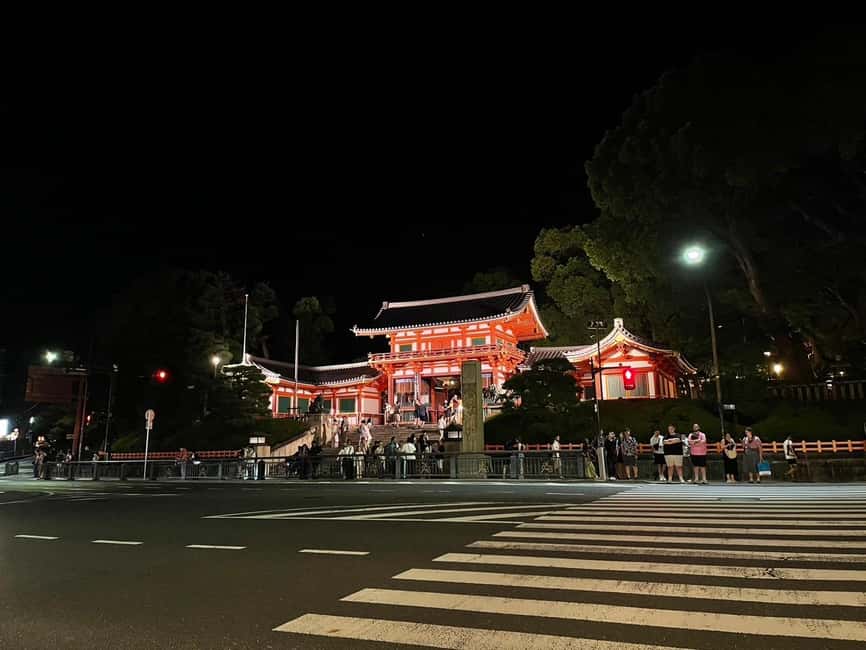
The meeting point is in front of Starbucks next to Kyoto Gion Hotel, at coordinates 35.0036732, 135.7760837. It is within walking distance of the Western Tower Gate entrance to Yasaka Shrine, so you begin close to the first major sight rather than spending half the tour getting there.
That location matters in Kyoto. Gion has many small streets, several shrine entrances, and names that can look similar on a map. I would arrive with enough time to find the correct Starbucks and avoid starting the walk in a rush.
The tour lasts two hours and returns to the same Starbucks. The guide speaks English, and the group format can sometimes feel quite personal. One couple found that only two people joined their departure, making it feel like a private tour for the price of a group walk. Group size can vary, so you should not expect a private guide every time, but the format allows room for questions when the group is small.
More Kimono Experiences in Kyoto
- [Kyoto & Nara Day Tour] Sagano Scenic Railway & Nara Park & Fushimi Inari Taisha Thousand Torii Gates & Togetsukyo Bridge & Bamboo Grove & Kimono Forest (Departing from Osaka)
★ 4.9 · 10,942 reviews - Kyoto Geisha Walking Tour: Gion District & Hidden Gems
★ 4.7 · 3,273 reviews - Kyoto: Gion Magical Night Walking Tour with Geisha Trivia
★ 4.9 · 2,393 reviews
Yasaka Shrine and the opening lesson in Kyoto
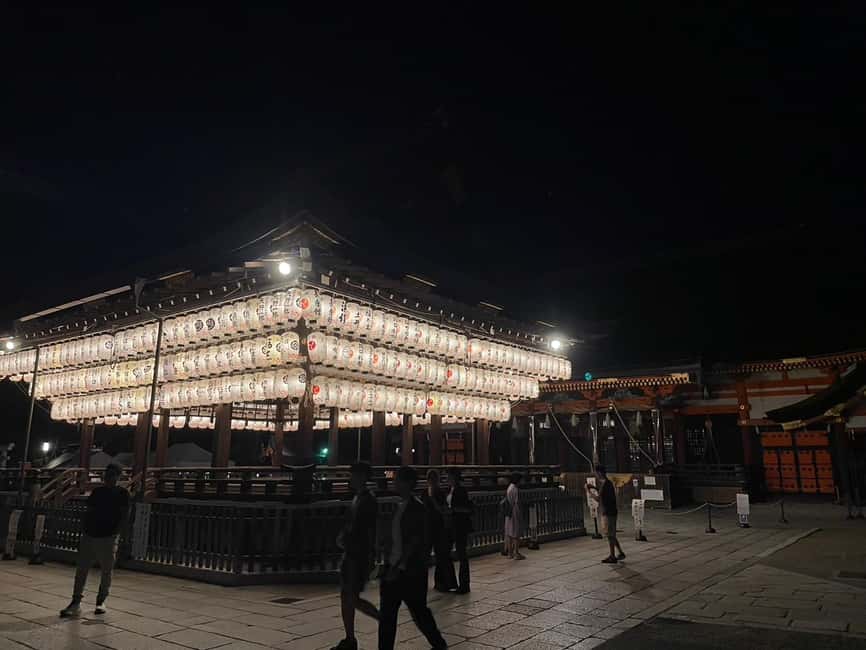
The walk begins around Gion, with a guided visit of about 30 minutes before moving into Yasaka Shrine. This opening gives you a useful orientation to the district and its traditional streets.
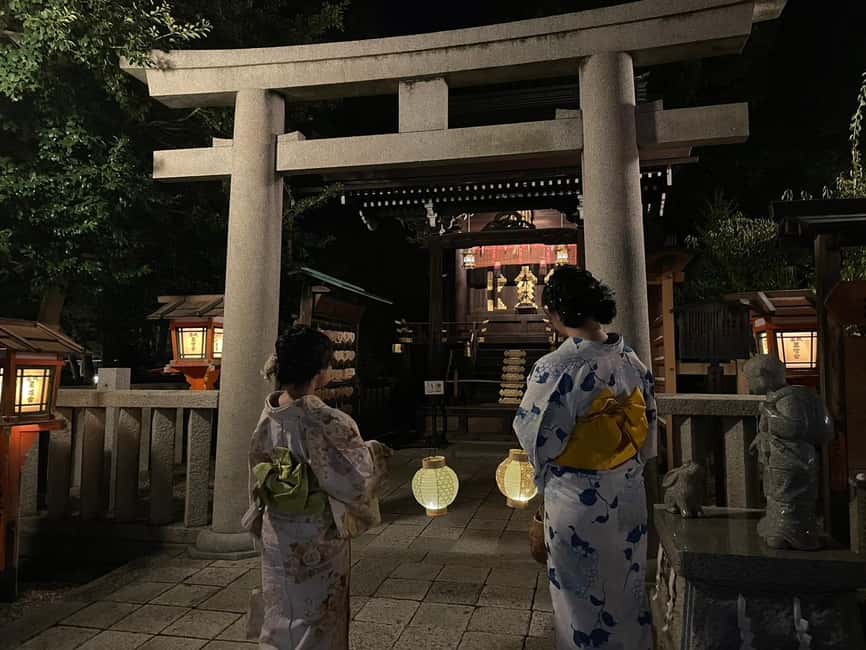
Yasaka Shrine receives much of its importance from its connection to Kyoto’s religious life and major festivals. The guide also explains its relationship with the refined traditions associated with geiko culture. That connection helps you see Gion as more than a pretty row of wooden buildings. The district developed around religious sites, entertainment, commerce, and carefully maintained customs.
You can expect roughly 20 minutes at Yasaka Shrine. That is enough time for an explanation of the site and its role in Kyoto, though not enough for a detailed tour of every feature. This is a walking tour, not a full shrine study. I like that balance because the shrine is one part of a larger story rather than the only stop.
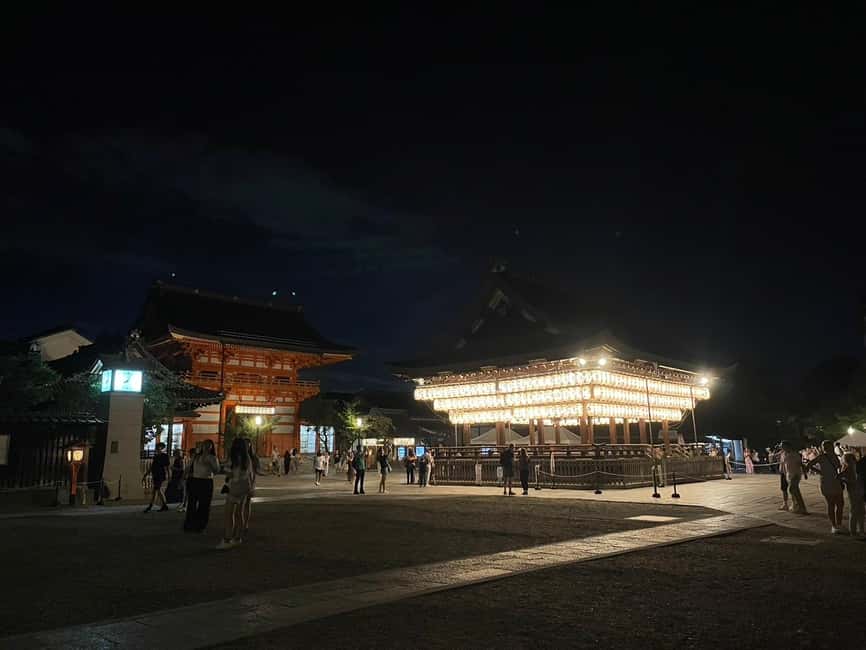
At night, Yasaka Shrine can feel especially atmospheric. Lanterns and darkened temple grounds change the mood from daytime sightseeing. Still, low light means you may not see every architectural detail as clearly as you would in full daylight. The tradeoff is a calmer setting and a stronger sense of place.
Maruyama Park and a slower stretch
From Yasaka Shrine, the route leads toward Maruyama Park, Kyoto’s oldest public garden. This is one of the quieter portions of the walk and gives you a break from the denser streets around Gion.
The park is useful as a pause between major sights. Your guide can connect the garden to Kyoto’s seasonal beauty and explain how public spaces fit into the city’s traditional character. I would not expect a long garden tour here. The park is part of the walking route, so the focus remains on atmosphere and context.
Night visits also change what you notice. During the day, gardens invite close attention to plants, paths, and views. After dark, the experience is more about stillness, sound, and the shift from a busy shrine area to a quieter public space. If you want detailed garden photography, daytime is better. If you want a peaceful change of pace, the evening works well.
Nene no Michi and the old Higashiyama lanes
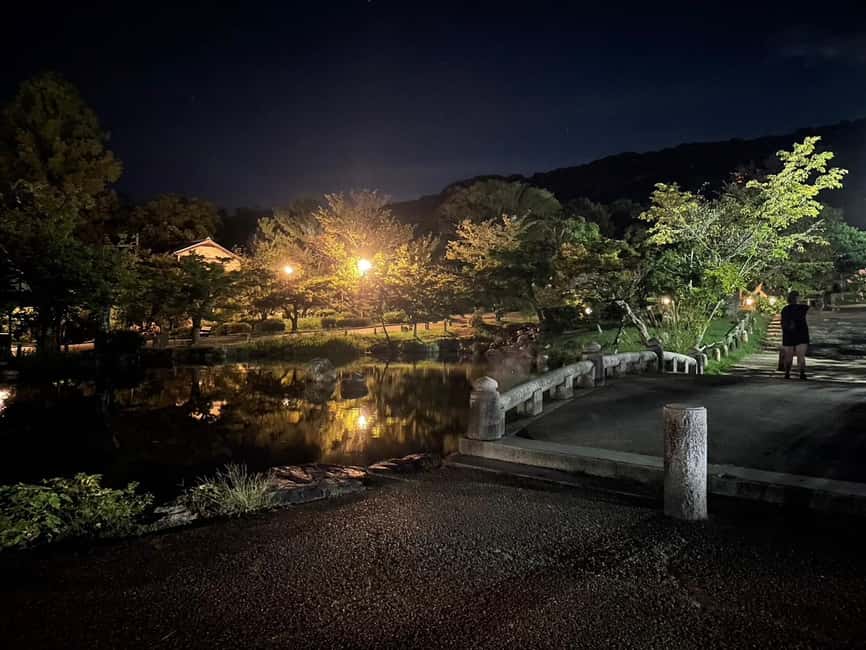
The walk then reaches Nene no Michi, a stone-paved lane named for Nene, the wife of samurai leader Toyotomi Hideyoshi. This is one of the most attractive stretches of the route, with traditional townhouses, teahouses, and artisan shops lining the way.
The name gives your guide a natural opening to discuss the people and events that shaped Kyoto. Instead of simply photographing old buildings, you get a reason for the lane’s name and a clearer sense of how the area developed.
Nene no Michi is also a good place to notice the scale of old Kyoto. The lane is intimate, and the buildings sit close to the path. That makes the area photogenic, but it also means you should walk carefully and respect the people who live and work here. Keep your voice low, avoid blocking the lane, and follow your guide’s advice about photography.
The nighttime setting is a major advantage. Several people praised the smaller crowds and the chance to see Gion from a less hectic angle. You still might encounter other groups, but evening generally offers a more relaxed walk than the busiest daytime hours.
More Walking Tours in Kyoto
- Kyoto: Gion Geisha District Walking Tour – Stories of Geisha
★ 4.7 · 2,187 reviews - Night Walk in Gion: Kyoto’s Geisha District
★ 4.5 · 2,003 reviews - Kyoto Gion Geisha District Walking Tour – The Stories of Geisha
★ 5.0 · 1,441 reviews - Nishiki Market Brunch Walking Tour (7 Tastings + Brunch)
★ 5.0 · 1,355 reviews
Ninenzaka’s slope and traditional storefronts
The route continues to Ninenzaka, a sloping lane lined with historic wooden buildings and small storefronts. This is one of Kyoto’s most recognizable old streets, and it can feel like a film set, except that it is also a real neighborhood with working businesses and residents.
The slope is worth noting. It is not a severe hike, but the surface is uneven in places, and the route includes walking rather than standing in one spot. Comfortable shoes will make the evening much easier.
Ninenzaka is a strong stop for architecture and photographs. Your guide can point out features you might pass without noticing, then place the street within the larger Higashiyama district. That added explanation is useful because many traditional buildings do not have detailed information signs in English.
There is a practical compromise here. Shops may be closed or winding down at night, so you may not get the same shopping opportunity as you would in the afternoon. On the other hand, the evening brings softer light, fewer people, and a more settled mood. If your priority is browsing stores, visit again during the day. If your priority is atmosphere, the night walk has the advantage.
Yasui-Konpiragu and the Power Stone ritual
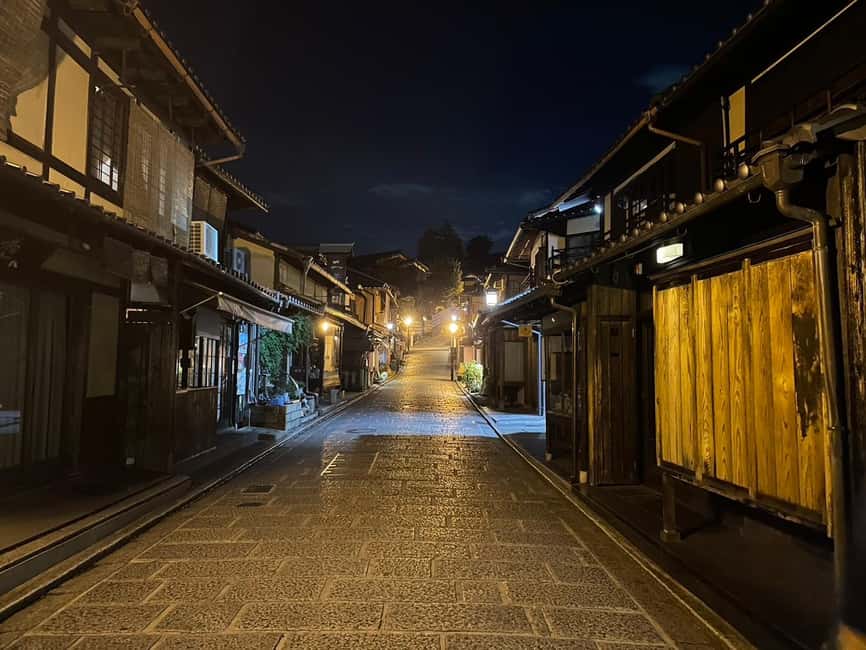
The itinerary also includes Yasui-Konpiragu Shrine, known for its symbolic Power Stone archway. The ritual here is unusual and easy to remember. People crawl through the opening to pray for strong bonds or to leave unwanted ties behind.
This stop gives the tour a personal angle. Many Kyoto sights explain large public traditions, but this shrine focuses on private hopes and difficult life changes. Your guide can explain the meaning behind the ritual so that it does not look like a random act at a small shrine.
The physical act of crawling through the stone is part of the custom, but you do not need to treat it as a required performance. You can watch, ask questions, and decide how you want to participate. The tour’s value here comes from learning what the ritual means and why people come to this particular place.
Because the shrine is a smaller stop, it also helps balance the famous locations. Gion is easy to reduce to geisha images and postcard lanes. A place such as Yasui-Konpiragu shows another side of everyday religious practice in Kyoto.
Hanamikoji Street and the world of geiko
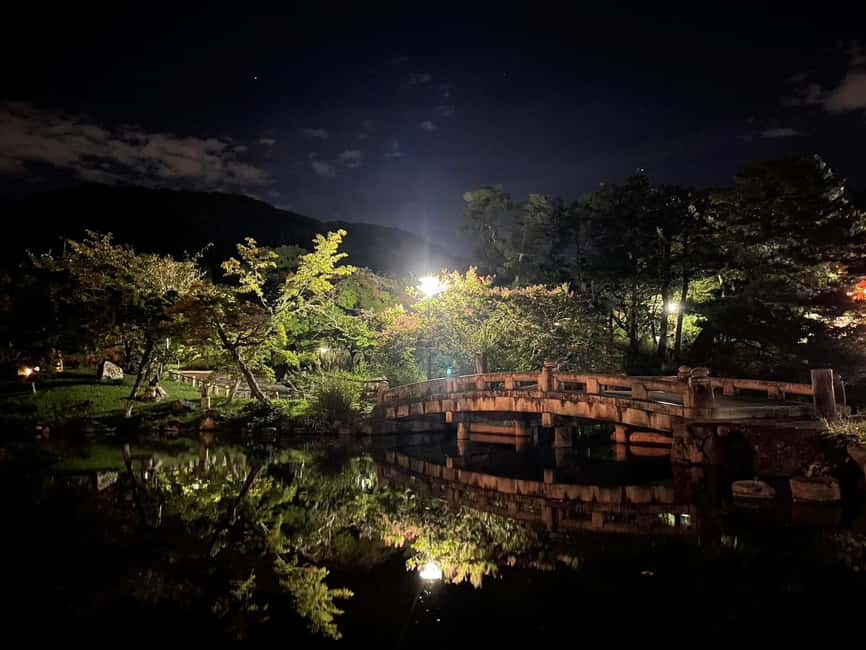
Hanamikoji Street is the heart of Gion and one of the most important parts of the tour. Rows of preserved wooden teahouses line the street, including establishments associated with Kyoto’s geiko, the local term for geisha, and maiko, their apprentices.
Your guide discusses their training, artistic work, and daily lives. This is where the tour moves beyond surface impressions. Geiko culture is private and highly structured, and a respectful explanation helps you understand why you should not treat the district like a stage set.
You may see a geiko or maiko moving between appointments, but there is no guarantee. One evening group was lucky enough to see a few geisha briefly, which is exactly the right expectation: a fortunate glimpse, not the main product. The tour remains worthwhile even if the streets are empty of performers, because the guide explains the cultural setting that makes Hanamikoji important.
Please keep your camera manners in mind. Do not chase, touch, block, or photograph people against their wishes. Gion has faced problems with intrusive photography, and respectful behavior protects the district for everyone. Listen to your guide, stay with the group, and treat any sighting as a brief privilege rather than a photo hunt.
The guides are the strongest part
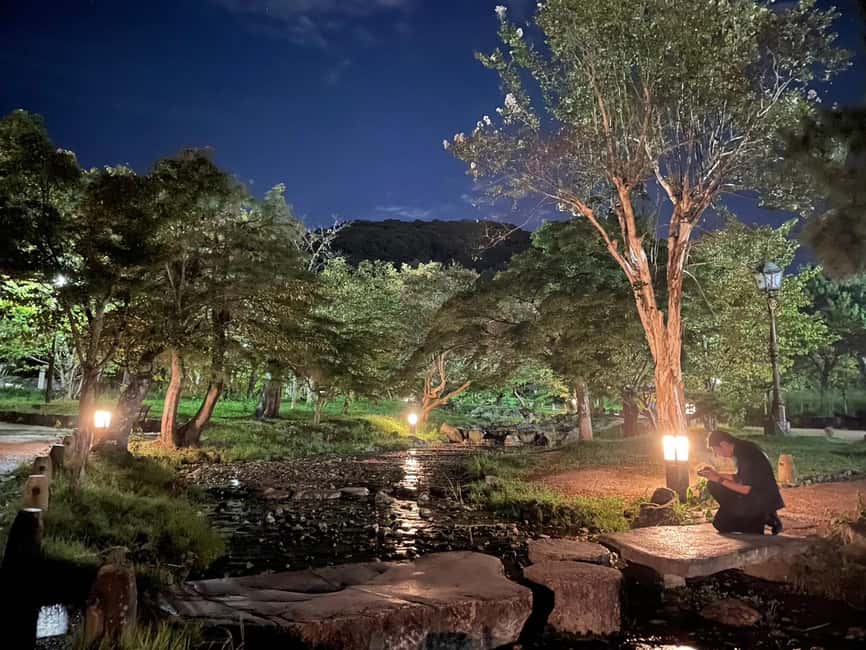
The clearest pattern in the feedback is the quality of the guiding. Majo is repeatedly praised for her cheerful manner, simple explanations, and ability to bring Gion’s stories to life. Pedro and Majo were described as friendly and well prepared, while Nay and Pedro received praise for detailed, thoughtful answers and a personal approach.
Yuvia was especially helpful to one couple, even pointing them toward good food after the tour. Wilber was praised for his command of Japanese history and for speaking as a native English guide, which can make complicated subjects easier to follow. Sam, Jason, Bell, Amy, and Nayeen also received strong praise for clear, entertaining tours.
That range of guide names tells you something useful. The experience depends partly on who leads your departure, but the consistent strengths are friendliness, historical explanation, and willingness to answer questions. If you enjoy asking about restaurants, customs, shrine practices, or Kyoto’s past, you should get good value from the format.
The guides also take photos during the walk. That small inclusion matters. Solo visitors often struggle to get pictures that are not selfies, and couples can avoid taking turns behind the camera. It will not replace a professional photo session, but it is a thoughtful extra at this price.
Is $20 good value for two hours?
Yes, especially if you are new to Kyoto. For $20, you receive an English-speaking guide, two hours of organized walking, historical context at Yasaka Shrine, an explanation of geiko and maiko culture, and photos during the tour.
You could walk through Gion for free, but you would likely miss the meaning behind Nene no Michi’s name, the Power Stone ritual, and the connection between Yasaka Shrine and local traditions. You might also pass the less obvious lanes without realizing what makes them important.
The tour is less useful if you already know Gion well or prefer to wander alone. It also does not include food, drinks, entrance fees, or a geisha performance. Think of it as an orientation walk with cultural interpretation, not a dinner show or an elaborate private tour.
The free cancellation option up to 24 hours before the start and the reserve-now, pay-later arrangement make it easy to fit into a changing Kyoto schedule. Availability and start times should be checked before booking.
What to wear and how to prepare
Wear warm layers in the colder months. A December departure was described as cold, even though the nighttime setting was pleasant. Kyoto evenings can feel much cooler once you stop moving around shrine grounds and open park paths.
Choose shoes with good grip. The route includes stone-paved lanes and the slope at Ninenzaka. You do not need hiking equipment, but thin soles or uncomfortable dress shoes will work against you.
I would also keep the group’s pace in mind. This is not a sit-down cultural lecture. You will walk for much of the two hours, stop for explanations, and move between several districts. If you want more time at one shrine or more shopping time, plan a separate daytime visit.
The tour is not suitable for wheelchair users. That limitation is important because of the slopes, stone paths, and walking-heavy route.
Who should book this evening walk?
I would recommend it to first-time Kyoto visitors who want an easy introduction to Gion without spending much. It also suits solo visitors, couples, and anyone who wants a guide to take photos and answer questions along the way.
It is a good choice if you care about culture as much as scenery. You will hear about shrine customs, local festivals, samurai-era connections, old streets, and the working traditions of geiko and maiko.
I would be more cautious if your main goal is guaranteed geisha viewing. No ethical tour can promise that, and the possible sighting is incidental. I would also suggest another option for visitors who cannot manage uneven surfaces, slopes, or two hours of walking.
My final take on the Gion night tour
This is a well-priced way to get your bearings in one of Kyoto’s most famous districts while seeing it at a calmer hour. I like the mix of major sights and smaller cultural stops, especially Yasui-Konpiragu and the explanations along Nene no Michi and Hanamikoji Street.
The strongest reason to book is the guide. Majo, Pedro, Nay, Yuvia, Wilber, and the other named guides have been praised for warmth, clear English, useful answers, and lively storytelling. Those qualities can turn a simple walk into a much better understanding of Gion.
Book it if you want context, photos, and a relaxed nighttime route for $20. Skip it if you already know the district well, need step-free access, or are looking only for a guaranteed geisha encounter.
FAQ
How long does the Gion night walking tour last?
The tour lasts two hours.
How much does the tour cost?
The listed price is $20 per person.
Where does the tour meet?
The meeting point is in front of Starbucks next to Kyoto Gion Hotel. It is within walking distance of the Western Tower Gate entrance to Yasaka Shrine.
What language is the tour conducted in?
The tour is conducted in English with a live English-speaking guide.
Does the tour include Yasaka Shrine?
Yes. The route includes a guided visit to Yasaka Shrine, with historical information about the shrine and its connection to Kyoto’s festivals and geiko traditions.
Will I definitely see a geisha or maiko?
No. You might see a geiko or maiko during the walk, but sightings are not guaranteed.
Are photos included?
Yes. Photos are included during the tour, and guides can help take pictures during the walk.
Is the tour suitable for wheelchair users?
No. The activity is not suitable for wheelchair users.
Just added in Kyoto
- The “Golden Route” and Ancient Japan by DIAMIR Erlebnisreisen – 14-Day Tour★ 2.0 · 2 reviews
- Japan: Castles & Cuisine by G Adventures – 6-Day Kyoto to Osaka Tour★ 4.5 · 4 reviews
- Cycle Japan by Explore! – 13-Day Kyoto to Tokyo Tour★ 4.7 · 12 reviews
- Cycle Japan by Intrepid Travel – 11-Day Kyoto to Tokyo Tour★ 4.8 · 2 reviews
- Classic Japan by Intrepid Travel – 11-Day Kyoto to Tokyo Tour★ 4.4 · 14 reviews
- Ancient & Modern Japan 14-Day Tour by Exodus Adventure Travels★ 4.4 · 40 reviews
- 5 Day Cultural Adventure of Kyoto, Nara & Osaka by Tourist Journey★ 2.5 · 2 reviews
- 12 Days Kinosaki Onsen Escape: A Journey Through Japan’s Timeless Towns by UME Travel★ 4.8 · 5 reviews
Kimono and Cultural Dress, compared.
![[Kyoto & Nara Day Tour] Sagano Scenic Railway & Nara Park & Fushimi Inari Taisha Thousand Torii Gates & Togetsukyo Bridge & Bamboo Grove & Kimono Forest (Departing from Osaka)](https://media.japanvisits.com/wp-content/uploads/kyoto-nara-day-tour-sagano-scenic-railway-nara-park-fushimi-inari-taisha-thousand-torii-gates-togetsukyo-bridge-bamboo-grove-kimono-forest-departing-from-osaka-k110001-400x257.jpg)

Tokyo Asakusa Kimono&Yukata Rental at Kimono Miyabi Asakusa Station
Read our review →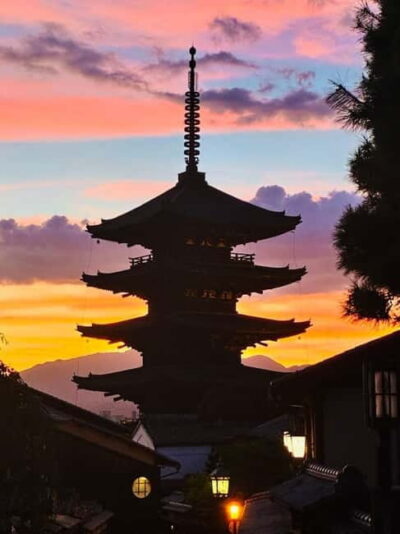
Kyoto Geisha Walking Tour: Gion District & Hidden Gems
Read our review →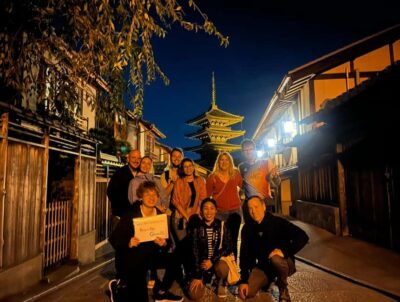
Gion Magical Night Walking Tour with Geisha Trivia
Read our review →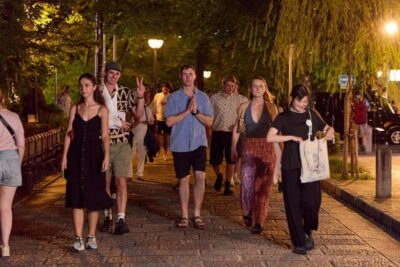
Gion Geisha District Walking Tour – Stories of Geisha
Read our review →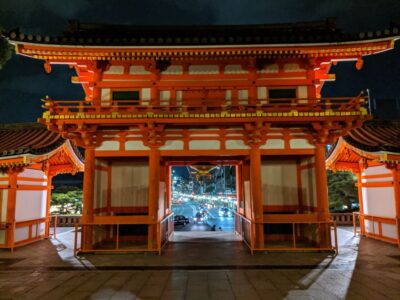
Best of Kyoto: Gion, Geisha, Pagodas & Cobblestones
Read our review →
Kyoto Kimono Rental Experience (Optional Exquisite Hair Styling/Japanese Makeup/Photography) (Ookini Kiyomizu-dera Main Store)
Read our review →Browse the lists this tour appears in