
Reviewed · FOOD TOURS
Kyoto: Gion & Pontocho Food Tour with 13 Dishes
Kyoto tastes better after dark. This three-hour walk links Gion’s lantern-lit lanes with Pontocho’s intimate dining rooms, pairing local stories with up to 13 Japanese dishes. I especially like the small maximum of eight people and the way the food comes with useful context, not just a parade of plates. The main tradeoff is simple: you spend a good part of the evening seated at two restaurants, so this is less about constant walking and more about eating well.
I also like the thoughtful route. You begin at Yasaka Shrine, pass through Shirakawa Lane, learn about geiko and maiko traditions, then settle into an izakaya before finishing in Pontocho. The food quantity is generous, and several people found it more than enough for dinner, though the $82 price will feel high if you mainly want a quick sampling of street snacks.
In This Review
- Key points to know before booking
- Starting beneath Yasaka Shrine’s evening glow
- Walking Gion Shirakawa and learning about geiko culture
- The first meal: an izakaya in Gion
- Sake, conversation, and the value of guided tasting
- Pontocho after dark, with a change of mood
- Is $82 a fair price for dinner in Kyoto?
- What kind of evening should you expect?
- Practical advice for getting the most from the tour
- Who should book this Gion and Pontocho food tour?
- Should you book it?
- FAQ
- How long does the Kyoto food tour last?
- How many dishes are included?
- Are drinks included?
- Where does the tour meet?
- Is the tour conducted in English?
- How large is the group?
Key points to know before booking
- Up to 13 dishes: Expect a full meal with items such as karaage, tempura, sashimi, tonkatsu, tofu skin, and other regional specialties.
- Two Kyoto neighborhoods in one evening: The route covers Gion and Pontocho, with stops at Yasaka Shrine and Shirakawa Lane.
- A food tour with cultural background: Your guide explains geisha culture, dining manners, sake, and the story behind selected dishes.
- Small group of eight: The size makes conversation easier and lets the guide respond to questions and dietary concerns.
- Two included drinks: These may be alcoholic or non-alcoholic, with sake tasting forming a memorable part of many evenings.
- A three-hour dinner experience: You walk between stops, but much of the time is spent eating and talking at one izakaya and one restaurant.
Starting beneath Yasaka Shrine’s evening glow
The meeting point is in front of the main entrance of FamilyMart Gion, facing the main street. That detail matters because Gion has plenty of small lanes and several convenience stores, so use the main entrance rather than wandering toward the shrine and hoping to spot the group.
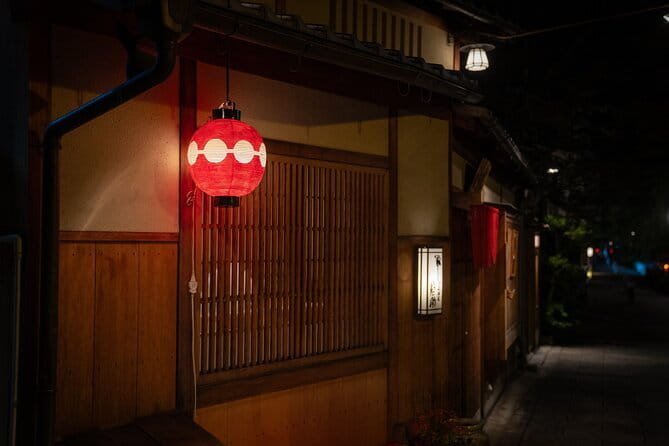
From there, the tour heads toward Yasaka Shrine. The shrine is particularly atmospheric after sunset, when its illuminated buildings give the opening walk a calm, traditional feel. Your English-speaking guide uses this first stop to explain the shrine’s cultural role and place in Kyoto life.
This is a good beginning because you get your bearings before sitting down to eat. The shrine visit is brief, listed as about a minute, so do not expect a long temple lecture or a formal religious tour. It is an introduction to the neighborhood, followed by a closer look at Gion’s streets.
Guides have been a major part of the experience. Tomoko, Takuma, Kohtaro, Mia, Minori, Haruka, Yuna, Taiga, and others have been praised for being warm, clear, and attentive. Tomoko has even written down answers to questions about dishes and drinks for one participant, while other guides have taken group photos when asked. Those small touches can make a shared tour feel personal.
More Food Tours in Kyoto
- Kyoto Night Foodie Tour in Gion (9+ dishes + 6 Sake tastings)
★ 5.0 · 1,762 reviews - Kyoto: Gion Food Tour 13 Dishes at 4 Eateries
★ 5.0 · 408 reviews - Kyoto Foodie Night Tour
★ 5.0 · 376 reviews
Walking Gion Shirakawa and learning about geiko culture
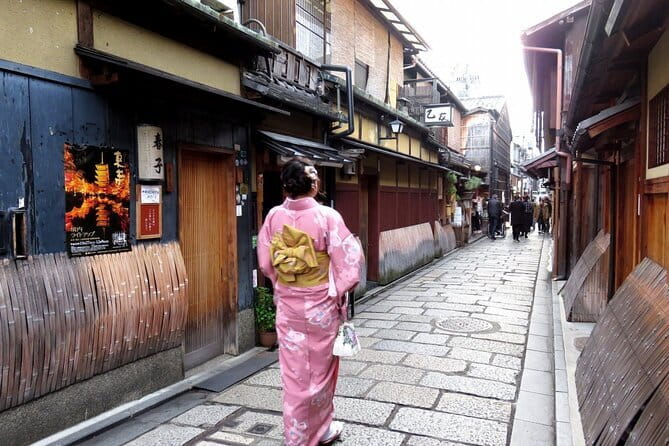
The route continues through Shirakawa Lane for roughly 30 minutes. This is one of the most scenic parts of the evening, with a narrower, quieter atmosphere than Kyoto’s major shopping streets. Your guide points out places connected with Gion’s traditional entertainment world and explains the difference between geiko and maiko, along with local customs and etiquette.
The geisha topic is handled as cultural background rather than a promise of a staged encounter. You may hear stories about the district and its working traditions, but the tour does not include a geisha performance or a guaranteed sighting. One person happened to spot a geisha while waiting outside the second restaurant, but that was luck, not part of the scheduled program.
That distinction is important. Gion is a living neighborhood, not a theme park. Keep your voice down, do not block narrow lanes, and do not photograph people without permission. A guide can explain the setting, but good manners remain your responsibility.
The walk lasts long enough to give the evening shape without turning into a tiring sightseeing circuit. Still, wear comfortable shoes. The route includes outdoor walking before and between meals, and bad weather can affect the mood. One guide kept the group engaged through heavy rain, while another led the walk in snow, but you should still bring suitable clothing rather than assume the weather will cooperate.
The first meal: an izakaya in Gion
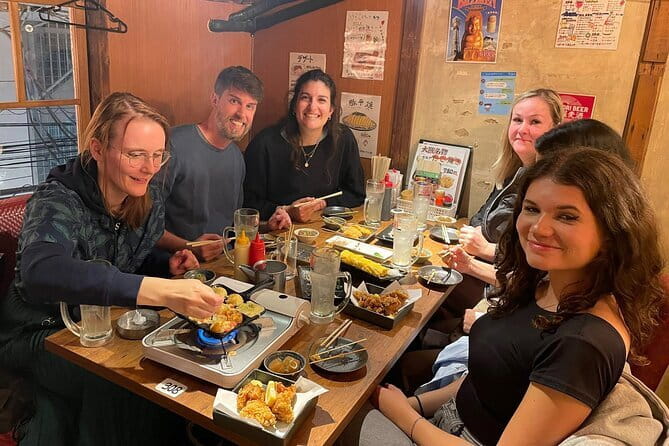
After the walking portion, you settle into a cozy Gion izakaya for a substantial round of food. An izakaya is a Japanese drinking and dining place, usually built around shared plates. That format works especially well here because you can try many things without ordering a full serving of every dish.
The exact selection can vary, but the food examples include:
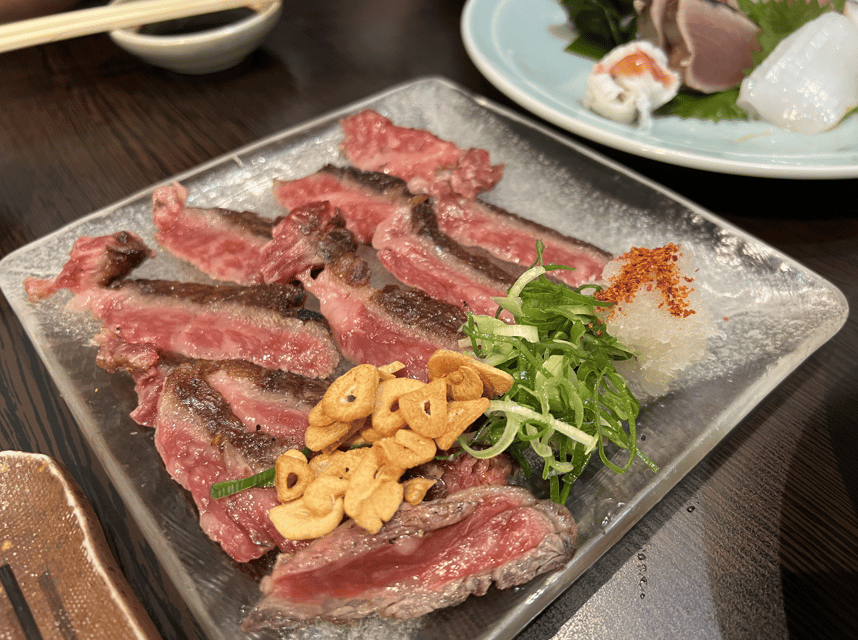
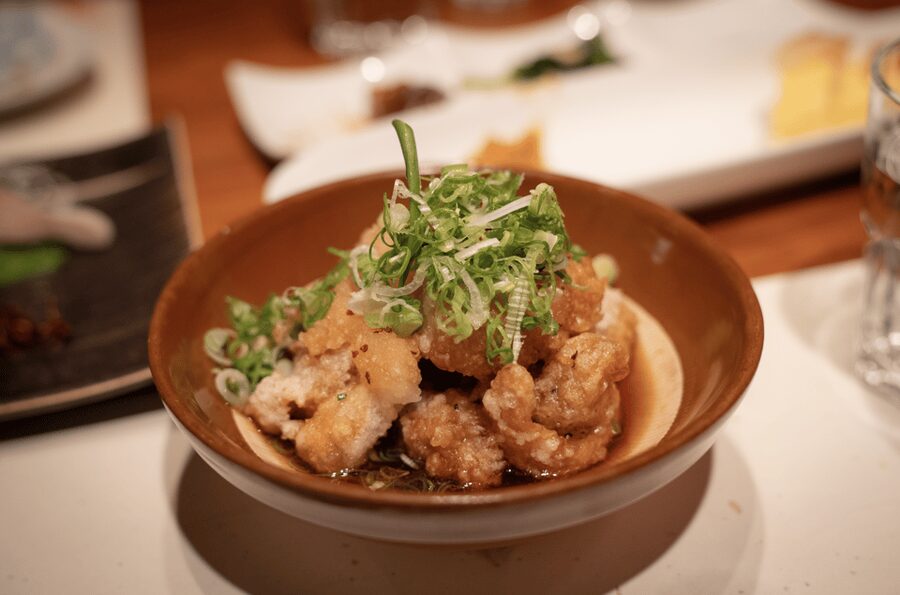
- Karaage, Japanese-style fried chicken
- Tempura
- Sashimi
- Tonkatsu
- Tofu skin
- Regional dishes connected with Kyoto
- Other small plates selected for variety
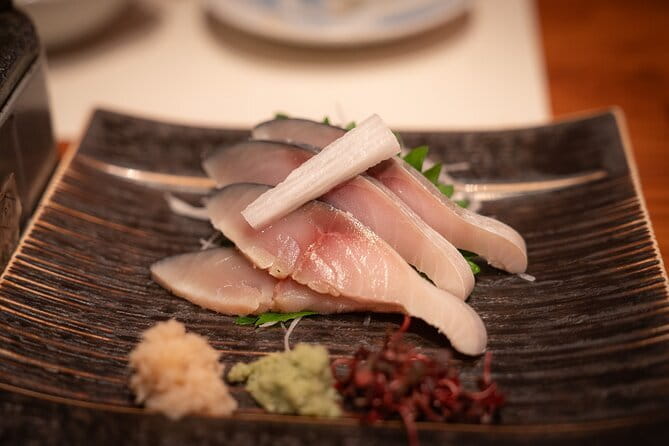
The strength of this meal is range. You are not simply eating sushi, then more sushi. You get fried food, raw seafood, tofu-based dishes, and cooked specialties. Several people were pleased to try foods they would not have ordered alone, including stingray and tofu skin.
Your guide explains what arrives and how to eat it. That help is valuable if you are unfamiliar with Japanese menus, since the challenge in Kyoto is often not finding food but knowing what to choose. You can ask about flavor, texture, ingredients, and etiquette without worrying that you are slowing down a private meal.
The group setting adds to the appeal. With no more than eight people, plates can be shared and conversations stay manageable. Solo visitors have found this useful for meeting people during an evening out, while families have appreciated guides who made children and adults feel comfortable. The group may include people from several countries, which adds another social layer to the meal.
The downside is that you may encounter ingredients you do not enjoy. A food tour built around variety will not suit someone who wants a carefully controlled menu. If you have allergies, tell the provider in advance and repeat the information to your guide at the start. Takuma received particular praise for handling allergies carefully, but the supplied details do not promise that every dietary restriction can be accommodated.
Sake, conversation, and the value of guided tasting
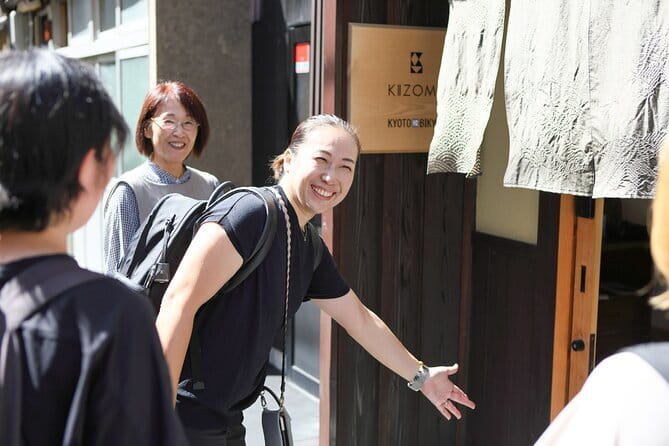
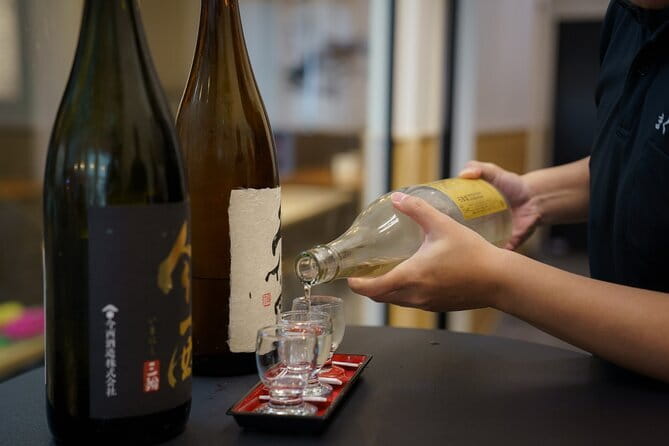
Two drinks are included, and they may be alcoholic or non-alcoholic. Sake is a key part of the experience, and several evenings included a tasting of different varieties. Guides such as Masa and Kohtaro were praised for explaining how the sake choices differed, while other participants called the sake flight a highlight of the night.
This is more useful than simply receiving a drink with dinner. Sake can seem like one broad category if you have never tasted several types side by side. A guide can give you a starting point for noticing differences and remembering what you liked.
Do not treat the tour as an unlimited drinking event. Extra drinks are not included, and the provider specifically notes that additional alcohol costs more. If you are a serious drinker, budget for that. For most people, the two included drinks should complement the meal without changing the focus of the evening.
The pace also deserves praise. Multiple accounts describe the tour as unhurried, with enough time to eat, ask questions, and talk with the group. That matters because 13 dishes in three hours could easily become a rushed exercise. Here, the aim is to make dinner the center of the evening, not to squeeze in as many addresses as possible.
A completely different kind of day out:
- PERFECT KYOTO 1-Day Bus Tour
★ 5.0 · 13,518 reviews - [Kyoto & Nara Day Tour] Sagano Scenic Railway & Nara Park & Fushimi Inari Taisha Thousand Torii Gates & Togetsukyo Bridge & Bamboo Grove & Kimono Forest (Departing from Osaka)
★ 4.9 · 10,942 reviews - Kyoto: Fushimi Inari, Kinkakuji, Bamboo Grove 1 Day Bus Tour
★ 4.8 · 4,316 reviews - Kyoto: Tea Ceremony in a Traditional Tea House in Kiyomizu
★ 4.9 · 3,519 reviews
Pontocho after dark, with a change of mood
After the Gion meal, you walk toward Pontocho. The guided section here lasts about 15 minutes, giving you a look at one of Kyoto’s best-known dining quarters before the final stop.
Pontocho feels different from Gion. The lane is narrow, and the atmosphere changes as you move from the shrine district into a concentrated line of restaurants and bars. The tour does not claim that every venue is open to casual drop-ins, which is one reason the arranged meal is useful. Your guide gets you into a place selected for the group instead of leaving you to decode menus and reservation customs on your own.
The final dining stop lasts about an hour. It is described as a restaurant or hidden dining spot with a different mood from the Gion izakaya. That change keeps the evening from feeling like one long meal in the same room.
You continue tasting local dishes here, with the included drinks and further explanation from the guide. The second stop is also where many people had a more formal sake tasting. One practical point: because the meal is spread across two venues, you are paying for access, guidance, food, and social ease, not simply for a seat and a single main course.
Is $82 a fair price for dinner in Kyoto?
At $82 per person, this is not the cheapest way to eat in Gion. You can find inexpensive noodles, skewers, and convenience-store meals for far less. But those options do not include two restaurants, up to 13 dishes, two drinks, an English-speaking guide, cultural explanation, and a planned route through two difficult-to-navigate districts.
I see the value most clearly for a first visit to Kyoto. If you are unsure what to order, do not speak Japanese, or want to understand the connection between food and local customs, the guide saves you time and removes much of the guesswork. You also get a proper dinner, not a handful of token samples.
The value is weaker if you are already comfortable ordering Japanese food or have carefully chosen restaurants you want to visit. It is also less attractive if you want a walking tour with only light snacks. The menu is generous enough that you should arrive hungry, and perhaps avoid scheduling another full dinner afterward.
The price includes food at one restaurant and one izakaya, up to 13 dishes, two drinks, and the walking tour. Extra drinks cost more. Since the group is limited to eight, the experience has a more personal feel than a large bus-style food outing.
What kind of evening should you expect?
This is a social tour. You will share food, sit close to other group members, and talk while the guide explains the dishes. That makes it a good choice for solo visitors and couples who want company, but it may feel less private than booking a table on your own.
It is also a cultural tour, though food remains the main event. You get stories about Gion, Pontocho, Kyoto, geiko culture, sake, and dining manners, but you should not book it expecting a long, formal lecture on Japanese history.
The walking is moderate rather than strenuous. The route includes Yasaka Shrine, Gion, Shirakawa Lane, and Pontocho, with about 30 minutes of guided walking in Shirakawa Lane and another 15 minutes in Pontocho. The listed activity is wheelchair accessible, although narrow streets and restaurant layouts can still affect how easy each part feels.
The tour is conducted in English. Guide quality can vary by person, but the pattern across the evening accounts is strong: Tomoko was praised for warmth and detailed explanations, Takuma for answering questions and handling allergies, Kohtaro for clear English and food knowledge, and Mia for keeping people comfortable in poor weather. The experience depends partly on the individual guide, yet the repeated praise suggests that guiding is a real strength of the operation.
Practical advice for getting the most from the tour
Meet at the exact FamilyMart entrance on the main street. Gion can become confusing after dark, and a few extra minutes spent confirming the location is better than beginning the night in a frantic search.
Wear shoes that handle walking and bring a rain layer in unsettled weather. The evening includes outdoor sections, and the route continues even when conditions are not perfect.
Arrive hungry. With up to 13 dishes, the meal may be considerably larger than you expect. The food is shared in stages, so pace yourself early rather than filling up on the first fried dish.
Tell the guide about allergies before the first restaurant. Ask questions as dishes arrive. The tour works best when you treat it as an introduction to Japanese food, not a silent tasting menu.
Finally, keep your expectations respectful around geisha culture. You will learn about Gion’s traditions and may pass places associated with geiko and maiko, but no encounter is guaranteed. The most worthwhile part is understanding the district as a working cultural area rather than chasing a photograph.
Who should book this Gion and Pontocho food tour?
I would recommend it to first-time Kyoto visitors who want an evening that combines dinner, neighborhood orientation, and local customs. It is particularly useful for solo visitors, couples, small families, and anyone who finds Japanese menus intimidating.
Food lovers will appreciate the range from sashimi and tempura to tofu skin, tonkatsu, and other less familiar dishes. People interested in sake or geiko culture will also get more from the night than they would from a standard restaurant reservation.
I would hesitate if you need a strictly vegetarian, vegan, or highly restricted menu, since the supplied details do not specify those arrangements. I would also skip it if your priority is a long walking tour, a private dining experience, or bargain-priced food.
Should you book it?
Book this tour if you want a generous Kyoto dinner with a small group, clear English guidance, and a useful introduction to Gion and Pontocho. The strongest reasons are the food variety, the relaxed pace, the sake component, and guides who make room for questions.
Skip it if you already know Kyoto’s dining scene and would rather spend $82 on one restaurant of your own choice. For most first-time visitors, though, the combination of up to 13 dishes, two drinks, two neighborhoods, and three hours of friendly guidance makes this a practical way to spend one Kyoto evening.
FAQ
How long does the Kyoto food tour last?
The tour lasts three hours. It includes walking through Gion and Pontocho, a visit to Yasaka Shrine, time in Shirakawa Lane, and food at two dining venues.
How many dishes are included?
The tour includes up to 13 traditional Japanese dishes. Examples include karaage, tempura, sashimi, tonkatsu, tofu skin, and other local specialties.
Are drinks included?
Yes. Two drinks are included, and they may be alcoholic or non-alcoholic. Sake tasting is part of many tour evenings. Extra drinks are not included.
Where does the tour meet?
The meeting point is in front of the main entrance of FamilyMart Gion, facing the main street.
Is the tour conducted in English?
Yes. The tour has a live English-speaking guide.
How large is the group?
The group is limited to eight participants. This keeps the tour small enough for conversation and individual questions.
Just added in Kyoto
- The “Golden Route” and Ancient Japan by DIAMIR Erlebnisreisen – 14-Day Tour★ 2.0 · 2 reviews
- Japan: Castles & Cuisine by G Adventures – 6-Day Kyoto to Osaka Tour★ 4.5 · 4 reviews
- Cycle Japan by Explore! – 13-Day Kyoto to Tokyo Tour★ 4.7 · 12 reviews
- Cycle Japan by Intrepid Travel – 11-Day Kyoto to Tokyo Tour★ 4.8 · 2 reviews
- Classic Japan by Intrepid Travel – 11-Day Kyoto to Tokyo Tour★ 4.4 · 14 reviews
- Ancient & Modern Japan 14-Day Tour by Exodus Adventure Travels★ 4.4 · 40 reviews
- 5 Day Cultural Adventure of Kyoto, Nara & Osaka by Tourist Journey★ 2.5 · 2 reviews
- 12 Days Kinosaki Onsen Escape: A Journey Through Japan’s Timeless Towns by UME Travel★ 4.8 · 5 reviews
Food Tours, compared.
Shinjuku Food Tour (13 Dishes at 4 Local Eateries)
Read our review →
Shinsekai Food Tour with 13-15 Dishes at 5 Eateries
Read our review →
Osaka Food Tour: 13 Dishes at 5 Local Eateries
Read our review →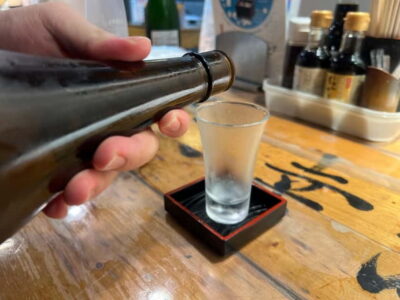
Shinjuku Food Tour (15 Dishes and 4 Eateries)
Read our review →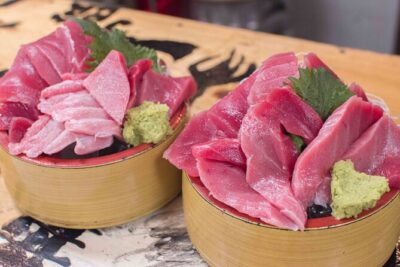
Best of Shinjuku: Izakaya Food Tour (4 Stops, 14+ Tastings)
Read our review →
Kyoto Night Foodie Tour in Gion (9+ dishes + 6 Sake tastings)
Read our review →
Hungry Osaka Street Food Tour:15 Tastings & 3 Drinks with a Local
Read our review →
Tokyo Night Foodie Tour in Shinjuku – Seasonal Sushi, Wagyu Beef
Read our review →Browse the lists this tour appears in