
Reviewed · CASTLES AND HISTORIC SITES
Ninja Experience in Takayama – Basic Course
Ninjas meet Takayama over one short hour. This guided indoor activity gives you a costume, a handful of ninja skills, and a playful look at old Japan without taking half a day. I like the hands-on weapons practice, especially throwing an iron shuriken, and I like the small groups of up to six, which should keep the instruction personal. The main drawback is that the weapon practice may feel brief, with only a limited number of throws for each weapon.
The setting is a cafe, not a secluded training hall, so you may practice in front of other people. That will not bother most families, but shy participants should know what to expect. Friendly English and Japanese-speaking guides, a drink, and the chance to take costume photos make this a cheerful break from sightseeing in Takayama.
In This Review
- Key points to know before you book
- Why this Takayama activity works so well
- Inside the cafe, old Japan becomes part of the setting
- Changing into a ninja outfit
- Shuriken, blowpipes, and the limits of one hour
- Sword movements and iai-style kata
- What the guides add to the experience
- Is $35 a fair price?
- Best fit for families, first-time visitors, and rainy days
- How to fit the hour into your Takayama day
- The honest drawbacks
- Should you book the Basic Course?
- FAQ
- Where does the Ninja Experience in Takayama take place?
- How long does the ninja experience last?
- What is included in the $35 price?
- Which languages are available?
- What weapons and activities can I try?
- Can children join the experience?
Key points to know before you book
- Authentic iron shuriken practice: You get to throw a real metal ninja star under instruction.
- Several ninja skills in one hour: The course can include shuriken throwing, a blowpipe, sword movements, and iai-style kata with replica weapons.
- Costume and photos included: Rental ninja clothing turns a simple activity into a memorable family photo stop.
- Indoor and weather-proof: You can do the full experience inside, useful on a rainy or cold day in Gifu.
- Small group format: The maximum group size is six, a good balance between shared fun and personal attention.
- Good value at $35: The price includes entry, clothing, one drink, and the guided weapon training.
Why this Takayama activity works so well
Takayama is known for its preserved old streets, traditional buildings, morning markets, and mountain setting. Those sights reward slow wandering, but even the best walking day benefits from a change of pace. This ninja session gives you an hour of activity, photos, and simple cultural context without requiring a major time commitment.
I see it as a light, playful introduction rather than a serious martial arts lesson. You are not signing up for a full day of historical study or advanced sword training. Instead, you get a compact experience built around trying things yourself.
That distinction matters. If you want a formal lecture on ninja history, this may feel too casual. If you want to dress up, learn a few movements, and give the children something to talk about over dinner, the format makes sense.
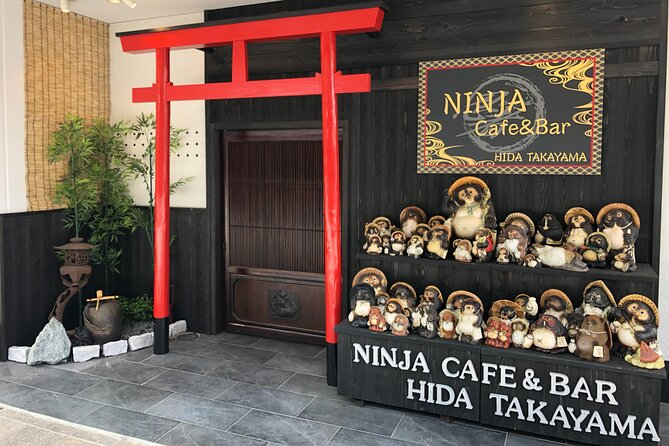
The activity takes place at Ninja Cafe Takayama, where the entrance is marked by many raccoon dog objects. That is a useful meeting-point detail because the cafe may not look like a conventional training school from the outside. Look for the cluster of tanuki figures rather than relying only on a street number.
More Castles and Historic Sites in Takayama
- Ninja Experience in Takayama – Basic Course
★ 5.0 · 62 reviews - Knife Making Experience in Samurai Sword Town
★ 5.0 · 29 reviews - Gifu Samurai Sword Town;Japanese Damascus Knife Making Experience
★ 5.0 · 27 reviews
Inside the cafe, old Japan becomes part of the setting
The cafe displays historical helmets, swords, and tea utensils. These objects help place the activity in a wider picture of Japanese culture, even though the session itself is designed to be fun and active.
I like this combination of display and participation. You first see objects connected with samurai and traditional life, then handle safe training equipment and try a few techniques. The setting gives the costume photos more meaning than a standard dress-up booth would provide.
Do keep your expectations in check. The information available does not promise a long museum-style explanation for every object. The displays are best treated as atmosphere and a visual introduction before the practical part begins.
The cafe also serves drinks and sweets, although the basic course includes one drink and does not include snacks. You can use the space as a rest stop after walking around Takayama or the surrounding highlands. That is particularly handy for families who need a short indoor pause but still want to do something connected to Japan.
Changing into a ninja outfit
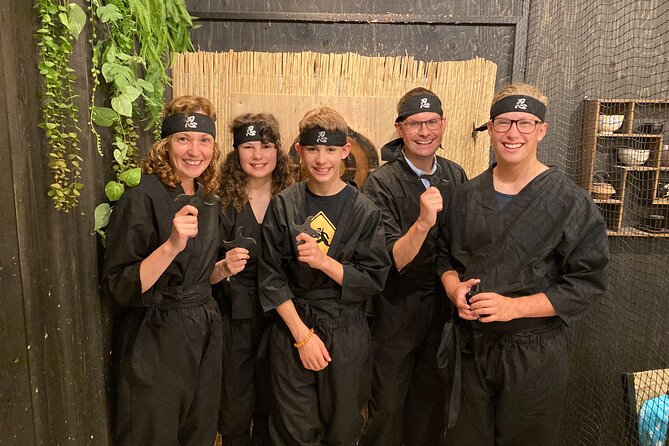
The course begins with ninja clothes rental. Putting on the outfit is not just a small extra. It changes the mood at once, especially for children who may be less interested in a cultural talk but very interested in looking like a ninja.
You can also take photos while dressed up. The photo opportunity is one of the strongest reasons to choose this activity, since you leave with a visual memory of Takayama that is more personal than another picture of a street or temple.
I would allow a little patience during the changeover, especially if your group includes young children. The activity lasts one hour, so the costume portion uses part of that time. Still, the clothing is included in the $35 price, and it forms an important part of the experience rather than being an optional paid add-on.
For families, this is where the activity gains much of its appeal. Adults can enjoy the novelty, while children get a clear role to play. Nobody needs prior knowledge of ninja customs or Japanese sword forms to join in.
Shuriken, blowpipes, and the limits of one hour
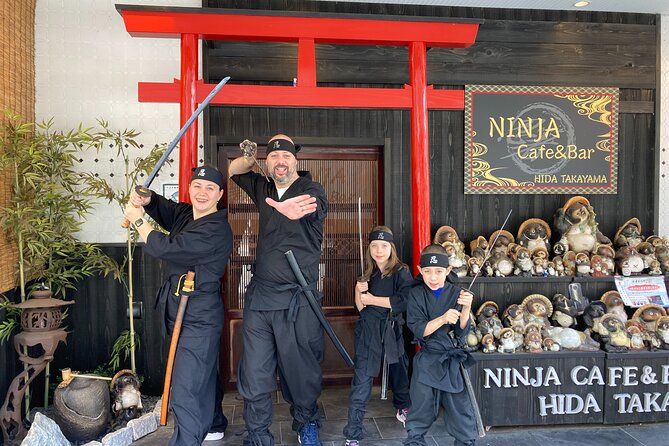
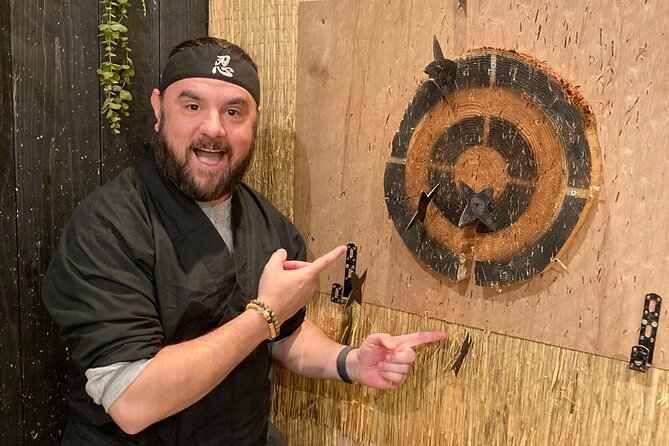
The most memorable practical section is the shuriken throwing. You use an authentic iron shuriken, under the guide’s direction, rather than tossing a soft toy or plastic prop. That gives the activity a stronger sense of occasion, though it also means you should listen carefully and follow the safety instructions.
The number of throws is limited. One participant felt that having more throws with each weapon would improve the session, and I agree that this is the clearest weakness in the basic course. You get a taste of the skill, not enough repetition to master it.
That limit is understandable in a one-hour session with costumes, several activities, photos, and a drink. Still, if you enjoy target games or want extended practice, you may leave wishing for another round.
The course can also include a blowpipe, described as blowing an arrow. This adds variety because it feels different from throwing a shuriken or handling a sword. Each activity gives you a quick glimpse of a different tool associated with ninja training.
The exact balance between activities may depend on the pace of your group and the instructor. The available details identify the main options, but they do not promise a fixed number of attempts or a precise minute-by-minute schedule. Think of the course as a sampler.
A completely different kind of day out:
- Kanazawa: World Heritage Shirakawa-go Morning Guided Tour
★ 4.9 · 988 reviews - Kanazawa: World Heritage Shirakawa-go & Two Local Experience
★ 4.9 · 274 reviews - Kanazawa/Takayama: Shirakawago & Takayama Private Day Tour
★ 4.8 · 172 reviews - Departing from Takayama [Regular sightseeing bus] World Heritage Sites Shirakawago and Gokayama Ainokura
★ 4.5 · 137 reviews
Sword movements and iai-style kata
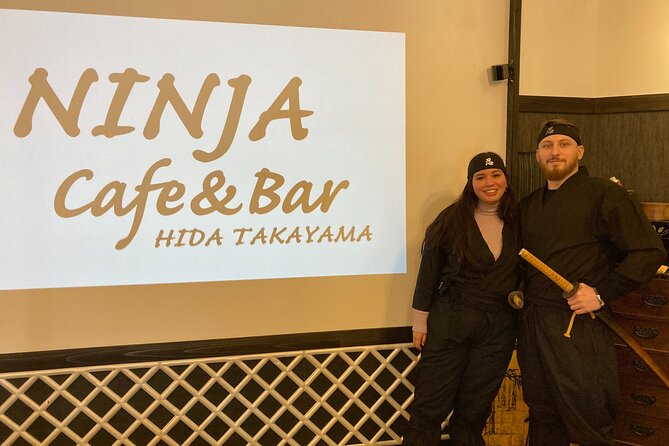
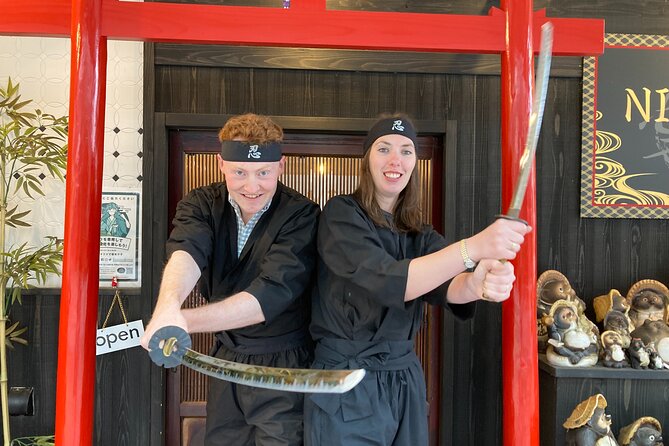
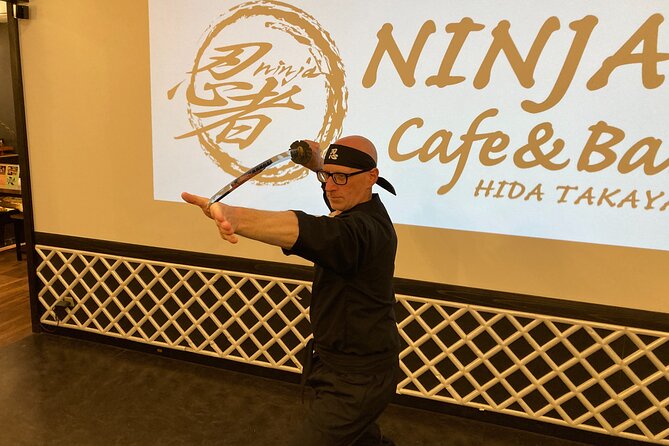
The sword section uses replica swords, which lets you practice movements without handling a live blade. You may learn several katana movements and try sword iai, a form of kata training based on drawing and moving with a sword.
This is less about fighting than about posture, timing, and controlled movement. A guide leads you through the basics, so you do not need experience with martial arts. For many people, this will be the most visually dramatic part of the session, especially when wearing the full costume.
The replica sword is an important detail. It keeps the activity suitable for a broad family audience while still preserving the feel of a traditional weapon exercise. You should not expect a sharp sword or an advanced combat lesson.
If you are visiting with children, the sword practice may need a little extra attention and discipline. The fun comes from pretending, but the equipment still deserves careful handling. The indoor setting also means the group must work within the available space.
What the guides add to the experience
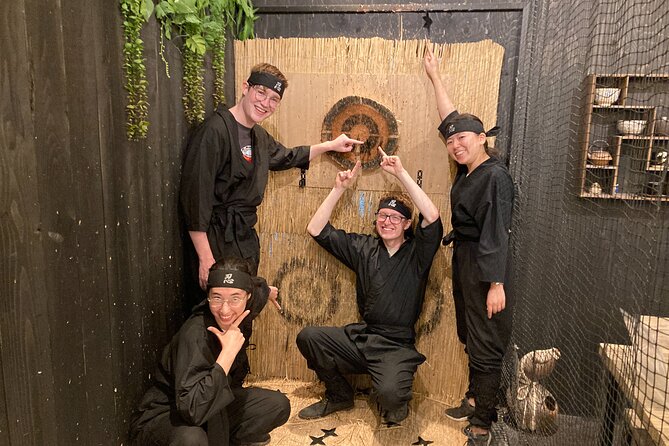
The instructors speak English and Japanese. That makes the course accessible to international visitors, and weapon activities benefit from clear demonstrations and simple directions.
The tone appears to be one of the activity’s best features. The guides are described as friendly, open, and accommodating, which matters when children are nervous or adults feel awkward in costume. A relaxed instructor can turn a clumsy first shuriken throw into a funny success instead of an uncomfortable moment.
Because the group is limited to six participants, you should get more direct attention than at a large stage-style attraction. You can watch other people try the activities, take turns, and share the experience without being lost in a crowd.
The small-group format does not mean private use of the cafe. The training takes place indoors in a cafe setting, and other people may be nearby. If you dislike performing in front of strangers, this is worth considering before you reserve.
Is $35 a fair price?
At $35 per person, the basic course is fairly priced for a one-hour guided activity in a popular tourist city. Your fee includes entrance, ninja clothing rental, one drink, and weapon training. The costume and instruction make it better value than simply paying for a photo opportunity.
The price works best for families and small groups who will use every part of the session. If you are already curious about Japanese weapons, enjoy themed activities, or want a rainy-day plan, you receive several different elements for one fee.
The value is weaker if you want lengthy training. The course gives you only a small number of attempts with each weapon, and the full hour includes changing clothes and photos. Someone focused on technique may prefer a longer or more advanced class, if available.
There is also no hotel pickup or drop-off. You need to make your own way to the cafe, so include the meeting point in your Takayama walking plan. The raccoon dog objects at the entrance are the key visual marker.
The reserve-now, pay-later option adds flexibility, and free cancellation is available up to 24 hours before the start for a full refund. Check the available start times when booking, since the activity lasts one hour and times can vary.
Best fit for families, first-time visitors, and rainy days
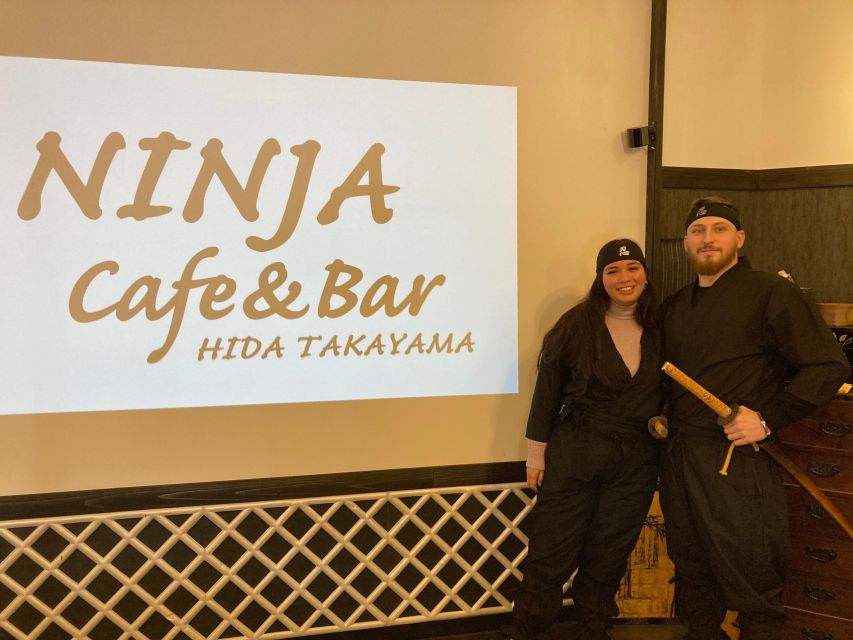
Children under two cannot take part. For older children, the activity has a strong family appeal because it combines dressing up, simple physical tasks, photos, and a drink.
I would especially recommend it to families who want one organized activity between walks through Takayama. It gives children something active to do, while adults get a small cultural lesson and a chance to see traditional objects.
It also suits couples and adult friends who enjoy novelty. The costume photos can be silly in the best way, and the short length keeps the activity from taking over your day.
The indoor location is another advantage. Takayama can be cold, wet, or tiring depending on the season and your wider trip. This offers a warm pause without abandoning the Japanese theme.
I would be more cautious if you are looking for quiet, private instruction. The cafe setting may place you in view of other people, and the course is built for fun rather than intense concentration.
How to fit the hour into your Takayama day
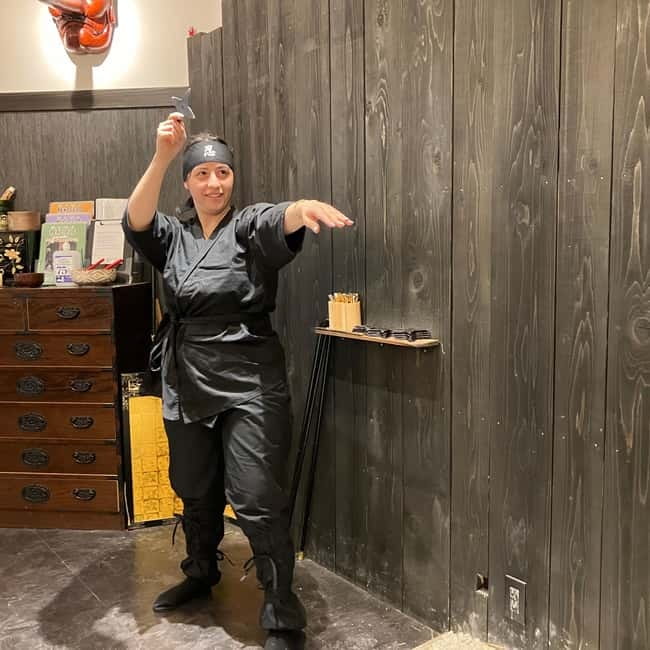
Plan it as a fixed one-hour stop rather than an open-ended attraction. Since you need to arrive at the cafe and change into clothing, avoid scheduling another activity immediately afterward.
You can place it between sightseeing stops, use it as a break after walking, or choose it as a weather backup. The included drink gives you a chance to sit briefly, but snacks are not included, so do not treat the basic course as a full meal stop.
The activity may also appeal to people visiting from Nagoya or Gifu who want a themed stop while exploring Takayama. It is not a substitute for the city’s traditional streets and local food, but it adds a different kind of memory to the day.
Take photos during the costume portion, but do not let the camera take over the session. The most enjoyable part is trying the skills, even when your shuriken lands nowhere near the target.
The honest drawbacks
The limited number of throws is the clearest practical complaint. You get enough attempts to understand the activity, but not enough to feel that you have improved much.
The cafe setting is another consideration. It adds drinks, displays, and a comfortable rest stop, but it may also mean practicing in front of people outside your group. That is fine for confident participants and less appealing for anyone who prefers a private room.
The one-hour duration also calls for realistic expectations. You will not become a ninja in sixty minutes, and the historical explanation is likely to remain a supporting part of the session rather than the main event.
Finally, snacks are not included, and transportation is not provided. These are minor issues, but they matter if you are planning the activity around a hungry family or a tight route through Takayama.
Should you book the Basic Course?
I would book this experience if you want a short, cheerful activity with a strong photo element and enough hands-on practice to make it feel real. The combination of a ninja outfit, iron shuriken, blowpipe, replica sword movements, one drink, and a small group gives the $35 price solid value.
Choose it especially for a family day, a rainy afternoon, or a break from walking through Takayama. Skip it if you want extended weapons practice, a private training hall, or a serious martial arts class.
Go in expecting a playful introduction, not a ninja apprenticeship. With that expectation, this is an easy activity to fit into a Takayama itinerary and a good way to make your Japan photos a little less predictable.
FAQ
Where does the Ninja Experience in Takayama take place?
It takes place at Ninja Cafe Takayama in Takayama, Gifu Prefecture. The entrance is marked by many raccoon dog objects.
How long does the ninja experience last?
The basic course lasts one hour.
What is included in the $35 price?
The price includes ninja clothes rental, the entrance fee, one drink, and ninja training using ninja weapons.
Which languages are available?
The instructors speak English and Japanese.
What weapons and activities can I try?
The course can include throwing an iron shuriken, using a blowpipe, practicing sword iai with replica swords, and learning several katana movements.
Can children join the experience?
Children under two years old cannot take part. The activity is otherwise presented as suitable for families, with training designed for both adults and children.
Just added in Takayama
- Takayama Old Town Walking Tour with Local Guide★ 4.5 · 50 reviews
- Takayama Local Cuisine, Food & Sake Cultural Tour with Government-Licensed Guide★ 5.0 · 17 reviews
- Takayama Half Day Tour (Private Guide)★ 5.0 · 15 reviews
- Private Transfer from Takayama to Kanazawa Including Shirakawago★ 5.0 · 17 reviews
- Takayama Rice Ball and Miso Soup Making at a buddhist temple★ 5.0 · 13 reviews
- Takayama: Authentic Sake Tasting at a Historic Brewery★ 5.0 · 65 reviews
- Takayama Full-Day Private Tour with Government Licensed Guide★ 4.5 · 13 reviews
- Shuriken Experience in Takayama★ 5.0 · 46 reviews
Castles and Historic Sites, compared.



Imperial Palace and Shogun Historical Walking Tour
Read our review →
Tokyo Castle & Imperial PalaceーShogun Walking Tour
Read our review →
Nijo-jo Castle and Ninomaru Palace Guided Tour
Read our review →
Samurai Ninja Museum Guided tour and Experience
Read our review →Browse the lists this tour appears in