
Reviewed · DESSERT TOURS
Tokyo: Hama-rikyu Gardens tour with Japanese Tea & Sweets
Slow down in the middle of Tokyo. Hama-rikyu Gardens offers a calm look at Edo-period design, and this small-group tour makes the setting easier to understand with a guided walk, matcha tea, and Japanese sweets. I especially like the maximum group size of four, which should make questions and conversation easy. I also like that the tea experience takes place inside the garden, rather than being added as a separate stop across town.
The main consideration is time. The guided garden portion lasts about 30 minutes, while the tea portion takes roughly one hour, so this suits you if you want a focused cultural visit rather than a long, unhurried garden walk. At $85 per person, the price is fair for the small group and included tea, but it is more than a simple garden admission.
In This Review
- Key points to know before you book
- Why Hama-rikyu Gardens makes a good Tokyo break
- Meeting at Otemon Bridge
- The first 30 minutes: learning to read the garden
- Seasonal plants and changing garden views
- The one-hour tea experience inside the garden
- What the $85 price includes
- The small-group format and guide quality
- Who will enjoy this tour most
- Practical details that shape the visit
- Should you book the Hama-rikyu Gardens tea tour?
- FAQ
- How long does the Hama-rikyu Gardens tour last?
- What is included in the price?
- Is the tour conducted in English?
- How many people can join the tour?
- Where does the tour start?
- Where does the tour end?
- Do I need comfortable shoes?
- Can I cancel for a full refund?
- Do I have to pay when I book?
Key points to know before you book
- The garden dates to the Edo period: You get a clear introduction to one of Tokyo’s historic green spaces and its planned design.
- Two garden styles are part of the visit: The guide explains both the dry garden, called Karesansui, and the circular Kaiyushiki garden.
- Matcha and Japanese sweets are included: You enjoy tea and wagashi in a tea room with views of the garden.
- The group is limited to four people: This is useful if you prefer a quiet walk and a guide who can answer questions.
- The tour is led in English: Guides such as Hiro, Ito, and Ayaku have been praised for clear explanations and warm service.
- Comfortable shoes matter: You will walk through the garden before sitting down for tea.
Why Hama-rikyu Gardens makes a good Tokyo break
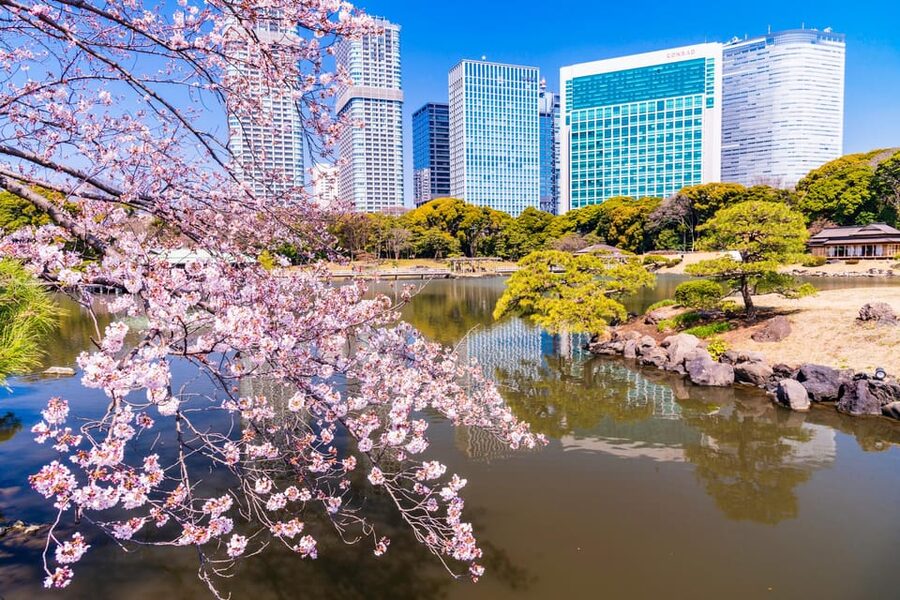
Tokyo can fill your day with tall buildings, crowds, signs, and train changes. Hama-rikyu Gardens gives you a different kind of city experience. You are still in central Tokyo, but the pace changes as soon as the visit turns toward plants, ponds, paths, and carefully arranged garden views.
The appeal is not just that the garden is pretty. Japanese gardens ask you to notice how space is arranged. A path may reveal a pond from one angle, then hide it as you move. A group of trees can frame a view. Stones, water, plants, and open space work together rather than competing for attention.
This tour helps you read those choices. Without guidance, you might simply see a pleasant garden. With the guide’s explanation, you can better understand why different sections feel different and how Japanese garden culture uses design to shape your experience.
I like this approach because it gives you context without turning the visit into a long classroom session. The walk is short, and the tea portion gives you time to sit with what you have seen.
A few more options to weigh up in Tokyo
- Matcha Making Class in Tokyo with Authentic Japanese Sweets Set
★ 5.0 · 744 reviews - Tokyo: Matcha Making Experience with Mochi Sweets in Asakusa
★ 4.9 · 388 reviews - Private Mochi Sweets Making class near Shibuya area
★ 5.0 · 93 reviews
Meeting at Otemon Bridge
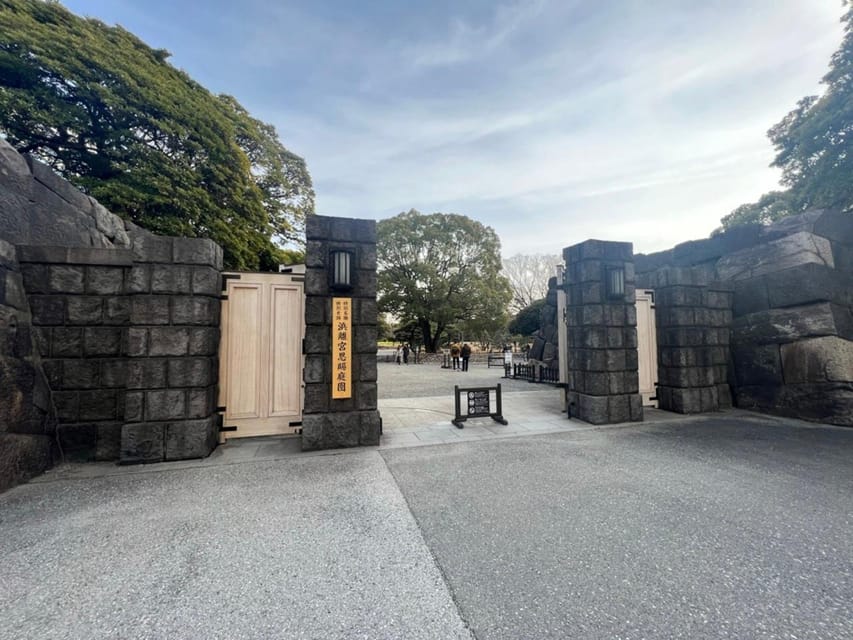
The listed starting point is Otemon Bridge, with the exact meeting point depending on the option you choose. That detail matters in Tokyo, where a large station area can contain several exits and more than one obvious entrance.
Check your booking information carefully before setting out. If your option uses Otemon Bridge, allow enough time to arrive there without rushing. The visit ends at Shiodome Station, so the tour has a useful point-to-point shape rather than sending you back to the start.
The route also makes sense for a short cultural activity. You begin at an identifiable entrance, walk through the gardens with your guide, then finish near a station. Since the tour lasts 90 minutes, you can fit it into a larger Tokyo day, though you should not assume that it includes time for a full, independent exploration of every corner.
The first 30 minutes: learning to read the garden
The guided walk lasts about 30 minutes. That is enough time for a clear introduction to the garden’s background and key design features, but it is not a long botanical tour.
The guide focuses on the garden’s Edo-period origins, along with the way its spaces were planned. You will hear about Karesansui, the dry garden style, and Kaiyushiki, a circular garden design meant to be experienced as you move around it.
The word circular is important here. A Kaiyushiki garden is not simply one fixed view. Its arrangement encourages you to walk and see changing scenes from different positions. The path becomes part of the design, and movement helps reveal the garden gradually.
The dry garden offers a different visual language. Instead of depending mainly on water, it uses stones, gravel, and carefully controlled space to suggest natural forms. Your guide can point out details that may otherwise pass unnoticed, especially if this is your first guided Japanese garden visit.
The quality of the guide matters a lot in this section. The small group gives the guide room to explain the setting at a sensible pace. Hiro has been praised for taking the group to several interesting spots and explaining Japanese history in an enjoyable way. Ito has also been praised for making the garden’s background easy to follow. Ayaku was described as kind and enthusiastic when explaining the site.
Those details suggest the experience depends partly on who leads your group. The provider is gotcha Corporation, and the tour is conducted in English, but a specific guide cannot be guaranteed from the information provided.
Seasonal plants and changing garden views
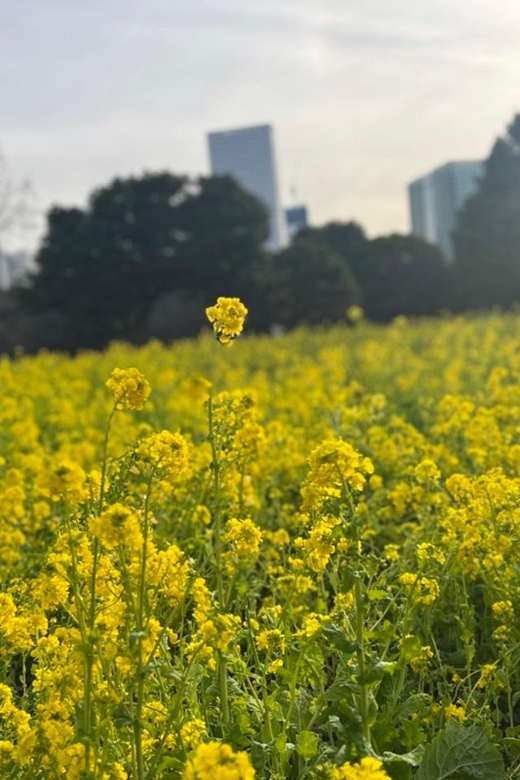
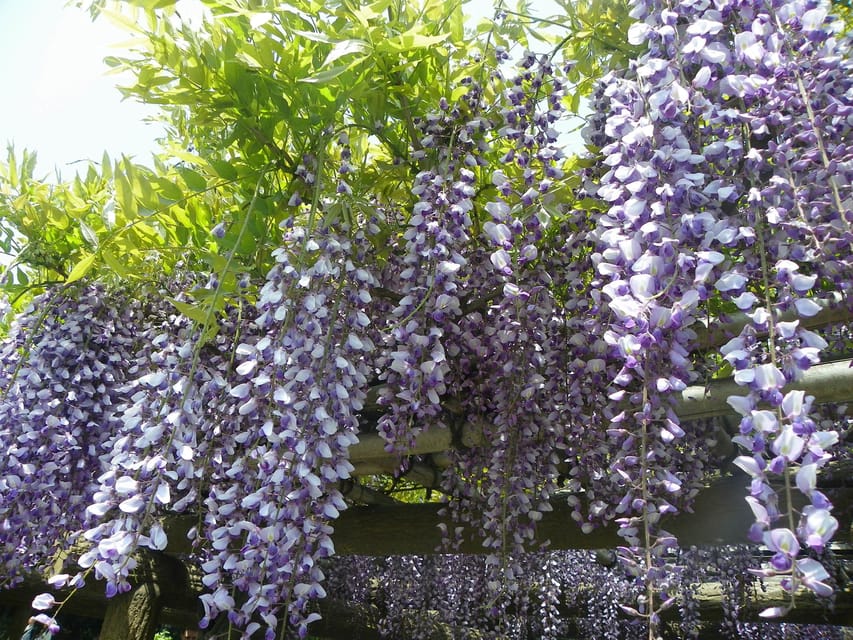
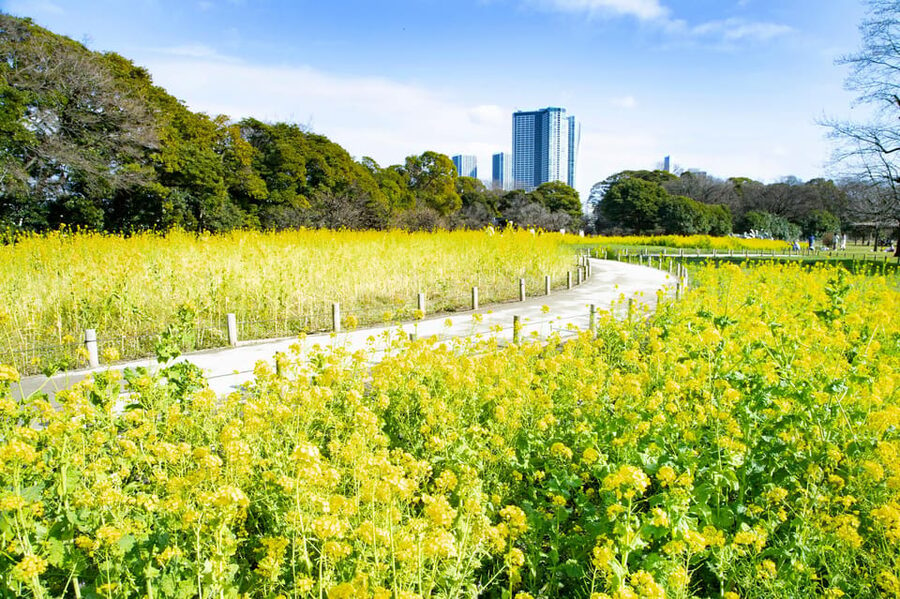
The plants and trees change with the seasons, which gives the garden a different mood throughout the year. Spring is especially appealing if you want to see flowers in bloom. One participant specifically hoped to return in spring after seeing how the garden changes with flowering plants.
That does not mean other seasons are a poor choice. It means you should set your expectations properly. The tour is about garden design, history, nature, and tea, not only about chasing one famous seasonal display. A winter visit may feel quieter, while another season may offer more color.
I like the fact that the guide explains the garden as a living place rather than a fixed museum piece. You can look at the layout, then notice how trees and flowers alter the same views over time. If photography matters to you, the tour allows time to admire the scenery and take pictures, but the 30-minute walk is still guided and structured.
You should also remember that the garden experience is weather dependent in a simple, practical way. The information specifically recommends comfortable walking shoes. There is no reason to dress for a strenuous hike, but shoes suitable for paths and steady walking will make the visit easier.
A completely different kind of day out:
- Tokyo Disney Resort – Tokyo Disneyland & Tokyo DisneySea Park Tickets
★ 4.8 · 99,488 reviews - SHIBUYA SKY Ticket
★ 4.7 · 46,509 reviews - JR Whole Japan Rail Pass
★ 4.8 · 29,150 reviews - Mt Fuji and Hakone 1-Day Bus Tour Return by Bullet Train
★ 5.0 · 26,383 reviews
The one-hour tea experience inside the garden
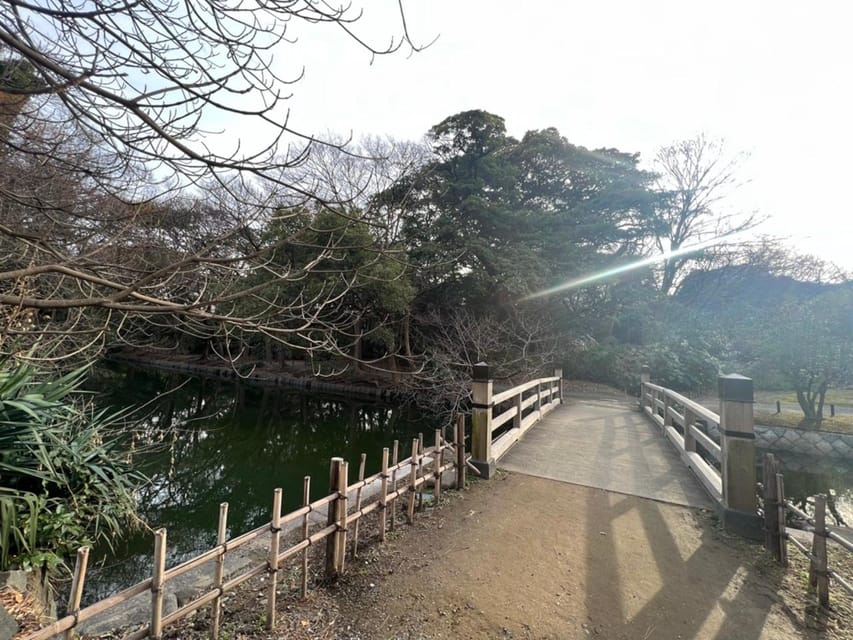
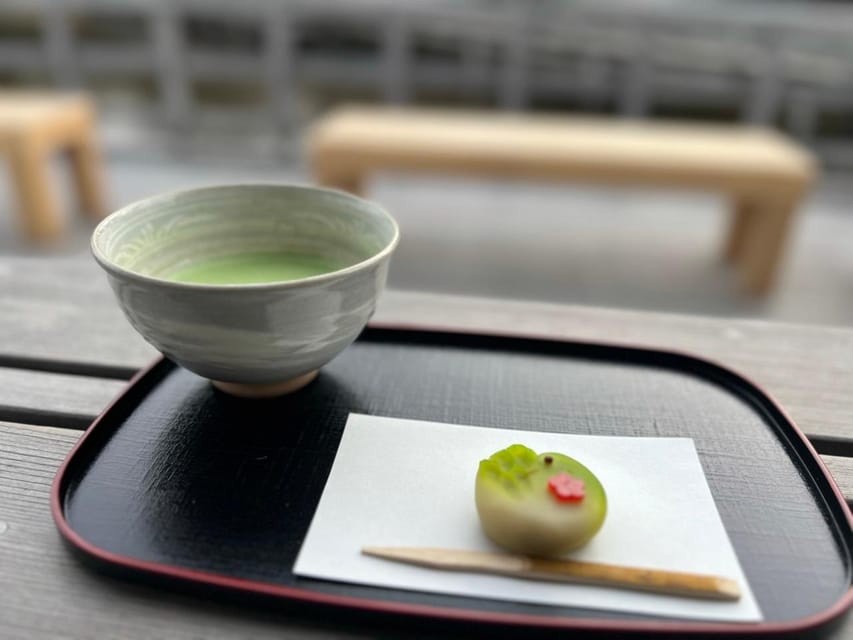
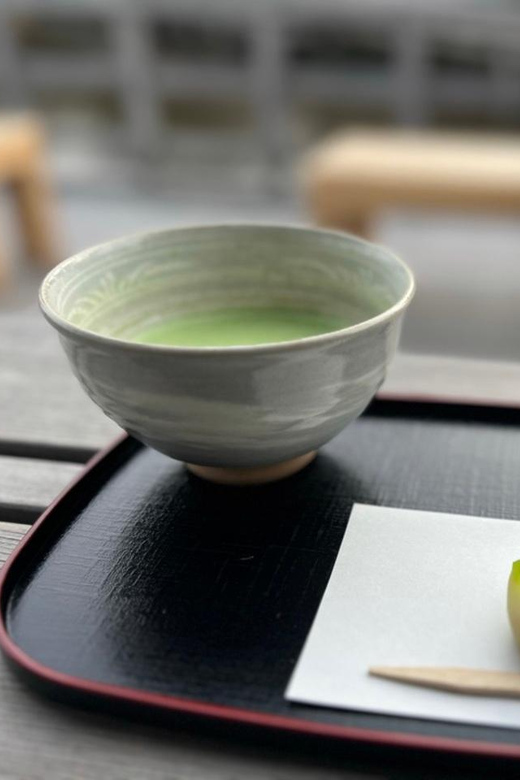
After the walk, you spend about one hour in the tea ceremony room. Matcha green tea and Japanese sweets are included in the $85 price, so you do not need to pay an additional fee for the central refreshment.
This is the part that gives the tour its strongest sense of occasion. You are not simply stopping at a café after seeing the garden. You are having tea in the same setting you have just been learning about, with the garden still part of the experience.
The matcha is paired with Japanese sweets, or wagashi. That pairing matters because the sweet helps balance matcha’s earthy, slightly bitter taste. One participant especially remembered the matcha and wagashi as the best part of the visit, while another said the tea was excellent and recommended the tour to people who enjoy nature, culture, and matcha.
You should not book this expecting an elaborate, full-length formal tea ceremony with every traditional step. The supplied details describe a tea ceremony experience in the garden’s tea room, but they do not promise a particular school, ritual format, or level of participation. Think of it as a cultural tea session that complements the guided walk.
The hour also changes the rhythm of the tour. You begin with information and movement, then have time to sit, taste, and look. That balance is useful if you want more than a quick photo stop. It also makes the experience easier for people who enjoy culture in small portions rather than spending half a day at a single attraction.
What the $85 price includes
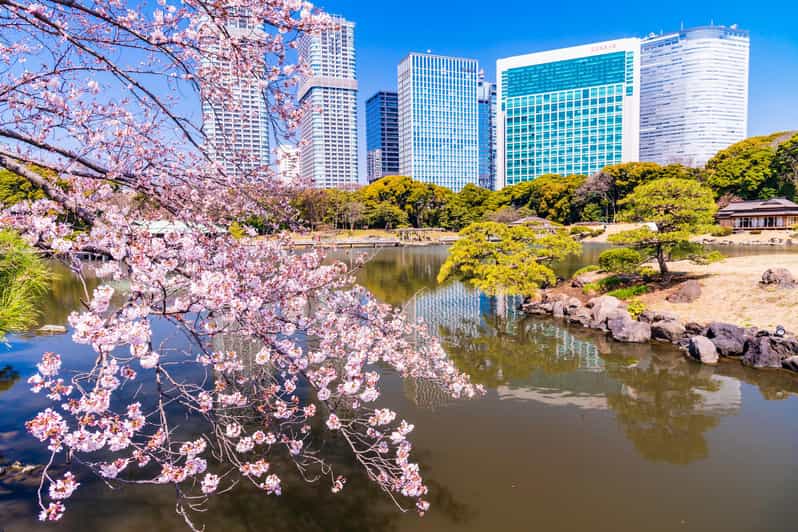
At $85 per person, this is not the cheapest way to see Hama-rikyu Gardens. The value comes from what is bundled together: an English-speaking guide, a small group limited to four participants, a guided explanation of the garden, and matcha with Japanese sweets.
I would judge the price in three parts.
First, the group size is unusually useful. A four-person limit gives you a better chance to hear the guide clearly and ask about design details. It also avoids the feel of being moved through the garden in a large crowd.
Second, the guide adds meaning. If you already know Japanese garden design and Edo-period history, you may find the 30-minute walk brief. If you are new to the subject, the explanation can turn a pleasant walk into a more memorable cultural visit.
Third, the tea is part of the setting, not just a drink added for convenience. You are paying for a planned combination of garden, explanation, and tea room time. For someone who wants an easy introduction to Japanese culture, that package is reasonable.
The price is harder to justify if you mainly want to wander alone, take photographs, or spend a long time exploring at your own speed. In that case, a guided 30-minute walk followed by an hour of tea may feel more structured than you need.
The small-group format and guide quality
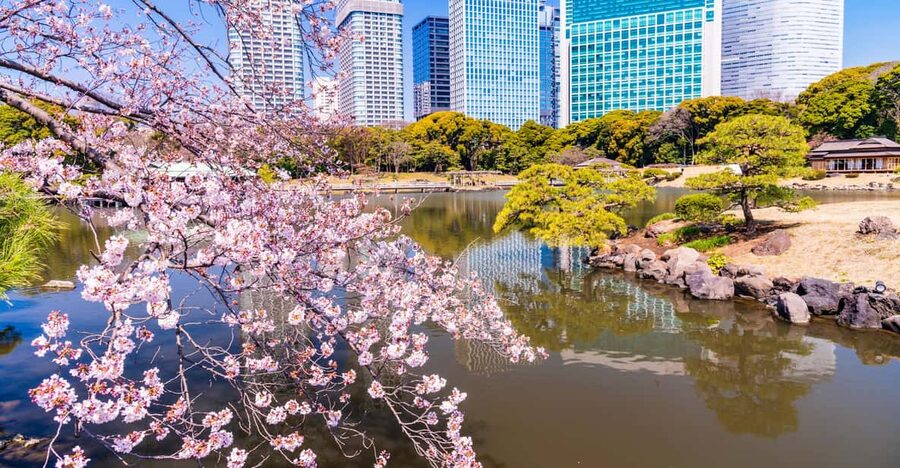
The tour is limited to four participants and led in English. That is one of its best practical features. A small group usually makes it easier to stay close to the guide, hear explanations, and ask short questions without interrupting a large crowd.
The high rating of 4.7 from 14 ratings supports the view that the experience is usually well received, especially for the human side of the tour. The strongest praise centers on kind guides, clear explanations, and the pleasant mix of nature and history.
Names that appear in the feedback include Hiro, Ito, and Ayaku. Hiro was praised for showing several interesting spots and explaining Japan’s past. Ito was praised for his clear background knowledge and for making the walk fun. Ayaku was described as friendly and eager to explain.
I would treat that as a good sign, not a promise that every tour will feel identical. The garden itself provides the setting, but the guide determines how much you learn and how relaxed the walk feels. If you enjoy asking questions, a group of four is a real advantage.
Who will enjoy this tour most
I would recommend this experience to you if you want a gentle cultural activity in Tokyo with a clear beginning and end. It fits especially well if you like gardens, Japanese history, seasonal plants, photography, or matcha.
It is also a good choice for first-time visitors who want an introduction to Japanese garden design without committing to a full-day cultural program. The guide explains the main ideas, and the tea room gives you a proper pause afterward.
You may also like it if you want a quieter activity between busier parts of Tokyo. The garden offers a change of pace, and the small group should feel more personal than a large sightseeing walk.
I would hesitate to recommend it if you dislike sitting through a tea experience, do not enjoy guided walks, or want several hours of independent garden time. The total duration is fixed at 90 minutes, and the walk itself takes only about half an hour.
Practical details that shape the visit
The tour has two starting location options, with Otemon Bridge listed as the starting point, and two drop-off options at Shiodome Station. Because the meeting point can vary by booking option, you should confirm the exact place before leaving for the garden.
The tour is conducted in English, and the group type is small. Comfortable walking shoes are recommended, even though this is not described as a strenuous activity.
You can cancel up to 24 hours before the start for a full refund. The reserve-now, pay-later option lets you hold a place without paying immediately, which is useful if your Tokyo schedule is still shifting.
The included items are limited but clear: the guide, matcha green tea, and Japanese sweets. You should not assume that transportation, extra food, or other admission costs are covered unless your booking details say so.
Should you book the Hama-rikyu Gardens tea tour?
Book it if you want a compact, guided introduction to Japanese garden culture followed by matcha and wagashi in the garden itself. The small group, English guide, and calm pacing give the experience real value, and the strongest praise is directed at the guides and the tea room.
Skip it if your main goal is an extended garden walk or the lowest possible price. At $85, you are paying for interpretation and a planned tea experience, not just entry to a garden.
For most people who enjoy history, nature, and Japanese sweets, I think the combination works well. It gives you something to look at, something to learn, and something to taste, all within a manageable 90-minute visit.
FAQ
How long does the Hama-rikyu Gardens tour last?
The experience lasts 90 minutes. The guided garden portion takes about 30 minutes, followed by approximately one hour in the tea ceremony room.
What is included in the price?
The $85 price includes the English-speaking tour guide, matcha green tea, and Japanese sweets.
Is the tour conducted in English?
Yes. The tour language is English, and it includes a live English-speaking guide.
How many people can join the tour?
The tour is limited to four participants, making it a small-group experience.
Where does the tour start?
The listed starting location is Otemon Bridge, but the meeting point may vary depending on the option you book.
Where does the tour end?
The listed drop-off location is Shiodome Station. There are two drop-off options, depending on the booking choice.
Do I need comfortable shoes?
Yes. Comfortable walking shoes are recommended because the experience includes a guided walk through Hama-rikyu Gardens.
Can I cancel for a full refund?
Yes. You can cancel up to 24 hours in advance for a full refund.
Do I have to pay when I book?
No. The reserve-now, pay-later option lets you keep your plans flexible and pay nothing at the time of booking.
Just added in Tokyo
- A One-of-a-Kind Sushi Experience in a Special Place of Japan★ 5.0 · 15 reviews
- Tokyo Cute Bento Cooking Class – Make a Kawaii Character Lunchbox★ 5.0 · 126 reviews
- Japanese Home Cooking Class & Walk in Todoroki Temple Tokyo★ 5.0 · 88 reviews
- Japan Tokyo Tower Observatory Deck E-Ticket★ 4.0 · 34 reviews
- Catch a Baseball Game in Tokyo with a Local – Tickets Included★ 5.0 · 24 reviews
- JDM Experience with Fast&Furious RX-7 (English speaking Driver)★ 5.0 · 57 reviews
- Tokyo Private Day Tour by Car with English speaking Driver Guide★ 4.0 · 29 reviews
- Japan Classic 10 Day – One Life Adventures★ 5.0 · 129 reviews
Dessert Tours, compared.

Matcha Making Class in Tokyo with Authentic Japanese Sweets Set
Read our review →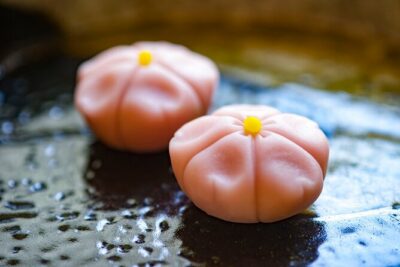
Matcha Making Class in Osaka with Authentic Japanese Sweets Set
Read our review →
Matcha Making Experience with Mochi Sweets in Asakusa
Read our review →
Japanese Traditional Sweets Making and Tea Ceremony
Read our review →
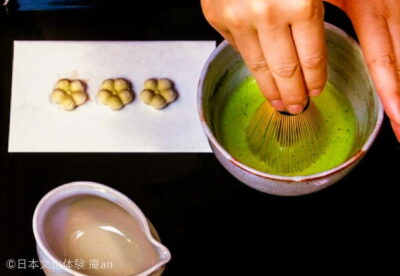
Japanese Traditional Sweets Making and Tea Ceremony
Read our review →
Private Mochi Sweets Making class near Shibuya area
Read our review →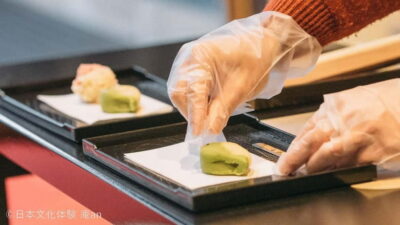
Japanese Traditional Sweets making and Tea Ceremony
Read our review →Browse the lists this tour appears in