
Reviewed · 7-DAY EXPERIENCES
Tokyo, Kyoto and Hiroshima 7-Day Tour by Europamundo – Reviews & Prices
Japan’s big-name sights arrive in quick succession on this seven-day trip: Tokyo’s crowded crossings and quiet shrine paths, Kyoto’s red gates, Nara’s free-roaming deer, and Hiroshima’s Peace Memorial Park. The route ends with a ferry to Miyajima, where the Great Torii Gate rises from the water. It’s a brisk way to connect places that can feel far apart on a first visit.
I like that the tour takes care of the long-distance moves, including the bullet train from Tokyo to Kyoto, and I like the mix of landmark visits and time to wander in districts such as Gion and Kurashiki. Guides such as David, Michiko, Kiko, Pablo, and Jose have earned praise for their energy and care.
The trade-off is pace. You get only a short stay in most cities, and several days are packed with stops, bus rides, and walking. This suits you if you want a broad first look, not if you prefer lingering in one place.
In This Review
- Key points
- A big-picture route, with little time to spare
- Tokyo: temples, city views, and a Shinjuku dinner
- Kyoto: the red gates and the Golden Pavilion
- Nara and Osaka: Buddha, deer, and bright signs
- Himeji and Okayama: castle walls and a garden walk
- Kurashiki, Hiroshima, and Miyajima: a full final sightseeing day
- Hotels, meals, and the real value of the fare
- Guides, group size, and the tour’s weak spots
- Who should book this Japan tour?
- FAQ
- Where does the tour start and end?
- How long is the tour?
- Is the tour guided in English?
- How large can the group be?
- Which hotels are used?
- Is the Tokyo to Kyoto bullet train included?
- Which admissions are included?
- Are meals included?
- Is this a physically demanding tour?
Key points
- Tokyo’s Skytree and Shinjuku: Visit the Tembo Deck, then take a guided evening walk and dinner in Shinjuku.
- A fast ride west: The bullet train covers nearly 500 kilometers from Tokyo to Kyoto in just over two hours.
- Kyoto, Nara, and Osaka in quick succession: See Fushimi Inari, Todaiji Temple, Nara Park, Dotonbori, and Osaka Castle.
- Himeji Castle admission is included: The castle complex is a major stop on the way to Okayama and its Korakuen Garden.
- A moving final full day: Hiroshima’s Peace Memorial Museum and Miyajima’s Great Torii Gate share the schedule.
- Expect group-tour logistics: Groups can range from 2 to 72, and English and Spanish service may be combined or split depending on the group.
A big-picture route, with little time to spare
This is a guided coach tour with hotel stays and breakfast, starting in Tokyo and finishing in Hiroshima. You’ll cover nine destinations in a week, with transport arranged between cities and a mix of guided visits and free time. The appeal is simple: you don’t need to plan every train, hotel, or major sight yourself.
The itinerary gives you a sampler of modern Tokyo, classical Kyoto, and Japan’s central-western cities. It also includes places often left out of a short first trip, such as Kurashiki and Okayama. But seven days means seven calendar days, not seven full days of sightseeing. Day 1 is mostly arrival and hotel check-in; Day 7 ends after breakfast. The five days in between do the heavy lifting.
The tour is described as low intensity, but that doesn’t mean you’ll be sitting still. Expect regular walking at temples, gardens, and historic districts, plus full days of sightseeing. One January traveler called it very busy, with lots of walking. If you tire easily, build in rest where you can and don’t plan ambitious evening activities every night.
A few more options to weigh up in Tokyo
- Tokyo Disney Resort – Tokyo Disneyland & Tokyo DisneySea Park Tickets
★ 4.8 · 99,488 reviews - SHIBUYA SKY Ticket
★ 4.7 · 46,509 reviews - JR Whole Japan Rail Pass
★ 4.8 · 29,150 reviews
Tokyo: temples, city views, and a Shinjuku dinner
After you land, a shared shuttle takes you to the hotel. The rest of the day is free, which is welcome after a long flight. You’ll receive information about the tour’s start later in the afternoon, so keep that first day light rather than trying to squeeze in a major attraction.
Day 2 is a roughly seven-hour guided city tour. At Zojoji Temple, look for the small Jizo statues, guardians of children, dressed in knitted hats and bibs. The temple stop also gives you a view of Tokyo Tower, a useful reminder that old and new Tokyo often sit side by side.
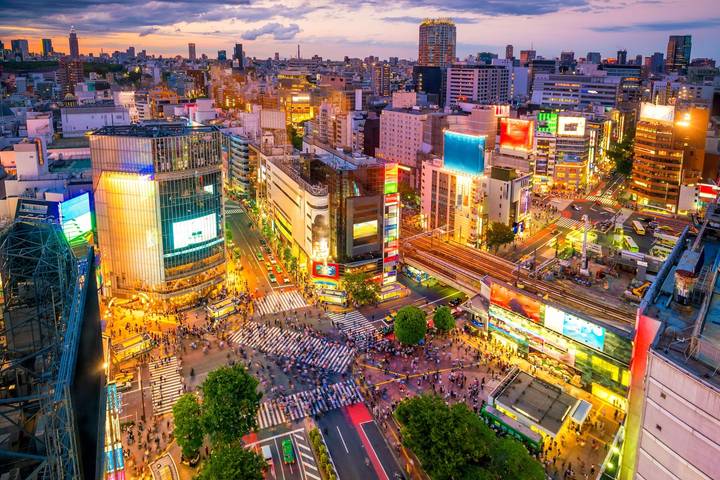
You’ll see Shibuya Crossing from the bus, rather than walking across with the crowds. That’s a quick look, not an extended visit, so save time if crossing on foot matters to you. Meiji Shrine offers a calmer contrast, with a walk through its forested grounds.
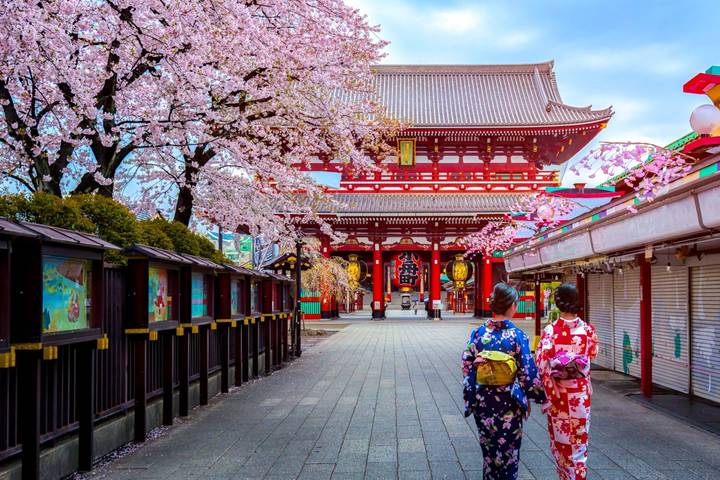
The Tokyo Skytree visit includes admission to the Tembo Deck at 350 meters. On a clear day, the height gives you a sweeping view over the city; poor weather can limit access, in which case another city viewpoint is offered. The group then heads to Asakusa and Nakamise Street, where shops and food stalls line the approach to Sensoji Temple. Expect a busy pedestrian area, and use your free moments to browse rather than trying to shop at every stop.
The bus passes through Akihabara and Ginza on the way back. These are brief views, not dedicated visits. In the evening, you’ll take the subway with your guide to Shinjuku, walk around the district, and have dinner at a local restaurant. The subway tickets and return trip are included. That guided evening is a practical bonus on your first full day, when figuring out Tokyo’s transport system alone may feel like a project.
Kyoto: the red gates and the Golden Pavilion
An early bullet train carries you from Tokyo to Kyoto in just over two hours. The ride is a highlight in its own right, but it also makes the itinerary possible: you spend less time in transit than you would by road and arrive ready to sightsee.
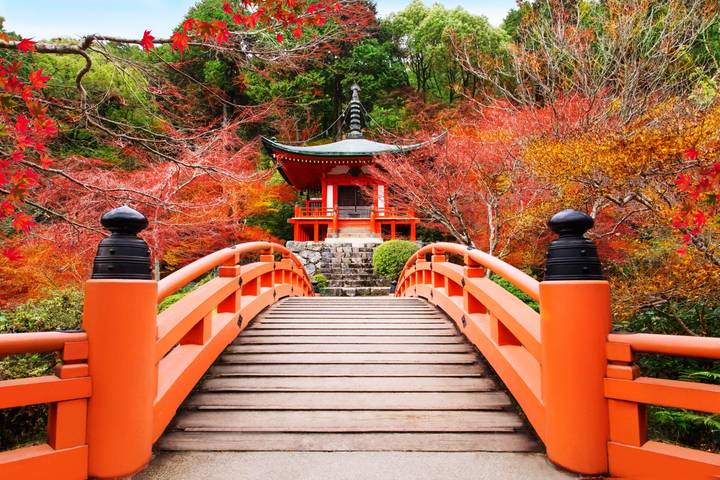
Kyoto’s stops include Fushimi Inari Shrine, the Imperial Palace, and Kinkakuji, the Golden Pavilion. Fushimi Inari is known for its rows of red torii gates. The visit gives you a taste of the shrine’s distinctive setting, though a short group stop won’t allow time to walk every path. Kinkakuji’s gold-covered pavilion is framed by a garden, so take a moment to look beyond the building and notice how the water and greenery shape the view.
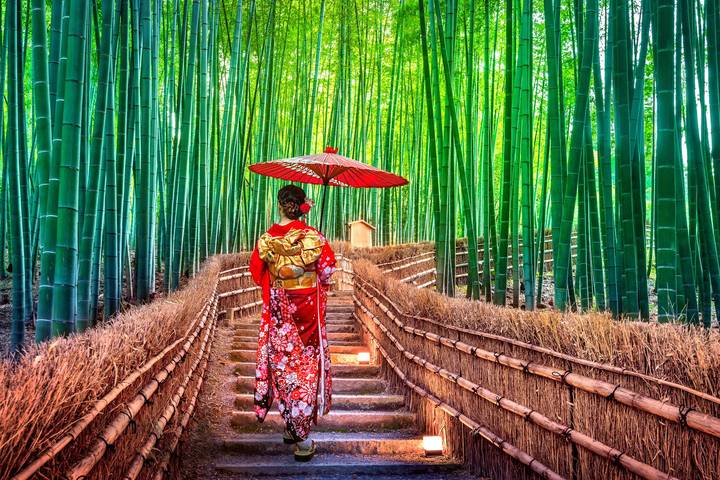
Gion rounds out the day, with free time in the traditional district. It’s one of the better chances to set your own pace and explore on foot. Don’t count on seeing a geisha; the draw is the district’s streets and atmosphere, not a guaranteed encounter. Kyoto has a long list of temples and neighborhoods, and this tour offers a useful introduction rather than an in-depth stay.
Nara and Osaka: Buddha, deer, and bright signs
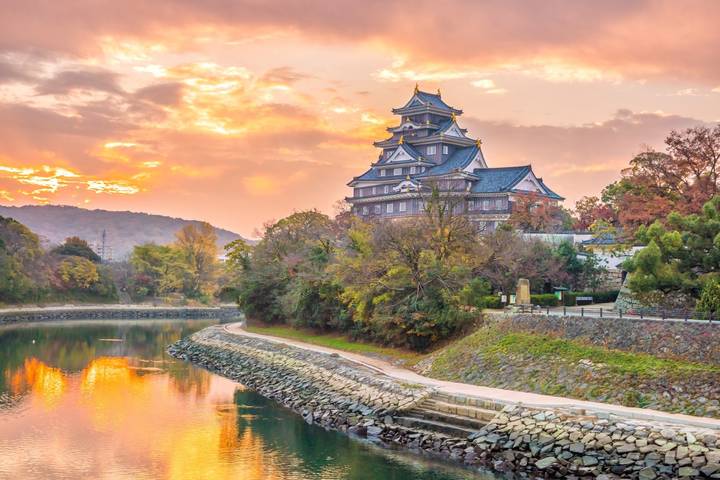
The next day takes you to Nara, once Japan’s capital. Todaiji Temple houses a Great Buddha, and the scale of the building makes the visit memorable even if you’ve seen many temples before. Nara Park adds a lighter note: deer roam freely and approach people. Give them space, keep food secure, and remember that they are animals, not theme-park props.
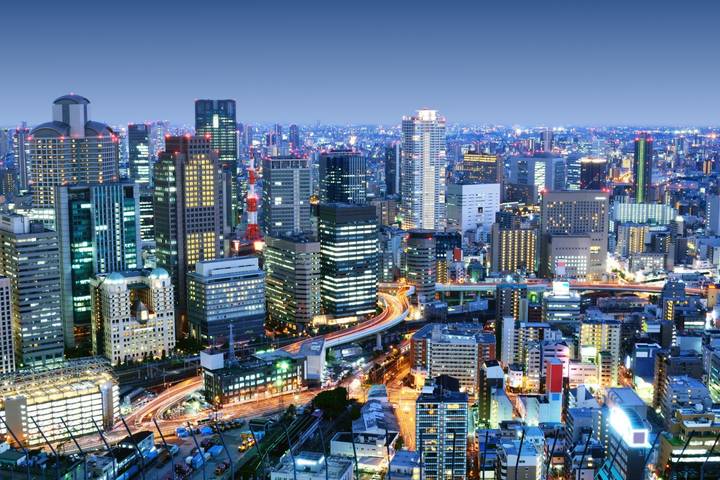
You continue to Osaka for a panoramic look at Dotonbori, followed by free time for lunch. This is your chance to choose what to eat and pause between guided stops. Osaka Castle is another major sight, but the listed visit is to admire the castle, not necessarily tour its interior. The Umeda Sky Building is described as an optional activity, so check with your guide about timing and any separate cost before counting on it.
This day moves quickly from Nara’s temple grounds to Osaka’s urban districts. That contrast is part of the value, but it also means you won’t have a long stretch to explore either city independently.
A completely different kind of day out:
- Mt Fuji and Hakone 1-Day Bus Tour Return by Bullet Train
★ 5.0 · 26,383 reviews - TOKYO SKYTREE® Ticket
★ 4.7 · 25,136 reviews - teamLab Borderless Tickets: MORI Building DIGITAL ART MUSEUM
★ 4.7 · 24,126 reviews - teamLab Planets TOKYO Ticket
★ 4.7 · 21,663 reviews
Himeji and Okayama: castle walls and a garden walk
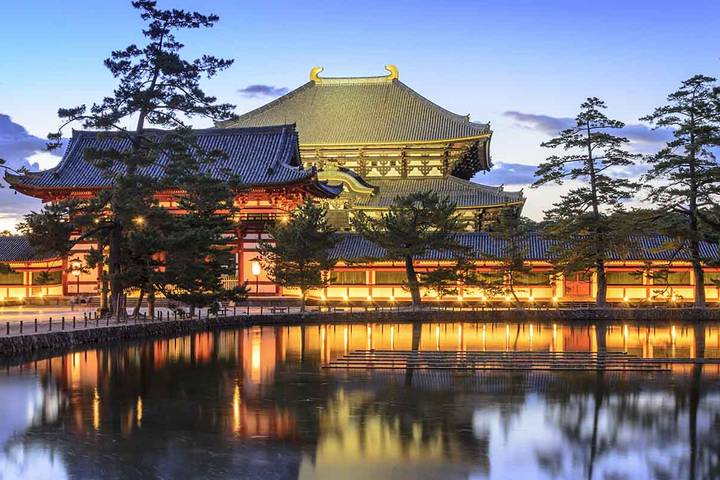
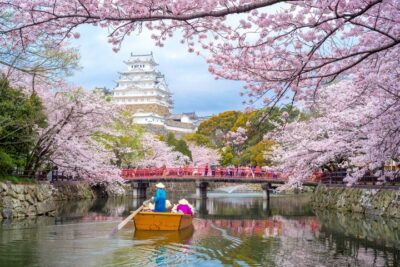
Himeji Castle is a major architectural stop, and admission to its complex is included. Its large scale gives you a clearer sense of traditional Japanese castle design than a quick exterior photo can. The grounds and buildings involve walking, so wear comfortable shoes. Lunch at a local restaurant is included here.
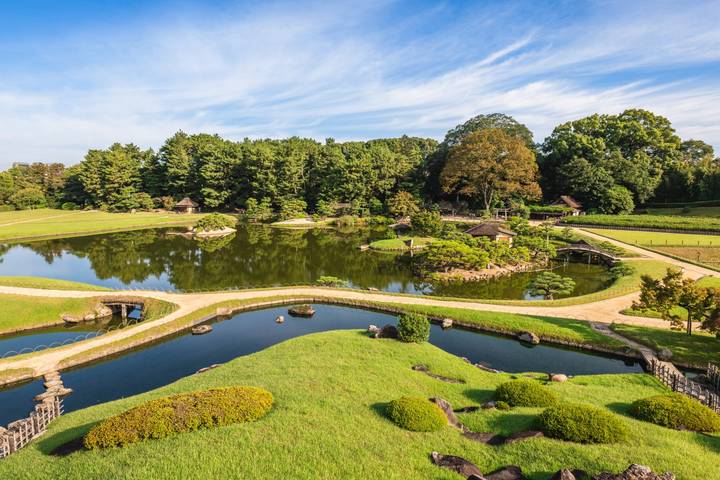
In Okayama, the tour visits Korakuen, a garden of ponds, waterfalls, and traditional teahouses. The garden offers a quieter counterpoint to the castles and city visits. You can cross a pedestrian bridge to see Okayama Castle from outside; entry to the castle itself is optional and not included.
There is some itinerary flexibility on certain dates. The overnight stay may be in Fukuyama or Kurashiki instead of Okayama, and the Kurashiki visit may shift to the afternoon of this day. Check the confirmed schedule for your departure so you know where you’ll sleep and when you’ll see Kurashiki.
Kurashiki, Hiroshima, and Miyajima: a full final sightseeing day
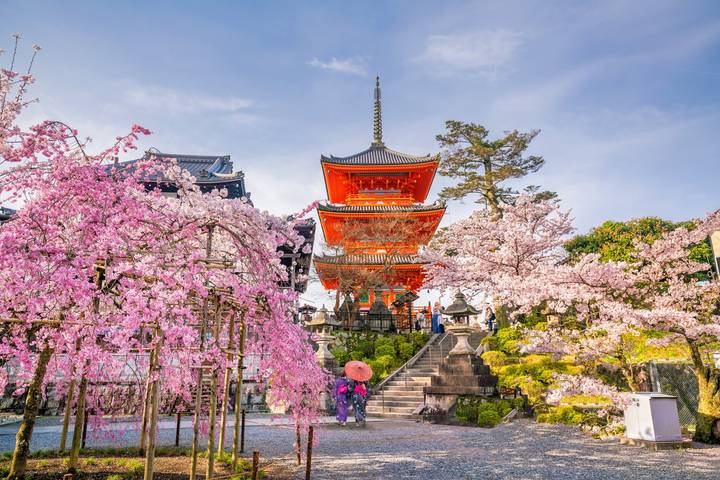
Kurashiki’s preserved historic center is made for a slower walk. Its old streets and canals offer a change of scene from the larger cities, though the visit is a stroll rather than a long, guided deep exploration. Keep your camera handy, but leave space to simply look around.
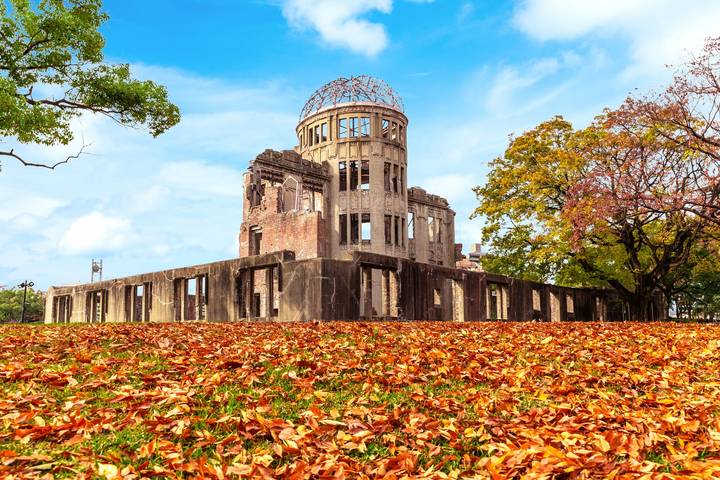
In Hiroshima, you’ll visit Peace Memorial Park, the Atomic Bomb Dome, and the Peace Memorial Museum, with museum admission included. This part of the tour asks for a different kind of attention. The exhibits and memorials address the atomic bombing of 1945 and its human consequences. Give yourself room to take it in; the day continues, but the subject deserves more than a quick photo stop.
Later, a ferry takes you to Itsukushima Island, commonly known as Miyajima. You’ll walk to the Great Torii Gate, one of Japan’s most recognizable sights, and have free time for the shrine, the island, and lunch. Visiting the shrine is listed as optional, so confirm what time is available and whether entry is included in your departure’s arrangements. Tide and weather can affect the scene at the gate, but the tour provides the ferry crossing and time on the island.
You return to Hiroshima for dinner and stay at the Hilton Hiroshima. That makes for a long day, but it also brings together history, a ferry ride, and a famous coastal landmark in one final push.
Hotels, meals, and the real value of the fare
The advertised starting price is $2,350, with flights before and after the tour not included. For that fare, the package combines hotels, breakfast, transport between the listed cities, an English-speaking guide, basic travel insurance, and admission to several major sights. Tokyo Skytree’s Tembo Deck, Himeji Castle, Korakuen Garden, and Hiroshima’s Peace Memorial Museum are among the included visits. That can be good value if you would otherwise be booking hotels, intercity transport, and entry tickets separately.
The hotel list includes the Shinagawa Prince Hotel in Tokyo, New Miyako Hotel in Kyoto, Candeo Osaka Namba, Ana Crowne Plaza Okayama, and Hilton Hiroshima. The exact hotel can vary, and the operator notes that properties are chosen for quality, price, and access to public transport, not luxury. Rooms have private bathrooms and televisions, but room sizes and bed sizes vary by location. One traveler in the group described the hotels as comfortable and clean, and the Hiroshima Hilton was a particular highlight.
Food is another point to check carefully when comparing prices. Breakfast is included, and the schedule identifies lunch in Nara and Himeji and dinner in Tokyo and Hiroshima. The daily meal plan may list additional meals, so confirm the exact inclusions for your departure rather than assuming every lunch and dinner is covered. You’ll have free time for lunch in Osaka and on Miyajima, which gives you a chance to choose your own meal.
Guides, group size, and the tour’s weak spots
Tour groups can range from 2 to 72 people. That’s a wide range, and it can change the feel of the experience: a smaller group may move faster, while a larger one can mean more time gathering and checking head counts. The tour may use English and Spanish guides together or divide passengers between buses, depending on group numbers. Guides can also change during the trip.
Several guides have been singled out for making the experience feel personal. David was praised for his lively storytelling and care; Michiko, Kiko, Pablo, and Jose were also named positively. That matters on a schedule this full, because a good guide can add context while keeping the group moving. Still, guide quality can vary, and one account described uneven experiences, including English speakers being separated from Spanish speakers. If language arrangements matter to you, ask the operator how your departure will be guided.
The most consistent drawback is the short time in each place. One traveler felt two nights in each city would have been better, which captures the main compromise: this is a route-builder, not a slow stay. You’ll see a lot, but the tour cannot give every city the time it deserves. Transport also drew mixed comments, with some people finding the bus comfortable and another describing it as cramped. With a possible group of 72, that is worth weighing.
Who should book this Japan tour?
Book this trip if it’s your first visit to Japan and you want a guided overview without managing a string of hotel and train bookings. It fits families and adults who enjoy full sightseeing days, and it works well if you value transport coordination, major admissions, and a broad route more than unstructured time.
Look elsewhere, or add extra nights, if Kyoto, Tokyo, or Hiroshima deserves a slower visit on your list. The first and last days are mostly arrival and departure days, so the tour gives you about five full sightseeing days in the middle. If that sounds like an efficient introduction, the price can make sense. If it sounds like a race, choose a longer itinerary or plan a few independent days before or after the tour.
FAQ
Where does the tour start and end?
It starts in Tokyo and ends in Hiroshima. An arrival transfer from Tokyo airport to the hotel is included; flights are not.
How long is the tour?
The tour lasts seven days, with sightseeing concentrated in the five middle days. The first day is mainly for arrival and the final day ends after breakfast.
Is the tour guided in English?
Yes. English-speaking guiding is provided, including in Tokyo, Kyoto, and Osaka. Depending on group numbers, service may be bilingual or split between guides and buses.
How large can the group be?
The stated group size ranges from 2 to 72 people.
Which hotels are used?
The listed hotels are Shinagawa Prince Hotel, New Miyako Hotel, Candeo Osaka Namba, Ana Crowne Plaza Okayama, and Hilton Hiroshima. Hotels may vary, including a possible stay in Fukuyama or Kurashiki on some dates.
Is the Tokyo to Kyoto bullet train included?
Yes. The itinerary includes the bullet train from Tokyo to Kyoto, a journey of just over two hours.
Which admissions are included?
The tour includes admissions such as Tokyo Skytree’s Tembo Deck, Himeji Castle complex, Korakuen Garden, and Hiroshima Peace Memorial Museum, as well as several listed temples and shrines. Okayama Castle’s interior is optional and not included.
Are meals included?
Breakfast is included, and the schedule specifies some lunches and dinners, including lunch in Himeji and dinner in Tokyo and Hiroshima. Confirm the exact meal plan for your departure, as not every meal is covered.
Is this a physically demanding tour?
It is rated low intensity, but you should expect walking at temples, gardens, and historic districts, along with several long sightseeing days.
Just added in Tokyo
- Wonders Of Japan 10-Day Tour by Travel Talk★ 4.5 · 14 reviews
- Wonders of Japan end Tokyo GO 15-Day Tour by Europamundo★ 4.2 · 10 reviews
- Wonders of Japan end Tokyo 15-Day Tour by Europamundo★ 4.2 · 10 reviews
- Wonders of Japan End Osaka by Europamundo – 12-Day Tour★ 4.2 · 58 reviews
- Wonders of Japan End Osaka (including Fukuyama) 12-Day Tour by Europamundo★ 4.2 · 58 reviews
- Wonders of Japan End Osaka GO by Europamundo – 12-Day Tour★ 4.2 · 58 reviews
- Walk Japan – Kumano Kodo Trail 12-Day Tour by Explore!★ 4.7 · 20 reviews
- Visions of Japan with Hiroshima & Osaka 15-Day Tour by Globus★ 5.0 · 75 reviews
7-Day Experiences, compared.


Essential Japan GO by Europamundo – 7-Day Tokyo to Osaka Tour
Read our review →
Tokyo, Kyoto and Hiroshima end Tokyo by Europamundo – 7-Day Tour
Read our review →
Tokyo, Kyoto and Hiroshima end Tokyo GO 7-Day Tour by Europamundo
Read our review →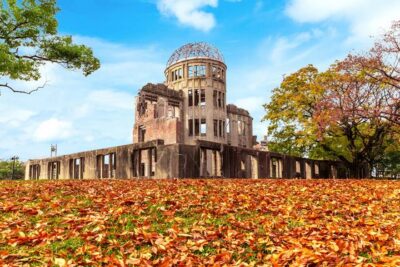
Tokyo, Kyoto and Hiroshima GO by Europamundo – 7-Day Tour
Read our review →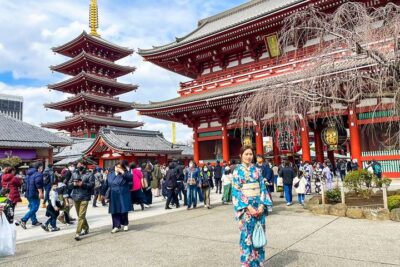
7-Day Best Japan Mini Group Tour with 3/4 Stars Hotels by Agate Travel
Read our review →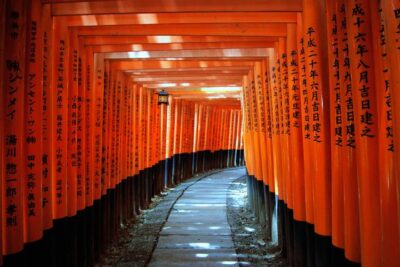
7-Day Japan Delight: Tokyo, Mt. Fuji, Kyoto by Intertrips
Read our review →Browse the lists this tour appears in