
Reviewed · 7-DAY EXPERIENCES
Tokyo, Kyoto and Hiroshima end Tokyo GO 7-Day Tour by Europamundo Review
Tokyo’s busy crossings and quiet shrine paths are only the opening act on this seven-day route. You ride the bullet train to Kyoto, see Nara’s giant Buddha and deer, then continue west to Himeji Castle and Hiroshima’s Peace Memorial Park before returning to Tokyo by train.
I like two things in particular: the range of places covered makes this a useful first trip through Japan, and the included transport and admissions take much of the planning off your plate. You also get a meaningful mix of famous landmarks and smaller stops, including Kurashiki’s old district and a ferry ride to Miyajima.
The trade-off is pace. Several days combine long transfers with multiple major sights, and the group can number as many as 72. If you want slow mornings, long museum visits or time to explore each city independently, this route may feel hurried.
In This Review
- Five things to know before you book
- Tokyo opens with a city in contrasts
- Kyoto’s great sights in one packed day
- Nara’s Buddha, then Osaka after dark
- Himeji Castle and a garden in Okayama
- Kurashiki and Hiroshima’s difficult history
- The return train and the real cost
- Guides, group size and the pace of the trip
- Should you book this Japan tour?
- FAQ
- Are international flights included?
- Where does the tour start and end?
- Is airport transportation included?
- What meals are included?
- Which hotels will I stay in?
- Is the tour conducted in English?
- How large can the group be?
- Are the bullet train journeys included?
- Is admission to Tokyo Skytree included?
Five things to know before you book
- Tokyo Skytree admission is included up to the 350-meter Tembo Deck, weather and operating conditions permitting.
- The route spans Japan by rail and coach, with bullet trains from Tokyo to Kyoto and Hiroshima back to Tokyo.
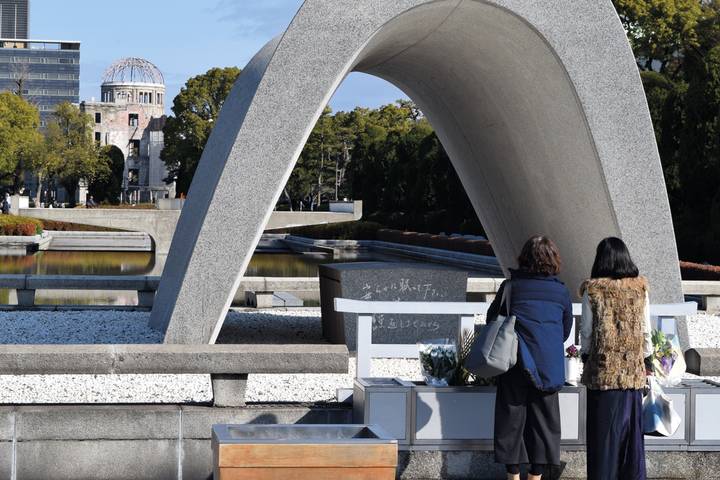
- Hiroshima includes both reflection and a change of scene, with the Peace Memorial Park, museum and Atomic Bomb Dome followed by a ferry to Miyajima.
- Most guided days are full, and some visits are brief or viewed from outside, such as Shibuya Crossing from the bus and Okayama Castle from the exterior.
- The guides are a major part of the experience, but guide teams may change. English is the stated tour language, though some past groups have had uneven language mixes.
- The starting price is $3,162, excluding flights. Breakfast, hotels, selected lunches and dinners, transport and many admissions are included.
Tokyo opens with a city in contrasts
Your first day is deliberately light. After customs, a shared shuttle takes you to the hotel, and the rest of the day is free. You receive information about the tour in the afternoon, but do not count on a full sightseeing schedule before then. This is a sensible chance to recover from the flight and get settled.
The hotel is one of three listed options: Shinagawa Prince Hotel, Tokyo Dome Hotel or ibis Styles Tokyo Ginza East. The first two are listed as four-star properties, while ibis Styles is three-star. The operator says hotels are chosen for location, quality and price, with public transport nearby, but not all are in the city center. Room sizes, beds and facilities can vary.
Day two packs a lot into Tokyo. The guided city tour lasts about seven hours, starting at Zojoji Temple, where you can frame Tokyo Tower behind the temple grounds. Keep an eye out for the small stone Jizo figures, guardians of children, dressed in knitted hats and bibs.
You see Shibuya Crossing from the bus, rather than stopping for a long walk through the area. The tour then visits Meiji Shrine, a wooded sanctuary dedicated to Emperor Meiji and his wife, before heading to Tokyo Skytree. Admission to the Tembo Deck at 350 meters is included, though weather or other exceptional conditions can limit access. An alternative city viewpoint may be offered.
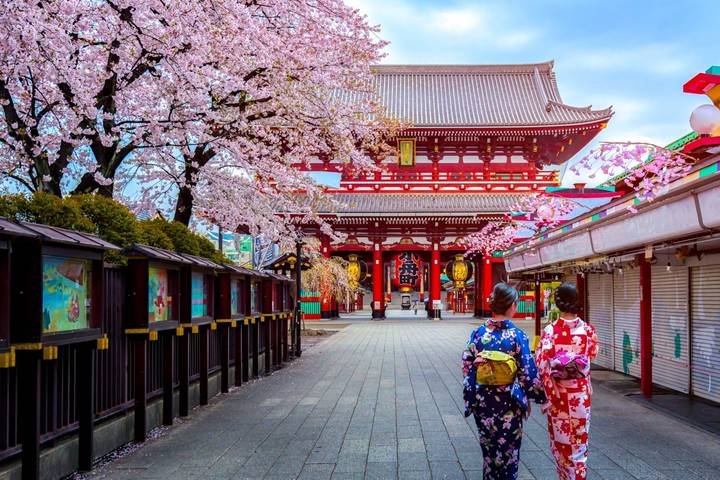
In Asakusa, you visit Sensoji Temple and Nakamise Street, a busy shopping lane lined with traditional snacks and souvenirs. The return route passes Akihabara and Ginza, but that does not necessarily mean you have time to explore either district on foot. If anime shops or upscale shopping are priorities, plan to return independently during your free time.
The day continues in the evening with a guide-led subway trip to Shinjuku, a walk around the district and dinner at a local restaurant. Subway tickets are included for this outing. It makes for a full first sightseeing day, so comfortable shoes and a little patience with the schedule will help.
A few more options to weigh up in Tokyo
- Tokyo Disney Resort – Tokyo Disneyland & Tokyo DisneySea Park Tickets
★ 4.8 · 99,488 reviews - SHIBUYA SKY Ticket
★ 4.7 · 46,509 reviews - JR Whole Japan Rail Pass
★ 4.8 · 29,150 reviews
Kyoto’s great sights in one packed day
An early bullet train carries you from Tokyo to Kyoto, covering nearly 500 kilometers in just over two hours. Rail travel is one of the tour’s practical strengths: you avoid spending the whole day on the road and arrive ready to see the old imperial capital.
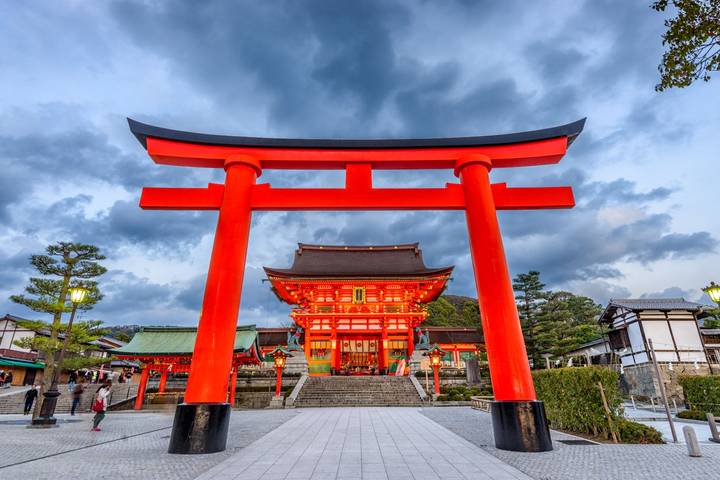
The schedule includes Fushimi Inari Shrine, the Imperial Palace, Kinkakuji Temple and Gion. At Fushimi Inari, the shrine’s bright gates and sacred setting make a strong first impression. Kinkakuji, the Golden Pavilion, is admired across its surrounding gardens, while the Imperial Palace offers another layer of Kyoto’s court history.
The day ends with time in Gion, known for its traditional streets and geisha culture. This is a welcome chance to wander without following a guide at every step, although the available free time depends on how the day runs. Kyoto has far more temples and neighborhoods than one day can cover, so think of this as an introduction, not a complete visit.
The listed Kyoto hotels are New Miyako Hotel and Miyako Kyoto Hachijo. As with the other stops, the assigned property can vary. Breakfast is included, but hotel breakfast queues have been a problem on some departures, so allow time rather than assuming you can arrive at the last minute.
Nara’s Buddha, then Osaka after dark
On day four, the coach takes you from Kyoto to Nara. Todaiji Temple, built in 752, houses an enormous Buddha statue, and the surrounding park is home to free-roaming deer. You can interact with them, but keep food and belongings secure and treat the animals with care.
Lunch is included at a local restaurant. Later, you visit Horyu-ji, a UNESCO-listed temple complex with a central pagoda among the world’s oldest wooden structures. It is a quieter, more architectural stop after Todaiji’s scale and crowds.
The day ends in Osaka, with a visit to Dotonbori. Its signs, restaurants and evening activity offer a sharp change from Nara’s temple grounds. Dinner is not listed as included this evening, so check your meal budget and use the free time to choose something that suits you.
The Osaka hotel options include Moxy Osaka Honmachi, Onyado Nono Osaka Yodoyabashi and Tokyu Stay Osaka Honmachi. Hotel assignment matters because the city is large, though the operator says properties have nearby public transport. One past account described delays linked to an elevator queue, a reminder that a large tour group can take time to move through hotels and gather.
Himeji Castle and a garden in Okayama
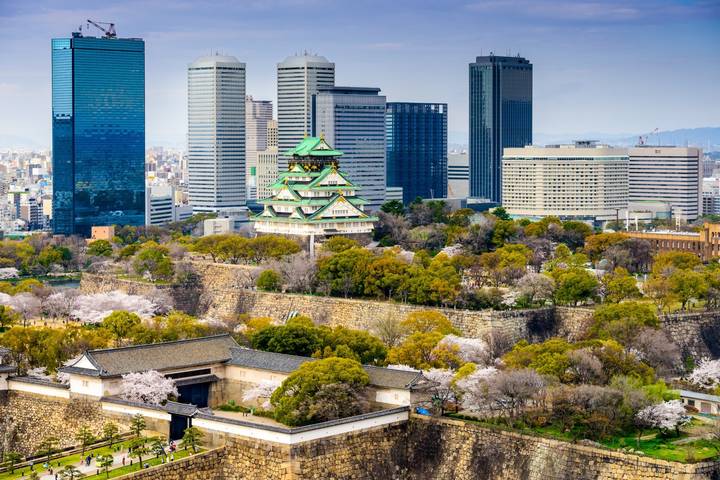
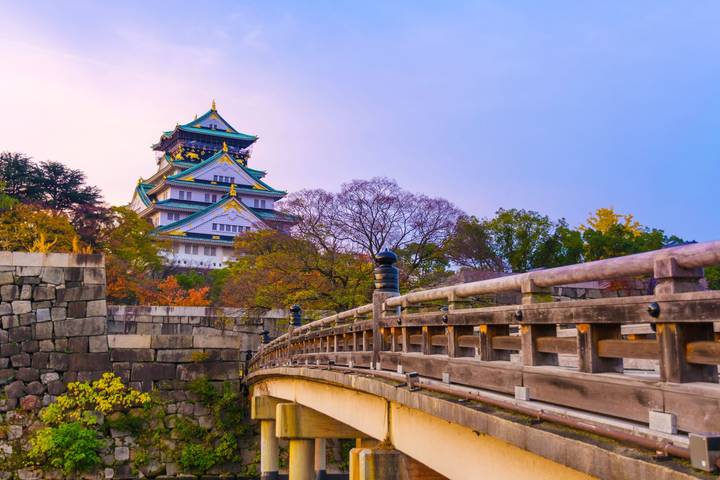
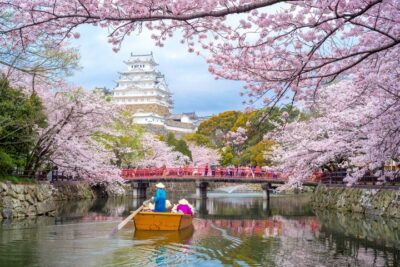
Day five heads to Himeji, where admission to the castle complex is included. The castle is a defining example of Japanese castle design, and the grounds give you a sense of its scale and defensive layout. This is one of the tour’s strongest heritage stops, though the time available is shared with the drive and the rest of the day.
Lunch at a local restaurant is included before the group continues to Okayama. Korakuen Garden is known for its lakes, waterfalls and teahouses, a composed change of pace after the castle. Across a pedestrian bridge, you can see Okayama Castle from outside. Entry to its interior is not included.
There is some free time in Okayama, an active regional capital. On certain dates, the group may stay in Fukuyama or Kurashiki instead, and the Kurashiki visit may shift to this afternoon. That variation is worth checking when you book if a particular overnight stop matters to you.
A completely different kind of day out:
- Mt Fuji and Hakone 1-Day Bus Tour Return by Bullet Train
★ 5.0 · 26,383 reviews - TOKYO SKYTREE® Ticket
★ 4.7 · 25,136 reviews - teamLab Borderless Tickets: MORI Building DIGITAL ART MUSEUM
★ 4.7 · 24,126 reviews - teamLab Planets TOKYO Ticket
★ 4.7 · 21,663 reviews
Kurashiki and Hiroshima’s difficult history
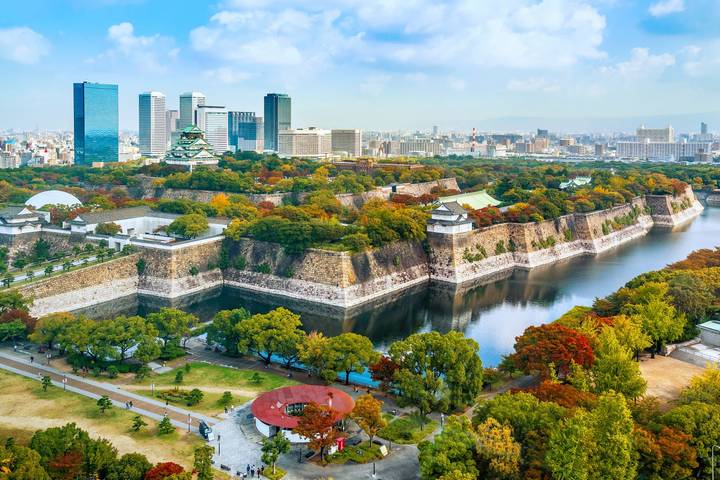
Kurashiki’s preserved old district offers a slower walk through streets shaped by the city’s past. It is a welcome contrast to the large landmark visits, though the stop is one part of a day that also includes Hiroshima and Miyajima.
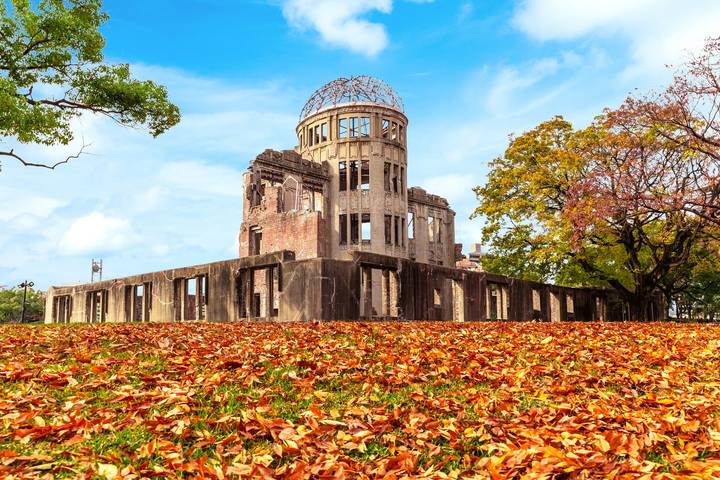
In Hiroshima, the tour visits Peace Memorial Park, the Atomic Bomb Dome and the Peace Memorial Museum. The museum and park are moving places, and you should allow yourself time to take in what you see. The schedule covers key sites, but a short group visit may not suit you if you want to read every display or spend a long time in reflection.
Later, a ferry takes you to Itsukushima Island, commonly called Miyajima. You visit Itsukushima Shrine, partly built over the water, and have time in the town center and for lunch. The island brings a quieter, scenic note after the intensity of Hiroshima. The order of visits may change, so the time available at each stop can vary.
Dinner is included back at the Hiroshima hotel. The listed options are Hilton Hiroshima and ANA Crowne Plaza Hiroshima. Lunch on Miyajima and dinner in Hiroshima are both part of the day’s included meals.
The return train and the real cost
After breakfast on day seven, a transfer takes you to Hiroshima Station for the bullet train to Tokyo. The trip covers about 800 kilometers in roughly four hours, with arrival expected around 2 p.m. There is no airport transfer included at the end, so check your flight time carefully. If your flight is too close, plan for another night in Tokyo rather than hoping the train schedule and airport connection line up perfectly.
At $3,162 from the cheapest room price, this is not a bargain-basement trip, but the price covers substantial ground. You get six nights of accommodation, breakfast, two lunches, two dinners, guided sightseeing, many listed admissions, an arrival transfer, coach transport and two long-distance bullet train journeys. Flights are not included, and extra meals, personal spending and any optional entry, such as Okayama Castle’s interior, need to be budgeted separately.
The value is strongest if you want a ready-made route and would otherwise need to organize hotels, intercity transport and timed visits yourself. It is less compelling if you prefer to travel slowly, choose every meal or linger at museums. The itinerary and transport receive strong overall scores, and the hotels and food are rated well, though individual hotel experiences and meal quality can differ.
Guides, group size and the pace of the trip
Europamundo describes the tour as fully guided in English, with an English-speaking tour leader providing explanations and assistance. Guide names vary by departure. Past guests have singled out guides including Ken, David, Midori, Asa, Jose, Nadia, Patricia and Francisco for warmth, humor, care and clear explanations. These names are examples, not a promise that any one guide will lead your trip.
The guide team may change along the way. Some people appreciate meeting several local guides; others would rather have one familiar leader for all seven days. There have also been accounts of English speakers feeling outnumbered in groups where Spanish was widely spoken. The tour language is listed as English, but if sharing a language group is important to you, ask the operator how your specific departure is organized.
Group size can range from 2 to 72. A full coach means more waiting at hotel lifts, meeting points and meal stops, and you have less freedom to change the schedule. In return, transport and logistics are handled for you, and you have company throughout a demanding route.
The tour is rated low intensity, but that does not mean no walking. Expect to move through temples, gardens, shopping streets and station areas, often on a timetable. The operator may also alter the order of visits or substitute sites when weather, delays or other exceptional conditions intervene.
Should you book this Japan tour?
Book it if this is your first visit to Japan and your priority is to see Tokyo, Kyoto, Nara, Osaka, Himeji, Okayama, Kurashiki and Hiroshima in one organized week. The train journeys, included admissions and strong guide feedback make it a practical way to get a broad introduction without managing every connection yourself.
Think twice if you want a slow cultural trip, a small group or long unstructured days. This route favors coverage over depth, and English speakers should confirm the language setup for their departure. If that balance suits you, the tour offers an efficient first look at Japan’s great cities, temples, castle grounds and modern history.
FAQ
Are international flights included?
No. Flights are not included in the tour price.
Where does the tour start and end?
The tour starts in Tokyo and ends in Tokyo after the bullet train from Hiroshima, expected to arrive around 2 p.m. on day seven.
Is airport transportation included?
An arrival transfer from the Tokyo airport to the hotel is included by shared shuttle. A departure transfer to the airport is not included.
What meals are included?
Breakfast buffet is included. The tour also includes lunch in Nara, lunch in Himeji, dinner in Tokyo and dinner in Hiroshima. Lunch on Itsukushima Island is also specified in the day-six schedule.
Which hotels will I stay in?
Options listed include Shinagawa Prince Hotel, Tokyo Dome Hotel or ibis Styles Tokyo Ginza East in Tokyo, with other listed properties in Kyoto, Osaka, Okayama and Hiroshima. The assigned hotels can vary by departure.
Is the tour conducted in English?
English is the stated tour language, with an English-speaking tour leader. Group language mixes have varied, so ask about the specific departure if this is important to you.
How large can the group be?
The listed group size is from 2 to 72 people.
Are the bullet train journeys included?
Yes. The Tokyo to Kyoto and Hiroshima to Tokyo bullet train journeys are included, along with transfers to the stations.
Is admission to Tokyo Skytree included?
Yes. Admission is included up to the Tembo Deck at 350 meters. Bad weather or other exceptional conditions may limit access, in which case an alternative viewpoint may be offered.
Just added in Tokyo
- Wonders Of Japan 10-Day Tour by Travel Talk★ 4.5 · 14 reviews
- Wonders of Japan end Tokyo GO 15-Day Tour by Europamundo★ 4.2 · 10 reviews
- Wonders of Japan end Tokyo 15-Day Tour by Europamundo★ 4.2 · 10 reviews
- Wonders of Japan End Osaka by Europamundo – 12-Day Tour★ 4.2 · 58 reviews
- Wonders of Japan End Osaka (including Fukuyama) 12-Day Tour by Europamundo★ 4.2 · 58 reviews
- Wonders of Japan End Osaka GO by Europamundo – 12-Day Tour★ 4.2 · 58 reviews
- Walk Japan – Kumano Kodo Trail 12-Day Tour by Explore!★ 4.7 · 20 reviews
- Visions of Japan with Hiroshima & Osaka 15-Day Tour by Globus★ 5.0 · 75 reviews
7-Day Experiences, compared.


Essential Japan GO by Europamundo – 7-Day Tokyo to Osaka Tour
Read our review →
Tokyo, Kyoto and Hiroshima end Tokyo by Europamundo – 7-Day Tour
Read our review →
Tokyo, Kyoto and Hiroshima 7-Day Tour by Europamundo
Read our review →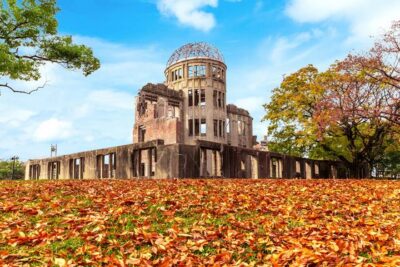
Tokyo, Kyoto and Hiroshima GO by Europamundo – 7-Day Tour
Read our review →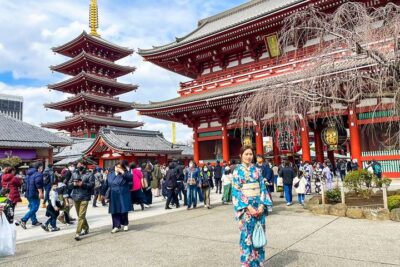
7-Day Best Japan Mini Group Tour with 3/4 Stars Hotels by Agate Travel
Read our review →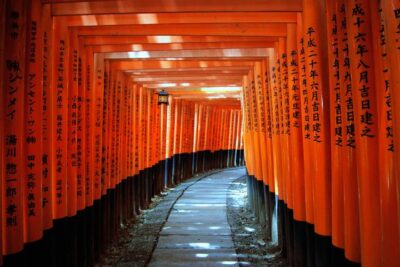
7-Day Japan Delight: Tokyo, Mt. Fuji, Kyoto by Intertrips
Read our review →Browse the lists this tour appears in