Reviewed · TOKYO TOURS
Tokyo Metropolis
Tokyo rewards a careful eye. This 2.5-hour photography walk turns Shimbashi, Ginza, and Yurakucho into an open-air classroom, using glass towers, narrow lanes, commuters, reflections, and strong lines as lessons in composition. I like the small-group format, which gives you time to ask questions, and I like that the route reaches quieter corners beyond Tokyo’s usual sightseeing stops. The main consideration is that this is a walking workshop, not a general city tour, so it suits photographers more than anyone looking for temples, food tastings, or broad historical commentary.
The route covers about 1.3 miles, or 2 kilometers, and finishes at Tokyo International Forum, a useful spot for catching a train onward. Guides such as Stephane and Lukasz have earned especially warm praise for patient instruction, camera-setting advice, and finding unusual angles without getting in the way of pedestrians. Still, the non-refundable booking policy and weather dependence mean you should choose your date carefully.
In This Review
- Key reasons to consider this Tokyo photography walk
- Why Tokyo makes such a good photography classroom
- Meeting at the SL Square steam locomotive
- Shiodome: an hour among steel and glass
- Ginza: narrow lanes and everyday city scenes
- Tokyo International Forum: a dramatic final stop
- What the photography coaching actually covers
- Group size, pace, and comfort
- What to bring and how to prepare
- Who will get the most from this experience
- Should you book the Tokyo photography workshop?
- FAQ
- How long does the photography workshop last?
- Where does the experience begin?
- Where does the workshop end?
- How far do you walk?
- Is the experience suitable for beginners?
- What happens if bad weather cancels the workshop?
Key reasons to consider this Tokyo photography walk
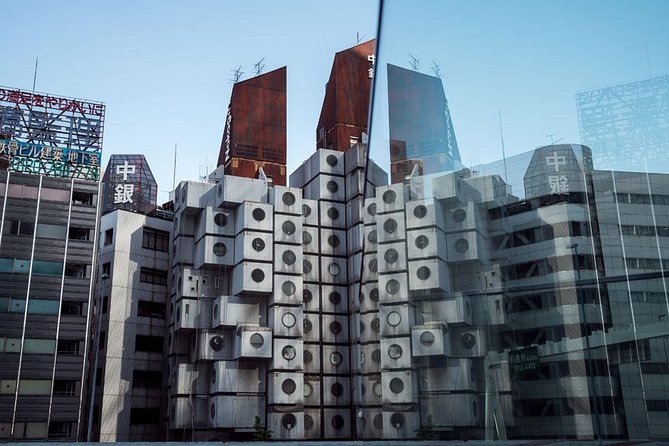
- Shiodome’s morning light: Begin among tall steel-and-glass buildings, where the guide helps you frame architecture and use people or surrounding details to create a story.
- Ginza beyond the main avenue: Move into small lanes and working corners where cooks, wait staff, and office workers provide natural street scenes.
- Practical instruction: Learn about composition, timing, reflections, lines, negative space, and camera settings while taking photographs, not sitting through a lecture.
- A very small group: The experience is limited to six people, and it is described as a private activity for your group alone.
- Tokyo International Forum finish: The sweeping interior gives you a final set of challenging architectural subjects, with convenient train connections nearby.
- A flexible skill level: Beginners can get patient help with camera functions, while experienced photographers can work on stronger framing and visual storytelling.
Why Tokyo makes such a good photography classroom
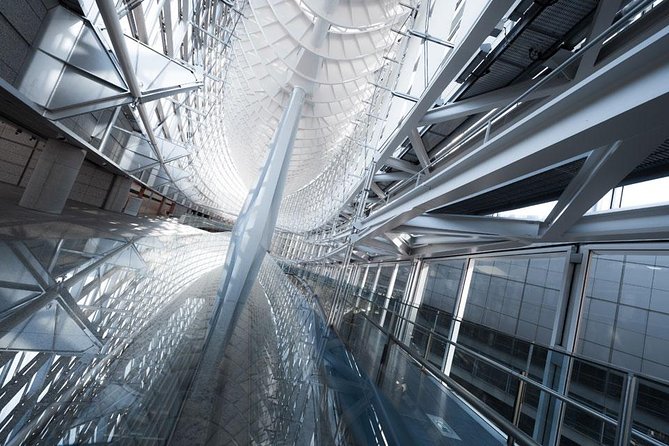
Tokyo can look almost too polished at first glance. Bullet trains arrive with clockwork regularity, office towers rise in clean planes of glass, and wide streets meet tiny service lanes with little warning. That contrast gives you plenty to work with, but only if you slow down enough to notice it.
This workshop focuses on the modern city rather than postcard landmarks. You will look for lines, patterns, reflections, negative space, and the way people interact with their surroundings. Those are useful lessons far beyond this one morning. Once you begin noticing them, an ordinary station entrance or office corridor can become a stronger subject than a famous viewpoint.
I also like the way the instruction is tied to actual photographs. Instead of hearing abstract advice about composition, you can point your camera at a building, take a frame, and discuss what is working and what is not. Participants have particularly valued help with timing, framing, camera settings, and using the environment to give a photograph a sense of story.
The workshop welcomes both beginners and advanced photographers. That range can be a strength in a group of six or fewer, though the exact pace may depend on the people attending. A first-time camera user may need help with basic functions, while an experienced photographer may want more discussion of visual style. The format seems best suited to people who enjoy learning by doing.
A few more options to weigh up in Tokyo
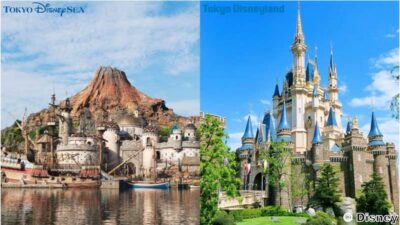
- Tokyo Disney Resort – Tokyo Disneyland & Tokyo DisneySea Park Tickets
★ 4.8 · 99,488 reviews - SHIBUYA SKY Ticket
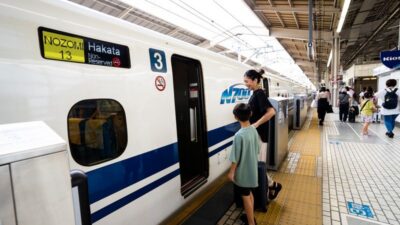
★ 4.7 · 46,509 reviews - JR Whole Japan Rail Pass
★ 4.8 · 29,150 reviews
Meeting at the SL Square steam locomotive
The morning begins at 10:00 a.m. at the steam locomotive in SL Square, outside the west entrance of Shimbashi Station. This is a practical meeting point because Shimbashi is well connected by public transportation, and the locomotive is an easy landmark to identify.
Arrive with your camera ready, but keep your equipment manageable. The route is on foot, and although 2 kilometers is not a long distance, you will stop often, look upward, change position, and wait for the right arrangement of people and buildings. A light camera bag will make the morning more comfortable.
The supplied details do not specify camera requirements or whether equipment can be provided. I would therefore plan to bring your own camera or phone and make sure you know how to access its basic controls. The instruction may include camera settings, and you will get more from that advice if you can make adjustments without spending the entire stop searching through menus.
Shiodome: an hour among steel and glass
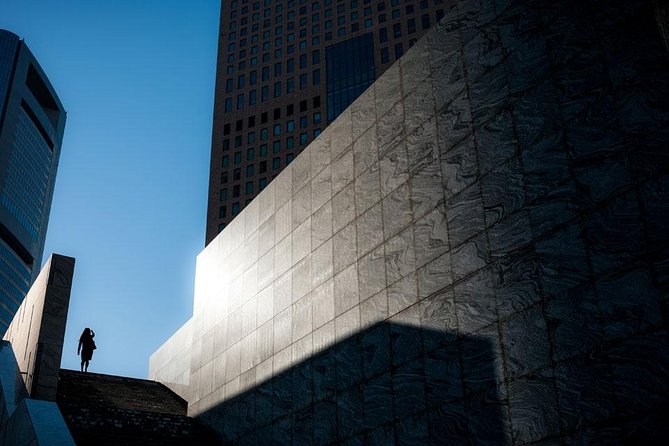
The first major section lasts about one hour in Shiodome, also known as Shiodome Siosite. This business district is the workshop’s clearest lesson in modern urban photography. Tall buildings, hard surfaces, repeated windows, and morning light give you a controlled setting for studying form.
Here the guide works with you on composition and framing. You may be asked to consider how much of a building belongs in the picture, where the strongest line leads the eye, or how a reflection changes the shape of a scene. The point is not simply to record a tall tower. It is to decide what the photograph is saying.
The workshop also encourages you to include the surrounding environment and people. An office worker crossing a bright patch of pavement can give scale to a building. A person partly framed by steel beams can add a human detail to an otherwise impersonal scene. These choices help turn a clean architectural image into something with a little tension and story.
The morning timing matters. The route starts at 10:00 a.m., and the description specifically points to morning light in Shiodome. Light changes quickly around tall buildings, so a shadow or reflection you notice at one moment may shift soon after. This makes the stop useful for learning how timing affects an image, not just how to point a lens at a subject.
Shiodome will appeal most to people who enjoy architectural photography. If your main interest is traditional Japan, this part of Tokyo may feel removed from the image you had in mind. That is not a flaw in the workshop, but it is an important match-of-interests question.
Ginza: narrow lanes and everyday city scenes
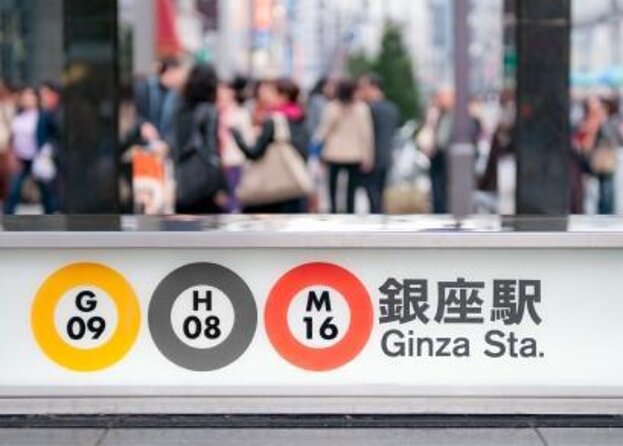
The route continues toward Ginza, with about 45 minutes devoted to architecture and street photography. Ginza is famous for its grand commercial streets, but this experience takes you into smaller alleys and less obvious corners.
That shift is one of the most appealing parts of the walk. In the lanes, you may encounter cooks, wait staff, and salarymen going about their work. These scenes are not staged for a camera. They offer a chance to practice observing first and photographing second.
The guide can help you think about how much context to include. A narrow passage might work as a study in converging lines. A staff member moving through a doorway might provide a focal point. A sign, wall, or overhead structure might create a frame inside the frame. The advice is practical because you are working with real movement and limited space.
This is also where the workshop’s small size matters most. Street photography can be awkward if a large group blocks a lane or makes people feel watched. A maximum of six participants gives the guide more control and makes it easier to stop without taking over the pavement. One particularly useful detail from the experience is the focus on finding interesting spots without getting in the way of other pedestrians.
Guides Stephane and Lukasz have both been singled out for their teaching. Stephane is praised for explaining the artistic side of photography, including how to capture a mood or tell a story. Lukasz is praised for constructive advice, unusual city viewpoints, and patient help with camera functions. Another guide, Exel, is noted for working well with two very inexperienced photographers and explaining things clearly.
The exact guide depends on the date, so you should not assume a particular person will lead your walk. Still, the repeated emphasis on patience and practical instruction is encouraging. The experience appears to be built around direct coaching rather than a fixed speech.
A completely different kind of day out:
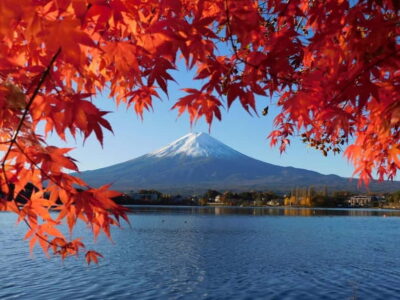
- Mt Fuji and Hakone 1-Day Bus Tour Return by Bullet Train
★ 5.0 · 26,383 reviews - TOKYO SKYTREE® Ticket
★ 4.7 · 25,136 reviews - teamLab Borderless Tickets: MORI Building DIGITAL ART MUSEUM
★ 4.7 · 24,126 reviews - teamLab Planets TOKYO Ticket
★ 4.7 · 21,663 reviews
Tokyo International Forum: a dramatic final stop
The final 45 minutes take place at Tokyo International Forum in Yurakucho. The meeting point for the end is listed near Anthony Caro’s Barcelona Ballad, at 3 Chome-5 Marunouchi.
The Forum provides a change of scale from Ginza’s alleys. Its immense interior gives you sweeping structural forms, strong curves, repeating elements, and dramatic angles. It is the kind of place where a small change in position can alter the whole photograph.
This stop is described as a series of photographic challenges. That wording matters. You will not simply be shown one famous viewpoint and told to take the same picture. You will likely be encouraged to work out how to handle the interior’s size, lines, light, and symmetry for yourself.
For a beginner, this can be a useful way to apply the morning’s lessons. Look for a dominant line. Test a wider or tighter composition. Use a person or architectural detail to show scale. Think about negative space instead of filling every part of the frame. The Forum gives you enough visual structure to practice all of those decisions.
For a more experienced photographer, the building may be the strongest creative section of the workshop. The setting is visually bold, but bold subjects can produce predictable photographs. The guide’s role is to help you find a less obvious angle and make a deliberate choice rather than simply photographing the biggest shape in front of you.
Finishing in Yurakucho is practical. The Tokyo International Forum is close to rail connections, so you can continue to another part of the city after the workshop without returning to Shimbashi.
What the photography coaching actually covers
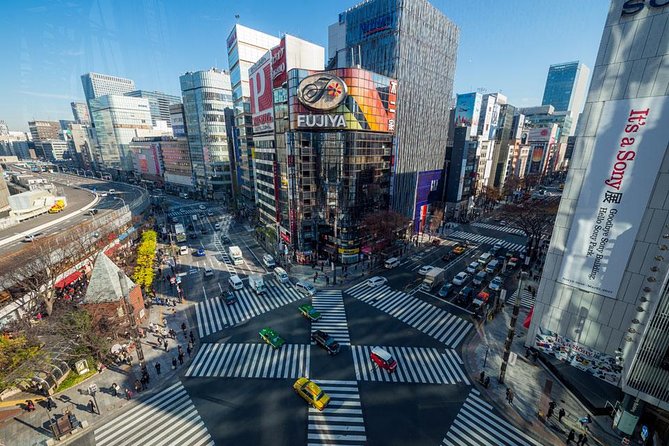
The strongest part of this experience is its hands-on approach. The instruction includes both creative decisions and technical tips, which is useful because good photographs usually need both.
You can expect attention to:
- Composition: how to frame a scene and organize its lines, shapes, and empty areas.
- Visual storytelling: how people and surroundings can give an image context.
- Timing: how movement and changing light affect the result.
- Camera settings: practical guidance on using different functions on your camera.
- Reflections and patterns: ways to find order and visual interest in modern buildings.
- Negative space: how empty areas can make a subject clearer or more dramatic.
This range works well for a short session because you can immediately test each idea. The workshop is not long enough for a full photography course, nor does it promise detailed editing instruction after the walk. Think of it as a concentrated field lesson that can change how you look at the rest of Tokyo.
One useful outcome is that you may keep applying the ideas after the tour ends. The advice is not limited to the three stops. The city offers endless buildings, signs, people, and passages, so you can practice again later that day.
Group size, pace, and comfort
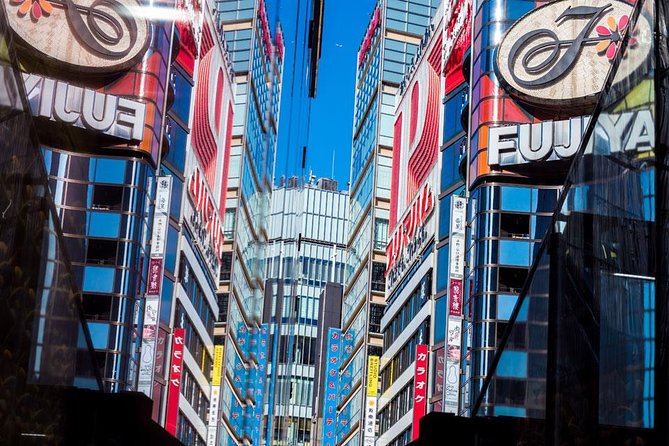
The experience is limited to six people and is described as a private activity in which only your group participates. The wording leaves some room for how the operator handles group size, but the clear advantage is a more personal format than a large sightseeing tour.
At $158.52 per group of up to two people, the cost works out to about $79.26 per person when two people share the booking. That is a fair value if you want real instruction rather than just a guided walk through central Tokyo. You are paying for the photographer’s time, route planning, local knowledge, and one-on-one corrections as you work.
The value is less obvious if you only want attractive city views. You can see Shiodome, Ginza, and Yurakucho without booking a workshop. The difference is the coaching. If the guide helps you understand why one frame works better than another, the lesson can improve photographs throughout the rest of your trip.
The walking distance is moderate, but the repeated stops make the pace different from ordinary sightseeing. Most people can participate, and the tour is near public transportation. Still, you should be comfortable walking between districts and standing while composing photographs.
Bus fare is not included. The core route is on foot, so this may not matter during the workshop itself, but budget separately if you need a bus before or after the experience.
What to bring and how to prepare
Bring the camera you actually plan to use during your Tokyo visit. A sophisticated camera is not required, and the experience is suitable for beginners, but you will benefit from knowing the basics of your own device.
Before meeting the guide, I would check:
- How to change the main shooting mode
- How to adjust exposure or other basic settings
- How to review and delete images
- That your battery has enough charge
- That you have enough storage space
A phone can still be useful for composition practice, but the details provided specifically refer to camera skills and settings. If you are bringing a dedicated camera, carry only the lenses and accessories you can manage comfortably during a 2-kilometer walk.
Wear shoes suitable for city walking. The route crosses business and shopping districts, then ends inside a large architectural space. You will get more from the morning if you are thinking about photographs rather than tired feet.
Weather deserves attention. The activity requires good conditions, and if poor weather causes cancellation, you are offered another date or a full refund. However, the normal booking is non-refundable and cannot be changed for any reason, so do not book casually if your plans are uncertain.
Who will get the most from this experience
I would choose this workshop if you want to understand how to photograph cities, not just collect snapshots of famous places. It is a particularly good fit for:
- Beginners who want patient, direct help with camera settings and composition
- Intermediate photographers looking for stronger architecture and street images
- Couples or friends who want a private-style activity for up to two people
- People who have already seen Tokyo’s major sights and want a different angle
- Photographers interested in lines, reflections, patterns, and modern buildings
It is less suitable if you want a broad introduction to Tokyo’s history, a food-focused outing, or a relaxed stroll with little instruction. The route is centered on Shiodome, Ginza, Yurakucho, Shimbashi, and the Tokyo International Forum. Traditional sights are not the focus.
The high rating and full recommendation record fit the experience’s clear strengths: friendly guides, small groups, carefully selected spots, and useful advice that can be applied immediately. The most praised guide qualities are patience, enthusiasm, constructive feedback, and the ability to show Tokyo from angles you might miss alone.
Should you book the Tokyo photography workshop?
Book it if photography is one of your main interests in Tokyo and you want a short, focused session with a local instructor. The price is reasonable for two people when you value personal coaching, and the finish at Tokyo International Forum makes it easy to continue sightseeing.
I would be especially keen to book this early in a Tokyo visit. The lessons on framing, timing, reflections, and visual storytelling can improve the photographs you take afterward. Just remember that the route is modern, urban, and practical rather than traditionally Japanese, and choose a date with care because the booking cannot normally be refunded or changed.
FAQ
How long does the photography workshop last?
The workshop lasts approximately 2 hours and 30 minutes.
Where does the experience begin?
It begins at SL Square, by the steam locomotive at the west entrance of Shimbashi Station, at 10:00 a.m.
Where does the workshop end?
It ends near Anthony Caro’s Barcelona Ballad at Tokyo International Forum in Yurakucho.
How far do you walk?
The average walking distance is about 1.3 miles, or 2 kilometers.
Is the experience suitable for beginners?
Yes. The workshop is designed for both novice and advanced photography enthusiasts, and the instruction includes composition, camera settings, timing, and framing.
What happens if bad weather cancels the workshop?
If poor weather causes cancellation, you will be offered another date or a full refund. Normal cancellations or amendments are non-refundable.
Just added in Tokyo
- Tokyo Private Customizable Tour with English Speaking Chauffeur★ 5.0 · 92 reviews
- Tokyo Private Day Tour by Car with English speaking Driver★ 5.0 · 25 reviews
- Chill Out in Tokyo: Personalized Private Tours with Local Friends★ 5.0 · 104 reviews
- Tokyo Private Customized Walking tours with Local guide★ 5.0 · 23 reviews
- Tokyo Private Tour with Local Expert Guide – Hidden Gems★ 5.0 · 36 reviews
- Tokyo 6 hour Tour : English Speaking Driver Only, No Guide★ 4.0 · 15 reviews
- Tokyo Portrait Tour with a Professional Photographer★ 5.0 · 58 reviews
- Private and Customisable Tokyo Tour with English Driver-guide★ 5.0 · 171 reviews
Tokyo Tours, compared.
Tokyo Disney Resort – Tokyo Disneyland & Tokyo DisneySea Park Tickets
Read our review →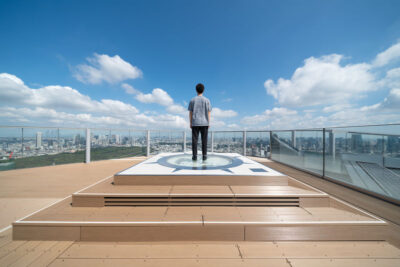
Mt Fuji and Hakone 1-Day Bus Tour Return by Bullet Train
Read our review →
teamLab Borderless Tickets: MORI Building DIGITAL ART MUSEUM
Read our review →