
Reviewed · COOKING CLASSES
Tokyo Sushi Making Experience & Japanese Cooking Class
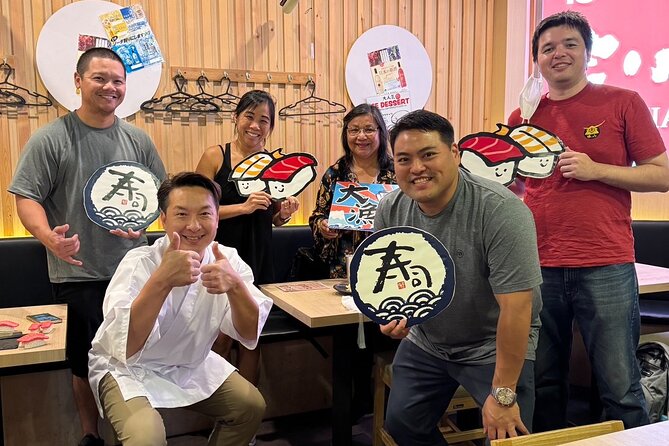
Sushi is easier than it looks. This 90-minute Tokyo class gives you hands-on practice with maki, temari, and nigiri sushi, while English-speaking instructors explain the culture and table manners behind each piece. I like the small-group format, capped at 15 people, and the chance to work with ingredients such as tuna, salmon, squid, and flying fish roe. I also like that you leave with practical skills, not just a full stomach.
The main drawback is the short running time. You get a friendly introduction and several kinds of sushi, but this is a compact lesson rather than a full Japanese cooking course. Drinks are not included, and bottled water is not provided, so plan around that before you arrive.
In This Review
- Key things to know before you book
- What this Tokyo sushi class is really like
- Starting with sushi culture and etiquette
- Making maki sushi with tuna, salmon, and roe
- Shaping temari sushi by hand
- Trying nigiri sushi and learning the difference
- Eating your own sushi with optional drinks
- Why the small group matters
- Is $59.46 a fair price?
- Who should book this experience?
- Practical details that can affect your day
- My call: a useful and tasty Tokyo activity
- FAQ
- Where does the sushi-making class meet?
- How long does the experience last?
- What types of sushi can I make?
- Which languages are available?
- What ingredients are used?
- Are drinks included in the price?
- Can children join the class?
- What happens if I need to cancel?
Key things to know before you book
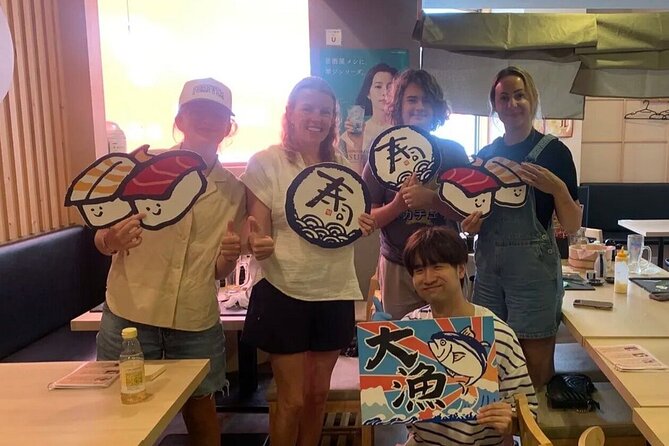
- You make several sushi styles: Depending on the class format, you prepare maki and temari, or maki and nigiri.
- Fresh ingredients are part of the lesson: Tuna, salmon, squid, and flying fish roe are among the foods used.
- English and Chinese instruction is available: Guides provide help in English, Traditional Chinese, or Simplified Chinese.
- The group is limited to 15 people: That gives you a better chance to receive personal help than a large demonstration class.
- Optional drinks add a Japanese touch: Sake, shochu, juice, and other drinks can be ordered separately.
- Families can take part: Children age 4 and older are eligible, making this a workable activity for many family trips.
What this Tokyo sushi class is really like
The class meets at S-PLAZA Yayoi II in Shinbashi, at 2-chome-15-10, Minato City, Tokyo 105-0004. It is near public transportation, and the activity finishes at the same location, which keeps the plan simple in a city where changing stations can eat up more time than expected.
The experience lasts about 1 hour and 30 minutes. That timing works well between sightseeing stops. You can fit it into a morning or afternoon without giving up half a day, though you should arrive ready to stay focused. Sushi preparation has several small steps, and the short schedule means there is little room for wandering attention.
You do not need to bring cooking equipment. The classroom supplies what you need, and the staff help you as you work. This matters if you are packing light or moving around Tokyo with only a day bag.
The lesson is designed for participation rather than watching a chef work from a distance. You handle the ingredients, shape the sushi, and learn how each style is put together. That makes the class more useful after your holiday, since the techniques can be repeated at home.
More Cooking Classes in Tokyo
- Sushi Making Tokyo Roll and Authentic Japanese Sushi Class
★ 5.0 · 3,971 reviews - Tokyo: Roll and Authentic Sushi Making Class in Asakusa
★ 4.9 · 1,957 reviews - Tokyo Shinjuku Chopsticks Making Class
★ 5.0 · 1,763 reviews
Starting with sushi culture and etiquette
The class begins with an introduction to sushi history and culture. The instructors also explain etiquette, so you learn more than how to place rice around fish.
That cultural layer gives the food some context. Sushi is not simply fish placed on rice, and the class helps connect the preparation with the way sushi is meant to be handled and eaten. You may find this especially useful if you have been unsure about the correct way to approach different pieces in Japan.
The instructors speak English, and instruction is also available in Traditional Chinese and Simplified Chinese. The staff are described as friendly and patient, an important point when children or first-time cooks are involved. One family with two children had a good experience because the hosts gave the children time and encouragement while they learned.
The lesson also covers etiquette around each bite. That does not turn the class into a formal lecture. Instead, it gives you small pieces of cultural information while you are preparing and tasting the food.
Making maki sushi with tuna, salmon, and roe
Maki sushi is the familiar rolled style. You work with rice and fillings, then shape the ingredients into a roll before cutting it into pieces.
This is often the most approachable part of the class because the finished sushi is easy to recognize. It also gives you a useful skill to practice later. The instructor can show you how to spread, fill, and roll the sushi, while you get a chance to correct your technique as you go.
The ingredients include options such as tuna, salmon, squid, and flying fish roe. The exact combination can vary, but the lesson gives you more than one flavor and texture to work with. That makes the preparation feel like a proper tasting as well as a cooking exercise.
Maki also gives you a practical reminder that appearance is only part of the job. A roll can look tidy and still be difficult to cut if it is packed too tightly or loosely. In a small class, you can ask for help instead of quietly repeating the same mistake.
Shaping temari sushi by hand
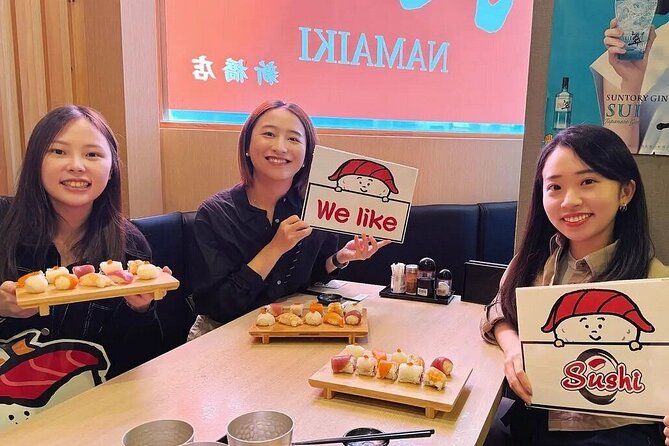
Temari sushi is a round, hand-shaped style that looks different from a standard roll. It is a good choice for a short class because you can see the shape develop directly in your hands.
The rounded pieces are also visually appealing, which helps explain the included commemorative photos. The staff can assist with taking pictures during the activity, giving you a record of the finished sushi and the preparation itself.
Temari sushi may appeal to families because it is tactile and easy to understand. Children age 4 and older can join the class, though younger children will likely need close help from an adult. The staff are available to assist, but adults remain responsible for deciding how much hands-on work is suitable for their children.
This part of the class also adds variety. If you only made rolls, the activity could feel repetitive. Moving between rolled and hand-shaped sushi keeps the lesson lively within its 90-minute schedule.
A completely different kind of day out:
- Tokyo Disney Resort – Tokyo Disneyland & Tokyo DisneySea Park Tickets
★ 4.8 · 99,488 reviews - SHIBUYA SKY Ticket
★ 4.7 · 46,509 reviews - JR Whole Japan Rail Pass
★ 4.8 · 29,150 reviews - Mt Fuji and Hakone 1-Day Bus Tour Return by Bullet Train
★ 5.0 · 26,383 reviews
Trying nigiri sushi and learning the difference
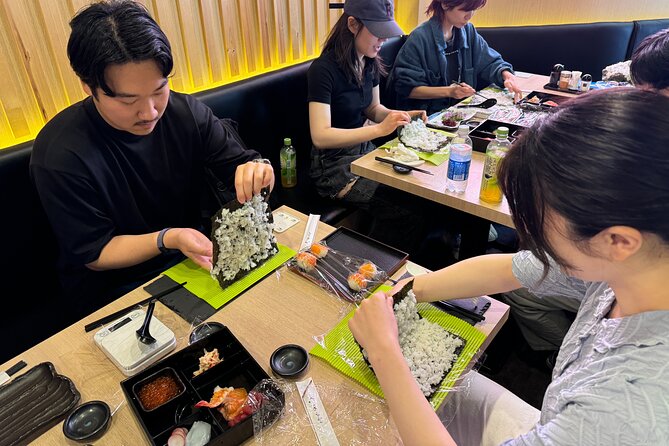
Some class formats include nigiri sushi instead of temari sushi, while others teach maki and temari. Nigiri is the style in which a topping is placed over a small portion of formed rice.
The important booking detail is that the exact combination is not presented as one fixed menu for every session. You should check the available class option when booking if you have a strong preference between temari and nigiri.
Learning nigiri gives you a chance to understand how sushi chefs balance rice, seafood, and presentation. It is also a useful contrast with maki, where the ingredients are enclosed in a roll. Together, the styles show why sushi preparation depends on shape as much as on ingredients.
You should not expect restaurant-level knife training or a long chef apprenticeship in this short session. The value is in getting a clear introduction, practicing the basic forms, and eating what you have made.
Eating your own sushi with optional drinks
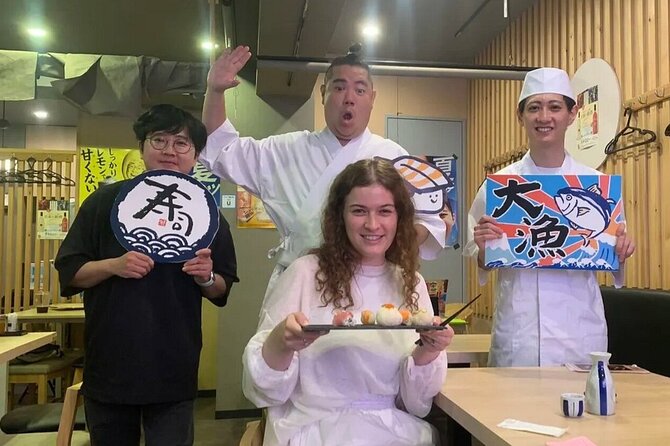
After preparation, you eat the sushi you made. The included food is listed as snacks, with maki and temari sushi using ingredients such as tuna, salmon, and squid.
This is not presented as a large meal. If you book the class during a normal lunch or dinner period, you may want to think of it as a substantial tasting rather than your only food for the day. The sushi gives you a satisfying reward for the lesson, but the portion is not described as a full restaurant meal.
You can order sake, shochu, or other drinks separately. Juice and alcoholic drinks cost extra, and bottled water is not included. If you want a traditional drink with your sushi, the sake or shochu option adds a pleasant Japanese touch, but it also raises the final cost.
Japan’s legal drinking age is 20. If you order alcohol, bring valid identification that proves your age. This is a small detail, but it can save you an awkward moment at the table.
Why the small group matters
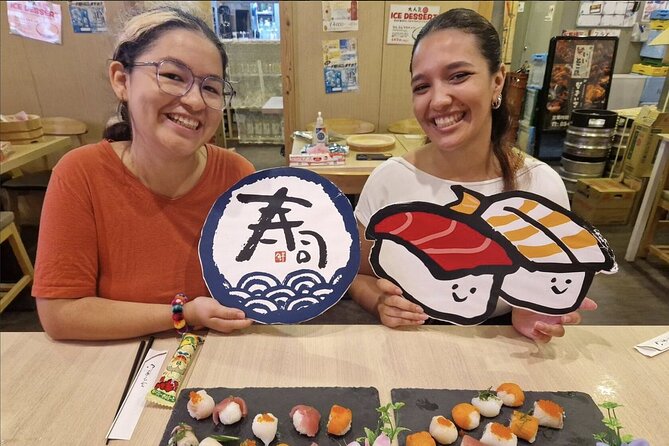
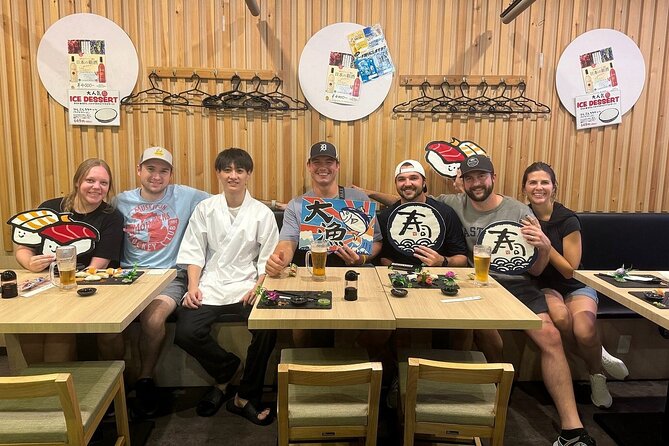
The maximum group size is 15 people. That is not a private lesson, but it is small enough to make personal help possible.
Sushi can be fiddly for a first attempt. Rice sticks to your hands, rolls need the right pressure, and shaping the pieces takes a little control. A class of 15 gives the instructors a better chance to move around the room and help you, especially when several people reach the same tricky step.
The family feedback is useful here. A family attending with two children appreciated the hosts’ patience and friendliness, which suggests that the tone is supportive rather than strict. That makes this a better choice for beginners than for someone seeking advanced technical training.
You will also work alongside other people, up to 15 in total. That can be part of the fun, especially if you enjoy sharing a table with people from different places. If you want a quiet, private cooking lesson, this is not the right format.
Is $59.46 a fair price?
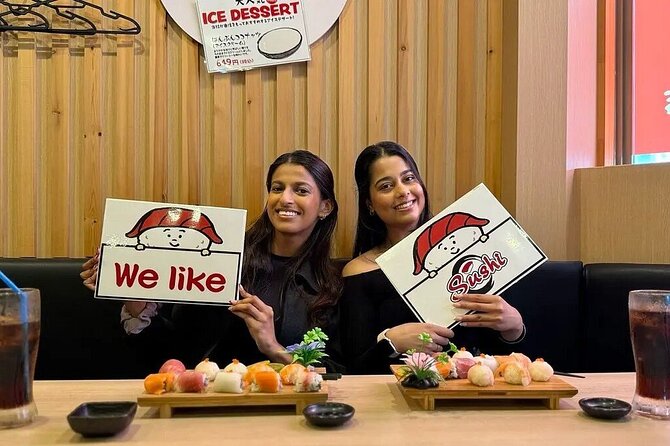
At $59.46 per person, the class is priced as a short activity rather than an all-day food workshop. You are paying for instruction, ingredients, cultural background, hands-on practice, and the chance to eat what you prepare.
I consider that reasonable for Tokyo if you value participation. A restaurant meal might give you more food, but it would not teach you how to make three different sushi styles or provide the same memory for children and first-time cooks.
The value is strongest for you if you want a compact activity with a clear result. In 90 minutes, you learn enough to understand the basics and try the techniques at home. It is less appealing if your main goal is a long meal, a market visit, or advanced chef instruction.
Optional drinks affect the budget. Since sake, shochu, juice, and other beverages are ordered separately, the advertised price is not the final amount if you choose extras. The base price is easier to judge when you treat the class as a lesson with food included.
The activity is often booked about 54 days ahead on average. That does not guarantee every date sells out, but it is a good reason to reserve early if your Tokyo schedule is fixed, particularly if you need a certain language or class combination.
Who should book this experience?
I would recommend it most strongly to first-time sushi makers, families with children age 4 and older, and people who want a short cultural activity between major Tokyo sights.
It also suits you if you prefer learning by doing. You do not simply watch a chef assemble food. You practice the steps yourself, ask for assistance, and eat your own work at the end.
The class is a good match for visitors who want English instruction without needing to navigate a Japanese-only cooking lesson. Chinese-language support is also available in Traditional and Simplified Chinese.
You may want to skip it if you dislike group activities, need a full meal, or want advanced sushi skills. The group can reach 15 people, the session is short, and drinks are extra. Those are not serious problems, but they shape what you are buying.
Practical details that can affect your day
Your mobile ticket makes entry simple, and confirmation is normally provided when you book. If you book within two days of the activity, confirmation can take up to 48 hours and remains subject to availability, so last-minute planners should allow some flexibility.
The meeting point is in Shinbashi, in Minato City. Since the class ends at the same address, you do not need to arrange a separate return transfer or find a second meeting point afterward.
Free cancellation is available up to 24 hours before the start time for a full refund. Changes or cancellations made inside that 24-hour window are not accepted for a refund.
The activity requires good weather and a minimum number of participants. If poor weather or low numbers cause cancellation, you are offered another date or experience, or a full refund. Keep that in mind if you are planning this as the only fixed activity on a tightly scheduled day.
My call: a useful and tasty Tokyo activity
I would book this class if I wanted a friendly introduction to sushi that fit neatly into a busy Tokyo itinerary. The best parts are the hands-on practice, the patient support for families, the fresh seafood ingredients, and the chance to learn the etiquette behind the food.
The $59.46 price is fair when you count the lesson, sushi, cultural explanation, and photos together. Just remember that the class is short, portions are described as snacks, and drinks cost extra.
Book it early if your dates are fixed, especially since it is commonly reserved well ahead. For a relaxed family activity or an approachable first step into Japanese cooking, this is a sensible choice. For a private or advanced culinary lesson, choose something more specialized.
FAQ
Where does the sushi-making class meet?
The class meets at S-PLAZA Yayoi II, 2-chome-15-10 Shinbashi, Minato City, Tokyo 105-0004, Japan.
How long does the experience last?
The experience lasts approximately 1 hour and 30 minutes.
What types of sushi can I make?
The class teaches maki sushi and temari sushi, or maki sushi and nigiri sushi, depending on the class format.
Which languages are available?
Instruction is available in English, Traditional Chinese, and Simplified Chinese.
What ingredients are used?
Ingredients can include tuna, salmon, squid, and flying fish roe, along with the other ingredients needed to prepare the sushi.
Are drinks included in the price?
No. Bottled water is not included, and juice, sake, shochu, and alcoholic beverages must be ordered separately.
Can children join the class?
Yes. Eligible participants must be at least 4 years old.
What happens if I need to cancel?
You can cancel up to 24 hours before the start time for a full refund. Cancellations or changes made less than 24 hours before the experience are not accepted for a refund.
Just added in Tokyo
- Very popular in Harajuku♡Animal petting zoo★ 4.6 · 39 reviews
- Yokohama Port: Private Customizable Tour with Transfer★ 5.0 · 19 reviews
- Wagyu & Sake 8 Course Tasting Dinner in Shinjuku★ 4.9 · 20 reviews
- Warner Bros. Studio Tour Tokyo – The Making of Harry Potter★ 4.8 · 181 reviews
- Yanaka District: Historical Walking Tour in Tokyo’s Old Town★ 4.8 · 117 reviews
- Tokyo: Classic Tsukiji Food Tour★ 4.9 · 78 reviews
- Tokyo: Tsukiji Fish Market Tour with 6 Stops & Seafood Lunch★ 4.5 · 165 reviews
- Tokyo Wagyu & Sake Pairing Tasting Experience with Local Flavors★ 5.0 · 108 reviews
Cooking Classes, compared.
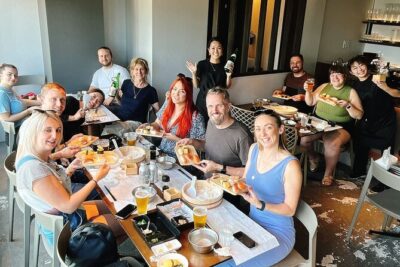
Sushi Making Tokyo Roll and Authentic Japanese Sushi Class
Read our review →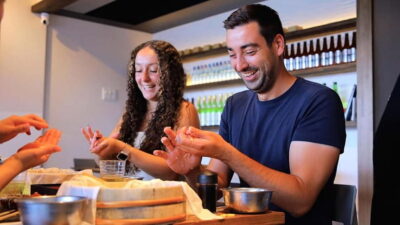
Roll and Authentic Sushi Making Class in Asakusa
Read our review →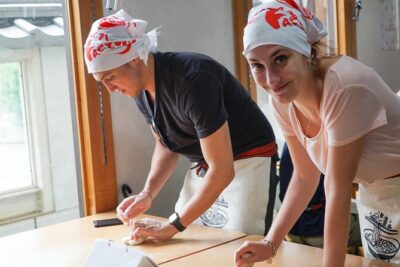
Ramen Cooking Class at Ramen Factory in Kyoto
Read our review →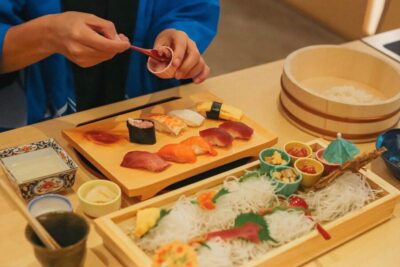
Sushi Making Class in a Happi Coat near a Famous Spot
Read our review →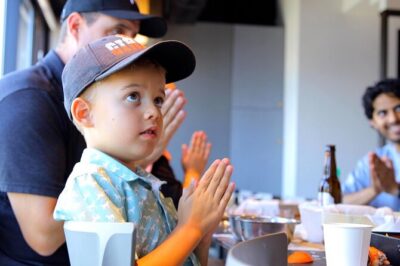
Sushi Making Osaka Roll and Authentic Japanese Sushi Class
Read our review →
Tokyo Sushi Making Class in Tsukiji with Professional Chef
Read our review →
Ramen & Gyoza Cooking Class in Tokyo with Local Supermarket Visit
Read our review →Browse the lists this tour appears in