
Reviewed · MARKETS AND FOOD HALLS
Tokyo Morning Tour: Meiji Shrine, Asakusa & Fish Market
Tokyo rewards early risers. This 270-minute morning tour links three very different sides of the city: the quiet wooded paths of Meiji Shrine, the food stalls of Tsukiji Outer Market, and the old temple streets of Asakusa. I like the smart route, which moves from spiritual calm to market energy and then to historic Tokyo.
I also like that the tour includes sushi, sashimi, croquettes, and Japanese sweets, rather than leaving you to admire food from a distance. Guides such as Yosuke, Lax, Lex, Yo Yo, Remu, Ken, and Mr. Lex have been praised for clear English, warm care, and useful explanations of Shinto, Buddhism, Japanese customs, and daily life.
The main drawback is the pace. You cover a lot of ground in four and a half hours, and public transport costs about 550 yen extra. If you want a slow market breakfast or long, unhurried temple visits, this may feel brisk.
In This Review
- Key points to know before booking
- Why this Tokyo morning route works
- Starting at IKEA Harajuku
- Meiji Shrine: a calm opening hour
- Tsukiji Outer Market: sushi, sashimi, and a busy food stop
- Asakusa and Senso-ji: Tokyo’s old streets and sweet finish
- Guides who make the difference
- Is $83 good value?
- Who should book this morning tour?
- Should you book it?
- FAQ
- Where does the Tokyo morning tour begin?
- Where does the tour finish?
- How long does the tour last?
- What food is included in the experience?
- Is public transportation included?
- Is the tour offered in English?
Key points to know before booking
- Start at IKEA Harajuku: Meet in front of IKEA HARAJUKU, a clear point near the first stop.
- Three major districts in one morning: Meiji Shrine, Tsukiji Outer Market, and Asakusa give you a broad first look at Tokyo.
- Food is part of the tour: Fresh sushi and sashimi come at Tsukiji, followed by croquettes and sweets in Asakusa.
- Expect cultural explanation, not just sightseeing: Guides explain the difference between Shinto and Buddhism and the customs connected with each place.
- The price is $83 per person: Admissions, an English-speaking guide, photos, and historical explanations are included, but public transport is not.
- Guide quality is a major strength: Past guests singled out Yosuke, Lax, Lex, Yo Yo, Remu, and Ken for energy, patience, and strong English.
Why this Tokyo morning route works
Tokyo can feel like several cities stitched together. One neighborhood is all shrine gates and cedar trees, another is seafood counters and shopping lanes, and another centers on a temple approached through a crowded shopping street. This tour gives you that contrast without asking you to plan the connections yourself.
The timing also makes sense. Meiji Shrine feels most peaceful in the morning, Tsukiji is at its best while food shops are active, and Asakusa gives you a pleasant finish with time for browsing and snacks. You will not see every corner of these districts, but you will get a useful first taste of each.
The tour lasts 270 minutes. The scheduled visits add up to about four hours and 10 minutes, leaving the rest for travel between districts and moving through the stops. You should wear comfortable shoes and arrive ready to walk, stand, sample food, and keep an eye on the guide in crowded areas.
More Markets and Food Halls in Tokyo
- Tokyo Tsukiji Fish Market Food and Culture Walking Tour
★ 5.0 · 3,184 reviews - Tokyo: Tsukiji Fish Market Food and Walking tour
★ 5.0 · 1,724 reviews - Senkyaku Banrai Toyosu Manyo Club Onsen Experience in Tokyo
★ 4.7 · 1,690 reviews
Starting at IKEA Harajuku
The meeting point is in front of IKEA HARAJUKU. This is practical because it gives the group a fixed landmark in a busy part of Tokyo, but you should allow enough time to reach it. The tour does not include public transportation, so budget around 550 yen for the local train or subway rides.
The tour ends in Asakusa, not back at the starting point. That is useful if you plan to continue sightseeing around Senso-ji, the Sumida River area, or nearby shopping streets. It also means you should not arrange a morning activity back in Harajuku immediately afterward.
Meiji Shrine: a calm opening hour
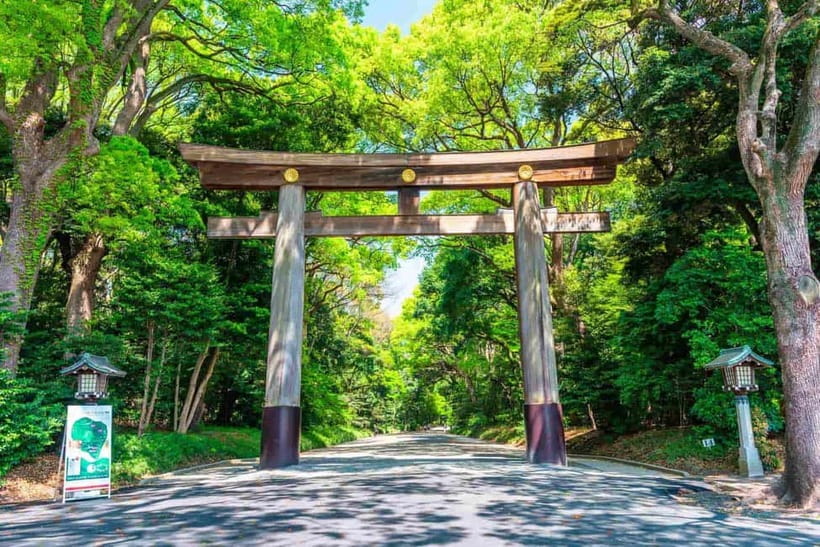
Meiji Shrine is the right first stop for this route. The approach takes you away from Harajuku’s shops and into a broad forested setting, where the city noise softens. You have about one hour here, enough to see the main areas and learn how to behave respectfully at a Shinto shrine.
Your guide can explain the basic customs, including how Shinto differs from Buddhism. That context matters because the shrine is not simply a photogenic gate and a large courtyard. It is a place of worship, and small actions such as cleansing before prayer and following the local rhythm make the visit more meaningful.
The shrine portion is especially good for first-time visitors who want help understanding what they are seeing. Guides have been praised for explaining religion in clear terms and for answering questions without turning the visit into a lecture. Yosuke was noted for his care with families, while Remu was praised for explaining Shinto and Buddhism in an informative and enjoyable way.
Some accounts also describe a fire ceremony during the visit. Because the supplied schedule does not promise this event, you should treat it as a possible extra rather than a guaranteed feature. If it takes place, it can add a memorable ceremonial moment, but the core experience remains the shrine visit and cultural explanation.
One practical point: this is not a museum visit with a fixed indoor route. You will spend time outdoors, and weather may affect your comfort. Bring suitable clothing and shoes, especially if you are visiting during a rainy or chilly morning.
Tsukiji Outer Market: sushi, sashimi, and a busy food stop
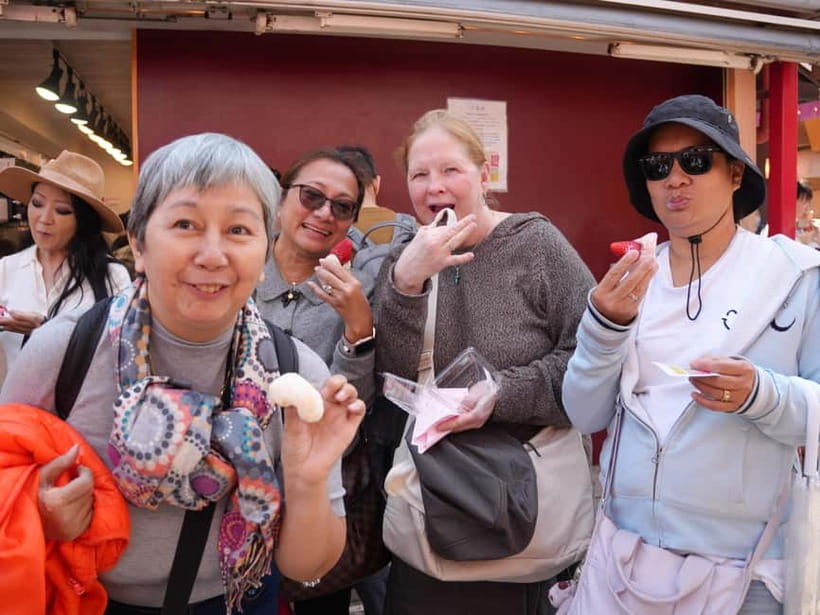
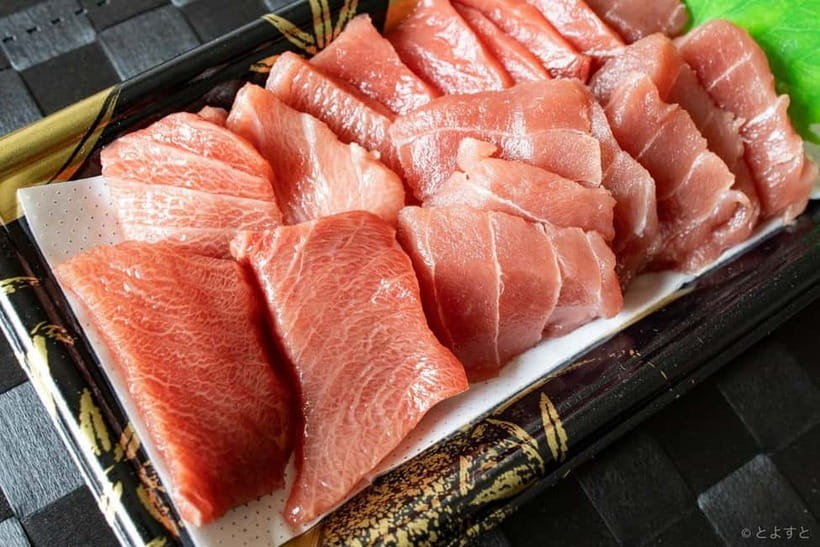
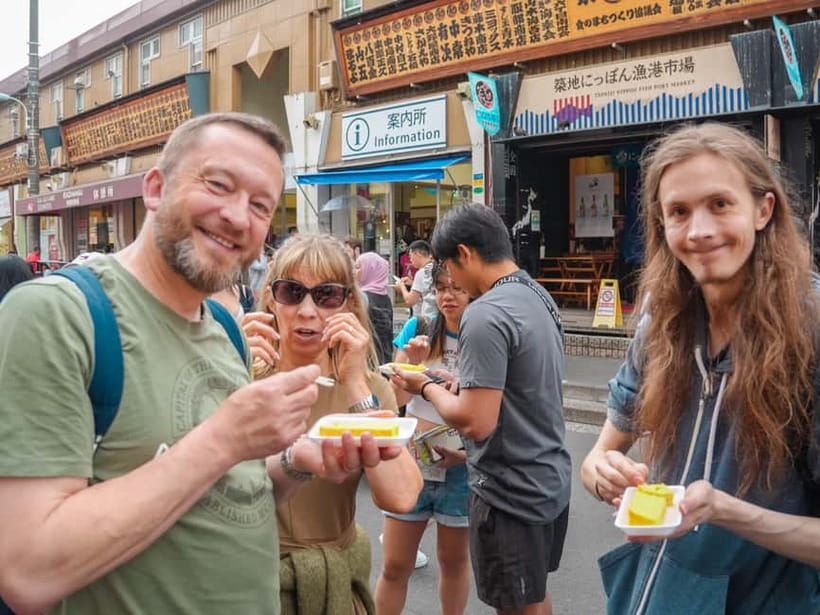
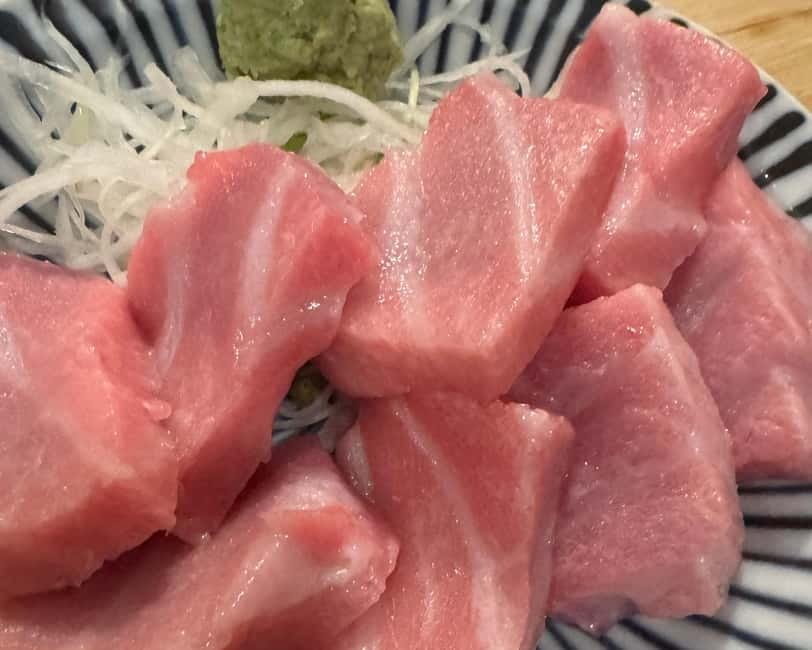
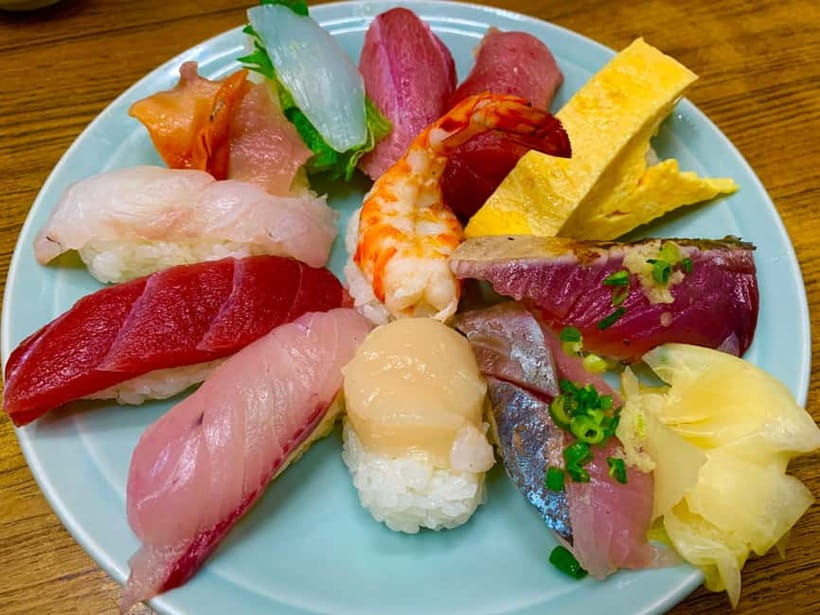
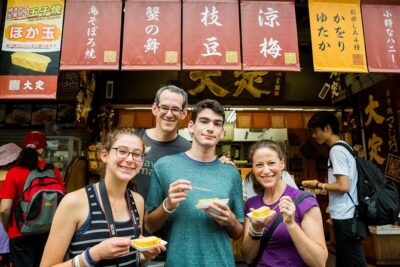
The longest stop is Tsukiji Outer Market, with about 110 minutes for sightseeing and food. This is where the tour shifts from quiet ritual to Tokyo’s food culture. You can taste fresh sushi and sashimi, look at market stalls, and learn how the area fits into the city’s long relationship with seafood.
I like the amount of time here. A quick pass through Tsukiji can leave you seeing only signs and queues, while nearly two hours gives your guide time to point out useful choices and explain what you are eating. The exact food portions and vendors are not specified, so you should not expect a full restaurant meal included in the $83 price. Think of the tasting as part of a guided market visit.
Your guide is important here. Martin from Germany specifically praised Yosuke’s explanations of Tsukiji, along with his wider comments on Japanese culture and religion. That is a good sign for anyone who wants more than a snack stop. You may learn how to recognize different foods, how market shopping works, or why certain items matter in Japanese cooking, though the exact discussion will depend on the guide and the day.
Tsukiji can be crowded, and food stalls may involve standing rather than sitting. Keep your belongings close, stay with the group, and tell the guide about allergies or dietary restrictions before eating. The provided details do not confirm vegetarian, vegan, halal, or allergy-specific arrangements, so you should ask in advance if food restrictions affect your booking.
This stop is best for people who enjoy trying small portions and observing local food culture. If you want a long, relaxed breakfast at one table, the format may disappoint. If you like tasting as you walk and asking questions, it should be one of the strongest parts of the morning.
More Temples and Shrines in Tokyo
- Tokyo: Meiji Shrine, Asakusa, Skytree Bus Tour and Cruise
★ 4.7 · 1,986 reviews - Tokyo: Asakusa Walking Tour with Sensoji Temple Visit
★ 4.8 · 1,583 reviews - Nikko: Kegon Falls, Lake Chuzenji & Toshogu Temple
★ 4.6 · 1,577 reviews - Tokyo: Nikko Toshogu Shrine and Kegon Waterfall Tour
★ 4.5 · 1,266 reviews
Asakusa and Senso-ji: Tokyo’s old streets and sweet finish
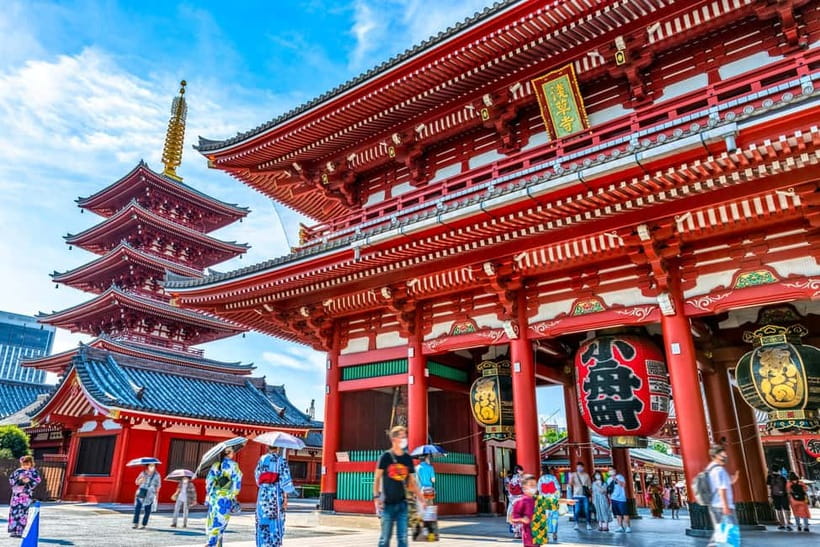
The final major stop is Asakusa, where you have about one hour to walk, shop, and see Senso-ji Temple. The mood changes again. Instead of Meiji Shrine’s trees or Tsukiji’s seafood counters, you get historic streets, temple views, small shops, croquettes, and traditional Japanese sweets.
Senso-ji gives the stop a clear focal point. The tour includes admission, and your guide can help explain the Buddhist side of the visit. This is useful because the route has already introduced Shinto at Meiji Shrine, allowing you to compare the two traditions during the same morning.
You may also hear about the ways the two religions have shaped Japanese life together. Margaret’s description of a fire ceremony and the connection between Shinto and Buddhism suggests that some guides add particularly strong spiritual context. Still, the exact ceremony or explanation can vary, so book this tour for the scheduled temple visit, not for an event that is not promised.
The food here is more casual than at Tsukiji. Croquettes offer a hot, crisp snack, while traditional sweets give you a taste of another side of Japanese food culture. You may find this stop easier for families because the food is familiar in shape, easy to carry, and part of the walk rather than a formal meal.
An hour passes quickly in Asakusa. You will have time for the main sights and a few purchases, but not for a long temple visit, extended shopping, and several cafés. Since the tour ends here, you can stay on after the guide leaves if your schedule allows. That makes the finish flexible and saves you from crossing Tokyo again.
Guides who make the difference
The strongest praise for this experience centers on the guides. Yosuke is described as active, positive, kind, and fluent in English. He also took care to keep a parent and child comfortable, a useful quality if you are booking with family.
Lax was praised for being thoughtful and engaging. Another account described Lex as professional, patient, well read about Japan, and generous with recommendations. Yo Yo was described as passionate and warm, while Ken received praise for explaining Japanese culture clearly.
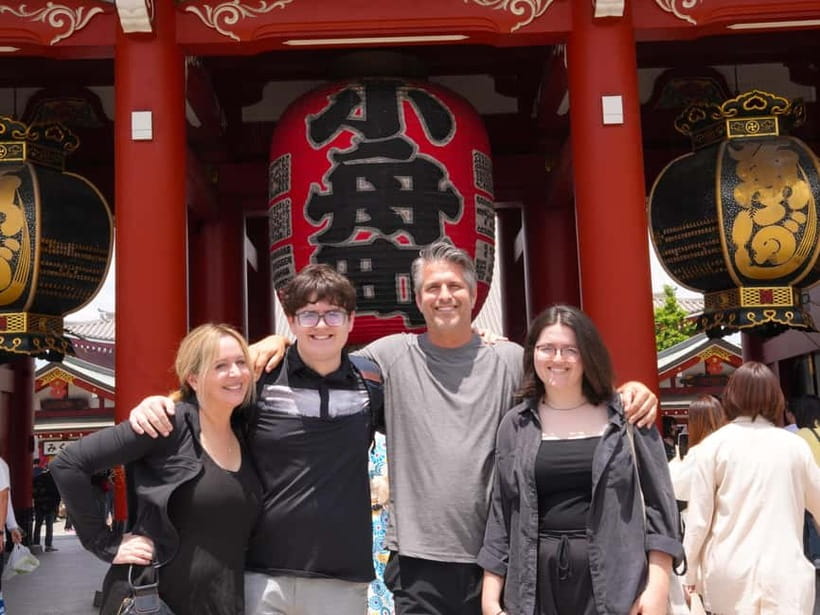
These comments point to a tour where the guide does more than lead you from one address to another. You can expect help with questions, cultural context, group care, and photos taken during the tour. The experience includes photos, which is handy when you want to stay present instead of constantly reaching for your phone.
Guide assignments can change, and no specific guide is guaranteed. I would book this for the quality of the guided format, while treating any particular guide name as a pleasant possibility rather than a promise.
Is $83 good value?
At $83 per person, this is not the cheapest way to see Meiji Shrine, Tsukiji, and Asakusa. You will also pay about 550 yen for public transportation. Still, the price includes an English-speaking guide, photos, historical and cultural explanations, and admission to Meiji Jingu Shrine, Tsukiji Fish Market, and Senso-ji Temple.
The food element adds value, but you should clarify how much tasting is included if that detail matters to you. Fresh sushi and sashimi are part of the experience, as are croquettes and sweets, but the information does not promise an extensive meal or set menu.
The bigger value is time and interpretation. You could visit all three areas independently, but you would need to work out the route, transport, shrine etiquette, temple customs, and food choices yourself. For a first morning in Tokyo, that structure can be worth paying for.
I think the price is fair for someone who wants a guided introduction and plans to keep exploring afterward. It is less appealing if you already know Tokyo well, speak Japanese comfortably, or prefer to spend an entire morning in one market.
Who should book this morning tour?
I would recommend it to first-time Tokyo visitors, families, solo visitors who want company, and anyone interested in both food and religion. The route gives you enough variety to understand Tokyo’s contrasts without filling an entire day.
It also suits people who want an early cultural start. You begin with calm shrine paths, then eat your way through Tsukiji, and finish at one of the city’s best-known Buddhist temples. That sequence feels more thoughtful than a random list of famous sights.
You may want another plan if you have limited walking ability, strict dietary needs, or a strong preference for slow meals. The tour includes walking, public transport, market crowds, and a fairly tight schedule. No accessibility details are provided, so ask the operator before booking if you need specific arrangements.
Free cancellation is available up to 24 hours before the tour for a full refund, and you can reserve now and pay later. Check the available start time before booking, since the exact departure time is not fixed in the supplied details.
Should you book it?
Book this tour if you want Tokyo explained as well as seen. The best parts are the sharp contrast between Meiji Shrine, Tsukiji, and Asakusa, plus guides who can connect food, worship, history, and everyday customs.
Skip it if your ideal morning means one long breakfast, independent wandering, or a slow photography session. For everyone else, $83 plus local transport buys a useful, well-paced introduction to three major Tokyo districts, with enough food along the way to keep the morning lively.
FAQ
Where does the Tokyo morning tour begin?
The meeting point is in front of IKEA HARAJUKU.
Where does the tour finish?
The tour finishes in Asakusa.
How long does the tour last?
The tour lasts 270 minutes, or four and a half hours.
What food is included in the experience?
The tour includes tasting fresh sushi and sashimi at Tsukiji Outer Market, plus croquettes and traditional Japanese sweets in Asakusa.
Is public transportation included?
No. Public transportation is not included. The expected fare is around 550 yen.
Is the tour offered in English?
Yes. The tour has a live English-speaking guide.
Just added in Tokyo
- Tokyo Cute Bento Cooking Class – Make a Kawaii Character Lunchbox★ 5.0 · 126 reviews
- Japanese Home Cooking Class & Walk in Todoroki Temple Tokyo★ 5.0 · 88 reviews
- A One-of-a-Kind Sushi Experience in a Special Place of Japan★ 5.0 · 15 reviews
- Japan Tokyo Tower Observatory Deck E-Ticket★ 4.0 · 34 reviews
- Catch a Baseball Game in Tokyo with a Local – Tickets Included★ 5.0 · 24 reviews
- JDM Experience with Fast&Furious RX-7 (English speaking Driver)★ 5.0 · 57 reviews
- Tokyo Private Day Tour by Car with English speaking Driver Guide★ 4.0 · 29 reviews
- Japan Classic 10 Day – One Life Adventures★ 5.0 · 129 reviews
Markets and Food Halls, compared.
Tokyo Tsukiji Fish Market Food and Culture Walking Tour
Read our review →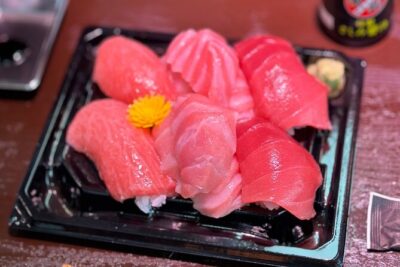
Senkyaku Banrai Toyosu Manyo Club Onsen Experience in Tokyo
Read our review →
Nishiki Market Brunch Walking Tour (7 Tastings + Brunch)
Read our review →
Tokyo Sushi Making Class in Tsukiji with Professional Chef
Read our review →
Tsukiji Fish Market Guided Tour and Sushi Making with Pro Chef
Read our review →Browse the lists this tour appears in