
Reviewed · SUMO EXPERIENCES
Tokyo Walking Tour : Sumo, Sushi, Tea, Temples and Tokyo Tower
Tokyo rewards curious walkers. This eight-hour tour connects sumo practice, Tsukiji food, a traditional garden, a Buddhist temple, and Tokyo Tower without wasting time on long vehicle transfers. I like the mix of everyday culture and famous sights, and I like that the small group is capped at 15 people.
The two best features are the rare chance to watch real sumo training at Arashio Beya and the calm tea-house visit at Hama Rikyu Gardens. The main consideration is stamina: you will spend several hours walking outdoors and using public transport, and sumo practice can be canceled or unavailable on certain dates.
A guide named Jade earned particular praise for combining personal anecdotes with Japanese history. That sort of local storytelling can make the moving parts feel less like a checklist and more like a day with a clear thread. Still, remember that food and drinks at Tsukiji cost extra, and the $166.85 price works best if you value the guide, admissions, and carefully arranged route.
In This Review
- Key points to know before booking
- Why this route works for a first Tokyo day
- Arashio Beya: sumo without the showmanship
- Tsukiji Outer Market: room for tasting and wandering
- Hama Rikyu Gardens: a quiet pause with tea
- Zojoji Temple: a thoughtful hour in a temple complex
- Tokyo Tower: a clear finish above the city
- What the $166.85 price really covers
- Walking, public transport, and the right pace
- Who will get the most from this day
- Should you book Tokyo’s sumo, sushi, tea, temples, and tower tour?
- FAQ
- How long does the Tokyo walking tour last?
- Is transportation included?
- Is food included at Tsukiji Outer Market?
- Is sumo training guaranteed?
- What admissions and activities are included?
- Where does the tour begin and end?
Key points to know before booking
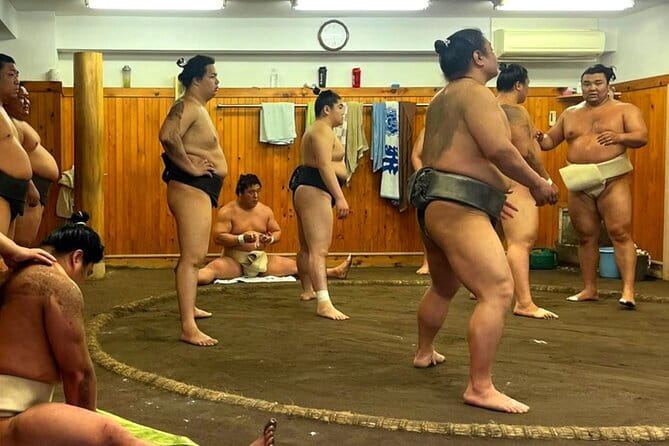
- Watch authentic sumo practice: Arashio Beya is a working training room, not a staged show, and the wrestlers cannot be disturbed.
- Eat your way through Tsukiji: The 90-minute market visit includes a guided walk and time to buy food, take photos, and explore independently.
- Slow down for tea: Hama Rikyu Gardens combines a traditional Japanese garden with a tea and sweet experience in a tea house.
- Try sutra copying at Zojoji: This gives the temple visit a quiet, hands-on element rather than making it only a sightseeing stop.
- Finish above Tokyo: The tour ends at Tokyo Tower, with a ticket included and easy access to nearby Akabanebashi Station.
- Plan for a full day on foot: The tour lasts about 8 hours and 15 minutes, beginning at 8:15 in the morning.
Why this route works for a first Tokyo day
Tokyo can feel hard to read at first. Its famous sights are spread across districts, and a first visit can easily become a string of train rides with little sense of how the pieces fit together. This tour links several very different parts of the city in one day.
The route begins in the morning at Hamacho Station, moves by train from Ningyocho Station to Tsukiji Station, and finishes near Akabanebashi Station. The included train fare covers only the stated journey, so you will need to pay for transport before the tour and after it.
I like the balance here. You get a look at a traditional sport, a chance to taste market food, a garden break, a Buddhist temple, and a city view. Those are not five versions of the same attraction. Each stop shows a different side of Tokyo.
The tradeoff is pace. You will have about one hour to one and a half hours at most stops, so the day is designed for a broad introduction rather than long, unhurried visits. If you prefer spending half a day in one garden or museum, this will feel busy. If you want help making sense of several districts, the structure is useful.
More Sumo Experiences in Tokyo
- Tokyo: Sumo Show Experience with Chicken Hot Pot and a Photo
★ 4.8 · 6,678 reviews - Tokyo: Sumo Live Show with Photo in Shinjuku
★ 5.0 · 3,438 reviews - Tokyo: Sumo Show and Dining Experience
★ 4.8 · 2,742 reviews
Arashio Beya: sumo without the showmanship
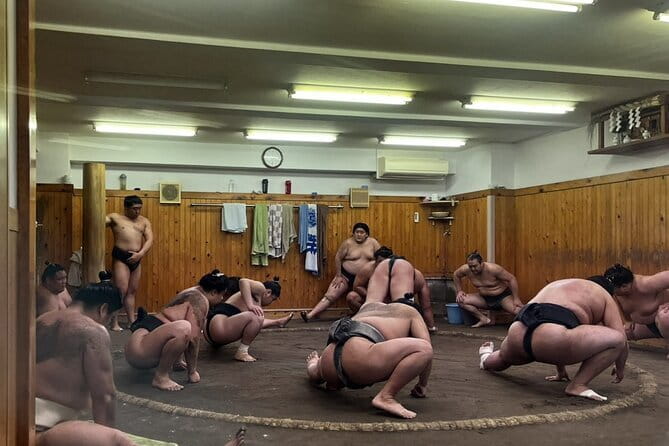
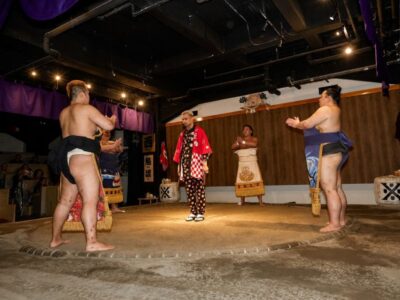
The first stop is Arashio Beya, a traditional sumo training room. The planned visit lasts about 70 minutes, and admission is included.
This is one of the tour’s most unusual features. You are not watching a tournament or a staged demonstration. You are observing genuine practice, so the mood is quiet and respectful. The wrestlers must not be disturbed, and your guide will help explain how to behave while you watch.
That distinction matters. Sumo is often presented to visitors through tournaments, displays, or themed restaurants. Here, the appeal is seeing the discipline of training itself. You may find the experience more serious and less theatrical than expected, which is precisely why it can feel special.
There is also a major scheduling warning. The stable’s routine can change, and on some days the sumo wrestlers may not be training. Training is also closed during certain weeks when the Grand Sumo Tournaments take place in January, May, and September. In those cases, you may not be able to see sumo at all.
I would treat this stop as an opportunity, not a guarantee. It should not be the only reason you book unless you are comfortable with that uncertainty. The rest of the day still has a full program, but anyone with a strong sumo interest should check the operating schedule before paying.
Tsukiji Outer Market: room for tasting and wandering
From sumo, the tour continues to Tsukiji Outer Market for about 90 minutes. A guide leads you through the market, points out food choices, and gives you time to explore, take photos, and shop.
Food is not included, so budget extra for whatever you want to sample. That may be a benefit rather than a drawback. You can choose what suits your appetite and budget instead of paying for a fixed meal that may not match your tastes.
The market portion also gives the day some freedom. Guided walks are helpful in a place with many stalls and choices, but the free time lets you stop for something that catches your eye. If you want to try sushi and street food, this is your best chance to do so during the tour.
I would arrive ready to eat lightly before the tour. The morning start and market timing make Tsukiji an important food stop, and you will get more from it if you have room to sample something. Since the tour description does not promise a set menu or a specific number of tastings, you should think of this as a guided introduction with purchases made separately.
The 90-minute window is useful but not huge. You can taste, browse, and take pictures, but you may need to choose between lingering over food and shopping. Follow your guide’s orientation first, then use the independent time for the things that interest you most.
Hama Rikyu Gardens: a quiet pause with tea
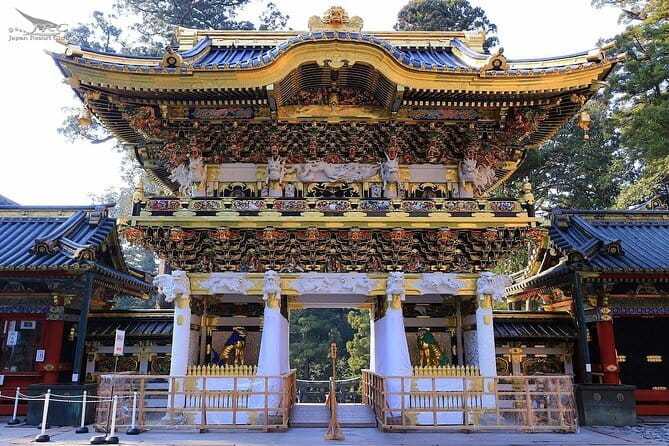
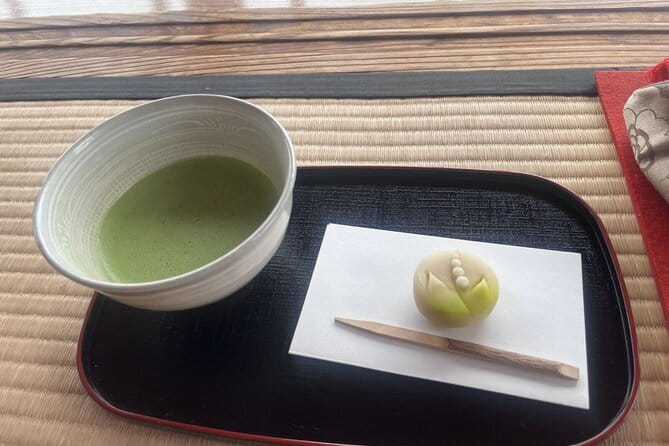
Hama Rikyu Gardens provides a change of speed after the market. The visit lasts about 80 minutes and includes garden admission, a guided introduction to the garden and its past, free time, and a traditional tea and sweet experience in a tea house.
This is where the route gains breathing space. The garden gives you an outdoor setting away from Tokyo’s busy streets, while the tea house adds a cultural activity with a clear sense of place. I like that the tour does not simply lead you through the garden and hurry on. You get time to look around before meeting again for tea.
The tea experience is included, which helps explain some of the tour price. You are paying not only for a guide but also for the garden entry and an arranged activity that would be less straightforward to organize on your own.
Do not expect an extended tea ceremony unless the guide specifically explains otherwise. The information provided describes a tea and sweet experience in a tea house, not a long formal ceremony. That makes it accessible, but anyone seeking a highly detailed study of tea traditions may want a dedicated tea activity elsewhere.
The timing is also practical. After the food stop, tea and a sweet offer a lighter cultural pause rather than another major meal. Keep your walking shoes on, since the day remains active even during the garden section.
More Temples and Shrines in Tokyo
- Tokyo: Meiji Shrine, Asakusa, Skytree Bus Tour and Cruise
★ 4.7 · 1,986 reviews - Tokyo: Asakusa Walking Tour with Sensoji Temple Visit
★ 4.8 · 1,583 reviews - Nikko: Kegon Falls, Lake Chuzenji & Toshogu Temple
★ 4.6 · 1,577 reviews - Tokyo: Nikko Toshogu Shrine and Kegon Waterfall Tour
★ 4.5 · 1,266 reviews
Zojoji Temple: a thoughtful hour in a temple complex

The next stop is Zojoji Temple, with about one hour devoted to the temple and its surroundings. Your guide explains the temple and its past, and the visit includes a sutra copying experience.
The copying activity is the most distinctive part of this stop. It gives you a quiet task and a moment to slow down. You do not need to be religious to appreciate that change in rhythm. After the market and the garden, sitting down to copy a sutra can make the temple visit feel personal rather than purely visual.
An hour is enough for an introduction, but it does limit how long you can linger. If you are interested in Buddhist art, architecture, or temple practice, you may wish you had more time. The advantage is that the visit remains focused and does not take over the full day.
The temple also gives the tour a stronger cultural center. Sumo shows physical discipline, the market shows food traditions, tea offers formal hospitality, and sutra copying adds contemplation. That sequence gives the day more shape than a simple list of popular sights.
I would listen closely to the guide here. The activity itself may be quiet, while the explanation helps connect the site to the wider setting. Jade’s style, described as a blend of personal anecdotes and Japanese history, sounds particularly well suited to a stop where context matters.
Tokyo Tower: a clear finish above the city
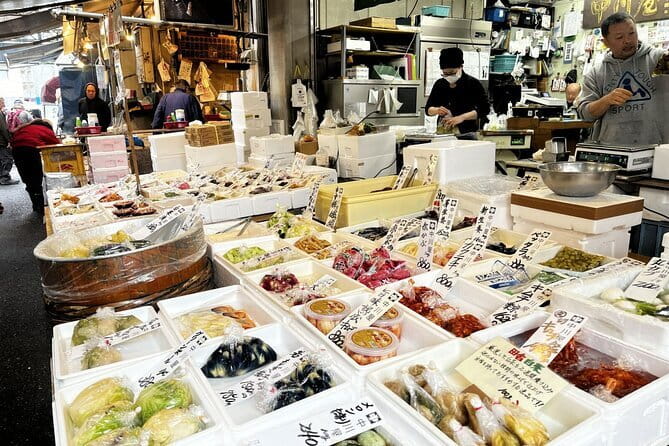
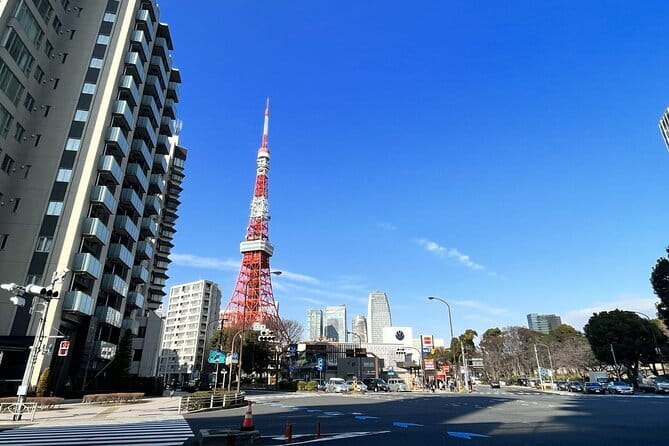
The last major stop is Tokyo Tower, where you have about 75 minutes. The ticket is included, and the tour finishes near Akabanebashi Station.
Tokyo Tower brings the day back to modern Tokyo. After the traditional sumo room, market, garden, and temple, the observation deck gives you a broad view of the city and a chance to enjoy the tower’s older, retro design.
The timing is sensible. A 75-minute visit gives you room to take in the view and photographs without turning the final stop into another long session. Since the tower is the final attraction, you do not need to rush back to a meeting point elsewhere in the city.
The ending is also practical. The tour concludes near Akabanebashi Station, and the guide can help with questions about returning to your hotel or reaching your next destination. Your own transport after the tour is not included, but finishing beside a station keeps the next step manageable.
Weather may affect how much you get from the observation deck, though the tour still includes the ticket. If the air is clear, this can be the visual high point of the day. If visibility is poor, the tower’s architecture still gives the stop some appeal.
What the $166.85 price really covers
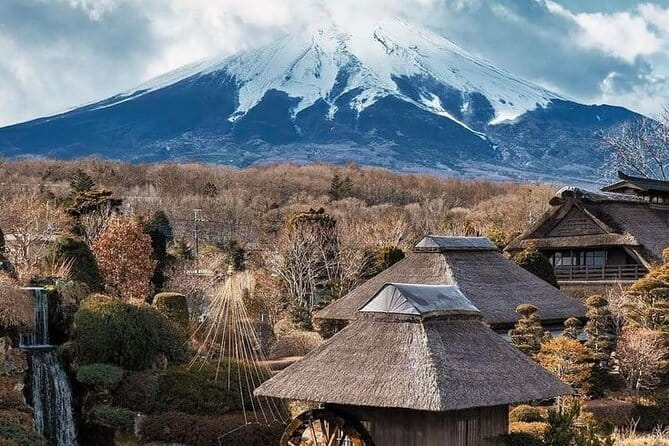
At $166.85 per person, this is not a cheap walking tour. The value depends on how much you want arranged for you.
The price includes a local English-speaking guide, the train fare from Ningyocho Station to Tsukiji Station, Hama Rikyu Gardens admission, the tea-house experience, the sutra copying fee, and the Tokyo Tower ticket. Those inclusions cover several costs that would otherwise be paid separately.
Food and drinks are not included. That is important at Tsukiji, where the whole point is having the option to sample market food. You should set aside extra money for anything you eat or buy.
I think the price makes the most sense for a first visit, especially if you want cultural variety in one day and prefer not to work out the route yourself. A self-guided version could cost less, but you would need to coordinate the stations, entrances, timing, and cultural etiquette on your own.
The group maximum of 15 is another part of the value. It is not a private tour, but it is small enough for the guide to give directions and answer questions without managing a crowd. The published rating is 5 out of 5 from 21 reviews, with 100 percent recommending it. That is a small sample, but it supports the idea that the guide-led format is a major strength.
Walking, public transport, and the right pace

This tour uses public transport and does not provide a private vehicle. That is a plus if you want to move through Tokyo as residents do, but it means you should expect station access, train travel, and plenty of walking.
The day lasts roughly 8 hours and 15 minutes, beginning at 8:15 in the morning. Several hours take place outdoors. Comfortable shoes, weather-appropriate clothing, and water are sensible choices, even though the route includes indoor stops.
Most people can participate, but the schedule will suit active visitors best. The tour is not designed for someone who needs frequent long rests or wants door-to-door transport. At the same time, each stop provides a change of setting, and the itinerary is broken into manageable sections rather than one continuous walk.
The start is at Hamacho Station, at 2-chōme-59-3 Nihonbashihamachō in Chuo City. The finish is near Akabanebashi Station at 1-chōme-28-13 Higashiazabu in Minato City. Check your morning route carefully because transport before the meeting point is your responsibility.
The tour is booked, on average, 81 days ahead. That suggests you should reserve early if your Tokyo dates are fixed, especially because the group is limited to 15 people. Free cancellation is available up to 24 hours before the start time, but changes or cancellations inside that window are not refunded.
Who will get the most from this day
I would recommend this tour to a first-time Tokyo visitor who wants more than the standard sightseeing circuit. It suits you if you enjoy local food, traditional customs, public transport, and a full schedule that keeps moving.
It is also a good fit if you want an English-speaking guide to explain what you are seeing. The sumo stop has rules, the temple visit has cultural context, and the garden and tea-house experience benefit from an introduction. A guide helps those moments land with more meaning.
You may want to skip it if your main goal is an in-depth food tour. Tsukiji receives only 90 minutes, and food is purchased separately. It is also not ideal if you want guaranteed sumo training, since the practice schedule can change.
Families and mixed-interest groups may find the variety helpful, provided everyone is comfortable walking for much of the day. The route offers enough changes in subject to keep the experience from feeling repetitive, but it does ask for steady energy from morning until late afternoon.
Should you book Tokyo’s sumo, sushi, tea, temples, and tower tour?
I would book this tour if you want a well-organized introduction to Tokyo’s cultural range and do not mind paying for convenience, admissions, and a guide. The strongest reasons are the real sumo-training setting, the tea-house visit at Hama Rikyu, the sutra copying at Zojoji, and the easy finish at Tokyo Tower.
I would hesitate only if you need a relaxed pace, want a private vehicle, or are booking mainly for sumo. The training may not take place, and Tsukiji food costs extra. For an active first day in Tokyo, though, this route gives you a lot of variety without asking you to solve the city’s transport puzzle alone.
FAQ
How long does the Tokyo walking tour last?
The tour lasts approximately 8 hours and 15 minutes. It begins at 8:15 am and finishes near Akabanebashi Station.
Is transportation included?
The train fare from Ningyocho Station to Tsukiji Station is included. Transport before the tour starts and after it ends is not included.
Is food included at Tsukiji Outer Market?
No. The guided market visit is included, but food and drinks are not. You pay separately for anything you choose to eat or buy.
Is sumo training guaranteed?
No. The sumo stable’s schedule can change, and training is closed during certain weeks when Grand Sumo Tournaments take place in January, May, and September.
What admissions and activities are included?
The tour includes admission to Hama Rikyu Gardens, the tea-house experience there, the sutra copying experience at Zojoji Temple, and a Tokyo Tower ticket.
Where does the tour begin and end?
The tour begins at Hamacho Station in Chuo City. It ends near Akabanebashi Station in Minato City, and the guide can help with questions about onward transport.
More Walking Tours in Tokyo
- Tokyo Tsukiji Fish Market Food and Culture Walking Tour
★ 5.0 · 3,184 reviews - Tokyo: Imperial Palace and Shogun Historical Walking Tour
★ 5.0 · 2,251 reviews - Tokyo: Shinjuku Local Bar and Izakaya Guided Walking Tour
★ 4.9 · 1,794 reviews - Tokyo: Tsukiji Fish Market Food and Walking tour
★ 5.0 · 1,724 reviews
Just added in Tokyo
- Tokyo Like a Local: Private & Personalised Experience (2-3 hours)★ 4.5 · 81 reviews
- Samurai Experience – Learn Bushido through Kendo, in Tokyo★ 5.0 · 88 reviews
- Tokyo Layover 5 Hours Private Tour★ 5.0 · 40 reviews
- Tokyo: SEGA Joypolis E-Tickets with Optional Tokyo Metro Pass★ 4.0 · 14 reviews
- Experience Big soba knife Soba Making Class in Tokyo Kappabashi★ 5.0 · 71 reviews
- Traditional Japanese Comedy, Juggling & Magic Live Show in Tokyo★ 5.0 · 37 reviews
- Tokyo Ikebukuro Evening Tour Dive into Japanese culture★ 5.0 · 15 reviews
- Imperial Palace Tour: Discover Samurai History with a Local Guide★ 5.0 · 20 reviews
Sumo Experiences, compared.
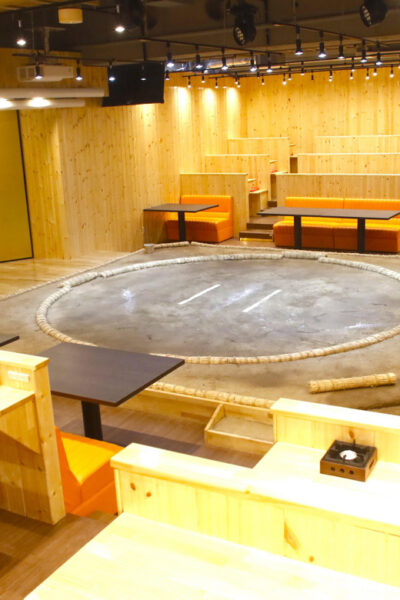
Sumo Show Experience with Chicken Hot Pot and a Photo
Read our review →

Tokyo Shinjuku Sumo Show & Experience with Photo
Read our review →
Asakusa Sumo Club Sumo Show Admission with Chankonabe in Tokyo
Read our review →
Tokyo Ginza Sumo Experience: Performance vs Pure Practice
Read our review →Browse the lists this tour appears in